Custom Winter Hats Lead Time and MOQ: What Buyers Need First
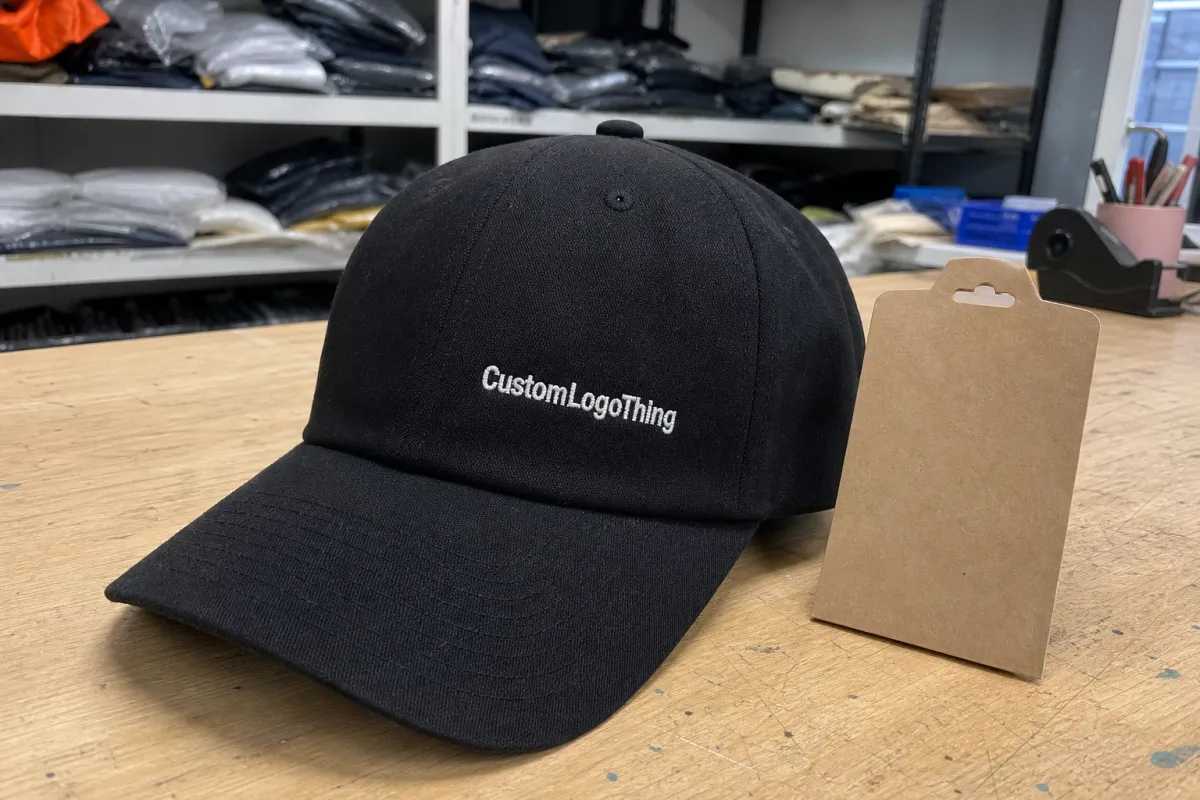
The slowest part of a beanie order is not always knitting the hat. More often, custom winter hats Lead Time and MOQ come down to how quickly the decoration method, artwork approval, yarn color, label details, packaging, and freight plan get locked before production space or blank inventory shifts.
That matters if you are buying branded beanies for employee kits, outdoor events, ski weekends, resort shops, school stores, retail merchandise, or seasonal promotions. A winter hat has a long useful life compared with many giveaway items. People keep it in a coat pocket, toss it in a truck, wear it on job sites, and pull it out again when the temperature drops. That retention makes the product attractive, but it also raises the bar for logo quality and fit.
From a packaging buyer's point of view, the decision is similar to choosing between stock cartons with a printed label and fully custom printed boxes. Stock beanies with embroidery or patches usually support lower quantities and faster schedules because the base product already exists. Fully custom knit production gives more control over yarn, pattern, pom color, private-label trims, and jacquard artwork, but it needs more planning.
Lead Time and MOQ are tied together. Lower minimums normally rely on blank stock hats with direct embroidery, woven patches, leatherette patches, or sewn labels. Higher MOQs usually appear once yarn setup, machine programming, custom trims, retail packaging, and inspection are spread across the run. The right path depends on what you need the hat to do, not just the lowest starting number.
Practical rule: if the date is firm, choose the production route first. If the design is firm, protect enough time for sampling, proofing, finishing, and freight.
Custom Logo Things quotes these projects by matching the hat style, decoration, quantity, packaging, and delivery date to a realistic production route. A quote with missing details may look cheaper, but it rarely helps once receiving dates, carton marks, or logo placement become part of the job.
Beanie Styles, Decoration Methods, and Use Cases That Change the Order
Beanies look simple on a product page, yet small construction differences affect price, timing, and decoration quality. A cuffed beanie gives the cleanest logo zone because the folded cuff creates a more stable decoration area. An uncuffed knit cap has a lower-profile look, but placement must be controlled carefully so the logo does not sit too high or distort across the crown.
Pom beanies feel more retail and event-driven, especially for school stores, resort shops, brewery merch, and winter race giveaways. Rib-knit watch caps work well for workwear and outdoor crews because the stretch is dependable and the silhouette is familiar. Slouch beanies need more crown depth, often 10 to 12 inches before folding behavior is considered, while heavier outdoor knits may use a thicker yarn or fleece lining for added warmth.
Decoration choice changes the production path. Direct embroidery decorates a finished blank. It is durable, clean, and efficient for simple marks, especially logos under about 3 inches wide with limited fine detail. Woven patches add a separate patch production step, then sewing or heat application, but they can hold small lettering better than thread stitched directly into ribbed knit. Leatherette patches offer a retail packaging feel with debossed or laser-marked artwork. Rubber or PVC patches suit outdoor brands that want raised texture and weather-resistant styling.
Jacquard knit logos are different. The artwork is built into the hat from the beginning, so the logo becomes part of the fabric structure rather than an added decoration. That can look excellent for bold marks, stripes, repeating patterns, and team-style designs, but fine outlines and tiny text need simplification. Yarn has physical limits. It cannot reproduce a detailed seal the way a printed insert card can.
| Decoration Method | Best Fit | Typical Planning Impact |
|---|---|---|
| Direct embroidery | Simple logos, cuffed beanies, workwear programs | Fastest route when blanks are available; stitch count affects unit cost |
| Woven patch | Small lettering, detailed logos, retail merchandise | Adds patch proofing and sewing time, but improves detail control |
| Leatherette patch | Outdoor, brewery, resort, and lifestyle branding | Requires patch material, artwork setup, and attachment testing |
| Jacquard knit | Built-in patterns, bold logos, fully custom programs | Longer schedule due to yarn confirmation and knitting setup |
Packaging add-ons should be raised early. Individual poly bags, belly bands, hang tags, care labels, size stickers, and retail-ready cartons can help presentation, especially for product packaging or gift kits, but late packaging design changes can slow packing and freight release.
Specifications to Confirm Before We Quote Your Winter Hats
A reliable quote starts with the full specification, not just a logo and a target quantity. We need the hat style, knit weight, yarn type, decoration method, logo size, logo colors, placement, order quantity, packaging preference, delivery ZIP code, and required in-hand date. If the hats are going into kits or multiple locations, that distribution detail belongs in the first conversation.
Material choice affects warmth, hand feel, color range, and cost. Acrylic is the common workhorse because it is warm, holds color well, and is widely available in stock beanies. Recycled polyester blends fit sustainability-minded programs and pair naturally with FSC-certified hang tags or other responsible branded packaging choices. Wool blends offer premium warmth, although they can raise cost and may require more care in labeling. Fleece lining adds cold-weather protection, but it changes stretch and can make the hat feel tighter.
Sizing deserves real attention. Most adult beanies use one-size stretch construction, but crown depth, cuff height, rib structure, and lining all affect fit. Youth sizing is not just a smaller logo on the same hat. A thick leatherette patch on a short cuff may feel stiff against the forehead, while a large woven patch can look balanced flat on a table but too wide once the cuff stretches on a head.
Artwork should be sent as vector files when possible, such as AI, EPS, or clean PDF. Pantone references help, and thread or yarn matches should be treated as controlled targets rather than exact matches across every material. Embroidery needs minimum line thickness and open spacing. Jacquard needs simplified shapes, fewer tiny gaps, and a knit map that respects the stitch grid.
Logo placement also changes labor. Center-cuff embroidery is straightforward. Side placements need a clear proof because the logo may sit closer to the ear than expected. Wraparound jacquard patterns require mapping across the circumference of the hat. Sewn clip labels and hem tags need edge allowance so stitching does not eat into the artwork.
Retail and institutional buyers should also confirm compliance details. Fiber content, country-of-origin marking, care instructions, carton labels, purchase order numbers, and receiving department requirements can all affect finishing. For broader packaging standards and transit testing, resources from ISTA are useful, especially if the beanies are part of larger kitted shipments.
MOQ, Pricing, and Unit Cost Factors for Custom Beanies
MOQ depends on the production route. Decorated stock beanies may support lower minimums because the blank hat is already made and the project centers on decoration, proofing, and packing. Fully Custom Knit Hats usually require higher quantities because yarn setup, machine programming, sampling, finishing, and inspection have to be spread across enough units to make the run practical.
The main unit cost drivers are easy to understand once the order is broken into parts: blank hat quality, yarn blend, knit complexity, decoration type, stitch count or patch size, number of logo locations, private-label details, packaging, shipping method, and order quantity. A 2.25-inch embroidered logo on one cuff is a different job than a woven patch plus a hem label plus individual bagging and carton routing.
Setup charges are not mystery fees. Embroidery digitizing converts artwork into stitch instructions. Patch setup covers the woven, rubber, PVC, or leatherette production file. Jacquard programming translates the design into knit structure. Sample development may be needed for retail programs or high-visibility launches. Freight is separate because carton size, weight, destination, and service level can change the landed cost.
Quantity breaks usually work because fixed setup work gets spread across more hats. The first 100 units carry the same artwork review and proofing burden that a larger run does. As quantities rise, decoration lines run longer, material purchasing improves, and handling per unit becomes more efficient. That is why a minimum order may be acceptable for a small staff gift, while a larger event or retail drop can show a better per-hat number.
For budget planning, lowest-cost programs normally use stock acrylic beanies with simple embroidery. Midrange orders often add woven or leatherette patches for a cleaner retail look. Premium programs use custom knit patterns, private-label woven tags, hang tags, belly bands, and coordinated cartons. If you also manage custom printed boxes or other retail packaging, align the hat program with the same package branding rules so the kit feels intentional.
Honestly, I think buyers get the best information when they ask for two or three quantities. Request the minimum, a practical reorder quantity, and a larger event or retail quantity. That comparison shows where custom winter hats Lead Time and MOQ meet real budget pressure instead of forcing a decision from one number.
Lead Time, Production Steps, and Timeline Planning
The order path usually follows a predictable sequence: specification review, quote, artwork cleanup, proof creation, approval, material allocation, decoration or knitting, quality control, packing, and freight. If a pre-production sample is required, add time for sample production, review, revision, and final approval before the main run starts.
Stock beanies with embroidery or patches generally move faster because the base product already exists. The schedule is mostly decoration capacity, proof approval, finishing, packing, and transit. Fully custom knit production takes longer because yarn colors must be confirmed, machines must be programmed, color tension has to be checked, hats must be linked or finished, and the completed run needs inspection before packing.
Timeline risks are familiar but costly. Late artwork can hold the proof. Unclear Pantone references can create color questions. Changing quantities after approval can affect blank allocation or yarn planning. Adding private-label packaging late can pause packing. Missing delivery addresses can keep freight from being quoted properly. A slow proof approval can push the job behind another scheduled run.
Work backward from the in-hand date. Leave time for proof revisions, production queues, freight variability, and receiving or kitting. If hats are going into employee gift boxes, uniforms, retail displays, or regional distribution, the delivery date to the kitter or warehouse may matter more than the public event date. Build that buffer early.
For many stock decorated orders, buyers should think in business days from final proof approval rather than from the first email. For fully custom knit programs, the clock should include artwork simplification, yarn confirmation, sample approval if required, bulk knitting, trimming, labeling, packing, and freight. That is why custom winter hats lead time and moq should be discussed together before any purchase order is issued.
Custom Logo Things will tell you if a request is realistic. If the date is tight, the better answer may be stock embroidery instead of jacquard, a woven patch instead of tiny direct embroidery, or standard packaging instead of a custom belly band. Speed is useful only if the finished hats still look right.
How to Avoid Delays, Rework, and Logo Quality Problems
Most avoidable problems start before production. Small text, thin outlines, gradients, and complex seals can lose clarity on ribbed knit because the surface moves and stretches. A mark that prints beautifully on product packaging may need to be simplified for embroidery or converted to a woven patch. That is not a downgrade. It is choosing the decoration method that respects the material.
Color accuracy also needs a practical view. Thread, yarn, woven labels, rubber patches, leatherette patches, and printed hang tags all reflect light differently. A Pantone color is a target, not a promise that every surface will appear identical under store lighting, warehouse lighting, and daylight. If color is critical, request the right proof or sample level before bulk production.
Do not approve a proof without checking logo size against the actual cuff area. A 3.5-inch logo can look fine on a screen and heavy on a stretched beanie. A mark placed too low can fold under the cuff edge. A patch that is too tall can make the front feel stiff. Ask for dimensions, not just a pretty mockup.
Packaging details should be locked before production starts. Carton marks, individual bagging, hang tags, warehouse routing, purchase order labels, and split shipments all affect final handling. For sustainability-minded programs, the FSC framework can guide paper tag or band choices, while still keeping the beanie itself specified around yarn performance and wear.
Quality control should cover decoration placement, stitch density, patch sewing, adhesive performance where heat-applied patches are used, loose threads, yarn defects, label position, carton counts, and outer carton condition. On a practical level, custom winter hats lead time and moq planning should include inspection time because shipping an unchecked run rarely saves money if rework is needed later.
Why Custom Logo Things Is Built for Practical Beanie Orders
Custom Logo Things is set up for buyers who want clear quoting and grounded recommendations, not inflated claims. A good beanie order starts with the real use case: staff gift, outdoor crew wear, retail shelf, school store, resort merch, fundraiser, or seasonal promotion. Each one points toward a different balance of budget, presentation, durability, and speed.
We help buyers choose between stock decoration and fully custom production by reviewing timeline, budget, logo complexity, quantity, and distribution. If your logo has fine type, a woven patch may protect clarity better than direct embroidery. If your brand mark is bold and you want the design built into the hat, jacquard may be worth the higher MOQ and longer schedule. If your date is tight, an available stock beanie with simple embroidery may be the smartest route.
Technical review before quoting prevents disappointment later. We look at logo shape, stitch behavior, patch size, cuff height, label placement, and packaging assumptions before pretending the job is simple. That is the same discipline good packaging design requires: define the material, decoration, dimensions, and delivery conditions before chasing the lowest unit cost.
An accurate quote protects the buyer. It should state decoration method, logo size, placement, quantity, packaging, freight assumptions, and delivery timing. A low number without those details can create surprises after approval, especially if the order later needs hang tags, individual bags, custom carton labels, or split shipments.
Communication matters during proofing and production. Buyers should know what needs approval, which changes affect schedule, and whether the requested custom winter hats lead time and moq match the project requirements. If they do not, we would rather say so early and recommend a better route than push a weak plan into production.
Next Steps to Get an Accurate Beanie Quote
To quote a beanie program cleanly, send the target quantity, preferred hat style, logo file, decoration preference, number of logo locations, desired packaging, delivery ZIP code, required in-hand date, and whether a pre-production sample is needed. If you already have receiving rules or carton label requirements, include those too.
If you are unsure, send what you have: a logo, a photo of a hat style you like, the event or retail deadline, and a rough budget range. That gives the sales team enough direction to narrow the best production route quickly. You can also review related options through Custom Packaging Products if the beanies are part of a larger branded kit or retail program.
Ask for good-better-best options if schedule and cost are both in play. A good option may be an in-stock acrylic cuff beanie with embroidery. A better option may use a woven or leatherette patch for more detail and retail appeal. A best option may include custom knit construction, private-label trims, individual bagging, and coordinated retail packaging.
Once the quote is accepted, approve artwork and order details quickly. Production slots, blank inventory, and freight windows can change during peak cold-weather ordering periods. If you need help with ordering basics, artwork questions, or general policies, the FAQ page is a useful starting point.
To confirm custom winter hats lead time and moq for your order, send the hat style, artwork, quantity, packaging needs, and delivery date so Custom Logo Things can price the right path instead of guessing.
FAQ
What is the typical custom winter hats lead time and MOQ?
Lead time and MOQ depend on whether the order uses stock beanies with decoration or fully custom knit production. Stock decorated beanies are usually the faster and lower-minimum route because the blank hats already exist. Fully custom knit hats generally require higher MOQs and longer scheduling because yarn, knitting setup, sampling, finishing, and inspection are part of the job. The most accurate answer comes after confirming quantity, decoration method, logo complexity, packaging, delivery location, and required in-hand date.
Can I order custom beanies below the normal MOQ?
Lower quantities may be possible when using available stock beanies and standard decoration such as embroidery or a simple patch. Below-minimum orders often carry higher unit costs because setup, proofing, and handling do not shrink in the same way as quantity. Fully custom knit patterns, private-label trims, special yarn colors, and retail packaging are less flexible at very low quantities. Ask for a minimum option and a better-value quantity so you can compare the actual cost difference.
What details affect the price of custom winter hats the most?
The biggest cost factors are hat style, yarn or blank quality, quantity, decoration method, logo size, number of decoration locations, packaging, and freight. Embroidery cost is influenced by stitch count and complexity, while patch cost depends on patch material, size, shape, colors, and application method. Custom knit designs add setup and production planning, especially when the logo or pattern is built directly into the hat. Private labeling, hang tags, individual bags, and special carton labeling should be quoted upfront to avoid surprise charges later.
Which decoration method is best for branded winter hats?
Direct embroidery is durable and clean for simple logos, especially on cuffed beanies with enough flat decoration space. Woven patches handle small lettering and detail better than embroidery on ribbed knit. Leatherette and rubber patches give a more retail or outdoor look, depending on the brand style. Jacquard knit logos are best when the design should feel built into the hat, but they require more planning and usually a higher MOQ.
How can I shorten the turnaround time for custom beanies?
Choose an in-stock beanie style, keep the decoration simple, and provide clean vector artwork at the start. Approve proofs quickly and avoid changing quantity, colors, placement, or packaging after production is scheduled. Use standard packaging unless retail presentation or distribution requirements Make Custom Packaging necessary. Share the real in-hand date and delivery address early so the production and freight plan can be built around the deadline.


