Most coffee bag problems are not design problems. They are fit, seal, valve, or barrier problems that only show up when someone handles the real package. That is why a custom coffee paper bags Sample Approval Checklist matters: it helps you judge the bag as a working product, not as a polished mockup.
A screen can make a pouch look ready even when the structure is wrong. The sample is where you catch the issues that affect freshness, packing speed, and shelf presentation. If the top seal feels weak, the zipper binds, or the gusset will not stand cleanly, those issues matter more than a perfect PDF.
Approval is a control step. It should answer practical questions: does the bag fill well, close well, and survive handling? Does the print still read clearly after folding and packing? Does the material match the shelf life and presentation target? If the answer is unclear, the sample is not ready for sign-off.
Approval is the last practical chance to catch a structural mistake before it becomes inventory.
Custom coffee paper bags sample approval checklist: start with the bag, not the mockup
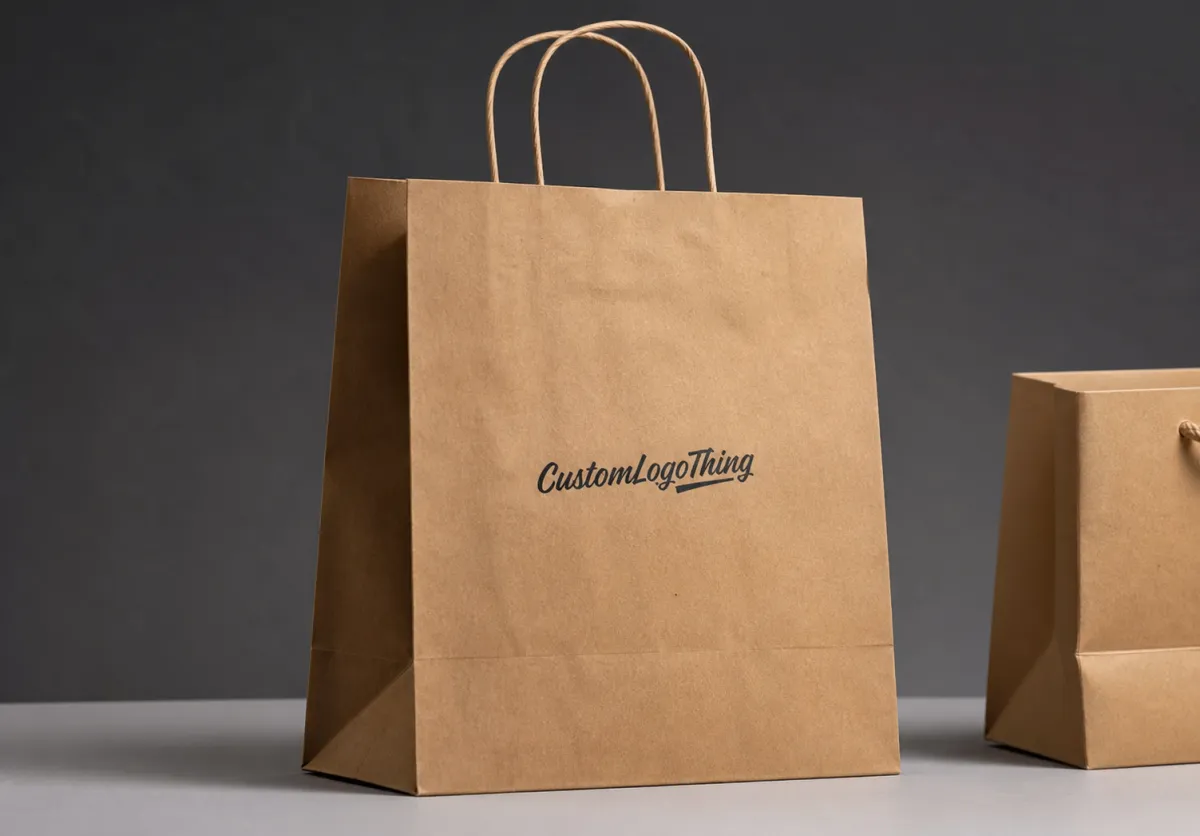
Review the sample the way the end user will experience it. If the bag is meant for 12 oz, test it at 12 oz. If it will be packed in warm conditions, do not approve it after one neat fill under ideal lighting. If the closure is a zipper, tin tie, or both, test every feature that affects opening, closing, and resealing.
The first check is function. Does the bag stand upright after filling? Does the gusset open evenly? Does the top seal compress consistently? Does the closure feel secure after a few cycles? A bag can look acceptable empty and still become awkward or unstable once product is inside.
Use the sample to confirm size and volume against the approved spec, not against memory. Height, width, gusset depth, and usable capacity should all line up with the fill weight. A few millimeters can affect line speed, carton count, and display fit. Whole bean coffee and ground coffee can behave differently, and darker roasts may occupy more space than expected.
Material matters just as much as structure. Kraft paper, film laminate, foil, and matte or soft-touch finishes can feel similar in a photo but perform very differently in use. Ask what the bag is expected to protect against: oxygen, moisture, grease, and light. For coffee, barrier performance affects aroma retention and shelf life more than artwork does.
Check the closure and access features more than once. Open and close the zipper several times. Confirm the tear notch is easy to find. Look for consistent top-seal width and even compression. If the zipper binds on the second use, that is a usability issue. If the tear line is difficult to find, the customer will notice quickly, and so will the packer.
Print needs its own review. Compare color under neutral light, not only under office lighting. Read the copy at actual size. Scan the barcode or QR code with the same device the warehouse will use. If the finish is supposed to be matte, gloss, or soft-touch, compare it to the agreed reference rather than a mental image from the digital proof. Small differences are acceptable only when the tolerance was defined before approval.
Ask the supplier to note the revision number and the tolerance range in writing. If print placement can shift by 2 mm, write that down. If zipper alignment has a defined pass range, record it. Clear tolerances prevent arguments later, especially once freight and production are already underway.
For buyers who want a broader quality reference, transit testing logic such as ISTA methods helps explain why the bag should survive compression, vibration, and handling. You do not need a lab test for every order, but you do need the sample to reflect real shipping and warehouse conditions.
Process and turnaround: from brief to sign-off
A clean approval flow saves more time than rushing the sample ever will. Start with a written brief that includes bag size, fill weight, closure type, barrier target, print coverage, and sales channel. Then review the digital proof for layout, spelling, barcode placement, and brand accuracy. After that, test the physical sample with real product or a close weight match and send one consolidated round of comments.
The schedule depends on the bag, but the pattern is predictable. A digital proof can often move in 1-3 days if the feedback is focused. A plain physical sample usually takes 5-10 days before shipping. Fully printed approval samples or samples with specialty barrier material, custom zippers, or unusual construction usually take longer. Add freight, and the calendar may stretch another 5-14 days depending on the route.
Three things slow sign-off more than anything else: too many reviewers, missing files, and surprise changes after the sample is already in motion. Decide who owns the decision, who collects comments, and what deadline applies. One final approver is usually enough. A crowd of reviewers giving loose opinions is how a simple approval process turns into an email chain.
Use a fixed sequence so the team knows what happens next:
- Send the written brief and artwork files.
- Review the digital proof for layout, spelling, and brand accuracy.
- Receive the sample and test size, seal, closure, and fit.
- Record comments in one place, not across scattered messages.
- Approve, revise, or reject with a clear reason and revision number.
Production timing also depends on complexity. A plain kraft structure with limited print is faster than a bag with full coverage art, matte finish, valve, zipper, and custom tear features. If the project includes multiple SKUs, approve the hardest version first. Larger formats and darker prints often reveal process issues sooner than smaller, simpler bags.
Keep one point of contact on each side. That reduces contradictions and makes it easier to track decisions. It also keeps the sample from becoming a moving target once the team starts to compare notes.
Cost, pricing, MOQ, and quote math
Sample pricing is usually more nuanced than it looks. Cost depends on sample fee, tooling, print setup, material grade, closure hardware, and freight. A plain unprinted sample may cost only a few tens of dollars. A fully custom printed approval sample with specialty barrier material or a custom zipper can move into the low hundreds. That range is normal.
MOQ affects the unit price even more than many buyers expect. Smaller runs usually carry a higher per-bag cost because setup is spread across fewer units. If an order is 1,000 pieces, the unit price can be noticeably higher than for 10,000 pieces, even with the same artwork. The difference is often setup efficiency, not pricing games.
Ask for a quote that separates sample cost from production cost. Good line items should show sample fee, tooling or plate cost, freight, and finished goods. If the supplier credits the sample fee back against the production order, get that in writing. That detail can matter more than a small unit-price difference when you compare suppliers.
| Option | Typical Use | Typical Price Range | Typical Timing |
|---|---|---|---|
| Digital proof only | Artwork placement, spelling, and layout review | Often free or very low cost | 1-3 days |
| Plain physical sample | Size, structure, seal, and fit checks | Tens of dollars | 5-10 days plus shipping |
| Fully printed approval sample | Final brand, color, finish, and closure sign-off | Low hundreds | 7-14 days plus shipping |
Freight can change the total more than the sample itself. Air shipping is faster, but it can make a cheap sample look expensive. Ocean freight is usually too slow for a one-off approval unless the schedule is already long. Check whether the quote includes shipping or whether freight is separate.
A low sample price is not automatically a better deal. If the sample is inaccurate, flimsy, or missing key print details, the hidden cost shows up later in revisions, delays, and rework. That is not savings. It is deferred cost.
If your packaging program includes other formats as well, compare them under one vendor quote so the logic stays consistent. A coffee pouch, a custom printed box, and other branded packaging often use different setup assumptions. Comparing them side by side makes it easier to see where the real cost sits.
Common mistakes that delay approval
The most common mistake is approving color from a phone screen. Screens lie, and they do it confidently. Check the physical sample under consistent lighting, then compare it to a brand standard or master reference. If you do not have a physical reference, create one before production starts. Guessing is not a quality method.
Another mistake is forgetting to test the sample with the actual fill weight. A bag that looks fine empty can bulge once filled, and the top seal may become harder to close neatly. If you use a zipper, open and close it several times after filling. If you use a tin tie, make sure the fold stays neat and the top remains packable.
Teams also skip handling checks. Compression, rubbing, and heat can change how the bag behaves. If cartons are packed tightly, the panels may crease. If the finish scuffs easily, the front panel can look worn before it reaches the shelf. If the bag is intended for e-commerce or distributor handling, those risks should be part of the sample review.
Small technical details can create large problems. Barcode scanability, valve orientation, zipper alignment, tear notch placement, and legal copy position all need direct checks. A QR code that scans on a desk may fail if it is too small or too close to a fold. Legal text can become hard to read once the bag is filled and curved.
The last mistake is approving without recording the final version. If the revision number, file name, approved images, and sign-off date are not documented, production and marketing can drift onto different files. That is how avoidable disputes begin. Use the checklist to lock the version, not just the look.
It also helps to define reject conditions before the sample arrives. If the seal is too narrow, if the zipper skips, or if the print drifts beyond tolerance, say so in advance. A supplier can work with a clear pass/fail threshold. They cannot work with “make it better.”
Expert tips for cleaner approvals and fewer revisions
A one-page scorecard keeps the review practical. Split it into must-pass items, nice-to-haves, and reject conditions. If the bag fails a must-pass item, it does not get approved. If a nice-to-have is slightly off, decide whether it is worth a delay. That structure prevents long debates over details that do not affect the buying decision.
Photograph the sample from the front, back, side, top, and filled condition. Save those images with the approved spec sheet and revision number. If a receiving dispute happens later, or if a reorder needs comparison, everyone can use the same reference. Keep one approved sample in the warehouse too.
Set tolerance ranges before sign-off. Color, finish, seal width, zipper feel, and print placement all need a range, even if it is narrow. A supplier can work with a range. A supplier cannot work with vague feedback.
For multi-SKU programs, review the most demanding size or print version first. Bigger bags, dark full-coverage art, and versions with extra closures usually expose problems faster than the easy version. If the hardest bag passes, smaller versions have less room to hide production issues.
Keep the notes short and specific. “Seal is weak at the top right corner” is useful. “Needs improvement” is not. “Barcode scans at 8 out of 10 attempts” is useful. “Looks off” is not. Clear notes reduce back-and-forth and shorten the approval cycle.
- Use one review document and one approval deadline.
- Test under the same lighting every time.
- Check legal copy, barcode, and QR code in the same pass.
- Ask the supplier to mark the sample against the approved revision.
If the project also includes custom printed boxes or other branded packaging, keep the approval logic consistent across formats. The material changes, but the discipline does not. Most packaging issues are process issues first.
Next steps after approval: lock the spec and place the order
Once the sample passes, freeze the final dieline, artwork, material spec, and revision number. Do not let casual edits creep in after sign-off. Send written approval with the date, contact name, and exactly what was approved. That record matters if the factory later ships against a different version.
Before the PO goes out, confirm lead time, carton counts, packing method, and receiving inspection steps. Ask the supplier to label production against the approved sample and keep QC photos tied to that reference. If there is a dispute later, those photos and the approved sample become the evidence.
Keep the approved sample through the first receiving lot and the first reorder. Old mistakes tend to return when teams get comfortable. A review process that worked once should be saved and reused, not rebuilt from scratch.
The point is simple: a good Custom Coffee Paper Bags Sample Approval Checklist catches expensive problems before they become production, freight, or shelf headaches.
What belongs on a custom coffee paper bags sample approval checklist?
Start with size, structure, barrier performance, seal strength, zipper or closure fit, and print accuracy. Add barcode or QR readability, legal copy, valve position, and whether the bag matches the real fill weight. The checklist should give design, purchasing, and QC the same pass or fail standards.
How long does the sample approval process usually take for coffee paper bags?
Digital proof review can be fast, often 1-3 days if feedback is clear. Physical samples usually take around 5-10 days before shipping, depending on complexity. Each revision adds time, and overseas freight can extend the schedule by another 5-14 days.
How much does a coffee bag sample cost, and what changes the price?
Simple unprinted samples are often low cost, while fully custom printed samples cost more because of setup and materials. Tooling, closure hardware, barrier film, and shipping can change the price more than the artwork itself. Ask for a line-item quote so sample cost, production setup, and freight stay separate.
Can I approve custom coffee paper bags from a digital proof only?
A digital proof is useful for layout, text, and artwork placement, but it does not prove structure or barrier performance. You still need a physical sample to check fit, seal quality, zipper feel, and how the bag handles coffee weight. Approving only the screen version is a fast way to miss a problem that shows up later.
What should I do after I approve the sample?
Lock the spec sheet, revision number, and approved images so the factory has one clear production reference. Place the order only after confirming lead time, carton counts, and packing instructions. Keep one approved sample on hand for receiving checks and future reorders.
That is the whole point of the custom coffee Paper Bags Sample Approval Checklist: catch the expensive problems before they become production, freight, or shelf headaches.

