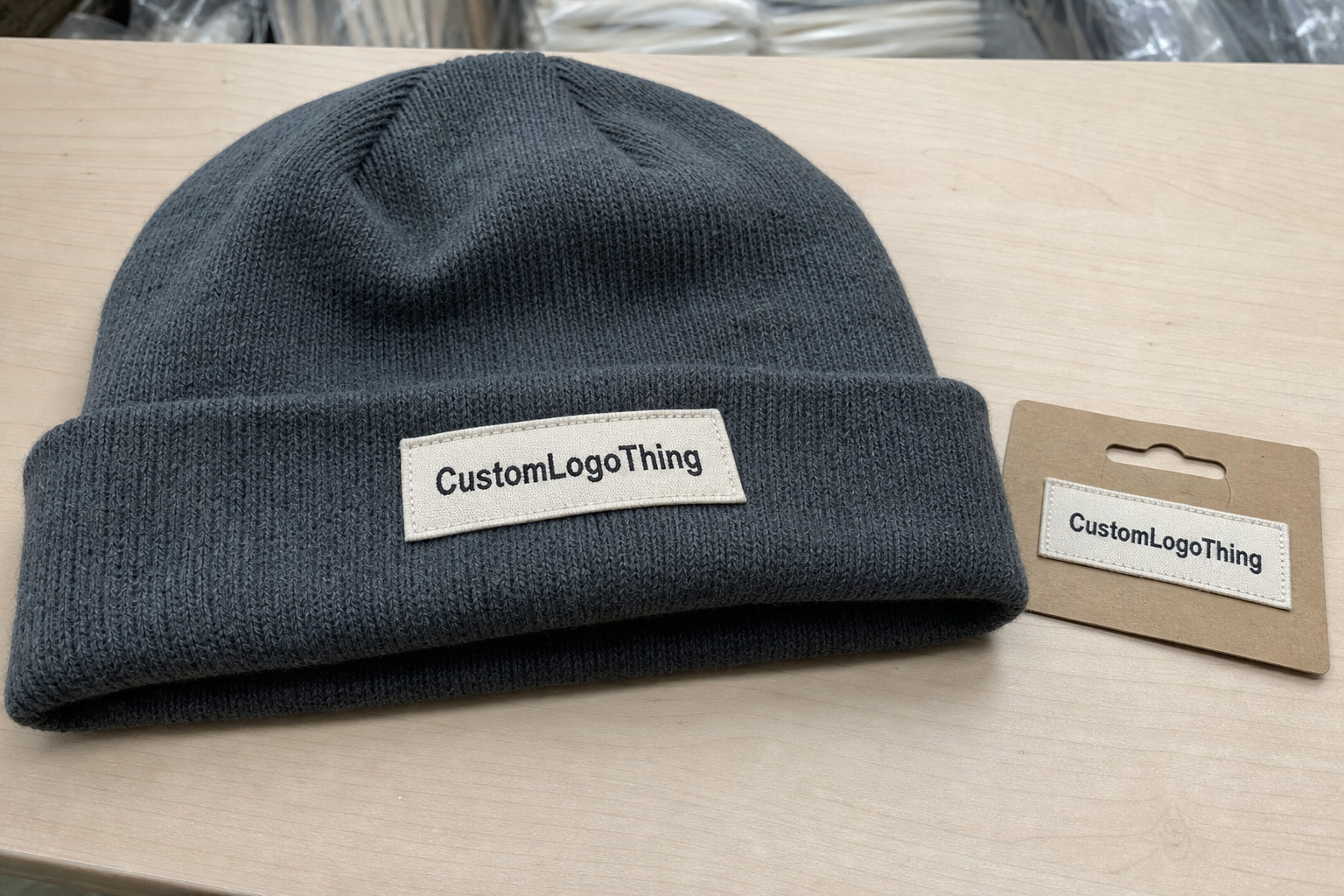
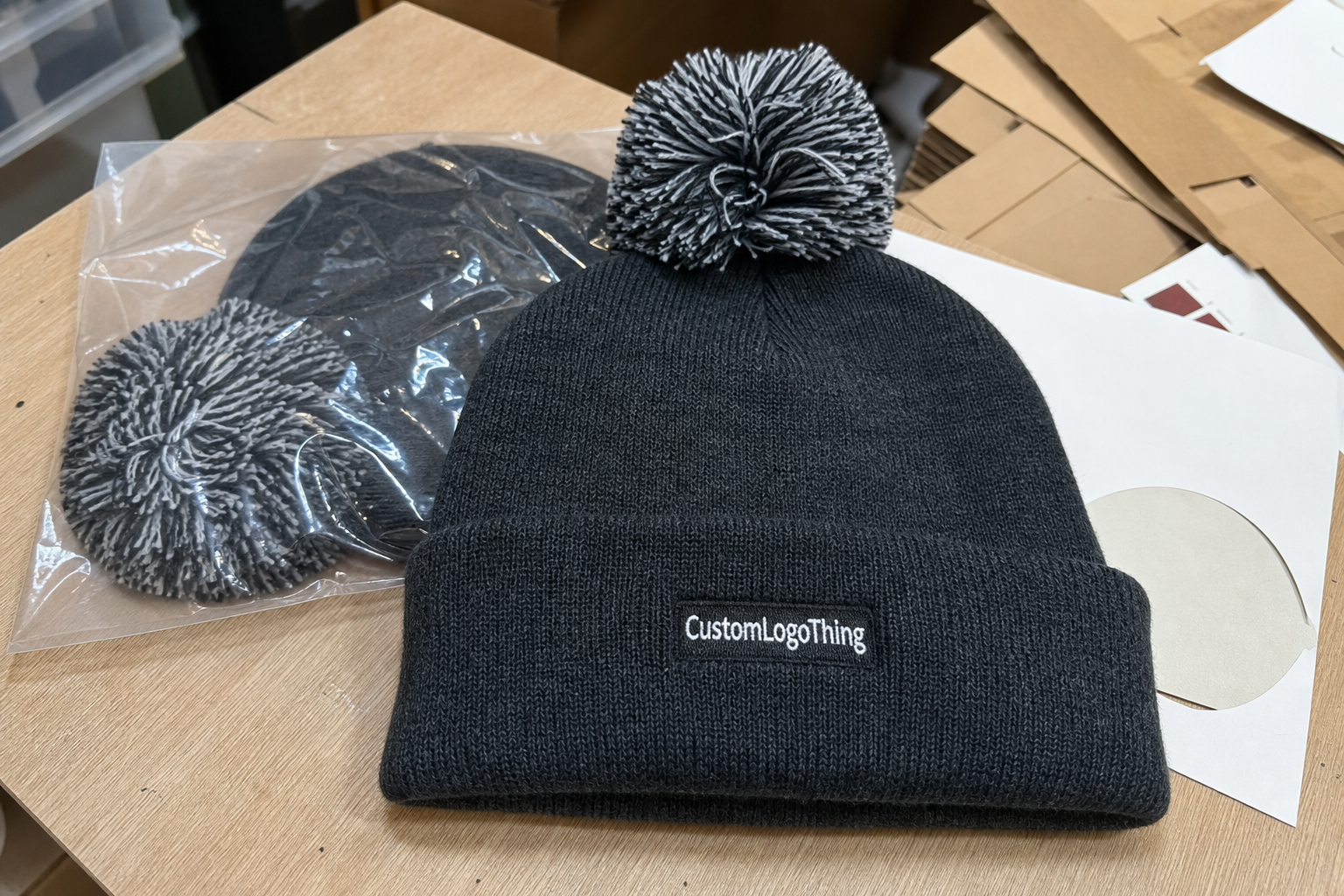
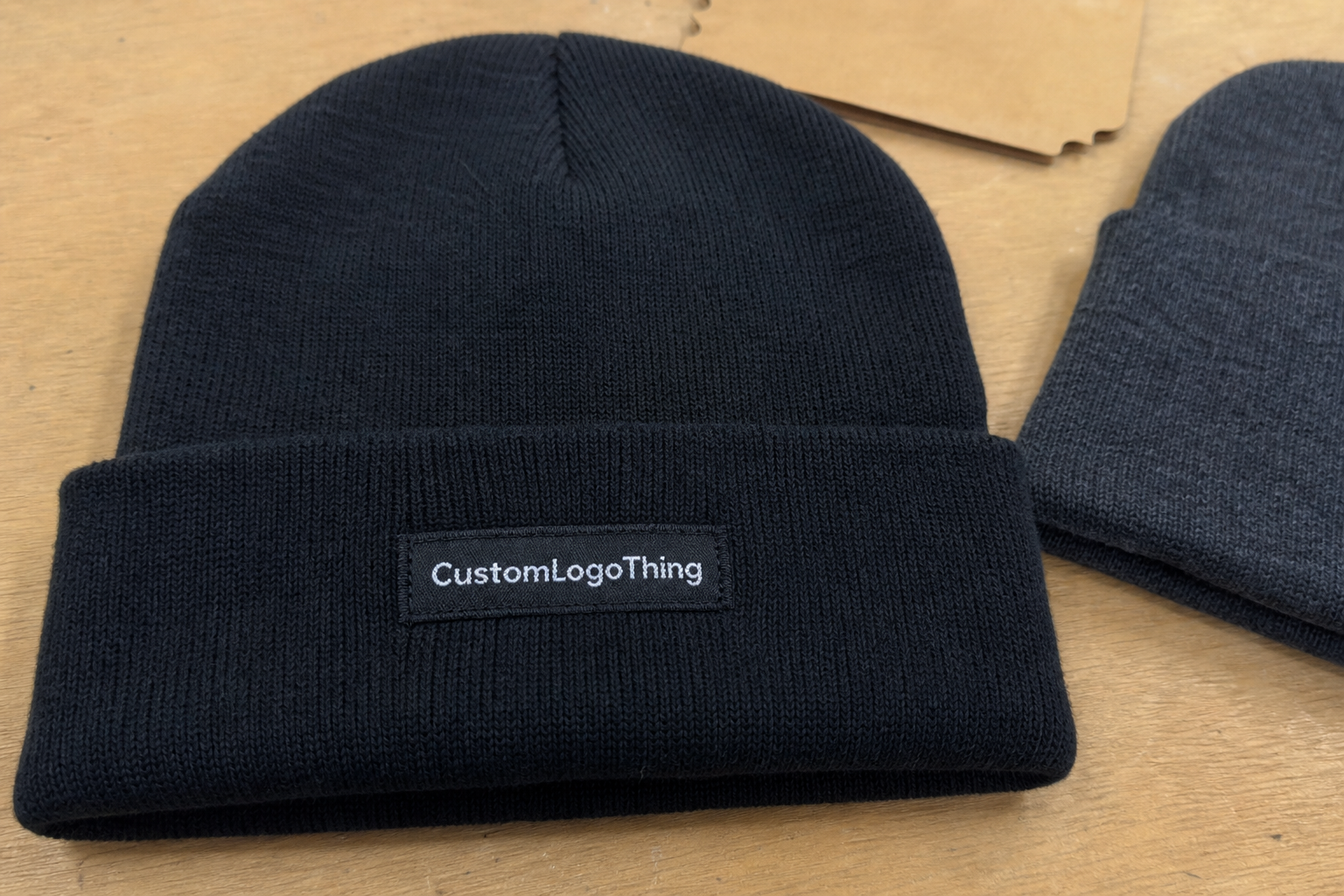
A private label caps Sample Approval Checklist is not busywork. It is the filter that decides whether a cap moves into production cleanly or turns into a pile of avoidable fixes. One sample can look perfect in a photo and still fall apart on the head, under shipping pressure, or once the logo is scaled to real production conditions. That is where expensive surprises live.
Buyers who do this well are not chasing perfection for its own sake. They are controlling variation. A cap run can tolerate small differences. It cannot tolerate ambiguity. If the sample does not settle the question on fit, build, color, and decoration, the factory will fill in the blanks later. That usually costs time and money.
Private Label Caps Sample Approval Checklist: What It Catches
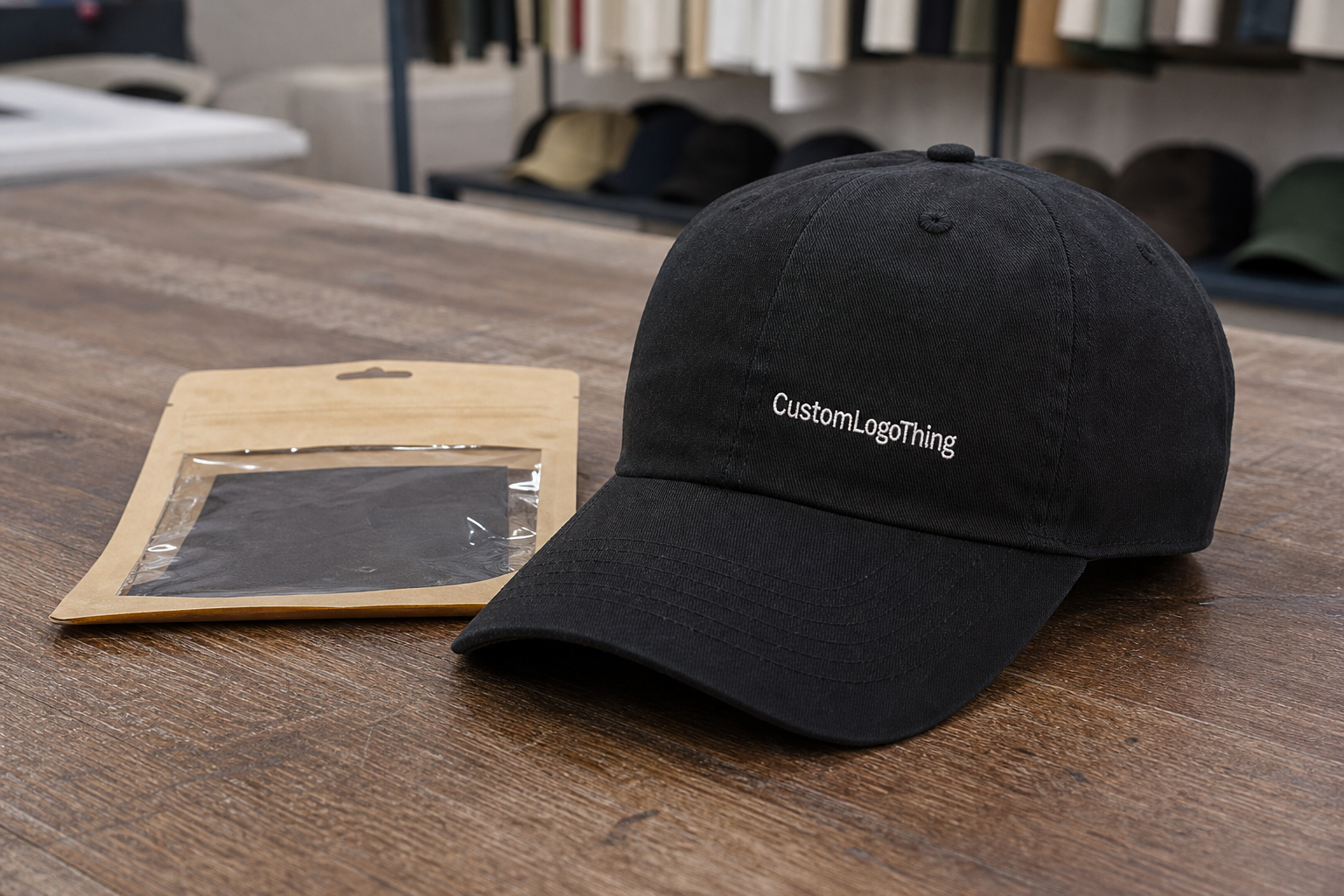
The best approvals catch problems before they multiply. Start with four questions: does the cap match the approved visual target, does it wear correctly, does the decoration hold up, and is the piece actually ready for production? If any of those answers is fuzzy, the sample is not done yet.
For private label headwear, the checklist should lock down the details that actually move the needle: crown depth, panel structure, visor curve, closure type, logo size, stitch finish, sweatband comfort, and packaging format. That sounds basic. It is. And those basics are where most programs slip. A cap can be technically “approved” and still feel off in hand if the crown sits too high or the visor holds a weak curve.
Useful sample approval also depends on clear tolerances. If a logo can sit 2 mm higher because of machine limits, say so. If it cannot, write that down too. Same with thread color, seam allowance, eyelet placement, and closure range. The factory should not have to guess what counts as acceptable. Guessing is how you get a second sample, then a third, then a frustrated buyer asking why the calendar slipped.
For most programs, the sample has to do more than look like the final product. It needs to prove repeatability. That is the real point of a private label caps Sample Approval Checklist: reduce the gap between the reference sample and the bulk order so the line can run with fewer adjustments.
How the sample approval process works from mockup to signoff
The process usually starts with a tech pack, artwork, and a reference cap. Then the factory builds a first sample. Then the buyer reviews it. Then revisions happen if needed. Clean on paper. Sloppier in reality. The stronger the spec packet, the less room there is for interpretation later.
Do not rely on screenshots alone. They lie. Lighting changes, screens warm up or cool down, and a black cap can suddenly look navy under bad office light. If there is a physical reference sample, use it. If not, lock the Pantone target, version the spec sheet, and keep one set of approved images that everyone works from. Without that anchor, feedback turns subjective fast.
Different people should inspect different parts of the sample. Sourcing should confirm cost and lead time. Brand should check color, logo placement, and packaging presentation. QC should inspect measurements, seams, reinforcement, and build consistency. Merchandising should decide whether the cap still fits the assortment and target price point. One person can own the final decision. That does not mean one person should pretend to see everything.
Written approval matters more than most teams admit. Save the sample version, review date, photo set, exceptions, and any allowed tolerances. If the approved front panel is slightly adjusted because of embroidery placement limits, write that down now. The factory should never have to reconstruct the decision from an old email thread and memory. That is how errors get reintroduced on reorder.
The process is also easier when the team is honest about the sample type. A blank sample proves build. A decorated sample proves decoration. A pre-production sample proves the full package, including labeling and packing. Treating all three as the same thing is lazy and usually expensive.
Fit, build, and decoration checks that decide pass or fail
A cap can pass a glance test and fail a wear test. That is why fit comes before anything flashy. Check more than one head size. Fasten the closure at multiple points. Wear the cap for at least 20 to 30 minutes if the style is new. If the back adjuster bites, the crown pinches, or the front panels sit too tall, those problems will show up in customer complaints later. Better to catch them now.
Build quality is next. Inspect panel alignment, stitch consistency, seam finish, reinforcement, sweatband softness, and visor stiffness. A visor that is too soft collapses in packaging and photographs badly. A visor that is too rigid can look clunky and feel cheap. Front panels should sit cleanly without puckering around embroidery. Interior seams should be neat enough that the cap does not scratch or feel unfinished from the inside out.
Material choice matters more than some buyers expect. Cotton twill gives a familiar handfeel and usually takes embroidery well. Polyester blends can hold shape better and dry faster. Mesh-backed styles breathe more, but they can look less premium if the structure is weak. Wool blends and brushed fabrics can lift the price fast. A cheap-looking cap is often just a cap with the wrong material for the target market.
Decoration deserves its own review pass. Check logo scale, stitch density, thread color, patch edge finish, and print clarity. Dense embroidery can crush fine details. Woven patches need clean borders and a controlled thread count. Heat transfer and print need sharp edges and stable color. If the logo is off-center by a couple of millimeters, some buyers will accept it and some will reject it immediately. The checklist should decide that before the sample lands on the table.
A sample that looks fine on a desk can still fail once it is worn, adjusted, and photographed in daylight.
Color review needs stable light. A showroom bulb is not a standard. Daylight is better, but only if you keep it consistent. Teams that care about repeatable color judgment often compare samples under controlled lighting or at least under the same lighting setup every time. ASTM D1729 is a useful reference point in color-critical review conversations. Even if your team is not building a lab, the principle holds: stop changing the light if you want a meaningful answer.
Don’t skip packaging either. A folded cap can warp if it is packed badly. A retail-ready insert can crush the crown. If the cap ships with hang tags, stickers, branded tissue, or a polybag, inspect those elements too. Packaging is part of the product. Buyers who treat it as an afterthought end up with an approved cap that arrives looking unapproved.
Sample approval timeline, lead time, and cost checkpoints
Lead time depends on four things: artwork readiness, blank cap availability, decoration complexity, and shipping. A straightforward blank sample moves faster than an embroidered cap with custom trim. A factory with open machine capacity moves faster than one buried in peak-season orders. A buyer who consolidates feedback moves faster than one sending six partial notes in six different messages. That one still happens constantly.
Costs are easier to undercount than to manage. Ask early about sample fees, digitizing, tool charges, revision fees, courier costs, and whether sample charges are credited back on the production order. Embroidery usually adds a digitizing step. Specialty patches, closures, or branded packaging can add more. If the quote is vague here, the final cost will not be pleasant.
There is also a difference between a sample that is useful and a sample that is saleable. If the buyer expects the cap to arrive in retail-ready condition, shipping performance matters. Protective cartons, crown inserts, and packing density all matter. The ISTA test methods are a reasonable reference when transport damage is a real risk. Not every program needs formal testing. But every program should at least ask whether shipping will distort the cap.
Typical sample timing and pricing usually land in these ranges:
| Sample type | What it proves | Typical fee | Typical turnaround | Best use case |
|---|---|---|---|---|
| Blank cap sample | Fit, crown shape, closure range, fabric handfeel | $20-$45 | 5-10 business days | Early build approval before decoration is added |
| Decorated sample | Logo placement, thread density, print clarity, color match | $35-$120 | 7-15 business days | Brand signoff before bulk production |
| Pre-production sample | Final spec, packaging, decoration, and production readiness | $50-$150+ | 10-20 business days | Final gate before full run release |
The cleanest programs separate sample cost from production cost from the beginning. Otherwise, a “small” sample fee becomes a stack of courier charges, revision charges, and rush charges. Not a fun surprise. Also not rare.
Step-by-step approval workflow for buyers
Start with a complete review packet: tech pack, reference images, Pantone targets, approved measurements, packaging notes, and decision criteria. If labels or tags are part of the program, keep those files in the same loop. A cap sample can be right while the trim system is drifting out of sync. If that happens, the final product still feels off. If you manage labels separately, keep the trim line aligned with Custom Labels & Tags.
Then inspect the sample in stable light and on a head. Flat-table review only catches half the story. Rotate the cap. Check the side profile. Open and close the adjuster. Flex the visor lightly. Photograph front, side, back, and top views so every reviewer is working from the same evidence. That kills a lot of useless debate before it starts.
Next, separate the issues by category. A dimensional defect should not get buried inside a color note. A logo position issue should not be mixed with packaging comments. Clear labeling speeds the revision cycle because the factory can route each fix to the right person. That is usually the difference between one clean revision and three messy ones.
- Confirm the sample version against the approved packet.
- Check fit, build, decoration, and packaging under the same light.
- Document every defect with photos and short notes.
- Separate must-fix defects from acceptable variation.
- Send one consolidated response and name the final approver.
- Archive the approved sample photos and spec updates for reorders.
If the cap needs paper inserts, carton specs, or other fiber-based packaging, the FSC framework is worth checking. It does not matter for every order. It matters a lot when your brand is making traceability claims or buying packaging with a sustainability target attached to it.
Once approval is given, freeze the exact version that passed. Save the photos, notes, tolerances, and exceptions in one place. If a new team member opens the file six months later, they should not need a tour of the company history to understand what was approved. The approval record should stand on its own.
Common mistakes that delay cap approvals
The same mistakes show up again and again. They are boring. They are also expensive.
- Approving from screen images instead of checking a physical sample.
- Skipping fit testing when the crown profile or closure type is new.
- Judging color under different lighting every time the file is opened.
- Letting multiple stakeholders send conflicting feedback with no final owner.
- Changing artwork after the final sample round, which resets time and cost.
Another common problem is mixing up build issues and decoration issues. If the body is wrong, say so directly. If the body is right but the logo needs work, say that separately. The revision request gets faster when the factory does not have to decode what the buyer really meant.
Buyers also forget that labels, hang tags, and badges need the same discipline as the cap itself. If those pieces are still changing, the cap sample is not truly final. Keep the whole identity system in one approval file set instead of scattering it across email, spreadsheets, and random drive folders. That is a fast way to lose control of a supposedly simple program.
The other trap is “close enough.” Close enough is acceptable when the difference is within a documented tolerance and does not change the look, fit, or function. It is not acceptable when the cap looks off in photos, feels wrong on head, or creates a complaint on first wear. That line should be drawn before signoff, not after delivery.
Expert next steps after approval and before reorder
After approval, lock the approved sample into the production record. Save the spec sheet, photo set, Pantone reference, revision history, and any exceptions in one shared folder. If the cap belongs to a larger line with matching apparel or packaging, keep a short approval log so sourcing, merchandising, and operations are all working from the same final version.
Before the order moves forward, confirm MOQ, unit cost, packaging format, and replenishment lead time. Those numbers should not be an afterthought. Ask whether pricing changes by color, decoration method, or packaging choice. Ask whether rush handling changes the schedule. Ask whether reorders will use the same approved standard or require a fresh quote and fresh setup. If those details are loose, the approval process is not really finished.
It also helps to think of the approved sample as the production benchmark, not a trophy. Reorders go much smoother when the team does not reinvent the fit or decoration spec every time. The approved cap becomes the reference point for the next run. That is the practical value of a disciplined Private Label Caps sample approval checklist. It keeps production from drifting one small decision at a time.
Keep the system lean. If the approval file is bloated, nobody uses it. If it is too vague, the factory improvises. The sweet spot is simple: enough detail to stop variation, not so much that the file dies in someone’s inbox.
FAQ
What should be included in a private label caps sample approval review?
Check fit, crown shape, visor stiffness, closure range, and comfort first. Then review logo placement, thread density, print clarity, patch edges, and color match. Compare the sample against the approved spec sheet and reference images before signing off.
How long does cap sample approval usually take?
Simple blank samples can move quickly, while embroidered or fully custom caps usually take longer. Add time for shipping, internal review, and at least one revision round if the first sample is off. Fast feedback helps more than most teams want to admit.
What if the sample color is close but not exact?
Decide whether the color difference is within tolerance before approving. Compare the sample under the same light and against the same Pantone or physical standard used in sourcing. If color consistency matters for the brand, ask for a revision rather than hoping bulk production will magically improve it.
Should I approve blank caps before decoration?
Yes, when the body, fit, and construction need to be validated first. Use the blank sample to confirm fabric handfeel, structure, seam quality, and closure function. Then approve the decorated sample separately so artwork issues do not hide build problems.
Can sample approval affect MOQ or unit cost?
Yes. Special finishes, revisions, low-volume runs, and packaging choices can all change pricing. Ask whether the sample fee is credited back on the production order and whether MOQ changes by color or decoration method. Lock pricing after approval so the confirmed sample does not turn into surprise unit-cost drift later; that is why the Private Label Caps sample approval checklist should sit next to the pricing sheet, not off to the side.