Buyer Fit Snapshot
| Best fit | Custom Compostable Snack Pouches projects where brand print, material claims, artwork control, MOQ, and repeat-order consistency need to be specified before quoting. |
|---|---|
| Quote inputs | Share finished size, material target, print colors, finish, packing count, annual reorder estimate, ship-to region, and any compliance wording. |
| Proofing check | Approve dieline scale, logo placement, barcode or warning zones, color tolerance, closure strength, and carton packing before bulk production. |
| Main risk | Vague material claims, crowded artwork, missing packing details, or unclear freight terms can make a low unit price expensive after revisions. |
Fast answer: Custom Compostable Snack Pouches: Film, Print, MOQ, and Carton Packing should be specified like a repeatable production item. The safest quote records material, print method, finish, artwork proof, packing count, and reorder notes in one written spec.
Production checks before approval
Compare the actual filled-product size with the drawing, then confirm tolerance on folds, seals, hang holes, label areas, and retail display edges. Reserve space for logos, QR codes, warning copy, and material claims before decorative graphics fill the panel.
Quote comparison points
Review material grade, print process, finish, sampling route, tooling charges, carton quantity, and freight assumptions side by side. A quote is only useful when the supplier can repeat the same color, closure quality, and packing count on the next order.
Custom Compostable Snack Pouches: What Brands Need to Know
A pouch can look environmentally responsible on a mockup and still fail in the warehouse. I have seen that more than once. The seal layer was wrong, the zipper was not part of the certified build, and the entire project ended up spending more time in revision than in production. That is the first lesson most teams learn with custom compostable snack pouches: the front of the package tells a story, but the structure underneath decides whether chips stay crisp, nuts keep their aroma, and granola arrives without a stale edge.
From a buying perspective, custom compostable snack pouches sit at the intersection of product packaging, sustainability claims, and production reality. They are not a styling exercise. They are a material system with a film stack, a seal window, a print method, and an end-of-life claim that has to match the exact format on the spec sheet. Change one layer and the compliance picture can shift. That is why a pretty sample is only the opening bid, not the final answer.
That tension matters most for brands trying to pair eco-friendly packaging with retail expectations. Clean package branding can make a pouch feel premium on shelf, yet the package still needs to survive filling, shipping, and daily handling. A design that photographs well but fails on the line costs more than it saves. I would always look at the technical side before I sign off on an artwork proof or a quote, and frankly, I am a little suspicious of any supplier who does not.
If you want to compare formats, materials, and related Custom Packaging Products, start there and return to the technical questions once you have the shortlist. The prettiest sample is not always the right one. The right pouch is the one that survives the trip from the filling room to the retailer and still matches the disposal claim you plan to make.
Custom Compostable Snack Pouches: What They Really Are
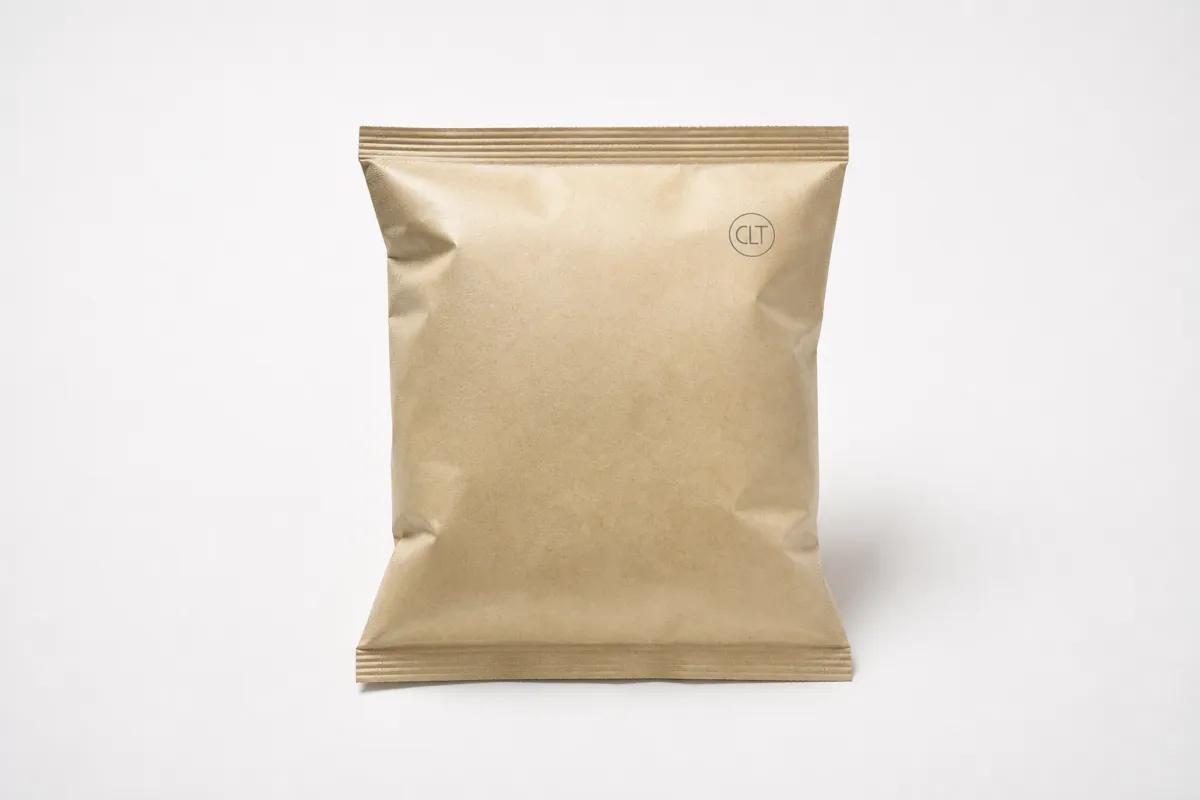
Custom compostable snack pouches are flexible packages built from material families designed to break down under specific composting conditions, usually industrial composting unless the build is explicitly certified for home composting. In practical terms, the entire pouch has to work as one system: outer print film, barrier layer, sealant layer, and any added components such as zippers, tear notches, or hang holes. If a brand focuses only on the film and ignores the closure or adhesive, the claim can collapse fast.
There is a real difference between compostable, biodegradable, and recyclable. Compostable packaging is tested to break down into non-toxic components in a defined composting environment within a specified period. Biodegradable is looser and often less useful to a buyer because it does not say where the material breaks down, how completely it breaks down, or how long it takes. Recyclable means the material is intended for a recycling stream, yet flexible snack films rarely fit every curbside system. Those distinctions matter for retail packaging, artwork claims, and customer trust.
Snack applications put more stress on packaging than many people expect. Chips shed crumbs and need strong seals with good puncture resistance. Nuts and trail mixes bring oil migration, which can weaken certain structures over time. Granola and puffed snacks look easy on the table, then ask for moisture protection and aroma retention once the shelf-life clock starts ticking. Dried fruit can be sticky and carry its own moisture load, which changes seal behavior during filling. That is why custom compostable snack pouches should always be judged against the actual product, not a generic test sample pulled from a catalog.
This is where a lot of packaging decisions go sideways. Brands want branded packaging that signals responsibility, and the technical side needs to stay honest about limits. Matte graphics, earth tones, and a clean logo system can make a compostable pouch feel polished, yet the structure can still be wrong if the barrier is too light for the snack. The goal is not to imitate conventional plastic at any cost. The goal is to choose a structure that fits the snack, the shelf-life target, the distribution model, and the sustainability promise.
Custom compostable snack pouches are a better fit when the product has a short to medium shelf life, the brand wants a visible sustainability signal, and the launch plan does not depend on year-long ambient protection. They also work well when the package sits inside a broader identity system that includes product packaging solutions, labels, cartons, or even custom printed boxes for secondary packaging. That kind of consistent presentation strengthens the sustainability story without leaning on vague claims.
Here is the test I use: if the package has to look premium, protect the snack, and support a verified compostability claim, the project belongs in the technical packaging bucket, not the nice-looking-pouch bucket. That shift saves time, cuts rework, and makes the RFQ easier to compare.
“The pouch is only as strong as the full structure. If the film, ink, adhesive, and closure do not belong to the same tested system, the sustainability story can break before the product reaches the shelf.”
How Custom Compostable Snack Pouches Work
At a basic level, custom compostable snack pouches work by combining a printable outer surface, a barrier layer that slows moisture or oxygen movement, and a seal layer that closes reliably on your equipment. Some structures use one film family with coatings; others use laminated layers built to meet specific performance targets. Either way, the package has to do more than sit on the shelf looking green. It has to survive filling, sealing, shipping, retail handling, and disposal.
The outer layer carries the brand. That is where the logo, ingredients panel, flavor cues, and visual hierarchy live, which is one reason packaging design matters so much. Good design can make a compostable pouch feel considered and durable rather than fragile or improvised. The barrier layer does the quiet work. It slows oxygen, water vapor, and aroma movement, which is what keeps a snack from turning dull or flat before its time. The seal layer is the part many people underestimate, yet it is often the difference between a pouch that runs smoothly and one that keeps popping open or wrinkling on the line.
Barrier performance varies across compostable material families. Some structures offer stronger moisture protection but weaker oxygen control. Others print beautifully but need tighter storage conditions. That is why a buyer should ask for data, not just samples. Look for oxygen transmission rate, water vapor transmission rate, seal strength guidance, and any recommended storage conditions before approval. If a supplier cannot explain those numbers plainly, I would slow down and ask for a cleaner breakdown of the exact custom compostable snack pouches being quoted.
Machine behavior matters just as much. Heat seals depend on temperature, dwell time, and pressure. A pouch can be compostable and still need a different sealing window than your current plastic film. Run too hot and the seal can distort or over-weld. Run too cool and the pouch may look closed but fail in distribution. I have seen teams blame the material when the real issue was a settings mismatch, crumb contamination, or a worn sealing jaw. That is why line trials are not optional. They are the part where the theory either survives or falls apart.
End-of-life performance also depends on the exact certified structure and the composting environment. A pouch certified for industrial composting still needs a proper compost stream to break down as intended. The EPA has useful background on composting and food packaging at EPA composting guidance, and that kind of source is worth reviewing before you make claims on retail copy or website pages. The same caution applies to labels and closures: if they are not part of the tested structure, they can become the weak point in the claim.
For teams weighing branded packaging decisions, the best mental model is simple. The pouch is not a single ingredient. It is a system. The better the system matches the snack, the fewer leaks, stale-product complaints, and customer misunderstandings you have to chase later.
Key Factors That Decide Performance and Shelf Life
The snack itself is the first variable. Oily products like seasoned chips, roasted nuts, and some trail mixes can challenge the barrier and slowly affect the inside of the pouch. Dry, crisp snacks care more about oxygen and moisture ingress. Sticky or sugar-coated products can create seal contamination if crumbs or particles sit in the seal area during filling. That is why custom compostable snack pouches should be matched to the product behavior, not just the look of the artwork.
Shelf life is the next major lever. A 60-day launch with local distribution is a different problem from a nine-month product moving through national retail. If the snack only needs a short display window, the structure can often be lighter and simpler. If the snack needs a longer ambient life, the barrier requirements climb quickly, and so do the testing demands. I like to ask brands for a target shelf-life range instead of “as long as possible,” because that gives everyone a realistic starting point for material selection. A sensible target for custom compostable snack pouches often decides whether a spec is workable or painful.
Storage and transit deserve more attention than they usually get. A pouch might perform well in a controlled warehouse and struggle if it sits in a hot truck, a humid back room, or a retail display near direct light. Compression in cases can also matter, especially for gusseted styles or larger formats with a zipper. For transport risk, many teams use package testing methods aligned with industry practice, and ISTA is a strong reference point for transit testing standards at ISTA. That becomes especially useful if the project includes national distribution or long parcel-handling chains.
Format choices can change the result more than people expect. A stand-up pouch with a zipper gives shoppers convenience, but it adds components and can complicate compostability verification. A flat pouch may be easier to run and lower in cost, but it offers less shelf presence. A tear notch looks small, yet it influences customer experience and opening behavior. Window film can help shoppers see the product, and it can also affect the material set and the compliance story. The best custom compostable snack pouches are usually built through balanced compromises, not perfect scores in every category.
Printing plays a supporting role in performance too. Heavy ink coverage, dark flood coats, and dense metallic effects can change how the film behaves during sealing or cooling, depending on the structure. That does not mean strong graphics are off limits. It means the artwork stack should be reviewed with the same care as the material spec. A good supplier will look at coverage percentages, not just the visual mockup, because custom printed packaging is as much about production behavior as it is about shelf appeal. If your brand uses eco-friendly packaging as a core message, the print system should support that message without introducing hidden problems.
One more detail most buyers miss: unused pouch storage matters. Temperature swings and humidity can change how the film behaves before it ever reaches the filling line. Ask for recommended storage conditions and use them. It is a small operational detail, yet it can save a surprising amount of trouble later.
Custom Compostable Snack Pouches: Process and Timeline
The production path for custom compostable snack pouches usually starts with discovery, not artwork. You define the snack, fill weight, shelf-life target, closure needs, and distribution channel first. Then the supplier can recommend a structure, printing approach, and converting method that fit the job. Skip that step and jump straight to a proof, and you often end up with a pretty sample that is awkward to make at volume.
A typical workflow moves through brief, material selection, artwork preparation, proofing, sampling, conversion, and final QA. For first-time projects, each stage can add a few business days. A straightforward order with existing dies and standard print coverage might move in 12 to 18 business days after approval, while a new size, special barrier, or zipper addition can push the timeline longer. Shipping distance, customs clearance, and factory queue time also matter. With custom compostable snack pouches, the longest delay is often not printing itself. It is the back-and-forth needed to confirm the right structure and the right claim language.
Material sourcing is another timeline driver. Some compostable films are not as widely available as standard polyethylene or PET structures, so replenishment can stretch if the supplier has to reserve resin or coordinate a narrow print window. If the pouch includes a window or a special matte finish, the process can slow further because the conversion steps become more complex. Zippers, tear features, and hang holes add extra handling, and each extra component should be verified for compatibility with the compostable build before mass production starts.
I always recommend building in time for machine trials. Even a well-designed pouch can behave differently from the previous film your line was built around. Seal temperature, dwell, and pressure may need small changes, and the only reliable way to confirm those settings is to run a short trial with actual product. A pilot run of a few hundred units is cheap compared with a warehouse full of returned stock. That is especially true for custom compostable snack pouches that need to maintain an exact seal across a high-speed filling line.
Communication makes or breaks the schedule. Send accurate flat dimensions, fill weight, product photos, storage expectations, and any compliance requirements up front. If your snack is oily, crumbly, hygroscopic, or heat-sensitive, say so plainly. If the package must fit a peg display or a certain carton count, include that too. The more complete the brief, the less likely you are to get trapped in revision loops that chew through lead time.
One useful habit keeps surprises down: ask for written confirmation of the exact structure, print system, and closure before artwork is finalized. Then the claim language, label copy, and retail packaging expectations point in the same direction. It is an administrative step, but it removes a lot of risk later.
Custom Compostable Snack Pouches: Cost, Pricing, and MOQ
Cost is where many brands get the first reality check. Custom compostable snack pouches often cost more than conventional plastic pouches because the film systems are specialized, sourcing can be tighter, and the compliance checks are more detailed. Price is shaped by barrier level, print coverage, pouch style, closure choice, and the converting process. A simple flat pouch with limited print may sit in a very different range from a matte stand-up pouch with a zipper and custom die-cut features.
For budgeting, I like to think in bands rather than exact promises. Small runs of 3,000 to 5,000 units can feel expensive on a per-piece basis because setup costs are spread across fewer pouches. Mid-volume projects often look better once you reach 10,000 to 25,000 units, and larger orders may improve efficiency again if the supplier can run the same spec across multiple production windows. That does not mean every order gets cheaper forever. It means the economics improve when the format is stable and the film supply is predictable. Custom compostable snack pouches reward planning.
MOQ is not usually arbitrary. It often reflects material sourcing, print economics, and machine setup requirements. If a supplier must reserve a specialty film or dedicate a converting run to your format, the minimum order can move upward. If you need multiple SKUs with shared artwork or a common base structure, the MOQ can sometimes be managed more efficiently. The important part is understanding why the minimum exists so you can decide whether to split the project, simplify the structure, or phase the launch.
Here is a practical comparison that helps teams evaluate quotes fairly:
| Quote Type | Typical MOQ | Indicative Unit Range | Best Fit | Main Tradeoff |
|---|---|---|---|---|
| Simple flat pouch, limited print | 3,000-5,000 units | $0.18-$0.30 | Small launches, test markets | Less shelf presence, fewer features |
| Stand-up pouch with zipper | 5,000-10,000 units | $0.28-$0.48 | Retail shelves, repeat opening | Higher cost, more component checks |
| Premium pouch with window or matte finish | 10,000+ units | $0.35-$0.65 | Brand-led launches, premium positioning | More complexity, longer approval cycle |
Those numbers only help if the quotes are built on the same assumptions. Ask each supplier to specify pouch dimensions, film structure, print coverage, closure type, shipping terms, and any testing included. Otherwise, one quote may look cheaper simply because it omits a zipper, uses a lighter barrier, or excludes validation. A clean quote is far more useful than a flashy one. The best pricing discussion for custom compostable snack pouches is the one that makes the differences visible.
There is also a hidden cost category: launch risk. If a pouch fails on the line, tears in transit, or loses shelf life too quickly, the damage can exceed a modest increase in unit price by a wide margin. That is why I tell brands to compare cost against shelf-life protection, seal reliability, certification support, and schedule certainty. A lower number is not a bargain if it creates waste, rework, or a delayed launch.
If your broader rollout includes Custom Printed Boxes, inserts, or other branded packaging components, compare the whole packaging stack, not just the pouch. Sometimes the smarter move is to simplify graphics on the primary pouch and put more brand energy into the secondary carton, which can improve both manufacturability and visual impact. That kind of tradeoff keeps the sustainability story practical instead of symbolic.
Common Mistakes With Compostable Snack Pouches
The most common mistake is assuming compostable automatically means easy. It does not. Custom compostable snack pouches may require tighter sealing control, more careful storage, and a more disciplined certification review than standard plastic structures. If a brand expects the same behavior with no tradeoffs, disappointment usually follows. Good packaging buyers know that sustainability and performance have to be balanced, not wished into alignment.
Another common error is choosing a structure without testing it against the actual snack. A pouch that looks fine with dry crackers may behave differently with oily nuts or seasoned chips. Seasoning dust can interfere with heat seals. Moisture can soften a barrier. Aroma-heavy products can show flavor loss sooner than expected. Product behavior drives package behavior. That is why I always push for real product trials before production approval on custom compostable snack pouches.
Claim language causes trouble too. A brand may say “biodegradable,” “compostable,” and “eco-friendly packaging” in the same breath, but the legal and technical meanings are not the same. If the packaging is industrial compostable only, that claim should not be stretched into a home-compost promise unless the full structure has been certified for that use. If the package includes a zipper or label that is not part of the tested system, that needs to be checked as well. Clear claims build trust; loose claims create risk.
Operational mistakes can be just as costly. Some teams skip line trials because the sample looks good in hand. Others overlook crumb contamination in the seal area. Some store the pouches in a hot area of the plant, then wonder why the seals behave inconsistently. A few design the artwork for visual impact first and forget to confirm whether the pouch can actually be filled at speed. Those are avoidable problems, but only if the project includes a realistic production review. Custom compostable snack pouches are not hard to work with, but they do reward careful setup.
Distribution mistakes show up in retail packaging programs too. A pouch may survive a shelf test in a climate-controlled room and still struggle in a summer freight lane. Compression, vibration, and humidity swings can expose weak points quickly. That is why transit testing, including methods aligned with package transport standards, is worth the effort. A package that survives a small sample table is not automatically ready for a pallet stack or parcel network.
Finally, some brands design for looks first and manufacturability second. That can create delays, weak seals, or a package that looks beautiful but runs poorly. A better approach is to treat the pouch as part of the packaging system, then let the branding support the technical spec. That is the difference between a pretty concept and a launch-ready product.
Next Steps for Custom Compostable Snack Pouches
If you are planning custom compostable snack pouches, start with a clear brief. Define the snack, fill weight, shelf-life target, distribution channel, and desired features such as zipper, window, tear notch, or hang hole. If the product is oily, fragile, or moisture-sensitive, say so up front. If the pouch needs to work with a specific filling line or case pack, include that information too. A complete brief saves days of revision.
Then ask for documentation before you approve anything. Request the material specification, compostability certification, barrier data, seal guidance, MOQ, and a realistic lead time. If the supplier can only give vague answers, that is a signal to slow down. You want the exact structure and the exact claim language tied together, because that is what protects the brand later. This is also where a good supplier can help you compare Custom Packaging Products across formats if you are still deciding whether the pouch should stand alone or work with cartons, labels, or secondary packaging.
Run the pouch on your actual filling line before you commit to a large order. That trial should check seal strength, wrinkle control, fill accuracy, crumb tolerance, and how the package behaves under normal operator conditions. If possible, send finished samples through at least one transport test or a short field trial. I like to see a small pilot, a few cartons of real product, and a sanity check under warehouse conditions before approving a full launch quantity for custom compostable snack pouches.
It also helps to compare two or three structures side by side instead of choosing the first sample that looks good. One may be cheaper, one may have better barrier, and one may run faster on the line. The right choice is usually the one that balances performance, price, and production fit. That is where real packaging judgment shows up. A smart quote is not about chasing the lowest number; it is about buying fewer surprises.
If your brand cares about package branding and sustainability in equal measure, turn those details into a clean RFQ and ask for a structure that matches your actual operation. The best custom compostable snack pouches are the ones that move from concept to production without confusion, without loose claims, and without a last-minute scramble over seals, certifications, or shelf life. Put the technical questions on the table early, and the rest tends to go a lot smoother.
Are custom compostable snack pouches good for oily snacks?
Yes, but only if the barrier and seal are matched to the product, because oils can migrate and weaken package performance over time. Ask for testing with the actual snack, not just a generic sample, so you can judge grease resistance, aroma retention, and seal durability. For very oily products, confirm whether the structure can hold the shelf life you need without compromising the claim.
What certifications should I ask for with compostable snack pouches?
Ask which standard applies in your market, and confirm whether the material is certified for industrial composting, home composting, or both. Request documentation for the exact structure being quoted, including film, ink, adhesive, zipper, and any other components that affect compliance. Keep the certification language aligned with your packaging claims so retail copy, website text, and artwork all match the tested material.
How long is the lead time for custom compostable snack pouches?
Lead time depends on artwork approval, material sourcing, print setup, conversion, and shipping, so first-time projects usually take longer than repeat orders. Custom sizes, special finishes, or extra features like zippers and windows can add time because they increase setup and testing steps. Build in room for sampling and line trials so the launch schedule does not depend on a perfect first pass.
Why is the cost higher for compostable snack pouch printing?
Compostable structures often use specialty materials that cost more than conventional plastic films and may have tighter sourcing limits. Lower production volumes, stricter QA, and more detailed compliance checks can also raise unit cost compared with standard packaging. The real comparison should include shelf-life protection, launch risk, and claim support, not just the lowest quote line.
Can custom compostable snack pouches run on standard equipment?
Often yes, but the seal temperature, dwell time, and pressure may need adjustment because compostable films can behave differently from standard plastics. A proper machine trial is important to check for seal strength, wrinkle control, and how the pouch handles crumbs or product dust. If the line is old or highly tuned to one film type, ask for technical guidance before you commit to production.
Custom compostable snack pouches can absolutely work for the right snack, the right shelf-life target, and the right production setup. Treat them as a technical packaging decision instead of a generic sustainability badge, and the project has a much better chance of succeeding in the filling room, on the shelf, and in the customer’s hands. The practical takeaway is simple: lock the claim, test the structure, and run the actual product Before You Order at scale.

