Buyer Fit Snapshot
| Best fit | brands comparing zipper pouch film, closure strength, print tolerance, filling method, and reorder quantities. |
|---|---|
| Quote inputs | Share finished size, material target, print colors, finish, packing count, annual reorder estimate, and delivery region. |
| Proofing check | Approve dieline scale, logo placement, barcode or warning zones, color tolerance, and any recyclable or compostable wording before bulk production. |
| Main risk | Vague material claims, crowded artwork, or missing packing details can create delays even when the unit price looks attractive. |
Fast answer: Custom Zipper Flat Pouches: Film, Closure, Print, and MOQ Checks should be specified like a repeatable production item. The safest quote includes material, print method, finish, artwork proof, carton packing, and reorder notes in one written spec.
What to confirm before approving the packaging proof
Check the product dimensions against the actual filled item, not only the sales mockup. Ask for tolerance on folds, seals, hang holes, label areas, and retail display edges. If the package carries a logo, QR code, warning copy, or legal claim, reserve that space before decorative graphics fill the panel.
How to compare quotes without losing quality
Compare board or film grade, print process, finish, sampling route, tooling charges, carton quantity, and freight assumptions side by side. A lower quote is only useful if the supplier can repeat the same color, closure quality, and packing count on the next order.
Custom Flat Pouches With Zipper: What Brands Need to Know starts with a small piece of hardware that changes the whole read of the package. The zipper is only a thin strip of plastic, yet it can decide whether a pouch feels confident, careless, premium, or plain forgettable. A shopper may never ask about barrier layers or seal widths, but the hand notices the difference immediately. Custom Flat Pouches with zipper open, close, and hold their shape in a way that quietly tells the buyer whether the brand paid attention.
I have watched buyers choose between two nearly identical samples and pick the one with the better closure feel, even when they could not quite explain why. That is kinda the point. Packaging is one of those places where the body decides before the spreadsheet does.
That is why Custom Flat Pouches with zipper show up in so many categories: snacks, coffee, supplements, pet treats, dried fruit, tea, powders, and small retail goods. They are light, easy to print, and simple to stack. They also solve a problem that rigid jars and tins do not: they give the buyer a package that feels finished without adding weight, shipping bulk, or extra material. A brand can move less air, fit more units in a carton, and make storage easier after the first opening.
The real decision runs deeper than shape. Film structure, closure type, print method, and converting tolerance all have to work together. A pouch that looks excellent in a render can fail the moment the zipper is wrong for the fill line or the barrier layer misses the shelf-life target. That is the useful way to think about custom flat pouches with zipper: not as a bag with an add-on, but as a packaging system built around the product.
Why custom flat pouches with zipper are a smarter shelf play
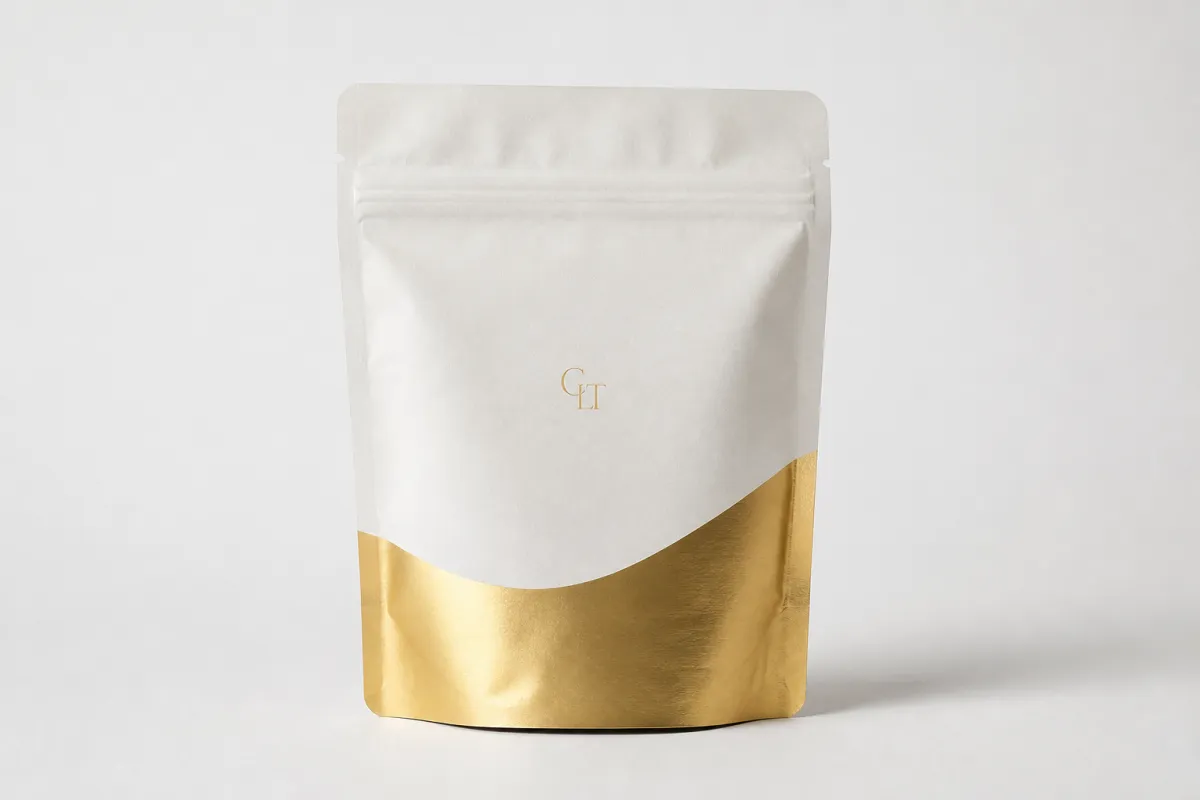
Compare packaging options side by side and custom flat pouches with zipper often win on more than one column. A rigid container may feel familiar, yet it carries more weight, claims more shelf depth, and usually costs more to move through the supply chain. A plain heat-seal bag can come in cheaper, but it pushes freshness management onto the customer. The zipper sits in the middle. It keeps the package reusable, cuts spill risk, and gives the product a more considered finish.
That repeat-opening experience matters more than many brands admit. Once a shopper buys the product, the package becomes part of the product. A closure that closes cleanly suggests care. A closure that fights back suggests compromise. Packaging teams spend weeks debating Pantone colors and foil accents, then treat the zipper like a footnote. Strange tradeoff. The tiny detail often changes whether the item reads as value-driven, premium, or awkwardly in between.
Custom flat pouches with zipper also help when freight math matters. Flexible packaging usually weighs less than jars, bottles, and tins, so shipping costs can stay lower, especially for replenishment orders and e-commerce programs. The format is efficient in a carton too. Flat pouches stack neatly, waste less cube, and leave less empty space in corrugate. That is one reason buyers compare pouches not only against other pouches, but against boxes and rigid formats at the same time.
Smaller retail goods get another benefit: the package can create a more controlled first impression. A pouch with strong structure and a well-behaved zipper can make a modest product look more deliberate. That is not trickery. It is package branding doing actual work. Consumers often infer product quality from material quality, especially in categories where they cannot inspect the contents before purchase.
For portioned or dry products, custom flat pouches with zipper are a strong fit. Coffee is the obvious example. So are seasoning blends, protein powders, jerky, tea, and pet treats. These products benefit from resealability, but they do not always need the heavy protection or shelf footprint of rigid packaging. The pouch gives them enough structure without overshooting the requirement.
There is also a brand architecture angle. A company might keep jars or cartons for one product family, then use pouches for refill sizes, subscription packs, or trial SKUs. That creates a system rather than a one-off package. When the same visual logic runs across product packaging, customers recognize the line faster and the shelf looks more coherent. A scattered range feels improvised. A packaging family feels managed.
From a packaging buyer's point of view, the pouch has to do three jobs at once: protect the product, make the shelf legible, and not slow the line.
How custom flat pouches with zipper actually work
At the simplest level, custom flat pouches with zipper use printable outer webs, barrier layers, and a resealable closure near the top. The outside layer carries the artwork. The inner structure controls oxygen, moisture, and light transmission. The zipper sits between those layers so the consumer can open and close the pouch many times after the first seal is broken.
The fill-and-seal process sounds straightforward, and the drawing on paper makes it look even easier. Reality is less forgiving. The pouch is formed, the product is added, the top area is sealed, and the zipper must sit flat and aligned so the user can open the pack without fighting the closure. A zipper that lands crooked, gets buried in the seal, or sits too close to the fill line can make the package feel cheap even when the print is excellent. That is one of the least visible risks in custom flat pouches with zipper.
Opening behavior matters on the consumer side too. Easy-tear notches can make the first opening feel controlled rather than messy. A zipper with a clear tactile snap can make the pouch feel secure. Those sensations are not decoration. They shape whether the pack feels premium, trustworthy, or irritating. Good packaging design treats opening and resealing as part of the product experience, not as an afterthought.
Operationally, some custom flat pouches with zipper run smoothly on automated or semi-automated lines, while others demand more manual handling. The deciding factors are usually zipper style, film stiffness, product shape, and how consistently the fill settles into the pouch. Powders and fine granules behave differently from fragile snacks. A line that handles one product cleanly can struggle with another if the pouch spec was copied too loosely.
Add-on features change the experience as well. A clear window can show the product. A matte finish can make the graphics feel restrained and upscale. A gloss finish can intensify color under retail lighting. Hang holes help with peg display. Different gusset choices change how the pouch sits, stacks, or presents inside secondary packaging. The format is called flat, yet the range of customization is wider than many buyers expect.
One practical point gets missed often: if the zipper is supposed to survive repeated use, the seal geometry around it should be tested under realistic handling. That matters especially for custom flat pouches with zipper sold through e-commerce, where customers may open and close the pack dozens of times before the product is gone. A closure that feels fine on day one may behave very differently after the tenth cycle.
Key factors that shape performance and shelf appeal
The strongest custom flat pouches with zipper are not selected by artwork alone. They are specified from the product outward, then refined by brand goals. That order matters. A pouch that looks elegant but gives weak barrier protection is the wrong pouch. A pouch that protects well but looks dull can also miss the mark if the category depends on quick recognition and retail appeal.
Material choice is the first major decision. PET, PE, multilayer barrier films, and paper-look laminates each create a different read. PET often gives crisp print quality and good stiffness. PE can support certain mono-material strategies and can feel softer in the hand. Multilayer structures still dominate when oxygen and moisture control matter most. Paper-look surfaces can create a natural cue, but the buyer should not assume paper appearance equals better sustainability or easier recovery. The full structure matters, not just the top layer.
Barrier requirements should follow the product, not habit. Coffee, powdered supplements, dried fruit, and pet treats each have different sensitivity to oxygen and moisture. A product that stales fast may need a stronger oxygen barrier, while a dry powder may need moisture protection first. Light-sensitive products need opacity or strong printed coverage. In those cases, custom flat pouches with zipper are doing technical work behind the brand image, and the buyer never sees the task unless something goes wrong.
Size and fill ratio can make or break shelf appeal. An oversized pouch may look underfilled and flimsy, even when the product weight is correct. An undersized pouch can stress the zipper, crowd the headspace, and weaken seal reliability. I have seen brands add a few millimeters for comfort, then wonder why the pack suddenly looks slack and expensive in the wrong way. The right volume leaves enough room for sealing and product movement while still giving the pouch a full, intentional shape.
Zipper type is another practical choice. Standard press-to-close zippers are common because they are familiar and easy to use. Child-resistant zippers, tamper-evident features, and specialty closures may be required in regulated or high-risk categories, but they also change feel and opening force. The more specialized the closure, the more carefully the brand should test the user experience. For custom flat pouches with zipper, the best closure is the one that fits the customer and the filling system, not the one that sounds impressive in a sales deck.
Print and finish influence trust at a glance. High color density can sharpen shelf presence. Matte surfaces often signal restraint and premium positioning. Gloss can help graphics pop under retail lighting. A dark matte pouch with tiny copy is not automatically refined; sometimes it is just hard to read. Good package branding is less about fashionable effects and more about visual hierarchy. The shopper should understand the product name, format, and key benefit within a second or two.
Compliance and recovery claims deserve a sober look. A pouch that is technically recyclable in one region may still be rejected by local curbside systems, and a paper-like finish does not make the whole structure paper. Ask for the full spec, not the marketing gloss. That is the difference between a statement that sounds nice and one you can stand behind.
For teams comparing sustainability claims, verification beats marketing copy every time. The Packaging Alliance is a useful broad industry resource, while the ISTA testing standards provide a practical reference for distribution risk. That combination is more useful than a vague “eco” note on a spec sheet.
Production process and lead time for custom flat pouches with zipper
The production path for custom flat pouches with zipper usually begins with a brief, then moves through dielines, artwork review, proofing, printing, laminating, slitting, pouch converting, zipper placement, and quality inspection. Each step sounds routine. One weak handoff can add days, sometimes weeks. A clean spec sheet saves more time than most teams expect.
The largest delays usually come from unclear artwork files or late changes to dimensions. If the zipper height changes after proof approval, the pouch structure may need adjustment. If compliance copy or net weight information is missing, the artwork team may have to pause. If the supplier must source a specific zipper or film gauge, lead time can stretch because the material is not sitting in inventory. That is why custom flat pouches with zipper should be treated as a controlled project, not a loose email thread.
Timing depends on print method too. Digital work can reduce setup for shorter runs, while gravure or other high-volume methods often reward larger quantities but require more upfront preparation. Order size, print coverage, finish choices, and shipping mode all affect the calendar. A simple pouch with standard finish and standard zipper may move faster than a complex pouch with heavy coverage, specialty coating, and a custom closure. There is no single schedule that fits every brand.
Launch planning usually needs room for samples, internal review, and one corrective round. That last buffer is not pessimism. It is discipline. A mockup can show that the pouch looks too dark, the text is too small, or the zipper sits higher than expected. Catching that before full production is far cheaper than discovering it after cartons have shipped.
Lead time is also a business decision. If a brand is trying to hit a trade show, a retail reset, or a seasonal window, the fastest option is often the smartest one even if it costs a little more. Late packaging can turn into lost shelf space, delayed sell-through, and unnecessary rush freight. For custom flat pouches with zipper, speed has value because the package is tied to revenue timing, not just a procurement line.
When evaluating a supplier, ask how they manage proof approval, material stocking, and final inspection. Ask whether they can document closure performance and transit durability too. In some cases, a supplier will recommend extra checks based on category risk. That is usually a good sign. If the product will ship through a difficult distribution channel, reviewing the box-and-pouch combination against transit standards from groups like ISTA can save trouble later.
Custom flat pouches with zipper cost, MOQ, and quote factors
Pricing for custom flat pouches with zipper is shaped by a cluster of variables that move together: pouch size, film structure, zipper type, print coverage, finish, and extras such as windows, hang holes, or tear features. What surprises many buyers is how fast one “small” change can affect the quote. A clearer window, a heavier barrier layer, or a specialty zipper can shift unit cost more than the artwork itself.
Minimum order quantity, or MOQ, is where procurement reality meets product strategy. Smaller runs often carry a higher per-unit cost because setup work is spread across fewer pieces. A lower MOQ can still make sense for seasonal items, limited SKUs, product tests, and launches with uncertain demand. A brand does not always need the cheapest unit price. Sometimes it needs enough flexibility to learn from the market without tying up inventory in the wrong spec.
For context, many custom printed flexible packaging quotes land in broad ranges like these: a simple pouch in a mid-sized run might sit around $0.12-$0.25 per unit, while a heavier barrier build with a specialty zipper or premium finish may move closer to $0.20-$0.45 per unit, depending on quantity and print coverage. Those numbers are directional only, because custom flat pouches with zipper respond sharply to structure, decoration, and volume. Even so, they are more useful than calling the packaging “affordable” and leaving it there.
Here is a practical way to compare options:
| Option | Typical Use | Relative Unit Cost | Strengths | Tradeoffs |
|---|---|---|---|---|
| Basic printed flat pouch with standard zipper | Dry snacks, sample packs, light-duty retail | Lower | Lightweight, clean branding, good for testing | May need stronger barrier for sensitive products |
| Barrier flat pouch with premium finish | Coffee, supplements, powders, pet treats | Mid | Better protection, stronger shelf presence | More material cost and more spec decisions |
| Specialty closure pouch | Child-resistant or tamper-sensitive categories | Higher | Better compliance support and controlled opening | Can slow filling and raise complexity |
| Short-run digital pouch | Launches, seasonal SKUs, pilot runs | Variable | Lower setup burden, faster iteration | Not always the lowest price at scale |
The table helps, but a quote still needs context. A cheap unit price can hide expensive freight, poor fit, or waste from overordering the wrong size. A quote with a slightly higher unit price may lower total landed cost if it reduces damage, improves line efficiency, or cuts warehousing needs. That is the comparison that matters once the carton leaves the printer.
When you request pricing, ask the supplier to state the exact dimensions, material structure, closure type, print method, quantity breaks, assumed artwork coverage, and any tooling or setup fees. If the quote is vague, the comparison will be vague too. If you are building a broader lineup, it helps to compare this format against Custom Packaging Products so you can see where custom flat pouches with zipper fit beside the rest of the range.
One caution matters here: do not compare two quotes line by line unless the specs are truly matched. One supplier may be pricing a stronger barrier film, another a simpler laminate. One may be quoting a more reliable zipper. Another may be leaving out a finish you will need later. Apples-to-apples pricing is harder than it looks, and that is exactly why careless comparisons get expensive.
Common mistakes brands make with custom flat pouches with zipper
The first mistake is choosing the pouch by appearance before product need. It is easy to fall for a sample that looks premium on a desk. It is harder to notice that the barrier is wrong, the zipper is too weak, or the pouch is a poor fit for the filling process. With custom flat pouches with zipper, the prettiest option is not always the right one.
The second mistake is ordering the wrong size. Too much room makes the pouch look empty. Too little room can strain the seal, crowd the zipper, and create awkward product migration after filling. Both problems affect shelf appeal. Both can also reduce customer confidence, because a package that looks packed wrong often feels less trustworthy than one that looks carefully engineered.
The third mistake is ignoring machine compatibility. A zipper may be easy for a human hand but awkward on a filling line, especially if product flow is irregular or the pouch stiffness is too low. The result is bottlenecks, crooked seals, or inconsistent closure performance. That is not just an operations problem; it is a package quality problem. Custom flat pouches with zipper should be designed with the line in mind from the start.
The fourth mistake is treating artwork like a screen layout instead of a physical object. A design that looks balanced in PDF form may fail once folded onto a pouch with seals, registration tolerances, and real-world lighting. Tiny text, low contrast, and critical copy placed too close to the edge are common problems. Strong packaging design works with the pouch dimensions rather than fighting them.
The fifth mistake is skipping product testing. If the product is moisture-sensitive, fragile, oily, or sensitive to oxidation, the pouch should be tested under conditions close to real use. That can include fill trials, reseal checks, drop tests, and shelf-life validation. For shipping-heavy programs, it also makes sense to assess the pack against transit stress using standards and procedures from groups like ISTA and to treat secondary packaging as part of the system, not a side note.
The sixth mistake is assuming that every supplier means the same thing by “recyclable,” “paper,” or “eco-friendly.” Those words can describe very different structures, and the fine print is where the truth lives. If a claim cannot be backed by a real material description, regional guidance, or test data, it should be treated as marketing, not fact.
What makes these mistakes costly is their timing. They are often invisible until after production. On paper, everything looks fine. On the shelf, the pouch looks slack, the zipper feels awkward, or the product quality drifts too quickly. That is why experienced teams treat custom flat pouches with zipper as a technical purchasing decision, not just a graphics assignment.
Expert tips for better custom flat pouches with zipper
Start with the product, not the pack. That sounds basic, but it is the step many brands skip. Ask what the product needs in terms of freshness, dosage, portion size, oxygen protection, moisture resistance, and storage environment. Then choose the film, seal, and closure around those needs. Custom flat pouches with zipper should be built from the product outward.
Request samples that match the actual structure. A generic pouch sample can look close enough to mislead a buyer. The zipper feel, seal behavior, and stiffness may still be very different from the real thing. If the project depends on user experience, ask for a sample that matches the intended closure style and barrier build as closely as possible. That one step can save a lot of revision work.
Use the front panel to do one job well. The front should say what the product is, why it matters, and how it differs from competing options. Everything else is supporting detail. If the front panel is overloaded, the brand may lose the chance to communicate quickly. That matters most in retail packaging, where the shopper sees dozens of SKUs in a short span. Good package branding creates instant clarity, then lets the material quality reinforce the message.
Think separately about shelf and shipment. A pouch that looks strong under retail lighting may still need better puncture resistance, better seal width, or stronger secondary packaging for e-commerce. The same logic works in reverse: a pouch that survives transit may still need a more polished finish for store shelves. The best custom flat pouches with zipper are designed to handle both jobs without weakening either one.
Keep the specification system simple enough to repeat. Write the pouch size, fill weight, barrier requirement, finish, zipper style, print count, and test assumptions in one place. If a second SKU arrives later, the team can compare it against the original without rebuilding the process from scratch. That kind of discipline is one reason some brands move faster and waste less.
Finally, think in systems. The pouch is only one piece of the package. It works with the box, the shipper, the label, the pallet pattern, and the warehouse process. A good packaging team does not ask whether a pouch is attractive in isolation. It asks whether the full package delivers shelf appeal, handling, and cost control together. That is where custom flat pouches with zipper earn their place.
What to do before you order custom flat pouches with zipper
Before you place an order, create a one-page spec sheet. Include product weight, fill method, pouch dimensions, barrier needs, finish preference, zipper style, compliance notes, and any retail or e-commerce requirements. If the product is food, supplements, or another regulated category, add the copy approvals and testing assumptions as well. A clean brief gives suppliers a real target for custom flat pouches with zipper.
Then ask for two or three samples or prototypes. Side-by-side comparison reveals small differences that photos hide. Does the zipper engage smoothly? Does the pouch sit flat or flare awkwardly? Does the print feel too glossy or too muted for the category? Those answers are far easier to get before production than after.
Next, test the pouch the way a customer would. Fill it, seal it, open it, reseal it, drop it, and store it in the real environment. That can mean a humid kitchen, a warehouse bin, a backpack, or a retail shelf. The goal is not perfection in a lab. The goal is a package that behaves predictably where the product actually lives. For many brands, this is where custom flat pouches with zipper prove their value or expose a weakness.
Then compare suppliers using the same checklist. If one quote includes a stronger barrier film, another a better zipper, and a third a cheaper finish, the numbers mean very different things. A low unit price is useful only when the spec is truly equivalent. If not, the comparison is fiction. Good procurement keeps that comparison honest.
If you are still shaping the line, review your broader packaging mix before you commit. A pouch may be the right answer for one SKU and the wrong answer for another. A brand may need pouches for refill packs, cartons for presentation sets, and rigid containers for a different product family. The point is to build a packaging system that supports sales, operations, and product integrity together.
Custom flat pouches with zipper are worth serious attention when you want a lighter package, a better reseal, and a cleaner shelf story. The practical takeaway is simple: write the spec, request prototypes that match the real build, test the closure under actual use, and compare total landed cost instead of chasing the lowest unit number. That sequence turns custom flat pouches with zipper from a guessing exercise into a packaging decision with real control behind it.
What products work best in custom flat pouches with zipper?
They work best for dry or portioned products that benefit from resealability, such as snacks, coffee, supplements, pet treats, and powdered blends. They are strongest when freshness, shelf appeal, and easy repeat opening matter more than rigid protection or stackable structure.
Are custom flat pouches with zipper good for food packaging?
Yes, if the film structure matches the product's barrier needs and the pouch is designed for safe sealing, storage, and transport. They are especially useful for products that are opened and closed many times, because the zipper helps reduce staling and spills after first use.
How much do custom flat pouches with zipper usually cost?
Price depends on size, film type, print coverage, zipper style, and order quantity, so identical-looking pouches can still land at very different unit costs. The smartest comparison looks at total landed cost, not just unit price, because shipping, samples, and waste can change the real number.
What is the typical lead time for custom flat pouches with zipper?
Lead time usually depends on proofing speed, print complexity, material availability, and quantity, so the schedule can move quickly or stretch out. The fastest path is a clean brief, approved artwork, and no last-minute spec changes after the proof stage.
Can custom flat pouches with zipper run on automated filling lines?
Often yes, but the zipper style, pouch stiffness, and product flow need to match the equipment setup. Before ordering, confirm machine compatibility with the supplier so the pouch can be filled efficiently without misalignment or seal issues.

