Buyer Fit Snapshot
| Best fit | custom corrugated mailers with cmyk branding pops for packaging buyers comparing material specs, print proof, MOQ, unit cost, freight, and repeat-order risk where brand print, material, artwork control, and repeat-order consistency matter. |
|---|---|
| Quote inputs | Share finished size, material target, print colors, finish, packing count, annual reorder estimate, and delivery region. |
| Proofing check | Approve dieline scale, logo placement, barcode or warning zones, color tolerance, and any recyclable or compostable wording before bulk production. |
| Main risk | Vague material claims, crowded artwork, or missing packing details can create delays even when the unit price looks attractive. |
Fast answer: Custom Corrugated Mailers with Cmyk Branding Pops: Film, Closure, Print, and Fulfillment should be specified like a repeatable production item. The safest quote includes material, print method, finish, artwork proof, carton packing, and reorder notes in one written spec.
What to confirm before approving the packaging proof
Check the product dimensions against the actual filled item, not only the sales mockup. Ask for tolerance on folds, seals, hang holes, label areas, and retail display edges. If the package carries a logo, QR code, warning copy, or legal claim, reserve that space before decorative graphics fill the panel.
How to compare quotes without losing quality
Compare board or film grade, print process, finish, sampling route, tooling charges, carton quantity, and freight assumptions side by side. A lower quote is only useful if the supplier can repeat the same color, closure quality, and packing count on the next order.
Custom Corrugated Mailers with CMYK: Branding That Gets Seen
A package gets judged before the product ever shows up. That is why custom corrugated mailers with cmyk matter. They turn the shipper into part of the brand instead of a beige afterthought with a logo slapped on like an apology.
For a lot of ecommerce brands, the mailer is the first physical thing a customer touches, posts, and remembers. Clean print makes the order feel sharper. Cheap-looking packaging does the opposite. Fixing that is not always about fancier stock or more decoration. Usually it comes down to the right structure, the right print method, and enough planning so the artwork does not fall apart at the folds.
Why Custom Corrugated Mailers with CMYK Get Noticed Fast
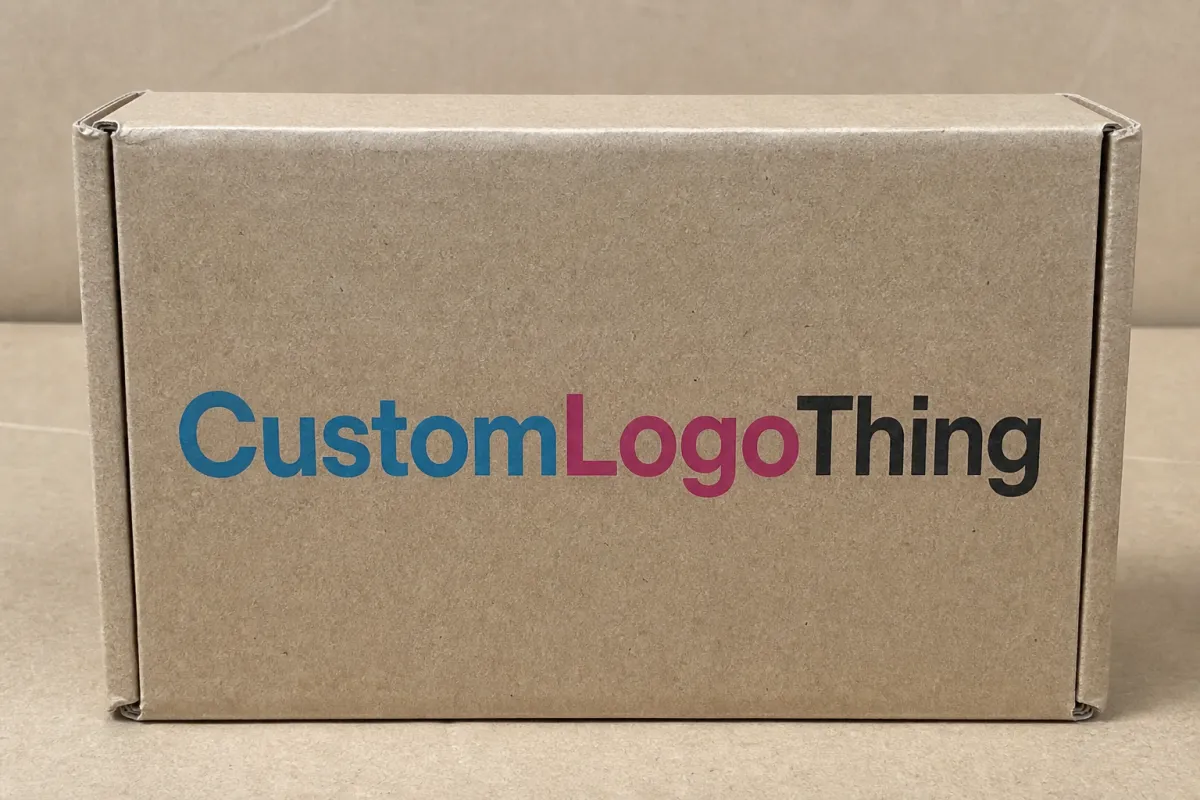
The quickest way to make a shipment feel premium is not a trick finish or a giant insert. It is making the outer pack look like someone actually thought about it. Custom corrugated mailers with CMYK do that job well because they let you use full-color branding, campaign art, and product storytelling on the shipper itself instead of forcing labels, sleeves, or tape to carry the entire experience.
That matters more than a lot of brands want to admit. Plain corrugated mailers are functional. They are also invisible. The customer sees the same brown rectangle everyone else uses, and nothing about the package says the brand paid attention. A printed mailer changes the mood quickly. It can carry a strong logo, a pattern, a seasonal promotion, or one clear message that makes the box feel like part of the product, not just the thing around it.
There is a practical side too. Label-on-box systems work for tiny runs, but they add labor and invite inconsistency. One misaligned sticker and the whole thing looks sloppy. CMYK printing on the mailer itself removes that extra step. One production flow. One design system. One cleaner result. That is why brands moving from scrappy startup packaging to something that feels retail-ready often switch to Printed Corrugated Mailers early.
The tradeoff is real. Better branding means tighter print expectations, more artwork prep, and a serious conversation about cost and board selection. The question is not whether CMYK can print. It can. The real question is whether the artwork, structure, and budget all make sense together.
The best mailer protects the product, fits the budget, and still looks intentional when the customer opens it on camera.
If you are comparing packaging options, it helps to think in layers. A custom printed box may make more sense for heavier items. A lighter shipper may work better for apparel or accessories. Some brands pair corrugated mailers with Custom Poly Mailers for certain SKUs and use Custom Shipping Boxes for others. That is not indecision. That is basic packaging logic.
What Custom Corrugated Mailers with CMYK Actually Are
In plain language, a corrugated mailer is a foldable box made from fluted board. The fluting sits between linerboard layers, which gives the piece structure and protection without adding much dead weight. Most mailers use E-flute or B-flute corrugated board, depending on how much rigidity, print surface quality, and crush resistance the job needs.
CMYK is the standard four-color print process: cyan, magenta, yellow, and black. Blend them in controlled percentages and you can reproduce most of the artwork people expect from branded packaging. That includes gradients, photos, detailed graphics, and all the other things that turn a box from plain shipping supply into a deliberate brand touchpoint.
On a corrugated mailer, CMYK printing usually happens through digital printing, flexographic printing, or litho-lamination, depending on the vendor and the order size. Short runs often go digital because setup is lighter and changes are easier. Higher-volume jobs may use litho-lam for sharper detail and more consistent coverage. Flexo can be a strong option for simpler graphics and repeatable production. The board surface matters a lot here. A smoother liner usually gives better image clarity than a rough kraft face, while a more absorbent board can mute color and soften fine type.
That is the part buyers miss. They treat CMYK like a magic button. It is not. It is a print system, and the substrate still controls a big part of the outcome. A white or clay-coated face usually holds color better than a natural kraft face. A textured board can add character, but it can also blur edges. A full-bleed photo can look great on screen and calmer on corrugated stock. That is not failure. That is material behavior.
Compared with kraft-only printing or a simple one-color flexo run, custom corrugated mailers with cmyk give you much more freedom. Seasonal art, launch graphics, region-specific messaging, and broader brand storytelling all become possible without changing the box structure. You can also coordinate the outside with inserts, tissue, and other branded packaging elements so the whole unboxing feels planned instead of stitched together from leftovers.
If you are deciding whether CMYK is worth it, ask one blunt question: does the artwork need more than a logo and a line of text? If yes, CMYK usually earns its keep. If not, a cleaner one-color layout may save money and still look strong.
Where CMYK printing makes the most sense
- Subscription kits that need recurring brand recognition without changing the structure every month.
- Apparel and accessory shipments where the unboxing video is part of the marketing.
- Gift orders and seasonal promotions that rely on artwork rather than heavy structure.
- Launch campaigns where the package needs to introduce a new product line fast.
For brands building a wider packaging system, it helps to compare mailers against the rest of the lineup on Custom Packaging Products. Sometimes the answer is one corrugated mailer design. Sometimes it is a family of packaging formats with the same graphics language. That is a better long-term move than forcing every shipment into the same box style just because it is familiar.
CMYK Production Process and Timeline
The production path for custom corrugated mailers with cmyk is not complicated, but it rewards discipline. If the file prep is sloppy, the schedule stretches. If the structure is unclear, prepress starts asking questions. If the proof sits in someone’s inbox for three days, the lead time grows whether anyone likes it or not.
Here is the usual flow:
- Dieline setup - The box template is confirmed, including panel sizes, folds, glue areas, and bleed.
- Artwork prep - The design is adjusted to match the dieline, with CMYK conversion, safe zones, and type placement checked carefully.
- Proofing - A digital proof, and sometimes a physical sample, is reviewed before production starts.
- Printing - The artwork is printed using the selected method, usually digital, flexo, or litho-lamination depending on the order.
- Finishing and converting - The printed sheet is cut, folded, glued, and packed for shipment.
One thing buyers mix up all the time: quote time is not production time. A quote may come back in a day or two. That tells you nothing about manufacturing speed. If the artwork is ready, the structure is standard, and the quantity is modest, a repeat corrugated mailer order can move fairly quickly. New structures, detailed artwork, special coatings, or color-critical work take longer because the proofing loop matters more.
Timing varies by setup, but useful ranges help. Simple repeat runs might land around 10-15 business days after proof approval. New custom structures or more detailed CMYK work can take 15-25 business days, sometimes longer if there is a sample round or a board shortage. If someone gives you a timeline without asking about size, artwork, finish, and quantity, they are guessing. Maybe politely. Still guessing.
Delays usually show up in the same few places:
- Artwork arrives without the dieline or ignores the fold areas.
- The colors are still in RGB instead of CMYK.
- The buyer wants one more tweak after the proof is already being scheduled.
- The board specification changes after quoting, which usually means the job has to be reworked.
There is also a difference between design approval and production approval. Design approval means the layout looks right. Production approval means the layout, dimensions, board, and print details are all confirmed. Skip that distinction and someone eventually pays for it, usually with a late shipment.
For brands that care about transit performance, it can be worth asking whether the shipment needs testing against ISTA transit testing standards. Not every mailer needs a lab test. If the product is fragile, heavy, or shipping long distances, the question is worth asking before the order goes live.
Key Design Factors That Affect Print Quality
Good print on corrugated board starts with respecting the material. Corrugated is not coated art paper. It has texture, absorbency, and a structure that can distort fine detail a little. That does not make it a bad surface. It just means the design has to be smarter than a brochure layout copied onto a box.
The first thing to watch is contrast. Strong type, bold shapes, and clear color separation print more reliably than delicate hairlines and faint gradients. A logo that looks elegant on a screen can turn to mush on a rough board face if it depends on tiny counters or ultra-thin strokes. In packaging design, clarity beats cleverness more often than designers want to hear.
Second, protect your type sizes. Small legal copy, URLs, and ingredient text should stay away from folds, flaps, and seams. Keep important copy out of the danger zone and make sure the safe zone is actually used. A box that folds correctly on paper and fails in the real world is just an expensive lesson.
Third, think in panels. A mailer has a front, back, sides, top flaps, and interior surfaces if you choose to print them. Not every panel needs equal attention. Trying to make every panel equally loud usually weakens the overall design. Pick a hero side. Give it the strongest message or image. Let the other panels support it with a simpler pattern, brand mark, or short line of text.
Fourth, be realistic about color. CMYK gives you a lot of flexibility, but it is not a Pantone match machine. Bright neons, highly saturated oranges, and very specific brand blues can shift depending on board color, ink density, and print method. If exact brand color is critical, test early and ask for a production proof. If you want tighter control, ask whether a mix of digital printing and spot treatments makes sense, or whether the vendor recommends another process for the job.
Fifth, use the inside of the mailer wisely. Inside printing can be surprisingly effective because the customer sees it at the reveal moment. A plain outside with a branded interior still beats an overworked outside with no hierarchy. Inside print does add cost and setup complexity, so it should earn its place.
Common design choices that improve the final result
- Use one or two strong colors as anchors, then let the CMYK art support them.
- Keep small text at a size that still reads after print gain and board texture.
- Reserve high-detail photography for smoother boards or larger panels.
- Use white space on purpose so the box does not feel crowded.
Brands that want a more retail-forward look should also think about how the mailer fits into the broader package branding system. If the shipper, insert card, and product label all speak the same visual language, the experience feels much more expensive than the unit cost suggests. If every piece looks borrowed from a different project, customers notice that too. They may not say it out loud. They just feel it.
FSC-certified material can matter if your brand wants to show responsibility in a concrete way. The Forest Stewardship Council offers a recognized framework for responsibly sourced paper and board, and that can support sustainability claims without turning them into vague marketing copy.
Cost, Pricing, MOQ, and Quote Drivers
Let’s talk money without pretending the answer is simple. The cost of custom corrugated mailers with cmyk depends on the variables that actually matter: size, board grade, print coverage, finishing, quantity, and whether the artwork is straightforward or highly detailed. There is no honest one-price answer because a 9 x 6 x 2 mailer with one-color branding is not the same job as a large full-bleed mailer with inside print and coated finishes.
In practical terms, unit prices usually fall as volume rises. Setup costs get spread over more pieces, which is why a small test run can feel expensive and a larger order can look much better on a per-box basis. That does not mean you should overbuy. Inventory sitting in a warehouse is not a savings strategy. It is just cash with dust on it.
Here is a rough pricing comparison for context. These are broad market-style ranges, not promises, and they move with board availability, print method, and shipping distance.
| Option | Best For | Typical Unit Cost | Notes |
|---|---|---|---|
| CMYK corrugated mailer | Full-color branding, launches, seasonal art | $0.55-$1.40 at mid volumes | More coverage and inside print push price up. |
| One-color kraft mailer | Simple logos, lower decoration budgets | $0.25-$0.75 | Good for clean branding, less visual impact. |
| Label applied to stock mailer | Very short runs or test campaigns | $0.30-$0.90 total decoration cost | Labor adds up, and consistency depends on the operator. |
| Custom printed shipping box | Heavier products or stronger retail presentation | $0.70-$1.80 | Often more structure, more material, more freight. |
MOQ matters too. A lower minimum order quantity helps if you are testing artwork, sizing, or a new product line. Low MOQ often means fewer print options, less flexibility on finishes, or a higher per-piece rate. That is normal. If someone offers unusually low minimums with unusually rich decoration, ask how they are doing it. Sometimes the answer is efficient. Sometimes it is just thin margin dressed up as generosity.
When you Request a Quote, give the supplier more than “I need boxes.” A useful request includes:
- Outside dimensions and preferred board style.
- Quantity target and whether you may reorder.
- Print coverage: outside only, outside plus inside, or limited panels.
- Artwork status: ready, in progress, or needing design support.
- Shipping destination and whether the cartons must meet a specific transit target.
That is how you get apples-to-apples pricing. A quote with better board, tighter tolerances, cleaner print, or stronger ink coverage is not the same product as the cheapest line item on a spreadsheet. Comparing them as if they are identical is how buyers get burned, and nobody enjoys discovering that after the order is already approved.
If you want to sanity-check your packaging mix, compare decorated corrugated mailers with other custom printed boxes or lighter-weight shipping formats before you commit. Sometimes the right answer is a mixed system: mailers for select SKUs, shipping boxes for heavier items, and a lighter pouch or poly format for products that do not need corrugate.
Common Mistakes to Avoid with CMYK Mailers
The biggest mistake is assuming the screen version is the truth. It is not. A monitor shows light. Corrugated board absorbs ink. Those are different experiences. If you approve artwork based only on a bright RGB screen, you are not approving packaging. You are approving a guess.
Another common problem is design that is too delicate for the substrate. Thin type, pale gradients, and low-contrast copy often disappear once the ink hits the board. That is especially true on uncoated or rougher surfaces. If the design depends on whisper-light details, ask whether those details are actually helping the package or just making prepress nervous.
Misusing the dieline is the expensive mistake. Fold lines, glue zones, and closure flaps are not decorative suggestions. Put a logo or a major headline in the wrong place and the finished mailer can look crooked, cramped, or awkward. Printing a beautiful layout that collapses badly after folding is not a small issue. It is a remake.
Too much information is another trap. Some buyers want the box to explain the product, the brand story, the customer service process, the shipping policy, and the company mission all at once. That turns the mailer into a billboard with commitment issues. A cleaner structure usually wins: one hero panel, one support line, one clear brand mark.
Then there is the inventory mistake. A buyer gets excited, over-orders, and ends up sitting on boxes that do not match the product mix six months later. That can happen if the launch volume was guessed too high or if the artwork was tied too tightly to one campaign. A pilot run, even if the unit price is less attractive, often saves money overall because it reveals what the market actually needs.
If the order is tied to a launch or a first-time product, a sample or pilot run is cheaper than discovering a color problem after 10,000 pieces are already in motion.
There is also a quality control issue buyers underestimate: barcode readability, panel alignment, and inside print registration. These are not glamorous details, but they matter. If your logistics team needs readable codes, or if the design includes a QR code that actually has to scan, test it before mass production. Packaging is not art if it cannot function at receiving, packing, and delivery.
Expert Tips and Next Steps for a Better Order
If the job is color-sensitive, start with a sample. That sounds obvious, but people skip it constantly because they want speed more than certainty. Then they wonder why the sky blue on the mockup became a quieter blue-gray on the finished mailer. Sampling is not for indecisive people. It is for people who would like to avoid expensive surprises.
Build the design around one clear story. One strong panel. One message. One action. If the packaging says too much, none of it lands. A mailer can still feel rich with a simple logo lockup, a bold interior print, and a strong closure design. You do not need to fill every inch of board to make it feel premium. Blank space carries weight.
Request the dieline early, before the artwork gets too far along. That gives your designer time to plan around folds, flaps, and bleed. It also keeps the prepress conversation clean. Confirm the board thickness, flute style, and closure method at the same time. A pretty design on the wrong structure is just a pretty mistake.
For buyers choosing among formats, a comparison pass is smart. A decorated corrugated mailer may be the best answer for one line, while another product may be better in a lighter pouch or a sturdier carton. Use the full packaging system, not just the one format you already know how to buy.
A simple order checklist
- Lock the dimensions and board spec.
- Confirm the print coverage and which panels are decorated.
- Prepare print-ready CMYK files using the supplier’s dieline.
- Review the proof for color, fold alignment, and barcode readability.
- Approve the timeline only after the proof and spec are both right.
If you are still choosing between formats, browse the broader options on Custom Packaging Products and compare the look, cost, and handling requirements. Then decide whether the project needs more of a presentation box, a shipping-first solution, or a lightweight mailer. That decision usually gets easier once the numbers are on paper instead of floating around as opinions.
The real takeaway is simple: start with the product, match the board to the job, and build the artwork for the way corrugated actually prints. That gives you packaging that looks intentional and survives real shipping conditions. For most growing ecommerce teams, custom corrugated mailers with cmyk are a practical place to get that balance right.
FAQ
What are custom corrugated mailers with CMYK best used for?
They work best for ecommerce brands that want protection and full-color branding in the same pack. They are a strong fit for launches, subscription shipments, gift orders, and premium mailers where the first impression matters.
How much do custom corrugated mailers with CMYK usually cost?
Pricing depends on size, board grade, print coverage, finishing, and quantity, so there is no honest one-price answer. Small runs usually carry a higher unit cost, while larger runs spread setup costs out and lower the per-piece price.
How long does production take for custom corrugated mailers with CMYK?
Timeline depends on proof approval, artwork readiness, quantity, and whether the job needs sampling or special finishing. Simple repeat orders can move faster, while new designs or color-critical jobs usually need more time for proofing and approval.
What file format should I use for CMYK corrugated mailer artwork?
Use the supplier’s dieline and export print-ready files in the format they request, usually PDF with outlined fonts and embedded images. Make sure the artwork is built in CMYK, with the correct bleed, safe zones, and organized layers so prepress can check it quickly.
What should I check before approving a CMYK mailer proof?
Check color accuracy, logo placement, fold alignment, barcode readability, and whether key text stays away from seams. Confirm the material spec, dimensions, and finishing details so the approved proof matches the real production run.
If you want your packaging to do more than hold a product, start with the structure, then the print, then the budget. That order saves a lot of pointless back-and-forth. And yes, custom corrugated mailers with cmyk can absolutely deliver the branded look customers remember, as long as the spec is built like a real production job instead of a mood board.

