For Custom Dad Hats for fashion boutique orders, the product has to work in three seconds: on a rack, under store lighting, and at a price tag that still leaves room for margin. A hat that only looks good in a render is not retail. It is a screenshot with a bill attached.
Why custom dad hats for fashion boutique orders sell before hype
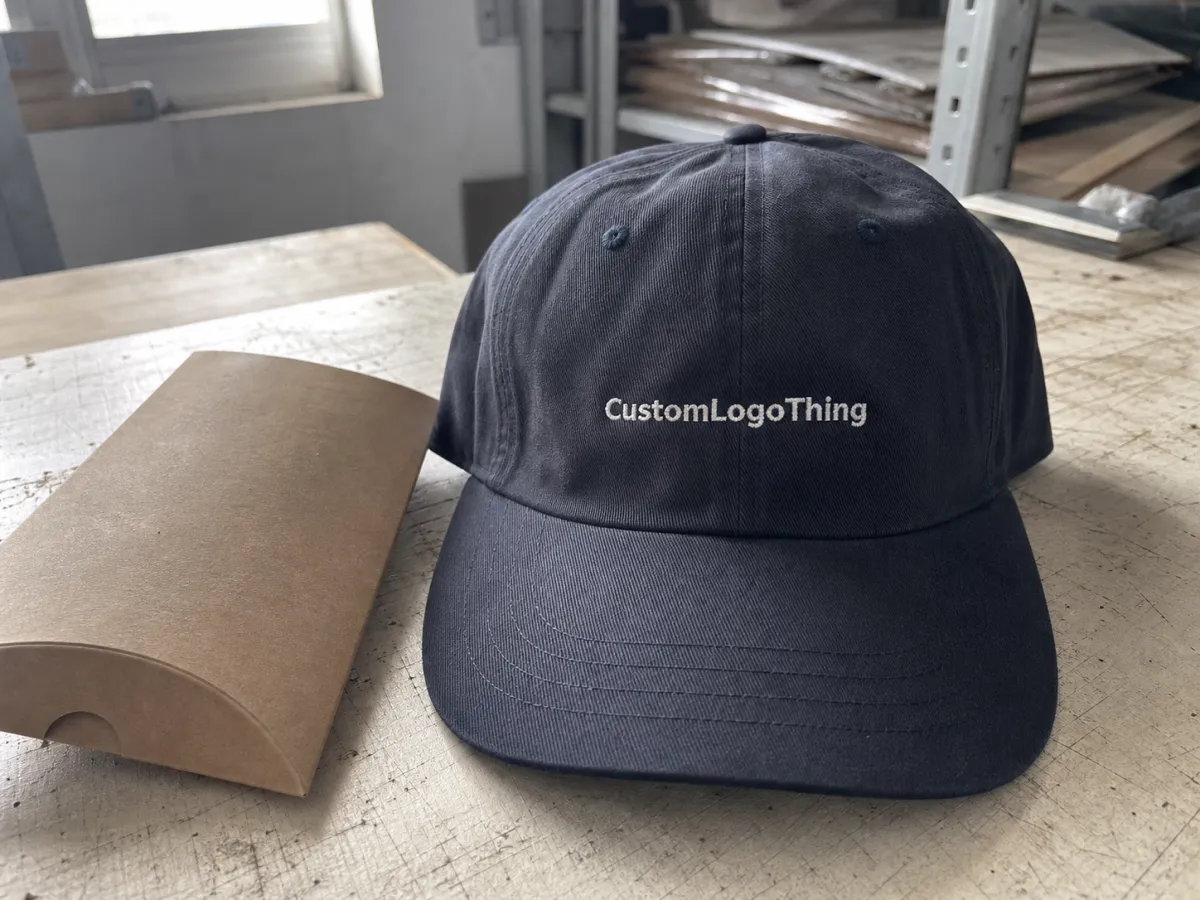
Boutique buyers do not need a long speech to understand a dad hat. They can see the shape, the color, the logo placement, and the finish in one glance. That matters because Custom Dad Hats for fashion boutique orders usually win on clarity, not drama. The item is small, familiar, and easy to merchandise next to tees, sunglasses, and small leather goods.
From a retail point of view, that is exactly why they move. Dad hats carry low visual risk, fit a wide age range, and do not force a customer to guess on sizing the way a more structured fashion accessory might. A clean cap with a decent crown and a tidy logo can sit at a $24-$42 retail tag in many boutiques and still feel justified if the finish is sharp.
The smarter buyer is not asking, “Will this go viral?” They are asking, “Will this sell off the wall, fit the brand, and support a repeat order?” That is the real test for custom dad hats for fashion boutique orders. Seasonal drops, capsule collections, and add-on sales all become easier when the product reads as intentional instead of promotional.
A practical way to think about it: the hat should look good on a rack first, then in a mirror, then in a photo. If it passes those three checks, you are close. If it only looks good in a mockup, the order is still a concept.
Fabric, fit, and crown details that make hats feel premium
The difference between a generic cap and something a boutique can proudly stock usually starts with the body. For most custom dad hats for fashion boutique orders, the most reliable base is a 6-panel, low-profile, unstructured or lightly structured crown. That shape sits closer to the head, reads more casual, and photographs better than a tall promotional cap that looks like it is trying too hard.
Fabric matters just as much. Cotton twill gives a clean everyday look and holds embroidery well. Washed cotton softens the appearance and works for vintage or streetwear-leaning boutiques. Heavier materials can add more hand feel, but they also change drape and can make the hat feel stiffer than some fashion buyers want. In practice, a 280-320 gsm cotton body is a strong middle ground for many retail programs.
Fit details decide whether the customer keeps wearing it. Adjustable closures should feel secure, not flimsy. A fabric strap with metal slider gives a softer fashion look; a brass buckle or tri-glide can feel more refined if the rest of the line is elevated. Sweatband comfort matters too, especially on lower-profile hats where the inside edge sits closer to the forehead.
Small construction choices change both photography and in-store presentation. Brim curve, panel stitching, and crown height affect how the hat sits on a display wall. A slightly curved visor usually feels more approachable in boutique merchandising than a flat brim that reads more sportswear. That is the kind of detail customers notice without knowing why.
Decoration specs that protect retail appeal and resale value
Decoration is where a boutique hat either becomes a clean fashion item or slides into promo territory. For custom dad hats for fashion boutique orders, the safest choices are embroidery, woven patches, and printed patches. Each one has a different texture, cost profile, and brand feel. None of them are universally right. The logo and the store position decide that.
| Decoration option | Best use | Typical add-on per unit | What it signals |
|---|---|---|---|
| Flat or 3D embroidery | Clean logos, small runs, premium basics | $1.20-$2.50 | Durable, simple, retail-safe |
| Woven patch | Detailed artwork, fashion labels, vintage styling | $1.80-$3.50 | Textured, more design-forward |
| Printed patch | Low-color graphics, sharper art, lighter budgets | $1.00-$2.00 | Flexible, modern, less tactile |
Placement is not just a design choice; it is a selling choice. Center-front branding gives you the most obvious read from five feet away. Side embroidery feels quieter and works well for labels that already have a strong name. Back strap details can add value if the boutique wants a more considered finish without shouting from the front panel.
Thread color should be deliberate. Tonal embroidery works when the cap body is strong and the brand is subtle. High-contrast thread works when the logo needs to pop on a crowded wall. Most boutiques do not need seven thread colors. They need one or two that look expensive and do not fight the fabric.
Artwork prep matters more than many buyers expect. Clean vector files in AI, EPS, or SVG format save time and keep the stitch map readable. For embroidery, fine text and tiny strokes can disappear if they are too thin. As a rule of thumb, I would avoid text smaller than about 4-5 mm in height and strokes under roughly 1-1.5 mm unless the artwork is being converted into a patch instead of direct stitching.
Pricing, MOQ, and quote math for boutique margins
Quote math should be boring. That is a compliment. For custom dad hats for fashion boutique orders, the cost changes with decoration method, logo complexity, body color, trim choices, and quantity. A simple one-color embroidered hat will price differently from a woven patch cap with a custom sweatband label and barcode sticker. Pretending otherwise is how people end up with margin pain.
For a realistic starting point, a plain-quality boutique cap might land around $2.20-$4.80 at moderate quantities. Add decoration, labeling, and retail-ready packing, and many orders end up in the $4.50-$9.50 landed range before freight, depending on the spec. Small test orders can sit higher. That is normal. Small runs are rarely the cheapest runs, because setup costs do not care about your optimism.
MOQ depends on the decoration and the factory setup. A simple embroidery run can sometimes start at 50-100 pieces. Patch-based orders more often make sense at 100-300 pieces. If a buyer wants multiple logo placements, mixed colors, or several closure options, the efficient quantity climbs fast.
Use this margin check before you approve a quote:
- Landed cost per hat, including decoration, freight, and duty.
- Packaging cost for hang tags, polybags, stickers, or insert cards.
- Markdown room if the boutique clears slow movers at a discount.
- Target retail that matches similar accessory price points in the store.
One useful rule: if the landed cost is $6.25, a retail tag around $26-$34 usually leaves room for normal boutique margin and a little markdown flexibility. If the landed cost climbs past $10, the design needs to justify the shelf price fast.
Sample fees can be $35-$75 for a physical sample, sometimes credited back on a confirmed order. That is not a tax. It is the price of not guessing.
Process and turnaround: from artwork approval to delivery
The cleanest production path is simple: quote request, artwork review, proof approval, production, quality check, shipping. If any one of those steps gets vague, the timeline expands. For custom dad hats for fashion boutique orders, speed is available, but only after the buyer gives usable information.
A practical schedule often looks like this: one business day for quoting, one to two days for proofing, about 10-15 business days for production after approval, and then transit time on top. Domestic shipping may take 3-7 business days. International freight can run longer depending on route and clearance. So the true lead time is usually closer to 3-6 weeks than people want to admit.
What slows orders down? Missing vector files. Unclear Pantone references. Unconfirmed closure choices. Late approval on the sample or digital proof. None of that is exotic. It is just how production gets stuck. If the launch date matters, work backward from the store floor date and leave space for one correction cycle.
For boutiques planning a capsule drop or seasonal reset, I would place the order 6-8 weeks before the product needs to arrive. If you are coordinating with matching hang tags, retail stickers, or other branded packaging elements, build in even more time so the whole presentation lands together.
If your line also needs matching Custom Packaging Products or a repeat replenishment path through Wholesale Programs, confirm that before artwork is finalized. Reworking labels after approval is expensive in the dumbest possible way.
Proofing and quality checks that keep repeat orders safe
Proofing is not paperwork for the sake of paperwork. It is the difference between a hat that sells cleanly and one that becomes an expensive lesson. For boutique buyers, one off-color panel or a crooked stitch line can make a small order feel much larger than it is. Nobody likes explaining that to a store owner after the rack is already stocked.
Ask for a clear pre-production proof or sample review before the run starts. Then check the obvious things: logo placement, stitch density, panel symmetry, closure function, and the relationship between the hat body and the thread color. If the brand relies on a specific shade, compare against a Pantone reference or an approved fabric swatch, not a phone screen. Phone screens lie for a living.
A boutique rack should make a shopper understand the hat in three seconds. If it needs a sales pitch, the spec is wrong.
For repeat orders, consistency matters more than novelty. Once the first run is approved, the same body spec, decoration method, and placement should be easy to reorder without reinventing the wheel. That is where good vendors earn their keep. The second order should feel like a copy, not a new project.
If the hats will ship shelf-ready instead of bulk-packed, ask how cartons are arranged and whether the packing plan protects the brim shape. Standards like ISTA transport test guidance are useful when cartons need to survive rough handling. For paper hang tags or insert cards, FSC-certified stock is an easy way to make the retail packaging and package branding feel more credible without making the order complicated.
And yes, if you need a matching label system, a clean product packaging spec matters. The best hat programs do not look like a pile of random accessories. They look like one line with a point of view.
Assortment planning for the first boutique hat drop
The first drop should be tight. A boutique rack looks stronger with a focused selection than with twelve nearly identical colors nobody remembers. For custom dad hats for fashion boutique orders, I would usually start with three core neutrals, one seasonal color, and one statement option. That gives the store enough visual variety without creating inventory soup.
Keep logo treatments equally disciplined. Two or three decoration styles are usually enough for an opening buy. More than that, and the assortment starts to feel like a sample board. For most small boutiques, the real goal is to test sell-through, not to prove every design idea in one shipment.
Inventory should reflect store size and traffic, not wishful thinking. A small boutique may only need 12-24 units per style for a first floor set. A busier multi-line shop might take 24-48 per style if hats already have a history of moving. If accessories attach well in the store, you can go deeper. If they do not, keep the buy cautious and reorder faster.
Presentation matters too. Ask for hang tags that fit the brand voice, polybags that protect the shape, and insert cards if the hat is part of a giftable set. If the boutique is selling a broader collection, think about how the hats sit next to retail packaging and any package branding system already on the floor. Matching the hat to the rest of the line usually helps sell-through more than adding extra decoration.
One practical note: custom printed boxes make sense for premium gift sets or e-commerce bundles, but they are often overkill for a straight hat buy. Don’t spend margin to impress yourself. Spend it where the customer can see and touch it.
Order-ready next steps for your boutique hat run
Before you Request a Quote for custom dad hats for fashion boutique orders, gather the basics so the response is actually useful:
- Logo file in vector format, or the cleanest source art you have.
- Hat color targets, including a backup if one shade is unavailable.
- Estimated quantity range, not just a single guess.
- Decoration method preference: embroidery, patch, or printed patch.
- Target delivery date, launch date, or floor reset date.
- Packaging needs, label requirements, and shipping destination.
Also decide what the first run is for. Is it a test drop? A seasonal collection? A core replenishment style? Those are different buying problems, and they should not get the same spec. A test drop wants lower risk and tighter quantities. A core style wants repeatability and cleaner cost control. A seasonal piece can afford more color personality if the margin still works.
If you need a quick refresher on common order questions, the FAQ is the simplest place to start. If you are building a broader wholesale program, keep the hat spec aligned with your apparel and custom printed boxes so the shelf story feels deliberate instead of improvised.
For custom dad hats for fashion boutique orders, the cleanest path is still the same: lock the logo, choose one body, approve the proof, and keep the first run tight enough to sell through before the style drifts. That is how a small accessory becomes a steady reorder instead of another box of inventory taking up valuable backroom space.
FAQ
What MOQ works best for custom dad hats for boutique orders?
A practical starter MOQ is usually small enough to test demand, but large enough to keep unit pricing sane. For many boutique programs, 50-100 pieces is a workable first run if the design is simple. If the style is new, ask for the lowest quantity that still covers proofing and production efficiently.
How long do custom dad hats for fashion boutique orders usually take?
Timeline depends on artwork approval, decoration method, and shipping distance. A realistic window is often 3-6 weeks total, with production commonly taking 10-15 business days after proof approval. Missing files or slow approvals add days fast, so plan backward from the launch date.
Which decoration method looks best for boutique dad hats?
Embroidery is the safest choice for a premium, durable retail look. Patches work well when you want more texture, stronger branding, or a fashion-forward finish. Simple logos with clean shapes usually read best on the front panel of a dad hat.
Can I mix colors and logo placements in one custom dad hat order?
Yes, but every added variation can affect pricing and production complexity. Keep the first order tight if you want easier inventory planning and cleaner margins. Mixing too many options can make a boutique rack look unfocused fast.
How should I price custom dad hats for boutique resale?
Start with landed cost, then add your retail margin, packaging cost, and expected markdown room. Accessories often need healthy markup to cover slower sell-through and display costs. Check local price points for similar fashion accessories so your tag price feels believable.
For custom dad hats for fashion boutique orders, the best move is usually the least flashy one: keep the spec clean, keep the first buy controlled, and make sure the hat looks right on the rack before you worry about anything else. That is how the order becomes an easy repeat.

