Buyer Fit Snapshot
| Best fit | Custom Die Cut Inserts Wholesale projects where brand print, material claims, artwork control, MOQ, and repeat-order consistency need to be specified before quoting. |
|---|---|
| Quote inputs | Share finished size, material target, print colors, finish, packing count, annual reorder estimate, ship-to region, and any compliance wording. |
| Proofing check | Approve dieline scale, logo placement, barcode or warning zones, color tolerance, closure strength, and carton packing before bulk production. |
| Main risk | Vague material claims, crowded artwork, missing packing details, or unclear freight terms can make a low unit price expensive after revisions. |
Fast answer: Custom Die Cut Inserts Wholesale: Pricing, Specs & More should be specified like a repeatable production item. The safest quote records material, print method, finish, artwork proof, packing count, and reorder notes in one written spec.
Production checks before approval
Compare the actual filled-product size with the drawing, then confirm tolerance on folds, seals, hang holes, label areas, and retail display edges. Reserve space for logos, QR codes, warning copy, and material claims before decorative graphics fill the panel.
Quote comparison points
Review material grade, print process, finish, sampling route, tooling charges, carton quantity, and freight assumptions side by side. A quote is only useful when the supplier can repeat the same color, closure quality, and packing count on the next order.
Custom Die Cut Inserts Wholesale: Pricing, Specs & More
Custom Die Cut inserts wholesale are not decorative. They are the part that keeps a product from sliding around, scraping a finish, or arriving broken after transit. A box can look premium on the shelf and still fail the second the insert fits like an afterthought. That gets expensive fast, because the damage shows up after the print run, the assembly labor, and the freight bill are already paid.
One loose insert can mean scuffed candles, chipped glass bottles, cracked cosmetic jars, bent electronics accessories, or a retail set that looks sloppy before the customer even opens it. That is why buyers use Custom Die Cut Inserts wholesale to control protection, presentation, and pack-out speed in one move. Done right, the insert becomes part of the packaging. Done wrong, it is just expensive filler with a better haircut.
Practical rule: if the product can rattle, tilt, or lift inside the cavity, the insert needs another look. Premium packaging does not survive a loose fit.
Building a retail program, subscription set, or shipping box line changes the stakes. The insert affects pack speed, freight cost, unboxing feel, and whether the package looks deliberate or improvised. That is the difference between packaging that supports the sale and packaging that quietly creates returns.
Why Custom Die Cut Inserts Wholesale Beat Generic Fills
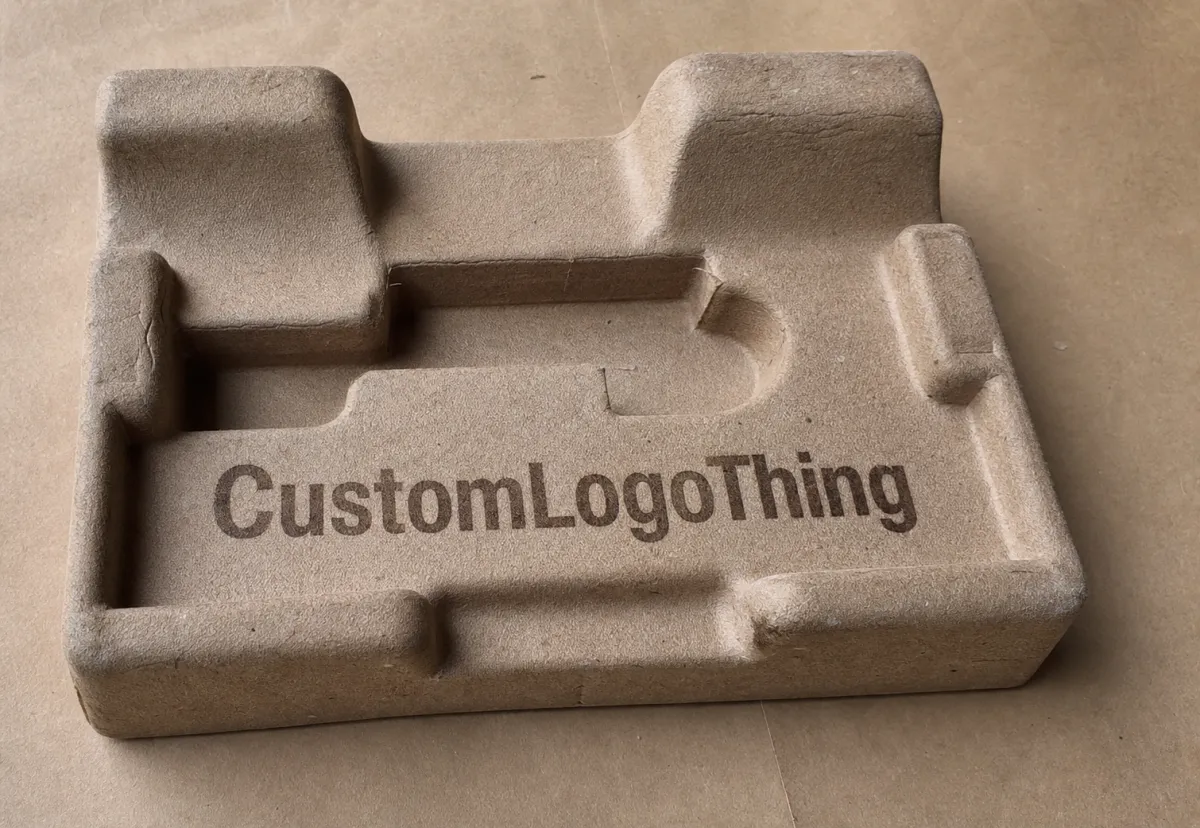
Generic paper crinkle, loose void fill, and off-the-shelf spacers can handle very simple jobs. They also create a lot of avoidable trouble. If a bottle neck hits the inside wall of the carton, if a candle tin shifts in transit, or if a fragile item sits half a centimeter too high, the box may still close cleanly while the product inside gets beaten up. Cheap filler looks cheaper on a quote sheet. It stops looking cheap the moment returns, replacements, and repack labor show up.
Custom Die Cut inserts wholesale solve three problems at once: they hold the item in place, they present the item cleanly, and they make packing faster because the placement is obvious. A packer does not have to hunt for the right position. The cavity does the work. That means fewer training mistakes, fewer shifted products, and a cleaner line when order volume climbs.
Savings often show up in places buyers do not expect. A damaged order can trigger replacement freight, customer service time, return postage, a rushed reprint, and another packing run. On low-margin products, one bad shipper can wipe out the difference between a cheap generic fill and a proper die cut insert. On higher-value goods, the math gets uglier.
Think about candles. A candle jar might sit in a box with some void fill around it. That does not mean it is protected. If the jar presses into a rigid lid, the glass can chip. If the tin can move, the label can scuff before the package leaves the warehouse. Cosmetics and electronics bring their own headaches. A serum bottle with a pump can twist in a loose cavity. A charger, accessory kit, or earbuds case can bounce around and make the whole package feel used before first use.
Insert design belongs in the same conversation as packaging design. The insert is not just structural. It shapes the opening experience, the product reveal, and whether the package feels intentional. For retail packaging, that first impression matters. For shipping boxes, the insert is often the only thing standing between the product and a return.
Custom Die Cut Inserts: Materials, Shapes, and Use Cases
There is no single best insert material. There is only the best material for the product, the shipping lane, and the budget. Treat every insert like the same object and you end up overpaying in one place while underprotecting in another. The job is to match stiffness, cushioning, and presentation to the actual risk.
Corrugated board is the workhorse for many wholesale programs. It is sturdy, easy to source, and simple to die cut into exact cavities. For sets that need structure more than cushioning, corrugated usually makes sense. It fits bottles, jars, kits, subscription items, and gift packaging where the product is not unusually fragile. Chipboard is thinner and cleaner looking, which makes it a good fit for lightweight items, inner packaging, and presentation inserts. Folding carton stock can work for lighter goods or support pieces where the insert is more about positioning than impact resistance.
Foam is the protection-first option. It adds cushioning and handles shock better than paperboard in many situations, especially for irregular shapes, heavier items, or products that cannot tolerate edge pressure. The tradeoff is cost and presentation. Foam can look utilitarian unless it is matched well to the rest of the package. For a luxury build, some buyers prefer layered paperboard or a hybrid construction so the insert supports both appearance and protection. That approach is common in custom printed boxes that open into a premium unboxing sequence.
Shape matters just as much as substrate. A single-cavity insert is straightforward and low risk. It holds one product, keeps the pack-out simple, and usually costs less to produce. Multi-cavity inserts suit kits, bundles, and assortment packs. Each item gets its own place, which matters when one part is heavier, taller, or more likely to scratch another component.
Stepped inserts help when the package needs different depths in one layout. A perfume vial may need a shallower well than the carton sleeve beside it. Nested or layered builds work when the product is irregular, or when a strong top layer has to sit over a cavity below. Folded inserts can speed assembly because the shape locks into place without much manual adjustment. That only helps if the fold geometry is clean and the board grade holds the shape during pack-out.
| Material | Typical Best Use | Relative Cost | Protection | Presentation |
|---|---|---|---|---|
| Corrugated board | Bottles, kits, gift sets, ecommerce shipments | Low to moderate | Good structure, decent impact control | Clean, practical |
| Chipboard | Light retail sets, inner packaging, cosmetic trays | Low | Good for light products | Smoother, more refined |
| Foam | Fragile, heavy, irregular, or high-value items | Moderate to high | Very good cushioning | Functional, less premium unless designed well |
| Hybrid layered build | Luxury sets, mixed products, sharper edges | Moderate to high | Strong when designed correctly | Best when presentation matters |
For package branding, the insert finish is not a minor detail. Natural kraft supports a clean, grounded look. White board works well if the outer package uses bright print or a clinical aesthetic. Black inserts can feel more premium, especially with cosmetics, electronics, and gift sets. If the insert is visible at opening, print may be worth it. If it stays hidden until the product lifts out, a plain finish can be the smarter wholesale move. Less ink, fewer variables, lower cost. Simple wins more often than people want to admit.
If you want broader packaging options that pair with insert programs, see our Custom Packaging Products catalog. For volume planning and recurring runs, our Wholesale Programs page is the quickest place to compare order tiers.
For sustainability-focused buyers, material choice also affects compliance and marketing claims. If you need certified fiber, ask for FSC-certified board and verify the chain-of-custody paperwork with the supplier. The same goes for transit testing. If the shipment has to survive parcel handling, reference ISTA packaging test methods or an ASTM drop-testing standard instead of guessing. Useful resources include ISTA and FSC.
Specification Checklist: Fit, Thickness, and Finish
Getting the spec wrong is the fastest way to waste money on inserts. A buyer can approve a clean dieline, admire the sample, and still end up with a production run that is too tight, too loose, or annoying to pack. The first step is measurement. Not design. Measurement.
Start with the product dimensions, not the box. Measure the item at its widest, tallest, and deepest points, and include anything that sticks out: pumps, caps, pull tabs, labels, charging leads, handles, or tapered shoulders. Then measure the interior box size. The cavity has to work with both the product and the pack-out method. If a packer needs to insert the item quickly, a little clearance helps. If the product is fragile or top-heavy, the same clearance becomes a problem.
For many rigid items, a small buffer around the cavity is enough, often around 1-3 mm depending on the product and the material. Softer products, hand-packed retail sets, and items with delicate finishes may need more room to avoid scuffing during insertion. The point is not to leave "a little extra." The point is to define the clearance on purpose. Too tight slows assembly and can damage the product during pack-out. Too loose causes movement, and movement is where damage starts.
Board thickness matters just as much. A thin chipboard insert may be enough for a lightweight cosmetic set, but it will not behave like corrugated when the product is heavier or the shipping lane is rough. Compression strength, flute profile, and edge quality all affect performance. A crisp die cut edge also helps packers insert items cleanly and makes the set look more precise. If the cut edge crushes or feathers, the insert can look cheap even when the box print looks great.
Finish choices should support the buyer's actual goal. Natural kraft is popular for earthy product lines, coffee, wellness, and subscription kits that want a simpler presentation. White is often better for clean retail packaging or brands that rely on bright artwork. Black is useful when the insert is part of a premium reveal or when the outer carton uses dark graphics. Laminated surfaces can improve appearance and wipe resistance, but they add cost and can change folding behavior. Spot printing makes sense if the insert is visible and needs a bit of branding without turning the project into a print-heavy mess.
Before approving bulk production, test the real product in the real insert. Do not test a sample weight or a dummy block unless the product is a dummy block. Put the actual item in the cavity, close the box, and run a shake test, tilt test, and, if needed, a low-height drop test. For shipments that will face parcel handling, ask whether the pack should be checked against a transit standard such as ISTA 3A or ASTM D5276. Standards do not replace judgment, but they do stop people from approving packaging by vibes.
- Measure the product first: width, height, depth, and anything that protrudes.
- Confirm box interior size: insert geometry depends on the actual usable space.
- Define clearance: enough for quick pack-out, not enough for movement.
- Match thickness to weight: thin board for light items, stronger builds for heavier goods.
- Test with the real item: shake, tilt, and drop before release.
Custom Die Cut Inserts Wholesale Pricing, MOQ, and Quote Factors
Price is where most buyers want a clean answer. The honest answer is that cost depends on material, complexity, quantity, and finishing. Anyone pretending otherwise is guessing or selling you a headache. The good news: wholesale inserts are not mysterious. They follow a predictable cost pattern once you know which variables matter.
The main drivers are straightforward. Material choice comes first. Corrugated and chipboard are usually more economical than foam, and simple unprinted boards cost less than laminated or printed inserts. Complexity comes next. A single cavity with one clean die cut is cheaper than a multi-cavity tray with tight tolerances, stepped depths, or fold-and-lock features. Quantity matters too, because setup and cutting costs spread out as the order gets larger. Print coverage, special finishes, and whether you need a fresh dieline can also move the number.
For practical buying ranges, simple wholesale inserts often start at a few hundred units, depending on the material and how much setup is required. At lower quantities, the unit price can look irritating because the setup cost is doing a lot of work. Once the order reaches the 1,000-piece range and above, pricing usually gets more sensible. That is where the per-piece cost starts to settle into a better zone for recurring programs.
Here is a realistic ballpark for common jobs. These are not quotes, because the actual spec matters, but they are useful for planning:
- Simple chipboard insert: about $0.18-$0.45 per unit at 1,000+ pieces, depending on cavity count and print.
- Corrugated insert: about $0.20-$0.55 per unit at 1,000+ pieces, with heavier grades and more complex cuts costing more.
- Foam insert: about $0.40-$1.25 per unit, often higher for intricate shapes or thicker protective builds.
- Hybrid layered insert: about $0.60-$1.80 per unit, especially when the design includes multiple components or premium finishing.
Setup fees matter too. Some programs include a standard dieline or cutting setup in the quote. Others charge separately, especially when the design needs a custom prototype or a complicated cutting layout. A one-time setup or dieline charge might be modest on a simple job and more noticeable on highly custom work. Ask for it early so the quote is real, not optimistic.
Do not ignore freight. Foam is often light but bulky. Corrugated can be efficient, but a thick or oversized insert can push cube volume higher than expected. If the insert ships flat, packing efficiency is usually better. If it ships pre-assembled or with multiple components, freight can rise. That is one reason experienced buyers ask for landed cost, not just unit cost. The cheapest insert on paper can become the most annoying one by the time it lands at your door.
When you request a quote, send the information that actually changes price. A useful quote request should include:
- Exact product dimensions and weight.
- Box interior dimensions.
- One cavity or multiple cavities.
- Material preference, if you have one.
- Print or finish requirements.
- Quantity tiers, such as 250, 500, 1,000, and 5,000.
- Shipping destination and deadline.
A vague email gets a vague number. A clear spec sheet gets a usable quote. If you want to compare options intelligently, ask for multiple tiers so you can see where the price drops. That usually helps more than chasing the absolute lowest number at a tiny quantity. For most product packaging programs, the better move is finding the volume point where cost, lead time, and quality all behave.
Production Process, Timeline, and Lead Time
A clean insert program moves through a predictable production path. Inquiry and spec review come first. Then the supplier quotes the job, checks the dieline or requests one, and confirms the material. After that, the buyer approves a sample or proof, production begins, quality is checked, and the order ships. Basic process. The trouble usually comes from missing information, not from the process itself.
Simple inserts can often move through production in about 5-10 business days after approval, if the specs are locked and the run is straightforward. Printed or layered jobs usually take longer. A more complex build may need 10-15 business days or more after final approval, especially if there is a sample round or a proof correction. If the order requires a new die, intricate folds, specialty board, or a color-sensitive finish, expect more time. Not forever. Just more than the optimistic guess someone made in a meeting.
The most common delay is incomplete information. Missing dimensions force a second round of questions. Unclear artwork causes proof revisions. Waiting on sample sign-off can stall the schedule for days if the decision-maker is out of office. If multiple stakeholders are involved, the timeline can stretch even when the factory is ready. The press cannot read minds. It needs a final file and a final yes.
Rush handling is possible on some insert programs, but only if the specs are already locked. If the box size is uncertain, if the product dimensions are still being checked, or if the buyer has not approved the fit, speeding up the schedule may just speed up the mistake. The fastest jobs are the ones where the buyer sends one clean brief: product size, box size, quantity, material preference, and delivery target. That saves everyone from a chain of avoidable clarifications.
Quality control should not sit at the end like an afterthought. A production run should be checked for cut accuracy, cavity alignment, board integrity, and consistency across the lot. For branded packaging or retail sets, the fit and appearance need to hold up across the whole order, not only on the first sample. A slightly off cavity on a large run can create assembly drag, and assembly drag is just labor cost wearing a nicer shirt.
From a buyer's point of view, the schedule is easier to manage when the insert program is tied to the rest of the packaging order. If you are already ordering custom printed boxes, outer cartons, or display packaging, the insert should be scheduled alongside those components. That keeps artwork, proofing, and delivery aligned instead of turning the package into three separate projects that refuse to meet each other on time.
Why Choose Us for Custom Die Cut Inserts Wholesale
Buyers do not need more packaging noise. They need inserts that fit, protect, and pack cleanly. That is the real value in a wholesale program: fewer damaged products, less waste, and less time spent fixing problems that should have been designed out from the start. If an insert is doing its job, nobody talks about it much. That is the point.
Direct production support matters when the job is tight. Some packaging suppliers are fine with standard tray shapes and simple cavity layouts. The moment the product has a weird profile, sharp edges, a heavy base, or an awkward closure, they start acting like the project is impossible. It is not impossible. It just needs proper measurement, a sensible material choice, and a die cut layout that respects how the product behaves in the box.
Proofing and sample support carry real weight. A real sample tells you whether the product sits too high, whether the cavity grips too hard, and whether the pack-out will be fast or frustrating. That is better than guessing from a drawing. It is also better than approving a layout because it looks tidy in a PDF. Packaging has to work in the hand, not just on screen.
Quality control is another boring detail that matters a lot. Consistent cut depth, clean edges, repeatable fit, and stable board performance are what keep wholesale buyers from reworking entire runs. A supplier that communicates clearly and keeps repeat orders stable saves time in a way that never shows up in a pretty brochure. Buyers remember the supplier who answers questions, keeps lead times honest, and sends inserts that actually fit the products they were made for.
If your program needs both product protection and presentation, custom inserts can support the brand story too. They can make a fragrance set feel polished, a candle kit feel deliberate, or an electronics bundle feel more premium. That is part of package branding, even if nobody writes it on the invoice. The insert shapes how the customer sees the product before they ever use it.
For buyers comparing suppliers, the real questions are simple:
- Does the insert fit the product without forcing assembly?
- Does the material match the product weight and shipping route?
- Can the supplier prove the sample before the full run?
- Is the wholesale pricing clear across quantity tiers?
- Will the supplier communicate fast enough to protect the schedule?
That is the difference between an order and a program. One is a transaction. The other is a repeatable part of your product packaging system.
Next Steps to Order Custom Die Cut Inserts Wholesale
The fastest way to get a clean quote is to gather four basics before you ask: product dimensions, box interior dimensions, quantity, and shipping deadline. If you have those, you already outrank half the vague quote requests that land in a packaging inbox. Add product weight and fragility if the item is delicate or unusually heavy, because that changes the material recommendation.
From there, choose the material direction. Corrugated is usually the default for structure. Chipboard often works for lighter retail sets. Foam is the safer call for fragile or irregular products. If the insert is part of a luxury reveal, consider a hybrid build that supports both protection and presentation. The right choice depends on the product, not on the cheapest line item.
If you are replacing an old insert, send photos of the current packaging, the problem area, and the failure point. A picture of a scuffed bottle or a broken corner tells more truth than a three-paragraph complaint. If you are building a new set, send the outer box mockup if you have one. The fit between the insert and the box matters as much as the fit between the insert and the product.
Ask for at least two or three quantity tiers. A 250-unit run may help with a pilot or launch test, while 500 or 1,000 pieces may give you a better unit price and a better read on long-term economics. That is how smart buyers compare custom die cut inserts wholesale without getting trapped by a single number that looks nice but does not match the actual plan.
Then review the dieline or sample with the real item in hand. Check the fit, check the pack-out speed, and check whether the customer will see the insert as part of the experience or as a piece of packaging debris. If it passes that test, move to production. If it does not, adjust the cavity or material before you commit to the run.
Custom die cut inserts wholesale are a practical buy, not a vanity feature. They protect the product, support branded packaging, and keep the order line moving without drama. The best next step is simple: measure the product, confirm the box interior, choose a material based on the shipping risk, and request tiered pricing with a real sample check before you approve production. That is how you get the right insert instead of the cheapest mistake.
FAQ
What do I need for a custom die cut inserts wholesale quote?
Send the product dimensions, box interior size, quantity, and whether the insert needs one cavity or multiple cavities. Include product weight, fragility, and the shipping method if the package will travel through parcel networks or freight. If the insert needs printing, color matching, or a specific finish, add that too so the quote reflects the real build.
Which material is best for custom die cut inserts wholesale?
Corrugated board and chipboard cover most retail, subscription, and gift packaging jobs because they balance cost and structure well. Foam is the better choice when the product is heavy, irregular, or needs extra cushioning. The right answer depends on the product and the shipping risk, not just on the lowest price.
What MOQ should I expect for custom die cut inserts wholesale?
Many wholesale programs start around a few hundred units for simple inserts, but the exact minimum depends on the material and the setup work involved. If you want better unit pricing, 1,000 pieces or more usually gives you more room to reduce cost per insert. Ask for tiered pricing so you can compare smaller and larger runs before you commit.
How long does custom die cut inserts wholesale production take?
Simple inserts can often move through production in about 5-10 business days after approval. Printed, layered, or highly customized inserts usually need more time because proofing and setup add steps. The fastest jobs happen when the buyer sends complete specs and replies quickly to sample or dieline approvals.
Can custom die cut inserts wholesale be branded?
Yes, inserts can be printed, color-matched, or finished to support the outer packaging design. Branding works best when the insert is visible at opening, because it becomes part of the reveal instead of sitting quietly out of sight. If budget matters, keep the branding simple and use clean cutwork plus one-color print rather than overcomplicating the insert.

