Buyer Fit Snapshot
| Best fit | Custom Die Cut Mailer Boxes projects where brand print, material claims, artwork control, MOQ, and repeat-order consistency need to be specified before quoting. |
|---|---|
| Quote inputs | Share finished size, material target, print colors, finish, packing count, annual reorder estimate, ship-to region, and any compliance wording. |
| Proofing check | Approve dieline scale, logo placement, barcode or warning zones, color tolerance, closure strength, and carton packing before bulk production. |
| Main risk | Vague material claims, crowded artwork, missing packing details, or unclear freight terms can make a low unit price expensive after revisions. |
Fast answer: Custom Die Cut Mailer Boxes: Design, Cost, and Fit should be specified like a repeatable production item. The safest quote records material, print method, finish, artwork proof, packing count, and reorder notes in one written spec.
Production checks before approval
Compare the actual filled-product size with the drawing, then confirm tolerance on folds, seals, hang holes, label areas, and retail display edges. Reserve space for logos, QR codes, warning copy, and material claims before decorative graphics fill the panel.
Quote comparison points
Review material grade, print process, finish, sampling route, tooling charges, carton quantity, and freight assumptions side by side. A quote is only useful when the supplier can repeat the same color, closure quality, and packing count on the next order.
Custom Die Cut mailer boxes solve a problem that sounds minor until it starts costing money: how to make packaging fit the product instead of making the product adapt to the packaging. That mismatch shows up quickly once the carton enters parcel circulation. Loose internal dimensions invite scuffing, add void fill, increase dimensional weight, and make damage claims more likely.
Most buyers notice the visual payoff first. The operational payoff is usually bigger. Custom Die Cut mailer boxes are cut to a product's actual shape and size, which gives the packing team more control and gives the customer a cleaner opening moment. Less movement inside the carton. Fewer filler materials. Less time spent teaching a generic box to behave like a custom one.
For brands trying to keep branding, shipping cost, and packing speed in the same frame, that matters. The box is not just a shell. It affects labor, carrier spend, damage rates, and the way a customer reads the brand before the product is even touched.
The useful questions are not abstract. How tight should the fit be? Which board grade holds up without overbuilding the carton? What drives the price? How long does the path from dieline to delivery actually take? Those are the questions that decide whether custom Die Cut Mailer Boxes are a smart fit for a product line or just a pretty mockup with no legs.
Custom Die Cut Mailer Boxes: What They Are and Why They Matter
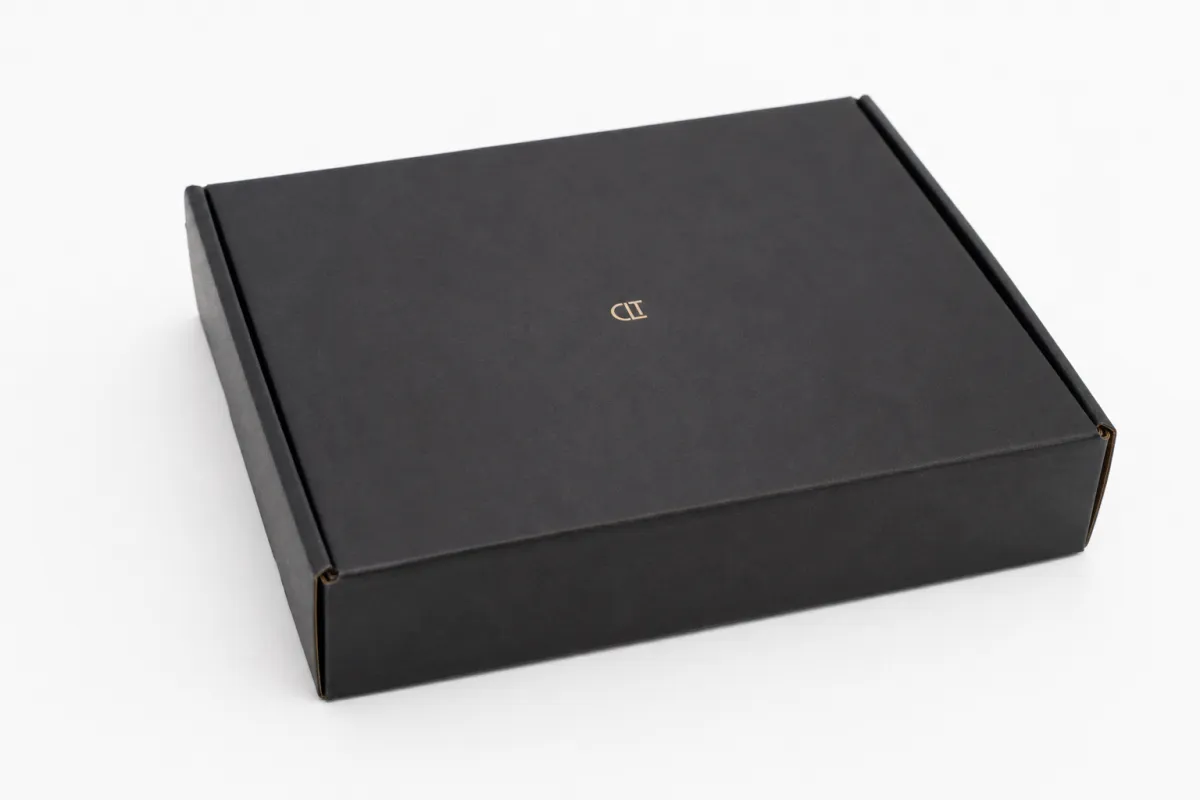
Custom die cut mailer boxes are corrugated mailers cut to a product-specific layout instead of a standard catalog dimension. The die defines the cut lines, score lines, folds, locking tabs, and closure points. The result is packaging built around the item, not an item squeezed into whatever size happened to be available.
Picture three common shipments: a candle, a skincare set, and a folded apparel bundle. A box that is loose by a quarter inch on each side will almost always need tissue, paper, air pillows, or another filler to keep the product from shifting. That filler adds cost in material and labor. It also increases weight. Across hundreds or thousands of shipments, those small additions become a line item worth tracking.
Custom die cut mailer boxes also change how the product behaves in transit. Less empty space means less room for acceleration when a parcel is dropped, tipped, or stacked. That matters for fragile products, printed inserts, subscription kits, and premium retail packaging that has to arrive looking composed rather than battered.
Typical uses for custom die cut mailer boxes include:
- Ecommerce orders that need a consistent look and a faster pack-out.
- Subscription kits with multiple items that benefit from a fixed internal layout.
- Fragile or semi-fragile goods that need controlled movement and minimal filler.
- Sample programs where the box has to carry more brand weight than the product size suggests.
- Return-ready retail packaging that needs to hold shape on both outbound and return trips.
The case gets stronger when a brand ships the same or similar SKUs at scale. Stable dimensions mean the packaging team can remove guesswork. The economics look less attractive when the product changes every month or the assortment is too broad to justify a dedicated box family. In those cases, a standard mailer or a wider carton line may be the cleaner answer.
Fit does more than protect the item. It speeds up the line. A box that folds cleanly and closes without correction saves seconds per pack. Multiply that by a few hundred orders a day and the savings stop looking small. Packing stations notice awkward cartons immediately. I have watched teams lose half a minute per order because a loose mailer needed extra tissue, a second pass, and one more check before seal-up.
A box that fits the product once is packaging. A box that fits the process every day is cost control.
That is the real overlap where custom die cut mailer boxes earn their place: logistics, branding, and operations all pulling in the same direction. They are not just prettier Custom Printed Boxes. They are a decision that can influence damage rates, packing labor, and shipping performance.
How Custom Die Cut Mailer Boxes Work: Dielines, Folds, and Inserts
The starting point for custom die cut mailer boxes is the dieline. A dieline is the flat template that marks cut areas, score lines, folds, tabs, and glue or tuck points. It is the map a converter follows to turn a sheet of corrugated board into a working mailer. If the dieline is off, the box can buckle, close poorly, or leave the product drifting inside.
Product dimensions come first, but the box should not match the product exactly. Real packaging needs room for wraps, inserts, trays, and the tolerances that come with production. A skincare bottle might need a few millimeters of breathing room. A framed print may need more space for edge protection and easier loading. The right allowance depends on the product and the protection method, not on a fixed formula.
Board grade matters just as much. Many custom die cut mailer boxes use corrugated board with either an E flute or a B flute, depending on whether the project leans toward print detail, stiffness, or crush resistance. E flute often suits sharper graphics and a cleaner presentation. B flute tends to deliver more structural confidence. The right choice depends on weight, stacking pressure, carrier handling, and whether the box is meant to feel like part of the unboxing experience.
Optional features shape both the user experience and the shipping behavior:
- Tuck closures for quick assembly and repeat opening.
- Self-locking bottoms for stronger structural performance.
- Tear strips for a cleaner opening moment.
- Internal partitions for kits with multiple products.
- Printed interior panels for stronger package branding.
The outside of the box usually gets the attention. The interior decides whether the carton does its job. A box can look excellent and still perform badly if the product rattles inside it. That is why custom die cut mailer boxes often work better with inserts, corrugated dividers, molded paper pulp, or folded paper supports. The insert is not always necessary, but it can turn a borderline structure into a dependable one when the item is heavy, irregular, or visually delicate.
Testing is the part that separates theory from reality. A dieline on screen does not prove the box will behave after packing. Product weight changes how the panels flex. Tape and tissue alter pressure inside the carton. Carriers introduce vibration, compression, and drops. A prototype of custom die cut mailer boxes should be packed with the actual item, closed by the same team that will use it, and handled the way the shipment will actually move.
For programs with stricter performance targets, recognized testing frameworks such as ISTA package testing methods and common protocols like ASTM D4169 can bring order to the discussion. Those standards do not replace real-world trials, but they help teams compare box performance with a little more honesty.
Custom Die Cut Mailer Boxes Pricing: Cost Drivers and MOQ
Pricing for custom die cut mailer boxes is rarely a single number. Several variables move together: size, board grade, print coverage, structural complexity, finishing, and quantity. A simple two-color mailer in a modest run may look inexpensive at first glance. Add a full-coverage print, interior decoration, a tear strip, and a custom insert, and the cost profile shifts quickly.
Quantity is the first lever most buyers feel. Lower minimum order quantities usually produce higher unit pricing because setup, tooling, prepress, and sampling are spread across fewer boxes. Runs at 2,500 or 5,000 units often improve the economics noticeably. In many programs the gap can land between 20% and 40%, although the exact spread depends on the factory, print method, and sheet utilization.
Here is a practical comparison for common packaging choices at mid-size production volumes. These are planning ranges, not quotes, but they help place custom die cut mailer boxes next to simpler options.
| Packaging option | Typical unit cost | Best fit | Operational note |
|---|---|---|---|
| Standard mailer box | $0.45-$0.85 | Simple products with forgiving dimensions | Lower setup cost, but fit is less exact and filler use is often higher |
| Custom die cut mailer boxes | $0.72-$1.45 | Brands that need tighter fit and stronger package branding | Better packing efficiency and a cleaner opening experience |
| Custom die cut mailer boxes with insert | $1.05-$2.20 | Fragile kits, multi-piece sets, and premium retail packaging | Higher material and tooling cost, but less movement inside the carton |
| Custom die cut mailer boxes with specialty finish | $1.35-$2.80+ | Brand-led launches and high-touch presentation | Foil, soft-touch, spot UV, and heavy ink coverage raise cost quickly |
The table only tells part of the story. A supplier may quote the box itself, yet the real comparison should include setup charges, plates or tooling, sample costs, freight, and rush fees. That is where an itemized quote earns its place. A clean price sheet makes it easier to compare suppliers on total landed cost rather than headline unit price.
Finishing choices can move pricing more than buyers expect. Lamination, foil stamping, spot UV, and heavy interior print all add cost. Custom inserts do too, especially when the insert requires its own cutting pattern or a more complex build. If the goal is cost control rather than shelf drama, a restrained print strategy can be the smarter play. One strong brand color, a well-placed logo, and a clean interior often do more work than a fully covered box.
There is another cost that gets overlooked: bad sizing. An oversized carton increases void fill, raises dimensional weight, and makes the packaging look sloppy. An undersized carton slows pack-out and pushes up damage claims. The cheapest quote is not always the least expensive decision. If a slightly higher-priced custom die cut mailer boxes program cuts damage and reduces packing labor, the total cost of ownership may fall instead of rise.
When comparing formats, it helps to look at the broader packaging line rather than one box style in isolation. Some brands use Custom Packaging Products for the main shipper and pair that with lighter formats like Custom Poly Mailers for soft goods or secondary shipments. That kind of split can reduce overpackaging while keeping each SKU in the right structure.
A simple rule helps. Ask whether the project is price-sensitive, presentation-sensitive, or damage-sensitive. If all three matter, custom die cut mailer boxes may justify a higher board or finish spec. If one priority dominates, a simpler packaging design may hit the brief with less waste.
Production Process and Lead Time: From Quote to Delivery
The production path for custom die cut mailer boxes is more structured than many first-time buyers expect. A project usually begins with a packaging brief, moves to quoting, then dieline development, proofing, sample approval, production, inspection, and shipment. Each stage has a point where things can slip, and the jobs that stay on track usually start with clean information.
Under normal conditions, the quote phase can take a few business days if the specs are complete. Dieline development often takes another 1-3 business days for straightforward structures, and longer when the box needs partitions or a special closure. Sampling and prototype approval may add several more days, especially if the team wants to test the actual product inside the sample before signing off on production.
Lead time and turnaround time are not the same thing. Lead time refers to the total wait from order placement to delivery. Turnaround time usually refers to the manufacturing portion alone. That distinction matters because a factory can finish quickly while the order still waits on proof approval, freight transit, and receiving. For custom die cut mailer boxes, a fast press run does little good if the proof sits untouched for a week.
A schedule usually stretches in a few predictable places:
- Artwork revisions when the brand wants new copy, barcode changes, or new placement.
- Structural changes when the first sample does not fit the product the way the team expected.
- Late proof approval when color, bleed, or safe area checks are delayed.
- Sample feedback when pack-out testing shows the closure or insert needs adjustment.
Rush orders are possible, though they are not a cure-all. They compress the schedule by moving a job ahead in line or reducing room for revisions. That usually means a higher price and less flexibility. For custom die cut mailer boxes, rush work makes sense for launches with a hard deadline, not for jobs that are still under debate.
Warehouse reality should shape the schedule too. If boxes arrive before the receiving area is ready, they become clutter. If they arrive after the launch window opens, the team starts improvising with temporary packaging. A well-built plan accounts for dock capacity, carrier transit time, and whether the receiving team can inspect the shipment immediately.
Seasonal launches need extra cushion. One week of buffer can absorb a proof revision, a freight delay, or a sample tweak. That cushion matters more with custom die cut mailer boxes because structural packaging issues are often found at the worst possible moment: after the product is packed, labeled, and waiting to ship.
Step-by-Step Guide to Ordering Custom Die Cut Mailer Boxes
Ordering custom die cut mailer boxes goes better when the brief is finished before the first quote request goes out. The most common mistake is treating the box like a generic carton and filling in the details later. That usually creates rework, and rework burns time and budget.
Start with the product itself. Measure length, width, height, and weight. If the item is irregular, measure the packed configuration rather than the bare item alone. A glass jar with a pump, a candle in a sleeve, or a kit with multiple components all need different allowances. Note anything fragile, sharp, compressible, or likely to shift in transit. For custom die cut mailer boxes, those details influence the dieline and the board choice more than many buyers expect.
Then define the shipping environment. Is the box going into domestic parcel, subscription fulfillment, or retail resale? Will it face winter cold, summer heat, or repeated returns? A box for a soft-goods subscription does not need the same crush resistance as a box for a ceramic mug. A box moving through postal networks and parcel hubs deserves a different margin of safety than one handed directly to a local customer. That part is kinda boring on paper, but it is where a lot of packaging wins or fails.
The quote request should include these points:
- Product dimensions and weight, including the packed version.
- Expected monthly or annual quantity.
- Print coverage, inside print, and brand color requirements.
- Any inserts, partitions, or protective padding.
- Desired board grade, if already known.
- Target launch date and acceptable lead time.
Once the supplier sends a dieline, check it closely. Confirm bleed, safe areas, barcode placement, closure fit, and any area that will disappear under a flap or tuck tab. This is the point where packaging design meets production reality. A logo can look centered in a mockup and still land too close to a fold line if the dieline is not reviewed carefully. For custom die cut mailer boxes, that mistake happens often enough to deserve a second look.
Before approving full production, order a sample or pilot run and pack the actual product. Do not use a placeholder weight if the final shipment will be heavier. Do not approve fit based on an empty box. Do not skip a pack-out test because the carton looks right on a desk. Real testing shows whether the product slides, whether the closure resists spring-back, and whether the finish survives handling.
A practical launch plan should also cover the fulfillment workflow. Where will the boxes be stored? How many seconds does pack-out take per unit? Can the team assemble the box without bending the panels? Does the box work with the label application process? Those questions sound operational because they are operational. If custom die cut mailer boxes slow the line down, they are not fully doing their job.
If you want to cut down trial and error, ask for a prototype and keep a short launch checklist:
- Measurements confirmed against the actual product.
- Sample tested with full contents and all inserts.
- Artwork approved with bleed and safe areas checked.
- Warehouse team signed off on assembly speed.
- Carrier test or drop test completed for the target route.
That checklist turns ordering from a guess into a controlled process. That is what custom die cut mailer boxes should deliver.
Common Mistakes to Avoid With Custom Die Cut Mailer Boxes
Most problems with custom die cut mailer boxes are not dramatic. They build slowly. A few millimeters too much clearance. A board grade chosen for appearance instead of load. A proof approved too quickly. By the time the run lands, the box that looked efficient is creating waste on the floor and damage in transit.
The first mistake is measuring only the product and ignoring the packaging system around it. Inserts, tissue, seals, labels, and closure tabs all take up space. If those elements are missing from the sizing discussion, the final box may feel right on paper and awkward in practice. A sound fit calculation accounts for the full pack, not just the naked item.
The second mistake is choosing a structure that photographs well but performs poorly. A decorative box still fails if the panels crush under stack pressure or the closure opens during carrier handling. In custom die cut mailer boxes, form should support function. The carton must survive the shipment first and impress the customer second. The best designs do both.
The third mistake is ignoring quantity and storage realities. Too many boxes can turn inventory into a nuisance. Too few can force a premium reorder or a stockout right before launch. MOQ matters because custom die cut mailer boxes only make economic sense when the run size matches demand.
A fourth mistake is approving artwork before the dieline is fully locked. Bleed, trim, fold lines, and barcode placement need to be checked against the actual template. A beautiful design can still print incorrectly if the safe area is ignored. That problem shows up often in retail packaging and premium branded packaging, where a tiny shift can make the entire run feel off.
The fifth mistake is skipping real-world tests. A box can pass a visual check and still fail on the pack station, on the truck, or after a 30-inch drop. For fragile or valuable products, a simple test aligned with ISTA methods or an internal drop test can show whether the structure, closure, and insert are actually doing the work. The point is not academic neatness. The point is avoiding preventable claims.
There is a habit many teams fall into: treating packaging as a finishing touch rather than part of the supply chain. That is how custom die cut mailer boxes get under-specified. The result is predictable: more filler, slower labor, and a box that never quite feels like it belongs with the product inside.
From a packaging buyer's point of view, the best defense is straightforward. Test the actual product, review the actual dieline, and compare the actual landed cost. If a supplier cannot explain the structure, the board, and the production method clearly, keep pressing until the answer is clean or move on.
Expert Tips and Next Steps for a Better Box Launch
After enough packaging projects, a pattern becomes obvious. The teams that do best with custom die cut mailer boxes treat the box as part of the launch plan, not as a last-minute purchase. That changes the outcome in practical ways, from cost control to pack speed.
Start with a pilot run whenever possible. A small batch gives the team room to inspect the fit, watch the pack-out process, and catch issues before the full order lands. If the product line includes several SKUs, pilot one representative size first. A good result there often points the rest of the family in the right direction. A bad result there saves you from scaling the wrong design.
Standardizing box families is another smart move. Fewer dielines usually mean fewer SKUs, simpler forecasting, and less warehouse confusion. Brands that keep their packaging design disciplined often outperform brands that reinvent every carton for every item. A family of custom die cut mailer boxes can still feel branded and premium while being far easier to manage.
Print strategy should follow the business goal. If the goal is unboxing impact, put energy into the lid and the first-view interior. If the goal is cost control, use one or two colors and let the structure carry more of the load. If the goal is both, selective decoration works well: strong exterior branding, restrained interior print, and a clean insert. That balance often beats trying to cover every panel with ink.
It also helps to think beyond the carton itself. Product packaging, fulfillment, and logistics should be planned together. A box that fits the product but slows the line is not a win. A box that looks polished but increases freight spend is not a win either. The better answer usually sits in the middle, where custom die cut mailer boxes protect the item, support the brand story, and keep the warehouse moving.
If you are building the next version of your packaging line, the next steps are clear:
- Gather product dimensions, weight, and photos.
- Decide whether the priority is cost, protection, or presentation.
- Request a dieline and sample before approving production.
- Test the box in your real fulfillment workflow.
- Compare quotes with setup, freight, and finishing included.
That process is not flashy. It is dependable. And dependability is what packaging is supposed to deliver.
For brands that want tighter fit, cleaner presentation, and fewer shipping headaches, custom die cut mailer boxes remain one of the most practical upgrades in branded packaging. They reward careful measurement, honest testing, and a little patience at the start, then pay that attention back every time a customer opens the box.
Frequently Asked Questions
How are custom die cut mailer boxes different from standard mailer boxes?
Custom die cut mailer boxes are built around your product dimensions and closure style, so the interior fit is tighter and the contents move less during transit. Standard mailers are more generic, which usually means more filler, more adjustment at pack-out, and less control over the final presentation. In most cases, the custom version improves both protection and package branding.
What measurements do I need before ordering custom die cut mailer boxes?
Measure the product length, width, height, and weight, then add space for inserts, wrap, tissue, or any other protective materials. If the product has an irregular shape, measure the worst-case packed version rather than the smallest possible one. That is the cleaner way to spec custom die cut mailer boxes without ending up with a carton that is too tight to use comfortably.
Are custom die cut mailer boxes strong enough for shipping fragile products?
Yes, if the board grade, flute, and structure are matched to the product weight and the carrier conditions. Fragile items often need inserts, partitions, or added cushioning so the product does not shift inside the carton. For custom die cut mailer boxes, a drop test and a pack-out test are the best ways to confirm that the design can handle the trip. No carton is magic, though. If the product is genuinely delicate, the safest route may still include an outer shipper.
What affects custom die cut mailer boxes pricing the most?
Size, board grade, print coverage, structure complexity, finishing, and order quantity usually have the biggest impact on pricing. Smaller runs tend to cost more per unit because setup is spread across fewer boxes. If you want a cleaner comparison, ask for an itemized quote so you can see tooling, setup, freight, and any rush charges alongside the box price.
How long does it take to produce custom die cut mailer boxes?
Lead time depends on artwork approval, sample feedback, material availability, and the production queue. Simple jobs can move faster, while structural changes and specialty finishes usually add time. The safest approach is to build buffer time into the launch plan so custom die cut mailer boxes arrive before the inventory is needed, not after the launch window has already opened. If the timeline feels tight, lock the dieline and approve the sample first; that is usually where delays snowball.
For most brands, the real payoff is not just a better-looking carton. It is a packaging system that fits the product, supports the fulfillment team, and keeps customer experience consistent. If you do only one thing before ordering custom die cut mailer boxes, test the actual packed product against the actual dieline. That single check prevents more expensive mistakes later.

