Buyer Fit Snapshot
| Best fit | Custom Die Cutting for Boxes projects where brand print, material claims, artwork control, MOQ, and repeat-order consistency need to be specified before quoting. |
|---|---|
| Quote inputs | Share finished size, material target, print colors, finish, packing count, annual reorder estimate, ship-to region, and any compliance wording. |
| Proofing check | Approve dieline scale, logo placement, barcode or warning zones, color tolerance, closure strength, and carton packing before bulk production. |
| Main risk | Vague material claims, crowded artwork, missing packing details, or unclear freight terms can make a low unit price expensive after revisions. |
Fast answer: Custom Die Cutting for Boxes: How It Works and Costs should be specified like a repeatable production item. The safest quote records material, print method, finish, artwork proof, packing count, and reorder notes in one written spec.
Production checks before approval
Compare the actual filled-product size with the drawing, then confirm tolerance on folds, seals, hang holes, label areas, and retail display edges. Reserve space for logos, QR codes, warning copy, and material claims before decorative graphics fill the panel.
Quote comparison points
Review material grade, print process, finish, sampling route, tooling charges, carton quantity, and freight assumptions side by side. A quote is only useful when the supplier can repeat the same color, closure quality, and packing count on the next order.
Custom Die Cutting for boxes looks straightforward on a mockup, right up until a closure tab lands a millimeter short and the carton refuses to lock. I have watched that happen on press checks, and it is never a tiny problem for long. That small miss can slow packing, weaken product fit, or make a polished design feel flimsy the instant someone picks it up. In practice, Custom Die Cutting for boxes is not a print detail. It is a structural choice that shapes speed, protection, shelf presence, and the total cost of your product packaging.
Brands turn to Custom Die Cutting for boxes to add windows, handles, inserts, locking tabs, display fronts, and unusual silhouettes that stock cartons cannot handle. The upside is real, and so is the risk when the dieline, board choice, or score depth is off. A supplier can promise a beautiful structure, but if the fit is sloppy, the box is kinda just cardboard with ambition. Below, I will unpack how Custom Die Cutting for boxes works, what drives price, where money disappears, and how to order it without turning packaging into a guessing contest.
Custom die cutting for boxes: why a tiny cut can change everything
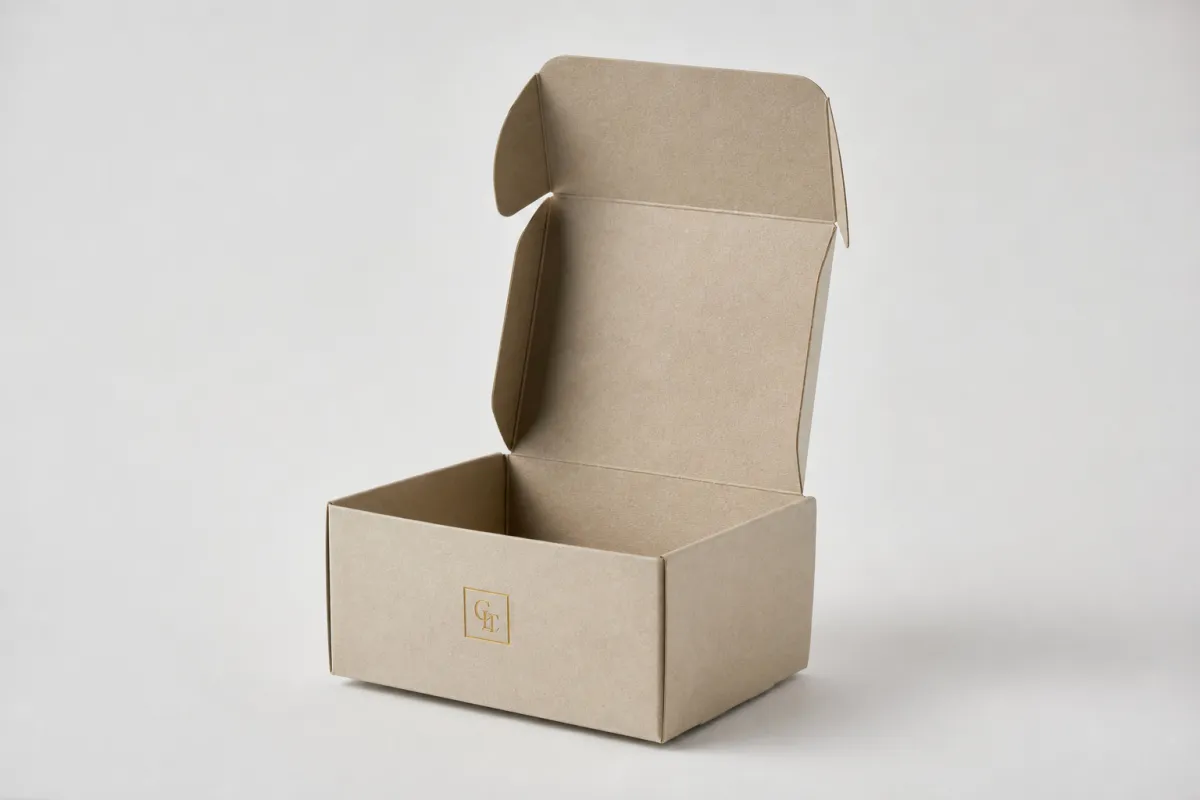
Most packaging failures do not begin with artwork. They begin with structure. A box can look immaculate in a render and still fail in the field if the die lines miss by a fraction, the score is too shallow, or the insert was sized for an imaginary product instead of the real one. That is why custom die cutting for boxes matters so much: one small error can trigger assembly delays, weak corners, and returns nobody wants to explain to finance.
The same practical problems show up again and again. A closure tab will not lock, so workers tape the carton shut. An insert rattles, so the product ships with scuffs. A folding panel catches during assembly, so the line slows and labor cost climbs. None of those issues are glamorous, but they are the difference between usable retail packaging and packaging that only looks good in photos.
That is the part many buyers miss. Custom die cutting for boxes is not there to make a carton "special" for the sake of it. It is there to make the structure do a job: hold the item, present the item, protect the item, and move through a packing line without extra handholding. If a box has to be forced into shape, it is not a good design. It is a future headache dressed up as branded packaging.
Custom die cutting for boxes also gives brands tools stock cartons cannot match. You can add:
- Windows that show the product without opening the carton.
- Handles for carryout, samples, or event kits.
- Locking tabs that close without glue in some structures.
- Inserts that keep bottles, cosmetics, electronics, or accessories from moving.
- Display shapes for countertop or shelf-ready retail packaging.
Those details matter because packaging design is behavior, not decoration. A good box opens a certain way, stacks a certain way, and protects a product a certain way. That is where custom die cutting for boxes earns its keep. It turns a flat sheet into a purpose-built structure instead of a generic container with a logo pasted on top.
A pretty render is not proof. A folded sample is proof.
For brands launching into a crowded category, custom die cutting for boxes can sharpen package branding too. A shaped opening, a clean reveal, or a precise window can make the box feel deliberate before anyone reads the copy. Done badly, it looks like someone punched a random hole in cardboard and called it strategy. Subtle difference. Massive effect.
What custom die cutting for boxes actually means
At its core, die cutting uses a steel-rule die to cut, score, crease, and shape sheet material into a precise box blank. The die is a physical tool, usually mounted on a wooden or composite base, with sharpened steel rules arranged to match the finished carton. It cuts where the material must separate and scores where the board needs to fold. That is the simple version of custom die cutting for boxes, and the simple version is often the one that saves a packaging order from going sideways.
The difference between cutting, scoring, and perforating is not academic. Cutting creates the outer shape or window. Scoring creates a fold line so the board bends instead of cracks. Perforating adds a line of tiny breaks, usually for tear-away sections or easy-opening features. Mix those functions up in the design and you get tears at the fold, ragged window edges, or lids that buckle instead of closing cleanly. That is a fast way to make a box feel cheap even when the print is strong.
Because the die is built for the final layout, the design has to be accurate before production starts. There is no hidden setting that fixes a bad dieline after the fact. If the tuck flap is too short, it stays too short. If the insert cavity is too tight, it stays too tight until someone revises the tool. Custom die cutting for boxes rewards disciplined measurement and punishes wishful thinking.
Common box styles made this way include mailers, tuck-end cartons, sleeve boxes, rigid board inserts, folding cartons, and display packaging. Each one uses die cutting a little differently. A mailer might need locking tabs and dust flaps. A tuck-end carton might need precise scores so the front panel does not split. A rigid insert might need clean cutouts that cradle the item without stress. The structure changes, but the principle stays the same: custom die cutting for boxes turns a flat sheet into a functional package.
The material matters just as much as the shape. Corrugated board, paperboard, chipboard, and specialty boards all behave differently under the die. A 16 pt SBS folding carton does not fold like 32 ECT corrugated. A 0.060 inch chipboard insert does not react like a lightweight paperboard tray. If a supplier does not ask about thickness, flute, and coating before quoting custom die cutting for boxes, that is a warning sign. The material is not a side note. It is the job.
For brands comparing options, it helps to think of die cutting as the difference between a tailored suit and an altered one-size-fits-all garment. Both can look fine from across the room. Only one fits the body it was built for.
Standard cutting methods can handle simple shapes, but custom die cutting for boxes is better when packaging needs repeatable folds, precise openings, and production-ready consistency. It is the method that supports real manufacturing instead of just concept work. That matters when you are ordering thousands of units, not three samples and a hopeful email thread.
Custom die cutting for boxes process and timeline
The process usually starts with a product goal, not a drawing. Are you trying to protect the item, improve shelf presence, speed assembly, or all three? That answer shapes everything else in custom die cutting for boxes. A subscription mailer and a luxury rigid presentation box may both use die cutting, but they solve completely different problems. Treat them the same and you will waste time on revisions nobody needed.
From there, the workflow usually moves through design review, dieline creation, tool making, sampling, approval, production, and finishing. Each step has its own places to slow down. Complex structures need more review because folds, scores, and locking features have to work together. Simpler cartons move faster, but even a simple structure can stall if the artwork keeps changing after the dieline is approved. It sounds obvious, yet this is where many launches slip.
Lead time usually falls into three buckets. Design turnaround covers the layout and structural prep. Tooling time covers the physical die build. Production time covers printing, cutting, finishing, gluing, and packing. When people ask, "How long will custom die cutting for boxes take?" the honest answer is that all three buckets matter. A supplier may quote five business days for tooling, but that does not include artwork revisions or sample approval delays. Those are the parts that quietly consume the schedule.
Typical pressure points are easy to spot:
- First-sample approval - the sample arrives, but the product does not fit right.
- Tool revisions - the die needs a tweak because a tab is too tight or a score is cracking.
- Finishing delays - laminating, foil stamping, embossing, or spot UV adds another step after cutting.
- Assembly complexity - the box may be fine structurally, but too slow for the packing line.
That last point gets overlooked more than it should. A box can pass visual inspection and still be a poor choice if it takes too long to fold. Ten extra seconds per unit sounds minor until you multiply it by 10,000 boxes and realize labor has handed you a second invoice. Custom die cutting for boxes should reduce friction, not create a performance piece at the packing table.
For teams that want a production benchmark, a straightforward folding carton job may be ready for bulk production in roughly 10-15 business days after proof approval, while more complex custom die cutting for boxes with inserts, foil, or specialty coatings can stretch beyond that depending on sampling and queue timing. A rigid presentation box with hand assembly is not the same as a standard mailer, and pretending it is will not make the schedule behave.
If you need help mapping a structure to a production method, review Manufacturing Capabilities and compare the box style against your launch date. If you are choosing between different packaging formats, the Custom Packaging Products page is a useful way to narrow the field before you request quotes. That kind of early alignment saves more time than any rushed fire drill later.
For teams shipping into distribution channels, it also helps to think about test standards early. Distribution testing such as ISTA procedures can expose weak closures, bad fit, and corner crush before the boxes hit a truck. Packaging groups like The Association for Packaging and Processing Technologies publish useful general guidance too. No, that is not exciting. Yes, it is cheaper than a pallet of damaged product.
Custom die cutting for boxes cost, pricing, MOQ, and quote factors
Pricing custom die cutting for boxes is rarely one number. It is a stack of costs: one-time die setup, material cost, printing, labor, finishing, assembly, and shipping. People usually fixate on the unit price and miss the setup charge, which is the part that punishes small runs. That is not the supplier being dramatic. It is just the math of making a custom tool once and spreading that cost across the order.
For small quantities, tooling hits hardest because the die cost is spread across fewer boxes. A simple folding carton die might run about $120-$250 to set up, while a more complex custom die cutting for boxes project with windows, multiple scores, or insert pockets can sit in the $250-$600+ range. That is a setup cost, not the full box price. The per-unit cost then depends on paperboard, print coverage, finishing, and how much manual work the box needs after cutting.
MOQ logic usually ties back to machine setup, waste, and labor efficiency. Suppliers are not trying to be mysterious when they ask for a minimum order. They are trying to keep the run from turning into a loss leader with cardboard attached. For custom die cutting for boxes, a 500-piece order may be possible, but it often carries a noticeably higher unit cost than 2,500 or 5,000 pieces because the fixed costs do not shrink just because the order is tiny.
Here is a practical way to think about pricing:
| Option | Typical Order Size | Approx. Unit Cost Range | Best For | Tradeoff |
|---|---|---|---|---|
| Simple die-cut folding carton | 1,000-5,000 | $0.18-$0.42 | Retail packaging, light products, standard custom printed boxes | Lower tooling complexity, fewer structural features |
| Die-cut carton with window or insert | 1,000-5,000 | $0.32-$0.78 | Branded packaging with product visibility or added protection | More labor, more waste, tighter fit requirements |
| Rigid presentation box with custom insert | 500-2,500 | $1.20-$4.50 | Premium gifting, cosmetics, electronics, high-end package branding | Higher hand assembly and material cost |
| Prototype or ultra-short run | 25-250 | $2.50-$8.00+ | Testing, launch checks, sample approvals | Expensive per unit, useful only for validation |
Those ranges are not universal, because they depend on board grade, print coverage, and how much finishing you add. They are realistic enough to stop anyone from pretending a custom structure costs the same as a stock mailer. It does not. The box knows.
The biggest quote drivers are usually size, board grade, number of cuts and scores, windows, inserts, coatings, and manual assembly. A larger box uses more board and slows down nesting efficiency. A heavier board can resist cracking but may cost more and require deeper scoring. A laminated carton with foil stamping and embossing adds both material and production time. A clever shape that looks elegant on a mood board can become expensive the moment someone has to hand-fold 10,000 units.
If you want to lower cost, do not begin by stripping away all brand character. Start by removing waste. Tighter nesting on the sheet, fewer manual folds, standard board sizes, and cleaner structures often drop the price faster than people expect. That is especially true in custom die cutting for boxes, where a small design simplification can remove a whole production step.
Ask for a detailed quote, not just a grand total. You want to see how tooling, print, coating, die cutting, assembly, and freight break out. Otherwise, you cannot compare suppliers fairly. One quote may look cheaper because it excludes assembly. Another may include FSC-certified board, which is not free. Apples to apples is the only comparison that matters.
Speaking of sustainability, FSC-certified paperboard and corrugated options are widely used in branded packaging when buyers want a more responsible supply chain. If your packaging brief also includes recyclability or source transparency, say that up front. The supplier cannot guess whether the box should be shelf-first, ship-first, or both.
Key factors that affect cut quality, fit, and durability
Material thickness and stiffness come first, because the wrong board can crack at the score or refuse to fold cleanly. A board that is too light may collapse in transit. A board that is too heavy may fight the fold and split the face fiber. In custom die cutting for boxes, the board has to match the structure. Not the other way around. I wish more people treated that as non-negotiable.
Tolerance and fit issues are the next problem. If product dimensions, insert depth, or fold allowances are off, the box will look custom in the worst way. An insert that is 1-2 mm too tight can scuff a bottle label or scratch a cosmetic tray. One that is too loose lets the product move, which makes the packaging feel cheap and raises damage risk. There is no prize for almost fitting.
Score depth and blade sharpness also matter. A weak score line can crack the face of coated board, especially on higher-volume runs where folds repeat during assembly. A dull die can leave rough edges, torn fibers, or inconsistent cut quality from sheet to sheet. That is why quality control matters on the tooling side as much as the print side. Custom die cutting for boxes is not just about hitting the outline. It is about hitting it cleanly, every time.
Nesting and layout efficiency can lower waste and improve unit economics. Smart sheet arrangement means fewer offcuts, less scrap, and better throughput. That is one of those invisible details buyers rarely see, but they absolutely pay for when it goes wrong. A skilled operator can often save material by rotating, mirroring, or repositioning the die layout so the board yield improves. A sloppy layout just feeds the recycle bin.
Print-to-cut registration deserves more attention than it gets. If artwork shifts even slightly, windows, folds, logos, and cutouts can look crooked. On premium custom printed boxes, that misalignment is obvious. On simple branded packaging, it still makes the piece feel off. The eye notices inconsistency faster than most spreadsheets do.
Durability comes from a set of choices, not one fancy feature. Strong corners, proper scoring, correct board thickness, and well-planned closures usually outperform a box that only looks luxurious. Embossing can elevate tactile feel, and foil stamping can sharpen brand presence, but neither one fixes a weak structure. They sit on top of the engineering, not under it.
One more detail: if your packaging has to survive distribution, think about the shipping environment, not just the display shelf. Compression, vibration, drop risk, humidity, and temperature swings all change how a die-cut carton performs. ASTM-based testing and ISTA-style checks are useful because they reveal whether the structure holds up after the marketing team has stopped staring at it.
That is the part people often ignore. Custom die cutting for boxes should be evaluated in the same environment where it will actually be used. If it is a shelf box, test shelf handling. If it is an e-commerce shipper, test transit abuse. If it is a display carton, test how it loads, stacks, and opens on the floor. Real use exposes what renderings hide.
Step-by-step guide to ordering custom die cutting for boxes
Start with the product goal. Before you talk about shapes or finishes, decide whether the box needs to protect, present, ship, display, or do all four. That choice affects the structure, the material, and the budget. A luxury candle box and a corrugated shipping carton are both examples of custom die cutting for boxes, but they live on different planets from a production standpoint.
Next, gather the specs that actually matter. You will save time if you provide dimensions, product weight, board preference, finish, quantity, and target launch date in the first request. If you have product fragility concerns, say so. If the box must fit on a retail peg or within a master shipper, say that too. A quote without the real use case is just a guess with a PDF attached.
Then create or request a dieline. Place artwork on top of the structure instead of designing first and hoping the box magically fits later. That is one of the most common mistakes in packaging design. People fall in love with the visual and then discover the fold line ruins the logo or the glue flap covers a key message. Custom die cutting for boxes rewards people who respect the layout first and decorate second.
Once the dieline is ready, ask for a prototype or sample. This is where theory meets cardboard. Check product fit, closure strength, fold quality, print alignment, and assembly speed. If the sample takes too long to build in real hands, it will take too long at scale. If the box fits only when the operator forces it, the production run is already compromised. A sample is not a souvenir. It is a test.
The sample should answer one question: will this box work under real conditions?
Before final approval, inspect the edges and scores for cracking, tearing, or sloppy cuts. Check whether the cut windows are clean. Check whether the insert holds the product without stress. If the box has coating, verify whether the surface is still scuff-resistant after handling. And if the structure uses embossing, foil, or spot UV, confirm the detail survives the die-cut and fold sequence without registration problems.
Then move into production with a clear QC checklist. That checklist should cover dimensions, cut accuracy, fold behavior, print registration, finish quality, and assembly consistency. If possible, test a small portion of the run before everything is packed. It is much easier to stop a problem early than to discover it after 8,000 units are boxed and on a truck. Again, not glamorous. Still cheaper.
For many buyers, the smartest order path is to compare two versions: one structure with all the premium features, and one simplified option that keeps the core branding but trims labor. That gives you a real tradeoff instead of a fantasy. Maybe the window is worth it. Maybe the insert can be redesigned. Maybe a flatter fold reduces cost without hurting the look. Custom die cutting for boxes works better when structure and budget are discussed together, not in separate meetings where everyone pretends the other department will absorb the pain.
If you are sourcing custom printed boxes for a launch, do not forget the boring stuff that saves money later: carton count per master case, pallet pattern, storage height, and whether the packaging will be assembled at your facility or by a co-packer. Custom die cutting for boxes affects all of that. One smart structural choice can reduce freight, improve stacking, and shave labor from every unit. That is real value. Not brochure value.
Common mistakes, expert tips, and next steps
The most common mistake is approving artwork before the dieline is final. Once the print file is locked, every structural change becomes a painful revision. That is how brands end up trimming logos, shifting panels, or reprinting because a fold line landed in the wrong place. Another classic mistake is ignoring board thickness. If the material changes after the design is approved, the fit changes too. Custom die cutting for boxes is unforgiving that way. The cardboard does not care about your deadline.
People also assume a pretty mockup equals a workable box. It does not. A render can hide weak seams, awkward closures, and overcomplicated folding sequences. A physical prototype tells the truth quickly. If the sample feels fussy in your hand, it will feel fussy on the line. That is especially true for branded packaging that needs to look premium while still being efficient to assemble.
Here are a few expert tips that actually help:
- Simplify folds wherever possible. Every unnecessary move costs labor.
- Test at least one physical sample before bulk approval.
- Ask for a second quote using a simpler structure to compare real savings.
- Check fit with the actual product, not a placeholder item that is "close enough."
- Review the box in the same handling conditions it will face in shipping or retail.
I would also tell any buyer to check how the box runs on the actual packing line. Designers often evaluate custom die cutting for boxes on a desk. Operators evaluate it at speed, while trying not to miss the next carton. Those are very different environments. A package that folds beautifully once in a meeting room can become a nuisance when an employee has to build hundreds an hour.
If your goal is premium presentation, do not throw every finish at the box just because it looks expensive. Use foil stamping when it supports the branding. Use embossing when texture matters. Use coating when scuff resistance is genuinely useful. Add features with intent. Otherwise you are paying extra to decorate a structural problem, which is a good way to build an expensive disappointment.
The next steps are straightforward. Collect the product dimensions. Define the use case. Request a dieline review. Ask for a sample. Compare two pricing options before you commit. That sequence works because it forces the structure, the budget, and the timeline into the same conversation. Custom die cutting for boxes should never be chosen in isolation, because the box is part of the product experience, the shipping process, and the economics all at once.
From a buyer's point of view, the real goal is not to order the fanciest carton. It is to order the right carton. Sometimes that means a premium rigid box with an insert. Sometimes it means a simpler folding carton with a cleaner die line. Sometimes it means custom die cutting for boxes that is modest on the outside but exact where it counts. That is usually the smartest money in packaging.
FAQ
How is custom die cutting for boxes different from laser cutting?
Die cutting is usually faster and cheaper for repeat production runs because the steel-rule die is made once and reused. Laser cutting is useful for ultra-short runs or prototypes, but it is usually slower and less efficient for mass box production. For folding cartons and most corrugated packaging, custom die cutting for boxes also gives cleaner scores and more predictable folds.
What do I need to request a custom die cutting for boxes quote?
Provide final dimensions, product weight, board preference, quantity, print needs, finish, and any insert or window requirements. If the structure is unusual, include a sketch or reference photo so the supplier can estimate tooling and labor correctly. If you already have a dieline, send it. If not, say that clearly so design support can be included in the quote for custom die cutting for boxes.
How long does the custom die cutting for boxes process usually take?
Simple projects can move quickly if the dieline is ready and the sample is approved without revisions. Complex shapes, new tooling, or repeated artwork changes can stretch the schedule because each step depends on approval. Ask separately about design turnaround, tooling time, and production lead time so you are not guessing from one vague date.
Is custom die cutting for boxes expensive for small orders?
Yes, small orders usually cost more per box because the tooling and setup charges are spread over fewer units. You can reduce the pain by simplifying the structure, using standard materials, and avoiding extra cutouts or manual assembly. If the order is tiny, compare custom die cutting for boxes against stock packaging plus label or insert upgrades before you commit.
What should I check before approving a custom die-cut box sample?
Check product fit, closure strength, fold quality, print registration, and whether the box assembles at the speed you need. Inspect edges and scores for cracking, tearing, or sloppy cuts that will become a bigger problem at scale. Test the sample under real handling conditions, not just on a desk, because shipping and stacking reveal the truth fast.
If you keep the structure, budget, and timeline aligned from the start, custom die cutting for boxes becomes a practical production tool instead of an expensive surprise. Before signing off, insist on a signed dieline, a physical sample, and a fit check against the actual product - that order is boring, but it saves the kind of headache that nobody wants halfway through a launch.

