Buyer Fit Snapshot
| Best fit | Custom Eco Gift Boxes projects where brand print, material claims, artwork control, MOQ, and repeat-order consistency need to be specified before quoting. |
|---|---|
| Quote inputs | Share finished size, material target, print colors, finish, packing count, annual reorder estimate, ship-to region, and any compliance wording. |
| Proofing check | Approve dieline scale, logo placement, barcode or warning zones, color tolerance, closure strength, and carton packing before bulk production. |
| Main risk | Vague material claims, crowded artwork, missing packing details, or unclear freight terms can make a low unit price expensive after revisions. |
Fast answer: Custom Eco Gift Boxes: Design, Pricing, and Process should be specified like a repeatable production item. The safest quote records material, print method, finish, artwork proof, packing count, and reorder notes in one written spec.
Production checks before approval
Compare the actual filled-product size with the drawing, then confirm tolerance on folds, seals, hang holes, label areas, and retail display edges. Reserve space for logos, QR codes, warning copy, and material claims before decorative graphics fill the panel.
Quote comparison points
Review material grade, print process, finish, sampling route, tooling charges, carton quantity, and freight assumptions side by side. A quote is only useful when the supplier can repeat the same color, closure quality, and packing count on the next order.
Custom Eco Gift Boxes: Design, Pricing, and Process
The greenest box is usually the one that ships smaller, uses less void fill, and reaches the customer without a damage claim. That is the detail most brands miss when they shop for custom eco gift boxes. Pretty packaging has its place. Packaging that saves freight, reduces breakage, and still feels worth opening does more work.
From a packaging buyer's point of view, custom eco gift boxes are not a trend story. They are a materials-and-logistics decision. If the box wastes space, needs extra filler, or arrives crushed, the sustainability claim starts to lose credibility fast. Good custom eco gift boxes are shaped around the product, the shipping method, and the end-of-life story, not just the brand palette.
"If it ships smaller and arrives intact, that is the greener box. The rest is label language."
I have watched strong packaging concepts fall apart for one boring reason: the box looked elegant on a render and awkward in a fulfillment line. The delta between those two things is where most of the real cost lives. A box that is easy to pack, easy to ship, and easy to explain to a customer is usually the one that survives contact with reality.
Why Custom Eco Gift Boxes Often Beat Standard Packaging
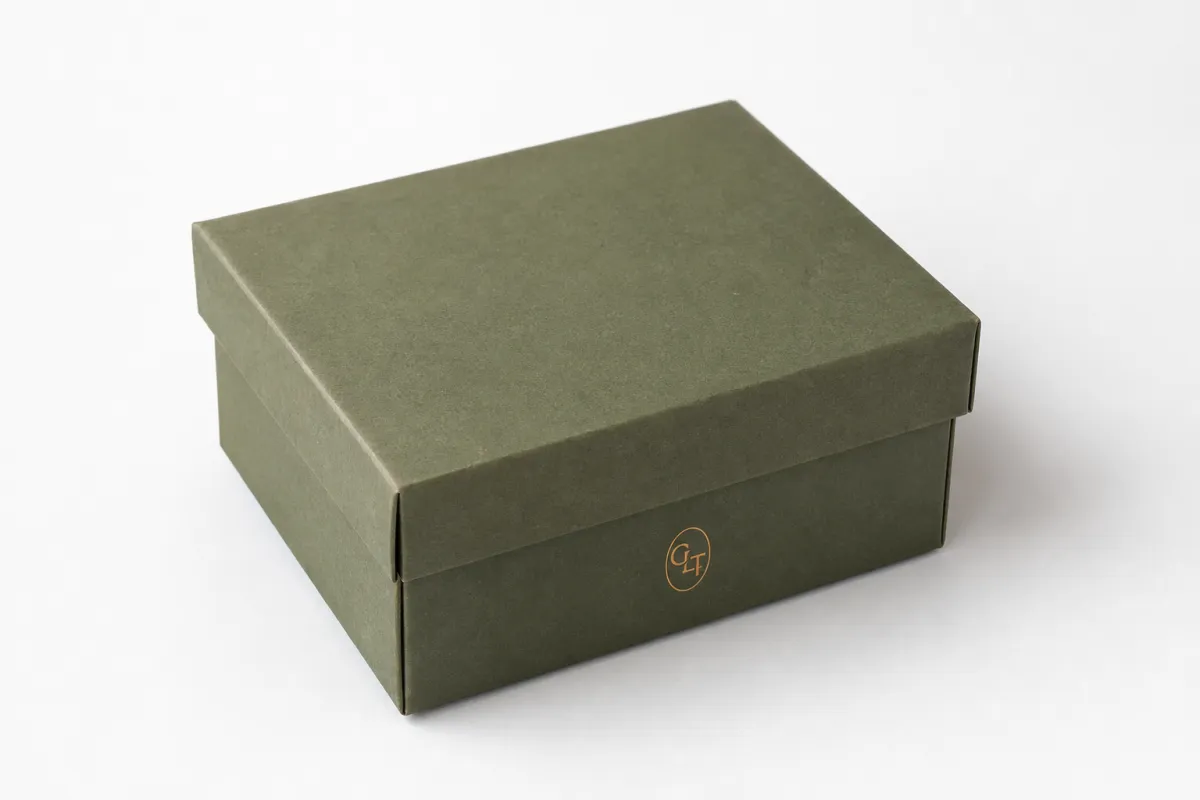
Standard packaging is built to be generic. It has to fit many products, which usually means it fits none of them especially well. That is where custom eco gift boxes gain ground. A right-sized box can reduce board usage, cut void fill, and lower dimensional weight. In plain terms, that means fewer empty inches, fewer crushed corners, and fewer returns that quietly eat margin.
Sustainability is rarely dramatic. It is a stack of small decisions made correctly. Efficient sizing matters. Print coverage matters. Insert design matters. Assembly matters too. A box made from recycled paperboard but shipped half-empty is not a model of smart packaging. It is recycled theater with a logo on top.
Custom eco gift boxes show up anywhere presentation and responsibility have to share the same stage. Retail gifting. E-commerce sets. Corporate kits. Seasonal promotions. Subscription launches. Product packaging for candles, skincare, teas, apparel accessories, and promotional items. They also fit brands that want branded packaging with a premium feel without pretending the box itself is the star. The product should lead. The box should frame it.
Many buyers get tripped up by the word "eco." They picture flimsy, plain, or expensive. That is not the whole story. A well-built custom eco gift box can feel more premium than a heavily laminated oversized box because the fit is cleaner and the experience feels deliberate. Tight edges. Clean folds. Less visual clutter. Those are the details people remember.
Sustainability is not a decoration choice. It is a packaging decision tied to material sourcing, shipping efficiency, and damage prevention. Pretty boxes that waste space are just green theater. The better move is to build custom eco gift boxes that make the package smaller, lighter, and easier to recycle or recover where local systems allow it.
That is why packaging teams often start with the distribution path before they talk about artwork. If the box is going into a mailer, the structure should survive compression in transit. If it sits on retail shelves, the front panel and opening style matter more. If it is a corporate gift kit, the unboxing sequence matters because the contents usually arrive in layers. Good custom eco gift boxes are built to solve that mix of problems.
For brands comparing formats, it helps to browse structural options in our Custom Packaging Products catalog and think through what the product actually needs, not what looks impressive in a mockup. The nice-looking box is easy. The one that works under pressure takes real packaging design.
How Custom Eco Gift Boxes Work From Brief to Delivery
The workflow for custom eco gift boxes starts with the product, not the artwork. That sounds obvious, which is exactly why it gets ignored. Define the product dimensions first. Note the weight, fragility, and whether the item needs an insert, divider, or tray. After that, decide how the box will travel. Retail shelf? Parcel shipment? Palletized distribution? Each path changes the structural requirements.
Once the dimensions are clear, the next decision is board grade and structure. For some custom eco gift boxes, a 300-400 gsm paperboard carton is enough. Heavier products may need corrugated board, often E-flute or B-flute depending on load and presentation. Rigid boxes with recycled content are common for higher-end sets, but they are not automatically the best answer. Thicker is not always smarter. Sometimes it is just heavier and more expensive.
Then comes the dieline. That flat template defines folds, panels, glue areas, and insert placement. Good dielines prevent a lot of pain. Bad ones create fit issues, weak corners, and artwork that gets clipped at the fold. If the box is built for a specific bottle, candle, or multi-piece kit, the dieline should be treated like engineering, not a sketch. That is where custom printed boxes become precise, or expensive.
Artwork and finishing come after the structure is set. That order matters. The right package branding can make a simple structure look polished, but branding cannot fix poor sizing. If the contents rattle, the box is too big. If the lid bows, the board spec is too light. If the insert tears during assembly, the material choice was off. Pretty graphics do not replace structural logic.
One thing buyers often underestimate is the proof behind eco claims. If you say recycled, recyclable, compostable, or FSC-certified, the supplier should be able to document it. The FSC system matters when fiber sourcing has to be traceable. For transport testing, ISTA protocols still matter because a green box that fails drop or vibration testing is just extra waste with better marketing. ASTM distribution methods are also useful when you are comparing performance against shipping abuse.
Custom eco gift boxes should be engineered around the product first, then branded. That sequence keeps waste down. It also keeps the conversation honest. A lot of packaging sales talk tries to start with finishes and end with fit. That is backwards. The box has to protect the product before it performs on shelf.
In practice, eco-friendly packaging often looks strongest when it is restrained. Clean edges. Limited color coverage. One or two intentional finishes. Good typography. That style is not a compromise; it can be a sharper premium signal than piling on foil, heavy laminate, and a dozen decorative layers nobody asked for. For brands that want a strong presentation without overbuilding, custom eco gift boxes can be the better design choice and the better operational choice at the same time.
There is also a practical note here. The more moving parts a box has, the more places something can go sideways. A clean structure with a thoughtful insert usually beats a fancy structure that needs three hands and a prayer to assemble. I am not kidding. Assembly friction is one of those hidden costs that gets rediscovered only after the first production run.
Materials, Structures, and Print Choices for Custom Eco Gift Boxes
The material mix for custom eco gift boxes is broader than most people think. Recycled paperboard is a common starting point. Kraft board is popular for its natural look and lighter-ink aesthetic. Corrugated board brings better crush resistance. Rigid board with recycled content is useful when a brand wants a premium feel. Molded Pulp Inserts work well for fragile products, especially when the goal is to stop movement without drowning the box in plastic.
There is no single best material. There is only the best match for the product and the shipping lane. A candle set does not need the same structure as a skincare bundle. A garment box does not need the same insert system as a glass bottle kit. A corporate gift box with five mixed items needs a different layout again. The right custom eco gift boxes design balances protection, appearance, and material efficiency.
Here is a simple way to think about structures:
- Mailer boxes - Good for e-commerce shipping, lighter sets, and boxes that need strength without extra assembly.
- Folding cartons - Efficient for retail packaging and higher-volume runs where print quality matters.
- Rigid gift boxes - Best when presentation is the main goal and the budget allows a higher unit cost.
- Sleeves and trays - Useful when you want a cleaner opening sequence and lower material usage.
- Corrugated gift boxes - Better when product protection and shipping durability matter more than a luxury feel.
Print choices matter just as much. Soy or vegetable inks are commonly used in eco-forward runs. Water-based coatings often fit better than heavy plastic lamination if the goal is easier recyclability. Spot UV can help, but it should earn its place. Putting it on every panel because the sample looked shiny in a studio is how budgets disappear.
For custom eco gift boxes, the finish should support the brand story, not fight it. Soft-touch lamination can feel premium, but it adds another layer to the material stack and can complicate recycling depending on local infrastructure. Foil stamping and embossing can still make sense in small doses. Use them where the eye naturally lands. One focal point is enough in many cases. More is rarely better.
Weight and fragility drive the setup. A lightweight tea kit may be fine in a kraft folding carton with a paperboard insert. A glass skincare trio may need a corrugated mailer with a molded pulp tray. A candle in a rigid box may need a snug inner fit and a lid that closes without flex. The product tells you what kind of custom eco gift boxes it needs if you are willing to listen to the physical object instead of the mood board.
There is a practical rule I use constantly: use the least material that still protects the product and holds shape in transit. That is the sweet spot. Not the thickest board on the menu. Not the cheapest thing that will probably survive. The sweet spot. If a lighter recycled board performs just as well, take the lighter board. If an insert can stop movement with less bulk, use the insert. That is how custom eco gift boxes stay responsible without turning into fragile little problems.
Packaging buyers should also compare finishes and structures side by side. A rigid setup may feel more impressive at retail, but a folding carton with a paper insert can cut cost significantly and still deliver a sharp presentation. If your product is moving through distribution, compare options in a real quote set rather than guessing. Our Custom Packaging Products page is a good place to sanity-check structure choices before you commit to one path.
One more thing: the best material is the one your team can explain without hand-waving. If the box uses recycled fiber, say where the fiber comes from. If the coating changes recyclability, say so plainly. Honesty is a surprisingly strong branding tool. Customers can smell overclaiming a mile away, and once they do, they stop trusting the label, not just the box.
| Structure | Typical Use | Approx. Unit Cost at Mid Volume | Strength | Eco Notes |
|---|---|---|---|---|
| Folding carton | Retail sets, lightweight gifts | $0.35-$0.85 | Moderate | Good with recycled board and water-based coatings |
| Kraft mailer | E-commerce gifts, subscription kits | $0.60-$1.20 | Good | Often a strong choice for right-sized shipping |
| Corrugated gift box | Fragile items, transit-heavy orders | $0.45-$1.10 | Very good | Can reduce damage and void fill |
| Rigid gift box | Premium sets, corporate gifting | $1.80-$4.50 | High | Best when presentation matters more than shipping efficiency |
| Rigid with molded pulp insert | Luxury protection, fragile components | $2.20-$5.20 | High | Strong protection, less plastic, better item control |
Those numbers are not universal. They move with quantity, print coverage, insert complexity, freight assumptions, and the market you are buying in. Still, the table gives you a realistic range, and that is more useful than vague language about "affordable" packaging. When people compare custom eco gift boxes without matching structure, board grade, and finishing, they are not comparing pricing. They are comparing nonsense.
Custom Eco Gift Boxes Process, Timeline, and Lead Time
The ordering process for custom eco gift boxes usually follows the same sequence, even if different suppliers label the steps differently. Brief. Sizing. Dieline. Sample. Revisions. Production approval. Manufacturing. Packing. Freight. If any of those steps are vague, delays tend to show up later. Packaging rarely gets late because of one dramatic problem. It usually gets late because a small detail was never pinned down properly.
A practical timeline looks like this: simple sample development may take about 1 to 2 weeks. Production often lands in the 2 to 5 week range after proof approval, depending on order quantity and complexity. Add custom inserts, specialty coatings, or more than one artwork round, and the schedule stretches. If material sourcing is imported or the factory is in a peak-season queue, it stretches again. That is not a complaint. It is manufacturing.
The cleanest projects are the ones where the buyer sends a useful brief up front. Product dimensions. Target quantity. Weight. Finish preference. Shipping method. Sustainability requirements. Target launch date. If you can give that in one page, custom eco gift boxes move much faster through quoting and sampling. If the brief says "make it premium and eco" with no real spec, the process slows because everybody has to translate the same sentence five different ways.
Delays usually show up in three places. Unclear dielines or bad measurements. Late artwork changes after proof approval. Insert fit issues that should have been tested before production. A box can look fine in a PDF and still fail in real life if the insert is too tight, panel tolerances are off, or the contents were measured without the shipping closure in mind. These mistakes are boring, but they are expensive.
Experienced buyers often rely on prototype testing. They ask for a sample, then load the product, close the box, shake it, stack it, and see how it behaves. That sounds basic because it is basic. Yet a lot of people skip it and then act surprised when the first production run reveals a corner crush problem or a lid that bows under compression. Funny how that works.
For custom eco gift boxes, timeline planning should include a buffer before launch. Shipping delays happen. Artwork sign-off takes longer than expected. Somebody wants one more color tweak. The launch date is not impressed by good intentions. Build in extra time, especially if the box is tied to a seasonal campaign or a retail reset. When people rush packaging, they pay twice: once in rushed production and again in avoidable rework.
Another useful habit is aligning the packaging schedule with the product schedule, not the other way around. If the product lands late, the box may sit in storage. If the box lands late, the product cannot ship. Neither scenario is elegant. The best custom eco gift boxes program is the one that fits into the broader launch plan instead of forcing the entire launch to orbit around packaging.
From a quality standpoint, ask for the right checks. Print match. Board thickness. Glue line consistency. Insert depth. Fold memory. Carton compression. If the package is meant to travel, ask whether the supplier has test methods aligned with ISTA or ASTM distribution guidance. That does not guarantee perfection, but it is better than hoping a box survives because the sample looked nice on a desk.
Lead time also depends on how many people need to say yes. A packaging team can approve a dieline in an afternoon. A marketing group might want a day for color review, a day for claims review, and a day for a polite but endless debate about whether the green is "earthy" enough. If that sounds familiar, you already know why calendar padding matters.
Custom Eco Gift Boxes Cost, Pricing, MOQ, and Unit Cost
Pricing for custom eco gift boxes is driven by the same forces that shape most packaging quotes: size, material grade, print count, finishing, insert complexity, and order volume. Bigger boxes use more board. More colors require more setup. Special finishes add steps. Custom inserts add labor and tooling. None of that is mysterious. It is the arithmetic of manufacturing.
MOQ matters because setup costs have to be spread across the run. If a factory has to prepare a dieline, plates, proofs, cutting tools, and setup labor, that cost lands on the order. A 500-piece run will almost always have a higher unit cost than a 5,000-piece run, even if the box looks identical. The math is not glamorous, but it is consistent. This is one reason custom eco gift boxes are easier to justify at scale.
There are hidden costs that buyers forget to count. Sampling. Freight. Warehousing. Assembly labor. Import duties in some cases. Damage replacements if the box is underbuilt. If you choose a cheaper structure that fails in transit, the savings disappear quickly. A slightly higher unit price can be cheaper overall if it cuts breakage and reduces secondary packing materials. Packaging keeps teaching people this lesson.
Here is a useful way to compare options for custom eco gift boxes:
- Rigid box to folding carton - Often lowers unit cost, reduces freight volume, and still looks polished if the print design is clean.
- Plastic insert to molded pulp - Can lower plastic use and improve the sustainability story, but tooling and fit need to be checked carefully.
- Gloss lamination to water-based coating - Usually better for eco positioning, but the visual effect changes, so the art direction should account for it.
- Over-sized box to right-sized box - Usually the best cost move of all because it reduces material, freight, and fill.
Apples-to-apples quoting matters more than anything else. Same dimensions. Same board grade. Same finish. Same insert. Same freight assumption. If one quote includes a molded pulp tray and the other uses loose fill, that is not a fair comparison. If one sample uses 2 mm rigid board and the other uses thin folding carton stock, that is not the same product. Real custom eco gift boxes pricing only makes sense when the specs match.
For concrete numbers, here is a rough buying lens that actually helps. A simple folding carton in a medium run might sit around $0.35-$0.85 per unit. A kraft mailer might land around $0.60-$1.20. A rigid gift box can move from roughly $1.80 to $4.50 or more depending on finish and insert complexity. Add molded pulp or more complex assembly, and the number rises. Those are not promises. They are the ranges you should expect when quote requests are structured properly.
MOQ also shifts by format. Folding cartons usually allow more flexible minimums than rigid boxes because the setup is simpler. Corrugated and mailer styles tend to sit somewhere in the middle. Rigid custom eco gift boxes usually need the strongest volume justification because manual assembly and component counts push cost up quickly. If a supplier gives you a quote that seems too low on a rigid box, check what they left out. There is usually something.
Freight assumptions change the real price. A compact, lighter box can ship more efficiently than a heavier design, even if the box itself costs a little more. That is why total cost per delivered gift is the right metric. Box price alone is lazy math. Buyers who think only in unit cost usually end up paying for it in freight, storage, or damage claims later.
When in doubt, get two or three quote tiers for the same custom eco gift boxes concept. A budget tier. A mid-tier. A premium tier. Then compare where the actual gains happen. Sometimes moving from rigid to folding cuts cost without hurting the consumer experience. Sometimes upgrading the insert saves enough on breakage to justify the extra spend. That is the kind of tradeoff that matters.
If you want a clean way to brief suppliers, include a target unit cost, a target ship weight, and the highest acceptable amount of assembly labor. Those three numbers keep the conversation grounded. Without them, quotes wander all over the place and nobody can tell whether the box is expensive or just badly scoped.
Common Mistakes to Avoid With Custom Eco Gift Boxes
The biggest mistake with custom eco gift boxes is over-specifying them. Thicker board, more ink, extra coatings, and larger dimensions do not automatically improve the outcome. They often do the opposite. They add cost, raise freight, and make the box harder to recycle. A lot of bad packaging starts with someone saying, "Can we make it feel more premium?" The answer is often yes, but not by making it heavier and more complicated.
Another common mistake is treating recycled content as a free pass. Recycled does not always mean recyclable in every market. Compostable does not mean every municipal system will accept it. FSC-certified paper does not mean the whole package is sustainable if the design still wastes material. With custom eco gift boxes, the material claim has to match the structure, the print method, and the end-of-life path.
Fit mistakes are especially costly. Loose products ship badly. They shift, scuff, and break. Then the customer blames the product, the product blames the box, and the refund lands on your desk. A snug box is not just a visual preference. It is damage prevention. The right custom eco gift boxes design should control movement with the least amount of filler possible.
Artwork mistakes also create problems. Tiny text can vanish on kraft stock. Heavy ink coverage can make recycled board look muddy. Complicated registration can slow production and increase spoilage. If the concept relies on a lot of tiny detail, the box may need a smoother paper surface or a different print strategy. Not every visual idea translates well to packaging, no matter how good it looks on screen.
Timing mistakes are painfully common. Late orders compress the timeline. Then the buyer skips samples. Then production starts with assumptions. Then the launch date gets nervous. You can probably see the pattern. If custom eco gift boxes are tied to a launch, build the schedule backward from the ship date and add slack. The deadline will not care that the brief was delayed by two weeks because someone was still deciding on the logo.
Another trap is chasing sustainability claims without asking for documentation. If the supplier says the board is recycled, ask for the spec sheet. If they say the paper is FSC-certified, ask for the chain-of-custody information where appropriate. If they say the box is recyclable, ask what the design actually includes and what local recycling guidance looks like. Smart buyers do not take claims at face value. They verify them. That habit keeps custom eco gift boxes honest.
Finally, do not ignore the assembly step. A box that looks efficient on paper can be annoying to fold, glue, or pack in volume. Assembly labor is a real cost. If your team or fulfillment partner has to build each unit by hand, a "simple" design can turn into a bottleneck. Good packaging design works in production, not just in a mockup render.
There is also the question of overbranding. A box can do too much. Too many callouts, too many finishes, too many claims. Then the structure gets noisy and the message gets foggy. I have seen brands spend money making a box louder when a calmer layout would have felt more expensive. That is the kind of irony packaging is famous for.
Expert Tips and Next Steps for Custom Eco Gift Boxes
If you are serious about custom eco gift boxes, start with a one-page spec sheet. Product dimensions. Product weight. Quantity. Budget target. Shipping method. Insert needs. Sustainability requirements. Target launch date. That sheet saves more time than ten rounds of vague email discussion. It also forces useful decisions early, which is healthier than discovering the real requirements after the quote has already gone out.
Then test two or three structural options. Do not lock yourself into the first shape somebody sells you. A folding carton may outperform a rigid box on cost and freight. A corrugated mailer may outperform both on protection. A rigid box may still be the right choice if the presentation needs that premium lift. The point is to compare, not guess. Good custom eco gift boxes are chosen, not inherited.
Order prototypes and check them in real conditions. Put the product in. Close the box. Shake it. Stack it. Ship it if possible. Look at edge crush, corner performance, and how the unboxing feels when the customer opens it without instructions. If the box feels awkward to use, the market will notice. Consumers forgive modest materials more readily than sloppy execution. That part is not subtle.
Ask your supplier direct questions about claims and recycling guidance. What is the board made from? Is the material FSC-certified? Is the coating water-based or plastic film? Is the insert recyclable in the intended market? How is the box packed for freight? Those are not annoying questions. They tell you whether the custom eco gift boxes story will hold up when the order lands and the customer actually touches the box.
There is also a very practical reason to keep the packaging schedule tied to the launch calendar. Marketing loves a clean date. Manufacturing loves lead time. Shipping loves buffer. If the schedule is tight, one missed proof can throw everything off. That is why I prefer to quote, sample, approve, and then schedule production in that order. Boring? Sure. Effective? Absolutely.
If you are still weighing formats, compare your options against the products in our Custom Packaging Products lineup and work from the physical requirements first. That is how you keep the project sane. It is also how you avoid overbuying materials you do not need.
Done well, custom eco gift boxes can reduce waste, improve shelf appeal, and keep fulfillment cleaner at the same time. Done badly, they become expensive props. The difference is not hype. It is measurement, material choice, and a production process that respects the product.
The takeaway is simple: define the product, choose the lightest structure that protects it, and compare quotes only after the specs match. If a sample rattles, bows, or needs extra filler to survive, fix the box before you polish the artwork. That one step saves more money, and a lot more headaches, than most brands expect.
FAQ
Are custom eco gift boxes more expensive than standard gift boxes?
Not always. On small runs, custom eco gift boxes can cost more per unit because setup is spread across fewer pieces. Right-sized packaging can also cut shipping waste, reduce damage, and lower storage costs. The real comparison is total cost per delivered gift, not just the box price. That is where the savings or overruns show up.
What materials work best for custom eco gift boxes?
Recycled paperboard, kraft board, corrugated board, rigid board with recycled content, and molded pulp inserts are the most common practical choices. The best one depends on product weight, fragility, and the level of presentation you need. For many custom eco gift boxes, the best answer is the lightest structure that still protects the product and looks clean in transit and on shelf.
How long does a custom eco gift boxes order usually take?
Simple sample development often takes about 1 to 2 weeks. Production commonly runs 2 to 5 weeks after proof approval, depending on quantity and complexity. Custom inserts, specialty finishes, and artwork changes can extend that timeline. If the launch date matters, do not assume the schedule will fix itself later.
What is a normal MOQ for custom eco gift boxes?
MOQ varies by structure and setup, but lower-volume orders usually cost more per unit because setup costs are spread across fewer boxes. Folding cartons usually allow more flexible minimums than Rigid Gift Boxes. If you are comparing custom eco gift boxes, ask for quotes at multiple quantities so you can see where the price drops start to make sense.
How do I know if custom eco gift boxes are truly sustainable?
Ask for material documentation, certifications, and clear recycling or composting guidance. Check whether the design reduces material use, shipping weight, and damage rates, not just whether it sounds green. If the supplier cannot explain the claim clearly, assume the claim is doing a lot of work. Real sustainability in custom eco gift boxes is visible in the spec, not just in the sales language.

