Buyer Fit Snapshot
| Best fit | Custom Edge Protectors Wholesale Price projects where brand print, material claims, artwork control, MOQ, and repeat-order consistency need to be specified before quoting. |
|---|---|
| Quote inputs | Share finished size, material target, print colors, finish, packing count, annual reorder estimate, ship-to region, and any compliance wording. |
| Proofing check | Approve dieline scale, logo placement, barcode or warning zones, color tolerance, closure strength, and carton packing before bulk production. |
| Main risk | Vague material claims, crowded artwork, missing packing details, or unclear freight terms can make a low unit price expensive after revisions. |
Fast answer: Custom Edge Protectors Wholesale Price: Material, Print, Proofing, and Reorder Risk should be specified like a repeatable production item. The safest quote records material, print method, finish, artwork proof, packing count, and reorder notes in one written spec.
Production checks before approval
Compare the actual filled-product size with the drawing, then confirm tolerance on folds, seals, hang holes, label areas, and retail display edges. Reserve space for logos, QR codes, warning copy, and material claims before decorative graphics fill the panel.
Quote comparison points
Review material grade, print process, finish, sampling route, tooling charges, carton quantity, and freight assumptions side by side. A quote is only useful when the supplier can repeat the same color, closure quality, and packing count on the next order.
Custom Edge Protectors Wholesale price is one of those numbers that looks small until a shipment fails. I have seen a single crushed corner turn into a return, a rework, a delayed receiving appointment, and a very annoyed customer, all because the load was protected with the wrong board grade. The funny part is that the protector often costs less than a coffee per unit. The expensive part is everything that happens after it does not do its job.
From a packaging buyer's perspective, Custom Edge Protectors wholesale price is not really about the sticker on the quote sheet. It is about whether the edge protector survives strap pressure, corner crush, rub damage, and the kind of load shift that happens between a warehouse dock and a trailer wall. A protector that saves a few seconds during packing but fails in transit is kinda fake savings. The economics only make sense if the protector lowers total landed cost, not just unit cost.
Recurring shipments sharpen that math fast. A weekly export lane, a monthly replenishment program, or a high-value palletized SKU can justify a custom profile much sooner than a one-off spot order. That is why buyers should compare custom Edge Protectors Wholesale price against claim history, freight mode, and labor time, not against a generic corner piece that only appears cheaper on paper. Once the same load ships more than a few times, the real question becomes whether the protector holds the program together.
Why Custom Edge Protectors Wholesale Price Matters
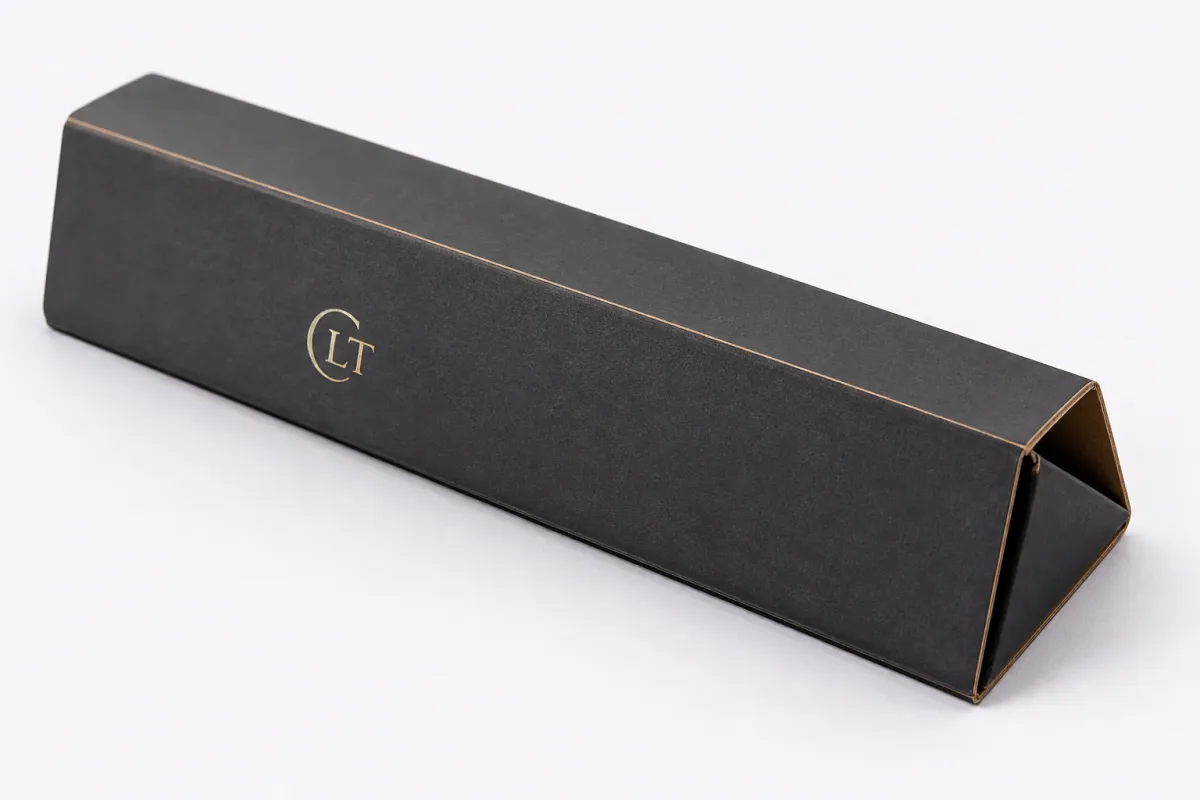
Custom edge protectors wholesale price matters because damage rarely stays contained. A dented corner can trigger a claim, a hold at receiving, a repack, or a distributor complaint. Once that starts, the real bill is no longer just the protector. It becomes labor, freight, paperwork, and a hit to trust. Buyers who only compare unit price are missing half the story.
The numbers add up faster than most teams expect. A shipping program worth $200,000 a month does not need many failures before margin starts leaking out. Even a 1% damage rate can sting, and repeated incidents across the same lane can do more harm than one obvious mistake. Against that backdrop, custom edge protectors wholesale price acts like a control lever. Spending a few cents more per unit can prevent a load from folding, scuffing, or collapsing under its own banding tension.
There is also an operational side that finance people sometimes overlook. A repeated custom size lets packing teams work faster, train new staff with less guesswork, and stop improvising with extra tape or double layers of board. That is part of the value of custom edge protectors wholesale price that never shows up in a simple unit-cost comparison. If the fit is right, the line runs cleaner and the pallet looks intentional. If the fit is wrong, people start stacking workarounds on top of the work.
"The cheapest edge protector is the one that holds the load together the first time and never needs to be explained later."
Wholesale buying rewards repeatability. Once a dimension is approved, reorders tend to move faster and packing teams make fewer mistakes. For buyers shipping export cartons, panel goods, or palletized displays, custom edge protectors wholesale price improves when the same design is reused across several SKUs. That is why many packaging teams standardize a small family of profiles instead of chasing a different shape for every shipment. It keeps inventory simpler and stops the whole operation from getting weirdly fragmented.
Edge protection is tiny in footprint and large in consequence. It reduces strap damage, corner crush, abrasion, and load shift while spreading force across a wider area. On heavier shipments, that force distribution can matter more than the face material itself. If you already invest in packaging design, Custom Printed Boxes, or package branding, edge protection belongs in the same conversation. Good packaging systems do not just look polished. They survive handling, stacking, vibration, and the rough moments between warehouse and destination.
That is why custom edge protectors wholesale price should be reviewed next to damage history, freight mode, pallet height, and product value. A low number on paper is useful only if the shipment arrives intact.
Product Details: What Custom Edge Protectors Are Made To Do
Custom edge protectors reinforce weak points on cartons, pallets, panels, boards, furniture, and irregular loads. They are built to guard corners and edges where compression and impact concentrate. For buyers comparing custom edge protectors wholesale price, the real question is not just what the protector costs. It is what job it performs, how much abuse it absorbs, and whether it keeps doing that after the first hard banding pass.
Most custom edge protectors are made from corrugated paperboard, laminated board, molded fiber, or moisture-resistant constructions. Corrugated paperboard is common for lighter to mid-duty applications because it is easy to cut, shape, and source in volume. Laminated board is stronger and more rigid, which makes it useful for heavier pallet loads and tighter strap applications. Molded fiber can fit programs that want form stability and recycled content. Moisture-resistant builds are useful in humid storage or export lanes, especially where long ocean transit or warehouse exposure raises the odds of softening and edge failure.
For sustainability-minded buyers, fiber selection matters too. Some programs need documented sourcing, and that is where FSC-certified fiber becomes a real purchasing criterion instead of a label on a spec sheet. If the rest of your product packaging uses recycled board, the edge protector should not break the environmental story. That matters in retail packaging programs where package branding and sustainability claims sit in the same line of sight.
Built for real loading conditions
Edge protectors are not decorative. They are load-management tools. The right profile spreads strap pressure across a longer line, which reduces cut-in at the corner. On a palletized load, that can keep a carton stack from bowing. On a furniture shipment, it may prevent a veneer edge from scuffing. On a panel or board shipment, it can stop a bend from turning into a claim. That is the practical side of custom edge protectors wholesale price: you are buying structural insurance in paper form.
Customization can include length, thickness, leg depth, angle, finish, print, adhesive, or nesting options. A longer leg covers more edge surface. A thicker board increases compression resistance. A tighter angle fits a specific product profile. Print can help with SKU identification, handling instructions, or internal branding. In the same way that custom printed boxes support product packaging and package branding, custom edge protectors can carry a simple visual cue that speeds warehouse handling without adding clutter.
- Length: matched to the protected edge or the full pallet height.
- Thickness: chosen for compression resistance and strap load.
- Angle: sized to fit square, rounded, or irregular edges.
- Finish: plain kraft, coated, moisture-resistant, or printed.
- Pack format: nested, flat-packed, or banded for faster receiving.
Custom is worth it when the same product ships often, the load is oversized, or the damage tolerance is low. Stock sizes can work for short runs or generic cartons, but they usually force compromise. A buyer using custom edge protectors wholesale price as a comparison point often ends up asking whether the stock option fits the actual load or merely fits this week's budget. That is a poor trade if the freight lane is expensive or the customer is unforgiving.
There is a presentation angle too. If your operation ships into retail packaging channels, a clean edge protector supports the appearance of the load on arrival. That does not mean the protector needs bold branding. It means the piece should be consistent, tidy, and suited to the product. The same logic holds for product packaging generally: structure and appearance should agree, or the whole package looks improvised.
Specifications That Change Fit, Strength, and Freight Risk
Accurate custom edge protectors wholesale price quotes start with the measurements that control performance. The most useful ones are leg length, thickness, inside angle, board grade, and the amount of moisture exposure the load will face. Buyers often send only a photo. That helps, but it does not tell a supplier whether the edge is 1.5 inches, 2 inches, or 3 inches deep. That difference changes the whole quote and usually the performance too.
Load weight and strap tension matter just as much. A light carton stack with low strap force can use a thinner profile. A dense appliance load or a tall pallet under heavy bands needs a different structure. Stacking height changes the equation as well. Taller stacks see more compression and more lateral movement. That is why custom edge protectors wholesale price is tied to spec, not simply to size. Bigger is not always better; better matched is better.
Warehouse conditions change the answer too. Humid storage, temperature swings, and long-distance transit can soften standard board sooner than buyers expect. Export shipments are a common example. A protector that looks fine in dry domestic use can underperform after three weeks in a container or two handoffs in a wet port yard. If the route includes rough handling or a long dwell time, say so early. That detail often shifts the recommendation from standard corrugated to a more durable build.
How to choose the right duty level
A practical way to think about specification is to split it into four bands: light-duty, mid-duty, heavy-duty, and export-grade. Light-duty protectors suit retail cartons, low stack heights, and modest strap pressure. Mid-duty works better for recurring palletized shipments with moderate compression. Heavy-duty is a better fit for appliances, furniture, and denser industrial goods. Export-grade belongs in long transit, high humidity, or stricter damage-tolerance lanes. That framework helps buyers compare custom edge protectors wholesale price against actual risk instead of guessing from a catalog photo.
- Light-duty: low strap pressure, short transit, lower unit cost.
- Mid-duty: recurring shipment lanes, balanced cost and protection.
- Heavy-duty: higher compression, taller pallets, more rigid board.
- Export-grade: moisture resistance, long route stability, higher protection reserve.
Optional details can change both price and performance. Print, color coding, labeling, anti-slip coatings, and nested pack configurations all affect the quote. A simple kraft or black print may add only a little. A full-color branded packaging treatment costs more and is rarely necessary for edge protection alone. A lot of packaging design work gets better when teams remove excess decoration. If your product packaging already carries the brand story, the edge protector can stay plain and functional.
ASTM compression testing and transit testing are useful references during specification review, especially for buyers who need repeatable performance. Many teams also map shipments against ISTA test methods so they can compare protection levels across lanes. That is not overkill. It is disciplined purchasing. If a protector has to survive vibration, drop, and compression, it should be chosen against actual handling conditions, not just against a catalog description.
For buyers who want a simple decision rule, this one holds up: if the load is small, dry, and stable, keep the protector light. If the load is tall, dense, or expensive, move up a duty level. That single move can influence custom edge protectors wholesale price more than a dozen minor design tweaks.
Custom Edge Protectors Wholesale Price, MOQ, and Quote Factors
Now to the number everyone asks for. Custom edge protectors wholesale price usually depends on five things first: material grade, finished dimensions, print, quantity, and freight. Tooling or setup can add another layer if the design is new. Packing format matters too, because nested packs, banded bundles, and pallet-ready cartons all affect labor and shipping efficiency. The price on the quote sheet is often only part of the real cost.
That is why landed cost matters more than unit cost. A quote that looks slightly higher at the factory may still win if it arrives faster, packs better, or avoids a damage claim. A lower production number can lose once freight, repacking, and delays are added. Many procurement teams miss this and then wonder why custom edge protectors wholesale price did not line up with the final budget. The answer usually sits in the hidden line items.
MOQ logic depends on whether you need a standard run, a fully custom run, or a repeat order. If the size is already common, minimums can be modest. If the dimensions are new or the profile needs setup, the minimum often rises to cover preparation and production stability. Repeat orders almost always get easier because the setup work has already been paid for. That is one reason buyers like to standardize protective profiles across several SKUs. It makes custom edge protectors wholesale price easier to predict over time.
| Build Type | Typical Use | Indicative MOQ | Wholesale Price Range | What Moves the Price |
|---|---|---|---|---|
| Light corrugated protector | Cartons, retail packs, light pallets | 3,000-5,000 pcs | $0.12-$0.22 per unit | Length, board weight, print coverage |
| Laminated board protector | Furniture, appliances, mid-heavy loads | 5,000-8,000 pcs | $0.18-$0.32 per unit | Thickness, angle tolerance, packing format |
| Molded fiber protector | Repeat industrial shipments, recycled content goals | 5,000-10,000 pcs | $0.20-$0.40 per unit | Tooling, density, moisture resistance |
| Moisture-resistant build | Export lanes, humid storage, long dwell times | 8,000+ pcs | $0.28-$0.48 per unit | Coating, board grade, transit requirements |
Those ranges are indicative, not fixed. Order quantity can shift them quickly. A 1,000-piece order may be far more expensive per unit than a 10,000-piece order because setup costs are spread across fewer pieces. A larger run also tends to improve labor efficiency. That is why custom edge protectors wholesale price should always be read in tiers. Ask for one quote at the target volume, then ask for price breaks at the next two levels above it.
If you want a quote that is actually useful, request five items up front: a specification sheet, a drawing or sample, quantity breaks, lead time, and freight terms. Ask for reorder pricing too. Buyers forget that piece more often than they admit, then they pay more on the second run than expected. For a recurring program, the reorder number is usually the number that matters most. Good suppliers should show how custom edge protectors wholesale price changes with volume instead of hiding behind one figure.
"A clear quote should tell you the unit cost, the setup cost, the lead time, and what happens if you double the volume."
Here is the comparison buyers usually need. A basic protector may work for internal transfers. A heavier custom unit may be necessary for export or high-value shipments. A small increase in custom edge protectors wholesale price can be justified if the alternative is a damaged return or a rejected pallet. That trade is easier to defend when the quote includes real product specs instead of a vague promise.
For buyers managing branded packaging programs, the best pricing outcomes usually come from discipline, not from squeezing the supplier on every line. Clear dimensions, a realistic MOQ, and a stable replenishment plan create better numbers. That is true whether you are buying edge protectors, custom printed boxes, or other custom packaging products. Complexity always costs something. Simplicity pays back.
Production Process and Timeline for Wholesale Orders
A clean process saves money. The usual path for wholesale orders starts with inquiry, then spec review, sample or dieline confirmation, proof approval, production, QC, and dispatch. Each step protects the next one. If the spec is wrong at the start, the quote is wrong. If the proof is wrong, the sample is wrong. If the sample is wrong, the shipment is wrong. That is why custom edge protectors wholesale price should never be discussed without a timeline attached.
Repeat orders move faster because the design already exists. A brand-new custom run takes longer because the team may need to validate dimensions, knife setup, or nesting pattern. For a repeat size, a realistic turnaround is often 7-12 business days after proof approval. A new custom run may take 12-20 business days, and longer if the profile is large, printed, or moisture resistant. Rush production or split shipments usually raise cost. That is normal, not a surprise.
Production speed matters because freight schedules do not wait. Warehouse receiving windows, export bookings, and seasonal inventory peaks can all force tighter timing. If you are shipping into a holiday peak or a factory shutdown window, build in a buffer. One missed approval can push a pallet of protectors back a week, and then the whole downstream load slips. That delay can cost more than a few cents added to custom edge protectors wholesale price.
What to confirm before production starts
Before anyone starts cutting board, confirm the dimensions, tolerance, artwork, pack count, pallet pattern, and destination details. Those are the fields that prevent expensive corrections. If the product has an unusual profile, send a photo, sample, or drawing. If the shipment has a dock constraint, say so. If the load is sensitive to moisture, state that up front. In packaging operations, missed details are usually the real reason a project slips.
Quality control should match the risk. A simple carton protector may need basic dimensional checks. A heavier export-grade item may need more rigorous inspection for angle consistency, board strength, and pack count accuracy. Buyers often ask whether a supplier can meet general commercial quality. That is too vague. A better question is whether the supplier can hold the same thickness and angle across the full run. That detail affects both fit and custom edge protectors wholesale price because scrap and rework are part of the cost.
If you are managing several product packaging lines, the schedule should tie back to your broader packaging design calendar. Edge protectors, inserts, and outer cartons work best when they are planned together. That is especially true for product packaging that carries package branding or for retail packaging where every component has to arrive on the same release date. A mismatch between protective materials and launch timing can create avoidable freight expense and a very visible mess.
One practical note: the fastest order is not always the best order. A slightly longer timeline can lower cost if it avoids rush freight or rework. That is another place where custom edge protectors wholesale price should be judged with the full timeline in view. The cheapest production run on paper is often not the cheapest order on arrival.
Why Buy from Us for Wholesale Edge Protection
Buyers usually want three things from a supplier: consistency, speed, and a fair number. Our Wholesale Programs are built around those priorities. The goal is not to sell the highest-spec protector available. The goal is to recommend the right grade for the load, so custom edge protectors wholesale price stays aligned with actual protection needs. That is a better outcome than overbuying board weight just because it sounds safer.
Consistency matters because recurring programs live or die on repeatability. If a protector changes thickness, angle, or pack format without warning, receiving teams notice immediately. Good wholesale supply should prevent that. It should also make replenishment easier across one location or several. For multi-site operations, predictable custom edge protectors wholesale price helps planning, especially when inventory is held at different warehouses or cross-docked through separate carriers.
Another advantage is support. A supplier that reviews the application before quoting can catch avoidable mistakes early. That may include a sample kit, an engineering check, or freight guidance if the load is heavy or export bound. Those services do not always show up in a price comparison table, but they reduce risk. The real savings appear when a buyer avoids the wrong protector, the wrong pack pattern, or the wrong lead time. In that sense, custom edge protectors wholesale price is only one part of the value.
We also compare options instead of pushing the priciest solution. That sounds simple, but many suppliers skip it. A fact-first recommendation is better. If a mid-duty profile solves the problem, say so. If a moisture-resistant upgrade is only needed for a specific lane, say that too. Buyers do not need drama. They need useful tradeoffs. That is how wholesale packaging decisions should work whether the item is an edge protector, a mailer, or a branded insert.
For teams already sourcing related items, it often helps to review the full Custom Packaging Products range before placing the order. The logic is straightforward: if your outer cartons, inserts, and corner protection are planned together, the shipment tends to move better and cost less to manage. That is especially true in retail packaging programs where appearance and protection both matter.
Compared with generic suppliers or off-the-shelf protectors, a custom route can save money when the product is repeatable, the lane is risky, or the damage cost is high. It can also reduce freight failures caused by poor fit. A cheap protector that does not match the load is expensive in disguise. That is the core reason buyers revisit custom edge protectors wholesale price after the first claim.
Next Steps: How to Request the Right Quote
To get a useful quote, send the product dimensions, load weight, carton or pallet photo, target quantity, and ship-to location. If the item has an odd shape, include a drawing or sample. If the load is sensitive to humidity or stacking pressure, say that plainly. Good quoting starts with good input. That is true for custom edge protectors wholesale price and for nearly every other protective packaging request.
Start with a sample or pilot batch if the SKU is new or the lane is export bound. A small test run lets you confirm fit before committing to a large wholesale order. It also gives warehouse staff a chance to validate pack-out speed and receiving flow. That step costs time upfront, but it is usually cheaper than correcting a bad full-order run later. Many buyers need only one pilot to understand how custom edge protectors wholesale price behaves against the real load.
Compare two or three specification options side by side. That is the best way to see how protection level and cost move together. You may find that a slightly longer leg or a modest board upgrade changes damage resistance more than expected. You may also find that the most expensive option adds little value for your lane. Without that comparison, the quote can feel arbitrary. With it, the buying decision becomes clear.
Set your target MOQ, delivery window, and acceptable unit cost before you ask for the final number. If those three are unclear, the supplier will have to guess. Guessing creates revisions. Clear targets keep the quote useful and the discussion short. If you are coordinating with a launch date, a warehouse move, or a seasonal order wave, say so at the outset. That helps the supplier shape custom edge protectors wholesale price around your schedule instead of the other way around.
My practical recommendation is simple: request the quote, review the proof, approve the sample, and only then release the first run. If the spec is right, the load arrives safer, the claims go down, and the total cost makes more sense. That is the point of custom edge protectors wholesale price in the first place. The number only matters if it helps you ship better.
FAQ
How is custom edge protectors wholesale price calculated?
It is usually based on material grade, finished dimensions, thickness, and order quantity. Setup, tooling, print, packing format, and freight can change the final landed cost. Ask for a tiered quote so you can compare unit cost at different volume levels. Compare the quote against damage reduction, not just the sticker price per piece.
What MOQ is typical for custom edge protectors?
MOQ depends on whether the size is standard, fully custom, or requires new tooling. Repeat orders often have lower minimums because setup work is already done. Larger or heavier-duty protectors usually need a higher minimum to keep pricing efficient. A good supplier should explain the MOQ driver instead of giving a vague number.
What details do I need for an accurate custom edge protectors quote?
Send the product dimensions, edge length, weight, and shipping application. Include a photo, drawing, or sample if the item has an unusual profile. State the quantity, delivery location, and whether you need printing or special coatings. The more exact the spec, the fewer revisions and pricing surprises later.
How long does production take for wholesale edge protectors?
Repeat orders are faster than new custom runs because the spec is already approved. Sampling and proofing usually add time upfront, but they reduce costly mistakes later. Rush timelines may be possible, but they often raise production or freight cost. Build in time for approval, production, QC, and transit, not just manufacturing.
Can I lower custom edge protectors wholesale price without losing protection?
Yes, by optimizing board grade, dimensions, nesting, and pack configuration. You can often reduce cost by matching the protector to the actual load instead of over-specifying it. Repeatable sizes and larger runs usually improve price more than cutting material thickness. The best savings come from smart specification, not from taking performance risks.
For buyers who want protection that pays back in fewer claims and cleaner loads, custom edge protectors wholesale price should be treated as a business decision, not a commodity line. If the spec is right, the freight is calmer, the warehouse runs smoother, and the math holds up.

