Custom event hats material and sizing guide: why the sample matters
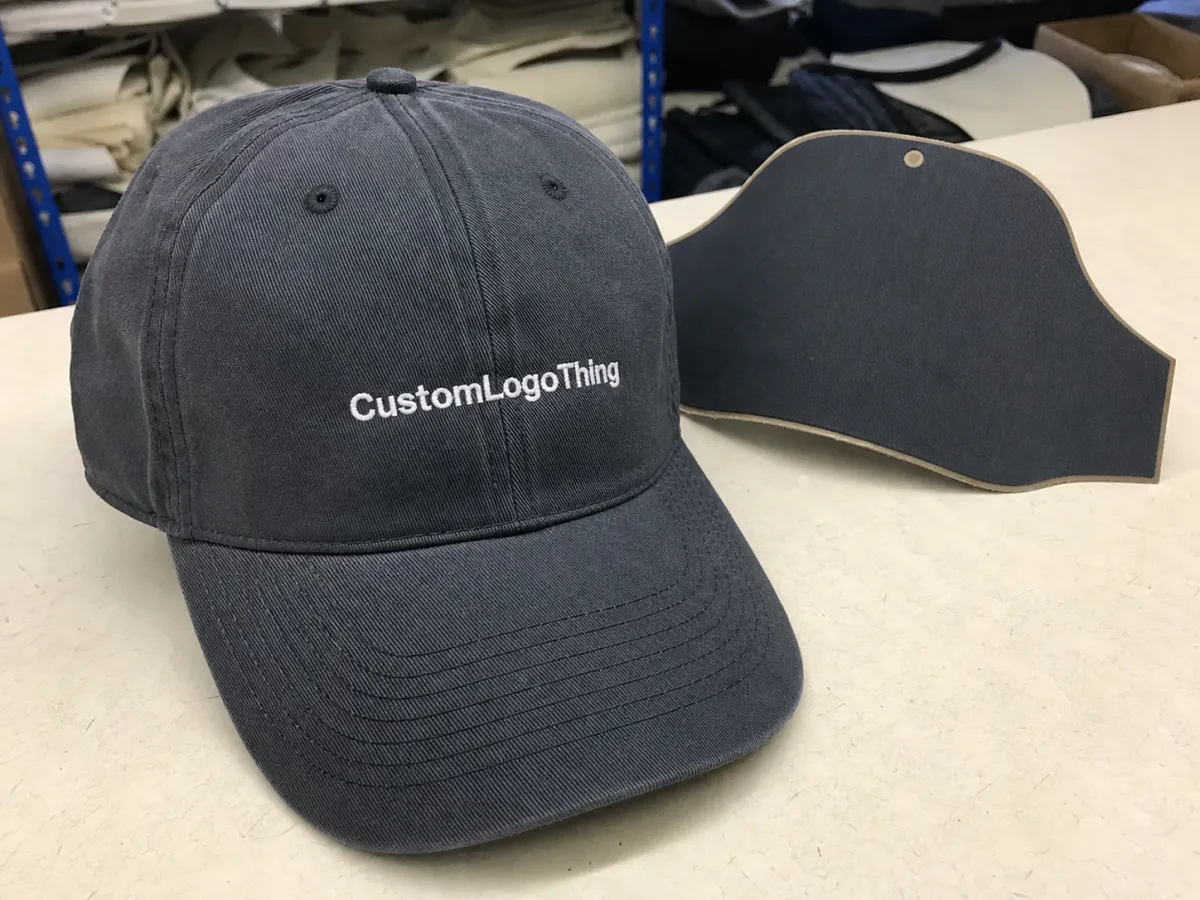
A hat can look excellent in a proof and still fail the real test the moment someone puts it on. That is the first lesson of any Custom Event Hats material and sizing guide: the screen only tells part of the story. The sample tells you whether the crown sits too high, whether the closure pinches, whether the front panel holds embroidery cleanly, and whether the logo still reads well after the cap has been packed, handled, and worn for a full day.
For buyers, the decision usually comes down to three linked questions. Which material gives the right balance of comfort and structure? Which size range fits the actual audience? Which decoration method will survive production without distorting the design? Treat those as separate choices and the order can drift off course. Treat them as one system and the result is usually better, cheaper to correct, and less likely to disappoint on event day.
The sample matters because hats behave differently once fabric, stitching, and fit meet a real head. Embroidery may look sharp in a digital mockup and still appear crowded if the front panel is too soft. A woven patch can be perfectly centered and still feel awkward if it lands across a seam. Heat-applied graphics hold fine detail well, but they can feel different once the fabric stretches across a fuller crown. Even the brim curve changes the way a cap sits on a smaller head, a larger head, or one with more hair volume than the spec sheet anticipated.
That matters more for event hats than for most promotional items because the wear patterns are mixed. A staff hat may be worn for eight hours in a row. A sponsor giveaway may be worn long enough for a photo and then shoved into a tote. A festival cap may need to deal with heat, sweat, wind, and repeated removal. The right choice is rarely the cheapest one on paper; it is the one that still feels right after the third hour of wear.
Think about the hat the same way experienced packaging teams think about custom printed boxes: the finish is visible, but the structure underneath determines whether it performs. A cap with the right fabric weight, panel count, and closure travel is easier to produce, easier to distribute, and easier for the wearer to keep on. The sample is not a formality. It is the point where the idea stops being theoretical.
Bottom line: if the sample fits comfortably, keeps its shape, and carries the logo cleanly, the order is on solid ground. If it misses any one of those, fixing it before production is far cheaper than fixing it after.
How materials, panels, and closures shape fit and branding
Material is the first thing to get right because it affects comfort, decoration, and how the hat ages after distribution. Cotton twill feels familiar and soft from the start, which makes it popular for casual events and general giveaways. Polyester twill is usually better at holding shape and tends to wrinkle less in transit. Mesh-back trucker styles breathe well outdoors and are useful for long activation days, but they read more relaxed. Brushed canvas has a heavier hand and a more substantial feel, while performance blends are useful where sweat control and all-day wear matter more than a traditional look.
What the fabric does to the decoration is just as important as how it feels to the hand. A structured front panel gives embroidery room to stand up. Softer caps can still look great, but they often work better with woven patches, printed patches, or lighter decoration. If the logo uses thin lettering or small internal details, the front panel support becomes part of the design, not just part of the hat.
Panel count changes the appearance more than many first-time buyers expect. Five-panel caps offer a broad uninterrupted front that suits bold logos and patch placements. Six-panel caps create a more classic profile, but the front seam can affect where the artwork lands. Crown height matters too. Higher crowns tend to feel more promotional or streetwear-driven; lower profiles usually look closer to retail headwear and sit more naturally for general audiences.
The brim shapes the first impression faster than most people realize. Flat brims feel sharper and more current. Curved brims feel familiar and easier for broad audiences to wear without adjustment. Front-panel reinforcement, often hidden inside the hat, decides how stable the logo area feels in the hand and on the head. A firm front panel supports embroidery and some patches better. A softer one can feel more comfortable, but oversized art can create rippling.
Closures are where fit either becomes flexible or becomes a problem. Snapbacks cover a wide range and work well for mixed audiences. Strapbacks with a buckle or slider can feel a touch more refined. Velcro is quick and inexpensive, though it usually looks less premium. Stretch-fit styles are comfortable, but they reduce size flexibility. Fitted caps have the cleanest finish, yet they require real size planning and are risky for giveaways unless the wearer range is already known.
“The proof looked fine, but the sample told a different story: the crown sat higher than expected, and the embroidery needed a flatter front panel to read cleanly.”
For outdoor activations, breathable fabric, moderate structure, and a closure with real adjustment range usually work best. For a premium brand gift, the balance shifts toward tighter stitching, cleaner edge finishing, and a closure that feels more like retail than promo. If the hats are part of a larger branded packaging program, that consistency matters. The cap should feel like it belongs with the rest of the kit, not like it was added at the last minute.
If hats are packed with apparel or other branded pieces, the outer container deserves attention too. Our Custom Packaging Products page shows packaging structures that can protect the crown and keep the presentation intact without crushing the hat during shipping.
Shipping assumptions matter as well. A clean carton spec reduces damage, but it is still smart to ask how the order will handle transit stress, especially if the packout follows the kinds of handling conditions described by ISTA. Crushed brims and bent closures are usually not a manufacturing mystery. They are a packing problem.
Cost, pricing, MOQ, and unit-cost drivers for event hat orders
Pricing makes more sense once the build is broken into parts. Fabric is one variable. Decoration is another. Add stitch count, patch complexity, closure hardware, labels, and packout, and the quote can move quickly. A basic cap with one-color embroidery and a standard snapback closure lands in a very different range from a structured cap with a woven patch, custom seam tape, and a branded interior label.
MOQ changes the math because setup costs have to go somewhere. On a small run, those costs are spread over fewer pieces, so the unit price rises. On a larger run, the per-piece cost usually settles down once production is locked. In practice, a 100-piece order often costs 20% to 40% more per hat than a 500-piece order, and the gap can be wider if the decoration is detailed or the body fabric is not a stock item.
Typical ranges help, but only if they are treated as reference points rather than promises:
| Hat build | Typical decoration | Typical unit range at 500 pcs | Best fit for |
|---|---|---|---|
| Cotton twill dad cap | Flat embroidery or small woven patch | $5.50-$8.25 | Comfort-first giveaways and casual events |
| Polyester twill snapback | Embroidery or raised patch | $4.75-$7.50 | Broad-audience promotions and staff wear |
| Mesh-back trucker | Embroidered patch or screen print | $4.25-$6.75 | Outdoor events and hotter venues |
| Brushed canvas cap | Detailed patch with label finish | $6.00-$9.25 | Premium merch or higher-end brand kits |
| Performance blend cap | Heat-applied graphic or lightweight embroidery | $5.20-$8.40 | Active environments and all-day wear |
Those ranges can move fast. A 3-inch embroidered mark is not the same as a full-front emblem with multiple thread colors and dense fill. Woven patches often preserve detail better, but they add setup and finishing steps. Heat-applied graphics may suit certain logos well, yet they do not always deliver the texture buyers expect from a more premium branded presentation. If a quote seems unusually low, the first question should be what was reduced: stitch count, fabric weight, closure quality, or packaging.
That is where quote comparisons often go wrong. Two suppliers can both say “snapback cap” and still be quoting different crown heights, different panel counts, different closure types, and different packing methods. One may include individual polybags. Another may ship hats loose in corrugated cartons. One may use a woven label and custom tape; another may use a simple printed size tag. The headline price means little until the spec lines are compared one by one.
When hats are part of a larger package branding order, it can make sense to quote them alongside inserts, mailers, or retail packaging pieces. The same logic that applies to packaging solutions for product packaging applies here too: once the build changes, the cost changes with it. The goal is not to chase the cheapest number. The goal is to compare like with like.
A strong quote request usually includes quantity, style, material, closure, decoration location, number of colors, target delivery date, and whether sample approval is required. If that information is missing, the quote is less a quote than a placeholder.
Process and timeline: artwork approval through delivery
The production flow is straightforward once the order is defined, but the early steps determine whether the project stays on schedule. It usually starts with the brief: style, audience, quantity, decoration, and ship date. Then comes artwork cleanup, where the supplier checks line weight, logo scale, color count, and whether the design will survive at cap size. After that comes the digital proof, then the sample or pre-production approval if the project calls for it, then the production run, finishing, packing, and shipment.
Most delays happen in the same few places. Missing vector art slows proofing. A logo that looks crisp on a screen may need simplification once it is reduced to hat size. Color matching questions can take time if Pantone references are vague. Sample revisions add days if the logo needs to move, the closure changes, or the crown height feels off. Even a small fit correction can affect the schedule if it requires a different stock body.
Simple decorated hats usually move faster than fully customized builds. A basic embroidery order can often run in about 12-15 business days after proof approval, depending on quantity and capacity. More involved orders with woven patches, custom labels, or special packouts take longer. Freight adds another layer, and that is where event planning can get optimistic in a hurry. A real buffer matters. It is not wasted time; it is the difference between a controlled launch and a shipment that arrives under pressure.
A practical checkpoint sequence helps keep the order disciplined:
- Approve artwork scale and placement before focusing on minor color adjustments.
- Confirm material, closure, and crown style before sampling so the fit target is clear.
- Check the sample on a real head, not only flat on a table.
- Review logo visibility from the distance the audience will actually see it.
- Lock the ship date with enough room for freight and any correction.
If sustainability is part of the project, ask for paper components with FSC sourcing where it makes sense. The FSC standard is useful for kraft inserts, tags, and other paper-based packaging elements that travel with the hats. Small details like that do not sell the order on their own, but they do make the whole kit feel more considered.
Step-by-step sizing guide for staff, guests, and giveaways
Sizing gets easier once the wearer is defined. A staff uniform order needs repeatable comfort over long shifts. A sponsor gift needs enough flexibility that nobody feels shut out. A public giveaway only needs broad fit and decent on-head appearance for a quick photo. The Custom Event Hats material and sizing guide works best when the wearer drives the fit decision, not the other way around.
Adjustable construction is usually the safest choice for mixed audiences. Snapbacks and strapbacks cover a wider range of head sizes and reduce the risk of guessing wrong. Fitted construction is cleaner and often feels more premium, but it only makes sense if the size distribution is known well enough to support it. That can work for a uniformed team. It is a much poorer bet for a crowd.
A good sizing process stays practical:
- Measure three to five real wearers from the target group if possible.
- Check closure travel, not just the smallest or largest notch.
- Compare crown depth and front height, since both affect how the hat sits on the forehead.
- Test the sample on different head shapes, including narrower and rounder profiles.
- Wear the sample for at least 15-20 minutes so pressure points have time to show up.
That last step is easy to skip and surprisingly useful. A cap can feel fine during a quick mirror check and still become irritating during a meeting, volunteer shift, or hot outdoor activation. Hair volume matters too. So does headset compatibility if the wearer is working a booth or venue. Youth sizing deserves special attention because a hat that looks small enough on the table can still sit too shallow once worn.
As the audience gets broader, the value of adjustment range rises. If the closure offers only limited travel, it should not be treated like a universal fit. If the hats are for staff, the sizing can be more exact. If they are for a giveaway, comfort and range usually matter more than a perfect fit on one person.
Fit also affects branding. A hat that sits too high can make front embroidery look oversized. One that sits too low can hide the top of a patch. That is why sizing belongs in the same discussion as decoration. Good package branding principles apply here too: the item has to present well in hand, but it also has to function naturally once people wear it.
Common mistakes, expert tips, and your final ordering checklist
Most hat problems are subtle. A fabric wrinkles too easily. A decoration method loses detail. A fit only works on one head size. Those misses do not usually look dramatic in isolation, but together they create an order that feels off.
On the production side, the checks that matter most are seam symmetry, front-panel stability, color consistency, and closure smoothness. If the hats are going into stacked cartons or sitting with other merchandise, rebound after unpacking matters too. A cap that recovers cleanly looks deliberate. One that needs hand-shaping before distribution does not. If the hats are traveling with other branded items, the shipping setup should protect the crown and keep the presentation intact.
Decoration compatibility is another common weak spot. Fine text can disappear on a textured mesh back. Dense embroidery can pull on a soft front panel. Large patches can overwhelm a low-profile crown. The hat should support the logo, not compete with it.
Use this checklist before the order is released:
- Confirm the exact material, panel count, crown profile, and brim shape.
- Lock the decoration method, placement, color count, and patch size.
- Verify the closure type and its adjustment range.
- Check the sizing plan for staff, guests, or giveaways.
- Confirm packaging, carton count, and freight assumptions.
- Approve the sample or proof in writing before production starts.
If the hats are shipping with boxes, inserts, or other promo pieces, corrugated cardboard and kraft paper choices can affect both protection and presentation. A good shipper protects the crown. A clean inner wrap can make the order feel more finished without adding much cost. That is the kind of detail customers notice immediately, even if they cannot name it.
For cost control, compare exact specs line by line: same fabric, same closure, same decoration, same packout, same ship date. If one quote is cheaper, it may simply be a lighter build. That can be a valid choice, but it should be deliberate.
The most reliable Custom Event Hats material and sizing guide is the one that treats fit, decoration, and packaging as one decision. Choose the material that supports the logo, choose the size range that matches the audience, approve the sample on a real wearer, and let the production details follow from there.
Frequently Asked Questions
What is the best material for custom event hats if I want comfort and clean decoration?
Cotton twill feels soft and familiar, while polyester twill usually holds shape better and often handles embroidery more cleanly. Mesh-back trucker styles breathe well outdoors, but they can make the hat feel less formal. For long events, the better choice is usually the one that balances breathability with enough structure to hold the logo properly.
How do I choose the right size range for custom event hats for mixed audiences?
Start by deciding whether the order needs adjustable sizing or a fixed fit for a known group. Then test the sample on a few different head sizes before approving the run. If the audience is broad, a closure with more travel usually reduces fit complaints.
Why does pricing vary so much between custom event hat quotes?
Decoration method, stitch count, patch detail, fabric choice, closure type, and packout all affect unit cost. Lower MOQs usually raise the per-hat price because setup costs are spread across fewer pieces. Two quotes can look close until you compare the exact build and shipping assumptions line by line.
How long does custom event hat production usually take?
Simple decorated styles usually move faster than fully customized builds with special patches or custom labeling. Artwork changes and sample approval are the most common reasons timelines stretch. Add a buffer before the event date so freight and revision time do not put delivery at risk.
Should I approve a sample before ordering a large run of custom event hats?
Yes, especially if fit, finish, or decoration placement matters to the event. A sample shows how the hat feels in hand, how the closure works, and whether the branding reads as expected. For larger giveaways or premium promotions, sample approval usually prevents expensive surprises later.

