Custom Event Hats Bulk Order: Pricing, Specs & Lead Time
A Custom Event Hats bulk order looks straightforward until the quote arrives. The base cap is only one part of the budget. Decoration method, artwork complexity, shipping, carton packing, and approval timing can move the final number more than the hat itself.
For buyers, the real goal is not the lowest unit price on paper. It is the right style, decoration, and delivery window for the event. A hat people will actually wear is more valuable than a premium-looking sample that fails on fit, comfort, or legibility. That is true for staff programs, conference giveaways, sponsor gifts, and festival handouts alike.
The biggest hidden cost in a hat order is usually not the hat. It is the setup, revisions, rush handling, and freight around it.
Start with the use case. That keeps the spec tight and prevents avoidable back-and-forth later. A simple logo on a reliable cap almost always beats a complex design that is hard to produce consistently.
Custom event hats bulk order: the money-saving angle most buyers miss
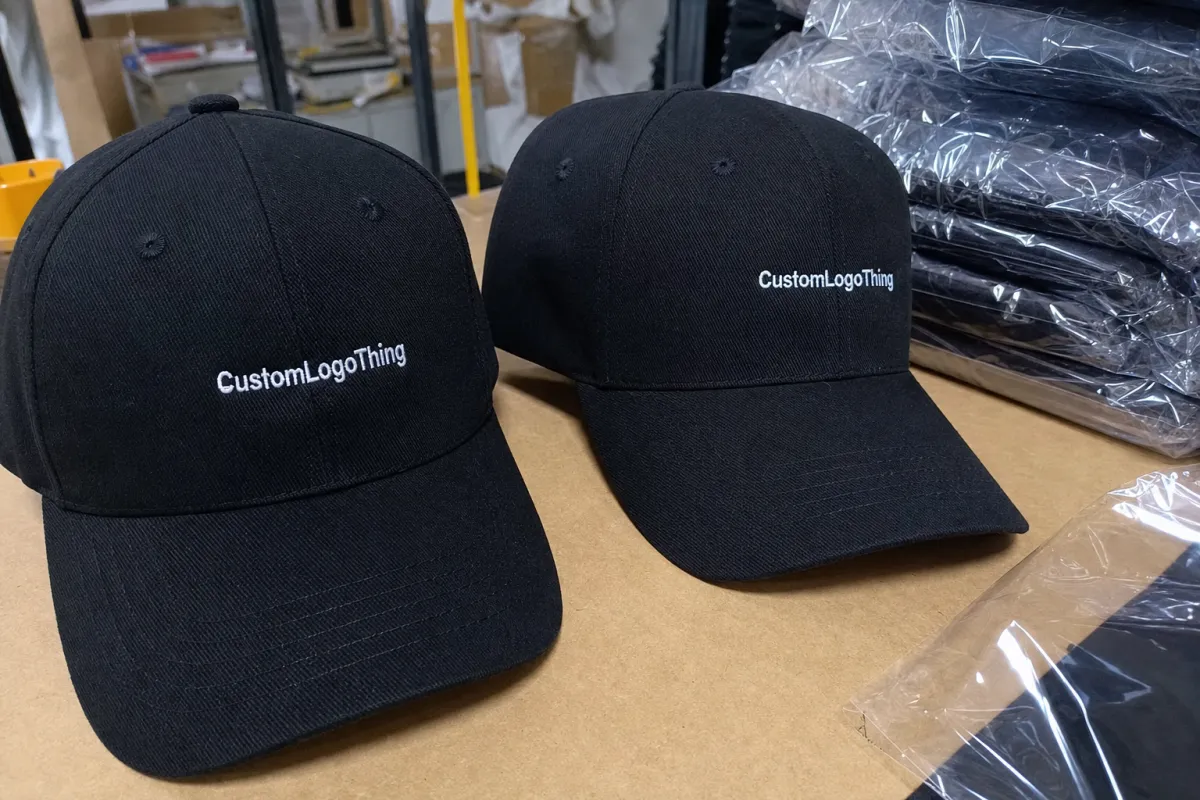
The blank cap sets the baseline, but the price usually changes because of decoration and handling. Embroidery setup, digitizing, patch sewing, print registration, and special closures all add labor. A small difference in base cap cost can disappear once those extras are included.
That is why two quotes can look similar and still land at very different totals. One may include a standard stitch count and stock closure. Another may assume a higher-density logo, a custom patch, or special fabric. If the supplier does not spell that out, the quote is incomplete.
For most event programs, a simple logo on a common style gives the best value. A one-color embroidered mark on a navy dad hat or a clean patch on a structured cap keeps production manageable. Once the artwork gets tiny, multicolor, or highly detailed, thread changes and sewing passes increase time and cost.
Color choice matters too. Stock shades such as black, navy, stone, charcoal, and forest usually source more easily in volume. Custom-dyed fabric is possible, but it should solve a real branding need rather than add novelty. For a one-time event, a standard color is usually the smarter buy.
For repeat programs, a standard base style is easier to reorder and less likely to drift in fit or crown shape from one run to the next. Stable specs are not exciting, but they reduce cost and risk.
Hat styles and decoration options for events
Different hat styles solve different problems. Dad hats feel relaxed and broad-appeal. Structured caps support a sharper logo on the front panel. Trucker hats breathe better for outdoor events and warm-weather activations. Snapbacks lean more retail and trend-driven. Beanies fit cold-weather campaigns, employee gifting, and winter launches. The right choice depends on who will wear it and how long it needs to stay on.
Decoration should follow the artwork. Embroidery is usually the safest choice for durability and a clean finish. Patches work well when texture, contrast, or a more collectible look matters. Printed decoration can work, but it is less forgiving when the design has tiny type, thin borders, gradients, or color transitions that flatten on a curved crown.
There is a useful parallel with packaging: simple branding systems scale better than crowded ones. If the event kit also includes sleeves, inserts, or custom printed boxes, the cap should fit the same visual language. That makes the kit feel more deliberate without increasing complexity.
Here is a quick comparison to narrow the field before samples and proofs consume time.
| Hat style | Best for | Decoration fit | Typical unit cost at 500 pcs | Buyer note |
|---|---|---|---|---|
| Dad hat | General giveaways, casual brand merch | Embroidery, small patch | $4.20-$6.50 | Easy to wear, broad audience appeal |
| Structured cap | Staff uniforms, sharper branding | Embroidery, woven patch | $4.80-$7.20 | Better front panel support for logos |
| Trucker | Outdoor events, festivals, warm climates | Embroidery, patch | $4.60-$7.00 | Mesh back helps comfort, slightly less formal |
| Snapback | Retail-style merch, younger audience | Embroidery, patch, print | $5.00-$7.80 | Popular look, but fit preferences vary |
| Beanie | Cold-weather events, holiday kits | Woven label, embroidery | $4.00-$6.90 | Less logo space, more about texture and color |
The table is a shortcut, not a rulebook. If the program needs more polish, hats can be packed with branded packaging or inserted into larger event kits. That matters for launches, sponsor drops, and sales meetings where the handoff is part of the experience.
For suppliers who also manage wholesale components, ask how mixed items are packed and checked. If paper inserts are part of the order, FSC-certified stock is a sensible benchmark for sourcing. The FSC certification standards are a practical reference when procurement asks for proof of paper sourcing.
Specs that control fit, branding, and wear time
Most order problems start with incomplete specs. If the supplier does not know the fabric, crown height, closure type, and decoration zone, the quote will be broad and the proof stage will take longer than it should. A six-panel dad hat with a low crown does not behave like a structured five-panel cap. The decoration area changes, the profile changes, and the comfort changes.
Useful quotes include front panel width, maximum embroidery size, and whether the logo will be stitched flat or with a raised effect. That matters because a logo can look crisp at 3.5 inches wide and awkward at 2.5 if the type is too fine. If the artwork is being digitized, ask for a recommendation before approval.
Comfort is part of the spec. Sweatband material, ventilation eyelets, panel stiffness, and closure hardware all affect whether people keep the hat on after the event. Cotton twill is common because it is durable and stitches cleanly. Mesh backs help in heat. Brushed cotton can feel softer for indoor use. Acrylic or wool-blend caps often fit cold-weather merchandising better than summer giveaways. If the hat scratches, pinches, or sits too high, it becomes dead stock.
Before approving artwork for a Custom Event Hats bulk order, lock these details:
- Front panel type: structured or unstructured
- Crown height: low, mid, or high profile
- Closure: snapback, strapback, buckle, or fitted
- Decoration zone: center front, side, back, or multiple positions
- Material: cotton twill, washed cotton, polyester mesh, wool blend, or acrylic blend
- Comfort detail: sweatband, eyelets, and stitch quality
For buyers coordinating printed inserts, handouts, or product packaging, the same discipline applies: tighter specs create fewer surprises. A strong brief is usually the difference between a clean shipment and a stack of revisions.
Pricing, MOQ, and unit cost drivers
Unit pricing usually falls at break points such as 100, 250, 500, and 1,000 pieces. The catch is assuming the break price is the full price. Setup, digitizing, patch fees, and rush charges can erase part of the savings if they are not confirmed early.
For a straightforward Custom Event Hats bulk order using stock caps and embroidery, the following ranges are common enough to budget around:
- 100 pieces: roughly $6.50-$10.50 per hat
- 250 pieces: roughly $5.20-$8.20 per hat
- 500 pieces: roughly $4.20-$7.20 per hat
- 1,000+ pieces: roughly $3.40-$6.00 per hat
Those ranges move with stitch count, patch type, thread colors, fabric choice, and whether the order needs special handling. A simple one-location embroidery run is usually the best value. Woven patches, leather patches, and woven labels can improve finish, but they also add cost and lead time. If the event does not need the extra texture, keep the build plain and readable.
MOQ depends on style and method. Stock hats with embroidery often start around 50 to 100 pieces. Custom colors, special trims, or mixed-size programs can push minimums higher. A custom-dyed cap or a more complicated patch structure may need a larger run to justify setup. Ask by style, not by category. “Hat” is too broad to answer accurately.
Use landed cost, not factory price, to compare vendors. Freight, carton packing, duties, and rush fees change the real total. If the hats are packed with retail packaging or other branded items, ask for a full pack-out quote so the numbers are comparable. The invoice is the real answer.
Transit planning matters too. Carton strength, inner packing, and pallet handling can affect whether hats arrive in shape or need rework on arrival. If the order is part of a larger branded shipment, basic ISTA transit testing standards are a useful reference point.
Process, timeline, and lead time from proof to delivery
The production flow should be predictable: request, proof, approval, production, quality check, ship. Most delays happen before production begins. Artwork changes are the usual cause. A logo file is missing. A thread color is not confirmed. Someone wants a tiny placement adjustment. Each small delay pushes the event closer to the edge.
For a stock cap with simple embroidery, production can often move in 10 to 15 business days after proof approval if inventory is available. Patch work, higher stitch counts, or peak-season schedules can add a few more days. Custom materials and specialty builds often stretch to 20 business days or more. Shipping time sits on top of production, not inside it.
A realistic schedule for a Custom Event Hats bulk order usually looks like this:
- Day 1-2: request quote and send logo files
- Day 2-4: receive mockup and confirm specs
- Day 4-7: approve proof and pay deposit
- Day 7-15: production for stock styles
- Day 15-20+: production for custom materials or patches
- Final step: carton packing and transit time
If the event date is fixed, build the calendar backward and leave room for shipping delay. One extra proof round often costs more time than it adds confidence. Approving a clean mockup two days sooner is usually the better trade.
It also helps to keep hats, inserts, and other branded pieces in the same approval window. Colors, logo usage, and pack-out logic are easier to align when the whole event kit is reviewed together. That reduces errors and keeps the presentation consistent without forcing every item into a separate approval path.
What a reliable bulk hat supplier should prove
A strong supplier does more than send a polished mockup. They show recent production examples, clear decoration work, and a realistic explanation of what can and cannot be done on a curved crown. A sample can always look good; the real test is whether the same result can be repeated across hundreds or thousands of units without drift in placement, color, or stitch quality.
Ask about consistency in crown shape, logo size, and thread color across repeat runs. Ask how they control color. Ask what happens if a patch batch arrives with a shade change or if carton counts are short. Good suppliers answer directly. Weak ones often hide behind broad reassurance.
Quality control should include stitch tension, panel alignment, closure function, thread trimming, and final packaging. Crooked logos, loose threads, bent brims, and uneven patch placement are all catchable before shipment if the inspection step is real. If the order includes packaging or event kits, ask whether the supplier checks the full pack-out or only the hat itself.
Revision handling also reveals a lot. What happens if the logo needs to shrink slightly after the first proof? What if the thread color is approved but out of stock? What if the ship date moves? Better vendors explain the limits early and offer workable alternatives instead of promising everything.
If a supplier can also coordinate hats with product packaging or conference handouts, that usually signals better operational discipline. It does not guarantee perfection, but it does suggest they understand pack-out timing, component matching, and the difference between a nice-looking sample and a shipment that lands on schedule.
For buyers building recurring programs, Wholesale Programs is a useful place to compare repeat-order options without rebuilding the spec from scratch each time. If you need a quick reminder on file formats or approvals before sending artwork, the FAQ keeps the basics in one place.
Next steps to lock art, quantities, and ship date
Four inputs are enough to start a useful quote: target quantity, hat style, final logo file, and delivery deadline. Without those, pricing turns fuzzy and comparisons get noisy.
Before approving the mockup, verify logo size, thread colors, closure style, and packing method. If the hat will be worn by staff, fit matters more than trend. If it is for sponsors or VIP kits, visibility matters more than novelty. If it is for a sales floor or conference booth, the cap needs to hold up through a long day of wear.
It also helps to confirm the reorder plan before the first run ships. Reorders are easiest when the initial order is built on a stable hat style and a clean artwork file. If the event performs well, the second run should not require a redesign. That is one practical advantage of a disciplined approach: fewer surprises, faster repeats, less correction work.
Send the quantity, style, logo, and ship-to zip code together so pricing comes back in a format you can use. That keeps the conversation grounded in actual production variables instead of broad estimates.
What is the usual MOQ for a custom event hat bulk order?
Stock hats with simple embroidery often start around 50 to 100 pieces, depending on the decoration setup. Custom colors, special trims, or patch builds usually push the minimum higher. MOQ should be checked by style, not just by product category, because different cap constructions behave differently in production.
Which decoration method is best for custom event hats in bulk?
Embroidery is usually the safest choice for durability and a clean finish. Patches work well when the logo needs texture, stronger contrast, or a more collectible feel. Printing can work on simpler artwork, but it is less forgiving if the design has fine lines, tiny type, or complicated gradients.
How long does a bulk event hat order usually take?
Simple stock styles can move in roughly 10 to 15 business days after proof approval if inventory is ready. Custom materials, specialty patches, or busy production periods can stretch the timeline to 20 business days or more. Shipping time should always be added on top of production.
What artwork file do you need for custom event hats bulk order pricing?
Vector files such as AI, EPS, or editable PDF are best for sizing and stitch planning. Clear brand colors, placement notes, and any text limits help speed up proofing. If the art is not final, send the cleanest version you have so the supplier can quote accurately.
How do I keep unit cost down on a large hat order?
Use one core hat style, one decoration method, and a limited number of thread or patch colors. Avoid late changes, because revisions often trigger new setup fees or longer lead times. Consolidating quantities into one run is usually cheaper than splitting the order across multiple styles.

