The Custom Event Hats print method comparison is less about ink versus thread than it is about fit: fit for the artwork, fit for the blank, fit for the deadline. A logo can look polished on a mockup and still fall apart on a cap front once seam lines, panel curves, and crown height enter the picture. A design that behaves well on custom printed boxes may need a very different treatment on a structured trucker hat.
That is the mistake many buyers make. They compare decoration names instead of the finished result. A hat has a smaller canvas, less forgiving geometry, and more variables than flat print pieces. Foam fronts, mesh backs, unstructured crowns, and low-profile fits all change how a logo reads once it is worn, photographed, and handed across a booth. The method is only one part of the equation.
For sponsor hats, staff uniforms, retail merch, or event giveaways, the useful question is not which method sounds best. It is which method protects legibility, looks intentional at the right distance, and fits the order size without creating production headaches. Screen printing, embroidery, transfers, and patches each solve a different problem. The cheapest option is not always the smartest one.
A hat usually looks cheap for three reasons: the wrong blank, the wrong decoration method, and a proof approved before anyone checked scale on the actual cap.
Custom Event Hats Print Method Comparison: What Buyers Miss
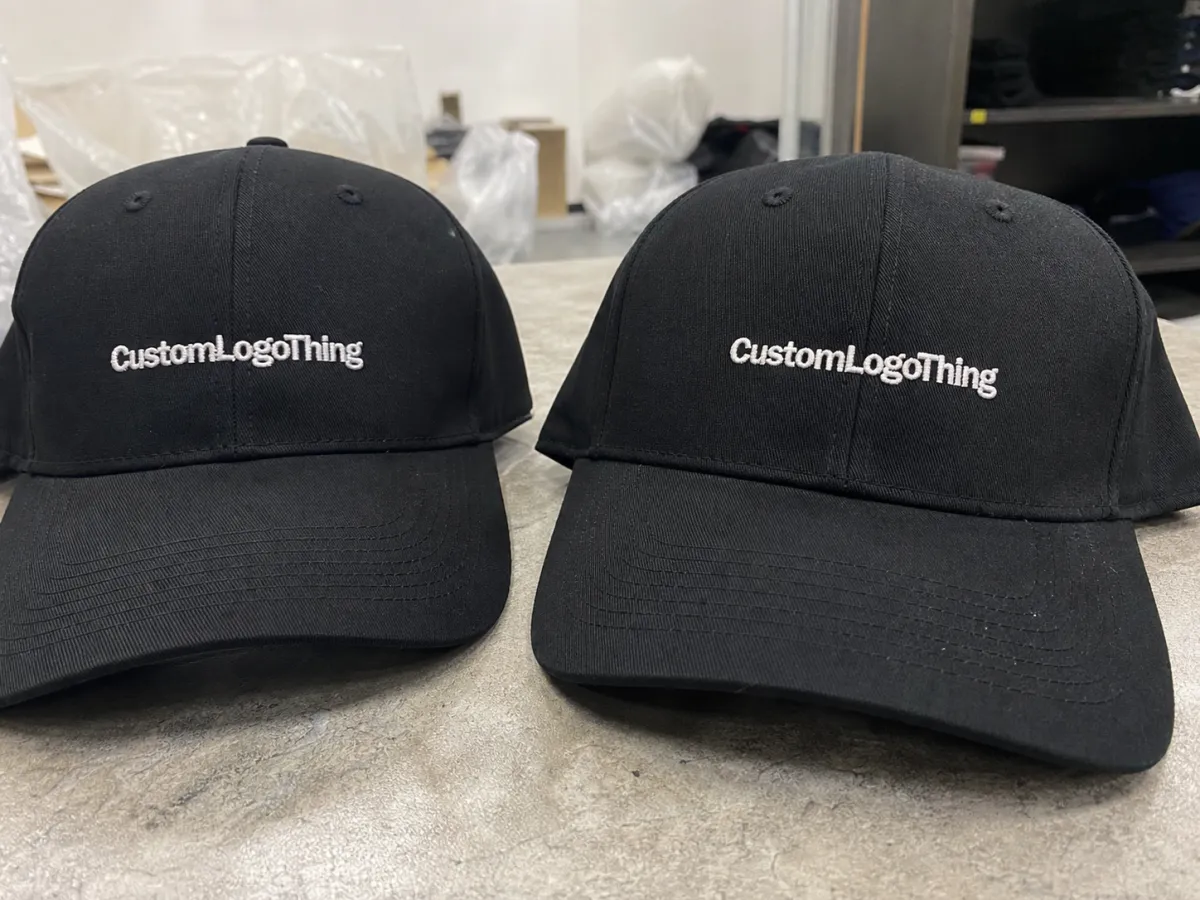
Experienced buyers start with the hat, not the logo. That sounds minor, but it changes the outcome. A bold, centered mark can work well as embroidery or screen print. A sponsor-heavy design with small type, thin lines, or gradients may need a transfer or patch to survive the jump from screen to fabric. The same artwork can feel premium, average, or awkward depending on the method and the blank.
This is familiar to anyone who has handled package branding. A design that looks clean on a flat carton can lose clarity on a curved, folded, or textured surface. Hats behave the same way, except the surface is smaller and the tension points are stronger. The logo is not just being printed or stitched; it is being translated to a three-dimensional object.
Five checks narrow the field fast:
- Will the logo read from 10 feet away?
- Does the art include tiny text or fine lines?
- Is the order 24 pieces or 2,400 pieces?
- Does the look need to feel premium or purely functional?
- How much time is left before the event?
That is why the Custom Event Hats print method comparison matters. It keeps the decision tied to production reality instead of habit. A sports cap, a staff cap, and a sponsor giveaway should not be treated as if they need the same decoration approach. They usually do not.
Broad branding consistency matters too. If the event kit already includes custom printed boxes, mailers, or inserts, the hat should not look like it was sourced from a different visual system. Materials, finish, and placement all shape how the brand is perceived.
How Screen Printing, Embroidery, and Transfers Actually Work
Screen printing pushes ink through a stencil onto the hat front. On the right blank, it delivers sharp color blocks and strong contrast at a good price. It tends to work best on flatter front panels and simple artwork, especially one- or two-color logos. On foam-front truckers, the surface is friendly to printing; on heavily curved or seam-interrupted caps, print placement can become more sensitive.
Embroidery turns the logo into stitched thread. That creates depth, texture, and the finished look many buyers associate with premium event hats. It also has limits. Thin lettering, tiny icons, and gradients do not translate well into thread. Stitch width matters. So does density. A logo that appears crisp at screen size may need simplification before it can be embroidered cleanly on a cap front.
Heat transfers are better for detail. They can hold smaller type, more colors, and tighter line work than embroidery, which makes them useful for artwork with sponsor names or complex graphics. The tradeoff is feel: the finish is flatter and less tactile. That may be exactly what you want for precision, or it may look too smooth for a premium staff piece.
Patches sit between print and stitch. A woven patch can preserve small details more cleanly than direct embroidery. An embroidered patch adds a badge-like look that can make a hat feel more substantial. Sewn or heat-applied patches also help when the cap front has a seam running through the design area, because the patch can become the visual field instead of the cap fabric itself.
The real comparison is not which method is best in general. It is which method is best for this art, on this blank, with this schedule. That question gets better answers and fewer surprises.
What Changes the Best Method: Artwork, Fabric, and Quantity
Artwork complexity is usually the first filter. Bold logos with solid shapes are straightforward. Fine-line logos, gradients, tiny sponsor names, and layered marks are not. As the art gets more intricate, embroidery loses efficiency and detail. Transfers or patches usually preserve more of the original design. Screen printing can still work for simple graphics, but it is not the answer for every logo that looks good on a laptop screen.
Fabric choice matters just as much. Cotton twill, polyester, mesh, foam, and washed cotton all behave differently. Foam fronts are often good for printed designs because they give a flatter visual field. Mesh backs limit decoration area. Structured hats hold shape better, which helps with placement. Unstructured caps sit more casually, but they can distort the front panel slightly and reduce the usable decoration zone. High-crown caps give more vertical room; low-profile styles force the logo to shrink sooner.
Quantity changes the economics. A 24-piece run usually carries a heavier setup burden per unit. At 200 pieces, that same setup cost spreads out. At 1,000 pieces, the unit math can shift enough that embroidery becomes competitive with printed methods, or vice versa, depending on the artwork. A method that feels expensive in a small order can make sense once volume rises.
Brand intention matters too. Some buyers want a retail-style hat that feels worth keeping. Others need a clean giveaway that reads quickly in a crowd. A stitched patch can feel more premium than a flat print. A transfer can preserve more art detail. Screen printing can look efficient and direct. None of those is universally better. They are better at different jobs.
There is also a consistency issue across the full event kit. A strong brand system does not stop at the carton or insert. If the packaging spec uses custom printed boxes, the hat should not introduce a different color temperature, logo size, or finish level. That mismatch is small on a quote sheet and obvious in person.
A practical rule helps. If the logo must be visible from across the room, simplify the art and choose the method that protects legibility. If the hat is part of a premium kit, spend on texture and finish. If the order is price-sensitive and the deadline is tight, choose the method with the fewest revision risks.
Process and Timeline: Proofs, Samples, and Turnaround
Most production flows follow the same pattern: artwork review, quote, mockup, proof approval, production, then shipping. The delays usually show up in predictable places. The logo may need cleanup. The decoration size may need to shrink. The cap style may need to change because the first blank is too curved, too narrow, or too structured for the artwork.
Embroidery adds digitizing time. That converts the artwork into stitch paths and can take a day or two, longer if the logo is detailed or if several size variants are needed. Screen printing involves setup for each color and location. Transfers and patches have their own prep steps, though they may move quickly after artwork is finalized. For simple orders, embroidery often lands around 7-12 business days after proof approval. More complex patch or transfer work often sits closer to 10-15 business days, excluding freight. Rush service exists, but it narrows the room for correction.
Samples and proofs lower risk. A digital mockup can hide a lot. It will not show how a logo sits against a seam line, whether the stitching density crowds the art, or whether a print looks too small once the hat is on a head. A physical sample usually reveals those issues quickly. That matters when the order is tied to a live event and there is no second chance.
Shipping deserves the same discipline as the decoration method. Lightweight goods can still arrive damaged if they are packed badly or stacked too tightly. The packaging industry uses transit-testing standards for a reason. Hats are less fragile than cartons, but the logic is the same: freight handling affects the result. That becomes more relevant if the hats are traveling with other branded materials or custom packaging components.
The planning rule is simple. More colors, more placements, more hat styles, and more approvals all take more time. If the event date is fixed, the safest method is the one that leaves the fewest chances for a late correction.
Cost, Pricing, MOQ, and Unit Cost by Decoration Method
Pricing is where the custom event hats Print Method Comparison gets very concrete. A quote can look high or low depending on the blank, the decoration area, the setup burden, and whether freight is included. Comparing only the final unit number hides too much.
| Method | Typical setup | Small run unit cost | Mid-volume unit cost | Best use case |
|---|---|---|---|---|
| Screen printing | $35-$90 per color/art setup | $4.50-$8.50 | $2.25-$4.00 | Bold logos, simple art, smooth front panels |
| Embroidery | $25-$60 digitizing | $7.00-$14.00 | $4.00-$8.50 | Durable staff hats, textured finish, clean logos |
| Heat transfer | $20-$50 artwork/setup | $5.50-$11.00 | $3.00-$6.50 | Fine detail, more colors, faster art approval |
| Woven or embroidered patch | $50-$120 patch setup | $8.00-$16.00 | $4.50-$9.50 | Badge-like premium finish, retail-style appeal |
Those ranges are typical trade numbers, not guarantees. The blank can move the quote quickly. A basic foam trucker may cost $2-$4 before decoration, while a premium structured cap or garment-washed dad hat can be several dollars higher. Decoration placement changes cost too. Front-only decoration is usually cheaper than front plus side or back. More thread colors, more print colors, and larger coverage areas all add expense.
Minimum order quantity matters more than many buyers expect. A shop may price a small run higher because setup costs do not spread out. A larger run can make embroidery surprisingly competitive, even if the unit price looks high at first glance. The break point depends on artwork complexity, blank type, and how much adjustment the method needs to keep the logo clean.
Comparisons should always use the same blank, same size, same placement, and same shipping assumption. Otherwise the quote is not really a comparison. It is three different jobs with the same logo attached. That is why a low printed quote is not automatically a better value than a higher embroidered one. The cheapest option can still be the most expensive mistake.
For broader campaigns, it helps to keep the budget logic consistent across hats and packaging. If the rollout includes custom printed boxes, mailers, or inserts, line up the finish level and production assumptions early so the full kit feels intentional instead of assembled from separate decisions.
Common Mistakes That Make Hat Quotes Mislead Buyers
The first mistake is approving artwork before confirming the decoration area. A logo that fits a shirt can be too wide or too detailed for a cap front. Hat panels are smaller, curved, and interrupted by seams. That changes the usable space more than most mockups suggest.
The second mistake is ignoring construction. Structured hats hold shape differently than unstructured ones. Foam fronts print differently than twill. Mesh backs restrict decoration placement. If the quote does not account for those differences, the sample and the final run may diverge in ways that are easy to blame on the decoration method but actually stem from the blank.
The third mistake is comparing quotes that do not include the same components. One supplier may quote premium blanks. Another may use standard blanks. One may include a larger patch or a bigger embroidery area. Freight, digitizing, and rush charges can also distort the total. A low unit price with expensive shipping and extra revisions is not the bargain it looks like.
The fourth mistake is choosing by unit price alone. That habit tends to backfire. A cheaper method may flatten the logo, reduce visibility, or produce a finish that disappears under event lighting. If the hat needs to be seen from across a venue, clarity should outrank theoretical savings.
The fifth mistake is skipping samples or delaying approvals until the event calendar is already tight. Rework gets expensive fast once the timeline is locked. If hats are part of a larger branded packaging push, the delay can ripple into inserts, product packaging, and shipping schedules.
Ask for the actual hat style before judging the proof. Crown height, seam placement, and panel shape can change the result more than the decoration spec itself.
That is where many buyers lose money. They compare decoration names, not production realities. The quotes look close. The finished hats do not.
Expert Tips and Next Steps for Smarter Event Hat Orders
Start by narrowing the choice to two methods, not five. Too many options blur the tradeoff. Two methods create a real decision. Then ask for a mockup or sample on the exact blank you plan to order. A generic cap image tells you very little. The actual hat shows scale, placement, and whether the logo needs to be smaller to breathe properly.
Match the method to the use case. Sponsor-heavy event hats often favor transfers because they preserve detail better than embroidery. Premium staff hats often benefit from stitched logos or patches because texture carries more presence. Simple giveaways usually move faster with screen printing. Outdoor promotional wear needs visibility and durability more than decorative complexity.
Request a line-item quote. Blank cost, decoration cost, setup, digitizing or patch fees, and rush charges should be separate. That makes it easier to see where the money goes and whether the quote is built on a premium blank, a premium finish, or simply a higher margin.
Check visibility under the same conditions the hats will face at the event. Distance matters. Motion matters. Lighting matters. A logo that looks balanced on a monitor can disappear in a crowd or under stage lights. A printed proof cannot always show that. A physical sample usually can.
There is a broader branding lesson here. Good presentation is rarely one object doing all the work. It is consistency across materials. The same discipline that keeps custom printed boxes, mailers, and inserts aligned also helps hats feel like part of a single campaign rather than an afterthought.
Use the Custom Event Hats print method comparison to shortlist the method that fits the art, confirm the blank, and review the timeline with fewer assumptions. That is how you get hats that look deliberate, read clearly, and hold up once they are in the crowd.
Which method works best for small logos in a custom event hats print method comparison?
Transfers or patches usually preserve small text and fine details better than direct embroidery. If the logo includes thin lines or tight spacing, ask for a proof at actual size before approving. Readability from a few feet away matters more than how sharp it looks on a screen.
How does order quantity affect pricing in a custom event hats print method comparison?
Small runs usually carry a heavier setup cost per unit. Larger runs spread that setup cost out, so embroidery and screen printing often become more efficient as volume rises. The exact break point depends on the blank, decoration size, and whether the design needs one location or several.
Is embroidery always the most durable option for event hats?
Embroidery is durable, but durability is not the only measure that matters. A transfer or patch can also hold up well if it matches the fabric and application method. If stitching makes the logo unreadable, durability alone does not make it the better choice.
How much lead time do custom event hats usually need?
Simple orders can move quickly, but approvals, digitizing, setup, and freight still take time. A realistic timeline often includes proof review windows and room for one round of changes. Complex artwork or mixed hat styles usually needs more cushion.
Can different decoration methods be mixed in one hat order?
Yes. Many orders combine methods, especially when front, side, and back placements serve different purposes. A front logo may be embroidered while a side sponsor mark uses a transfer. Mixing methods can improve the result if it is planned before quoting and proofing begin.

