Custom Event Hats sample approval checklist decisions have a way of exposing the difference between a product that looks right on a screen and one that behaves correctly on real heads under real event pressure. A cap can pass a mockup review and still miss the mark once it is worn for a full day, packed into a tote, or photographed under harsh venue lighting. That gap is why the sample stage matters so much.
Hats are more sensitive than many buyers expect. A slight change in crown height changes the silhouette. A different brim curve changes how the logo reads. A closure that feels fine for a 30-second try-on can become irritating after several hours. The shape may look simple, but the number of variables is not.
A sample is not just a preview of appearance. It is proof that the factory can repeat the same construction at scale. If the first sample misses on thread tension, patch edge finish, or panel alignment, the full production run will not correct itself later. That is why brand, event, and operations teams should all review the same sample record instead of relying on one person’s quick approval from a laptop.
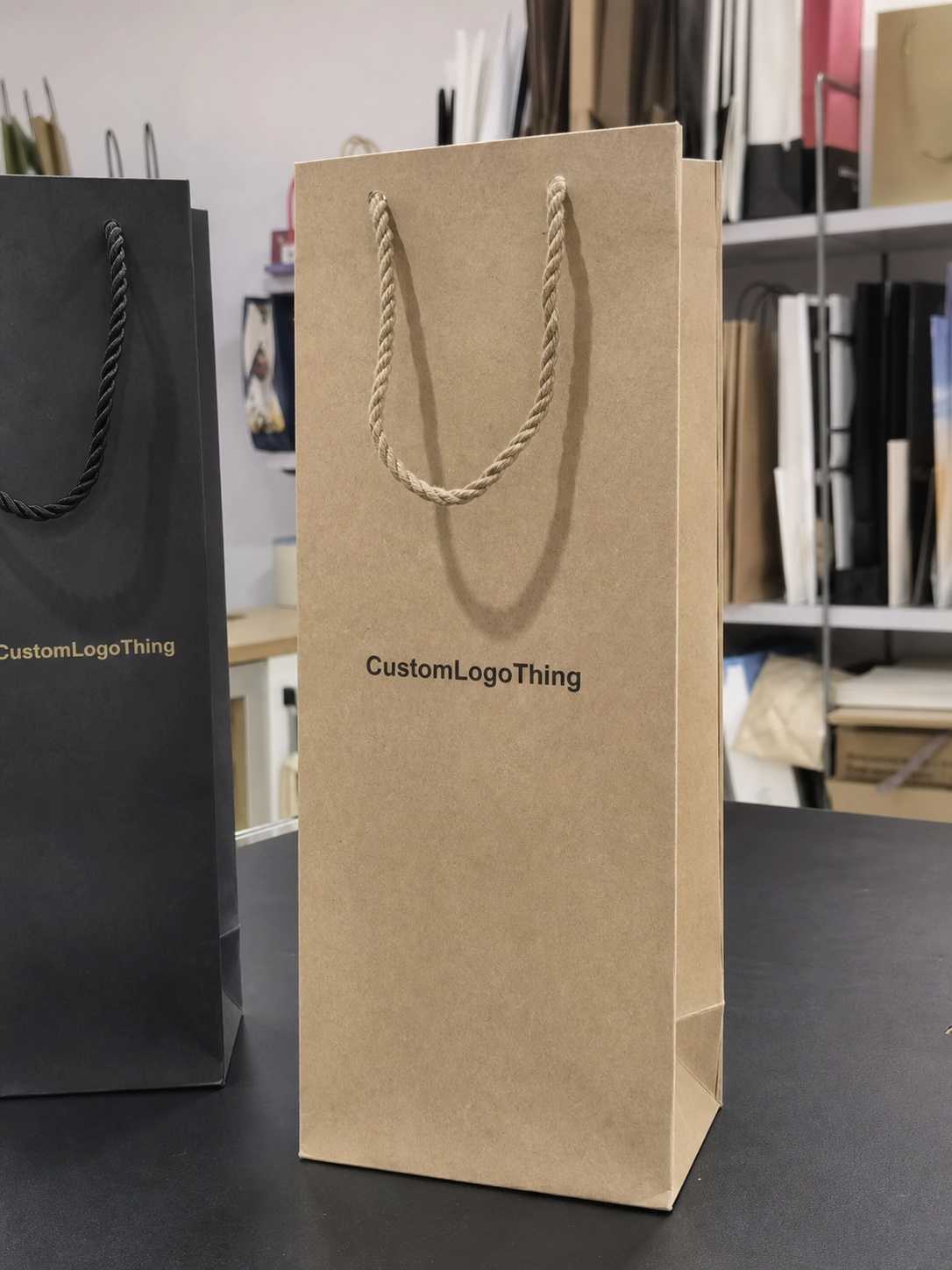
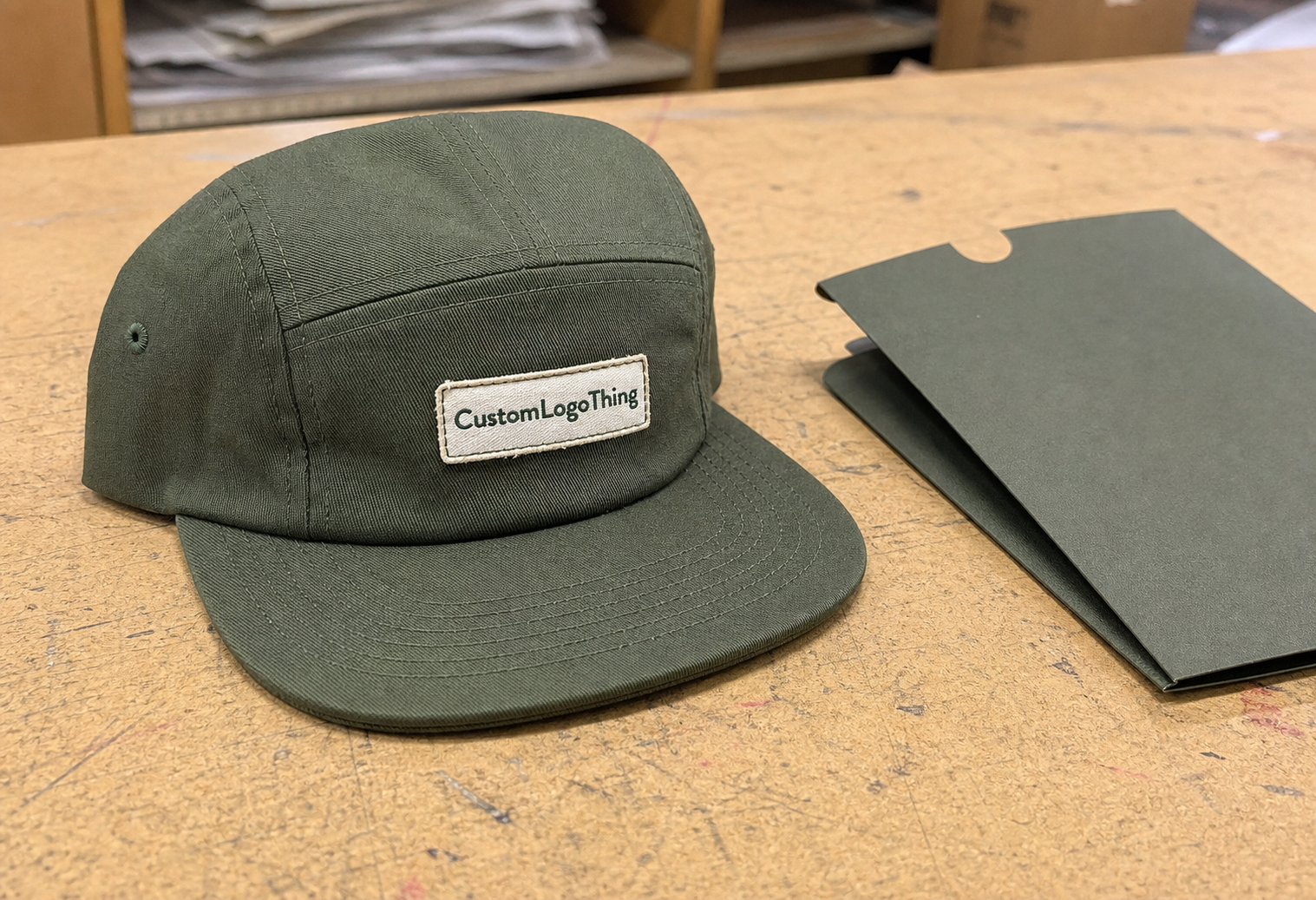
For orders that include packaging, the hat is only one part of the presentation. Insert cards, tissue, cartons, and labeling can change the first physical impression as much as the cap itself. That is especially true for premium giveaways, retail-adjacent events, or sponsorship kits where package branding affects perceived value before the hat is even worn.
Custom Event Hats Sample Approval Checklist: What It Must Catch
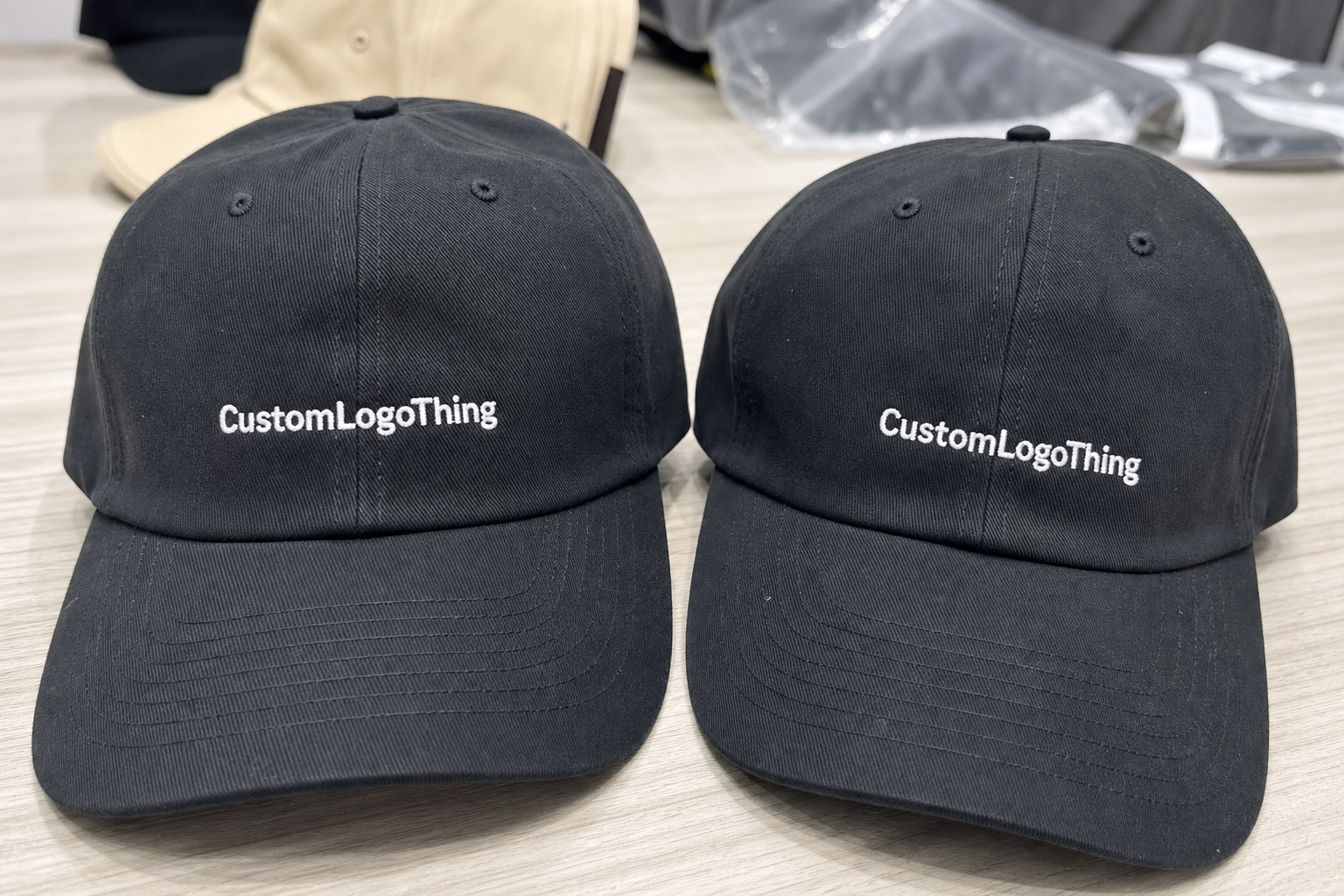
A useful custom event hats Sample Approval Checklist should catch expensive mistakes before they leave the sample room. Fit is the first test, but fit means more than “does it go on?” A low-profile cap sits differently from a mid-profile cap; one can hug the head closely while the other stands taller and looks more athletic or streetwear-driven. Crown depth, panel structure, and bill shape all affect that impression.
Branding accuracy comes next. Logo size can look perfect in an art proof and still feel undersized once the hat is on a person’s head at arm’s length. A patch may shift a few millimeters and throw off the balance of the front panel. Embroidery that is too dense can pucker light fabrics, while embroidery that is too sparse can look thin and underbuilt. The sample has to prove the logo works in the real material, not only on a digital overlay.
Construction details deserve the same scrutiny. Foam front, brushed cotton twill, polyester mesh, rope trim, 5-panel, 6-panel, snapback, buckle closure, hook-and-loop strap: each option changes the way the hat sits, wears, and ships. One supplier’s “standard trucker” may have a noticeably firmer front or a deeper crown than another supplier’s version. That difference is easy to miss in a photo and obvious in person.
Good approval also depends on the right people being involved. Brand protects identity. Marketing checks color and message. Event teams think about audience and timing. Operations looks at carton counts, labeling, and ship dates. If a single person signs off alone, the odds of missing a comfort problem or a pack-out issue go up fast.
“A sample that cannot be repeated is not an approval; it is a guess.”
That is the standard to hold. The physical sample should show that the order can be reproduced with acceptable variation, not just admired once. If the sample package does not match the quote, the spec sheet, and the intended use, the team still has work to do.
Production Process and Timeline for Sample Sign-Off
The cleanest sample path starts with a spec sheet, moves to proofing, then to sample build, physical review, revision if needed, and final sign-off. On paper, that sounds orderly. In practice, artwork often slows things first. A logo may need simplification for embroidery, or a patch border may need cleanup so the edge does not look ragged on a curved panel. A color that reads cleanly on screen may need a different thread code because fabric swatches and digital files rarely match perfectly.
Material substitutions create the next set of delays. A quoted mesh might be backordered. A closure color may not be stocked. A factory may suggest a similar twill with a different hand feel or stiffness. Buyers often focus on the design and forget that material availability drives lead time just as much as decoration does.
Virtual mockups are useful for early alignment, but they are limited. They confirm placement, scale, and overall color blocking. They do not tell you whether the brim is too stiff, whether the front panel collapses too easily, or whether a patch sits flat across a seam. For any feature that affects touch, structure, or dimensional balance, the physical sample is the only reliable check.
Decoration method changes the timeline too. A plain woven label or a single-location embroidery can move faster than mixed decoration, such as embroidery plus patch plus inner label. Each layer introduces its own tolerance. Once multiple decorations share the same front panel, the approval cycle should include enough time for one revision without threatening the event date.
For transit and pack-out, the sample should be treated the way the final order will be handled. If the hats are going to move through multiple hands, cross-dock points, or re-shipping stages, it helps to think beyond appearance and ask how the box will survive handling. Shipping standards used across logistics, such as ISTA, offer a practical reference point. They are not a substitute for supplier quality, but they help buyers think in terms of handling, stacking, and carton durability.
As a practical timeline, most buyers need one to two weeks for sample build, plus shipping, plus internal review. If the order includes embroidery revisions or patch changes, add another three to five business days for a second round. That window can stretch quickly if multiple stakeholders want to comment at different times. The main risk is often not factory speed; it is delayed internal decision-making.
Request the sample as soon as the style direction is stable. Waiting until the event calendar is crowded is how teams lose their buffer. A sample approved too late creates pressure to rush production, and rushed production tends to magnify every small miss.
Sample Costs, Pricing, MOQ, and Quote Questions
Sample pricing looks simple until it is broken into parts. A decorated sample may include a sample fee, setup charge, embroidery or patch cost, shipping, and sometimes remake fees if the first version misses the mark. For a basic custom event hat, sample charges often land around $35-$120, depending on decoration complexity and whether the base style already exists in stock. Rush timing can push that higher.
Minimum order quantity changes the economics in a way buyers sometimes underestimate. A lower sample fee does not guarantee a lower landed cost on the final order. If the MOQ is small, setup costs are spread across fewer pieces, which can keep the unit price high. Larger runs usually reduce the per-unit cost, but they also increase the amount of money tied up in inventory that may or may not be used after the event.
That tradeoff matters most for event programs with a narrow delivery window and limited storage. A 500-piece run may look efficient until the team is left with boxes of extra hats after the campaign. A 2,000-piece run may offer a better unit price but create inventory risk if the guest count shifts or the venue changes. The sample stage is where those assumptions should be tested, not after the order is already in motion.
Buyers should ask direct questions before approving the sample:
- Is the sample fee refundable, credited, or separate from production?
- Does approval lock the fabric, closure, and decoration method shown on the sample?
- Are shipping, revisions, and artwork changes included in the quote?
- What changes trigger a new setup charge?
- What document starts production: written approval, deposit, or final PO?
That last point matters more than many teams realize. Approval does not always mean production starts immediately. Some suppliers need a signed purchase order, a deposit, and a final art release before they cut material or begin embroidery. If the event date is fixed, the buyer should know the exact trigger for production and the exact point at which changes stop being possible.
The table below gives a practical way to compare sample paths and cost exposure.
| Sample path | What it proves | Typical cost | Best use case |
|---|---|---|---|
| Virtual mockup | Artwork layout, color placement, logo scale | $0-$25 | Early internal alignment |
| Blank physical sample | Fit, crown shape, brim feel, closure comfort | $20-$50 | Style screening before decoration |
| Decorated pre-production sample | Final logo placement, stitch quality, patch finish, pack-out | $35-$120 | Final buyer approval before PO release |
Packaging can add real cost as well. A hat shipped in a polybag is cheaper to prepare than one packed in a rigid mailer, tissue wrap, or small branded carton. For premium events, that difference is not cosmetic. It affects perceived value and the first-hand impression of the product. In those cases, packaging design is part of the product decision, not a late-stage extra. Teams building a fuller branded presentation often compare hat specs alongside packaging design options so the whole order feels coherent.
Paying for a better sample is usually cheaper than fixing a full production miss. One incorrect batch can create rework, freight, and event-day embarrassment that costs far more than a few sample rounds.
Specs That Decide Fit, Finish, and Brand Accuracy
The specifications that decide whether a hat feels right are often the ones buyers skim past. Crown height is one. A 4-inch crown and a 5-inch crown can produce very different looks even if the artwork stays identical. Brim shape matters too. Slightly pre-curved, fully curved, and flat bills each change the profile and the attitude of the piece. Panel count also affects visibility: a 5-panel front offers a broad imprint field, while a 6-panel cap splits the front more visibly across seams.
Closure choice deserves more attention than it usually gets. Plastic snapbacks, metal buckles, self-fabric straps, hook-and-loop, and fitted sizes each carry different fit and comfort implications. For mixed audiences, flexible sizing is usually the safer route. For a narrower audience or a more elevated giveaway, a tailored closure may be worth the added complexity and cost.
Fit should never be tested on one person only. A sample needs to go on at least two or three people with different head shapes, hair volume, and comfort preferences. Otherwise, the team may approve a cap that looks clean on one tester and feels tight or shallow on everyone else. That issue shows up often with structured crowns and foam fronts, where the silhouette can look sharp but the wear experience is less forgiving.
Decoration review should include more than image matching. Check the following:
- Logo placement centered, intentionally offset, or aligned to a seam as planned
- Stitch density solid enough to read without causing puckering
- Patch edge quality trimmed cleanly with no lifting corners
- Color contrast strong enough under indoor and outdoor lighting
- Thread sheen consistent with the tone of the brand
Finish details matter over a long event day. The sweatband should feel smooth, not abrasive. Internal seam tape should not scratch the forehead. The visor should hold shape in transit. Labels should sit where they were intended, especially if the hat is being packed in a premium presentation format. Small flaws in finish often do more damage to the perceived quality than an obvious design choice.
For orders using paperboard inserts, belly bands, or gift boxes, ask whether the stock can be FSC-certified where appropriate. The FSC system is useful when buyers want traceable paper sourcing without overcomplicating the order. That may not matter on every promo cap, but it becomes more relevant in premium kits where the hat sits alongside other printed materials.
Set acceptable tolerance before approval. A two-millimeter shift in patch placement may be acceptable. A closure material change may not be. If tolerances are never defined, the supplier is forced to infer what matters most, and that is how small disagreements turn into expensive disputes later.
Step-by-Step Approval Workflow From First Proof to PO
The safest workflow is predictable. Start with a clean spec sheet that names the style, size, material, decoration method, color reference, quantity, and pack-out requirement. If the order uses a woven label, embroidered front, patch, or mixed embellishment, spell out each layer. The more exact the spec, the less room there is for interpretation drift.
- Review the proof and confirm artwork, placement, and color callouts.
- Compare the physical sample against the proof in natural light and, if relevant, under event lighting.
- Mark every mismatch with photos, notes, and a clear yes/no decision on whether it blocks approval.
- Separate cosmetics from blockers so the supplier knows what must be fixed before release.
- Ask for a revised sample if the change affects size, placement, structure, or timing.
- Issue dated approval only after the final version matches the quote and the spec sheet.
That workflow is especially useful when pack-out or printed inserts are part of the order. Once packaging enters the scope, the approval checklist expands. The team is no longer just checking the cap; it is also checking carton counts, label placement, tissue wrap, and whether the presentation fits the delivery plan. Product packaging and the hat order become one job, not two.
A second review is worth the time whenever a change affects size, decoration placement, packaging, or shipping. The first reviewer catches obvious errors. The second reviewer catches the awkward middle ground: technically acceptable, but not actually what the team intended. In production, that extra pass often saves days.
End the process with a dated approval record that ties the sample, the quote, and the purchase order together. Include the supplier response, the final spec sheet, and any tolerance notes. If questions come up later, one source of truth is far better than a stack of emails and a photo taken on a phone.
“Approval should reduce ambiguity, not create it.”
If the process stays clean, the decision record should answer four questions: what was approved, what changed, who approved it, and when production may begin. That is the practical center of a Custom Event Hats sample approval checklist.
Common Approval Mistakes That Lead to Reworks
The first mistake is approving from photos only. Photos catch gross mistakes, but they hide texture, stiffness, and proportion. A cap can look balanced in a JPEG and still sit awkwardly in person. The next mistake is relying on one fit model. Head shapes vary, and event audiences are broader than most sample rooms.
Material substitution is another common miss. The quoted mesh may be swapped, the foam density may change, or the patch backing may differ from the spec. These changes are often invisible until someone handles the sample. If the approval process does not compare the actual materials, the team is approving an approximation instead of the finished item.
Verbal edits create avoidable risk. “Make the logo a little larger” sounds harmless until no one can remember the exact size the supplier agreed to. Written notes, annotated images, and version control prevent that kind of drift. They also help when several stakeholders review the sample at different times and need to understand what changed between versions.
Fast-turn orders bring their own pressure. Teams want to approve quickly so the production slot stays open. That pressure is understandable, but it is also where mistakes start. A hat that ships late is bad. A hat that ships on time but misses the brand spec can be worse because there is no time left to correct it.
- Approving too early before the sample has been worn, handled, and photographed
- Ignoring packaging even when presentation affects the event experience
- Missing closure changes that alter fit and comfort
- Skipping a written trail that proves what was approved
If the order is part of a broader retail packaging or branded packaging program, the stakes go up again. The hat may be a giveaway, but the unboxing still shapes perception. Buyers often ask for the same level of exactness they would expect from custom printed boxes: exact artwork, exact insert, exact count, exact color, no guesswork. That discipline is what keeps the project from drifting once production begins.
Next Steps Before You Green-Light the Hat Order
Before approval, gather a one-page packet that includes the sample photos, annotated corrections, the quote, and the final spec sheet. Keep it short enough that people will actually read it. Dense files get skimmed, and skimmed files create memory-based approvals, which are fragile.
Ask the supplier for a clear production start trigger. Does work begin after written approval, after deposit, or after final art lock? Do not assume. A good supplier should state exactly which event starts the clock and what remains changeable after that point. If a revision window exists, document it in writing.
Assign one final approver inside your team. Too many approvers create drift. One person should collect comments, reconcile the tradeoffs, and sign the final packet. That does not remove collaboration; it keeps collaboration from turning into indecision.
Archive the approved sample against the PO so the exact version is easy to find later. A digital folder helps, but a physical sample tag or internal reference number is better when questions come up after production starts. If the order is complex, keep the approved hat, swatch, and packaging notes together. It saves time every time someone asks, “Which version did we approve?”
Used properly, the Custom Event Hats sample approval checklist is not paperwork for its own sake. It is the final gate that protects fit, finish, schedule, and budget while keeping the order aligned with the version everyone thought they were buying.
What should be on a custom event hats sample approval checklist?
Include fit, crown shape, brim shape, closure type, decoration placement, color match, and packaging details. Add fields for photos, notes, revision requests, date, and the final sign-off owner so the record stays complete and easy to audit later.
How long does the sample approval process usually take for event hats?
Timing depends on whether the supplier is building a new sample or revising an existing style, plus transit time. Plan extra time for embroidery, patch approval, and any material changes that require a second sample cycle before the PO is released.
Can I approve custom event hats from photos alone?
Photos are useful for spotting obvious problems, but they cannot confirm fit, stiffness, texture, or comfort on real heads. Use photos as a pre-screen, then make final approval from the physical sample whenever possible.
How do sample fees affect the final price quote?
Ask whether the sample fee is refundable, credited back, or separate from the production order. Also check whether shipping, revisions, and setup charges are already included so the quote reflects the true landed cost.
What happens if the approved sample does not match production?
A written approval packet gives you the reference point to document the mismatch and push for correction. The best prevention is to lock materials, artwork placement, and tolerances before production starts, then keep the approved version on file.