A repeat hat order should feel simple, but it often slips because one small spec changed between the first job and the reorder. This Custom Event Hats reorder planning guide keeps the conversation on the details that actually move price, fit, and delivery, so a buyer can avoid the usual back-and-forth that eats up time.
In practice, repeat orders drift because people remember the logo but forget the cap body, the closure, the stitch count, and the shipment constraints. A clean reorder starts with the old job number, the approved sample, and the exact delivery target, not with a fresh guess about what was used last time.
Custom event hats reorder planning guide: why reorders drift
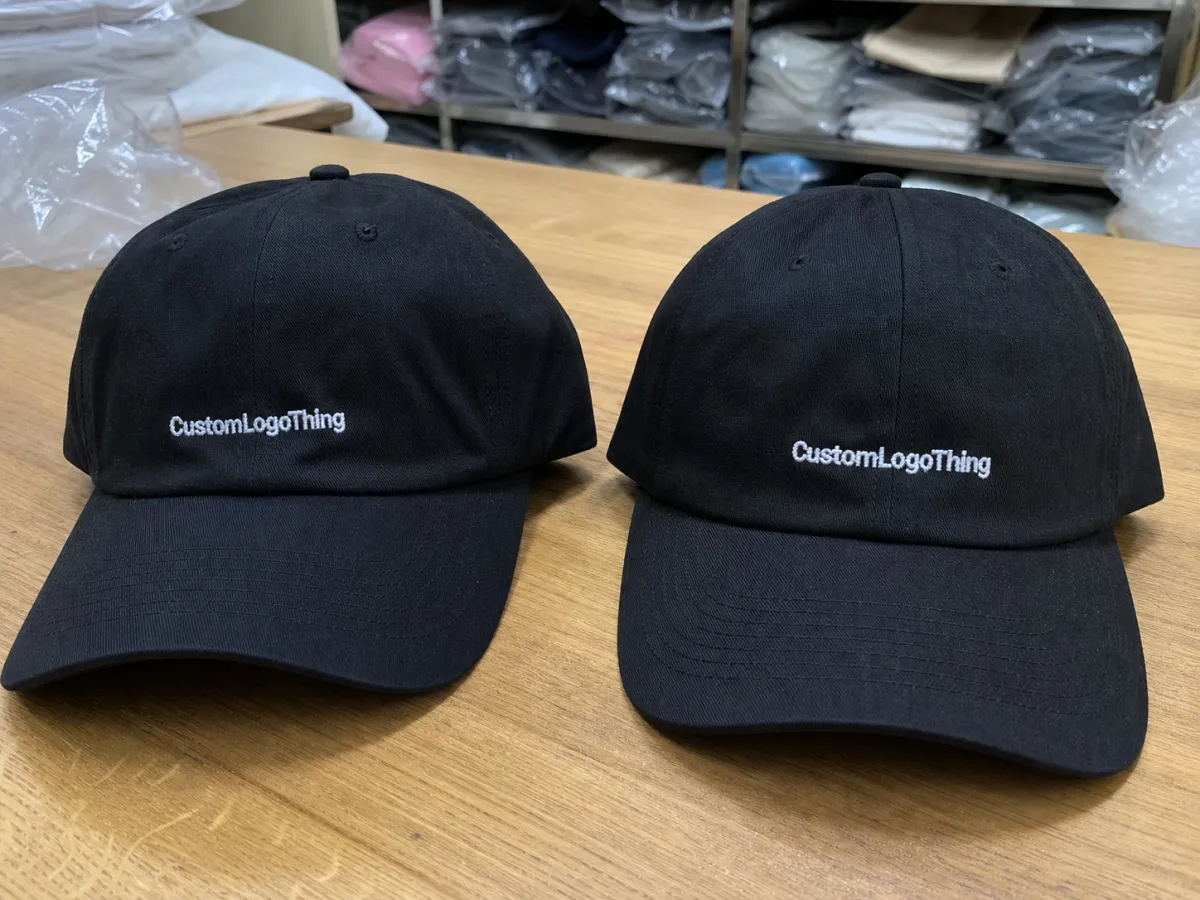
The fastest way to lose control of a repeat run is to treat it like a brand-new project. A Custom Event Hats reorder planning guide works best as a specs check, because the cap blank, decoration file, and packing details usually drift before anyone notices the logo has stayed the same.
Small changes matter. A stitch count that moved from 6,500 to 8,200 can change thread density and production time. A structured six-panel cap does not wear like an unstructured five-panel cap. A flat brim and a lightly curved brim create a different profile on the head, and a hook-and-loop closure will not fit or feel the same as a metal buckle or snapback.
Repeat orders also reveal hidden supply changes. A blank color can be discontinued, a dye lot can shift slightly warmer or cooler, and a decoration file can be updated by a designer who was not involved in the first run. That is why the old sample, the approved proof, and the original invoice are more useful than memory.
From a packaging buyer’s point of view, the job number is the anchor. It tells the supplier which decoration method was approved, how the hat was packed, and whether the order was shipped bulk, polybagged, or case packed. That record matters just as much as the logo artwork when the goal is to place a true repeat.
If the old record is incomplete, ask for the last production photo, the art file version, and the delivery notes before anything is quoted. A few minutes of checking can prevent a remake, a rush fee, or a product that looks close but not quite right.
Match the original cap spec before you approve anything
The original hat spec is the cleanest standard to work from, and a Custom Event Hats reorder planning guide should treat it like a blueprint. Start with the style code, panel count, fabric, closure, sweatband, and decoration placement. If any of those move, the reorder stops being a straight repeat.
- Cap style: trucker, dad cap, five-panel, six-panel, performance cap, or beanie-style knit headwear.
- Crown profile: low-profile, mid-profile, structured, or unstructured.
- Brim shape: flat, pre-curved, or lightly curved.
- Closure: snapback, self-fabric strap, hook-and-loop, buckle, or fitted sizing.
- Decoration zone: center front, left side, back arch, patch panel, or mixed placement.
Structured and unstructured caps can look similar in a thumbnail, but they wear differently and hold decoration differently. A structured front panel keeps embroidery or a patch sitting upright. A softer, unstructured crown collapses more naturally, which can be desirable for a casual look but less forgiving if the logo needs a crisp, centered presentation.
It helps to compare the old sample against the current spec sheet side by side. That is where buyers catch the little details that get missed in email, such as a slightly deeper crown, a darker navy, or a seam placement that shifts the logo half an inch off center. Those differences may sound minor, yet they are the things people notice first when the hats arrive.
Audience fit also matters. Youth sizing, one-size-fits-most runs, and extended sizing affect inventory planning, especially if the reorder is meant to support a future event, a staff uniform refresh, or a merch restock. If the first order sold through quickly, a buyer should confirm whether the next run needs a larger spread of sizes or a better top-end quantity in the most popular color.
For buyers who also manage broader merchandise programs, the same discipline applies across Custom Packaging Products and other branded packaging pieces. A clean spec sheet makes the whole order history easier to repeat, whether the item is a cap, a carton insert, or a retail-ready sleeve.
Cost, pricing, and MOQ choices on repeat hat orders
Pricing on repeat orders is usually friendlier than pricing on a first run, but only if the spec stays stable. A good custom event hats reorder planning guide breaks the cost into pieces buyers can actually control: the blank cap, the decoration method, digitizing or setup, packaging, and freight.
For an exact repeat on an in-stock style, a buyer might see blank cap pricing around $2.25-$6.00 per unit depending on fabric, panel count, and closure. Embroidery setup may be a one-time $35-$75 digitizing charge if the file still needs cleanup. Patch styles and print methods can add more, but they sometimes reduce stitch time or improve small detail reproduction, which is useful for fine text or thin lines.
| Reorder option | Typical unit impact | Best fit | Watch-out |
|---|---|---|---|
| Exact repeat with approved art | Lowest setup cost and the smoothest pricing | Replenishment runs and event restocks | Only works well if the blank is still available |
| Repeat with new blank color | Often +$0.25-$0.75 per unit, sometimes more | Color refresh or seasonally updated merch | Dye-lot shift and MOQ changes can slow approval |
| Repeat with embroidery tweak | Usually a one-time $35-$90 file or revision charge | Minor logo cleanup or placement adjustment | Stitch count may rise and affect production time |
| Repeat with patch or print change | Higher setup, but better detail on some logos | Small text, gradients, or more graphic artwork | Proofing takes longer and samples may be needed |
MOQ matters because a smaller replenishment order spreads setup across fewer hats. A 48-piece reorder can cost more per unit than a 144-piece restock even when the art stays the same. That is not a penalty; it is simply how labor, setup, and packing overhead get distributed.
Split runs can also push up the landed cost. If a buyer wants two colors, three sizes, or two decoration placements in one order, handling becomes less efficient and the per-unit price usually rises. The supplier has to stage, sort, and pack more carefully, which is a real production cost whether the order is 60 pieces or 600.
Ask for a quote that separates the cap, decoration, and freight. That way the buyer can compare a true reorder against a new colorway or a different decoration method without mixing the numbers together. The same approach works well in branded packaging and retail packaging buying, where the line item breakdown often reveals the best savings.
For larger programs, the right supplier can also help a buyer think through Wholesale Programs when the order needs to scale beyond a simple one-off restock. That is especially useful when the hats are part of a broader package branding or merch rollout.
Process and turnaround steps that keep reorders moving
A repeat order moves fastest when everyone knows the sequence. A strong custom event hats reorder planning guide follows a simple path: request history, confirm spec, approve pricing, review proof, then release production. Shortcuts usually create delays later.
The approvals that most often slow the job are easy to spot. A new logo position means a fresh proof. A changed Pantone target can require thread or print matching. A new ship-to address triggers a logistics check. Even a small note like “pack these separately” can affect carton planning and case counts.
Lead time should be judged on more than decoration alone. Stock availability, queue position, packing method, and transit method all matter. An exact repeat on an in-stock style may ship in 12-15 business days after proof approval. If the blank is backordered or a patch style needs a new run, 15-25 business days is more realistic, and that still assumes no major artwork changes.
Freight can be the hidden delay. A buyer who waits too long may be forced into rush shipping just to protect the event date, and rush freight is expensive enough to erase a good unit price. Build the schedule backward from the in-hand date, not from the day the quote arrives.
If the order has any spec change at all, add buffer time. A new closure, a different blank supplier, or a revised logo size can add enough review time to matter. Buyers sometimes assume the old turnaround still applies, but that only works when the production path is genuinely unchanged.
It also helps to verify the packing and shipping plan at the same time you verify the product. If the hats are part of a kit, or if they ship with inserts and cartons, keep the process notes aligned with the rest of your packaging design system. For teams that want a broader operations reference, the FAQ page is a practical place to track recurring order questions.
Artwork, color, and branding checks that prevent batch mismatch
Repeat hats can still miss the mark if the artwork drifts. A reliable custom event hats reorder planning guide checks the file format, the color target, and the placement notes before production starts. A logo that was clean in the first run can look off if it is redrawn, resized, or exported from a lower-resolution file.
Vector art is still the safest starting point for embroidery and patch work. If the logo is printed, a 300 dpi file at full size is the minimum most buyers should expect. Thread color should be confirmed against a current physical sample or a detailed color chart, not just a memory of what the cap looked like at a trade show under bright lights.
“A quarter inch on a cap is not a small thing. On headwear, placement changes the whole feel of the product.”
That line is especially true with centered embroidery and front patches. A logo that sits slightly higher can make the crown look shorter. A patch that shifts left by a few millimeters can feel out of balance once the cap is on a real head. On repeat orders, placement notes should include the exact distance from the brim, seam, or centerline whenever possible.
Color control also needs a practical eye. A navy cap that shifts toward black or a charcoal that looks cooler than the first run can affect how the logo reads. If the new order uses a different fabric lot, ask for a sample, a photo proof, or a side-by-side comparison before release. That is standard caution, not fussiness.
Warehouse inspection matters after the order arrives. A simple incoming check should confirm logo placement, count, color, closure type, and packaging count before the hats leave receiving. If the caps are stored with other product packaging or branded packaging materials, keeping the carton labels and case counts consistent helps the whole operation stay organized.
For companies that tie merch presentation to packaging design, consistency matters from carton to cap. Even when the hat itself is the hero item, clean outer packaging supports the same trust signal buyers expect from custom printed boxes or other product packaging pieces.
Decoration methods and hat styles that repeat cleanly
Not every decoration method behaves the same on a reorder. A strong custom event hats reorder planning guide compares methods by repeatability, durability, and visual consistency, not just by the first quoted price.
Embroidery is usually the most familiar choice. It holds up well, looks finished on structured front panels, and repeats consistently when the digitized file is good. Woven patches are useful when the logo has fine detail that would get lost in stitching. Printed patches work for graphics, gradients, or small text. Heat-applied options can be fast and cost-effective, but they depend more heavily on fabric type and application control.
Some cap styles repeat better than others. Structured six-panel hats and trucker caps with firm front panels are easier to keep visually consistent because the decoration sits on a stable surface. Softer unstructured crowns can look great, but they require tighter control because the logo follows a less rigid shape. That means more care at proof stage and more attention at inspection stage.
- Best repeat consistency: structured six-panel caps with center-front embroidery or a patch.
- Best for fine detail: woven patches or printed patches on a stable front panel.
- Best for quick replenishment: simple embroidery on an in-stock blank with no artwork changes.
- Best for casual retail feel: unstructured caps, provided the logo placement is tightly controlled.
Packaging affects the reorder, too. Bulk pack is usually simpler for event distribution, but retail-ready packing may be better if the hats are being sold, stored, or shipped alongside merch kits. When the cartons are labeled clearly and the case count is fixed, receiving and resale are far easier to manage.
That is where an understanding of ISTA transit-thinking helps. Hats are lighter than most packaged goods, but they still benefit from carton planning that protects shape, prevents crushing, and keeps the order easy to count. A cap that arrives cleanly packed is easier to issue, display, and sell.
Vendor signals that matter more than a low quote
A low quote is not much help if the order gets delayed by missing specs or vague answers. A buyer using a custom event hats reorder planning guide should pay close attention to how the supplier handles the record, the proof, and the stock update.
The best signs are practical. The supplier can pull the original job quickly. The proof arrives with clear notes on logo size, placement, and color. The stock answer is direct, not vague. If the blank has been discontinued or the dye lot has changed, that gets said early, before anyone approves a price and assumes the order is safe.
The cheapest line item can turn expensive when the landed cost is added up. Freight, remake risk, extra proofing, and the time spent chasing answers all belong in the real cost. Buyers who value clean approvals usually save more than buyers who chase the lowest front-end number.
“The cleanest reorder is the one that starts from the original record, not from memory.”
That is also a trust issue. A supplier who keeps accurate records and responds with specifics is easier to work with across seasons, across locations, and across different product packaging needs. If your team buys hats and also manages branded packaging or retail packaging, that same order discipline makes the whole program easier to run.
For teams that want a partner with repeat-order habits, the value is not just in one cap run. It is in fewer surprises, clearer approvals, and less time spent fixing avoidable production errors. That is the kind of support buyers should expect whether they are ordering event merchandise, custom printed boxes, or a larger package branding rollout.
Next steps for a clean reorder and on-time delivery
Before requesting the next quote, gather the original invoice, approved artwork, cap style, color, and quantity history. That small prep step gives the supplier a clean starting point and makes the custom event hats reorder planning guide useful in real buying work, not just in theory.
Then decide whether the new order is an exact repeat, a size or color change, or a revised decoration run. Those are not the same job, and production should not be planned as if they are. If the logo, blank, or closure changed, the quote should reflect that change clearly.
- Set the in-hand date: work backward from the event, not forward from the quote.
- Confirm the stock status: verify the blank style before approving pricing.
- Review the proof: check placement, color, and spelling against the first order.
- Check the packing plan: bulk pack, retail-ready pack, or case-packed delivery all affect receiving.
- Approve with buffer: give enough time for production, packing, and transit without rush freight.
That simple rhythm keeps repeat orders predictable. It also makes budget planning cleaner, because the buyer can compare unit cost, freight, and lead time without guessing at hidden changes. For most teams, that is the real value of a custom event hats reorder planning guide: fewer surprises, cleaner approvals, and a reorder that lands on time with the same look the first run earned.
How do I plan a repeat order of custom event hats without delays?
Start with the original job number, approved artwork, and exact hat spec. Confirm whether the blank style is still available before you approve pricing, then build the schedule backward from your event date so proofing and freight fit comfortably.
What details should I verify before placing a hat reorder?
Check crown style, brim shape, closure, color, and decoration method. Compare the current proof to the original sample or production photo, and confirm quantity splits, shipping address, and any packaging needs before production begins.
Why is the unit cost different on a smaller reorder?
Smaller runs spread setup, digitizing, and handling across fewer hats, so the unit price rises. A changed blank or decoration method can add more cost, and freight or rush scheduling can also change the final landed cost.
How much lead time should I allow for a custom hat reorder?
Allow enough time for proof approval, stock confirmation, production, and transit. Add extra buffer if the order needs a new color, patch, or closure, because rush shipping should support the schedule, not replace it.
Can I change the logo or hat color on a reorder?
Yes, but treat it like a revised order because the proof and pricing may change. Logo edits can affect stitch count, patch size, or print setup, and color changes should be checked against available stock and dye-lot consistency.

