The blank cap is rarely the full story. On a quote sheet, the shell may look cheap enough, then setup, decoration, packing, and freight start piling on. That is why a custom event hats Unit Cost Breakdown matters before anyone signs off on a bulk order. Festival merch, sponsor gifts, crew uniforms, and promo giveaways all behave differently once production starts, and the landed cost can move fast.
Buyers usually discover the mismatch the hard way. One supplier prices a decorated sample, another shows a bare hat and adds the rest later, and the lower number turns into the higher invoice. For headwear, unit cost is not just a product price. It is a production budget spread across materials, labor, and the final way the order is packed for delivery.
Why event hats cost more than the blank cap suggests
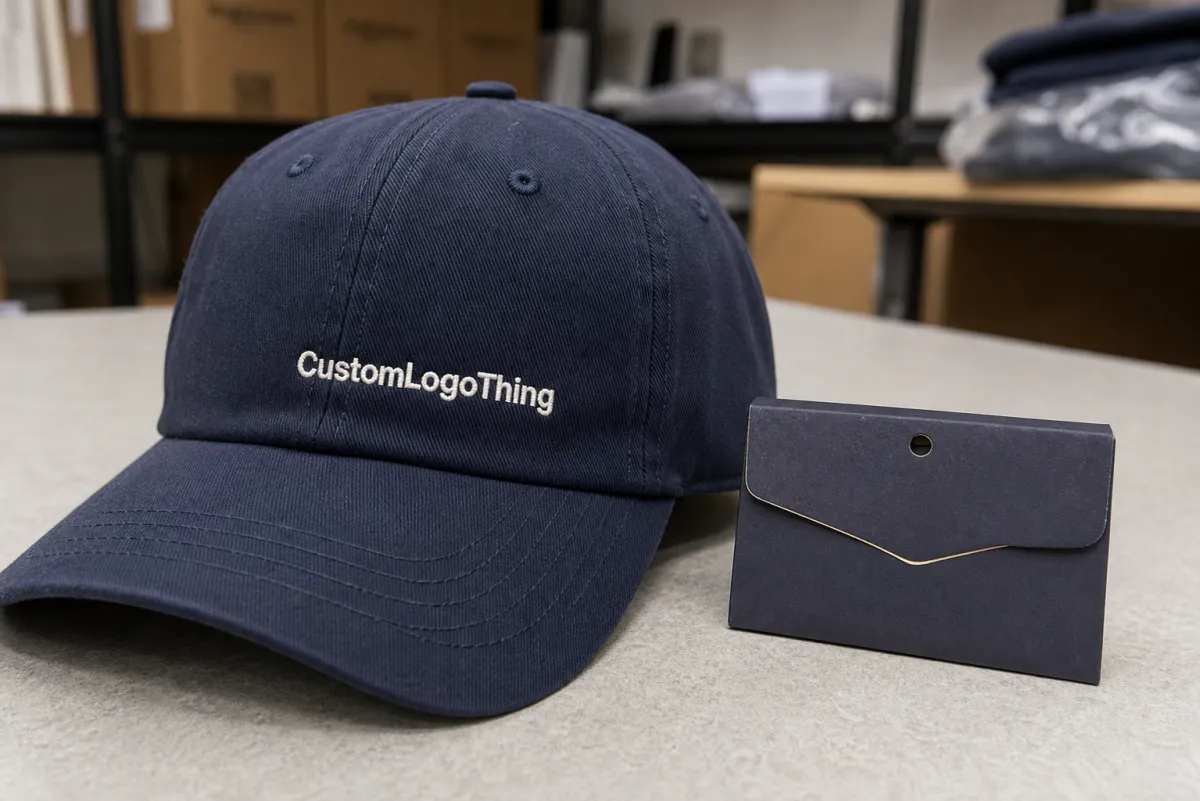
A plain hat can look inexpensive because the base shell is only one piece of the job. The shell is real, but it is not the whole bill. Digitizing, machine time, thread changes, patch application, trimming, QC, and pack-out can easily outweigh the blank cap itself, especially on smaller runs. Two quotes can look similar on paper and still produce very different final costs once those details are included.
For event use, most buyers want a clean, readable logo rather than high-fashion detailing. That usually means the right question is not “What is the cheapest cap?” but “What is the lowest total cost for this logo, on this hat style, at this quantity?” The answer changes if the order needs polybags, inserts, size sorting, or carton labels for distribution at a booth or sponsor desk.
Comparing a decorated hat from one supplier with a blank cap plus decoration from another is a false comparison. The price models are different. If the quote does not show the full scope, the unit cost is incomplete and the decision is built on guesswork.
If a quote only shows one unit price, you are not comparing suppliers. You are comparing assumptions.
For orders that also include packaging or event kits, pairing hats with Custom Packaging Products can reduce last-minute sorting problems. That matters when the hats are traveling with inserts, retail boxes, or sponsor materials and need to arrive ready to hand out.
Hat styles, materials, and decoration choices that move the price
Style drives cost more than many buyers expect. A 5-panel cap is usually simpler than a structured snapback. A trucker cap with mesh back panels has different sewing and assembly steps than a soft dad cap. Bucket hats add another layer of labor because the panel shape and stitch runs change. Fewer parts can mean less labor, but not always less setup.
Material changes the math too. Cotton twill, brushed canvas, polyester blends, and foam-front truckers do not cost the same to source or decorate. A firm front panel helps embroidery sit cleaner. Mesh backs can lower material cost, yet they do not always reduce labor if the logo placement needs extra handling. Closures matter as well. Snapback, Velcro, buckle, and fitted styles each affect sourcing and assembly.
Decoration is usually where the price spread becomes obvious. Flat embroidery is often the most practical choice for clean logos and mid-size quantities. Woven patches sharpen detail. PVC and silicone patches usually cost more because the artwork, tooling, and curing steps are more involved. Heat transfer can work for certain graphics, but it is not the right answer for every event hat. If the art is complex or the run is small, expect the premium options to raise the per-unit cost.
Small details add up. Extra thread colors slow machine changes. Side or back placements add handling. Metallic thread, merrowed patch edges, and puff embroidery all increase labor time. None of that is mysterious. It is simply production time, and production time has a price.
- Lower-cost setup: unstructured dad caps, one-color embroidery, standard closure.
- Middle ground: trucker caps, two- to three-color embroidery, woven patch.
- Higher-cost look: structured snapbacks, PVC patch, specialty thread, multi-panel placement.
The same logic applies across branded goods. Artwork complexity, material choice, and finishing steps decide the real number, whether the item is a hat or part of a larger packaging program.
Custom event hats unit cost breakdown: blank, decoration, setup, and packing
A reliable custom event hats Unit Cost Breakdown usually includes five things: the blank hat, decoration labor, artwork setup or digitizing, packing, and freight. Some quotes also include sampling, carton labels, individual polybags, hang tags, or sort-by-size handling. Those charges are not side notes. They change the landed cost in ways that can be hard to recover from after the order is approved.
Below is a simple example for a one-color embroidered trucker cap. The numbers are illustrative, but they line up with the way standard event quantities are often priced.
| Order size | Blank hat | Decoration | Setup allocation | Packing | Estimated unit cost |
|---|---|---|---|---|---|
| 50 pcs | $1.60-$2.40 | $1.25-$2.10 | $0.60-$1.20 | $0.20-$0.45 | $3.65-$6.15 |
| 250 pcs | $1.45-$2.10 | $0.75-$1.35 | $0.15-$0.35 | $0.15-$0.30 | $2.50-$4.10 |
| 1,000 pcs | $1.20-$1.85 | $0.55-$1.05 | $0.05-$0.12 | $0.10-$0.22 | $1.90-$3.24 |
The pattern is predictable. Fixed fees hurt small runs. Once digitizing, proof work, and machine setup are spread across more hats, the unit cost drops. That is why a 50-piece order can feel expensive while a 500-piece order looks reasonable even though the total invoice is larger.
Also check what is not included. Freight can swing based on carton count, destination, and whether the goods move by air or ground. Polybags add cents that matter. A second proof round can delay the schedule and create extra charges if the artwork changes after approval. If the quote does not spell those items out, the number is unfinished.
For buyers who need retail packaging or shipping cartons for event kits, request the hat quote next to the other packaging items. It is easier to see where the budget is leaking when everything is priced in the same structure.
MOQ and tiered pricing: where the per-unit cost drops
MOQ drives more pricing drama than almost anything else. A buyer may only need 75 hats for a one-day event. A factory still has to cover setup, run time, and sourcing. Those two realities do not always line up, and the result is higher per-unit pricing for lower quantities, even when the product itself is straightforward.
Pricing usually improves at breakpoints like 50, 100, 250, and 500 units. The curve is not perfectly even. Sometimes the jump from 100 to 250 produces a real drop. Sometimes it barely moves because the decoration method carries more labor than the blank cap itself. Mixed colors or mixed logo placements can change MOQ rules too, and that single detail can shift the quote faster than a buyer expects.
The tradeoff is simple. Keep MOQ low and the unit cost stays high. Order deeper and the price per hat falls enough to justify extra inventory. That makes sense for recurring events, staff programs, or sponsor campaigns. It is a waste if the hats will sit in storage for a year.
Ask for tiered pricing on the same quote. A single quantity only tells part of the story. Seeing the next break point helps determine whether the extra units are worth the savings.
Production steps and turnaround: from proof to delivery
The workflow should be orderly. Artwork review, mockup approval, sampling if needed, production, QC, packing, and shipping. If a vendor cannot explain that sequence clearly, the process underneath is probably more chaotic than the quote suggests.
Most delays happen before production starts. Incomplete artwork files. Logos that need cleanup. A placement change from front center to side panel after approval. Extra colors added late. Those changes may look minor, but they often trigger new proof work or a production pause. That is how a 12-15 business day order turns into a late shipment.
For simple event hats, a practical turnaround is often 10-18 business days after proof approval. Rush production is possible on some styles, although the price usually rises because scheduling gets compressed and labor efficiency drops. There is no shortcut around that. More urgency means less room for the line to run at normal speed.
If the hats need to land before a staffed booth, media launch, or sponsor handoff, build in a buffer. It is far easier to deliver early than to explain why the cartons are still in transit while the event has already started. If freight sensitivity matters, ask whether cartons are tested under ISTA testing standards and whether shipping materials use FSC-certified materials if that fits your packaging policy.
What to compare in a quote before you approve the order
Do not compare quotes by headline unit price alone. That is how buyers get trapped by incomplete estimates. Two numbers can look close until freight, setup, packaging, or proofing gets added. Then one lands far higher and the budget is already committed.
Ask for the line items. Decoration method. Setup fees. Packaging. Freight terms. Proof count. Replacement policy for defects. If the supplier leaves out a second proof round or a charge for extra panels, the quote is not really complete. That is not cynicism. It is how production quoting works when details are missing.
It helps to ask for three quantity tiers in one response, such as 100, 250, and 500 units. That shows the unit cost drop side by side and makes the purchase decision easier. If only one size is quoted, the buyer has to guess where the real price break sits.
- Verify: decoration type, artwork count, and exact placement.
- Confirm: packaging, carton labels, and whether polybags are included.
- Check: freight terms, lead time, and defect replacement policy.
- Request: tiered pricing at multiple quantities in the same quote.
For broader branded programs, it can help to compare the hat order with other package branding items in the same budget cycle. A cleaner sourcing plan usually produces fewer surprises across the project, not just on the headwear line.
How to keep event hat orders efficient without cutting corners
Efficiency is not the same thing as cheap. It means fewer handoffs, cleaner proofing, and repeatable decoration steps. For event hat orders, that usually starts with standardized sourcing, consistent artwork prep, and quality checks before packing. When those pieces are in place, the supplier wastes less time and the buyer sees fewer defects.
Good organization lowers cost in practical ways. Clean logo files reduce digitizing headaches. One approved placement avoids rework. Standard carton counts make shipping easier to estimate. None of that is glamorous, but it keeps the order moving. That matters more than a flashy promise about the lowest price.
Buyers generally care about three things: the logo should land in the same place on every hat, the defect rate should stay low, and the delivery window should be predictable. Those are not luxury asks. They are basic expectations. If a supplier cannot deliver them, the quote is cheap for a reason.
Packaging discipline matters too. Whether the order includes custom printed boxes, retail packaging, or simple bulk cartons, the process should stay consistent. Better process often means better unit cost over time, because rework and waste stay under control.
For teams building a wider packaging program, the same sourcing discipline can be applied across Custom Packaging Products so the hats, inserts, and shipping cartons all follow one clean spec sheet.
Send these specs for the fastest accurate quote
If you want a fast, useful quote, send the basics in one message: quantity, hat style, decoration method, logo file, color count, target delivery date, and full ship-to address. That is the minimum. Without it, the estimate will be slow and likely loose.
Then ask for pricing at two or three volume tiers so you can see where the unit cost changes. That one step can save real money. It also shows whether the order should be split, resized, or bundled with other branded packaging needs.
Here is the short version. A reliable Custom Event Hats unit cost breakdown is not just about the hat. It is about setup, labor, MOQ, packing, freight, and how clean the art is when it reaches production. Send exact specs, ask for line-item pricing, and compare tiered quotes before you approve anything. That is how the number stays honest.
What is the average custom event hats unit cost breakdown for 100 pieces?
It depends on the hat style and decoration method, but 100 pieces is usually the point where setup fees stop hurting as much. Ask for a split quote that shows the blank hat, decoration, packing, and freight so you can compare vendors fairly.
Which decoration method gives the best value for custom event hats?
Flat embroidery is often the best value for clean logos and moderate quantities. Patches can look more premium, but they usually raise setup or labor costs unless the order is large enough to spread those charges out.
How does MOQ affect custom event hats pricing?
Lower MOQ usually means higher unit cost because fixed setup work gets spread over fewer hats. If the vendor offers tiered pricing, ask where the next break starts before you lock the order.
How long does production usually take after artwork approval?
Standard turnaround depends on the factory schedule, decoration method, and whether sampling is required. Rush orders are possible, but they usually cost more and leave less room for corrections.
What details do you need to quote custom event hats accurately?
Quantity, hat style, decoration method, logo file, and target delivery date are the core inputs. If you want a reliable quote, also include color count, packaging needs, and the full ship-to address.

