The snapback caps Unit Cost Breakdown rarely starts with the blank cap alone. The first number on a quote is often the least revealing one. Panel count, crown structure, visor shape, closure type, decoration method, and packaging all change the labor and material stack before a cap is ready to ship.
That is why two quotes can look close and still behave very differently once they reach the invoice stage. One supplier may include proofing, setup, and carton packout. Another may treat those as separate line items. For buyers comparing bulk pricing, the number that matters is the landed cost per piece, not the first headline price.
Why snapback pricing shifts before decoration even starts
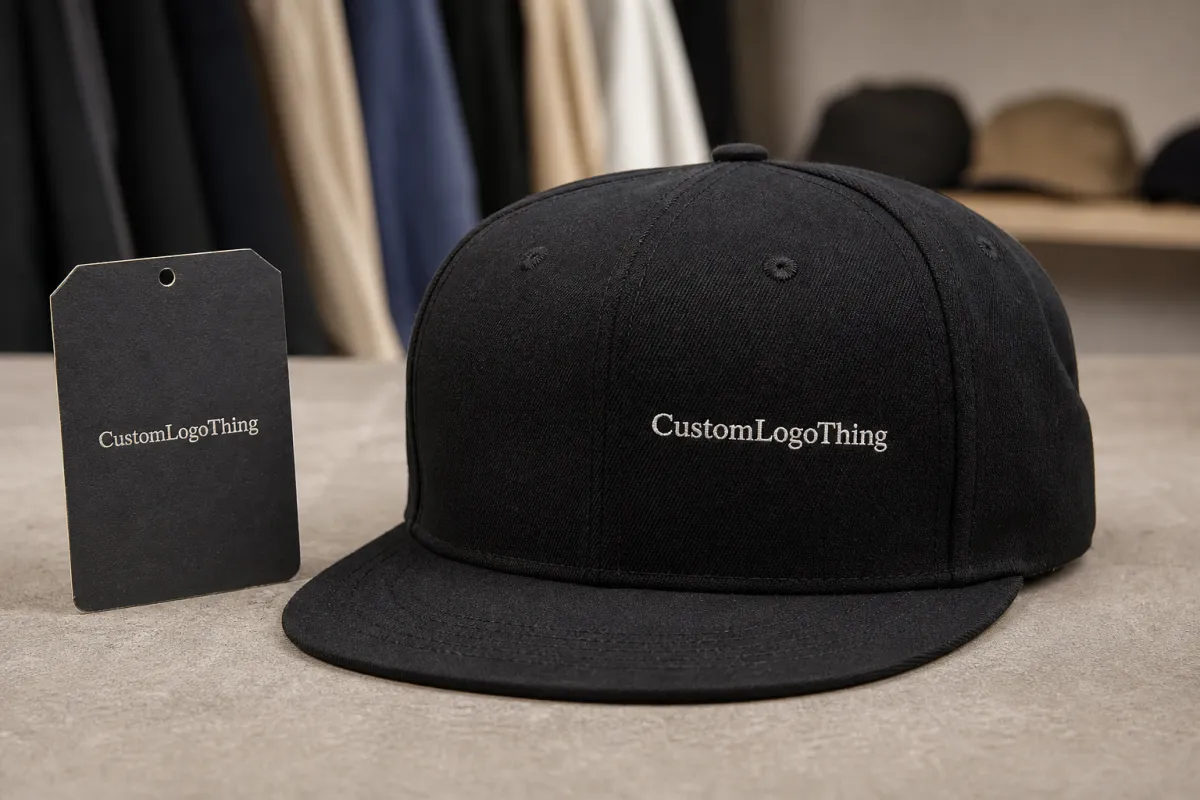
A snapback is not a generic hat with a logo added later. A structured 6-panel cap with a flat brim and plastic snap closure carries a different production rhythm than a softer 5-panel build or a cap with a curved visor. The difference shows up in cutting, reinforcing, sewing, and finishing time.
That means the base construction already affects the snapback caps Unit Cost Breakdown. A cheaper shell can hide thinner fabric, lighter interfacing, or fewer finishing steps. Those shortcuts are not always visible in a sample photo, but they become obvious when the cap is stacked, packed, and worn.
Buyers should read quotes line by line. Check whether the number includes artwork setup, digitizing, sampling, revisions, labeling, packing, and freight. A quote that looks 8% lower can end up more expensive after correction rounds or shipping costs are added. The useful comparison is total landed spend, because that is what hits margin.
Product details that change material and labor cost
The main cost drivers sit in the spec. Crown height, panel count, brim shape, sweatband construction, eyelet count, underbill color, taping, and label type all change the amount of handling a cap needs. A structured 6-panel cap usually requires more shaping control than a softer 5-panel version, while a flat brim often demands tighter consistency than a pre-curved visor.
Decoration changes the math again. A small direct embroidery logo is typically simpler than a large woven patch with a merrowed edge. PVC patches add tooling costs and extra approval time. Appliqué can create a premium look, but it usually brings more alignment checks and more opportunities for rework if the placement drifts.
Every design choice affects either cutting, sewing, setup, or finishing. That is why the same cap shape can quote very differently once the closure changes, the decoration method changes, or retail packaging enters the spec.
Common build choices that move cost:
- 5-panel vs. 6-panel construction
- Flat brim vs. pre-curved brim
- Plastic snap closure vs. self-fabric closure
- Embroidery, woven patch, PVC patch, print, or appliqué
- Underbill, taping, labels, and sweatband upgrades
Material choice matters too. Cotton twill, acrylic blend, wool blend, and polyester each behave differently during cutting and stitching. Heavier fabrics can support a sharper crown, but they may also raise raw material cost. Lighter fabrics can lower price, though they sometimes need more reinforcement to hold structure. Buyers often focus on the top-line fabric name and miss the finishing weight behind it.
Specs buyers should lock before requesting quotes
Clean pricing starts with a clean spec sheet. If the supplier has to guess at crown height, logo size, thread colors, or packaging, the quote will either move later or come back padded for risk. The best buyers send the same brief every time and ask for pricing against identical details.
Lock these fields before requesting a quote:
- Size range and fit target
- Panel count and crown height
- Visor shape and underbill color
- Fabric weight and finish
- Stitch count or patch type
- Closure style
- MOQ and quantity tiers
- Artwork file type and Pantone references
Color approval deserves more discipline than many buyers give it. If the brand has a specific red, blue, or black, include Pantone references and specify whether the factory should match thread, patch substrate, and cap body to the same standard. Without that, it is easy to approve a logo and later reject the body color because the shade reads differently under warehouse light than it did on a screen.
The intended use matters as well. Retail caps need cleaner presentation, tighter symmetry, and more consistent finishing. Event giveaways can tolerate a simpler spec, but the fit still needs to hold and the closure still needs to function. Clear inputs reduce revisions and keep the quote anchored to the actual product.
Snapback caps unit cost breakdown: pricing, MOQ, and tiers
Here is the part most buyers want first: how the money usually splits. The main buckets are the blank cap, decoration setup, labor, packaging, freight, and sampling. MOQ matters because fixed charges are spread over fewer or more pieces. A 50-piece run almost always costs more per cap than a 500-piece run, even if the decoration stays identical.
Typical ballpark pricing for a standard structured snapback with one logo placement can look like this, depending on fabric, stitch count, and patch type:
| Quantity | Typical unit cost | Main reason the price moves | Best fit |
|---|---|---|---|
| 50 pcs | $7.50-$12.00 | Setup charges and sampling are spread over a small run | Testing a new design |
| 100 pcs | $5.80-$9.20 | Lower setup pressure, but still a small production batch | Small promotions |
| 300 pcs | $4.20-$6.80 | Better absorption of tooling fees and labor setup | Retail trials and team orders |
| 500 pcs | $3.60-$5.90 | More efficient batch production and less per-piece setup weight | Bulk programs |
Those ranges are not a promise. They are a practical band for standard custom work. Add a second logo placement, a woven label, custom hangtag, special carton, or a more complex patch, and the price climbs. Add rush timing or split shipments, and freight or handling can change the total again. A proper snapback Caps Unit Cost Breakdown should show each bucket separately instead of folding everything into one number.
The lowest quote is not always the best buy if it hides a lighter fabric, a weaker closure, or a second proof round that appears later.
For retail presentation, ask whether the packaging is FSC-certified paperboard or whether the carton stock is thick enough to protect shape in transit. For shipping durability, ISTA testing logic is useful even for apparel cartons; the goal is to protect structure, not just move volume. References: FSC and ISTA.
Production steps, proofing, and lead time from approval to ship
The production path is usually simple on paper, but delays often show up at the handoff points. A solid order moves through spec review, artwork proof, sample or pre-production approval, bulk run, finishing, QC, and packout. If one of those stages is unclear, the calendar slips.
Lead time should be split into two parts: sample timing and bulk timing. A sample may take longer if the cap requires a new patch mold, custom woven label, or detailed embroidery digitizing. After approval, bulk production usually runs faster, but only when artwork, colors, and quantity are already locked.
Most delays come from buyer-side gaps: missing vector artwork, late Pantone confirmation, or slow approval on a pre-production sample. Shipping adds another layer. Air freight shortens transit but raises cost quickly, while ocean freight lowers freight per unit and extends the calendar. If the order is urgent, confirm the production schedule and freight method together so the date and budget stay aligned.
For anyone reviewing the snapback caps Unit Cost Breakdown, the quote is only one piece of the timeline. Proof cycles and shipping often shape the true delivery plan as much as the sewing line does.
Small shifts in timing can also change unit cost. A factory that can fit your order into an existing run may offer a better rate than one that has to restart machines, change thread colors, or schedule a new finishing line. On the other hand, forcing a cap into the wrong production window can cost more in defects than it saves in labor. Timing is a cost variable, not just a calendar detail.
How to compare suppliers on the same quote sheet
A fair comparison only works if the specs match. If one supplier quotes a 6-panel structured cap with embroidered front art and another quotes a lighter shell with a printed logo, the numbers are not directly comparable. The same issue appears when shipping terms, carton counts, or setup fees differ.
Ask each supplier to put the same items in writing: unit price, tooling fees, sample cost, packing method, and freight estimate. Also ask what is excluded. A quote that omits a second placement, a custom label, or final carton fees can look attractive until the invoice arrives. That is how hidden gaps turn a low cost per piece into a higher landed total.
Use a simple comparison framework:
- Match cap construction exactly.
- Match artwork size, placement, and decoration method.
- Match packaging and carton counts.
- Match shipping terms and destination.
- Compare total landed cost, not just ex-factory price.
Reliability matters here more than most buyers expect. Fewer revisions, cleaner proofs, and consistent packing often save more money than shaving a few cents off the blank shell. The supplier that asks better questions usually protects the budget better too.
Also watch how a vendor handles exceptions. If a supplier quietly changes the carton count, substitutes a different closure, or suggests a thinner interfacing without flagging it, the quote is less useful than a slightly higher one that stays transparent. The cheapest line item is only an advantage if the finished cap still meets the brief.
Quality checks that protect fit, finish, and sell-through
Snapbacks sell on shape as much as logo. If the crown sits unevenly, the brim warps, or the closure fails to hold, the cap feels cheap even when the decoration looks sharp. Good QC starts with symmetry, stitch consistency, patch placement, and closure function, then moves to fit and finishing details.
Inspection should also cover panel alignment, seam tension, underbill cleanliness, and edge finish around patches or embroidery. A low quote becomes expensive fast if even a small percentage of the run needs rework or replacement. That risk rises on tighter timelines, especially when a buyer approves a sample too quickly and notices a fit issue only after bulk production has started.
Packaging affects perceived value too. Retail-ready caps may need a clean polybag, hangtag, size sticker, or carton arrangement that keeps the brim from deforming. Giveaway caps can be simpler, but they still need a pack method that protects shape during transit. If the order will travel far, ask for photo approval and a final inspection report. That extra step often saves time later because both sides know what was approved.
For a buyer reviewing the snapback caps Unit Cost Breakdown, quality control is part of the economics, not a side topic. Rework, rejects, and replacements have a real cost, and they usually cost more than inspecting properly before shipment.
What to send for a faster, cleaner quote
If you want a useful quote the first time, send the details that let the factory price the job without guessing. Start with artwork, quantity tiers, color references, decoration method, and target delivery date. Then add any non-standard request such as woven labels, custom patches, special packaging, or split shipping.
It also helps to ask for landed unit cost instead of just factory price. That way you can compare product plus freight in one view and avoid chasing incomplete numbers. If you are sampling first, confirm sample timing before bulk production is approved so the calendar and budget stay honest from the start.
A strong request usually includes:
- Artwork file in vector format
- Quantity tiers by color or style
- Cap construction and closure type
- Decoration method and placement
- Pantone references for cap and thread colors
- Sample cost, pack method, and freight destination
That level of detail turns a rough estimate into a quote you can actually use. It also reduces the back-and-forth that often adds hidden days to a production schedule. The better the brief, the less the supplier has to assume.
What affects snapback caps unit cost the most?
The biggest drivers are decoration method, setup or tooling, order quantity, and the base construction details of the cap. Fabric weight, closure style, patch type, and packaging can all move the unit price even when the blank cap looks similar.
How does MOQ change snapback cap pricing?
A higher MOQ usually lowers the per-piece price because setup costs are spread across more units. A smaller order can still work, but the unit cost rises because the same proofing and setup time is divided over fewer caps.
Is embroidery or patch decoration cheaper for snapback caps?
It depends on artwork size, stitch count, and whether the design needs one placement or multiple placements. Patches can reduce direct stitching time on the cap, while embroidery can be more efficient for simpler logos.
What lead time should I expect for custom snapback caps?
Lead time depends on proof approval speed, decoration complexity, sample needs, and current production load. Build in extra time for artwork revisions, sampling, and international shipping so the schedule stays realistic.
What details do you need to quote snapback caps accurately?
Provide quantity tiers, cap construction, decoration method, artwork files, color references, and your delivery target. If you want a usable quote, also ask for sample cost, packing method, and landed unit cost with freight included.

