Buyer Fit Snapshot
| Best fit | Custom Fabric Drawstring Bags with Logo projects where brand print, material claims, artwork control, MOQ, and repeat-order consistency need to be specified before quoting. |
|---|---|
| Quote inputs | Share finished size, material target, print colors, finish, packing count, annual reorder estimate, ship-to region, and any compliance wording. |
| Proofing check | Approve dieline scale, logo placement, barcode or warning zones, color tolerance, closure strength, and carton packing before bulk production. |
| Main risk | Vague material claims, crowded artwork, missing packing details, or unclear freight terms can make a low unit price expensive after revisions. |
Fast answer: Custom Fabric Drawstring Bags with Logo: Film, Print, MOQ, and Carton Packing should be specified like a repeatable production item. The safest quote records material, print method, finish, artwork proof, packing count, and reorder notes in one written spec.
Production checks before approval
Compare the actual filled-product size with the drawing, then confirm tolerance on folds, seals, hang holes, label areas, and retail display edges. Reserve space for logos, QR codes, warning copy, and material claims before decorative graphics fill the panel.
Quote comparison points
Review material grade, print process, finish, sampling route, tooling charges, carton quantity, and freight assumptions side by side. A quote is only useful when the supplier can repeat the same color, closure quality, and packing count on the next order.
Custom fabric drawstring Bags With Logo do something most packaging never manages: they keep working after the sale. A customer opens the pouch once, then starts using it for cables, cosmetics, travel items, jewelry, spare parts, or little gifts that need a home. That second life matters more than brands often admit. A cardboard sleeve usually disappears into recycling or landfill. A fabric pouch sticks around, which means your logo keeps showing up in the customer’s daily routine. For branded packaging, retail packaging, and product presentation, that is a modest material choice with an outsized return.
These bags sit in a useful middle ground. They feel more considered than a plain poly bag, yet they are usually simpler and lighter than rigid boxes. They also give you enough surface area for a logo, a woven label, or a print that reads clearly at arm’s length. That makes custom fabric drawstring Bags with Logo a smart fit for products that need to look polished without acting precious. The catch is that the spec matters. Fabric weight, cord style, decoration method, and bag size all change the end result. A lot. More than a first-time buyer usually expects.
If your goal is packaging that feels intentional, travels well, and gets reused instead of tossed, custom fabric drawstring Bags with Logo deserve a serious look. If the only goal is the absolute lowest unit cost, there are cheaper ways to wrap a product. Most brands are chasing the space in between: presentable, reusable, and easy to order again next quarter. That is exactly where these bags earn their keep.
The sections below break down how custom fabric drawstring bags with logo are made, which materials and branding decisions matter most, what pricing usually looks like, and where the usual ordering mistakes creep in.
Custom Fabric Drawstring Bags With Logo: Why They Work
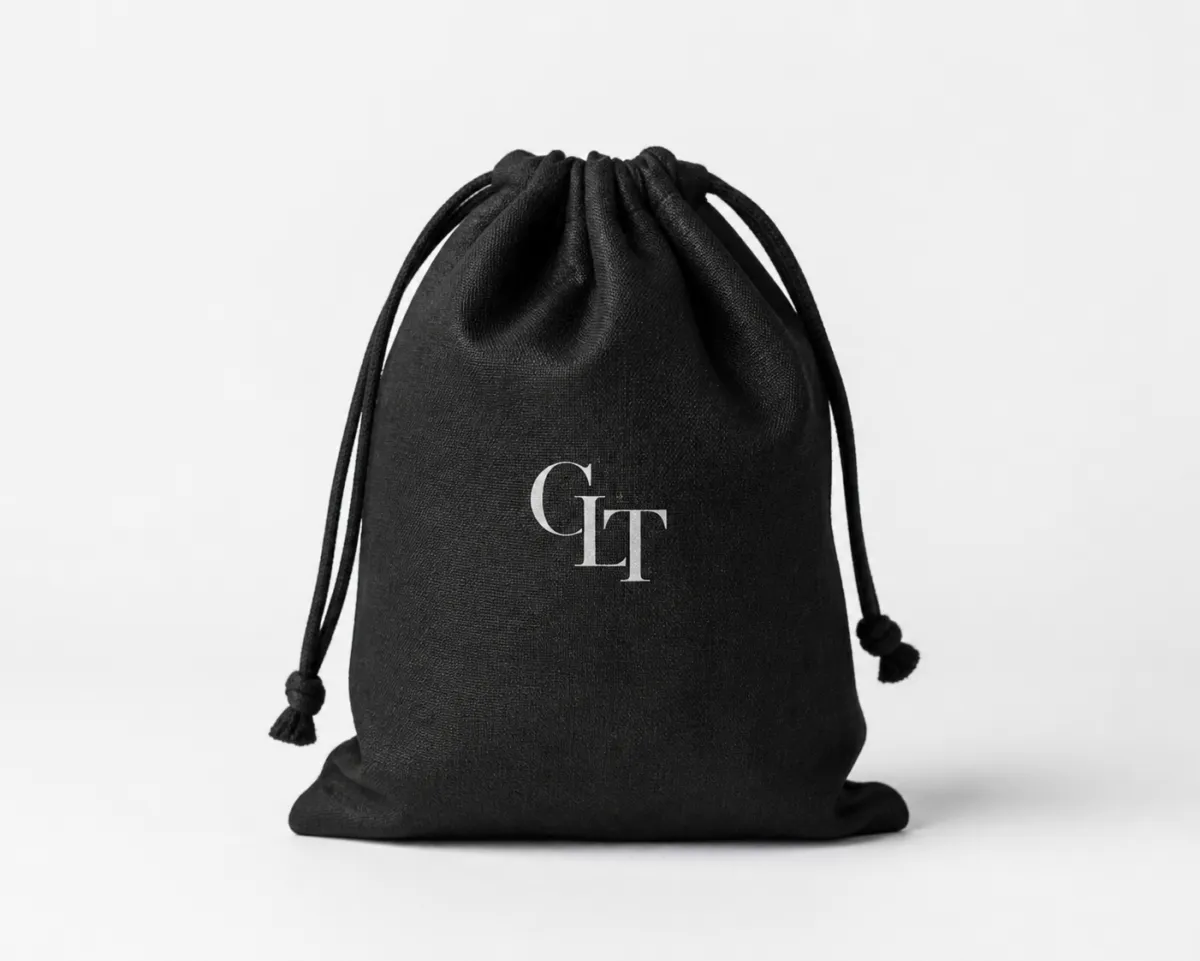
Most packaging gets one job and then vanishes. Custom fabric drawstring bags with logo do not. That is the whole appeal. A pouch can be simple and still feel premium because soft structure, visible branding, and a reusable closure signal care. It does not need glitter or heavy lamination to feel valuable. Sometimes plain is the point. That is a little counterintuitive, but it’s true.
They work because people reuse them without being asked. Sunglasses, spare cords, skincare minis, charging bricks, event badges, tea samples, and small accessories all have a way of ending up in a drawstring bag. A pouch that lives in a tote for six months gives you more impressions than a paid ad campaign that lasts six days. Quiet marketing, sure. But effective.
These bags also solve problems that rigid packaging cannot. Soft goods, awkward shapes, bundled kits, and products that need a bit of give all fit better in fabric than in a box. A branded pouch can even sit inside another package as a secondary layer of package branding, which helps when a launch needs more presence without adding a lot of weight or volume. That kind of layering changes the feeling of the whole order.
In retail settings, the bag can change the perceived value of the item inside. A six-dollar accessory in a plain sleeve reads as a six-dollar accessory. Put that same item into a well-proportioned fabric pouch with a clean logo, and the customer’s reading shifts upward. The product has not changed. The framing has. Packaging is full of these tiny psychological pivots, and this is one of the clearest.
Custom fabric drawstring bags with logo are especially useful when:
- The product is small, lightweight, or an awkward shape.
- You want a reusable package instead of disposable wrapping.
- The brand identity leans natural, premium, handmade, or giftable.
- The item needs both presentation and basic protection.
- You want the packaging to travel with the customer after purchase.
There is one limit worth saying plainly. These bags are not ideal for fragile products unless you add padding or a second layer. A pouch is not a shipping carton. If an item needs crush resistance, pair the bag with a mailer or one of our custom packaging options instead of asking cloth to do every job. Fabric is useful. Gravity still wins if you ignore it.
From a sustainability perspective, reuse is the strongest argument. If the pouch stays in circulation, the footprint of the material gets spread across many uses. For paper components that may travel alongside the bag, the FSC certification site is a useful reference for certified paper sourcing and chain-of-custody basics, especially when bags are paired with hang tags, wraps, or outer cartons.
How Custom Fabric Drawstring Bags With Logo Are Made
Custom fabric drawstring bags with logo usually start with a straightforward sequence: the fabric is cut, the body is sewn, the top channel is formed, the cord is inserted, and the ends are finished. The differences between a sharp bag and a sloppy one live in the little things that are easy to miss from a distance. Stitch density, seam alignment, cord placement, hem consistency, and how the channel sits across the top all affect the final feel.
The construction flow is predictable. Fabric is cut to size, panels are aligned, and side seams are sewn. If the pouch needs a gusset, that extra panel adds volume and gives the bag a fuller shape. The top edge is folded into a channel that holds the drawstring. Then the cord is threaded through, tied off, capped, or heat-sealed depending on the design. Those choices matter because a weak cord or crooked channel can make a good logo look like it was rushed. And nobody wants that.
The decoration method is the next major decision for custom fabric drawstring bags with logo. Common options behave differently:
- Screen print works best for simple artwork, solid colors, and larger runs. It gives strong opacity on cotton and canvas and usually offers the best value for one to three spot colors.
- Embroidery adds texture and a more premium feel. It is durable, though tiny text and thin strokes can fill in or lose clarity, especially on soft or loosely woven fabric.
- Woven labels are a good fit when the brand wants a neat finish without covering the whole bag. They are common in minimalist branding and higher-end retail packaging.
- Heat transfer can handle more detail and gradients, but durability depends on the film and the fabric. It is not usually the first choice for bags that will be washed often.
Artwork complexity matters more than many buyers think. A bold logo on smooth cotton can print cleanly with little drama. A fine-line mark on textured canvas is another matter. The weave can break the edges, small text can blur, and color can shift if the fabric absorbs ink unevenly. I have seen buyers approve a perfect digital mockup and then act surprised when the final fabric softens every line. That is not a failure of the mockup. It is just what happens when pixels meet cloth.
Good suppliers do not skip proofing. A useful proof should show logo placement, dimensions, print area, and the actual bag size. If the order is strategic, ask for a physical sample. You want to know whether the cord slides easily, whether the bag opens and closes with one hand, and whether the logo still reads clearly after the fabric is folded and handled a few times. Those are not abstract concerns. They decide whether the finished piece feels polished or merely acceptable.
Good packaging is not just about the print. It is about how the piece behaves in the hand, on the shelf, and after the customer has taken it home.
Materials, Sizes, and Branding Choices That Change the Result
The fabric choice drives both feel and performance for custom fabric drawstring bags with logo. Cotton and muslin give a soft, natural look. Canvas adds body and structure. Polyester can sharpen print results and keep costs lower on some builds. Linen blends feel elevated, though they can be a bit less forgiving if the logo needs razor-clean edges. Each option has a job. None of them solves every problem, because packaging never does. That would be too easy.
Here is a practical way to think about the common fabrics:
| Fabric | Typical Weight | Best For | Notes |
|---|---|---|---|
| Muslin | 4-5 oz | Jewelry, samples, lightweight gifts | Soft hand feel, easy to print, less structure |
| Cotton | 5-8 oz | Retail sets, cosmetics, everyday reuse | Balanced cost and appearance; versatile for most custom fabric drawstring bags with logo |
| Canvas | 8-12 oz | Premium gifts, heavier contents, long-term reuse | More durable, better structure, slightly higher cost |
| Polyester | Varies by denier | Promotional kits, travel items, sharper prints | Good for vivid decoration, less natural texture |
| Linen blend | Varies | Luxury presentation, lifestyle brands | Premium look, but surface texture can affect fine detail |
Size matters just as much as fabric. A 4x6 inch pouch works for earrings or a sample vial. A 6x8 or 7x9 inch bag fits skincare or small accessories. A 10x14 or 12x16 inch pouch is better for apparel, bundled kits, or multiple items. If the bag is too small, the product looks cramped. If it is too large, the whole package feels loose and underplanned. That is why custom fabric drawstring bags with logo should be matched to the contents, not guessed from a catalog photo.
Gusset depth is another detail buyers often miss. A flat bag can work for cards, textiles, or paper items. A gusseted bag adds volume and helps round out harder objects. For a candle set, a travel kit, or a multi-item bundle, that extra depth changes how the bag sits on a shelf and how the logo faces the customer. This is where package branding and product packaging overlap. The structure becomes part of the look.
Cord type changes the result too. Cotton cord feels natural and suits eco-leaning brands. Polyester cord is smoother and often feels more durable. Satin cord usually appears in gift presentation rather than rough daily use. Cord thickness should match the bag size. On a large pouch, a tiny cord looks weak. On a small pouch, a bulky cord steals attention from the rest of the design. Small detail, real effect.
Logo placement is one of the easiest ways to control both cost and visual impact. Centered front printing is the default because it is simple and readable. Corner placement feels more modern and understated. An all-over print increases visual presence but also adds complexity, especially if the artwork has multiple colors or a repeat pattern. For custom fabric drawstring bags with logo, a clean single-side print is often enough. More ink does not automatically mean stronger branding. Sometimes it just means more ink.
Use cases help narrow the spec:
- Jewelry: small muslin or cotton pouches with a centered logo and soft cord ends.
- Cosmetics: medium cotton or canvas bags that can hold several items without bulging.
- Corporate gifts: canvas or linen-blend pouches that feel elevated and reusable.
- Travel kits: polyester or lined cotton bags that tolerate frequent handling.
- Bundled retail sets: gusseted pouches that protect grouped items and support stronger shelf presentation.
If the bag needs to survive repeated shipping or rough handling, ask about transit testing and carton performance. The ISTA transit testing standards outline common methods for checking how packaged products handle distribution. A pouch does not need laboratory treatment for every order, but it helps to know whether the supplier understands how the bag moves through logistics, not just how it looks in a mockup.
Production Steps and Timeline for Custom Fabric Drawstring Bags With Logo
The production flow for custom fabric drawstring bags with logo is usually simple enough, but only if the buyer supplies clean information. A quote request with size, fabric, logo method, quantity, and deadline moves quickly. A quote request that says, “We need something nice and maybe green,” tends to wander around the room before landing nowhere useful.
A typical workflow looks like this:
- Quote and spec confirmation - size, fabric weight, color, cord type, print method, quantity, and packing details are locked in.
- Artwork review - the supplier checks file quality, usually preferring vector formats like AI, EPS, or PDF with outlines.
- Proof approval - a digital mockup shows placement, color callouts, and any special notes.
- Sample approval - optional for some orders, but smart for premium brands or detailed logos.
- Production - cutting, sewing, decoration, and finishing happen in batch.
- Inspection and packing - the bags are checked for stitch quality, color consistency, and logo placement.
- Shipping - cartons are labeled and sent by air, express, or ocean depending on timeline and quantity.
For simple custom fabric drawstring bags with logo orders using stock fabric and one-color screen print, a realistic production window is often 10-15 business days after proof approval. If embroidery is involved, or if the fabric needs to be dyed to a custom color, 15-25 business days is more common. Very small rush orders can move faster, but only if the spec is standard and the supplier already has material in hand. Rush is a tactic, not a guarantee.
What slows things down? Artwork revisions, custom Pantone matching, fabric sourcing, extra finishing details, and peak season demand. Packaging teams often forget that the order is not finished when the proof looks good. It is finished when the goods are packed, scanned, and moving. That difference matters for launch dates, event kits, and retail programs where the bag is tied to a fixed in-store or shipment date.
For buyers planning a launch, work backward. Leave time for one proof round, a sample if the bag is strategic, production, and freight. If the bags are going with other branded materials, such as inserts, sleeves, or Custom Packaging Products, line up all components so one piece does not arrive early and sit in storage while another lags behind.
Custom fabric drawstring bags with logo also benefit from simple quality-control checkpoints. Ask for photos of finished bags before shipment if the run is large enough to justify it. Confirm carton counts. Confirm finished dimensions. If the logo is sensitive, request that one piece from each carton be checked for print consistency. Small controls reduce the chance of a large headache later.
Shipping method matters too. Air freight is faster and more expensive. Ocean freight is cheaper on larger orders but needs more lead time. If the bags are part of a broader packaging design rollout, including inserts or paper components, make sure those materials are planned with durability in mind and, where relevant, sourced from suppliers who can speak clearly about certified paper handling and broader packaging compliance.
Cost, Pricing, MOQ, and Unit Cost for Custom Fabric Drawstring Bags With Logo
The price of custom fabric drawstring bags with logo is shaped by a handful of variables, and most of them are plain enough once you know where to look. Fabric weight, print method, bag size, cord style, stitching complexity, packing requirements, and order quantity all affect the quote. If you want a fair comparison, compare the specification line by line. Otherwise the cheapest quote may simply be the one with thinner fabric and a smaller logo area. That can save money and miss the point at the same time.
Here is a realistic pricing frame for common orders. These are broad ranges, not promises, because artwork and finish details matter:
| Order Tier | Typical Unit Cost | What Usually Fits | Notes |
|---|---|---|---|
| 100-300 pieces | $1.40-$3.50 each | Small events, samples, premium gifting | Setup and labor are spread across fewer bags, so the unit cost stays high |
| 500-1,000 pieces | $0.85-$1.90 each | Retail programs, brand launches, recurring campaigns | Often the best balance of price and flexibility for custom fabric drawstring bags with logo |
| 3,000-5,000 pieces | $0.45-$1.10 each | Large campaigns, chain retail, subscription packaging | Better pricing, but proofing and QC still matter |
| 10,000+ pieces | $0.32-$0.85 each | High-volume promotions, ongoing programs | Lower unit cost, more room on fabric and print setup, but lead times can stretch |
Those numbers move up quickly if you add embroidery, lining, custom-dyed fabric, metallic thread, multiple print locations, or special packing. They can also move down if the spec is simple and the order is large. A one-color screen print on a stock cotton pouch is usually cheaper than a full-color transfer on textured or dark fabric. A dense canvas bag costs more than a thin muslin one. A custom cord costs more than a standard one. No mystery there.
MOQ is the other question buyers ask immediately. Lower minimums are possible, but they are rarely cheap. Setup, cutting, print screens, and inspection time do not shrink just because the quantity is small. If you need a test run, expect a higher unit cost. If you are planning a long-term program, larger quantities usually make more sense. For custom fabric drawstring bags with logo, the strongest value often starts once setup stops dominating the total price.
A cheap quote usually means one of four things: thinner fabric, a smaller logo, weaker stitching, or less checking. Sometimes all four.
Buyers should also budget for costs outside the bag itself. Art prep, sampling, freight, carton labels, and any extra packaging inserts can change the landed price more than expected. If the bags are part of a broader retail packaging system, the bag should be judged beside the full package branding plan, not on its own. A pouch that lifts conversion or repeat use can justify a slightly higher unit price more easily than a forgettable item that saves pennies and does little else.
One simple rule helps avoid false comparisons: lock the spec before comparing quotes. Same fabric weight. Same size. Same decoration method. Same cord. Same packing. If one supplier quotes a 6 oz cotton bag and another quotes a 10 oz canvas bag, that is not a price comparison. That is a trap dressed up as a spreadsheet.
For brands that need a lower-cost route, use a smaller print area, one spot color, and a stock fabric color. For premium presentations, spend the money on heavier fabric, stronger stitching, and cleaner finishing. Custom fabric drawstring bags with logo can support both approaches. The key is honesty about the job before chasing the cheapest version of it.
Common Mistakes When Ordering Custom Fabric Drawstring Bags With Logo
The worst orders rarely fail because of one giant mistake. They fail because of five small ones that line up neatly and become expensive. With custom fabric drawstring bags with logo, the common errors are predictable, which is useful. Predictable mistakes can be fixed before they turn into a late-night email thread and a scramble for a backup plan.
- Picking the wrong fabric weight: A 4 oz muslin bag may be fine for samples but too flimsy for a premium gift set. A 10 oz canvas bag may feel better but cost more than the product inside can justify.
- Making the logo too small: Tiny text gets lost quickly on textured fabric. If the mark cannot be read from a normal viewing distance, it is not doing its job.
- Ignoring contrast: Light ink on a light bag or dark ink on a dark bag can disappear once folds, texture, and handling come into play.
- Approving artwork too late: When the proof stage gets rushed, print placement and proportions can drift.
- Comparing quotes blindly: Buyers often think two prices are competing when the specs are not even close.
Skipping a sample is another common error. If the bag is a throwaway promo item, maybe that is fine. If it belongs in a premium launch, a VIP gift, or a repeat-use retail program, skipping a sample is a tidy way to invite regret. A sample lets you check the fabric feel, the cord closure, the logo visibility, and the overall impression in hand. That is real packaging design, not guesswork.
Timing mistakes are just as common. A lot of buyers order custom fabric drawstring bags with logo two weeks before an event and then act surprised when production and shipping do not bend to the calendar. They will not. Build in room for proofing, a possible sample, production, and freight. If the bags are for a trade show, retail launch, or subscription drop, work backward from the actual handoff date, not the day the PO gets approved.
There are also usage mistakes. A bag that will be washed needs decoration that can survive washing. A bag that will hold cosmetics should not show dirt every time someone touches it. A travel pouch should not wrinkle badly after one trip. A premium brand can choose a softer look, but the bag still has to function. Style without function is just a polished inconvenience.
For sourcing teams building a broader packaging design system, one more trap is treating the pouch as separate from the rest of the package. The bag should match the rest of the package branding. That means tone, color, and finish should sit comfortably beside inserts, labels, tissue, and any supporting Custom Packaging Products. If the rest of the system is minimal and clean, an overly busy pouch feels off. If the brand is warm and handmade, a sterile glossy bag feels wrong too.
Expert Tips and Next Steps for Custom Fabric Drawstring Bags With Logo
If you want custom fabric drawstring bags with logo to perform well, start with the use case and build outward. That sounds obvious, yet a lot of poor orders begin with the wrong first question. People ask, “What is cheapest?” before asking, “What does this bag need to do?” Those are different questions, and they produce different products.
Use this practical checklist before requesting quotes:
- Define the product, contents, and target size.
- Choose the fabric based on feel, durability, and budget.
- Select the logo method based on artwork complexity and surface texture.
- Lock the quantity and target delivery date.
- Prepare vector artwork and brand colors.
- Confirm packing preferences, including bulk pack or individual bagging.
If the logo is detailed, get a mockup and, if possible, one sample. A simple one-color mark on smooth cotton can move fast. A more delicate logo on textured canvas deserves a sample because what looks crisp on screen can soften in fabric. That is not a flaw in the bag. It is what happens when digital artwork meets stitched material.
For brands with strict visual standards, prepare the inputs carefully. Send vector art. Share Pantone references if color is sensitive. Note the exact dimensions of the product the bag will hold. If the pouch will be part of a larger branded packaging rollout, include that context too. Suppliers make better recommendations when they see the whole system instead of one isolated item.
Custom fabric drawstring bags with logo make the most sense when reuse matters. If the bag will be kept, carried, and seen again, durability should matter more than the lowest possible price. That does not mean overspending. It means matching fabric weight and decoration method to the job. A slightly heavier bag with cleaner stitching usually looks more expensive than it is. A flimsy one never looks cheap in a charming way. It just looks cheap.
One final buying rule: lock the specs before you request final pricing. Do not ask for “a fabric bag with a logo” and expect the answer to be useful. Ask for a specific size, fabric, closure, print method, quantity, and deadline. Then compare quotes from that point forward. That is how you get a clean decision instead of a pile of contradictory numbers.
If you are ready to source custom fabric drawstring bags with logo, start with function, then match the material, then pick the decoration. Use a sample when the bag is strategic, and compare quotes only after the spec is fixed. That order of operations saves time, cuts surprises, and usually delivers a better result for custom fabric drawstring bags with logo than chasing the lowest sticker price ever will.
FAQ
What fabric is best for custom fabric drawstring bags with logo?
Cotton and muslin work well for lightweight gifting and a natural look. Canvas is better when the bag needs more structure and durability. Polyester is often the choice when print sharpness and lower cost matter more than a soft hand feel.
How much do custom fabric drawstring bags with logo usually cost?
Small orders cost more per unit because setup and labor are spread across fewer bags. Price depends on fabric weight, print method, bag size, cord style, and quantity. Always compare quotes with the same specs; otherwise the cheapest quote is usually just the thinnest one.
What is the typical turnaround for custom fabric drawstring bags with logo?
Simple orders with standard materials can move faster once artwork is approved. Fully custom fabric choices, special colors, or detailed decoration add more time. Plan for proofing plus production and shipping, and build in extra cushion for launches or events.
Can custom fabric drawstring bags with logo be washed?
Usually yes, but the care depends on the fabric and the decoration method. Embroidery and many screen prints hold up better than delicate transfer methods. If the bag will be reused often, ask for care guidance and test one sample first.
How do I make the logo look crisp on a custom fabric drawstring bag?
Use vector artwork and keep tiny text to a minimum. Choose a strong contrast between the bag color and the logo color. Approve both a digital proof and a physical sample if the logo has fine detail or tight spacing.

