Buyer Fit Snapshot
| Best fit | Custom Folding Cartons with Cmyk Printing projects where brand print, material claims, artwork control, MOQ, and repeat-order consistency need to be specified before quoting. |
|---|---|
| Quote inputs | Share finished size, material target, print colors, finish, packing count, annual reorder estimate, ship-to region, and any compliance wording. |
| Proofing check | Approve dieline scale, logo placement, barcode or warning zones, color tolerance, closure strength, and carton packing before bulk production. |
| Main risk | Vague material claims, crowded artwork, missing packing details, or unclear freight terms can make a low unit price expensive after revisions. |
Fast answer: Custom Folding Cartons with Cmyk Printing: Board, Finish, Dieline, and Unit Cost should be specified like a repeatable production item. The safest quote records material, print method, finish, artwork proof, packing count, and reorder notes in one written spec.
Production checks before approval
Compare the actual filled-product size with the drawing, then confirm tolerance on folds, seals, hang holes, label areas, and retail display edges. Reserve space for logos, QR codes, warning copy, and material claims before decorative graphics fill the panel.
Quote comparison points
Review material grade, print process, finish, sampling route, tooling charges, carton quantity, and freight assumptions side by side. A quote is only useful when the supplier can repeat the same color, closure quality, and packing count on the next order.
The first lesson many buyers learn about Custom Folding Cartons with cmyk printing is that the screen is an optimistic liar. Bright blues lose a little edge. Reds can drift warmer. Deep blacks often look flatter once ink meets paperboard. That is not a defect in the process; it is the difference between light on glass and pigment on stock. I have stood at press checks where a design that looked electric on a monitor came out quieter, almost restrained, and then worked better on shelf than the original render. For brands that need shelf pull, cost control, and dependable product packaging, custom folding cartons with cmyk printing sit in a very useful middle zone between creative range and production discipline.
Custom Folding Cartons are the paperboard boxes wrapped around cosmetics, vitamins, consumer electronics, frozen meals, and subscription goods. They are light, but they still carry structure, which is why they work so well for retail packaging and branded packaging at scale. CMYK matters because cyan, magenta, yellow, and black can build photographs, gradients, and fine typography without requiring a separate ink for every shade. That four-color system gives brands enough room to tell a visual story while keeping the manufacturing path practical. For many projects, Custom Folding Cartons with cmyk printing deliver exactly that balance.
The promise is not that every color on a monitor will land perfectly on a carton. The promise is narrower and more useful. Custom Folding Cartons with cmyk printing can produce consistent, attractive custom printed boxes if the substrate, proofing, artwork setup, and finishing are handled with care. That matters to packaging buyers because predictability reduces rework, sharpens quote comparisons, and lowers the odds of an awkward launch-day surprise. A carton that prints reliably is worth more than a flashy sample that cannot be repeated.
A carton can look premium in a mockup and still fail on shelf if the copy vanishes across a fold or the color shift pushes the brand too far off target.
If you are comparing Custom Packaging Products, this format is often the most adaptable starting point because it supports both simple graphics and more elaborate art without jumping straight into specialty printing. A manufacturing partner that can manage dielines, converting, finishing, and assembly support tends to be easier to evaluate once you review the full Manufacturing Capabilities list before requesting a quote. That sounds kinda basic, but it saves time fast.
Why custom folding cartons with CMYK printing stand out
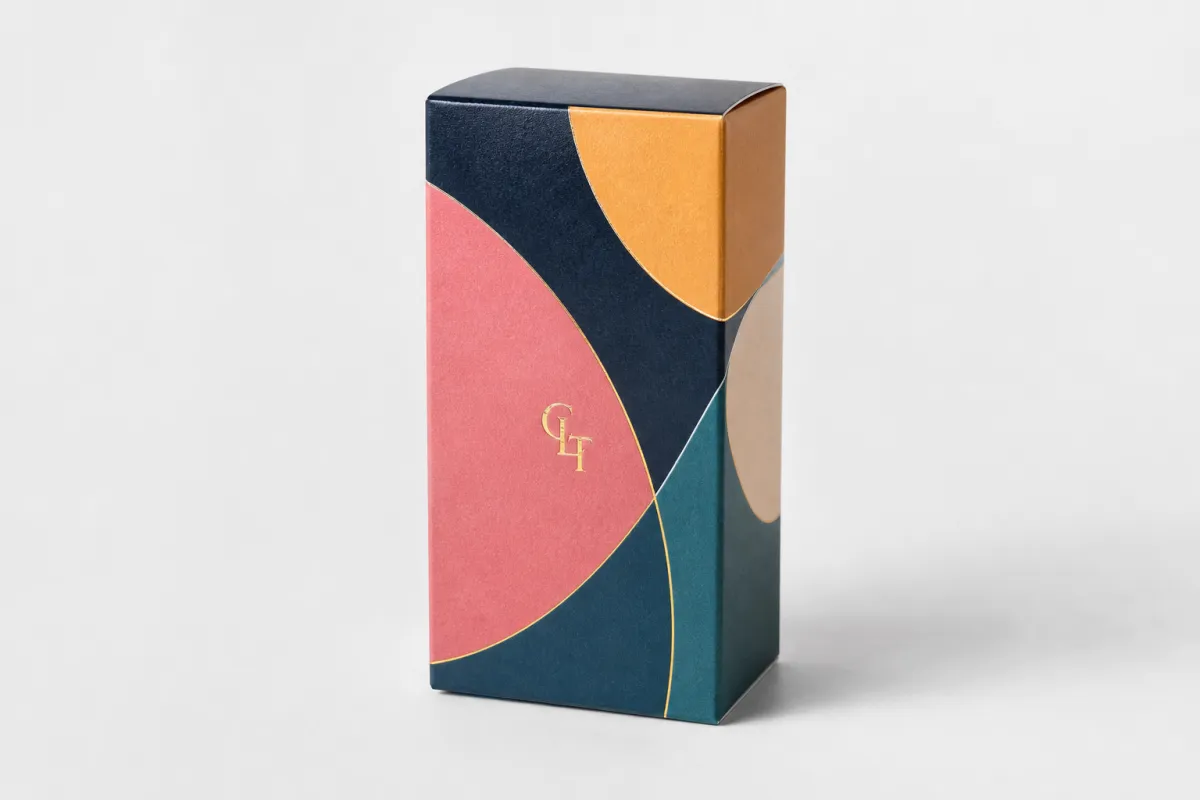
Custom folding cartons with cmyk printing stand out because they solve three problems at once: they package the product, carry the brand, and keep production manageable. That combination is harder to find than it sounds. Rigid boxes can look luxurious, but they often add cost and shipping weight. Labels are cheap, but they rarely create the same retail presence. Custom folding cartons with cmyk printing land in the space between those extremes, and that space is where a lot of brands actually operate.
The format is common in cosmetics, supplements, food, and electronics because those categories depend on information density. Branding, ingredients, directions, warnings, barcodes, and compliance copy all have to fit somewhere. CMYK helps because it can handle imagery, gradients, and precise text on the same surface. A carton does not have to be decorative to earn its keep. Custom folding cartons with cmyk printing are communication tools first, packaging second, and the strongest ones do both jobs without looking crowded.
There is an economic reason they persist. Offset and digital printing both work on folding cartons, but CMYK gives buyers enough visual range without calling for special spot inks on every accent. If a design uses a vivid background, a product photo, and crisp type blocks, custom folding cartons with cmyk printing usually offer the cleanest path to a retail-ready result. The cost structure stays readable too, especially when the carton shape is standard and the finish list is short.
One detail gets ignored far too often: the brightest color on a monitor is not the brightest color on a carton. Screens emit light; cartons reflect it. Coated stock usually makes CMYK artwork appear sharper, while uncoated or kraft board mutes certain tones quickly. That is why custom folding cartons with cmyk printing should always be judged against the actual board, not a render alone. A brand that wants a soft, quiet look may benefit from that. A brand that wants contrast and punch needs the paperboard and coating choice to do real work.
From a retail and logistics standpoint, the format is familiar in the best way. Buyers know how to stack it. Fulfillment teams know how to case-pack it. Shoppers understand how to open it. Those sound like minor points until a packaging decision fails because it ignored the supply chain. Custom folding cartons with cmyk printing are popular because they respect operational reality while still leaving room for design.
How custom folding cartons with CMYK printing are made
The print logic behind custom folding cartons with cmyk printing is simple in theory and more exacting in production. Cyan, magenta, yellow, and black are applied in tiny dots that combine into the final image. Smaller, cleaner dots mean a sharper carton. That is why resolution, color management, and file preparation matter so much. A 300 dpi image can look fine in a brochure and still disappoint on a carton if the bleed, trapping, and profile settings are wrong.
The process usually begins with a dieline. That template shows trim lines, fold lines, glue areas, and panel dimensions. Once the dieline is approved, the design team places the artwork on the template and checks whether any critical content sits too close to an edge or crease. Prepress then reviews the file for font issues, image resolution, overprint settings, and color builds. For custom folding cartons with cmyk printing, those early checks are not box-checking paperwork. They are the cheapest place to prevent expensive mistakes.
After prepress, the job moves into the selected print method. Digital printing is common for short runs, test launches, and fast-turn projects because the setup is lighter and there are no traditional plates to make. Offset printing usually becomes more efficient as volumes rise, especially when coverage is steady and the brand wants better economics at scale. Both can produce excellent custom folding cartons with cmyk printing; the right choice depends on run size, deadline, and how tightly color must be controlled.
| Method | Best fit | Typical setup | Typical unit behavior | Notes |
|---|---|---|---|---|
| Digital printing | Short runs, pilot launches, versioned artwork | Lower setup cost | Higher unit cost on larger volumes | Useful for fast approvals and test markets |
| Offset printing | Mid to high volumes, repeat orders | Higher fixed setup | Lower unit cost as quantity rises | Strong choice for consistent branded packaging |
| Hybrid planning | Mixed SKUs, staged demand, seasonal product packaging | Varies by file and finishing | Balances speed and cost | Useful when inventory risk needs to stay low |
After printing, the sheet often gets a coating. Aqueous coating is common because it improves scuff resistance and handling without changing the carton’s recyclability profile too much, although local recycling mills and barrier requirements can change that picture. Matte and gloss varnishes change the look in very different ways. Gloss sharpens contrast and pushes color saturation. Matte softens glare and can make the design feel more restrained. Spot UV, foil, and embossing can add interest, but they work best as support acts rather than the main event. With custom folding cartons with cmyk printing, finishing often makes a bigger visual difference than extra ink coverage.
The printed sheet is then die cut, folded, glued, and packed. That final stage matters more than people expect. If scoring is off or the glue flap is misaligned, the box may not close properly or the artwork may shift during assembly. A clean run means the carton moves from print to finishing to converting without creating registration problems on the way. With custom folding cartons with cmyk printing, the goal is not just a good sheet. It is a box that behaves properly in the real world.
Cost and pricing factors for custom folding cartons with CMYK printing
Custom folding cartons with cmyk printing are priced through a stack of variables, and the biggest mistake buyers make is treating them like a one-line expense. Quantity matters. Board type matters. Coverage matters. Finish matters. Structural complexity matters. Freight can move the number too, especially if the job is bulky or shipping across a long distance. A useful quote starts with a clear specification. Without that, vendors are not pricing the same thing.
Unit cost usually falls as volume rises because setup gets spread over more pieces. That is why a 500-unit run can feel expensive while a 5,000-unit run looks much more efficient on a per-box basis. For custom folding cartons with cmyk printing, small runs can land somewhere around $0.65 to $1.10 per unit depending on size, finish, and coverage, while larger runs of a simple carton may fall near $0.18 to $0.32 per unit. Those are planning ranges, not promises. Heavy ink coverage, coating, and converting difficulty can move the price quickly.
Minimum order quantity matters too. A slightly larger order can cut the unit price enough to offset some inventory risk. That only works if storage is manageable and demand is stable. If a buyer orders too many cartons for a fast-moving or frequently updated SKU, the savings can disappear into dead stock. For custom folding cartons with cmyk printing, the smartest quantity is often the one that balances print economics against product turnover, not the one that looks best on a spreadsheet.
Here is a useful comparison lens:
| Cost driver | What pushes price up | What keeps price down |
|---|---|---|
| Quantity | Low volume, many SKUs, frequent reprints | Higher volume, repeat orders, standardized specs |
| Stock | Thicker board, specialty coated stock, FSC-certified upgrades | Standard SBS or coated board with common caliper |
| Artwork coverage | Heavy ink coverage, full-bleed imagery, multiple versions | Simpler layouts, fewer colors, efficient panel use |
| Finishing | Foil, embossing, spot UV, heavy varnish | Simple aqueous coating or no special effect |
| Timeline | Rush scheduling, delayed approvals, multiple revisions | Stable files, quick proof approval, planned production slot |
Some costs hide until the quote is already under discussion. Proofing can carry a fee if a hard proof or press-standard proof is required. Shipping weight matters because cartons are light individually but heavy in bulk. Protective packaging can add cost if the prints need extra care during transport. Reprint risk matters too, because a late artwork change after proof approval can trigger new setup. That is why custom folding cartons with cmyk printing should be quoted with final artwork, final dimensions, and clear finish instructions whenever possible.
Buyers should also compare quotes on equal terms. If one vendor prices a coated board carton with aqueous coating and another prices uncoated stock with no coating, the lower number is not the better number. It is simply a different product. Custom folding cartons with cmyk printing are easiest to assess when each quote matches on size, substrate, finish, quantity, turnaround, and shipping terms. A fair comparison is boring, and that is exactly why it works.
If sustainability matters in the buying brief, ask whether the board carries FSC certification and whether the coating choice affects recyclability. For chain-of-custody and fiber sourcing questions, the FSC standards and certification guidance are a useful reference point. Eco claims on packaging only help if the paper trail supports them. The same rule applies to custom folding cartons with cmyk printing: the tighter the spec, the more meaningful the price.
Process and timeline for custom folding cartons with CMYK printing
One reason custom folding cartons with cmyk printing remain so common is that the workflow is understandable once it is broken into stages. File prep comes first. Then prepress review. Then proof approval. Then production. Then finishing, converting, packing, and shipment. Most delays happen before the press even starts. The file and approval loop usually causes more trouble than the actual print run.
Dieline problems are a frequent source of drag. If the template is wrong, everything downstream starts to wobble. Fonts may need replacement. Bleeds may need extension. Copy may need to move away from a fold. With custom folding cartons with cmyk printing, even a small structural change can force a redesign across the layout, so the safest move is to lock the template before artwork becomes final.
Proof approval has an outsized effect on timing. One slow revision cycle can push production back by days, and sometimes longer if the line is busy. A buyer who treats proofs casually often pays later in schedule pressure. A buyer who reviews the proof carefully protects both color and timeline. For custom folding cartons with cmyk printing, the proof is not a checkbox. It is the moment where color expectations, copy accuracy, and panel placement become visible enough to catch errors before press time.
Typical timelines vary by run and complexity, but a practical framework looks like this: short digital runs may move from proof approval to finished cartons in roughly 5 to 10 business days; larger offset jobs often need around 12 to 18 business days after approval, especially if special finishing is involved. Shipping adds more time. Brands launching a new SKU or resetting shelves should plan backward from the in-store date, not forward from the purchase order date. Custom folding cartons with cmyk printing rarely reward last-minute planning.
For packaging that has to survive rough handling or long transit, testing can matter too. If cartons need to hold up through cartonization, pallet movement, or parcel distribution, the ISTA transit testing standards are worth a look. Not every packaging project needs formal testing, but the ones that travel far or face rough handling often benefit from it. That is especially true when custom folding cartons with cmyk printing sit inside a larger packaging system with inserts, shippers, or secondary cartons.
Key design and production factors that affect results
Custom folding cartons with cmyk printing succeed or fail on details that are easy to miss during review. Typography size is one. A clean headline may read beautifully on a screen and then fall apart on shelf if the font is too light or the panel is too busy. Image resolution is another. A hero product photo needs enough clarity to survive enlargement and ink spread, especially if the box is only a few inches wide. The best packaging design is not the prettiest mockup; it is the one that still reads clearly after converting.
Dieline accuracy sits at the center of the project. If graphics cross a fold or wrap around a seam, the artwork needs to be planned around the box structure. Glue flap collisions, trim loss, and panel misalignment are not theoretical. They show up quickly in production. That is why custom folding cartons with cmyk printing should never be designed without a confirmed template. A few millimeters can decide whether the finished carton looks deliberate or off-balance.
Color management deserves the same level of attention. CMYK cannot reproduce every screen shade exactly, and some brand colors sit outside the reachable range of process inks. The smarter approach is to design for print reality rather than fight it. If a brand color must match closely, a spot ink may still be the better choice for that specific element. Otherwise, custom folding cartons with cmyk printing should rely on calibrated files, a dependable profile, and a proof method that reflects the actual stock.
Functional issues matter too. Nutrition facts panels, ingredient statements, barcode placement, tamper-evident features, lot code space, and legal copy all need room. That is especially true in food, supplement, and personal care packaging. A beautiful carton that fails compliance review is not a successful carton. A strong branded packaging concept that blocks barcode scanability is not ready for retail either. Custom folding cartons with cmyk printing work best when compliance and design are planned together from the start.
Sustainability choices shape the result as well. Recyclable board, controlled ink coverage, and coatings that do not complicate end-of-life handling all matter. Minimal layouts can help, but minimalism should not become an excuse for weak design. Clean typography and thoughtful white space can reduce ink load and still look premium. For some brands, that is the right trade. For others, saturated artwork is worth the extra visual weight. The important part is choosing deliberately. That is true across all custom folding cartons with cmyk printing.
Packaging standards help because they force specificity. ASTM methods, FSC sourcing language, and transit performance criteria turn vague intent into measurable expectations. Strong packaging teams do not hide from standards; they use them to make decisions clearer. That is one reason custom folding cartons with cmyk printing remain such a dependable option for product packaging with both visual and operational demands.
Common mistakes to avoid with CMYK folding cartons
The most common mistake with custom folding cartons with cmyk printing is approving artwork without a real proof, then acting surprised when the printed carton looks darker, flatter, or warmer than expected. That problem is not rare. It happens because a digital file is a preview, not a promise. A proof gives you a controlled view of what the board, ink, and coating are likely to do together.
Another frequent error is designing without a proper dieline. Folds can cut through a key message. Trims can clip product imagery. Glue flaps can land over important artwork. Fixing those issues after production starts is expensive and slow. Custom folding cartons with cmyk printing are only efficient when the structure is respected from the first layout draft.
Substrate differences create another trap. The same CMYK file will not behave the same on bright white SBS, clay-coated kraft, or textured board. Ink absorption, brightness, and coating all change the finished result. A color that looks rich on coated stock can turn muddy on a more porous surface. That is why custom folding cartons with cmyk printing need a substrate decision early in the quoting process, not after artwork is locked.
Too much effect can backfire too. Heavy ink coverage can make some cartons more prone to scuffing or visual heaviness. Tiny reversed text may look crisp on a monitor and then disappear in print. Fine lines can fill in. Small icons can lose edge definition. These issues are not unique to packaging, but packaging exposes them quickly because the box is folded, handled, stacked, and seen from a distance. Custom folding cartons with cmyk printing reward clarity more than complexity.
Vague specs create vague quotes. If a buyer asks for “premium boxes” without dimensions, stock, finish, quantity, or shipping expectations, the estimate will be broad at best and misleading at worst. It is better to define the job tightly and let vendors compete on the same scope. That simple step prevents price shock later. With custom folding cartons with cmyk printing, precision during quoting usually saves far more than it costs.
Expert tips and next steps before you order
If you are preparing to source custom folding cartons with cmyk printing, begin with a checklist. Final dimensions. Expected quantity. Target launch date. Preferred board. Finish choice. Any regulatory copy. Any barcode or lot-code location. Those details let a manufacturer quote accurately and help you compare options without guessing. They also reduce the back-and-forth that quietly eats lead time.
Ask for the right proofing method. A low-resolution PDF proof works for layout checks, but it is not enough when color matters. A hard proof or press-standard proof is more appropriate when the carton carries a strict brand palette or a photograph that has to reproduce cleanly. Custom folding cartons with cmyk printing are much easier to approve when the proof mirrors the selected stock and finish as closely as possible.
Choose the finish for handling, not just looks. Matte can feel more restrained and refined. Gloss can make colors feel sharper and more retail-forward. Soft-touch can add a premium tactile impression, but it may not suit every production environment. If cartons will be packed, shipped, and opened repeatedly, scuff resistance may matter more than a soft hand feel. Good packaging design is rarely about one effect. It is about the box surviving the whole trip. That logic applies directly to custom folding cartons with cmyk printing.
Vendor comparison should be structured. Ask which jobs are digital printing and which are offset printing. Ask how minimums are handled. Ask where the cartons are produced. Ask whether finishing is in-house or outsourced. Ask what is included in the quoted price. Those answers reveal more than the bottom line alone. When two vendors both offer custom folding cartons with cmyk printing, the better partner is often the one that explains assumptions clearly, not the one that simply returns the lowest number.
One practical approach is to lock the dieline first, then approve the board choice, then move artwork into proofing with final copy and barcode placement already set. Do those steps in order and the project gets much easier to control. The boxes may still need adjustment, but they will be adjusted for real reasons instead of guesswork. That is the part teams usually underestimate.
Here is a practical action plan: lock the dieline, finalize the artwork, gather three essential specs from the brand team, request two comparable quotes, and confirm approval steps before production starts. Do those five things and the odds of a clean run climb fast. That is the real value of custom folding cartons with cmyk printing: a repeatable path from design intent to finished carton, without paying for avoidable corrections.
Are custom folding cartons with CMYK printing good for small runs?
Yes, especially when you need full-color branding without taking on a large inventory. Digital printing is often more flexible for short runs, while offset printing becomes more efficient as quantities rise. Ask how minimum order quantity, setup fees, and shipping affect the final unit cost before deciding on custom folding cartons with cmyk printing.
What is the difference between custom folding cartons with CMYK printing and Pantone color?
CMYK builds colors from four process inks, which works well for photos, gradients, and most retail packaging artwork. Pantone uses premixed spot inks for tighter control when a specific brand shade needs a closer match. Many custom folding cartons with cmyk printing projects use process color for the main artwork and spot color only for a highly sensitive brand element.
How do I keep color consistent on custom folding cartons with CMYK printing?
Use calibrated monitors and approved color profiles so the artwork is closer to print reality before proofing begins. Approve a proof on the actual stock whenever possible, because paper and board absorb ink differently. Keep the file stable after approval so late edits do not create layout shifts or color changes in custom folding cartons with cmyk printing.
What affects the price of custom folding cartons with CMYK printing the most?
Quantity, carton size, substrate, and finishing usually drive the biggest price swings. Artwork coverage, special structures, and proofing requirements can also increase cost. Shipping weight and delivery speed matter too, especially for bulky carton orders. Those variables matter just as much for custom folding cartons with cmyk printing as the graphics themselves.
How long does it take to produce custom folding cartons with CMYK printing?
Timelines vary by order size, proof approval speed, and whether the job uses digital or offset printing. Prepress review and proofing can add days if the dieline or artwork needs corrections. Finishing, converting, and freight can add more time, so plan backward from your launch date when ordering custom folding cartons with cmyk printing.
For brands that need retail-ready structure, strong branding, and a workable production path, custom folding cartons with cmyk printing remain one of the most practical packaging choices available. Get the substrate right, treat proofing seriously, and compare quotes on identical specs. Then check the dieline one more time before sign-off. That last review is usually the difference between a box that merely prints and a box that actually performs on shelf, in transit, and in the hand.

