Buyer Fit Snapshot
| Best fit | Custom Hang Tags for Apparel Branding projects where brand print, material claims, artwork control, MOQ, and repeat-order consistency need to be specified before quoting. |
|---|---|
| Quote inputs | Share finished size, material target, print colors, finish, packing count, annual reorder estimate, ship-to region, and any compliance wording. |
| Proofing check | Approve dieline scale, logo placement, barcode or warning zones, color tolerance, closure strength, and carton packing before bulk production. |
| Main risk | Vague material claims, crowded artwork, missing packing details, or unclear freight terms can make a low unit price expensive after revisions. |
Fast answer: Custom Hang Tags for Apparel Branding: Design, Cost, Timing should be specified like a repeatable production item. The safest quote records material, print method, finish, artwork proof, packing count, and reorder notes in one written spec.
Production checks before approval
Compare the actual filled-product size with the drawing, then confirm tolerance on folds, seals, hang holes, label areas, and retail display edges. Reserve space for logos, QR codes, warning copy, and material claims before decorative graphics fill the panel.
Quote comparison points
Review material grade, print process, finish, sampling route, tooling charges, carton quantity, and freight assumptions side by side. A quote is only useful when the supplier can repeat the same color, closure quality, and packing count on the next order.
Custom Hang Tags for apparel branding can change the verdict on a shirt, hoodie, or pair of jeans in about two seconds. That is not an exaggeration. I have watched buyers pick up two nearly identical garments, glance at the tags, and mentally assign one of them a higher price before they even feel the fabric. A garment can look ordinary on a rack, then a sharp tag gives it structure, a clearer price signal, and a stronger retail presence. That is the strange power of custom hang tags for apparel branding: they do not merely identify a product, they help sell it.
From a packaging buyer’s point of view, Custom Hang Tags for apparel branding are small pieces of printed packaging that carry a lot of weight. They can show the logo, size, SKU, barcode, care notes, fabric details, country of origin, and a short brand story. They also support package branding and product packaging consistency, especially when the same label system runs across Custom Labels & Tags, Custom Packaging Products, and the rest of the line. When those pieces line up, the brand feels intentional instead of patched together.
Here is the blunt version: a tag that only identifies a garment is doing the bare minimum. A tag that supports brand identity, retail packaging, and the unboxing experience is doing real work. The difference shows up in perceived value, shelf confidence, and how quickly shoppers decide whether the item belongs in their cart. That is why Custom Hang Tags for apparel branding deserve more than a rushed template and a logo dropped into the middle.
“If the garment is the product, the tag is the introduction. Bad introduction, bad first impression. No mystery there.”
This breakdown stays practical. You will see how custom hang tags for apparel branding are built, which design choices matter, what drives pricing, how long orders usually take, and where buyers waste money on features that look appealing but do very little. The aim is straightforward: help you Order Smarter, Not prettier on paper and worse in practice.
Custom hang tags for apparel branding: what they actually do
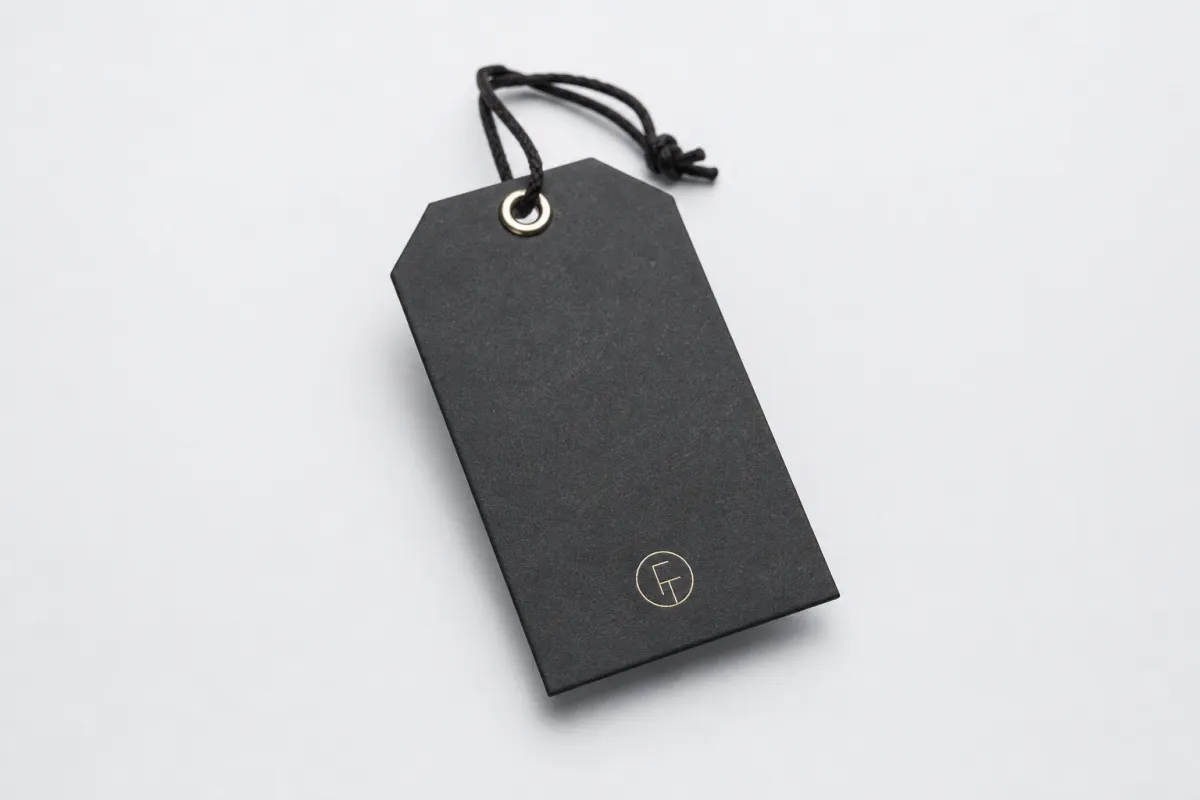
Custom hang tags for apparel branding sit at the intersection of product packaging and retail packaging. They are removable brand cards, usually attached with string, ribbon, plastic fasteners, or pin attachments, and they do more than carry a logo. They translate a garment into a retail-ready item. That sounds obvious until you place two similar tees side by side: one with crisp stock, disciplined typography, and a clean information hierarchy, and another with a crowded label that looks assembled during a lunch break. Same shirt. Very different perception.
In practice, custom hang tags for apparel branding perform four jobs. First, they identify the product: brand name, style name, size, color, and SKU. Second, they help justify the price by making the garment look intentional and finished. Third, they support store operations through barcodes and scan-ready data. Fourth, they extend brand voice, which is where things get more interesting. A tag can sound minimal, technical, playful, premium, eco-focused, or rugged. That tone becomes part of the package branding story before a customer ever touches the fabric.
The strongest custom hang tags for apparel branding usually feel like part of the garment, not an afterthought. A streetwear brand may choose heavier board, bolder type, and a custom die-cut. A luxury basics line may prefer a soft-touch surface and restrained copy. Kidswear often needs brighter graphics and clearer size or safety details. Accessories usually need smaller tags, but the logic stays the same: if the tag helps the customer understand the product faster, it earns its place.
There is a retail reality underneath all of this. Buyers and store associates want clear information. They want size, pricing, and barcodes without hunting through a messy layout. Good custom hang tags for apparel branding support that operational side while protecting the visual side. That is why a tag is not decoration. It is a working part of the merchandising system, and when it is done well, nobody notices the labor behind it. They just feel that the brand has its act together.
The same principle explains why branded packaging often feels more valuable than plain carton stock. The material can be ordinary, yet the execution communicates care. That is the entire trick behind custom hang tags for apparel branding: a small printed piece can make the product feel more retail-ready, more intentional, and more worth the ticket price.
One more detail matters. A tag does not need to carry every possible line of information. The best custom hang tags for apparel branding decide what belongs on the front, what belongs on the back, and what should live elsewhere in the system, such as care labels, woven labels, or outer packaging. Once the tag tries to do everything, it usually stops doing anything well. I've seen brands cram in five messages and somehow say none of them clearly.
How custom hang tags work
Custom hang tags for apparel branding begin with a very ordinary stack of choices: stock, size, shape, print method, finish, hole placement, and attachment. That sounds simple because it is. The complexity shows up when those choices start affecting one another. A 2 x 3.5 inch tag on 18pt board behaves differently from a 3 x 4.5 inch tag on textured kraft. Add foil, embossing, or a custom cut shape, and the production path changes again. Paper is one thing; paper plus finishing is where the real choreography starts.
Most custom hang tags for apparel branding use paper or paperboard, but not all paper behaves the same. Uncoated stock gives a natural, tactile feel and suits eco-leaning or minimal brands. Coated stock sharpens color and creates a more polished look. Textured papers suggest craft or premium positioning. Recycled and FSC-certified materials can support sustainability claims, as long as the rest of the communication is accurate and documented. The FSC has clear standards around responsible sourcing, which helps when sustainability is part of the brand story.
Production follows a familiar route. A typical order for custom hang tags for apparel branding starts with a brief, then moves to size and quantity confirmation, artwork upload, digital proofing, correction review, printing, finishing, assembly, packing, and shipping. Orders that include stringing or kitting take longer. Custom die-cuts or special foil add more time. That is not a flaw. It is how printed packaging works, and if a supplier claims otherwise, I would want to see the schedule twice.
Different apparel categories use the format in different ways. Streetwear often treats custom hang tags for apparel branding as a statement piece. Denim brands may prefer heavier stock and bolder silhouettes because the product already carries a tougher visual language. Luxury basics often keep the tag sparse so the garment can do the talking. Activewear usually needs strong barcode clarity and durability during warehouse handling. Accessories, especially belts, hats, and bags, may need smaller tags with concise information and a cleaner attachment method.
From a systems point of view, custom hang tags for apparel branding can serve retail operations and marketing at the same time. A barcode, SKU, and price code help the store. A brand story line, material callout, or origin note helps the shopper. A QR code can bridge the gap if you want to send people to a product page, a fit guide, or a care guide. The code should still be large enough to scan and placed far enough from the edge to avoid print or trim issues. Tiny QR codes are a classic self-own, and they usually scan like a coin flip.
Shipping and handling deserve attention too. If your tags travel with assembled garments or boxed sets, think about friction, bending, and pressure. That is where standards and testing matter. Shipping and transit guidance from groups like ISTA is more relevant than many apparel buyers expect, especially when tags are packed with folded garments or layered with other retail pieces.
In plain terms, custom hang tags for apparel branding are not complicated in concept. They are a print product with a job to do. The details decide whether they look premium, whether they scan correctly, whether they stay aligned with the rest of your brand identity, and whether they arrive on time without a late-stage scramble.
Design factors that make hang tags worth keeping
Design is where custom hang tags for apparel branding stop being generic and start earning their cost. If the stock, format, and finish are right, the tag feels natural in the buyer’s hand. If they are off, everything feels cheaper than it should. Packaging design is full of these small verdicts. People say they care about the garment, then they judge the tag first. That is retail.
Stock choice sets the tone. A 14pt or 16pt tag is usually enough for mass-market basics, but premium collections often move to 18pt, 24pt, or even layered stock if the budget supports it. Uncoated paper feels warmer and less glossy. Coated paper gives more precise color and better contrast for photography-heavy layouts. Kraft stock supports an earthy, utility-driven identity. Recycled board can fit a lower-waste position. The point is not to pick the fanciest material. The point is to match the material to the brand story and the garment price point.
Size matters too. Custom hang tags for apparel branding do not need to be oversized to feel premium. A compact tag can look elegant if the typography is controlled and the information is limited. Larger tags help when you need a brand story, fabric breakdown, or multiple SKUs on one system. Common sizes include 2 x 3.5 inches, 2.5 x 4 inches, and 3 x 5 inches, though die-cut shapes can move outside those norms. Standard rectangles are usually cheaper and quicker. Custom shapes stand out more, but they also introduce more tooling and waste.
Typography is where a lot of buyers get careless. They choose a nice font, then stuff too much copy into too little space. Bad idea. Custom hang tags for apparel branding need hierarchy. The brand name should be easy to read. The product name or line should sit beneath it. Size, price, and SKU should be clear without shouting. If there is a story, keep it short and genuine. White space is not wasted space. It is what keeps the tag from looking accidental. A crowded tag has the visual confidence of a coupon mailer, which is not usually the mood a premium garment wants.
Finish options can add a lot, but only when they serve the concept. Matte lamination or aqueous coating gives a smoother, quieter look. Gloss increases contrast and makes colors pop. Soft-touch feels more premium in hand, though it can show scuffs on high-friction items. Foil stamping works best as an accent rather than an all-over effect. Embossing or debossing adds depth and tactile interest. Spot UV can highlight logos or patterns. Edge painting looks sharp on thick board and can make a simple rectangle feel more deliberate. For custom hang tags for apparel branding, one strong finish is usually better than three flashy ones fighting each other.
There is a reason the best branded packaging systems feel calm. They are controlled. The tag, woven label, care label, and outer package all speak the same visual language. If your custom hang tags for apparel branding are minimalist, the rest of the system should not suddenly turn loud. If the garment is playful, the hang tag should carry that energy without sliding into cartoon territory. Consistency is not dramatic, but it is how brand identity holds together.
Here is a simple comparison that helps buyers make smarter choices:
| Option | Best For | Typical Cost Impact | Tradeoff |
|---|---|---|---|
| Uncoated stock | Natural, minimalist, eco-focused lines | Low to moderate | Less vivid color, more texture |
| Coated stock | Bold color, sharp graphics, retail polish | Low to moderate | Less tactile, can feel more standard |
| Textured or kraft stock | Craft, heritage, outdoor, sustainable branding | Moderate | Print detail may soften slightly |
| Soft-touch with foil | Premium basics, luxury capsules, giftable products | Higher | More cost, more setup, more time |
That table makes the point plainly: custom hang tags for apparel branding should follow strategy first, finish second. If you want the tag to communicate retail value quickly, choose the stock and finish that support the message. If the goal is a softer, more tactile package branding experience, there is room for texture and restraint. If the goal is speed and scale, keep the spec tight and the design clean.
For brands that also sell through broader product packaging systems, it helps to audit the tag alongside the box, mailer, or insert. That is where Case Studies can be useful, because the same brand can look very different once you compare what actually worked across multiple categories. A tag does not live alone. It is part of the whole shelf conversation, and the shelf is not especially forgiving.
Process and timeline for custom hang tag orders
Custom hang tags for apparel branding usually move through a predictable process, yet people still manage to make it feel obscure. It is not obscure. It is a sequence of decisions, approvals, and physical production steps. The sooner you know those steps, the fewer surprises you get in the schedule.
The first step is the brief. Define the garment type, quantity, size requirements, target look, retail use, and any mandatory data fields. If your tags need a barcode, give the format up front. If you want a hole in a specific place, say so. If you already know the finish, state it clearly. Every missing detail becomes an email later, and every email costs time. Custom hang tags for apparel branding move faster when the supplier is not guessing, and honestly, everybody likes fewer guessing games.
Next comes artwork and proofing. Most suppliers send a digital proof for layout, sizing, and spelling checks. This usually takes a day or two, depending on response time and how many revisions you need. If the proof includes color matching or custom dielines, expect a little more back-and-forth. For custom hang tags for apparel branding, this stage is where errors are cheapest to fix. After approval, they become expensive. A typo on a proof is annoying; a typo on 5,000 tags is a very different conversation.
Production time depends on the spec. Simple printed tags can often run in roughly 5 to 10 business days after proof approval, assuming the shop has capacity and the quantity is reasonable. Custom shapes, foil, embossing, edge painting, or assembly can push that into the 10 to 15 business day range or more. Large orders, specialty board, or kitting may stretch further. If a launch, trade show, or photoshoot depends on the tags, build a buffer. Do not schedule your first public reveal for the same week as your production deadline. That is how brands buy unnecessary stress.
Assembly matters more than many buyers expect. Custom hang tags for apparel branding may need strings attached, knots tied, barcodes matched to SKUs, or sets bundled for multi-piece collections. That labor adds time and cost, but it can save internal team hours if you are handling a large order. The tradeoff is real. Some brands want finished tags ready to attach. Others prefer in-house assembly to save money. Neither choice is wrong, but both should be intentional.
Common delay points are predictable. Missing artwork. Slow approvals. Barcode files that do not scan. Wrong hole placement. Custom sizes that were never formally confirmed. Color expectations based on screen visuals instead of print proofs. Custom hang tags for apparel branding go sideways for boring reasons, not dramatic ones. Usually someone assumed, then production had to stop.
If you are ordering alongside other branded packaging, coordination helps. A tag, a mailer, and a box should not be designed in separate silos if you can avoid it. The same color, logo treatment, and tone should carry through. Otherwise the line looks patched together. That weakens the unboxing experience and muddies the brand story.
A realistic planning rule: start the process at least 3 to 5 weeks before you need the tags in hand if you want time for revisions, proofing, and shipping cushion. If your design includes special finishes or a complex assembly step, give it more room. Custom hang tags for apparel branding are not the place to gamble on a tight schedule.
Cost, pricing, MOQ, and quote basics
Custom hang tags for apparel branding are one of those print items where the price can swing widely without the buyer understanding why. That leads to bad decisions. Someone sees a cheap quote and assumes they found a bargain, then discovers the material is flimsy, the color is off, or the setup fees are hiding somewhere else. The cheapest option is not always cheaper once the order is finished, and that gap can be surprisingly annoying.
The main cost drivers are straightforward: material, size, quantity, print colors, finishing, die-cut complexity, assembly, and shipping. Higher quantities spread setup costs across more units, so the unit price usually falls as the run gets larger. That is why a 500-piece order can look surprisingly expensive per tag while a 5,000-piece order drops into a much friendlier range. For standard custom hang tags for apparel branding, rough pricing might land around $0.10 to $0.25 per unit at higher quantities for simple specs, while premium finishes or custom shapes can move into the $0.25 to $0.60 range or higher. Small runs can sit well above that. The exact number depends on the spec, and pretending otherwise is sales fluff.
MOQ is another major variable. Many suppliers set minimums in the low hundreds, but the actual floor depends on the print method and material. Digital printing often allows lower quantities. Offset and specialty finishing usually want more volume to make setup worthwhile. If you are testing a new line, the ability to order a smaller batch of custom hang tags for apparel branding can be useful. Just know that the unit cost will be higher. That is the tradeoff. Low per-unit pricing usually requires commitment on quantity.
One smart move is to compare three quantities in your quote request: a test run, a mid-size reorder, and a production batch. That reveals where the price break actually happens. A lot of buyers only ask for one quote and then complain about the number. Helpful? Not much. Better to see the curve. With custom hang tags for apparel branding, the price step-down often tells you more than the first quote does.
Here is a practical comparison of common quote scenarios:
| Run Size | Typical Spec | Unit Cost Trend | Best Use |
|---|---|---|---|
| 300-500 pcs | Simple print, standard shape, basic stringing | Highest | Testing a new label or capsule |
| 1,000-2,500 pcs | Standard stock, one or two finishes, limited assembly | Moderate | Seasonal drops and smaller wholesale runs |
| 5,000+ pcs | Optimized layout, efficient production, repeatable format | Lowest | Core line and regular replenishment |
Hidden costs deserve attention. Art fixes, plate or tooling charges, rush fees, custom dies, stringing labor, and freight can all change the final bill. If a quote looks unusually low, ask what is excluded. That question saves more money than chasing the lowest headline number. It also protects you from last-minute surprises that make custom hang tags for apparel branding feel like a bait-and-switch exercise.
There is a second cost issue that buyers often overlook: mismatch. If the hang tag does not align with your product packaging, Custom Printed Boxes, or store display system, you may end up reprinting. That hurts more than a slightly higher spec would have. A well-planned tag system can support the rest of the line, which is why custom hang tags for apparel branding should be quoted in the context of the broader package branding plan, not treated as a lone item.
If you are comparing suppliers, ask for the same specs across all quotes. Same stock. Same size. Same finish. Same quantity. Same attachment. Same shipping terms. Otherwise you are comparing apples to shoes, which is about as useful as it sounds.
Common mistakes with custom hang tags for apparel branding
The biggest mistake with custom hang tags for apparel branding is stuffing too much into a tiny surface. Brands cram in the logo, story, slogan, size, barcode, fabric facts, care instructions, social icons, sustainability notes, and three lines of legal copy. Then they wonder why the tag looks cramped and cheap. Space is a design decision. Use it. If everything is shouting, nothing is actually communicating.
Another common error is choosing a finish first and the strategy second. Someone falls for foil, soft-touch, or a die-cut shape, then tries to force the concept around it. That is backwards. A smart tag starts with the message. Only then do you decide how much finish it needs. Otherwise custom hang tags for apparel branding become expensive decoration with no actual brand job attached.
Barcode issues cause more pain than people expect. Tiny type, poor contrast, and bad placement can make a retail tag annoying or unusable. If your products enter store systems, make the barcode and SKU readable. Leave enough quiet space around scan areas. Do not place critical information too close to the trim or hole punch. These are basic print rules, yet they still get ignored because someone wanted the logo bigger. The barcode does not care about your pride.
Skipping proofs or physical samples is another expensive habit. Digital mockups are useful, but they do not tell you how the paper feels, how heavy the stock is, or whether the color reads too dull in real light. For custom hang tags for apparel branding, sampling can catch bad proportions, weak contrast, and awkward attachment choices before you commit to a full run. A small sample fee is cheaper than reprinting 2,000 tags because the hole punched in the wrong place shifts the entire layout. Been there, seen it, regretted it.
There is also the issue of bad claims. Sustainability language, origin statements, fiber content, and care instructions should be accurate. Do not guess. Do not stretch wording because it sounds better. That creates risk you do not need. If the tag mentions recycled content, FSC sourcing, or other environmental claims, the wording should match the actual materials and documentation. That is true for packaging design across the board, not just custom hang tags for apparel branding.
Some brands make the opposite mistake: they over-design a tag that should stay simple. A clean essentials line does not need a crowded graphic system. A rugged workwear brand does not need delicate thin type. A playful kids line does not need stiff corporate typography. The tag should fit the brand identity, not fight it. That sounds obvious, but obvious things are the ones people usually miss.
If you want a practical filter, ask three questions before approving final artwork:
- Does this tag help the customer understand the garment faster?
- Does this tag match the rest of the product packaging system?
- Does every element on the tag earn its space?
If the answer to any of those is no, revise it. Custom hang tags for apparel branding are small, but small is not the same as simple. There is a difference, and the difference shows up in the final photo, the retail rack, and the first touch.
Expert tips and next steps for custom hang tags for apparel branding
Start with the job the tag needs to do. That is the cleanest way to approach custom hang tags for apparel branding. Is it meant to sell the garment, support scanning, tell a story, or signal premium value? Pick the primary job first. Everything else gets easier once you stop asking the tag to solve every problem in the business.
Use one signature detail instead of stacking every possible finish. A textured stock can carry a minimalist brand. A single foil accent can lift a premium line. A custom shape can make a streetwear drop feel more ownable. You do not need foil, embossing, spot UV, and edge painting all at once. That tends to look like overcompensation. One strong move is better than four loud ones. Custom hang tags for apparel branding should feel deliberate, not desperate for attention.
Request actual samples whenever possible. Mockups are fine for layout approval, but they do not tell you how the stock sits in the hand, whether the print feels crisp, or whether the finish matches the brand’s price point. In apparel, feel matters. A buyer may not be able to explain why a tag feels right, but they notice immediately when it does not. That is one reason custom hang tags for apparel branding deserve physical review before the full run.
If you are building a new line, pair the tag review with the rest of the brand system. Look at the shirt label, the mailer or carton, the insert card, and the website product page together. Custom hang tags for apparel branding work best as part of a consistent package branding system. The same visual logic should carry across the whole customer touchpoint stack, from shelf to unboxing experience.
For brands that want to stay organized, here is the simplest next-step checklist I can give you:
- Audit your current tags and note what is missing or unclear.
- Define the must-have information: logo, size, SKU, barcode, price, and any legal copy.
- Choose the minimum viable spec that still fits your brand identity.
- Request three quotes at the same size, stock, quantity, and finish.
- Ask for a sample or proof before approval.
- Build shipping buffer before launch or photography.
If you want to compare hang tags against other branding pieces, Custom Labels & Tags and Custom Packaging Products are useful places to think through the full system instead of treating every piece as isolated. That is usually where better decisions happen.
There is no magic trick here. Custom hang tags for apparel branding work because they make the garment feel more finished, more legible, and more worth the asking price. They also help a brand look organized, which is underrated until your product reaches a buyer or customer who notices sloppiness immediately. Plan the tag as part of the product, not as an afterthought, and you will get better results with fewer headaches.
The practical takeaway is simple: lock the information hierarchy first, sample one physical tag before you approve the run, and compare quotes only after every supplier is working from the exact same spec. Do that, and custom hang tags for apparel branding stop being a gamble and start becoming one of the quietest ways to raise perceived value.
How much do custom hang tags for apparel branding usually cost?
Pricing depends on quantity, stock, size, print colors, finishing, and whether the tags need assembly. Simple paper tags are usually the cheapest, while thick stock, foil, embossing, and custom shapes push the price up. Ask for quotes at several quantities so you can see where the unit cost drops enough to justify a larger run. For many brands, the real savings show up only after the setup cost gets spread across more pieces, which is why a single quote can be a little misleading.
What size works best for custom apparel hang tags?
Common sizes include compact rectangles for basics and larger cards for premium or story-driven brands. Choose the size based on how much information must fit, not just on what looks nice in a mockup. Keep the barcode, logo, and key copy readable with enough white space so the tag does not feel crowded. If the tag needs to carry more than the basics, a slightly larger format is usually smarter than compressing everything into a small box and hoping for the best.
How long do custom hang tags for apparel branding take to produce?
Standard orders often move quickly after proof approval, but exact turnaround depends on the supplier and the spec complexity. Special finishes, custom die-cuts, and assembly usually add time, especially on larger orders. Build in buffer time before a launch or photoshoot so you are not gambling on a tight delivery window. A few extra days up front is much cheaper than a rushed reprint, and a late tag can throw off the rest of your schedule in a way that feels weirdly expensive.
What should be printed on apparel hang tags?
At minimum, include the brand name, product name or style, size, price, and any retail barcode or SKU needed for checkout. Many brands also add care details, origin, a short story, sustainability notes, or social handles if space allows. Do not overload the tag; every extra line should earn its place. If a detail does not help sell, scan, or explain the product, leave it off. The best tags are not the busiest ones.
What MOQ is typical for custom hang tags?
Many suppliers set minimums somewhere in the low hundreds, but the real number depends on the material and print method. Smaller runs can be useful for testing, but the unit price is usually higher. If you are unsure, request a quote at a test quantity and a reorder quantity so you can compare both. That usually tells you whether the project should start small or go straight to a larger batch, and it gives you a clearer picture of where the pricing actually settles.

