Buyer Fit Snapshot
| Best fit | Custom Inserts Supplier Quote projects where brand print, material claims, artwork control, MOQ, and repeat-order consistency need to be specified before quoting. |
|---|---|
| Quote inputs | Share finished size, material target, print colors, finish, packing count, annual reorder estimate, ship-to region, and any compliance wording. |
| Proofing check | Approve dieline scale, logo placement, barcode or warning zones, color tolerance, closure strength, and carton packing before bulk production. |
| Main risk | Vague material claims, crowded artwork, missing packing details, or unclear freight terms can make a low unit price expensive after revisions. |
Fast answer: Custom Inserts Supplier Quote: Material, Print, Proofing, and Reorder Risk should be specified like a repeatable production item. The safest quote records material, print method, finish, artwork proof, packing count, and reorder notes in one written spec.
Production checks before approval
Compare the actual filled-product size with the drawing, then confirm tolerance on folds, seals, hang holes, label areas, and retail display edges. Reserve space for logos, QR codes, warning copy, and material claims before decorative graphics fill the panel.
Quote comparison points
Review material grade, print process, finish, sampling route, tooling charges, carton quantity, and freight assumptions side by side. A quote is only useful when the supplier can repeat the same color, closure quality, and packing count on the next order.
Custom Inserts Supplier Quote: What Buyers Need to Know
A custom inserts supplier quote is usually the first real test of whether a packaging partner understands the job or just knows how to send numbers. The insert has to do more than fill space. It has to hold the product still, survive transit, fit the packing line, and avoid turning into a costly problem after the first run.
The best quote reflects the actual product, the actual pack-out, and the actual shipping conditions. Not a cleaned-up version. Not the one that assumes perfect carton tolerances and a patient operator with endless time on the line. A supplier who asks for dimensions, weight, materials, pack orientation, and loading method is doing the right kind of homework. That is how the quote becomes useful instead of decorative. If you are comparing broader packaging options too, our Custom Packaging Products page shows where inserts fit inside the full package structure.
It also helps to understand what a quote is really telling you. Price matters, obviously. But the quote also reveals whether the supplier can think through fit, manufacturability, shipping stress, and repeatability. Those are the things that decide whether the insert works on paper or works in production. The gap between those two is where most packaging headaches live.
Why a Custom Inserts Supplier Quote Can Save a Carton Line
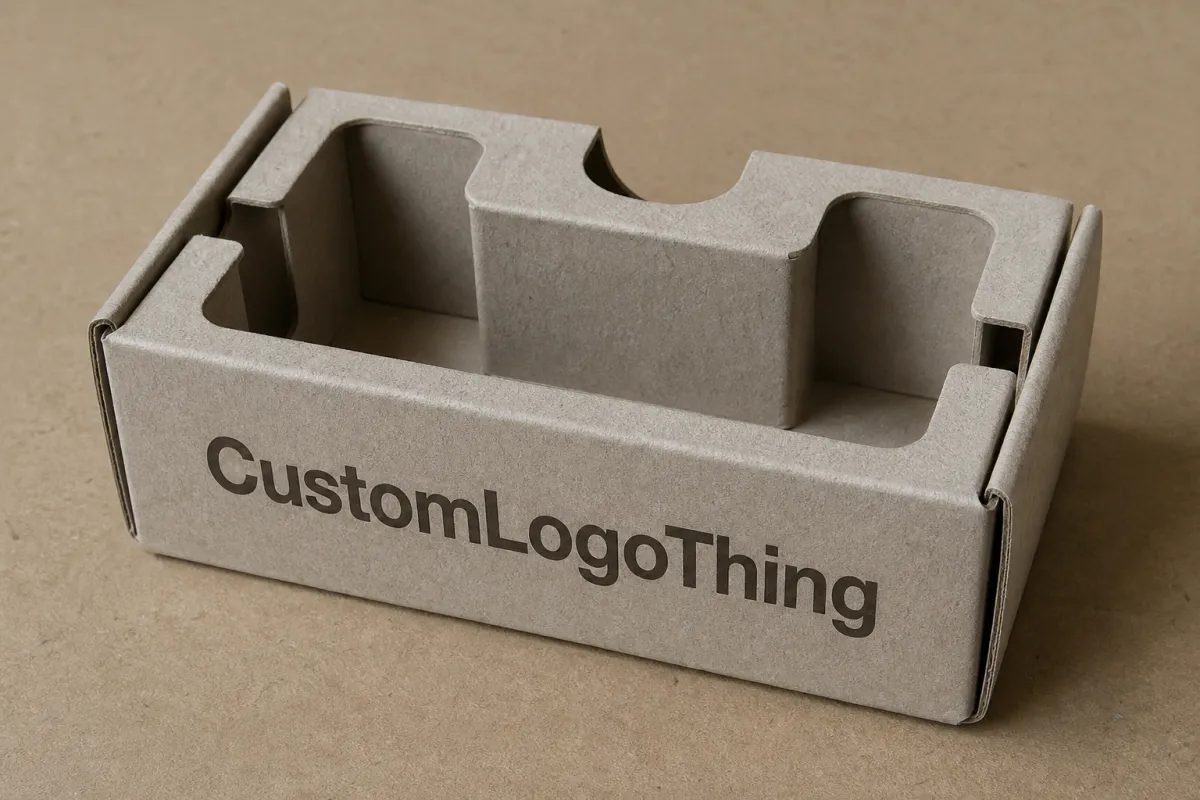
Most packaging failures start inside the box. A bottle tips. A device slides. A kit rattles itself into a pile of scuffs, broken seals, or missing pieces. The carton may look perfect from the outside, which is nice if you enjoy shipping damage hidden behind clean graphics. A well-made insert keeps the product where it belongs and stops movement before it becomes a claim, a return, or a production delay.
The quote matters because it gives you more than a price tag. It shows whether the supplier understands product fit, load distribution, vibration, and line behavior. If they ask about product weight, carton dimensions, and how the insert gets loaded, that is not a delay tactic. That is a sign they are trying to prevent a bad build. A supplier that sends back a price with no questions usually has not thought through the application.
Cheap-looking insert options can hide expensive consequences. A design that trims a little material cost may slow operators down, require extra hand folding, or create rework because the product does not seat correctly. It can also increase damage rates. That cost rarely shows up in the first quote comparison, even though it is the one that hits the budget later.
Picture a cosmetic set packed in a folded paperboard insert. The original design fit one jar and one bottle. Then the product team changes a component by a few millimeters and nobody updates the insert. The line keeps moving. The product starts shifting. The carton still looks good. The customer opens the box and finds loose contents. That is exactly the kind of miss a solid custom inserts supplier quote should catch early.
Here is the practical part: a strong quote helps a buyer see the difference between a design that is simply cheap and a design that is actually efficient. Those are not the same thing. One saves pennies and creates labor or damage. The other may cost a bit more up front and run cleaner for months. Packaging teams learn that distinction the hard way if the quote process is rushed.
"A good insert disappears when it works. It only gets attention when someone skipped the design step."
Buyers should treat the quote as a production tool, not a formality. It should help answer whether the insert supports the pack line, whether it holds up in shipping, and whether the same design can be repeated without surprise changes on the next order. The lowest number on the page rarely tells that story.
What Goes Into a Custom Inserts Supplier Quote
A useful custom inserts supplier quote starts with the basics: product dimensions, weight, quantity, carton or tray size, and how many items need to sit in each pack. One SKU is simple enough. Multiple components, fragile surfaces, or a product that must sit in a precise orientation push the build into more exact territory, which the quote should reflect.
Construction choice matters just as much as size. Corrugated inserts, paperboard partitions, foam cutouts, molded fiber, and hybrid builds all behave differently. Corrugated brings structure and scales well. Paperboard works for lighter products and retail presentation. Foam cushions delicate items, though it does not suit every recyclability target. Molded fiber can fit sustainable programs when the shape and load profile line up. Each option changes material usage, machine time, and assembly labor.
Tolerances deserve more attention than they usually get. A fit that looks perfect on a drawing can go tight once coating, print, humidity, and normal manufacturing variation enter the picture. A dieline with no room to breathe may work in samples and then bind on the line. Good suppliers ask how snug the fit really needs to be and whether the product surface can tolerate contact. That matters even more in branded packaging and retail packaging, where the insert has to protect the product and still look intentional.
Finish details also move the price. Die-cut complexity, score depth, glue points, folding sequence, and whether the insert ships flat or preassembled all play a role. Flat-shipped inserts can reduce freight and storage cost, but they usually ask more of the pack line. Preassembled inserts can speed loading, but they raise unit cost and take more warehouse space. The right call depends on line speed, labor availability, and how much storage you actually have.
Suppliers may also ask about testing. Drop tests, vibration tests, and compression tests influence design decisions early, not after production starts. Many teams use standards like ISTA procedures, ASTM methods such as ASTM D4169, or internal shipping performance requirements. Those standards do not choose the insert for you, but they do define how much punishment it needs to handle. A supplier who understands them can quote a structure that has a real chance of passing without repeated rebuilds.
- Product data: dimensions, weight, surface sensitivity, and count per pack
- Package data: carton size, tray size, and whether the insert must support multiple components
- Production data: flat or assembled delivery, packing speed, and line constraints
- Performance data: shipping distance, vibration risk, drop-test needs, and compression concerns
The cleaner the input, the more dependable the quote. That is why a good custom inserts supplier quote request looks like a mix of product brief, manufacturing brief, and shipping brief. If any of those pieces are missing, the supplier is guessing. Guessing is expensive.
Custom Inserts Quote, Pricing, and MOQ Factors
Pricing comes down to a few practical variables, none of them mysterious. Material choice is first. Corrugated board, paperboard, foam, and molded fiber each carry different base costs. Board grade, flute profile, thickness, and surface finish can move pricing more than buyers expect. A 24pt paperboard insert is not in the same cost bucket as a double-wall corrugated partition, even if the shapes look similar on a screen.
Cutting efficiency follows close behind. A layout that nests tightly on the sheet wastes less material and usually costs less per unit. A shape with odd angles, narrow tabs, or large offcuts creates waste, and waste shows up in the quote. Setup time matters too. Even a simple insert may need tooling loaded, machinery adjusted, or folding and gluing equipment set up. That setup cost has to be spread across the run.
MOQ, or minimum order quantity, often comes from those same realities. A small piece count can still carry a meaningful setup charge because the machine time and labor do not shrink just because the order is tiny. A buyer asking for 500 units may see a very different unit price than someone ordering 5,000 units, even when the design stays the same. At higher volume, setup gets spread out, and unit cost usually drops. The tradeoff is storage and release planning. Bigger runs often need more space or staged deliveries.
There is also a difference between the quoted piece price and the full landed cost. Buyers should keep the line items separate:
| Cost Element | What It Covers | Buyer Impact |
|---|---|---|
| Unit price | Material, cutting, forming, and standard conversion | Core per-piece cost |
| Tooling or die charge | Custom cutting form, setup, or special tooling | Often one-time or amortized |
| Sample cost | Prototype, fit check, and revision rounds | Helps reduce production risk |
| Assembly charge | Pre-gluing, folding, hand assembly, or kitting | Raises labor component |
| Freight | Shipping from supplier to your facility | Affects total landed cost |
A buyer comparing two quotes needs the same scope on both sides. One supplier may include assembly and freight. Another may quote only the part price and leave the rest to your imagination. That is where apples-to-apples review matters. The lowest number can look great right up until the hidden charges arrive.
Price also shifts with print coverage and brand requirements. For retail packaging or Custom Printed Boxes with integrated inserts, print can add ink usage, registration checks, and make-ready time. Even a plain insert may need ink for orientation marks, product ID, or packing instructions. If the insert sits inside a branded packaging experience, the quote may also reflect tighter quality control because appearance matters too.
A smart buyer does not ask for "the cheapest option" and call it strategy. The better question is which option delivers the right fit, the right look, and the right repeatability for the total cost of ownership. A well-built custom inserts supplier quote should make that tradeoff obvious.
MOQ should also be viewed against operational risk. Sometimes a slightly higher minimum order makes sense if it reduces line stoppages, repeat sampling, or the chance of rework. On paper, a low MOQ sounds flexible. In practice, a too-small run can be the most expensive choice once the setup charge and labor are spread across the batch.
Custom Inserts Quote Process, Timeline, and Production Steps
The quote process usually starts with RFQ intake. The supplier reviews product dimensions, quantity, carton size, and any photos or drawings you send. When the request is clear, the supplier can move quickly into material recommendations and preliminary pricing. When it is vague, the first round becomes a question-and-answer session, which burns time. Clean information at the start shortens the whole cycle.
A typical process looks like this:
- Initial brief and specification review
- Clarifying questions about fit, load, and shipping conditions
- Material and construction recommendations
- Preliminary pricing or quote range
- Prototype, sample, or fit check if needed
- Revision and approval
- Production scheduling and release
- Cutting, forming, inspection, packing, and shipment
Timeline depends on design complexity and how quickly both sides respond. A simple insert with standard dimensions and no unusual finishing can move fast. A complicated shape, a multi-component tray, or a design that needs a prototype before approval will take longer. The quote moves faster when the buyer sends product photos, exact dimensions, weight, and target quantity in one message. Less back-and-forth usually means less waiting.
Most delays come from the same predictable mess. Measurements arrive incomplete. Artwork changes after the sample is already made. The carton size changes while the insert is still under review. The person approving the quote is not the same person approving fit. None of that is rare. It is just avoidable, which makes it more irritating. A clear request reduces the chance of a quote that looks fine but fails at the packing bench.
Once approved, the production steps are usually straightforward, even if each one affects final quality. Material gets procured. Sheets or blanks get cut. Scores and folds are formed. Glue or tabs are applied if needed. The supplier inspects the run, packs the inserts, and ships them out. For higher-volume jobs, quality checks should focus on dimensions, crease integrity, and assembly consistency so each insert behaves the same way on the line.
Lead time can also improve when the buyer understands the production method. If the insert ships flat, freight is easier and storage is lighter. If it arrives assembled, the pack line may move faster, but the supplier is carrying more labor. Both can work. The right choice depends on the operation, not theory. A good supplier should explain that plainly instead of hiding behind jargon.
A good quote should answer three questions fast: does it fit, does it run, and does it repeat without drama?
If it does not answer those three, it is not ready yet. That may sound blunt. It is also the fastest way to avoid a bad production run.
Choosing the Right Material and Build for Your Product
Material selection should start with the product and then work outward to shipping and presentation. Corrugated inserts fit heavier items, shipping protection, and multi-component separation. They can be built with partitions, layered walls, or shaped pockets that hold the product in place. Paperboard inserts are better for lighter items, smaller sets, or packaging that needs a cleaner retail look. Foam gives strong cushioning and can help with fragile surfaces, though not every brand wants it in the final pack. Molded fiber can work well for sustainability-focused programs and for products that suit a formed cavity.
A lightweight cosmetic product may only need a paperboard cradle, especially if the carton travels a short distance and gets handled carefully. A heavier device, glass bottle, or premium accessory set may need deeper pockets, thicker board, or layered support to stop vibration and impact damage. The insert should match both product mass and shipping stress. A design that works in a controlled warehouse may behave very differently in parcel transit after a courier has had a long day.
Structure matters just as much as material. Tabs, slots, partitions, folds, edge reinforcement, and product-specific pockets all help stabilize the pack. The goal is not to overbuild the insert. It is to keep the product centered without making assembly miserable for the operator. Too many small folds slow the line. Too little structure lets the contents drift. Neither option is charming.
Sustainability and presentation now sit in the same conversation more often than not. Buyers want inserts that support recycling goals, but they also want a clean unboxing experience, especially for retail packaging and premium branded packaging. Paperboard and molded fiber often give a solid balance between protection and presentation. The right answer depends on the brand promise, the channel, and the warehouse conditions. For projects with a sustainability target, groups like the FSC can add useful context around responsible fiber sourcing.
Warehouse and shipping conditions should never get treated like an afterthought. Humidity can soften certain materials. Long transit can magnify vibration. Temperature swings can change how a fold holds its shape. A buyer who only evaluates the product on a clean desk may miss the conditions that actually decide performance. That is why a strong insert design always considers the packing environment, not just the product.
Here is a practical comparison of common insert options:
| Insert Type | Best For | Strengths | Tradeoffs |
|---|---|---|---|
| Corrugated | Heavier or multi-piece products | Good structure, strong separation, efficient for shipping | Can look less premium unless designed carefully |
| Paperboard | Lightweight retail packaging | Clean appearance, flexible shaping, easier branding | Less cushioning for heavy loads |
| Foam | Fragile or high-value items | Strong cushioning and snug fit | May conflict with recyclability goals |
| Molded fiber | Sustainable programs and formed cavities | Responsible material story, solid protection | Tooling and geometry can limit flexibility |
| Hybrid build | Complex products with mixed needs | Balances support, appearance, and handling | Can raise complexity and setup time |
There is no universal best material. The right choice depends on product weight, fragility, line speed, storage, sustainability goals, and whether the insert supports product packaging alone or a full brand presentation. That is exactly why a thoughtful custom inserts supplier quote matters: it turns tradeoffs into visible options instead of hiding them in assumptions.
For teams working on custom printed boxes or a broader packaging refresh, the insert should support the same brand story as the outer carton. The insert is not just a spacer. It is part of the whole package experience, and in some markets it is the first physical touchpoint with the product. A sloppy insert can undercut strong package branding fast.
For broader packaging guidance and related product categories, our Contact Us page can help you sort through the details before you lock in a final structure.
Why Buyers Compare Our Custom Inserts Supplier Quote First
Buyers often start with our quote process because they want practical answers, not polished noise. A well-prepared custom inserts supplier quote should show how the insert is built, what it costs, what the lead time looks like, and where the risk sits. That kind of transparency makes it easier to compare suppliers without guessing what is buried inside the number.
We keep the process grounded in accurate specs and direct communication because insert programs tend to expose weak points quickly. If dimensions are off, if the assembly method is unclear, or if the material does not match the carton, the mistake shows up during sampling or, worse, in production. A quote that asks the right questions up front usually saves pain later. Fancy phrasing does not stop damaged goods.
Supplier guidance has value too. Two inserts can protect the same product, yet one may be much easier to run, assemble, and repeat. For a packaging buyer, that difference matters. A cleaner run means fewer line interruptions, less labor pressure, and a smaller chance of a bad batch. That is especially true for companies managing repeat orders or multiple SKUs under one branded packaging standard.
Pricing transparency matters as well. Buyers should be able to see whether the cost comes from material, cutting, assembly, freight, or tooling. When a quote spells that out clearly, it becomes easier to compare total landed cost instead of just unit cost. That is one reason companies evaluating product packaging programs ask for a few structural options before they decide.
The value is not hype. It is fewer surprises, better sampling, better repeatability, and fewer headaches on future orders. If a supplier cannot explain why a quote moved, the buyer should treat that as a signal. Not every pricing difference is a problem, but every unexplained difference deserves a second look.
For buyers who need to move quickly, comparing quotes first also helps prevent a common mistake: locking in a structure before the pack line, shipping method, and product finish have been confirmed. That shortcut creates revisions later. Revisions cost time, and time is usually the thing nobody has enough of.
What to Do Before You Request Your Next Quote
Before you Request a Quote, gather the product facts that matter. Start with dimensions, weight, quantity, carton size, and photos of the item or set. If the insert has to support multiple components, list each piece. If the product is fragile, say where the risk sits: glass corners, printed surfaces, pumps, fittings, or connectors. A quote is only as good as the information behind it.
It also helps to ask for two or three quote options. One may use corrugated, another paperboard, and another a hybrid structure. That gives you a real comparison instead of forcing every project into one lane. You can then judge whether the cheapest build actually fits your shipping conditions and your brand expectations.
Ask what is included. Does the price cover samples? Are revisions included? Is freight in the number? Is there an assembly charge? Those details change the total landed cost. A buyer who checks them early avoids the annoying discovery that half the scope was assumed, not quoted.
Be clear about line speed and warehouse handling. If the insert has to be loaded quickly, that changes the best design. If it will sit in storage for a while before use, that changes material and packaging decisions. If the package needs to feel polished on a retail shelf, the insert may need a cleaner finish than a shipping-only build. Packaging design and production reality have to meet somewhere in the middle.
Ask for the tolerance range, not just the ideal dimension. That matters more than many teams realize. Product samples can be perfect. Production lots rarely are. A supplier who talks in exact fit language without asking about variation is leaving out the part that matters most on the shop floor.
If you are building custom printed boxes or premium product packaging, the insert should support the same brand story as the outer carton. The insert is not just a spacer. It is part of the package experience, and in some categories it is the first physical touchpoint with the product. A poor insert can weaken the entire presentation even if the exterior looks strong.
If you want the most useful outcome from your next custom inserts supplier quote, send a complete brief, ask for more than one construction option, and compare suppliers on fit, speed, and total landed cost before you place the order. That approach gives you a better production result and a better buying decision. It also makes the next reorder easier, which is usually where packaging programs start to show whether they were designed well in the first place.
The practical takeaway is simple: the best quote is not the cheapest number. It is the one that reflects your product, your line, and your shipping reality closely enough to avoid surprises. Before you approve anything, make sure the supplier has the product specs, the pack method, the target quantity, the tolerance range, and the testing expectations. Then compare the full landed cost, not just the unit price.
What should I send with a custom inserts supplier quote request?
Send product dimensions, product weight, quantity, carton size, and clear photos of the item or set. Include whether the insert must ship flat, arrive preassembled, or support retail presentation. Share your target ship date and any test requirements so the supplier can quote the right build and timeline. If you have a sample product in hand, note any surface sensitivity or areas that should not touch the insert.
How long does a custom inserts quote usually take?
Simple jobs can come back quickly when dimensions and quantities are clear. More complex projects take longer if the supplier needs to review fit, material options, or sample plans. Fast replies usually depend on complete information and a decision-maker who can answer questions without delay. If a quote needs prototyping, plan for extra time instead of assuming the first sample will be final.
What affects the unit cost of custom packaging inserts most?
Material type, cut complexity, and setup time usually have the biggest impact on unit cost. Higher volume often lowers the per-piece price because setup gets spread across more units. Extra assembly, print, special tolerances, and freight can also move the final landed cost. Changes that seem minor on a drawing, like a tighter fold or a larger pocket, can also change labor enough to matter.
Is MOQ based on the insert only or the full package?
MOQ is often tied to the insert design, material usage, and machine setup required to make it efficiently. A project may need a minimum quantity even if the outer carton is standard, because the insert still requires cutting and setup. Ask whether the supplier can quote multiple volume levels so you can compare MOQ against unit cost. That comparison helps buyers decide whether to order for one launch or plan for a longer production window.
Can I get a custom inserts supplier quote before artwork is final?
Yes, as long as the core dimensions, product weight, and intended use are known. A preliminary quote can be based on structural requirements first, then refined once artwork or final dielines are approved. Just tell the supplier what is still open so the pricing reflects any possible revisions. If the artwork affects die lines, print registration, or structural folds, make that clear early.
What if I need the insert to pass shipping tests?
Say that upfront. Drop, vibration, and compression testing can change the material and structure the supplier recommends. If you already use a test standard, send it with the RFQ. That gives the supplier a target instead of a guess. Without that information, the quote may look fine and still fail once the product leaves the warehouse.

