Buyer Fit Snapshot
| Best fit | Custom Telescoping Boxes Factory Quote projects where brand print, material claims, artwork control, MOQ, and repeat-order consistency need to be specified before quoting. |
|---|---|
| Quote inputs | Share finished size, material target, print colors, finish, packing count, annual reorder estimate, ship-to region, and any compliance wording. |
| Proofing check | Approve dieline scale, logo placement, barcode or warning zones, color tolerance, closure strength, and carton packing before bulk production. |
| Main risk | Vague material claims, crowded artwork, missing packing details, or unclear freight terms can make a low unit price expensive after revisions. |
Fast answer: Custom Telescoping Boxes Factory Quote: Board, Finish, Dieline, and Unit Cost should be specified like a repeatable production item. The safest quote records material, print method, finish, artwork proof, packing count, and reorder notes in one written spec.
Production checks before approval
Compare the actual filled-product size with the drawing, then confirm tolerance on folds, seals, hang holes, label areas, and retail display edges. Reserve space for logos, QR codes, warning copy, and material claims before decorative graphics fill the panel.
Quote comparison points
Review material grade, print process, finish, sampling route, tooling charges, carton quantity, and freight assumptions side by side. A quote is only useful when the supplier can repeat the same color, closure quality, and packing count on the next order.
Custom Telescoping Boxes Factory Quote: What Buyers Need
A custom telescoping boxes factory quote tells you more than a price. It shows how the factory thinks about fit, print, strength, and assembly. That matters because telescoping packaging is rarely just a container. It affects how the product ships, how it looks on shelf, and how much damage you will pay for later if the structure is wrong.
Teams often start with stock packaging because it feels fast. Then the product arrives loose, the inserts need to be added, and shipping costs creep up because the box is bigger than it should be. A two-piece telescoping structure can solve several of those problems at once. It can tighten the fit, reduce internal movement, and give the package a cleaner presentation without forcing the buyer to build a second system around it.
The quote should reflect that reality. If it does not, it is not a useful quote. It is a number with a logo on top.
Practical rule: build the quote around the product, not around a convenient carton size that happens to be sitting in a factory catalog.
The sections below cover the construction choices that change pricing, the specs factories actually need, and the usual traps buyers run into when they compare bids too quickly. If you are asking for a custom telescoping boxes factory quote, the goal is not just to get one. The goal is to get one that can survive an internal review without confusion, surprise charges, or a second round of apologetic emails.
Why a Custom Telescoping Boxes Factory Quote Can Beat Stock Packaging
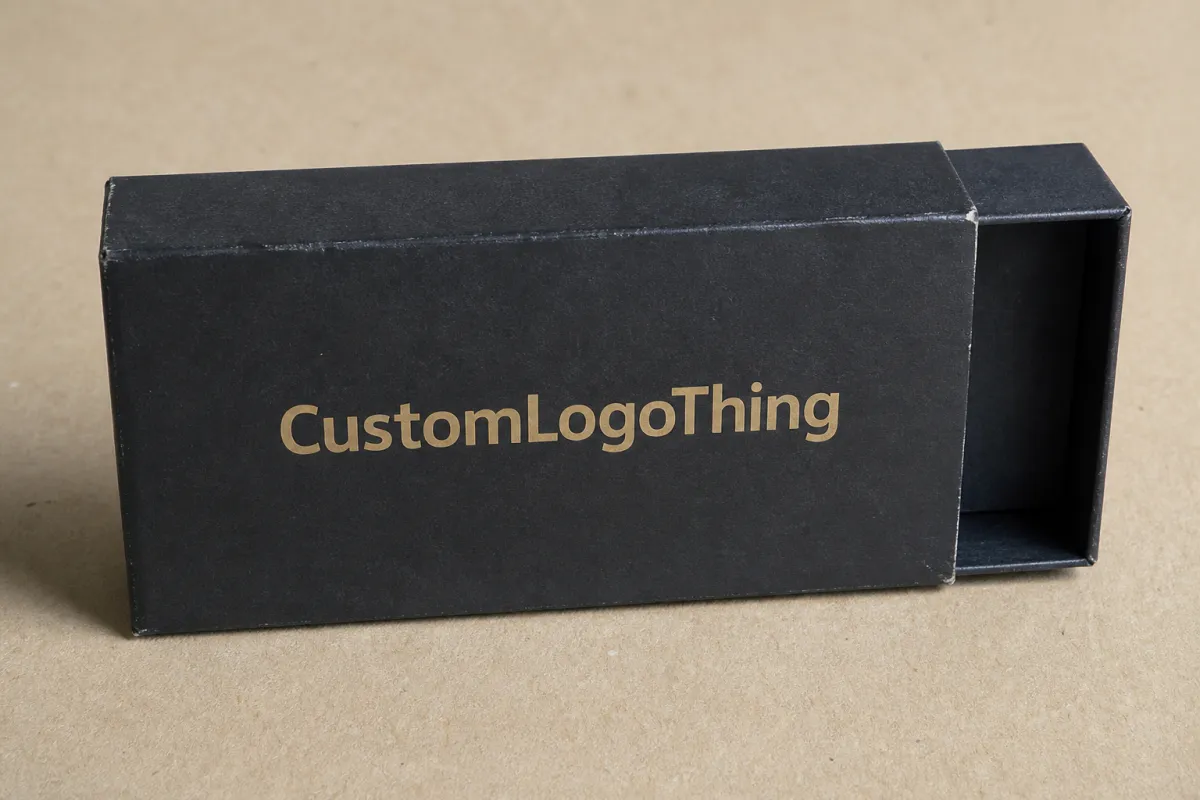
Stock cartons look cheaper because the upfront price is visible. The hidden cost shows up later. A carton that is too big wastes freight. A carton that is too loose needs filler. A carton that looks generic can weaken the product’s first impression before anyone opens it. That is how the “cheap” option starts collecting extra costs from the sides.
A custom telescoping design solves more than one problem because the lid and base are built to the product, not around it. Less empty space means less movement. Less movement means fewer dents, scuffs, and complaints. Better fit also helps the package feel intentional, which matters for gift sets, cosmetics, consumer electronics, and subscription kits where the box is part of the sale, not a disposable afterthought.
There are cases where the custom option wins even when the box price is higher. If the telescoping structure replaces molded pulp, bubble wrap, a second mailer, or a separate outer carton, the total packaging cost can drop. The material line item may rise. The overall system may still be better. That is the number that matters.
Buyers usually see the benefit fastest in these scenarios:
- Subscription kits: repeatable presentation and consistent fit across monthly shipments.
- Cosmetics: a tighter open-and-close feel with cleaner shelf appeal.
- Electronics: better control of internal movement and stacking pressure.
- Bottle packs: stronger sidewall support and fewer impacts in transit.
- Gift sets: a more deliberate reveal, which matters when the packaging is part of the product story.
Quote quality is a good filter. A supplier that can explain board grade, overlap, print method, and tolerance without hand-waving is usually more useful than a cheaper number that leaves everything vague. A low quote with missing assumptions can cost more than a higher quote that is built correctly from the start. Packaging procurement is not a place to reward mystery.
Telescoping Box Types, Materials, and Product Details
Telescoping boxes are not one fixed format. Some are lightweight paperboard. Some are rigid premium packs. Some use corrugated board because the product needs better shipping performance than visual polish alone can provide. The construction changes both the physical behavior and the factory quote, so the build needs to be named clearly in the RFQ.
Common construction options
- Full telescope lid: the lid covers most or all of the base height, which adds protection and gives the package a more substantial feel.
- Partial telescope design: the lid overlaps part of the tray, often chosen to balance material use with presentation.
- Tray-and-lid format: a simple two-piece structure commonly used in retail packaging and gift packaging.
- Rigid version: chipboard wrapped with printed paper for premium products that need a stronger visual impression.
- Corrugated version: a better choice for shipping resistance, heavier contents, and stack pressure.
Material choice is usually the biggest fork in the road. Corrugated board, especially E-flute or B-flute, is common for mail-order goods because it balances strength and printability. Paperboard is lighter and works well for display-oriented packs, but it is less forgiving under load. Rigid chipboard is the premium route when the unboxing moment matters as much as protection. Specialty wraps, textured papers, and coated cover stocks can lift perceived value quickly, but they also increase labor and scrap risk. That is the tradeoff, and there is no magic version that removes it.
Details inside the box matter just as much as the outer structure. Lid overlap affects how secure the closure feels. Tray depth affects retention. Sidewall design affects crush resistance. Edge finish affects how polished the box feels in hand. If there are inserts, partitions, or nested product compartments, those need to be defined early because they can change the dieline and the assembly process before the factory starts cutting anything.
Telescoping boxes are different from standard folding cartons or mailers because they give designers more control over the reveal and more support for stacking. They also reduce dead space, which helps freight efficiency and damage prevention. For brands that care about presentation, that tighter fit is often the difference between a box that feels assembled and one that feels accidental.
For buyers comparing formats, the tradeoffs usually look like this:
| Format | Typical Use | Strength | Typical Unit Cost at 5,000 Units | Best For |
|---|---|---|---|---|
| Corrugated telescoping box | Shipping, bottle packs, heavier kits | Good compression and parcel performance | $0.80-$1.60 | Items that need protection first |
| Paperboard telescoping box | Retail display, lighter consumer goods | Moderate, better for presentation than load | $0.55-$1.10 | Low to medium weight products |
| Rigid telescoping box | Luxury sets, gifting, premium launches | High perceived value and structure | $1.40-$3.20 | Products where unboxing matters most |
Those numbers are directional, not guaranteed. They move with board grade, print coverage, finish selection, insert complexity, and how the factory packs the cartons for shipment. Still, they show why a custom telescoping boxes factory quote should always include structure and material class, not just dimensions and a tidy round number.
Key Specifications That Shape Fit, Protection, and Print
The best quote starts with the right dimensions. A factory needs more than one length-width-height number. Give the inner fit, the outer size, the lid overlap, and the tolerance you can actually live with. If the product has a fragile finish, a narrow neck, or odd handling points, the supplier needs to know whether the fit should be snug or slightly open for inserts and manual packing.
Board grade is one of the first cost drivers. For corrugated boxes, flute profile and caliper affect strength, print quality, and how the box behaves under pressure. ECT and BCT targets matter if the package will be palletized or stacked through distribution. If the box has to hold weight from above, stronger compression ratings or reinforced corners may be worth the extra spend. That is not overengineering. That is avoiding crushed cartons on the receiving dock.
Print and finish can change the quote almost as much as the structure. CMYK process print is common for artwork-heavy packs, while spot colors are often used to hold brand color accurately. Matte and gloss coatings shift appearance and scuff resistance. Foil stamping, embossing, soft-touch, and specialty varnishes create a more premium impression, but each one adds setup, labor, and potential spoilage. Two boxes can look similar in a mockup and still land in very different price bands once the production details are set.
Source control details should not get buried in email threads. Ask which file format the factory wants. Confirm whether a dieline approval is required before production. Define barcode placement if the box will touch retail systems. State whether the package must survive pallet stacking or parcel shipping. If the box is going into a parcel network, test methods aligned with ISTA standards are more useful than relying on visual inspection alone.
Environmental claims belong in the spec sheet too. If the box needs certified fiber, ask for FSC documentation and chain-of-custody support up front. If recoverability matters, the factory should identify paper-based components clearly so the design aligns with current recycling expectations. For brands that need proof, not promises, FSC certification should be part of the purchasing brief from the beginning.
- Dimensions: inner size, outer size, and lid overlap.
- Strength: board grade, flute profile, ECT or BCT target.
- Graphics: CMYK, spot color, foil, emboss, coating.
- Compliance: barcode, retail display, shipping test, certification needs.
- Artwork: dieline format, bleed, trap, and print-safe zones.
None of those items are extras. They are the difference between a quote that can be built and a quote that is just a guess with a procurement header on it.
Custom Telescoping Boxes Factory Quote: Cost, Pricing, MOQ, and Unit Cost
A useful custom telescoping boxes factory quote separates one-time costs from per-unit costs. Setup charges, die or plate prep, dieline work, and sampling belong in one bucket. Unit price belongs in another. Freight, carton packing, and export documentation should be shown clearly so the buyer can compare one supplier against another without guessing where the missing dollars went.
The main price drivers are predictable:
- Material grade: rigid board costs more than light paperboard, and stronger corrugated grades cost more than basic stock.
- Box size: larger panels use more board and can require more labor in wrapping or assembly.
- Print coverage: full-wrap graphics usually cost more than a simple one-color brand mark.
- Finishing: foil, embossing, soft-touch, and specialty coatings add time and reject risk.
- Insert complexity: partitions, foam, molded pulp, or paperboard inserts raise material and labor.
- Packing method: nested packing, individual polybags, master cartons, and export packing all affect cost.
- Freight assumption: ex-works pricing is not the same thing as landed cost.
MOQ matters because setup cost has to be spread across the run. A smaller order almost always has a higher per-unit price, even if the materials are identical. That is not a penalty. That is how tooling, cutting, printing, and assembly work. Many factories quote telescoping boxes in tiers such as 1,000, 3,000, 5,000, and 10,000 units so buyers can see where the scale starts to make sense.
The more useful comparison is unit cost versus landed cost. A supplier with a lower per-box price may still cost more overall if freight is higher, waste is larger, or production timing creates storage problems. Buyers who focus only on unit price can miss the real picture by 10% to 25% on bulky or time-sensitive orders. That spread is large enough to ruin a good-looking quote.
Here is a simple view of how spec changes move the price:
| Specification Change | Likely Cost Impact | Why It Changes Price | Buyer Tradeoff |
|---|---|---|---|
| Increase board thickness | Moderate to high | More raw material and heavier shipping weight | Better compression and protection |
| Add foil stamping | Moderate | Extra setup and finishing pass | Stronger shelf impact |
| Add custom insert | Moderate to high | Separate tooling or conversion step | Better product retention and presentation |
| Move from one-color to full coverage print | Moderate | More ink, more press time, more spoilage risk | Improved branded packaging consistency |
| Reduce MOQ | High per unit | Setup cost spread across fewer pieces | Lower inventory risk, higher unit cost |
A quote should also show the warning lights. Missing dimensions, a vague board spec, no lead time, or hidden proofing costs are all signs the quote is not ready for purchase. If the document does not say whether pricing includes a dieline, sampling, or carton packing, the surprises will show up later. Clean quotes separate setup, material, conversion, inspection, and freight so the buyer can see exactly where the money goes.
That level of clarity matters because packaging decisions usually happen under pressure. Launch dates, retailer deadlines, and seasonal windows compress the buying cycle. Buyers do not need poetry. They need a quote that can hold up when finance, operations, and product teams all read it at the same time.
Process, Timeline, and Production Steps From Quote to Delivery
The path from inquiry to delivery should be predictable. A solid factory quote usually follows a sequence: request, spec review, estimate, dieline or drawing, sample or proof, approval, production, quality check, and shipment. If a supplier cannot explain those steps clearly, the schedule is probably going to get messy later.
Lead time depends on several variables. Existing material availability can shorten the schedule by days or weeks. Print complexity matters because more colors and more finishing passes create more chances for delay. Seasonal factory load is another factor; a quote written during a busy production window may be fair on price but longer on timing. Custom inserts, special wraps, and hand assembly add labor that does not show up until the order is already moving.
Sampling deserves real attention. A sample is not a checkbox. It is the point where fit, lid overlap, print position, and closure feel can still be corrected without paying for a full-run mistake. Once artwork is approved and production begins, changes usually mean another setup charge or a delay. Prepress should be treated like a review gate, not an administrative ritual.
In a typical production flow, the factory converts the board, prints the graphics, die cuts the parts, glues or wraps the structure, checks dimensions, bundles the finished cartons, and packs them for export. Each step has its own tolerance window. The clearer the quote, the easier it is to spot where problems might appear later. That matters for retail packaging, where print registration and edge finish can make a box look polished or rushed.
- Inquiry: buyer shares dimensions, quantity, product weight, artwork needs, and delivery target.
- Estimate: factory returns pricing options, often with multiple quantity tiers.
- Technical review: dieline, material, and print method are confirmed.
- Sample or proof: fit and graphics are checked before full production.
- Production: materials are converted and assembled.
- Inspection and packing: factory checks count, quality, and export packing method.
- Delivery: cartons ship to the final destination or consolidation point.
Timelines are usually quoted in business days, not calendar days. For many Custom Printed Boxes, a realistic estimate after proof approval might be 12 to 20 business days for simpler structures and longer for rigid or heavily finished packs. That does not include transit. Buyers should ask for each stage separately, because “production time” and “door-to-door time” are not the same thing, even when sales teams try to blur them together.
There is also a real difference between a supplier that just builds packaging and one that understands packaging design. A factory that can comment on fit, assembly sequence, and shipping performance usually saves time later. A quote that reflects those details is less likely to turn into a change-order headache.
Why Choose Us for Telescoping Box Sourcing and Factory Pricing
Direct factory sourcing changes the conversation. Instead of asking an intermediary to translate a sketch into a number, the buyer can talk through material choices, fit tolerances, and finish options with the people who actually build the box. That usually means cleaner pricing, fewer handoffs, and a better grasp of what is included.
This matters most when the packaging has to do more than protect a product. For a launch kit, a premium retail set, or a gift-ready SKU, the box is part of the offer. In those cases, factory pricing should be treated as a specification tool, not just a procurement line. If a size change cuts waste by 8%, or a different board grade reduces returns, the quote should make that obvious.
Working directly with the factory also speeds up comparison. A small change in lid overlap, board thickness, or print coverage can move the price into a different band. When the supplier is close to the spec, those comparisons happen in hours instead of days. That speed matters when buyers are balancing multiple SKUs or trying to sync packaging with a launch date.
Quality control is another practical reason to source directly. Telescoping boxes depend on consistent die cutting, accurate gluing, and repeatable dimensions. If the lid is too loose, the presentation feels sloppy. If it is too tight, assembly slows down and damage risk rises. A manufacturer that tracks those tolerances closely usually delivers more consistent branded packaging from run to run.
A good supplier should also be able to explain where the quote is firm and where it is conditional. Material availability can shift. Freight rates can move. Artwork changes can trigger a revised proof. Honest quoting leaves room for those realities instead of pretending every variable is frozen. That kind of honesty is more useful than polished certainty.
For buyers reviewing structure options, it helps to compare the quote against the actual product journey: how the item ships, how it opens, how it stacks, and what the customer sees first. Those are the details that determine whether a telescoping box is doing real work or just looking expensive.
Next Steps: How to Request and Compare a Better Quote
The fastest way to get a reliable custom telescoping boxes factory quote is to send a concise spec sheet before the supplier starts asking for one. Include the product dimensions, weight, target quantity, preferred material, print expectations, insert requirements, and delivery date. If the product has a fragile finish, say so. If the package must survive parcel distribution, say that too. Those details move the quote more than most buyers expect.
Ask for at least two or three quantity tiers. One MOQ quote tells you very little. A small price ladder, such as 2,000, 5,000, and 10,000 units, shows whether storage or cash flow should shape the order size. It also reveals where the better value point begins, and that is not always the lowest quantity.
Request alternate options as well. A factory can usually quote one version with a premium finish and another with a simpler build. That comparison makes the cost drivers obvious. Sometimes the savings sit in the board spec. Sometimes they sit in print coverage. Sometimes removing a custom insert or changing a coating drops the cost more than expected without hurting the product experience.
For a serious buying decision, compare these side by side:
- Unit cost: base box price at each quantity.
- Landed cost: shipping, duties, packing, and any local delivery fees.
- Lead time: sampling, production, inspection, and transit.
- Proofing terms: what happens if the artwork changes after approval.
- Spec clarity: board type, finish, tolerance, and insert details.
If a supplier cannot break those items out, the quote is incomplete. If they can, the conversation gets much easier. The buyer compares real options instead of decoding one lonely line number and pretending that counts as due diligence. That is how better procurement works.
Before you sign off, pin the quote to three facts: fit, total landed cost, and lead time after proof approval. If one of those is missing, the quote is not ready yet. If all three are clear, the buying decision becomes much simpler.
Frequently Asked Questions
What do you need for an accurate custom telescoping boxes factory quote?
Share the product dimensions, target quantity, box style, and whether the fit needs to be snug or leave room for inserts. Include print details, finish preferences, and any special requirements such as retail display, mailer strength, or stacked shipping. Add the delivery location and target ship date so the factory can price freight and lead time without guessing.
What is the usual MOQ for telescoping boxes from a factory quote?
MOQ depends on board type, print method, and finishing, so a simple unprinted run may start lower than a premium printed order. Smaller orders usually carry a higher unit cost because setup, cutting, and labor are spread across fewer boxes. Ask for tiered pricing at multiple quantities so you can see where the best value point begins.
How long does production take after I approve the proof?
Timeline depends on whether materials are already available, how complex the print and finish are, and whether inserts or special packing are needed. Proof approval usually locks the artwork, so delays after that point often come from material sourcing or production queue changes. A factory should give you a clear estimate for sampling, production, inspection, and shipping separately.
What changes have the biggest impact on unit cost?
Box size, board grade, print coverage, and finishing usually move price more than small artwork changes. Extra components like partitions, foam inserts, or special coatings can raise labor and material costs quickly. Higher quantities almost always reduce unit cost, but only if storage and freight still make sense.
Can I get a custom telescoping boxes factory quote from a sample box or rough sketch?
Yes, a sample box or rough sketch can be enough for the factory to estimate structure and material direction. The quote will be more accurate if you can confirm inner dimensions, product weight, and any print or finish requirements. If the sample is the only reference, ask the factory to note assumptions so you can compare revised pricing later.
Which standards matter for shipping and fiber sourcing?
For parcel testing, ISTA is one of the most useful references because it pushes buyers to think about real handling conditions instead of just the way the box looks. For certified fiber, FSC documentation is worth requesting early so it is part of the specification instead of a last-minute fix. Many buyers also use ASTM-based performance thinking for compression and distribution stress, especially when the box will be stacked or shipped in bulk.
What should I compare between two factory quotes?
Compare board grade, dimensions, print method, finish, MOQ, Lead Time, proofing terms, and freight assumptions. Then check whether each supplier included setup and sampling in the same way. A lower price with vague assumptions is rarely the better buying decision, especially for product packaging that has to protect goods and support the brand.
Why does telescoping packaging often feel more premium than a one-piece carton?
The two-piece structure creates a controlled reveal, tighter alignment, and a stronger sense of intentional design. That matters for retail packaging, gift sets, and branded packaging because the opening moment is part of the customer experience. A well-made telescoping box can make a product feel more valuable without changing the product itself, which is why the custom telescoping boxes factory quote should be judged on both presentation and performance.

