Buyer Fit Snapshot
| Best fit | Custom Laminated Shipping Boxes projects where brand print, material claims, artwork control, MOQ, and repeat-order consistency need to be specified before quoting. |
|---|---|
| Quote inputs | Share finished size, material target, print colors, finish, packing count, annual reorder estimate, ship-to region, and any compliance wording. |
| Proofing check | Approve dieline scale, logo placement, barcode or warning zones, color tolerance, closure strength, and carton packing before bulk production. |
| Main risk | Vague material claims, crowded artwork, missing packing details, or unclear freight terms can make a low unit price expensive after revisions. |
Fast answer: Custom Laminated Shipping Boxes: Board, Finish, Dieline, and Unit Cost should be specified like a repeatable production item. The safest quote records material, print method, finish, artwork proof, packing count, and reorder notes in one written spec.
Production checks before approval
Compare the actual filled-product size with the drawing, then confirm tolerance on folds, seals, hang holes, label areas, and retail display edges. Reserve space for logos, QR codes, warning copy, and material claims before decorative graphics fill the panel.
Quote comparison points
Review material grade, print process, finish, sampling route, tooling charges, carton quantity, and freight assumptions side by side. A quote is only useful when the supplier can repeat the same color, closure quality, and packing count on the next order.
Why Custom Laminated Shipping Boxes Stand Out Fast
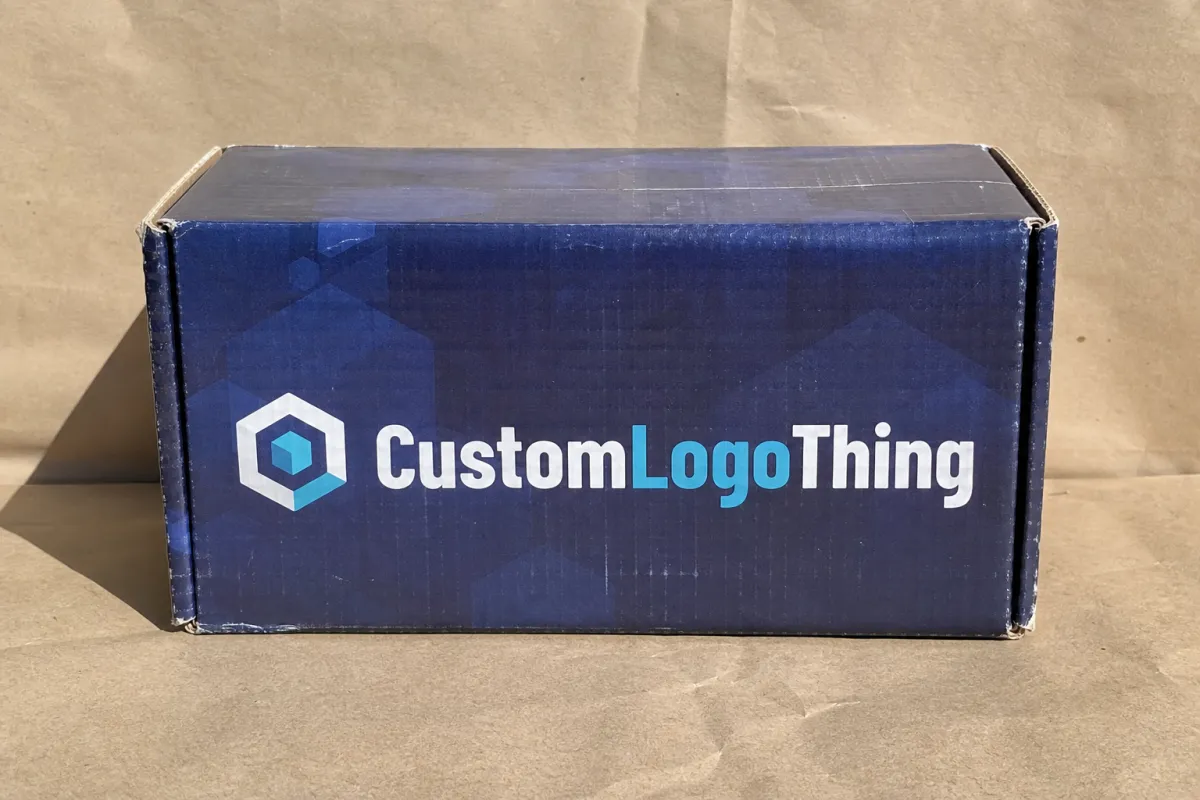
A box can survive the trip and still look cheap the second it lands on a desk. That is the trap with custom laminated shipping boxes. The product arrives, the structure holds, and the brand still loses because the printed surface picked up scuffs, dents, or fingerprints before anyone opened it.
Lamination changes that outcome. It adds a protective film over the printed face so the artwork holds up better, the color reads cleaner, and the box feels more finished in the hand. On plain printed corrugate, the surface can take a beating from abrasion, light moisture, and normal handling. Add lamination, and the outer layer gets tougher. The box looks sharper for longer. That matters in branded packaging, because the shipping container is part of the product story whether people admit it or not.
That is why laminated boxes show up so often in e-commerce, subscription kits, direct-to-consumer launches, and retail-ready packaging. If the unboxing moment matters, the outside of the box has a job to do. It needs to look deliberate. A brown mailer can work for some categories. For others, the first physical impression does the selling. Beauty, apparel, specialty food, tech accessories, and premium gifts all live in that space where package branding carries real weight.
People get tripped up by one thing all the time: they hear "laminated" and assume "strongest." Not quite. Lamination improves surface durability and presentation, but it does not automatically make a box the right choice for heavy loads or rough freight. Double-wall corrugated, better board grades, or a different box style may matter more for protection. The smarter move is to treat lamination as one piece of the build, not a magic fix.
A courier can drag a box across a truck floor. The customer sees the scuff in two seconds.
That is why custom laminated shipping boxes keep showing up in ecommerce shipping. They give brands practical structure with a better finish, without jumping all the way to rigid packaging. For a lot of buyers, that is the sweet spot: enough polish to feel premium, enough strength to survive transit, and a cost structure that still behaves on reorder.
How Custom Laminated Shipping Boxes Work
Think in layers. The box starts with a base board or corrugated substrate. That is the part doing the real work in transit. On top of that sits the printed sheet or liner, which carries the artwork, logo, product details, and brand messaging. Then comes the adhesive layer that bonds the printed face to the board. The laminated finish seals the visible surface and gives it the final look and handling feel.
That stack matters because each layer solves a different problem. The board controls crush resistance and stacking strength. The print handles branding. The lamination controls scuff resistance, glare, and how the color reads under retail lighting or warehouse conditions. Pick a finish that looks great but fingerprints like crazy, and you have built a vanity project, not packaging. Packaging has to survive actual handling, not just a photo shoot.
One practical detail gets overlooked: not every "laminated" box uses the same method. Some are film-laminated after printing. Others rely on a coated liner or a varnish-like finish that behaves differently in hand and under wear. If you care about scratch resistance, ask the supplier what is actually being applied, how thick it is, and whether it changes fold performance. That is the kind of question that saves a reprint.
Common finish choices
Gloss lamination gives color a harder pop and a brighter surface. It works well for bold graphics, high-contrast photography, and package branding that needs energy on a shelf or in a social post. The tradeoff is glare. Gloss can throw reflections and sometimes makes handling marks more obvious than buyers expect.
Matte lamination feels quieter and more premium to many buyers. It cuts glare, hides some fingerprints, and gives darker artwork a softer presentation. Matte is often the safer default for luxury-leaning Custom Printed Boxes because it looks controlled instead of loud. It is not bulletproof. Dark solids can still show scuffs if the surface gets abused enough.
Soft-touch lamination adds a velvety feel that many brands use for upscale product packaging. It can make a box feel expensive in hand, but it usually costs more and can show wear differently depending on the coverage and the handling environment. For high-volume fulfillment, I would only choose it if the tactile effect is worth the extra cost and the slightly more delicate surface.
After finishing, the printed sheet is trimmed, folded, glued, or wrapped depending on the box style. Some formats are mailers with self-locking flaps. Others are tuck styles, sleeve-and-tray systems, or rigid-style wraps used in presentation packaging. For heavier product shipments, corrugated shipping formats still make sense. For lighter goods or retail-ready kits, a laminated outer wrap may tell the brand story better.
That is the tradeoff buyers have to understand. More visual polish can mean more cost and complexity, and not every box style suits every product. A subscription kit does not need the same structure as a 10-pound parts shipment. A premium launch kit does not need to survive the same abuse as a pallet of replenishment stock. Match the structure to the shipping environment, not the mood board.
- Mailer-style boxes work well for DTC parcels and subscription kits.
- Tuck and sleeve formats fit retail packaging and presentation-focused shipments.
- Corrugated shipper formats handle more weight and rougher transit.
- Rigid-style wraps raise perceived value, but cost more and usually make sense only for premium launches.
If you are comparing formats, start with the full line of Custom Packaging Products, then narrow it down to the actual shipping category. Sometimes the right answer is a laminated mailer. Sometimes it is a simpler shipper with a better insert. Sometimes a different format, like Custom Poly Mailers, is the better fit for lightweight items that do not need a box at all.
Key Factors That Drive Cost, Pricing, and MOQ
Pricing for custom laminated shipping boxes is not random, even if a few quotes look that way at first glance. The biggest cost drivers are board grade, size, print coverage, finish type, and how much manual converting the design requires. Ask for a large box with heavy ink coverage, a specialty finish, custom inserts, and a complex fold pattern, and the price will move up. That is normal. The surprise usually comes from missing details, not from the factory being mysterious for entertainment.
Minimum order quantity, or MOQ, matters because setup work gets spread across the run. A dieline has to be prepared. Plates or print setup has to happen. Finishing equipment has to be adjusted. Samples may be needed. Those fixed steps cost about the same whether you order 300 units or 5,000. So unit pricing generally drops as quantity rises. A 500-unit run can easily cost 20% to 45% more per box than a 5,000-unit run with the same structure and print coverage.
Here is a practical ballpark buyers can use for planning, not a formal quote. Actual pricing varies by region, material availability, quantity, freight, and the print process your supplier uses.
| Finish / Structure | Typical Look | Scratch / Handling Resistance | Typical Cost Impact at Mid-Size Runs | Best Fit |
|---|---|---|---|---|
| Gloss lamination on standard corrugate | Bright, high color pop | Good surface protection, more glare | About $0.04-$0.10 per unit add-on | Bold branded packaging, retail-facing launches |
| Matte lamination on standard corrugate | Clean, understated, premium | Better fingerprint hiding, moderate scuff resistance | About $0.05-$0.12 per unit add-on | Luxury-leaning product packaging, DTC shipments |
| Soft-touch lamination | Velvety, upscale, tactile | Strong feel, but more finish sensitivity | About $0.10-$0.20 per unit add-on | Premium launches, gift packaging, higher-AOV items |
| Custom structure with inserts | Highly tailored | Depends on board and insert design | Can add $0.15-$0.75+ per unit | Fragile products, kits, subscription sets |
Those numbers move with size, quantity, coverage, and freight, but they give buyers a reality check. A box that looks like "just packaging" can quietly become one of the most expensive pieces of the order if the spec is complicated. Add a custom dieline revision, spot embellishment, or specialty insert and the quote climbs. That is not a scam. That is labor.
Packaging buyers also get tripped up by freight and sampling. A low unit price can hide a heavier shipping charge, a longer lead time, or a sample fee that disappears only if the order moves forward. Ask for the same specs across every supplier so the quotes are comparable. If one vendor prices on a heavier board and another prices on a lighter one, the cheap quote is not cheap. It is incomplete.
For categories where retail packaging and ecommerce shipping both matter, compare the box against other formats. A laminated mailer might be the right middle ground for a subscription brand. A simpler corrugated box may win for high-volume replenishment. A premium wrap may make sense for launch kits with healthier margins. Cost should follow use case, not ego.
Production Process and Timeline for Custom Laminated Shipping Boxes
The production path is usually more predictable than buyers expect, assuming the specs are clean. It starts with quote gathering and dieline setup. Then comes artwork preparation, proofing, sample approval if needed, actual production, finishing, and freight. The catch is simple: every missing detail pushes the schedule. A vague size, a late logo file, or a structural tweak after proof approval can burn days fast.
For a standard run with clear specs, many jobs land in the range of 12 to 20 business days after proof approval, depending on volume and current line load. More complex runs, specialty finishes, or custom inserts can stretch to 20 to 35 business days. If the job needs exact color matching, heavy coverage, or a finish that requires special handling, give it more room. A buyer who promises a launch date before the files are even final is usually shopping for future stress.
Sampling changes the timeline too. A simple digital proof is quick, but a physical prototype adds time and is worth it when the box will face customers. A sample may add 5 to 10 business days, sometimes more if new tooling or revised artwork is needed. That is still cheaper than finding out after production that the logo sits too close to a fold or the insert compresses the product.
One point gets confused constantly: production time is not transit time. A factory may finish the job on schedule and still look "late" if freight takes longer than expected. Domestic transit can add 2 to 7 business days depending on distance and service level. International freight can add much more. If your team is planning a launch, order window, or seasonal restock, separate those two clocks from the start.
Good suppliers will ask for the same basic information before they quote. They need size, quantity, product weight, artwork format, finish, shipping destination, and whether the box needs to survive parcel drops or mostly warehouse handling. That is not bureaucratic fluff. It is how they decide board grade, style, and finishing method. If you want a smooth order, give the supplier enough detail to make a real decision.
- Quote and spec review: 1-3 business days if the information is complete.
- Artwork and dieline prep: 1-5 business days, longer if dimensions change.
- Proofing and approval: 1-3 business days, depending on how fast your team responds.
- Sampling or prototype work: 5-10 business days in many cases.
- Production and finishing: often 12-35 business days based on complexity.
- Freight: 2-7 business days domestically, longer for cross-border shipments.
If sustainability claims matter, ask for fiber documentation early. A lot of brands want packaging that looks premium and still matches their sourcing claims. That is where FSC-certified board can help. For more on chain-of-custody and forestry standards, see FSC. For shipment simulation and distribution testing references, ISTA is worth a look. Neither site replaces a real supplier conversation, but both help when you want terminology that means something.
Step-by-Step Guide to Ordering Custom Laminated Shipping Boxes
The cleanest orders start with the product, not the box. Measure the item's length, width, height, and weight. Note whether it is fragile, whether it has sharp corners, and whether it needs an insert or divider. Then decide if the box has to survive parcel shipping, palletized freight, or mostly in-warehouse handling. A box that sits on a shelf all day does not need the same abuse tolerance as one that gets tossed into a delivery network.
- Define the use case. Is this for subscription kits, DTC orders, retail-ready packaging, or heavy replenishment?
- Measure the product. Use actual packed dimensions, not the optimistic size from the product spec sheet.
- Choose the structure. Mailer, tuck style, corrugated shipper, or a wrap depends on the job, not habit.
- Pick the finish. Gloss, matte, or soft-touch should match the brand experience and handling conditions.
- Check the artwork. Confirm logo placement, bleed, barcode readability, and anything that crosses a fold or glue zone.
- Request a sample if needed. One real box catches more issues than a stack of emails.
- Approve with storage in mind. Make sure the finished boxes fit your receiving area and fulfillment line.
That last step matters more than buyers like to admit. I have seen beautiful packaging create a warehouse headache because nobody planned where it would be stored, how it would be stacked, or how many people would need to reach it during order fulfillment. Boxes are not just a branding asset. They are inventory. If your team cannot store and pull them efficiently, the savings from a good print quote gets eaten by labor.
There is also a reason to think in systems. If your brand ships several product families, compare the packaging architecture across them. You may not need a different box style for every SKU. Standardizing dimensions and finishes can lower unit cost and reduce mistakes on the packing line. Sometimes the smartest move is to use a small family of formats rather than a custom box for every single thing. That is where Custom Shipping Boxes can anchor the main shipments, while other formats fill in the gaps.
Before approving the final proof, do one practical check: imagine the box at every stage of the route. Does the print still read if it gets a little rubbed? Does the closure still hold if the carton is stacked? Does the finish show fingerprints if a customer picks it up at a retail counter? If the answer is no, the artwork may be fine and the packaging still may not be ready.
When the supplier gives you a quote, compare it against the same checklist every time: size, board grade, finish, print coverage, insert needs, MOQ, Lead Time, and freight. That keeps the decision grounded. A cheap headline number with a weak spec is not a bargain. It is a future problem with a friendly font.
Common Mistakes With Laminated Shipping Boxes
The first mistake is buying for appearance only. A box can look sharp on a render and still collapse in transit if the board is too light or the structure is weak. Customers do not award points for good intentions. If the route is rough, the packaging has to be designed for the route. That sounds obvious, but people ignore it constantly because the mockup looks great on screen.
The second mistake is picking a finish without thinking about handling. Dark artwork, heavy ink coverage, and frequent touch points can make fingerprints or rub marks painfully visible. Gloss can look great under lights, but it may show glare and smudges. Matte can feel better in hand, but it is not immune to abrasion. Soft-touch has a premium feel, yet it may be too delicate for a carton that will live in a busy warehouse. The finish has to match the realities of shipping and storage.
The third mistake is underbuilding the board. This is where people chase a premium look and forget the box has to do a job. If the product is heavy, fragile, or oddly shaped, the substrate matters more than the surface treatment. You can laminate a weak structure all day and it will still be weak. It just gets a nicer haircut.
The fourth mistake is skipping structural testing. Some buyers assume the factory will fix the design after print approval. Usually, no. Once files are approved, the job is moving. If the box is wrong, the supplier may be able to help, but the cost and delay will land on you. A small test run or prototype is cheap insurance, especially for customer-facing product packaging.
The fifth mistake is forgetting reorder timing. Plenty of brands discover they are low on inventory right when sales rise. Then they rush a repeat order, pay more, and accept a weaker lead time because the calendar is already on fire. Packaging should be ordered like inventory, not like an emergency afterthought.
- Do not ignore transit abuse. A design that looks good on a desk may fail in a delivery network.
- Do not overvalue the finish. Surface treatment cannot rescue bad structure.
- Do not forget warehouse handling. Boxes get stacked, slid, and pulled by people.
- Do not skip proof checks. Fold lines, glue areas, and barcodes deserve attention.
- Do not wait too long to reorder. Stockouts are expensive in packaging and in sales.
For companies comparing custom printed boxes across different product lines, a disciplined spec sheet helps prevent these mistakes. It keeps the conversation focused on the box that will actually ship, not the prettier box that only lives in the pitch deck.
Expert Tips for Better Results and a Cleaner Brand Presentation
Match the finish to the brand job. If the goal is visual punch, gloss can be the right call. If the brand story is quieter and more premium, matte usually reads better. If the package should feel expensive the second it is picked up, soft-touch can make sense. There is no universal winner. There is only the finish that supports the product and the audience.
Standardize where you can. If several SKUs can live inside the same size family, you save money, reduce storage clutter, and make order fulfillment easier. A brand that uses identical outer dimensions for a product family can often lower labor cost at the packing table and reduce the chance of ship mistakes. Good package branding does not need to be chaotic to be memorable.
Ask for swatches and finish samples before you lock the run. This matters most if the artwork uses dark solids, metallic accents, or dense photography. A finish that looks rich on a monitor may print differently on board. Sample boards show how the surface will actually handle light, touch, and color. If the boxes are going to customers, that check is worth the time.
Design for fulfillment, not just for photography. Boxes need room for tape, labels, inserts, and stack stability. They need to be easy to pack, easy to close, and easy to store. A package that saves five seconds per order can matter a lot once volume picks up. Fancy is nice. Efficient pays the bills.
If the box will travel far, add a little protection instead of hoping the carrier is in a generous mood. It is amazing how often people build packaging plans around optimism. The truck does not care. The distribution center does not care. The box has to tolerate the route it gets, not the route you wish it had.
Here is a simple comparison that buyers can use before they commit:
| Priority | Best Finish / Structure Choice | Why It Works |
|---|---|---|
| Strong color pop and bold presentation | Gloss lamination on a well-built corrugated base | Bright surface, clear graphics, good retail visibility |
| Premium feel with fewer fingerprints | Matte lamination on a sturdy mailer or shipper | Cleaner handling, less glare, understated finish |
| Tactile luxury for high-value kits | Soft-touch lamination with controlled artwork coverage | Upscale feel, memorable unboxing, strong brand signal |
| Lower-risk transit for heavier items | Stronger corrugated shipper with simple outer graphics | Better protection, fewer failures, cleaner logistics |
Packaging standards matter too. If you need shipping confidence, ask whether the box can be evaluated against ISTA-style transit testing, and if sustainability or sourcing claims are part of the brief, ask for FSC documentation. A supplier who can speak clearly about those standards usually makes the spec process easier. If they cannot explain the basics, that is a clue.
For brands building a larger packaging system, a mix of Custom Packaging Products may make more sense than forcing every job into one format. A shipper for heavy items, a lighter box for kits, and a Custom Poly Mailers option for simple shipments can keep costs under control while still giving each Order the Right level of presentation.
Next Steps Before You Order
Start with an audit of the current packaging. Where are the scuffs happening? Are customers complaining about dents, crushed corners, or dull print? Are returns tied to damaged boxes or just weak presentation? If you do not know what problem the new package needs to solve, you are ordering a decoration and hoping it behaves like a tool. That is a bad plan.
Then write a short spec sheet. Keep it simple and concrete: dimensions, quantity, product weight, finish preference, insert requirements, shipping destination, and target delivery window. Add notes about whether the box needs to survive parcel shipping, warehouse handling, or both. The better your brief, the faster the quote and the cleaner the comparison. That is especially true for custom laminated shipping boxes, because the structure, finish, and freight all affect the final cost.
Get two to three quotes using the exact same requirements. Not "roughly the same." Exact. Same size, same board, same finish, same insert needs, same destination. Otherwise you are comparing apples to oranges, and maybe a grapefruit if one supplier quietly upgraded the board while another trimmed the spec to win on price. Ask for proof timing, sample timing, and freight estimates separately so the delivery date is real, not hopeful.
If the order is customer-facing, request a sample or prototype. One physical check is worth far more than a dozen optimistic emails about "premium feel" and "great color." Check the fold lines, verify the logo placement, open and close the box a few times, and see whether the finish marks easily. If the box survives your hands, the next test is the route it will actually travel.
Do the boring work first. That is how custom laminated shipping boxes pay off instead of becoming an expensive way to print disappointment. A clear spec, a real sample, and a supplier who understands the route will do more for your brand than a dozen adjectives ever will.
What are custom laminated shipping boxes used for?
They are used when a brand wants packaging that can ship well and still look polished on arrival. Common applications include DTC orders, subscription kits, retail mailers, and premium product launches. The lamination helps reduce scuffs, sharpen print appearance, and raise perceived value without moving all the way into rigid packaging.
How much do custom laminated shipping boxes usually cost?
Pricing depends on size, board grade, print coverage, lamination type, inserts, and order quantity. Small runs usually cost more per box because setup and finishing work are spread across fewer units. A simple spec sheet is the fastest way to get a real quote instead of a vague estimate, and it is the only way to compare suppliers fairly.
What is the typical turnaround for custom laminated shipping boxes?
Turnaround depends on proof approval speed, structural complexity, and whether special finishes are involved. Simple orders can move faster, while custom structures, exact color matching, and sampling add time. Always separate production time from freight time so the delivery date is not a surprise.
Are matte or gloss laminated shipping boxes better?
Gloss usually gives stronger color pop and a brighter look, while matte feels more understated and premium. Matte often hides fingerprints and handling marks better, especially on darker artwork. The best choice depends on the product, the unboxing experience, and how the box will be stored or handled.
What do I need before requesting a quote for custom laminated shipping boxes?
Have your dimensions, target quantity, product weight, artwork files, and finish preference ready. Include any insert requirements, shipping conditions, and desired delivery window. If you want a useful quote, give suppliers the same specs so you can compare Pricing and Lead Time fairly before you commit to custom laminated shipping boxes.
Takeaway: Start with the product, the route, and the finish in that order. If you get the size, board grade, and handling conditions right before you ask for quotes, custom laminated shipping boxes will do the job they are supposed to do: protect the product, protect the brand, and arrive looking intentional instead of beat up.

