If you are ordering Custom Logo Clothing Tags, you are not buying a tiny accessory. You are choosing how a garment feels at the point where quality becomes visible. A clean label makes a shirt, hoodie, or dress look finished. A flimsy one can make an otherwise solid product feel cheaper than it is.
That matters because tags sit at the intersection of branding, compliance, packaging, and retail readiness. They are small, but buyers read them as signals. A tag can raise perceived value by a lot more than its size suggests.
What custom clothing tags actually do for a brand
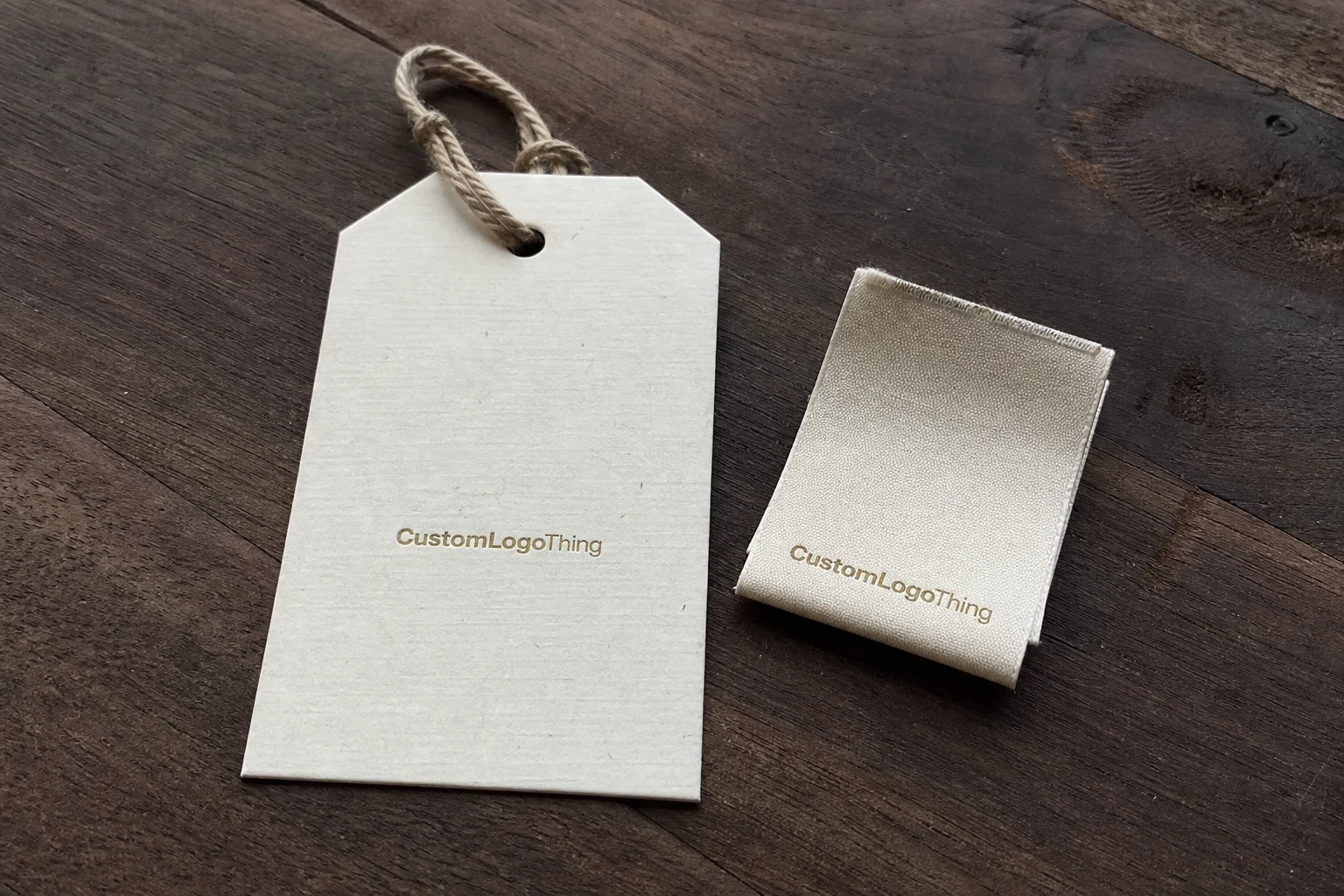
Most people think clothing tags are purely decorative. They are not. They carry brand identity, legal information, and a surprising amount of consumer judgment. In practice, the tag is often the first physical touchpoint that tells a customer whether the brand is polished or still figuring itself out.
Custom Logo Clothing Tags show up in several forms, and each one has a different job. Woven labels are stitched into the garment and usually carry the logo or brand name. Printed labels are softer and more often used for care instructions, fiber content, or sizing. Hang tags are removable paper or cardstock pieces attached with string, pins, or plastic fasteners. Care labels explain washing and drying. Size labels do exactly what the name says. Small brand tabs can be sewn into a seam, cuff, hem, or pocket edge.
Those differences matter because a tag is not just a label; it is a packaging decision. A hang tag supports presentation and merchandising. A sewn-in label supports permanence and compliance. Mixing the two up usually leads to wasted budget or cluttered garment interiors.
The practical benefits are straightforward: brand recognition, better shelf appeal, compliance with retail requirements, and higher trust on repeat purchase. If the garment itself feels premium but the tag looks fuzzy or poorly aligned, the customer notices. If the garment needs fiber content, origin, or wash instructions, the label structure has to support that information without turning the neckline into a wall of text.
Practical rule: the smaller the label, the simpler the message. Tiny surfaces punish thin fonts, crowded layouts, and decorative details that look great at large scale but collapse in production.
That is especially true for minimalist fashion, streetwear, activewear, and children’s apparel. A logo that works on a website header may fail at 1 inch wide. If the design cannot survive at garment scale, simplify it before you spend money on a run that no one can read.
How custom logo clothing tags are made and attached
The production flow is simple on paper and messy in real life if the details are not locked down early. It usually runs through artwork prep, material selection, proofing, sampling if needed, production, finishing, and attachment. Any gap in that chain tends to show up later as cost, delay, or both.
Material choice shapes the final result more than many buyers expect. Satin is smooth and soft, which makes it common for garments that sit directly against skin. Cotton gives a more natural look and can suit heritage, organic, or eco-minded branding. Taffeta is often used for lighter, lower-cost labels. Damask woven labels hold finer detail than basic woven options and are a strong fit when the logo needs cleaner edges. Woven polyester is durable and widely used for apparel labels. Recycled options are available in some programs, though color consistency and supply can vary. For hang tags, paperboard, cardstock, and specialty paper stocks are the usual choices.
Attachment method is just as important. Sewn-in labels are commonly placed at the neckline, side seam, back yoke, or hem. Folded neck labels reduce exposed edges and help with comfort. Heat Transfer Labels are popular for athleticwear and kidswear because they remove stitched bulk and reduce irritation. Hang tags usually rely on string loops, safety pins, or plastic fasteners. Adhesive-backed labels are used more often outside standard apparel, though they can work for certain accessories or secondary packaging.
Here is a simple comparison of the main types:
| Tag type | Best use | Typical feel | Durability | Common cost tier |
|---|---|---|---|---|
| Woven label | Brand name, size, seam branding | Soft to medium | High | Mid |
| Printed satin label | Care info, soft-contact garments | Very soft | Medium | Low to mid |
| Heat transfer label | Athleticwear, kidswear, no-itch needs | Smooth, no bulk | Medium to high, depending on fabric | Mid |
| Hang tag | Retail presentation, pricing, story | Paper or cardstock | Not permanent | Low to high |
| Care label | Compliance and washing instructions | Soft or flat | High | Low |
Print method affects both appearance and wear. Woven labels build the design from threads, which gives better durability and cleaner edges than a low-grade printed label. Screen printing can work on some fabrics, but it is not a great choice for very small text. Heat transfer produces sharp, flat graphics, though not every textile handles it equally well. A label that looks perfect on a proof may still crack, curl, or fade if the wrong substrate is chosen.
If your garment line also needs retail presentation beyond the tag itself, coordinating with Custom Labels & Tags and other Custom Packaging Products helps the product feel intentional instead of assembled from disconnected parts.
Key factors that affect cost, pricing, and MOQ
Custom tags look inexpensive until they are expected to do several jobs at once. Then the numbers begin to behave like real production costs. Price depends on tag type, size, material, number of colors, finishing, quantity, and whether the artwork needs cleanup.
MOQ means minimum order quantity. It is one of the first things that trips up new buyers. Setup costs do not shrink just because the order is small, so low quantities carry a higher per-piece cost. A 500-piece run spreads the same preparation work across fewer tags than a 10,000-piece run, which is why unit pricing usually drops as volume rises.
For custom logo clothing tags, buyers often see these practical price bands:
- Simple printed labels: about $0.05-$0.18 per unit at moderate quantities.
- Woven labels: about $0.12-$0.35 per unit depending on size, color count, and finishing.
- Premium hang tags: about $0.10-$0.60 per unit, with specialty paper, foiling, embossing, or die cuts increasing the price.
- Heat transfer labels: often $0.15-$0.45 per unit depending on art complexity and application needs.
Those are reasonable ranges, not guarantees. Small runs can be disproportionately expensive, especially if the job includes folding, stitching, or custom finishing. A 1,000-piece order with simple construction may be very different from a 10,000-piece order with premium paper stock and complex attachment.
Hidden charges tend to appear in the same places every time: sampling, rush production, shipping, special folding, sequential numbering, compliance text updates, and artwork cleanup. If the design file is incomplete or poorly prepared, the quote may not look expensive at first, but the extra revisions still have to be paid for somewhere.
To compare quotes accurately, line up the same information on every offer:
- Exact tag type and size.
- Material and finish.
- Color count or Pantone match requirement.
- Attachment method.
- Quantity and reorder expectations.
- Proofing or sampling fees.
- Shipping method and destination.
A low unit price can hide a higher total. Another quote may look more expensive but already include folding, attachment, and proofing. Compare landed cost, not just the headline number. The same logic applies to retail packaging, branded packaging, and custom printed boxes: the cheapest quote is often only cheap because something important was left out.
Production steps and timeline: from artwork to delivery
The timeline starts with the artwork file, not with production. A clean file shortens the process. A messy one stretches it into a round of revisions that nobody planned for.
Most orders move through the same sequence: design prep, proof approval, sampling if needed, bulk production, finishing, packing, and shipping. For straightforward labels, a typical turnaround is about 12-20 business days after proof approval. More complex jobs can take 3-5 weeks, especially if they require Pantone matching, special folds, custom die cuts, or premium finishing. Rush service is possible, but it usually raises cost and narrows production flexibility.
Delays usually come from a few predictable issues:
- Artwork that is low-resolution or not in vector format.
- Missing garment measurements or placement details.
- Unclear care, fiber, or origin text.
- Too many revision rounds on the proof.
- Pantone matching that needs more than one adjustment pass.
The fastest way to keep the order moving is also the least glamorous: send vector files such as AI, EPS, or PDF; finalize the copy before quoting; decide on the attachment method early; and place the order before the garments are already on hand. Waiting until the last minute usually turns a normal freight bill into a painful one.
For apparel brands shipping into retail or fulfillment channels, production standards matter as much as the design itself. Packaging and product labeling often intersect with industry expectations from groups like the Institute of Packaging Professionals, while transport testing can relate to ISTA methods. If sustainability is part of the brand story, paper sourcing may also involve FSC-certified stock through FSC. These are the unglamorous details that keep a launch from becoming a round of avoidable replacements.
How to choose the right tag style, size, and finish
The right tag depends on the garment, price point, and how close the label sits to the skin. A minimalist tee does not need the same treatment as a luxury knit. A baby onesie does not have the same tolerance for scratchy construction as a heavyweight outer layer. Customers may not articulate the mismatch, but they feel it.
Woven labels are the standard choice for durable branding. They suit basics, premium tees, hoodies, and outerwear. Printed satin labels make more sense when softness matters more than texture. Heat transfer labels are common in athleticwear and children’s clothing because they reduce friction. Hang tags are better for storytelling, pricing, and presentation. They also help when a brand wants a stronger retail moment without changing the garment itself.
Size matters more than many buyers expect. A small neck label may be about 1 inch wide by 0.5 inch tall. A side-seam label can be larger because it has to carry care and origin information. Hang tags may start at 2 x 3 inches, but custom die-cut shapes can be much larger. If the label carries required information, give it enough space. Cramming text into a tiny area reduces readability and makes the garment look cheaper.
Finish changes how the product feels in hand. Matte surfaces look cleaner and more modern. Gloss adds shine, but it also reflects more light and can make fine details harder to read. Folded edges reduce scratchiness. Center folds are common for sew-in labels. Heavier paper stock or a tighter woven damask can make the whole piece feel more deliberate, especially in premium collections.
A useful fit guide:
- Streetwear: woven label or bold hang tag, usually minimal text.
- Boutique fashion: satin or damask label with a cleaner finish.
- Athleticwear: heat transfer or soft printed label to reduce irritation.
- Basics: practical woven or printed label with strong readability.
- Luxury apparel: premium woven label plus elevated hang tag and coordinated branded packaging.
Common mistakes buyers make with clothing tags
The first mistake is overcrowding the label. A clothing tag is not a brochure. If the logo, care instructions, fiber content, size, origin, brand story, and social handle all fight for the same narrow strip, the result is clutter. Nobody wins, and nobody reads it.
The second mistake is choosing a material that feels wrong on skin. Some labels scratch. Some folded edges irritate the neck. That is not a minor issue on basics, kidswear, or activewear, where comfort directly affects how the garment is received. If the tag sits close to skin, request a sample or test a softer base material before ordering in volume.
The third mistake is sending weak artwork. A low-resolution PNG may look acceptable on screen and still fail in production. Thin lines break, tiny text blurs, and small logos lose structure. Vector artwork avoids most of those issues. If a buyer only has a JPG, expect cleanup work and possible simplification.
The fourth mistake is ignoring compliance. Depending on the market and garment type, the label may need fiber content, care instructions, country of origin, or other regulated information. Requirements vary by region and sales channel, so guessing is a bad strategy.
The fifth mistake is misreading MOQ. A supplier may quote a low minimum for one tag style and a much higher threshold for another. Confirm the exact breakpoints before approving the design. Small-run custom logo clothing tags can be the right choice for a new brand, but only if the reprint cost and reorder terms make sense.
Expert tips for ordering custom logo clothing tags smarter
Start with one primary tag and, if needed, one backup version. That gives you room to test a brand system without committing your full line to a single format. A lot of brands discover too late that the first choice is too stiff, too wide, or too busy for the actual garment.
Keep the artwork simple. On small labels, detail disappears before color does. Fine lines, tiny icons, and script fonts are the first elements to fail. Bold shapes, balanced spacing, and clear contrast survive better at garment scale. If the logo is a complex crest with a lot of micro-detail, it usually needs a production-specific version.
Match the tag to the garment price point. A $28 tee with a flimsy tag feels off. A premium hoodie with a carefully finished woven label feels consistent. Buyers respond to that alignment even when they never mention it directly.
Ask for swatches or samples whenever touch matters. That includes premium apparel, babywear, and anything worn directly against skin. A label can look correct and still feel wrong. Feel affects return risk, repeat purchase, and the brand memory the customer carries away.
Coordinate the label with the rest of the packaging system. Hang tags, insert cards, and mailers should share the same visual language. When the tag, box, and internal packaging all feel connected, the brand reads as deliberate. Randomly mixed custom printed boxes and labels do the opposite.
Best practice: order a buffer of 3% to 5% for inspection failures, lost pieces, and future sample needs. That margin is usually enough for most apparel launches without tying up unnecessary cash.
One more practical point: do not over-spec the first run unless the product is already proven. A clean, readable label often performs better than an expensive one with too many finishes. Buyers care about how the garment feels and how the branding holds up after washing. A simple, well-made tag usually outperforms a complicated one that looks impressive only in the proof.
Next steps to order the right custom logo clothing tags
Before requesting quotes, audit each garment. Decide whether it needs a brand name, size, care instructions, origin information, or only a clean logo mark. Not every piece needs every detail on one tag. Splitting branding and compliance into separate elements often makes the design easier to read and easier to produce.
Prepare the basics first: vector artwork, approximate quantity, garment type, preferred attachment method, and finish preference. If you already know the final use case, say so. A label for a technical tee should not be spec’d the same way as one for a fashion blouse or a heavyweight hoodie.
Request two or three quote options with different price points, then compare the details that actually matter: material, finish, turnaround, proofing, and attachment method. If possible, review the sample or proof against the actual garment. A label can look fine on a screen and still fail on fabric once scale, texture, and drape come into play.
Used well, custom logo clothing tags are not an afterthought. They support retail packaging, reinforce brand identity, and make the product feel complete the moment it is handled. That is a lot of work for a small piece of material, which is probably why the best ones are easy to miss and hard to forget.
What are custom logo clothing tags used for?
They identify the brand, support compliance, and add perceived value. They also help garments look retail-ready instead of unfinished.
How much do custom logo clothing tags cost per unit?
Cost depends on material, size, color count, finishing, and quantity. Small runs usually cost more per tag, while larger orders lower the unit price.
What is the usual turnaround for custom logo clothing tags?
Standard production often takes about 12-20 business days after proof approval. More complex orders can run 3-5 weeks, especially with custom finishes or Pantone matching.
What file format should I send for clothing tag artwork?
Vector files are best because they keep edges sharp at small sizes. AI, EPS, or PDF files are usually the safest starting point.
Can I order small quantities of custom logo clothing tags?
Yes, but the unit cost is usually higher because setup is spread across fewer pieces. Smaller runs can make sense for new brands or limited collections.


