Buyer Fit Snapshot
| Best fit | Custom Mailer Bags for Ecommerce Brands projects where brand print, material claims, artwork control, MOQ, and repeat-order consistency need to be specified before quoting. |
|---|---|
| Quote inputs | Share finished size, material target, print colors, finish, packing count, annual reorder estimate, ship-to region, and any compliance wording. |
| Proofing check | Approve dieline scale, logo placement, barcode or warning zones, color tolerance, closure strength, and carton packing before bulk production. |
| Main risk | Vague material claims, crowded artwork, missing packing details, or unclear freight terms can make a low unit price expensive after revisions. |
Fast answer: Custom Mailer Bags for Ecommerce Brands: Quote Scope, Sample Proof, MOQ, and Lead Time should be specified like a repeatable production item. The safest quote records material, print method, finish, artwork proof, packing count, and reorder notes in one written spec.
Production checks before approval
Compare the actual filled-product size with the drawing, then confirm tolerance on folds, seals, hang holes, label areas, and retail display edges. Reserve space for logos, QR codes, warning copy, and material claims before decorative graphics fill the panel.
Quote comparison points
Review material grade, print process, finish, sampling route, tooling charges, carton quantity, and freight assumptions side by side. A quote is only useful when the supplier can repeat the same color, closure quality, and packing count on the next order.
Custom Mailer Bags for ecommerce brands do more than move a parcel from point A to point B. They set the tone the moment a customer picks up the package, and that first touch can change how the order feels before the product is even unwrapped. A bag that feels well sized, prints cleanly, and opens the way it should makes the whole shipment feel more considered. It can also cut down on excess void fill, reduce handling steps, and lower the odds that a simple shipment turns into a service issue later.
That matters because plenty of products do not need a carton at all. Flat apparel, flexible accessories, soft goods, and many lightweight kits travel better in a slimmer format. Put those same items in an oversized box and you are paying for extra air, extra filler, and extra labor that never really helped the order. Custom mailer Bags for Ecommerce brands offer a tighter fit, a stronger branded packaging moment, and a packing process that is easier to repeat day after day. For teams trying to make retail packaging and product packaging feel aligned, mailers are often one of the quickest ways to improve the experience without turning fulfillment into a science project.
This guide covers the practical side of choosing custom mailer bags for ecommerce brands: what they are, how they are built, which materials suit different products, how pricing actually works, and what to expect from artwork through delivery. If you are also comparing broader Custom Packaging Products, or you want to evaluate a related format such as Custom Poly Mailers, the same buying logic still applies. Fit, protection, presentation, and cost all need to line up before the order makes sense. I have seen buyers rush that part and regret it later, usually after a run of awkward packouts or a few too many damaged arrivals.
Why custom mailer bags for ecommerce brands stand out
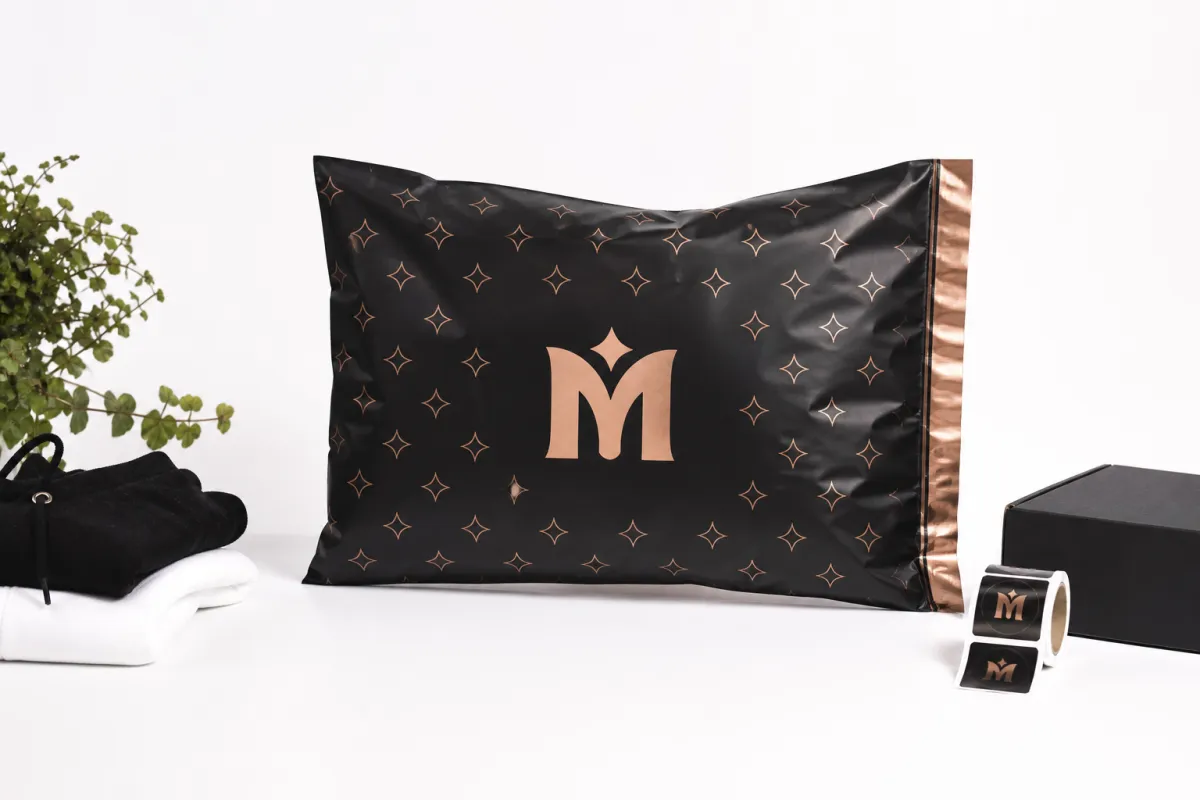
Custom mailer bags for ecommerce brands stand out because customers judge them before the product is even in hand. That first look sets the tone. If the outer bag feels thin, oversized, or generic, the order starts with a lower level of confidence. If the bag feels tailored, compact, and clearly branded, the package immediately seems more deliberate and more credible.
There is a practical side to that as well. A small apparel order, a set of accessories, or a lightweight beauty kit often takes up far less space than a carton. Pack the same item in a box and you end up paying for air, dunnage, and additional handling. Use custom mailer bags for ecommerce brands instead, and the packout becomes faster, cleaner, and easier to standardize. The item shifts less, the labor steps drop, and the warehouse can operate with fewer box sizes on hand. That simplicity matters more than people sometimes think, especially in a busy fulfillment space where every extra motion adds up.
I have seen packaging buyers underestimate how strongly a mailer can shape perception. A well-made bag will not rescue a weak product, but it can make the order feel finished in a way customers notice right away. That is why apparel brands, supplement sellers, accessory labels, and other lightweight product lines often treat custom mailer bags for ecommerce brands as part of a larger packaging system that includes insert cards, labels, tissue, and sometimes Case Studies that influence future design decisions. That sort of connected thinking is usually what separates a tidy brand experience from one that feels pieced together.
"A mailer is not just a wrapper. It is the first promise the customer can feel in their hands."
Better waste control is another benefit that often gets overlooked. Right-sized custom mailer bags for ecommerce brands can cut filler, reduce outer footprint, and avoid the overboxed look that can make a shipment feel wasteful. That matters for brands trying to balance sustainability goals with cost discipline. A bag does not automatically make a parcel more eco-friendly, but it can reduce material use in places where a box would be excessive. The honest version of the story is better than the glossy version every time.
The tradeoff is straightforward. Bags are not the best fit for fragile ceramic goods, rigid subscription kits, or any product that needs strong crush resistance. For many order profiles, though, they land in a very useful middle ground: decent protection, good presentation, and modest unit cost. That is the reason custom mailer bags for ecommerce brands keep showing up in packaging conversations. They solve a common shipping problem without making the pack line more complicated than it needs to be.
How custom mailer bags for ecommerce brands work
Custom mailer bags for ecommerce brands usually begin with a base substrate, a thickness target, and a closure method. The substrate may be polyethylene film, a paper-based structure, or a padded hybrid. Thickness is usually described in mils for poly mailers, while paper-based styles are discussed through paper weight or total construction. The closure can be a peel-and-seal adhesive, a tear strip, a self-adhesive flap, or a dual-seal design that supports returns without adding another outer bag.
From a pack line point of view, the process is simple enough. The operator places the product, adds any insert or tissue, removes the liner from the adhesive, seals the bag, and applies the shipping label to the designated panel. Well-made custom mailer bags for ecommerce brands keep that sequence quick and predictable. Poorly designed ones slow the team down with awkward openings, weak adhesive, or a body size that is just a bit too tight for comfortable loading. That kind of friction is not dramatic, but it gets old fast.
Different formats serve different needs. Lightweight Poly Mailers are common for apparel and soft goods because they are light, moisture resistant, and inexpensive to ship. Padded mailers add protection for small accessories or delicate items. Paper-based mailers suit brands that want a more natural look, especially when the paper content supports a documented sustainability claim. Specialty sustainable structures exist as well, though the actual performance depends heavily on the full material stack and the disposal system where the customer lives. A bag can sound green in a sales sheet and still be the wrong fit in the real world.
If you compare custom mailer bags for ecommerce brands with custom printed boxes, the difference is not just the outer shape. Boxes perform better for crush protection and for rigid products that need a more structured presentation. Mailers often do a better job of streamlining labor and reducing dimensional weight for flat goods. Many brands use both formats, selecting the right one by product type rather than forcing one solution to cover everything. That split is usually smarter than trying to make a single shipper do every job. It also keeps the warehouse from getting stuck with packaging that only works for half the catalog.
Customization happens at several levels. Dimensions can be matched to the packed product. Print coverage can range from a simple one-color logo to full-body artwork. Finish can be matte or glossy, which changes both the visual read and the feel in hand. Functional details, such as tear notches, gussets, dual adhesives, and reinforced seals, can also be added so the bag supports faster packing and a cleaner opening experience. For teams comparing branded packaging options more broadly, the Custom Packaging Products range is often the easiest place to weigh those feature choices side by side.
Fit deserves real attention. A bag that is too large lets the product slide during sortation and carrier handling. A bag that is too tight stretches seams, weakens seals sooner, and can distort print near the edges. Custom mailer bags for ecommerce brands perform best when they are designed around the final packed form, not around a rough catalog estimate. That sounds obvious, but in practice it is one of the most common places projects go sideways.
Materials, size, and branding factors that matter
The first material question for custom mailer bags for ecommerce brands is protection. Poly film gives strong moisture resistance and good puncture performance for its weight. Paper-based mailers create a different feel, often more natural or premium to the touch, but they do not always match poly on moisture resistance. Padded designs add cushioning, yet the extra layer changes both cost and shipping profile. There is no single winner here; the right structure depends on what is inside the bag and how much abuse it is likely to see on the way out. If the product is already protected, adding more material can just be overkill.
Size should be chosen from the packed product outward. Measure the item in its final shipping state, including inserts, protective wrap, tissue, or anything else that will travel with it. Then allow just enough room for easy loading without leaving excess slack. That approach gives custom mailer bags for ecommerce brands a better chance of fitting the workflow rather than fighting it. A bag can look ideal in a mockup and still perform poorly on the pack line if the size is off by even a little.
Branding choices deserve real thought as well. Matte film usually feels more restrained and premium, while glossy film reads louder and catches light more strongly in photography. Full-color coverage can create a bold branded packaging statement, while a simple logo on a clean field can feel more refined and may cost less. The right direction depends on how the brand wants to present itself. Some products need a quiet, luxury read. Others need high-contrast retail packaging that grabs attention quickly. Neither is automatically better; the wrong finish just looks like a missed decision.
Functional add-ons can improve the customer experience in small but meaningful ways. Dual adhesive strips support returns. Tear notches make the opening process cleaner. Gussets can add volume for bulkier items. Reinforced seals help the bag survive rougher handling. These details may sound minor, yet they are often what separates average custom mailer bags for ecommerce brands from the ones customers remember positively. A tiny change in opening behavior can make the packaging feel much better in the hand.
Product type should always guide structure. Beauty products often benefit from a cleaner, more polished print surface. Apparel usually needs a light, straightforward design with strong seals. Supplements may need extra clarity around labeling and handling. Lightweight hardware may call for a tougher film or a padded format. If sustainability is part of the brief, ask whether the structure supports FSC-certified paper or another documented material claim, and verify the details directly through FSC before using any environmental language in customer-facing copy.
For fragile or distribution-sensitive goods, it also makes sense to ask whether the bag has been tested against transit stress. The ISTA test family is a useful reference because it reflects the shipping environment better than a desk check does. That matters for custom mailer bags for ecommerce brands that need to hold up through sortation, truck movement, and repeated handling rather than just looking good in a sample review. A bag that survives the carrier network is worth more than one that only photographs well.
Cost and pricing factors for custom mailer bags
Pricing for custom mailer bags for ecommerce brands comes down to a small set of concrete variables: material choice, thickness, dimensions, print coverage, number of colors, finishing, and any structural extras such as dual adhesives or tear strips. A simple one-color poly mailer is far less expensive than a fully printed, specialty paper-based bag with multiple functional upgrades. That does not mean the lowest-priced option is the smartest one. It only means buyers need to understand what is actually driving the quote.
Minimum order quantity matters too. Lower MOQs help with launches, seasonal tests, and pilot runs, though the unit price is usually higher because setup and production overhead are spread across fewer bags. Higher quantities lower the per-unit cost, yet they also tie up more cash up front. For a newer brand, that difference can decide the direction of the project. For a steady reorder program, the math often shifts toward scale and consistency. Either way, custom mailer bags for ecommerce brands should be treated as a supply program, not as a one-time design exercise.
It is easy to compare quotes that are not actually comparable. One supplier may be pricing thinner film, another may be quoting less print coverage, and a third may leave out freight, sampling, or setup. The quote can look attractive until the missing pieces surface. Ask for identical specs wherever possible so you are comparing the same thickness, the same closure style, the same print method, and the same documentation expectations. That is where a careful packaging buyer saves real money. I have watched plenty of projects drift because everyone was talking about "a mailer" while meaning three different structures.
Hidden costs deserve attention too. Artwork setup, plate or tool charges, digital proofs, physical samples, inspection, freight, storage, and rush fees can all affect the final landed cost. If the order is going into a warehouse that charges storage by pallet or by cube, that needs to be part of the math as well. Custom mailer bags for ecommerce brands may look inexpensive on a unit basis, but a project only works if the total cost per shipped order stays within target. That total number is the one worth watching.
| Mailer style | Typical use | Common price range at moderate volume | Main strength | Main tradeoff |
|---|---|---|---|---|
| Printed poly mailer | Apparel, soft goods, flat accessories | $0.16-$0.35 per unit | Lightweight, moisture resistant, efficient | Less protective than padded or rigid options |
| Padded mailer | Small delicate items, jewelry, accessories | $0.25-$0.60 per unit | Extra cushioning in a compact format | Higher cost and slightly more shipping weight |
| Paper-based mailer | Retail-focused brands, paper-forward sustainability stories | $0.28-$0.55 per unit | Natural look and strong brand presentation | Moisture and tear resistance vary by structure |
| Specialty sustainable mailer | Brands with specific material or disposal goals | $0.32-$0.75 per unit | Can support a tighter sustainability message | Documentation and performance need close review |
That table is only a starting point, but it gives a healthier budgeting lens than chasing the lowest quote. If a slightly more expensive bag reduces damage, speeds packing, or strengthens repeat recognition, the business result can improve even when the bag itself costs more. That is the real decision frame for custom mailer bags for ecommerce brands: cost per shipped order, not cost per blank unit.
Process and timeline: from artwork to delivery
The production path for custom mailer bags for ecommerce brands usually starts with packout details and artwork. Before anyone talks timing, the supplier needs the finished product dimensions, the expected quantity, the print method, and the artwork files. If those inputs are vague, the schedule slows down immediately. Good sourcing starts with clean information, because a mailer built around a loose brief almost always needs revisions.
After the brief comes the dieline or layout review. That is where the logo position, bleed, barcode area, closure flap, and label zone get mapped out. This step matters more than many buyers expect, because a bag can look excellent on screen and still fail on press if the key elements sit too close to a fold, seal, or trim edge. A careful proof stage is one of the biggest difference-makers in custom mailer bags for ecommerce brands.
The timeline itself usually has three parts: proof approval, manufacturing, and transit. Proofing may take a day or several days depending on how ready the artwork is. Manufacturing takes its own window, and freight adds another. A quote that says 12 business days is not the same thing as a bag reaching your warehouse in 12 business days. Buyers need to separate those pieces so launch dates stay realistic, which is a detail that gets missed more often than it should.
Projects move faster when the buyer has final dimensions, approved copy, and a clear quantity target before requesting the quote. That sounds basic, yet it is where many delays begin. If the artwork is still changing after the quote comes in, the production clock can slip. If the supplier is waiting on a response about film thickness, closure style, or print coverage, the order simply sits. Custom mailer bags for ecommerce brands reward teams that decide early and communicate clearly. There is no glamour in that, but it works.
There are also slowdowns that have nothing to do with the artwork. Busy production periods can push schedules out. Sample revisions can add days. Freight can be delayed by weather, port congestion, or carrier routing. For fragile or higher-value goods, testing against ISTA-style transit conditions before full production may add time, but that extra step can prevent a much bigger problem later. With packaging, a little patience at the start often avoids a rushed reorder at the end.
From a planning point of view, the safest path is to build in buffer time, especially if the order is tied to a launch date or a seasonal spike. That buffer gives room for a file correction, a sample tweak, or a shipping delay without turning the whole schedule into a fire drill. For custom mailer bags for ecommerce brands, timeline control usually comes down to process discipline more than factory speed.
Step-by-step guide to ordering the right mailer bag
The first step is a packing audit. Measure the product in the way it will actually ship, not the way it sits on a shelf. Include inserts, tissue, sleeves, or any protective wrap. Then note the shipping path, the carrier mix, and whether the order will be packed by hand, by a semi-automated line, or by a high-volume fulfillment team. That information shapes the right version of custom mailer bags for ecommerce brands far more than a generic size chart does.
Second, shortlist a few materials and structures that match the product. If the item is light and flexible, a standard poly mailer may be enough. If the customer experience needs a more premium tactile feel, paper-based or specialty branded packaging may make more sense. If there is some risk of scratching or small impact, a padded option may be worth the extra spend. Ask for samples and handle them the way the warehouse will. Seal them, label them, bend them, stack them, and see how they behave in practice. That kind of hands-on check tells you a lot in a very short time.
Third, prepare the artwork correctly. Use the supplier’s dieline, set the correct bleed, and keep the brand elements away from trim and seal areas. Make sure barcode placement, shipping label space, legal copy, and any disposal language do not interfere with one another. That simple step is often where many custom mailer bags for ecommerce brands start to drift off course. A well-built file saves time, protects print quality, and reduces revision cycles.
Fourth, request a detailed quote. It should clearly list the size, substrate, thickness, print method, color count, MOQ, setup charges, sample cost, freight assumptions, and expected lead time. Compare that quote against your target landed cost and against the damage or labor cost you are trying to avoid. A slightly more expensive option can still be the better value if it lowers rework or improves customer perception. That is especially true for brands that use package branding as part of a wider retail packaging strategy.
Fifth, run a pilot order before scaling. A small test order helps reveal fit problems, print issues, seal failures, and packing speed bottlenecks while the stakes are still low. If the bag feels awkward in the hand, the operator will notice it before the customer does. If the label area is too small, the warehouse will tell you quickly. Custom mailer bags for ecommerce brands are easiest to get right when a small test exposes the weak spots early. A pilot also keeps everybody honest, which is a nice side effect.
If you want a quick checklist, it looks like this:
- Measure the final packed product.
- Choose a material that matches protection and branding needs.
- Confirm the closure, label area, and print layout.
- Request samples and test them on your actual pack line.
- Review the quote as a landed cost, not just a unit price.
- Start with a pilot run before committing to scale.
That sequence keeps the project grounded. It also makes the conversation with your supplier better, because everyone is working from the same product, the same packout, and the same performance target. In a category as practical as custom mailer bags for ecommerce brands, clear information is worth more than a flashy mockup.
Common mistakes, expert tips, and next steps
The most common mistake is buying on price alone. A low quote looks appealing until you discover the film is too thin, the seal does not hold, or the print coverage falls short. The second mistake is choosing the wrong size. Oversized bags waste material and can let the product move around, while undersized bags stress the closure and make packing awkward. For custom mailer bags for ecommerce brands, those are not small flaws. They show up in damage rates, labor time, and customer reviews.
Skipping sample testing is another expensive habit. A sample is not just a sample; it is the simplest way to check seal feel, print clarity, bag stiffness, opening behavior, and how the final packout looks in a real hand. Do not rely on renderings alone. Many packaging concepts look excellent on screen and then miss the mark once the ink, film, and adhesive are working together in the real world. That is true for custom mailer bags for ecommerce brands as much as it is for any other kind of product packaging.
One practical tip from a production standpoint is to think about the warehouse first. Can the operator grab the bag quickly? Is the label area flat and obvious? Does the closure survive a little rough handling? Does the stack store well without curling or sticking? Those questions sound ordinary, but they are the ones that decide whether the bag supports the line or slows it down. Good custom mailer bags for ecommerce brands disappear into the workflow in the best possible way: they do their job without creating more work.
Another useful habit is to think in terms of shipping lanes and customer touchpoints. A bag that performs well on domestic ground shipping may need a different structure for longer routes or more aggressive carrier handling. A bag that looks right for apparel may not suit a dense accessory kit. The right structure is always tied to the product, the route, and the presentation standard. That is also why some brands keep a mix of mailers and custom printed boxes instead of forcing one format to carry every shipment.
If you are building a final internal checklist, keep it simple and practical:
- Confirm the packed dimensions.
- Lock the structure and closure style.
- Ask for samples from at least one or two options.
- Verify the quote includes setup, freight, and any extras.
- Review reordering rules so the next purchase does not create a stock gap.
That is the clean path forward. It keeps the project focused on what actually matters: fit, protection, brand expression, and repeatable production. For teams that want their branded packaging to feel more finished without overbuilding the shipper, custom mailer bags for ecommerce brands are often the right place to start. Use the checklist, compare a few options, and brief your supplier with real packout data rather than guesswork. That is how custom mailer bags for ecommerce brands move from an idea into a dependable part of the fulfillment plan. And if you are still deciding, start with one sample round and one pilot run; that usually tells the truth pretty quickly.
FAQ
What materials work best for custom mailer bags for ecommerce brands?
The best material depends on the product weight, the protection needed, and how the brand wants the bag to feel in hand. Poly-based structures are common for moisture resistance and low shipping weight, while paper-based or specialty sustainable options can suit a more natural look. For custom mailer bags for ecommerce brands, ask for samples and check seal performance Before You Order at scale. A material that looks right in a spec sheet can still feel off once it hits the pack line.
How do I choose the right size for custom mailer bags for ecommerce brands?
Measure the product in its final packed form, including inserts, tissue, sleeves, or protective wrap, then choose a bag with just enough clearance for easy loading. Avoid oversizing, because extra space can make the item shift in transit and can raise shipping cost. A quick sample test with the real product is the most reliable way to confirm fit for custom mailer bags for ecommerce brands.
What is a typical MOQ for custom mailer bags?
MOQ depends on the structure, print complexity, and supplier capability, so there is no single number that fits every project. Lower MOQs are useful for launches and pilot runs, while higher quantities usually bring the unit cost down but increase upfront spend. Always compare MOQ alongside timeline, freight, and setup charges when ordering custom mailer bags for ecommerce brands. If a quote looks unusually low, check whether the quantity is really high enough to support that price.
How long does production usually take for custom mailer bags?
Production time depends on how quickly artwork is approved, how complex the print is, and how much capacity the supplier has. Total timing should include proofing, manufacturing, inspection, and shipping, not just the factory run itself. If the launch date is tight, build in extra time for sample review and any artwork corrections for custom mailer bags for ecommerce brands. That buffer is often the difference between a controlled launch and a last-minute scramble.
Are custom mailer bags for ecommerce brands recyclable or compostable?
Some are recyclable or compostable, but only if the exact structure and local disposal infrastructure support that claim. Mixed-material bags can be harder to recycle, so ask for the full construction details before using sustainability language in customer-facing copy. If recyclability matters most, choose a simple structure with clear material documentation for custom mailer bags for ecommerce brands. Honest labeling is better than a claim that sounds nice but falls apart under scrutiny.

