Buyer Fit Snapshot
| Best fit | Custom Mailer Boxes Supplier projects where brand print, material claims, artwork control, MOQ, and repeat-order consistency need to be specified before quoting. |
|---|---|
| Quote inputs | Share finished size, material target, print colors, finish, packing count, annual reorder estimate, ship-to region, and any compliance wording. |
| Proofing check | Approve dieline scale, logo placement, barcode or warning zones, color tolerance, closure strength, and carton packing before bulk production. |
| Main risk | Vague material claims, crowded artwork, missing packing details, or unclear freight terms can make a low unit price expensive after revisions. |
Fast answer: Custom Mailer Boxes Supplier: Board, Finish, Dieline, and Unit Cost should be specified like a repeatable production item. The safest quote records material, print method, finish, artwork proof, packing count, and reorder notes in one written spec.
Production checks before approval
Compare the actual filled-product size with the drawing, then confirm tolerance on folds, seals, hang holes, label areas, and retail display edges. Reserve space for logos, QR codes, warning copy, and material claims before decorative graphics fill the panel.
Quote comparison points
Review material grade, print process, finish, sampling route, tooling charges, carton quantity, and freight assumptions side by side. A quote is only useful when the supplier can repeat the same color, closure quality, and packing count on the next order.
The first time I watched a brand owner point at a finished mailer and say, “So you just print a box, right?”, I had to smile. I remember standing there in a noisy factory in Dongguan, China, trying not to look like I was judging him too hard. I was. The real work starts long before ink hits board. A good Custom Mailer Boxes supplier guide should show you that you are not buying cardboard alone; you are buying board grade, dieline engineering, glue behavior, print calibration, and shipping fit all at once. That combination decides whether the parcel shows up sharp or lands at the customer’s door crushed, scuffed, and expensive to replace.
At Custom Logo Things, I’ve seen small e-commerce teams, subscription brands, and retail packaging buyers learn this the hard way after one bad run. One cosmetics client in New Jersey saved $0.06 per unit by switching to a lighter board, then paid far more in returns because the corners collapsed in transit. They were using a 250gsm white top liner over 1.5mm E-flute, which looked fine on paper and weak in a FedEx sorting center. Honestly, that one still annoys me. They spent weeks celebrating the “savings” and then acted shocked when the box folded like a cheap lawn chair. That kind of mistake is exactly why a Custom Mailer Boxes supplier guide matters before you place the order, not after the truck leaves the dock.
What a Custom Mailer Boxes Supplier Actually Does
A Custom Mailer Boxes supplier guide starts with a simple truth: a supplier is not just filling an order, they are coordinating several manufacturing decisions that have to work together on the line. When I visited a corrugated facility outside Shenzhen, the press operator, die-cutter, and quality checker were all looking at the same sample board for three different reasons. That coordination is why a true supplier can protect both your product packaging and your brand presentation from plant to porch. I still remember one operator tapping the board and saying, “This is where your complaints begin or end.” He was not wrong.
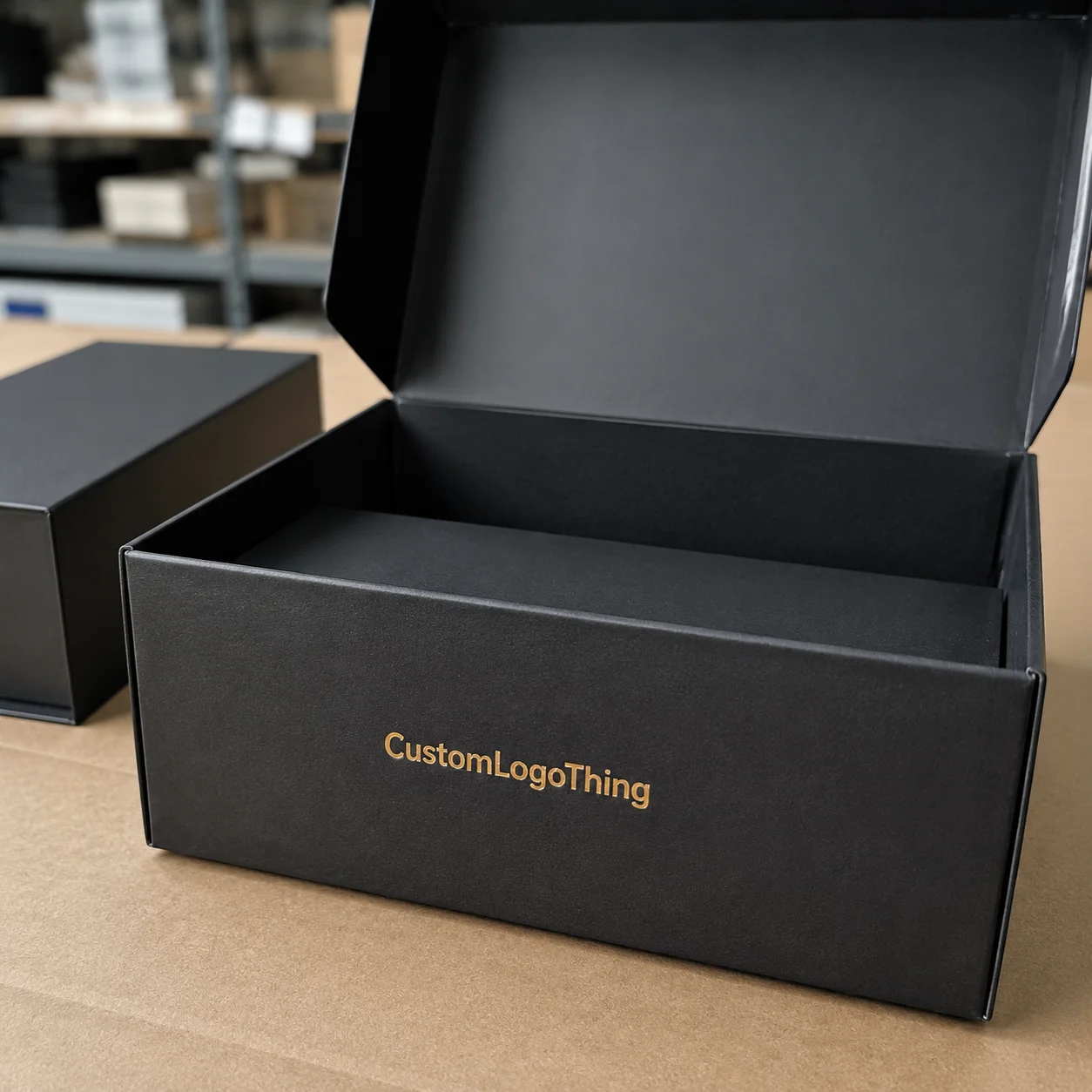
Custom Mailer Boxes are self-locking corrugated cartons used for e-commerce shipments, subscription kits, retail ship-outs, and presentation packaging. Most are made in E-flute, B-flute, or comparable corrugated constructions, and the exact board choice depends on weight, stacking pressure, and the unboxing experience you want. A common build is 350gsm C1S artboard laminated to E-flute for a cleaner print face, while heavier kits might use 1.8mm B-flute with kraft outer liners for more crush resistance. If you are sourcing custom printed boxes for branded packaging, the supplier’s job is to match the board to the product instead of forcing the product to fit a generic carton. That sounds obvious. It is not. I’ve watched too many teams try to “make it work” with a box that was clearly wrong from the start.
Here is where buyers sometimes get tripped up. A marketplace seller may sell you printed stock shapes, while a factory-backed supplier can control structural specs, color targets, adhesive performance, and quality inspection. That difference shows up in the details: whether the tuck flap closes with 1.5 mm of resistance, whether the print stays aligned across the fold, and whether the mailer arrives flat enough to pack quickly without fighting warped panels. If you’ve ever packed 2,000 boxes by hand and had the flaps fight you for sport, you know why this matters. I have, in a warehouse in Guangzhou at 9:40 p.m., and yes, the boxes won that round.
Common materials and processes usually include kraft corrugated board, white top liners, aqueous coating, matte or gloss lamination, spot UV, embossing, and digital or flexographic printing. I’ve watched teams debate whether a soft-touch laminate is worth the added cost. My honest opinion? Sometimes yes, sometimes absolutely not. For premium skincare or gift sets, the tactile feel can improve package branding. For a simple subscription refill box, a clean kraft surface with one-color print may be the smarter move. Spending fancy money just to impress yourself in a sample room is a hobby, not a strategy. On a 5,000-piece run, soft-touch lamination alone can add around $0.08 to $0.14 per unit, which is not exactly pocket change.
“The box has to do three jobs at once: protect, present, and pack fast. If it only does one of those, it is not really doing its job.”
A solid custom mailer boxes supplier guide also explains why this choice affects more than appearance. A well-built mailer can reduce damage rates, speed up packing at the fulfillment table, improve the unboxing moment, and lower total landed cost through smarter sizing. That is the sort of thinking I saw again and again on busy pack lines in Chicago and Guangdong, where the best operators cared just as much about closing speed as they did about print finish. At one Chicago 3PL, a box that packed 12 seconds faster saved about 7 labor hours per 10,000 units. And yes, the fastest packers always had the most opinions.
For broader packaging choices, many buyers compare mailers with Custom Packaging Products or match them against Custom Poly Mailers for lightweight parcel work. The right answer depends on the product, the ship method, and the story you want the carton to tell when the customer opens the outer shipper. A poly mailer at about $0.12 to $0.20 per unit can make sense for soft goods, while a corrugated mailer in the $0.18 to $0.75 range is usually the better move for structure and presentation.
How the Supplier Process Works From Quote to Delivery
A practical custom mailer boxes supplier guide should show the order flow clearly, because buyers often underestimate how many approvals sit between a quote and delivery. The path usually runs like this: inquiry, structural review, artwork prep, proofing, sampling, production, finishing, packing, and freight coordination. If one of those steps gets rushed, the whole job can wobble. I’ve seen it wobble. Not gracefully, either. Once, a team in California approved the artwork before the dieline and then spent three days untangling a logo that sat 4 mm onto a fold.
The first technical checkpoint is the dieline. That flat template confirms the box dimensions, tuck closures, lock tabs, glue areas, and print-safe zones before production begins. I’ve seen beautiful artwork ruined because a logo crossed a fold line by 3 mm. On a mailer, that tiny miss can make a premium design look crooked or amateurish. Any serious custom mailer boxes supplier guide should encourage buyers to approve the dieline before they sign off on artwork placement. Skip that step and you are basically betting your packaging budget on luck.
Samples usually come in stages. A white unprinted sample checks fit and construction. A digital proof shows artwork placement, text, and color intent. A pre-production sample confirms the final board, finish, and print outcome before the full run starts. In one meeting with a subscription snack brand in Austin, the team insisted on skipping the physical sample because they trusted the PDF; three weeks later, they had to rework the insert height because a pouch of granola sat 8 mm too tall and pinched the lid. That delay cost them more than the sample would have. Their “we’ll be fine” attitude aged badly. The sample would have cost about $35; the rework cost them nearly $900 in wasted time and expedited freight.
Timelines vary by method and quantity. Simple digital-printed mailers can move in about 10-14 business days after proof approval, while larger flexographic runs or specialty-finished cartons often need 15-25 business days because of plate making, drying, finishing, and packing. If your design includes foil stamping, embossing, or inside print, plan for more time. A realistic custom mailer boxes supplier guide never promises a speed that ignores press setup and freight booking. I’ve had suppliers promise “fast” with a straight face and then quietly admit the art file looked like it was rescued from 2008. For export orders from Shenzhen to Los Angeles, add 12 to 18 more calendar days for ocean freight, plus customs clearance and final-mile booking.
Delays usually come from a few familiar places: missing artwork files, last-minute size changes, seasonal factory congestion, and freight booking lead times. I once watched a buyer lose six days because their logo file was a low-resolution PNG rather than a vector PDF. The prepress team had to rebuild the artwork so the type would hold sharp on a 5-color flexo run. That kind of error is avoidable if your custom mailer boxes supplier guide teaches communication discipline early. Also, please stop sending “final_final_v7” files. We all know that file is not final.
- Inquiry: share product size, weight, shipping method, and quantity.
- Structural review: confirm board grade, flute profile, and dieline.
- Artwork prep: place logos, copy, and regulatory marks in safe zones.
- Proofing: review color, text, and line placement.
- Sampling: test fit, closure, and presentation.
- Production and finishing: print, cut, glue, coat, and inspect.
- Packing and freight: bundle, palletize, and ship with agreed terms.
That process is why buyers should think of sourcing as a controlled sequence, not a one-line quote. A strong custom mailer boxes supplier guide helps you manage those approvals so the supplier can do the manufacturing part cleanly and predictably. It is not glamorous, but neither is paying twice for the same job.
Key Factors to Compare in a Custom Mailer Boxes Supplier Guide
The best custom mailer boxes supplier guide does not stop at price. It helps you compare the structural, print, and service details that decide whether the carton performs in the real world. I always tell buyers to start with board strength, because a mailer that looks beautiful but folds weak under load is just expensive disappointment. I’ve seen gorgeous boxes fail in the most unglamorous way possible: corner crush, tape peel, lid warp, repeat. Very glamorous. Zero stars.
Board and flute selection comes first. E-flute gives a smoother surface and a thinner profile, which can be great for premium presentation and tighter shelf fit. B-flute offers a bit more crush resistance and is often the better choice for heavier items or longer parcel routes. If the supplier cannot explain why they are recommending one over the other, that is a red flag in any custom mailer boxes supplier guide. A real supplier should be able to talk about tradeoffs without waving their hands like they’re doing packaging magic. If they mention 350gsm C1S artboard, 1.6mm E-flute, or 2.5mm B-flute by name, you are usually on firmer ground.
Print quality is the next filter. You want consistent color across the run, clean registration, solid ink coverage, and a print method that matches your volume. Digital printing is often ideal for shorter runs and more frequent artwork changes. Flexographic printing makes more sense for larger quantities where plate setup can be spread across the order. A supplier with real expertise can tell you whether a 2-color flexo job or a full digital build is the better buy for your branded packaging. On a 3,000-piece digital run in Xiamen, I saw a Pantone 186 match hold within a Delta E of 2.1 across the run, which is the kind of detail that actually matters. If they answer every question with “yes, no problem,” I start to worry.
Finishing options can change both price and perceived value. Soft-touch coating, embossing, debossing, foil stamping, spot UV, and inside print all add cost, but they also change how the customer experiences the box. For high-end retail packaging, those upgrades may support premium pricing. For commodity shipping, they may only add expense. That is why a custom mailer boxes supplier guide should always connect finish choice to the actual selling strategy. Pretty is fine. Pretty and profitable is better. A mailer with foil stamping can jump by $0.10 to $0.25 per unit, depending on size and coverage, which is a steep price for decoration if the customer never notices it.
Operational reliability is the part many first-time buyers overlook. Ask about QC checkpoints, carton count accuracy, packing method, pallet configuration, and factory certifications. Standards matter here. If the supplier can reference testing or performance standards from groups like ISTA or material sourcing guidance from FSC, that tells you they understand more than decoration; they understand transit behavior and responsible sourcing too. I’ve stood in factories in Ningbo and Suzhou where the QC team was checking 1 in every 50 cartons for flap alignment and glue squeeze-out. That is the level of boring discipline you actually want.
| Supplier Type | Typical Strength | Typical Risk | Best Use Case |
|---|---|---|---|
| Factory-backed supplier | Dieline control, print calibration, QC, finish control | May need more lead time for samples and approvals | Custom mailers with exact specs and repeat orders |
| Broker | Multiple sourcing options, easier quote shopping | Less direct control over production details | Buyers who need sourcing help across categories |
| Marketplace seller | Fast access to stock sizes | Limited customization and variable consistency | Simple, lower-stakes packaging needs |
Communication quality is the final tell. Fast, specific answers about tolerances, board grades, print coverage, and availability usually point to a better manufacturing partner. Vague answers like “we can make it strong” or “the color will look fine” do not belong in a serious custom mailer boxes supplier guide. Ask for numbers, not promises. If they can’t give you specifics, they probably don’t have specifics. A good supplier should tell you whether the box wall is 1.5mm, 1.8mm, or 2.7mm, not mumble about “quality cardboard” like that means anything.
For buyers building a larger packaging program, the same comparison logic applies across custom printed boxes, inserts, sleeve wraps, and shipper cartons. A smart sourcing process keeps each piece consistent, which improves the customer’s first impression and reduces receiving problems on the warehouse side. If your subscription box and your retail carton look like they came from different planets, someone missed the brief.
Custom Mailer Boxes Supplier Guide: Cost and Pricing Basics
Pricing is where most buyers want a shortcut, but a useful custom mailer boxes supplier guide has to unpack the numbers. The main price drivers are box size, board thickness, print coverage, number of colors, finish complexity, and order quantity. If you change any one of those, the unit cost changes, sometimes by a small amount and sometimes by a lot. The fun part is that everyone always wants the “best” box and the “lowest” price, as if physics has a coupon code. It does not. It has a production schedule.
For example, I’ve seen a simple 9 x 6 x 3 inch kraft mailer with one-color flexo print land around $0.18 per unit at 5,000 pieces, while a similar-sized carton with full-color digital print, matte lamination, and spot UV can move closer to $0.62 to $0.88 per unit depending on setup and board choice. Those numbers are not universal, of course, because freight lane, factory location, and board market pricing can move fast. Still, a good custom mailer boxes supplier guide should give buyers a realistic range so they can budget properly. In South China, a 350gsm C1S artboard-laminated E-flute mailer often prices differently than the same spec in Ohio or Mexico because labor, plate, and domestic freight all stack differently.
Volume matters because tooling, plate making, press setup, and color calibration get spread across more cartons as the order grows. A run of 1,000 pieces may look expensive next to 10,000 pieces, but that does not mean the smaller run is overpriced. It simply carries more setup burden per unit. That is a basic manufacturing truth, and I’ve had many candid conversations with buyers who were shocked by it until they saw the line items. One of them literally said, “So I’m paying for the factory to wake up?” Pretty much, yes. A 1,000-piece digital job may cost $0.74 per unit, while the same structure at 10,000 pieces can drop to $0.21 or lower because the setup gets amortized.
There are also hidden or overlooked costs. Samples may be charged separately, especially if you request multiple structural revisions. Flexographic plate fees can add a few hundred dollars. Rush production can increase labor and freight costs. Oversized cartons may need special outer packaging or pallet protection to avoid edge damage. A careful custom mailer boxes supplier guide will tell you to ask about every fee before approving the PO. If you do not ask, the invoice will happily ask for you. Sample kits from some factories in Guangzhou run $25 to $60 before shipping, and pre-production proofs with custom tooling can go higher if the dieline changes.
Size optimization can save money in two directions at once. First, it reduces board usage. Second, it can cut parcel shipping charges by lowering dimensional weight. I watched one apparel brand trim its mailer from 12 x 10 x 4 inches to 10 x 8 x 3 inches, and the box cost barely changed, but the carrier bill dropped because the carton no longer crossed a dimensional pricing threshold. That is why the smartest custom mailer boxes supplier guide advice is often about design discipline, not haggling. A box that fits better usually costs less in more places than one. On a 2,500-shipment month, that one change saved them roughly $680 in UPS charges.
If you want the low-cost end of the spectrum, uncoated kraft with one-color print is usually a good starting point. If you want premium presentation, then full coverage inside and out, soft-touch coating, and special effects like foil or embossing will raise the landed cost. Neither choice is wrong. The question is whether the box supports the brand and the product. That is the core lesson in any honest custom mailer boxes supplier guide. A $0.15-per-unit mailer at 5,000 pieces can be perfect for a clean DTC launch, while a $0.95-per-unit premium build can still make sense for a $120 skincare kit.
Here is a simple pricing comparison to keep in mind:
| Build Type | Indicative Unit Cost | Strength Level | Brand Impact |
|---|---|---|---|
| Plain kraft mailer, no print | $0.12 to $0.20 | Moderate | Minimal |
| 1-color flexo printed mailer | $0.16 to $0.28 | Moderate to strong | Clean branded packaging |
| Full-color digital mailer | $0.30 to $0.70 | Moderate to strong | Higher visual impact |
| Premium finished mailer with coating or foil | $0.55 to $1.20 | Strong | High-end retail packaging feel |
Those ranges are directional, not a quote, and they depend on quantity, board market conditions, and shipping lane. Still, they help frame the discussion so a buyer can look at the total cost of ownership instead of only the carton price. A stronger box with a better fit may reduce breakage, labor, and refund headaches, which is often where the real savings live. I have seen a $0.04 higher unit cost save a brand $1,200 in monthly damage claims. That math is not complicated, even if some procurement teams pretend it is.
How Do You Choose the Right Custom Mailer Boxes Supplier?
The right custom mailer boxes supplier is the one that can explain structure, print, and logistics without sounding like they are reading a brochure. In my experience, that means they ask better questions than most buyers do. What product are you shipping? How much does it weigh? Is the box doing protective work, presentation work, or both? A strong supplier answers with specifics, not hopeful language. That is the difference between a real manufacturing partner and somebody with a price list and a dream.
Look for a supplier that can show sample evidence, production photos, and clear QC checkpoints. If they can tell you how they check glue lines, flap fit, pallet count, and print consistency, you are on the right track. A useful custom mailer boxes supplier guide should make it obvious that this is not about finding the cheapest quote. It is about finding the supplier that will keep your branded packaging consistent from the first run to the fifth reorder. I have seen too many “cheap” starts become expensive cleanup projects.
Also, judge how they handle revisions. A good custom mailer boxes supplier will flag artwork risks early, suggest board alternatives if your product is too heavy, and push back when your timeline is fantasy-level optimistic. That pushback is not rudeness. It is a sign they understand corrugated packaging, parcel handling, and how not to waste your money. Frankly, the suppliers who agree with everything make me nervous. If they say yes to every request before seeing the dieline, they are probably saying yes to everyone else too.
Step-by-Step Guide to Choosing the Right Supplier
If I were teaching a new procurement lead how to use a custom mailer boxes supplier guide, I would start with the product itself, not the supplier list. Measure the item length, width, height, and packed weight, then note whether the contents are fragile, temperature-sensitive, or likely to shift during transit. A candle set behaves very differently from a stack of tees, and the box design should reflect that. Honestly, I wish more teams would start there instead of picking a box shape they liked on a mood board. Mood boards do not survive parcel sorting in Memphis.
Request a dieline before approving artwork. If the box needs an insert, a window cut, or a tight product fit, the structural template has to come first. I once reviewed a client’s mailer artwork where the top headline sat directly over a fold panel, and they were one print revision away from a very expensive layout error. A disciplined custom mailer boxes supplier guide keeps structure ahead of cosmetics. Pretty graphics do not save bad engineering. A clean dieline on a 10 x 8 x 3 inch box is worth more than a flashy mockup that ignores flap geometry.
Then compare suppliers on more than quotes. Ask how they handle samples, whether they can explain board grades without jargon, how they manage print registration, and what their QC process looks like. When a supplier can explain why a 1.8 mm tolerance matters on a tuck flap or why white-top liner board shows color differently than natural kraft, you are usually talking to a real manufacturing partner. If they sound like they’re reading off a generic sales sheet, keep moving. I’ve heard that script in Shanghai, Ho Chi Minh City, and three different email threads that should have been one call.
Test the sample under actual conditions. Pack it, shake it, stack it, and if the shipment matters, send it through your normal parcel network. One beverage client I worked with did a simple drop test on a pallet corner and discovered the mailer looked perfect but failed at the side seam when stacked in a warm warehouse. That test saved them from a large-scale recall of branded packaging. A strong custom mailer boxes supplier guide always recommends real-world handling, not just desk inspection. Your desk is not a shipping lane. Neither is a pretty render in Figma.
Verify logistics before you commit. Ask about packaging per bundle, pallet count, lead time promises, delivery terms, and whether the supplier uses export cartons or inner wraps to protect the faces from scuffing. A factory that can explain freight handling in a specific way has usually seen enough shipments to understand how damage occurs. That practical knowledge is worth a lot in a custom mailer boxes supplier guide. If they can tell you whether the boxes ship flat in 20-count bundles or 50-count bundles, they probably know what they are doing.
When you are down to the final two options, choose the supplier that balances fit, quality, cost, and service. I have seen buyers chase the lowest number and spend the next six months paying for wasted product, extra labor, or poor customer impressions. The right answer is rarely the cheapest box on paper; it is the one that supports the product packaging, the fulfillment flow, and the customer experience together. A supplier in Dongguan with a 12-15 business day turnaround from proof approval can beat a domestic option that sounds cheap until freight, rework, and delays show up.
Common Mistakes Buyers Make With Mailer Box Suppliers
One of the most common mistakes I see in a custom mailer boxes supplier guide conversation is approving artwork before confirming the structural dieline. That leads to logos sitting too close to fold lines, legal copy wrapping around a flap, or barcode placement getting distorted. It is a small mistake during prepress and a very visible problem after production. And yes, people always notice the crooked logo first, never the hours you spent picking the right shade of kraft. On a 9 x 6 x 3 inch mailer, a 2 mm misalignment can look like a design failure even when the print itself is fine.
Another classic error is choosing a mailer that looks premium but is too light for the product. A thin box with elegant print may photograph beautifully, but if the corners crush during carrier sorting, the brand pays for that elegance in returns and replacement shipments. Honestly, I think some buyers overvalue print and undervalue board performance; the box has to survive the parcel network before it can impress anyone. Otherwise, it’s just expensive confetti with a logo on it. I’ve watched 250gsm boards flatten under 6 kg of mixed contents because somebody wanted to save a penny and call it strategy.
Some buyers also assume every supplier means the same thing by “custom.” That is not true. One supplier may only print on stock sizes, while another can engineer fully bespoke mailers with exact size control, inside print, special closures, and finished presentation. A strong custom mailer boxes supplier guide should push buyers to define what custom actually means in their project brief. If you want exact fit, say exact fit. If you want a branded stock box, say that too. Ambiguity costs money. So does assuming the 300-piece online seller and the factory in Foshan are offering the same thing.
Vague specs cause trouble too. Asking for “strong cardboard” is not a specification. Give the product weight, shipping method, quantity, and the performance expectation you want, such as “must survive single-parcel domestic shipping with no corner crush” or “must stack four high on a warehouse shelf.” The more specific your brief, the better the supplier can recommend the right corrugated construction. A 1.5mm E-flute may be fine for apparel, while an electronics kit might need a 2.5mm B-flute or a double-wall structure. That is not overkill. That is math.
Skipping a physical sample is risky, especially for cosmetics, candles, electronics, and gift sets where presentation matters almost as much as protection. I remember one boutique fragrance brand that approved a gorgeous box from a screen proof, then discovered the inner bottle tray was 5 mm too shallow and the cap touched the lid. That kind of issue shows up only when you build the box and load the product. Screens lie. Cardboard does not. A sample costing $40 would have saved them a three-week delay and a very awkward launch meeting.
Freight details are the last place buyers get burned. If pallet configuration, delivery terms, or receiving appointments are not clear, you can get last-mile cost shocks or damage from poor palletizing. A clean custom mailer boxes supplier guide tells you to lock those details before the press starts, because the shipping bill is part of the total project, not an afterthought. I have seen a $2,600 ocean freight quote turn into $3,100 once destination fees and liftgate charges hit the invoice. Nobody likes that surprise, especially the finance team.
“Most packaging problems are not design problems at all. They are specification problems that nobody caught early enough.”
Expert Tips and Next Steps for Better Sourcing
The best next step in a custom mailer boxes supplier guide is to build a simple supplier scorecard. I like to rank five areas: structural knowledge, print capability, turnaround time, communication quality, and pricing transparency. If a supplier scores high in all five, you are probably dealing with someone who can support repeat orders without constant fire drills. Those are the people you call back. The others? Let them be somebody else’s lesson. I keep one scorecard taped inside my notebook, and it has saved me from more bad decisions than coffee ever did.
Ask the supplier for board grade guidance before you try to “design around” a problem with thicker material. I have seen a well-chosen flute profile outperform a heavier board because the structure flexed less during parcel handling, and the finished box packed more efficiently. That kind of advice is what you pay a skilled factory-backed supplier for, and it is one of the main reasons a custom mailer boxes supplier guide should emphasize technical discussion over sales language. Good suppliers solve problems. Bad ones just quote harder. A well-run factory in Guangdong can tell you in one sentence whether your product needs 1.6mm E-flute or 2.7mm B-flute, which beats three rounds of guessing.
Keep a master spec sheet for repeat buys. Include the approved die size, board type, print method, finish, approved color references, and closure performance notes. If your team changes personnel later, that sheet protects consistency. I’ve walked into plants where the third reorder was drifting because nobody saved the original sample, and the carton looked “close enough” until the customer noticed the difference. Close enough is not a quality system. If the approved Pantone is 186 C and the board is 350gsm C1S artboard over E-flute, write it down and keep it there.
Plan production around your own sales cycles and inventory seasons. If a holiday launch needs 30,000 boxes, do not wait until the month before. Build time for proofing, sample approval, and freight scheduling. A realistic custom mailer boxes supplier guide tells you to work backward from ship date, then add margin for one revision, because revision is often where the schedule gets tight. I’ve never seen a packaging project get better because someone rushed the last review. If your Black Friday inventory ships from Ningbo to Long Beach, start the box order at least 8 to 10 weeks before launch.
Before requesting quotes, collect these details:
- Exact product dimensions and packed weight
- Target order quantity and reorder frequency
- Board preference, if known, such as E-flute or B-flute
- Print style, such as one-color, full-color, or inside print
- Finish preference, including matte, gloss, or soft-touch
- Shipping method and destination ZIP or port
- Any compliance or sourcing preferences, including FSC-certified board if needed
That level of preparation makes the quoting process much cleaner and gives you more apples-to-apples pricing. It also helps the supplier respond with the right engineering support instead of guessing. A custom mailer boxes supplier guide should make sourcing more deliberate, not more complicated. If the brief is complete, you can get a quote back in 24 to 72 hours instead of waiting around for questions you should have answered already.
For teams building a broader packaging program, the same discipline applies to retail packaging, inserts, sleeves, and mailers. If you are also sourcing structural cartons, label systems, or custom printed boxes, ask for a unified view so your package branding stays consistent from one product line to the next. A box that matches the rest of the program feels intentional, and customers notice that. They may not say it out loud, but they notice. I’ve seen buyers in Los Angeles and Toronto react to a “small” box mismatch like it was a design crime, because it was.
One final thought from the floor: I have never regretted spending an extra day on sampling when the product was important. I have regretted rushed approvals, vague specs, and assuming a cheaper quote meant lower total cost. That is why I keep coming back to the same lesson in every custom mailer boxes supplier guide: clear specs, honest testing, and factory-level communication beat guesswork every time. And if a supplier can’t tell you exactly what a 5,000-piece run costs, where it’s made, and how long it takes after proof approval, they are not ready for your order.
FAQ
How do I choose the best custom mailer boxes supplier for my product?
Start with your product dimensions, weight, and fragility so the supplier can recommend the right board grade and box style. Then compare sample quality, communication speed, dieline support, and production consistency rather than focusing only on price. The strongest supplier is the one that explains their process clearly and can show real factory or production capability, ideally with a lead time like 12-15 business days after proof approval and a concrete spec such as 1.8mm B-flute or 350gsm C1S artboard.
What affects custom mailer box pricing the most?
The biggest pricing drivers are box size, board material, print coverage, finishing options, and order quantity. Rush production, sampling, and freight can also add cost. Smarter sizing often lowers shipping and material costs at the same time, which is why fit matters so much in a custom mailer boxes supplier guide. For reference, a 5,000-piece run may land around $0.15 to $0.28 per unit for a simple build, while premium finishes can push that much higher.
How long does a custom mailer box order usually take?
Timeline depends on artwork readiness, sampling needs, printing method, and factory workload. Simple runs may move faster, while specialty finishes or larger volumes usually take longer. Approvals and freight scheduling are often the biggest variables, especially if you need a pre-production sample before the full run. In practice, many suppliers in Dongguan, Shenzhen, or Ningbo can ship a standard order in 12-15 business days from proof approval, while complex runs can take 15-25 business days.
Should I request a sample before placing a full order?
Yes, a sample helps confirm fit, closure, print alignment, and overall presentation. A physical sample is especially important for fragile, premium, or gift-style products where the unboxing experience matters. Skipping sampling can create expensive corrections later, which is why a good custom mailer boxes supplier guide always recommends it. A $35 to $60 sample is usually cheaper than reworking a 10,000-piece order.
What should I ask a custom mailer boxes supplier before ordering?
Ask about material options, dieline availability, minimum order quantity, lead time, and finishing choices. Also ask how they handle quality control, packing, and freight. The best suppliers will answer with specifics, not vague promises, and that level of clarity is a strong sign you are working with the right partner. You want facts like “350gsm C1S artboard laminated to 1.6mm E-flute,” not “good quality box.”
If you want a sourcing process that feels calmer and more controlled, keep this custom mailer boxes supplier guide close: define the product, confirm the dieline, test the sample, compare total cost, and choose the supplier who understands both protection and presentation. That is how you get mailers that look good on arrival, pack efficiently on the line, and support your brand for the long haul. Start with the specs, then lock the sample, and only then place the order. That’s the bit people keep skipping, and it’s usually where the trouble starts.