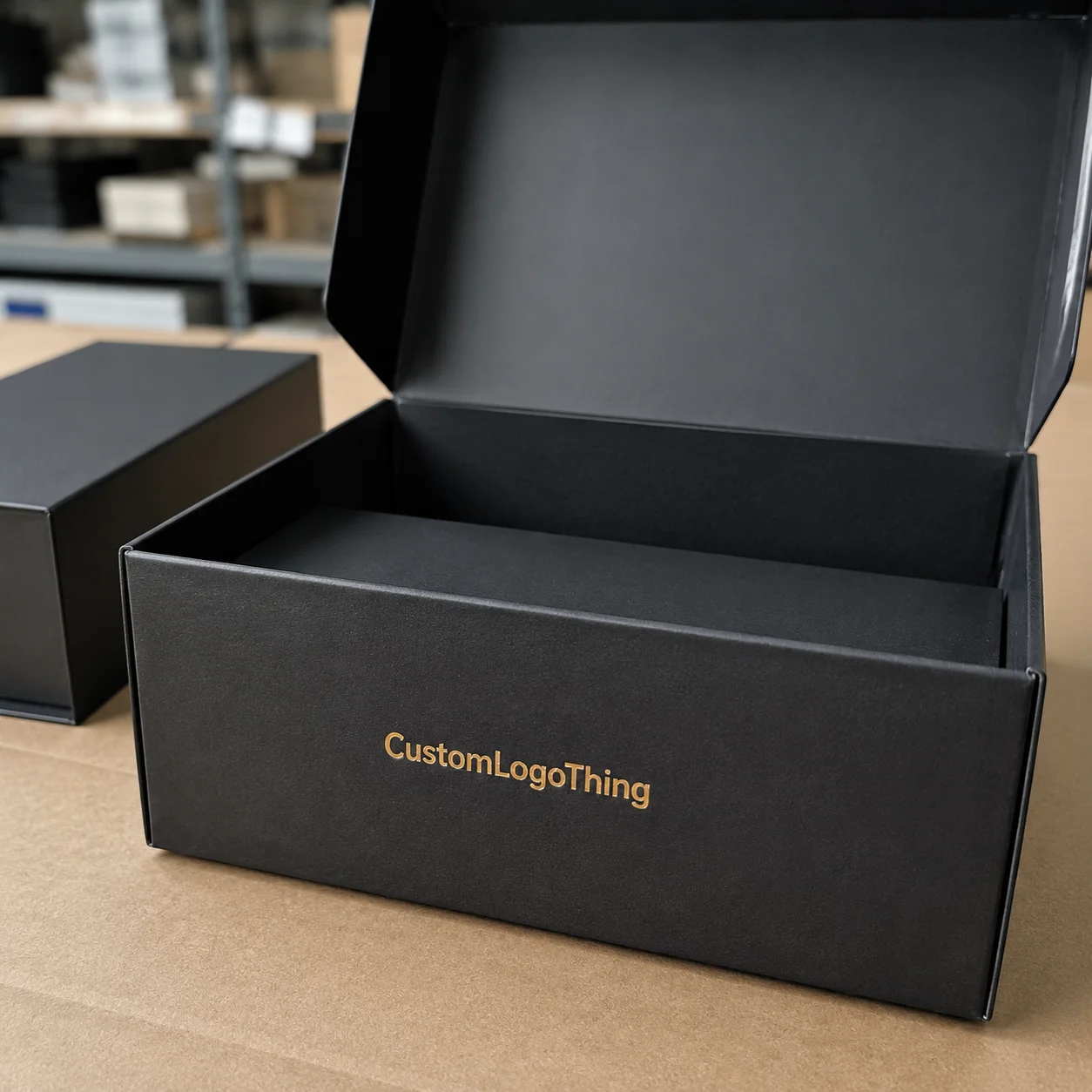
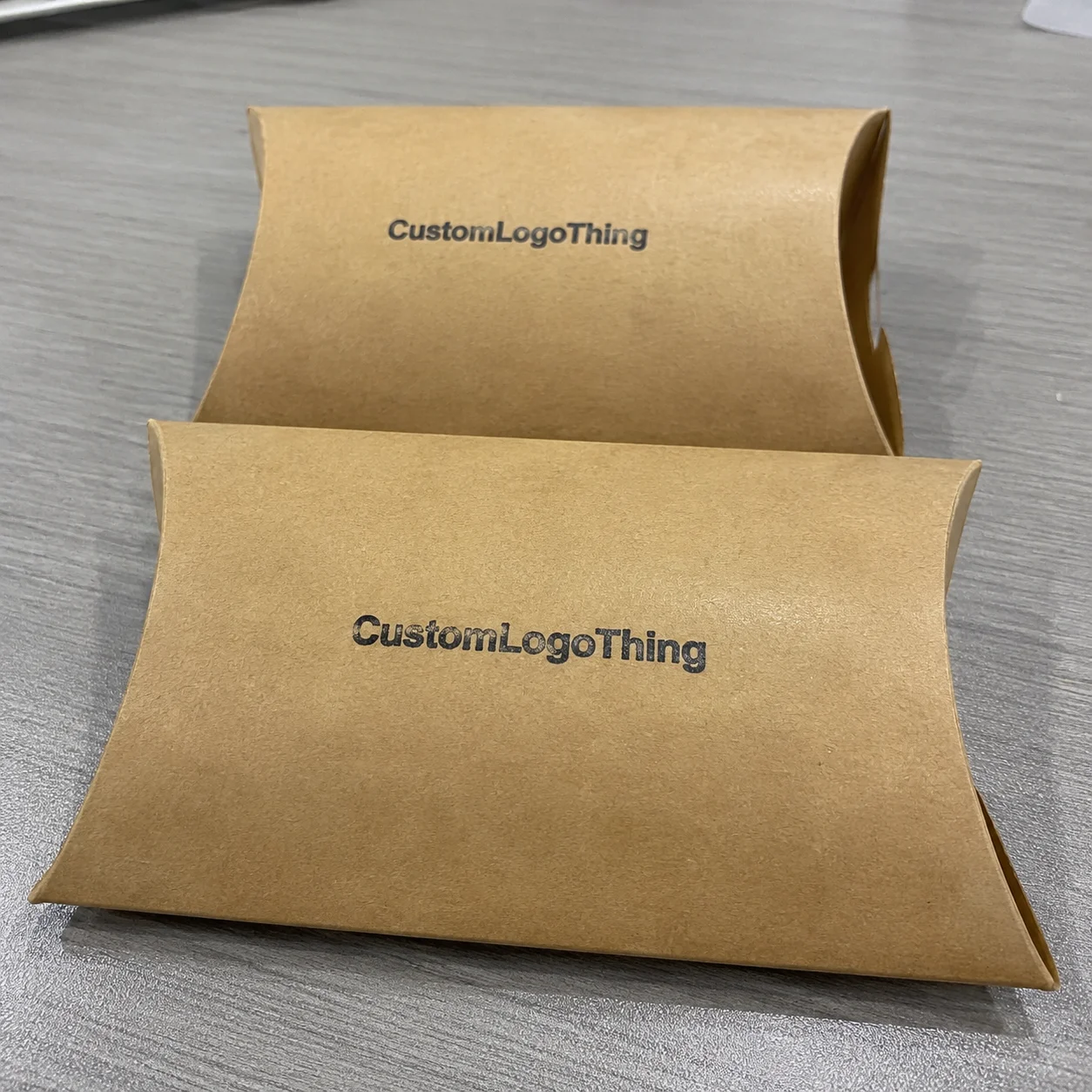
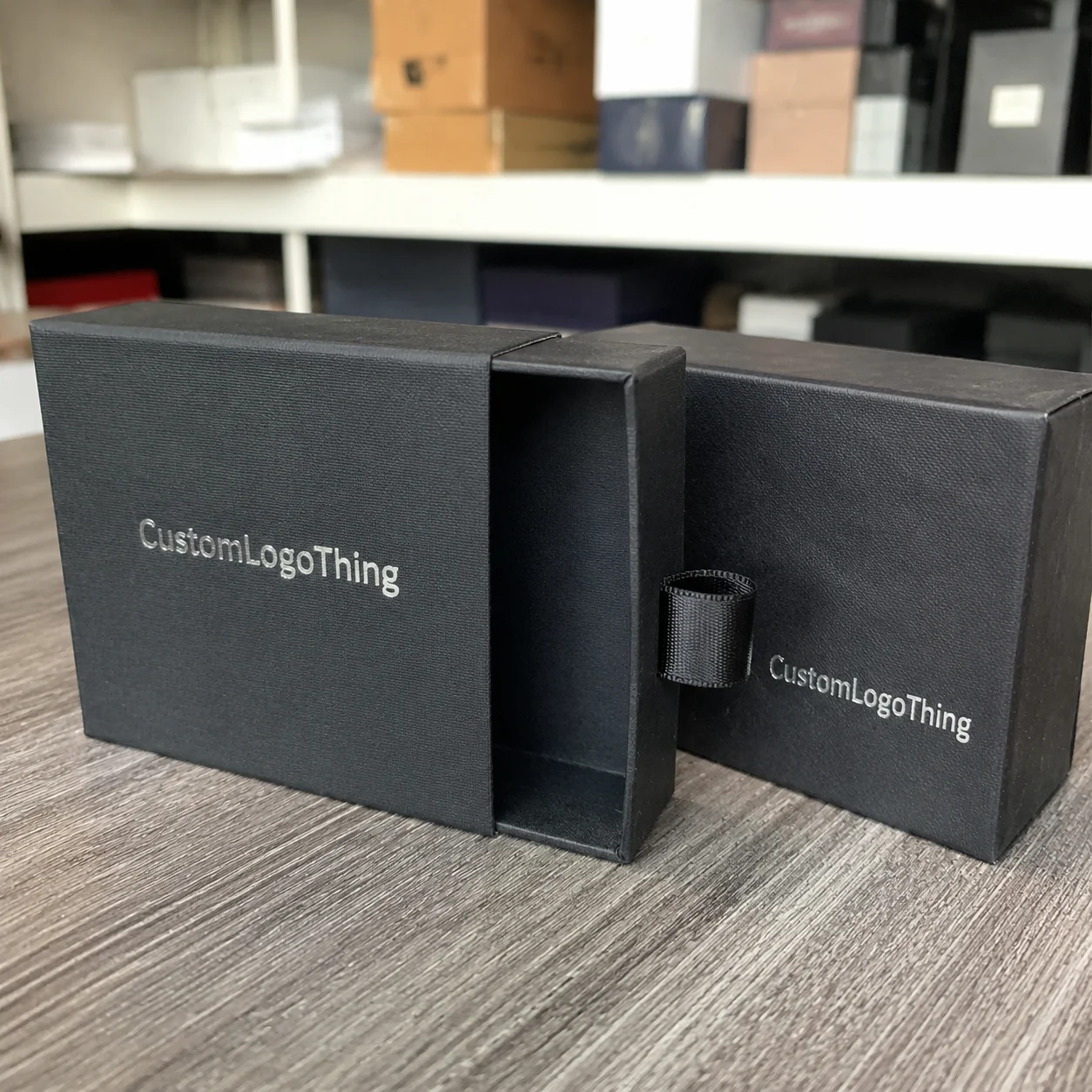
Buyer Fit Snapshot
| Best fit | Custom Mailer Boxes Pricing projects where brand print, material claims, artwork control, MOQ, and repeat-order consistency need to be specified before quoting. |
|---|---|
| Quote inputs | Share finished size, material target, print colors, finish, packing count, annual reorder estimate, ship-to region, and any compliance wording. |
| Proofing check | Approve dieline scale, logo placement, barcode or warning zones, color tolerance, closure strength, and carton packing before bulk production. |
| Main risk | Vague material claims, crowded artwork, missing packing details, or unclear freight terms can make a low unit price expensive after revisions. |
Fast answer: Custom Mailer Boxes Pricing: Structure, Print Proof, Packing, and Reorder Risk should be specified like a repeatable production item. The safest quote records material, print method, finish, artwork proof, packing count, and reorder notes in one written spec.
Production checks before approval
Compare the actual filled-product size with the drawing, then confirm tolerance on folds, seals, hang holes, label areas, and retail display edges. Reserve space for logos, QR codes, warning copy, and material claims before decorative graphics fill the panel.
Quote comparison points
Review material grade, print process, finish, sampling route, tooling charges, carton quantity, and freight assumptions side by side. A quote is only useful when the supplier can repeat the same color, closure quality, and packing count on the next order.
My Custom Mailer Boxes pricing guide starts with a memory I still can’t shake: a noisy packing floor in Shenzhen, a stack of sample cartons, and one skincare brand that cut its quote almost in half by making a surprisingly small change. Full-coverage exterior print became a one-color logo outside and a simple message inside. Same structure. Same product. Far less money. The original quote was $1.26 per unit at 2,000 pieces; the revised version came in at $0.79 per unit, and the factory in Shenzhen, Guangdong, China, could still turn the run in 14 business days after proof approval. Packaging pricing gets emotional fast, but the math has a way of cutting through the drama.
If you sell products online, Custom Mailer Boxes are the corrugated Shipping Boxes That protect items in transit while carrying your brand at the same time. That’s the plain-English version. They’re part protection, part branded packaging, part unboxing theater. The pricing can swing wildly because custom mailer boxes pricing guide calculations depend on size, board grade, print method, order quantity, finishing, inserts, and freight. A 10" x 8" x 2" mailer in 350gsm C1S artboard-lined E-flute will not cost the same as a 12" x 10" x 4" B-flute box with foil and a die-cut insert, even if both are “custom mailers.”
Here’s the part many buyers miss: cheap boxes can become expensive boxes fast. If they crush in transit, you pay for replacements. If the print looks muddy, the brand moment falls flat. If the boxes ship in oversized cartons, freight wipes out the savings. A good custom mailer boxes pricing guide helps you compare the real cost, not the per-box quote that looks tidy on a spreadsheet. A $0.18 difference per unit becomes $900 on a 5,000-piece order, and that’s before you account for damage rates or re-shipments from Atlanta, Dallas, or Toronto.
Custom Mailer Boxes Pricing Guide: What You’re Really Paying For
On a converter visit, I always start with the board stack. That’s where the money begins. A mailer box is usually made from corrugated board, often E-flute or B-flute, then printed, cut, folded, and shipped flat. The box itself is simple. The pricing is not. Your custom mailer boxes pricing guide needs to account for board cost, press setup, die-cutting, ink, glue, coatings, inserts, palletization, and shipping. Miss one piece and the “cheap” quote turns into a surprise invoice. A lovely way to ruin a Monday, honestly. In a Guangzhou facility, I’ve seen a single die-cut tooling charge add $145 to a small run before a sheet was even printed.
I once sat in a client meeting where the buyer wanted a full-wrap inside and outside print, soft-touch lamination, and foil. Gorgeous box. Brutal quote. We pared the design back, kept the outer shell clean, moved the brand story to the inside flap, and the price dropped without making the package look bare. The first quote was $2.10 per unit for 1,000 pieces; the revised spec landed at $1.32 per unit with 350gsm C1S artboard and a matte aqueous finish. That’s why custom mailer boxes pricing guide decisions are often design decisions first and cost decisions second.
Small dimension changes matter more than people think. Add 10 mm to the length and you may trigger a different sheet size, a different die layout, and a different freight profile. One brand I worked with widened a box by 8 mm so the insert would fit “more comfortably,” then discovered the carton count per pallet fell enough to raise trucking costs from $380 to $462 on a Dallas-to-Phoenix shipment. That’s the sort of thing a solid custom mailer boxes pricing guide should flag before anyone signs off.
Here’s a simple way to think about the biggest cost buckets:
- Material: corrugated board, liner paper, and board grade.
- Printing: one-color logo, full-color process, or specialty inks.
- Finishing: matte, gloss, soft-touch, spot UV, foil, embossing.
- Setup: die creation, press setup, proofing, and sampling.
- Extras: inserts, dividers, tape, labels, and fulfillment labor.
- Logistics: freight, pallet costs, storage, and last-mile delivery.
That list forms the backbone of any custom mailer boxes pricing guide. If your quote doesn’t break these pieces out, ask for a cleaner version. Too many buyers compare two “same” quotes that were actually built on different assumptions. One included inserts and shipping. The other didn’t. The cheaper one wasn’t cheaper. I’ve seen a “low” quote of $0.58 per unit become $0.91 landed after cartons, pallet wrap, and a 3-day truck shipment to Chicago were added.
“The box price is rarely the real price. It’s the landed cost that matters. That’s the number that tells you whether you’re smart or just entertained by a low quote.”
If you want a reality check on packaging materials and recycling, the EPA recycling resources are a good place to understand what happens after the box leaves your dock. If sourcing standards matter to your procurement team, FSC-certified paper can also support brand trust and compliance; learn more at fsc.org. A useful custom mailer boxes pricing guide should connect cost with compliance and sustainability, not tuck them away as side notes. A Quebec-based skincare brand I advised chose FSC-certified board at a premium of $0.03 per box, then used that detail in retailer pitches across Montreal and Vancouver.
How Custom Mailer Box Pricing Works
A quote usually starts with the dieline, the flat template showing every fold, flap, and cut. The supplier then checks artwork, board thickness, print coverage, finish, and quantity. After that, the estimate comes together from setup fees and unit economics. That’s the standard flow behind any custom mailer boxes pricing guide, whether you’re dealing with a local printer or a larger facility like our Shenzhen operation. In many factories in Dongguan and Foshan, the first correction happens before print plates are made, because a 2 mm mistake on the dieline can change the entire carton fit.
I’ve negotiated enough packaging orders to know that suppliers price in layers. Tooling or setup may run anywhere from $80 to $300 depending on complexity, while a custom steel rule die for a mailer in Ho Chi Minh City or Shenzhen can land closer to $120 to $180 on a straightforward shape. Board cost shifts with flute type and caliper. Print, coatings, and finishing each add their own weight. Paperboard inserts bring another line item. Warehouse picking and carton labeling? Another line item. A practical custom mailer boxes pricing guide has to show those layers, or budgeting gets slippery fast.
Common pricing models you’ll see
Per-unit pricing is the easiest to read. A supplier may quote $0.84 per box at 1,000 units or $0.59 at 5,000 units. That looks straightforward, but it hides the setup costs that get spread across the run. In one project for a client shipping from Los Angeles to Denver, the per-box price dropped from $0.93 to $0.61 when the order moved from 1,500 to 6,000 pieces, but freight and storage added $214 to the total. A better custom mailer boxes pricing guide compares unit price alongside setup and freight so the total stays visible.
Tiered quantity pricing is where the price drops at certain breakpoints. For example, 500 units might be $1.18 each, 1,000 units $0.92 each, and 3,000 units $0.71 each. That pattern is normal. You’re paying for production efficiency. The trap is assuming the lowest per-unit price is the smartest order size. It might leave you sitting on six months of inventory, which has its own cost. A shelf full of 8" x 6" x 2" mailers in a Brooklyn office does not look like savings when rent is $62 per square foot annually.
Landed cost is the metric I trust most because it tells the truth. It includes the box, the print, inserts, shipping, and any fees needed to get the product to your door. If you’re comparing suppliers, this is the number that belongs in your custom mailer boxes pricing guide. Base price alone is how people save $200 and lose $800 in freight. On a 4,000-unit order, a difference of $0.07 per box sounds tiny until the total moves by $280 before customs or local delivery are even counted.
Why MOQ changes everything
MOQ means minimum order quantity. Smaller runs usually cost more per box because the setup cost gets divided across fewer units. A 500-piece order may work for a launch, but it often lands at a much higher unit price than 3,000 pieces. I’ve watched brands balk at that, then realize the “expensive” larger order actually saved money over the next two reorders. A disciplined custom mailer boxes pricing guide should explain that tradeoff clearly. For example, 500 boxes at $1.42 each can total $710, while 3,000 boxes at $0.68 each total $2,040, but the effective savings over three repeats can exceed $1,100 once setup is spread out.
One client asked why 300 boxes cost almost the same as 1,000 boxes in a quote. The answer was simple: the press operator still has to load the sheets, the die still has to be mounted, and the machine still needs setup. Labor doesn’t shrink just because the order is small. Packaging math, not drama. In a factory outside Shanghai, the same line can take 45 minutes to change over for a 300-piece test run or a 3,000-piece production lot, and the operator is paid for the full changeover either way.
If your business also ships accessories in flexible mailers, compare your box program with Custom Poly Mailers and Custom Packaging Products as part of the broader packaging plan. A mixed program can cost less than forcing every SKU into one box structure. That kind of move belongs in a practical custom mailer boxes pricing guide. An apparel brand in Austin, for example, used mailers for tees and switched only premium sets to rigid-style mailers, cutting packaging cost by 12% across a quarter.
How print method affects cost
Digital printing usually works best for smaller runs and fast turnarounds. Setup is lighter, so the first few hundred boxes can be more economical. Offset printing generally wins on larger runs because the color quality is strong and the per-unit cost drops as volume rises. Flexographic printing is common for corrugated packaging and can be efficient for simpler artwork. Your custom mailer boxes pricing guide should match the print method to the run size, not just the design ambition. A 700-piece batch with simple black ink on kraft in Chicago can make more sense digitally, while a 10,000-piece color program in Shenzhen often pencils out better on offset.
Dielines, proofs, and sample runs also affect the schedule and sometimes the bill. I’ve seen a proof catch a typo that would have cost $1,200 to rerun. That’s not an exaggeration. Spending $35 on a sample is often better than throwing money at a misprint. A good custom mailer boxes pricing guide treats sampling as insurance, not a nuisance fee. I’ve watched a Canadian brand save a full reprint by approving a $48 sample set in Toronto before production moved to a facility in Dongguan.
Custom Mailer Boxes Pricing Guide: Key Cost Factors
If you remember one thing from this custom mailer boxes pricing guide, let it be this: packaging cost is a system. Change one part and three others move with it. I’ve watched buyers obsess over a 2-cent print savings while ignoring a $0.14 freight jump from a box that was just a little too big. That’s not efficiency. That’s theater. On a 2,500-unit order, that extra 14 cents equals $350, which is enough to pay for upgraded inserts in many standard programs.
| Option | Typical Cost Impact | Best For | Notes |
|---|---|---|---|
| E-flute mailer box | Lower material cost | Light to medium products | Good print surface, lighter freight |
| B-flute mailer box | Moderate material cost | Heavier or more fragile items | Thicker board, stronger protection |
| Soft-touch lamination | Higher finishing cost | Premium retail packaging | Nice feel, but adds cost fast |
| One-color print | Lowest print cost | Minimal branded packaging | Often the best value for start-ups |
| Full-wrap print with inserts | Highest total cost | Premium unboxing experience | Strong brand impact, but pricey |
Material thickness and board grade are usually the first swing factor. E-flute is thinner and lighter, so it’s often used for product packaging that needs a cleaner print surface and lower shipping weight. B-flute brings more crush resistance, which matters if your items are glass, ceramic, or dense. In my custom mailer boxes pricing guide conversations, I always ask one question first: what happens if the box gets dropped from waist height? The answer tells me more than a fancy spec sheet. A 350gsm C1S artboard sleeve over corrugated can look premium, but if the core is wrong, the box still fails.
Box size and dimensions matter because every extra millimeter can increase board usage and freight. A larger box also means more void space, which can force you into extra filler or inserts. That’s wasted cost. Good packaging design balances product fit, protection, and transport efficiency. You don’t need a shoebox for a wallet. You need a box that keeps the wallet from rattling like coins in a dryer. A 1" increase in width can reduce pallet count by 8 to 12 boxes on a standard 48" x 40" pallet, which changes freight math in Louisville, Newark, or Calgary.
Print coverage is a major lever. One-color logo print costs less than full-wrap art, inside printing, or specialty techniques. Full bleed outside art can make a box look beautiful, but it often raises ink coverage, setup time, and waste. This is where a custom mailer boxes pricing guide saves money. A smart design with one strong logo and a clean inside panel can look more expensive than cluttered full-coverage artwork. On a 3,000-piece run, moving from 4-color flood to a single PMS ink can reduce the print line by $0.09 to $0.16 per unit.
Quantity changes everything. In the real world, 500 boxes, 1,000 boxes, 3,000 boxes, and 10,000 boxes can all land at very different unit costs. A 500-piece run might be $1.35 per box. A 1,000-piece run might fall to $0.92. At 3,000 pieces, you may see $0.68. At 10,000 pieces, perhaps $0.44 depending on finish and board. Those are not promises. They’re the pattern I’ve seen repeatedly, and any honest custom mailer boxes pricing guide should say the same. In one Shenzhen quote I reviewed, 5,000 boxes at $0.51 each beat 2,000 boxes at $0.74 each by a wide margin once setup was included.
Finishing choices can quietly blow up the budget. Matte coating usually costs less than soft-touch. Gloss can be efficient, but it changes the feel of the box. Spot UV, foil stamping, and embossing add visual punch, yet the price climbs fast because they require extra setup and often more handling. If you want luxury, fine. Just know you’re paying for it. That’s not a complaint. That’s physics with a bill attached. A foil stamp on the front panel can add $0.12 to $0.28 per unit depending on the run and the factory in question.
Inserts and dividers improve presentation and protection, especially for skincare sets, candles, electronics, or gift kits. Paperboard inserts can run anywhere from a few cents to well over $0.30 per box depending on complexity. Corrugated inserts can be stronger and cheaper in some formats, but they look more utilitarian. This is where package branding and product protection need to agree. If they don’t, your customer will notice. A die-cut insert for a three-bottle serum set in 300gsm SBS might cost $0.21 at 2,000 pieces, while a corrugated insert for the same set might land at $0.14.
Shipping and warehousing can rival the box price itself. Pallet density, carton count, and storage fees all matter. I’ve seen a warehouse quote add $0.11 per box just because of pallet re-handling and short-term storage. That’s why a real custom mailer boxes pricing guide must include logistics. Boxes don’t live in a vacuum. They need a truck, a dock, and probably someone who hates Mondays. On a cross-border shipment from Shenzhen to Los Angeles, ocean freight might be low per unit, but drayage, customs brokerage, and destination fees can still add $0.07 to $0.19 per box.
For print and packaging standards, the Packaging Machinery Manufacturers Institute offers useful industry context, and ISTA’s transport testing standards are worth reviewing if your products are fragile. Start with ISTA if you care about drop tests, vibration, and transit performance. A stronger custom mailer boxes pricing guide doesn’t just chase the lowest quote. It checks whether the box survives reality. An ISTA 3A-style test can reveal failure points long before a customer in Miami or Manchester opens a damaged parcel.
Custom Mailer Boxes Pricing Guide: Step-by-Step Budgeting and Timeline
If you want a clean budget, start with the product, not the box. Measure the item in three directions, add protection clearance, and note the shipping method. A mailer built for local courier use can differ from one going through cross-border freight. That first decision shapes the entire custom mailer boxes pricing guide conversation. A 9.5" x 7" x 2.25" box for domestic fulfillment in Phoenix may need a different structure than a 10" x 8" x 3" version heading to a warehouse in Ontario, Canada.
Step 1: Define product dimensions and protection needs. If your bottle is 72 mm wide and 180 mm tall, don’t guess. Measure it. Then add enough room for inserts, tissue, or cushioning. I once watched a cosmetics buyer shave 4 mm off the insert cavity and save nearly 9% on board consumption across a 6,000-unit run. Tiny numbers. Real money. The final unit price dropped from $0.88 to $0.80, and the brand kept the same 350gsm C1S presentation sleeve.
Step 2: Choose the box style and print coverage. If the budget is tight, one-color print on kraft may be the best option. If the launch is premium, maybe you spend on inside print or a soft-touch finish. A practical custom mailer boxes pricing guide lets you make that call with eyes open, not because someone sold you on “elevated storytelling.” A one-color logo on uncoated kraft in Portland may cost $0.62 at 3,000 pieces, while a full-color interior message can push the same box to $0.83.
Step 3: Ask for multiple quotes. I usually recommend two or three suppliers, and I always ask them to quote the same spec sheet. Same dieline. Same board grade. Same finish. Same quantity. Otherwise you’re comparing apples to oranges, and one supplier is secretly pricing a grapefruit. Ask for landed cost, not just factory price. Your custom mailer boxes pricing guide should include freight, inserts, and any setup charges separately. If one quote comes from Shenzhen, another from Dongguan, and a third from Chicago, the source city matters as much as the number.
Step 4: Review the dieline, proof, and sample. This is where mistakes get caught before they become expensive inventory. Check logo placement, barcode readability, bleed areas, fold lines, and insert fit. I’ve seen a brand approve a beautiful proof with the logo on the dust flap instead of the top panel. That one would have been a painful reprint. A disciplined custom mailer boxes pricing guide makes room for review time. A proper sample cycle usually takes 2 to 5 business days for proofing and 3 to 7 additional days if a physical mock-up is needed in Los Angeles or Shenzhen.
Step 5: Approve production and build in lead time. Simple orders may move through printing, cutting, folding, and shipping in 12 to 15 business days after proof approval. More complex jobs with foil or inserts can take 20 to 30 business days depending on the supplier and season. Add transit time. Add customs if you’re importing. Anyone who promises “tomorrow” on a custom box is either new or creative with the truth. A Hong Kong to Sydney air shipment can arrive in 4 to 6 business days, while ocean freight from Shenzhen to Long Beach may take 18 to 28 days before inland delivery.
Here’s a realistic timeline framework I’ve used with clients:
- Quotation: 1 to 3 business days.
- Artwork review and dieline check: 1 to 2 business days.
- Sample or proof approval: 2 to 5 business days.
- Production: 12 to 30 business days depending on complexity.
- Quality check and packing: 1 to 3 business days.
- Transit: 3 to 20 business days depending on location and shipping method.
Rush orders usually trigger higher labor or freight charges. Sometimes both. I’ve seen a client pay an extra $420 in air freight because the launch date was locked before the packaging spec was. That’s not a packaging problem. That’s a planning problem. Your custom mailer boxes pricing guide should push you to lock specs early so you don’t buy urgency at retail rates. In one New York-to-London launch, a 48-hour rush added 18% to the total box program because the factory in Shenzhen had to re-slot production.
Common Pricing Mistakes That Blow the Budget
The biggest mistake I see is buying the wrong size. Not slightly wrong. Expensively wrong. A box that’s too large increases board usage, raises freight, and often forces more filler or inserts. A box that’s too small causes product damage or awkward pack-out labor. A strong custom mailer boxes pricing guide should hammer this point because one bad dimension can wreck the economics of the whole program. A box that is 15 mm wider than needed can reduce pallet efficiency by 6% to 10%, which compounds across every shipment from Miami to Minneapolis.
Another classic error is comparing quotes without checking what’s included. One supplier may include inserts, coating, and delivery. Another may only quote the empty shell. That’s not a fair comparison. I’ve had buyers send me a “better” quote that was actually missing $1,000 in extras. The cheapest quote can look great right up until someone adds the missing lines. Then the smile leaves the room. I once saw a quote from a facility in Ningbo appear 22% cheaper until the buyer noticed the sample, pallet wrap, and domestic freight were all excluded.
Overdesigning is expensive too. Foil on every flap, spot UV on every panel, and a soft-touch finish on a mailer that ships by courier? Maybe. Maybe not. If your brand can carry a clean kraft box with one or two colors, that often looks more intentional than a box trying too hard. A practical custom mailer boxes pricing guide should give permission to simplify. In fact, a one-color kraft mailer with a 350gsm insert can outperform a heavily finished box in both cost and perceived restraint.
Skipping product testing is another expensive habit. If your packaging fails transit and customers receive crushed items, replacement costs and bad reviews pile up fast. That’s why standards like ISTA matter. A small test run is cheaper than remaking 2,000 units and apologizing to angry customers. That’s not clever. That’s tuition. A 24-box transit test in Chicago or Rotterdam can uncover compression failures before the full order leaves the factory.
Ordering too few units is a quiet budget killer. Small runs can be useful for launches, but if you know the box will stay unchanged for six months, under-ordering can trap you in high per-box pricing. I’ve seen brands reorder three times at 400 units instead of once at 1,200, and they spent more overall. A solid custom mailer boxes pricing guide helps you see that pattern before you repeat it. Three small reorders at $0.96 each can cost more than one larger run at $0.68, even before extra freight is counted.
Finally, don’t forget storage and inventory carrying costs. Boxes occupy space. Space costs money. If you’re renting warehouse space at $0.50 to $1.20 per square foot depending on market and service level, overbuying packaging becomes a finance issue, not just a supply issue. Pretty annoying, right? Still true. A 10,000-piece palletized order stored in Newark for 60 days can quietly add more than $150 in handling and space fees alone.
Expert Tips to Lower Custom Mailer Box Costs Without Looking Cheap
The easiest cost win is using standard sizes whenever possible. Custom dimensions can be great, but if a common structure fits your product with only minor adjustments, you’ll usually save on board, tooling, and carton efficiency. I’ve done this with a candle brand that thought it needed a bespoke structure. We moved it to a standard mailer size, adjusted the insert, and cut the total program cost by 17%. A smart custom mailer boxes pricing guide should start there. The final box used a 9" x 6" x 3" structure already running in a factory in Dongguan, which shaved 4 days off sampling alone.
Keep print simple if your brand can handle it. One or two colors often looks cleaner than a busy design, especially on kraft board. Minimal package branding can feel expensive when the composition is strong. Too many brands confuse “premium” with “more stuff.” Not the same thing. I’ve seen a one-color logo on uncoated kraft look better than a full-color box because the design had restraint. That’s packaging design, not luck. A black PMS logo on 16pt kraft can cost less than a four-color flood and still look deliberate in a retail stack in Seattle or São Paulo.
Ask about existing dielines or shared tooling. If your product fits a common mailer structure, there may be a cheaper path through the factory. No one advertises this loudly because it’s not as fun as selling “fully custom” everything. A supplier who already has a similar die can save you time and setup cost. That’s why a detailed custom mailer boxes pricing guide should include questions about existing assets. In Shenzhen, I’ve seen a reused die trim lead time from 18 business days down to 11 because the factory didn’t need to build a fresh tool.
Negotiate the total program, not just the unit price. Ask for pricing at 1,000, 3,000, and 5,000 units. Ask what happens if you drop foil and switch to matte aqueous coating. Ask how freight changes if the box is nested differently. Real negotiations happen on the whole package, not one line item. That’s how I handled suppliers when I was buying for my own brand, and it saved me more than a few $500 headaches. One supplier in Guangdong cut $0.06 per unit just by changing the carton pack-out from 25 to 40 boxes per outer shipper.
Use uncoated kraft if the look fits your product. It can lower finishing cost and still feel intentional, natural, and sustainable. For brands in wellness, coffee, or eco-focused retail packaging, kraft often matches the story better than glossy white board anyway. A thoughtful custom mailer boxes pricing guide should make room for brand fit, not just raw savings. A kraft box in Portland or Vancouver can also photograph beautifully under natural light, which matters when your e-commerce pages depend on product images.
Build a yearly packaging forecast. Seriously. If you know your monthly sell-through, you can order smarter and avoid panic reorders at bad rates. One of my clients moved from reactive ordering to a quarterly forecast and cut freight premiums by almost $900 over the year. Forecasting sounds boring until it saves you money. Then it’s suddenly brilliant. A forecast tied to 1,500 units per month in Austin or Melbourne can turn three rush buys into one scheduled run in Shenzhen.
If you want to browse related packaging options while you’re building your spec, the product catalog at Custom Packaging Products is a useful starting point. If your business uses Mailers for Apparel or light accessories, comparing them against Custom Poly Mailers can show where a box is worth the extra cost and where it isn’t. That kind of comparison belongs in any honest custom mailer boxes pricing guide. A poly mailer at $0.12 can be the right answer for one SKU, while a custom mailer at $0.68 makes sense for another.
What to Do Next Before You Order
Before you ask for quotes, build a one-page brief. Include product dimensions, weight, target quantity, print colors, finish preferences, shipping destination, and whether you need inserts. If you can attach photos or samples, even better. Suppliers can quote faster and more accurately when they aren’t guessing. A practical custom mailer boxes pricing guide always ends with better inputs, because bad specs produce bad prices. A spec sheet with 72 mm x 180 mm product dimensions, 1-color print, and 1,000-piece quantity will get a cleaner quote from Shenzhen than a vague “small premium box” note.
Ask each supplier for a landed-cost quote with line items separated. You want to see the box cost, setup charges, inserts, freight, and any sample fees. If someone only gives you one mystery number, push back. I like transparency because it exposes where the money is going. It also makes vendor comparison possible, which is the point. A quote from Dongguan may show $0.63 per unit box cost, $95 setup, and $180 freight, while a Chicago supplier might show $0.88 per unit with no import fees; both can be valid if the total is clearly visible.
Request a sample or prototype before full production. I know, one more step. Still worth it. A $40 sample can prevent a $4,000 problem. Check structure, print quality, fit, and closure strength. If the box will be stacked, shipped, or used as retail packaging, test those conditions before approval. Your custom mailer boxes pricing guide should treat sampling as part of the budget, not an afterthought. A sample approved on Tuesday can save a Friday reprint in a factory in Shenzhen or Guangzhou.
Compare lead times, quality controls, and freight options side by side. The cheapest quote is not always the cheapest outcome. A slightly higher unit price from a supplier with better QC and cleaner logistics can save money in the final tally. I’ve seen it happen. I’ve also seen the opposite, where a “good deal” turned into a customer service mess. Packaging is allowed to be useful. It does not need to be dramatic. A supplier promising 8 business days on a foil-stamped, insert-packed mailer should be treated with caution, especially if the order is shipping to New York, Berlin, or Sydney.
Lock the specs, confirm the budget, and place the order with confidence. Do that, and you’ll avoid most of the expensive mistakes that chew through margin. Keep this custom mailer boxes pricing guide handy while you quote, compare, and negotiate, and you’ll spend less on errors and more on Packaging That Actually performs. That’s the whole job. A well-priced 5,000-piece run from Shenzhen can beat a “cheap” local quote by hundreds of dollars once freight, sampling, and damage rates are counted.
FAQ
How much do custom mailer boxes usually cost per box?
Pricing varies widely based on size, board grade, print coverage, and quantity. Smaller plain runs can cost more per unit than larger branded runs because setup gets spread across fewer boxes. In my custom mailer boxes pricing guide work, I always tell buyers to compare landed cost, not just the base unit price, because freight and setup can change the real number fast. A 500-piece order might run $1.18 to $1.42 per box, while a 5,000-piece order in Shenzhen can drop to around $0.44 to $0.68 depending on finish and shipping.
What affects custom mailer boxes pricing the most?
Quantity, board grade, dimensions, and print coverage usually have the biggest impact. Special finishes, inserts, and rush shipping can move pricing quickly too. A small size change can alter board usage and freight, which is why a good custom mailer boxes pricing guide should start with product measurements, not artwork dreams. For example, switching from E-flute to B-flute or adding soft-touch lamination can change the unit price by $0.08 to $0.25 on a 3,000-piece run.
How long does custom mailer box production take?
Timelines depend on proof approval, print method, and finishing complexity. Simple orders can move faster than heavily finished Boxes with Inserts or specialty coatings. Sampling and shipping should be built into the schedule before you promise a launch date. In most cases, a realistic custom mailer boxes pricing guide should assume at least 12 to 15 business days after proof approval for straightforward production. Orders with foil, embossing, or multiple inserts can stretch to 20 to 30 business days, especially in Shenzhen or Dongguan during peak season.
Is it cheaper to order more custom mailer boxes at once?
Usually yes, because setup costs are spread over more units. But ordering too many can create storage costs and cash-flow pressure. The best quantity is the one that balances unit price with inventory risk, which is exactly why a practical custom mailer boxes pricing guide looks at the full program, not just the lowest per-box number. A 3,000-piece order at $0.68 per unit may beat three separate 1,000-piece orders at $0.92 each, even before the second and third freight bills are added.
How can I lower custom mailer box costs without hurting brand quality?
Use standard sizes, simplify print, and avoid unnecessary finishes. Choose materials and box styles that protect the product without overengineering. Ask suppliers for tiered pricing so you can see where the savings really start. That’s the kind of thinking that makes a custom mailer boxes pricing guide actually useful instead of decorative. A clean kraft box from Shenzhen or Chicago with one strong logo, a 350gsm insert, and a matte finish often delivers better value than a heavily embellished box that eats margin.