Buyer Fit Snapshot
| Best fit | Wholesale Custom Mailer Boxes for Small Business projects where brand print, material claims, artwork control, MOQ, and repeat-order consistency need to be specified before quoting. |
|---|---|
| Quote inputs | Share finished size, material target, print colors, finish, packing count, annual reorder estimate, ship-to region, and any compliance wording. |
| Proofing check | Approve dieline scale, logo placement, barcode or warning zones, color tolerance, closure strength, and carton packing before bulk production. |
| Main risk | Vague material claims, crowded artwork, missing packing details, or unclear freight terms can make a low unit price expensive after revisions. |
Fast answer: Wholesale Custom Mailer Boxes for Small Business should be specified like a repeatable production item. The safest quote records material, print method, finish, artwork proof, packing count, and reorder notes in one written spec.
Production checks before approval
Compare the actual filled-product size with the drawing, then confirm tolerance on folds, seals, hang holes, label areas, and retail display edges. Reserve space for logos, QR codes, warning copy, and material claims before decorative graphics fill the panel.
Quote comparison points
Review material grade, print process, finish, sampling route, tooling charges, carton quantity, and freight assumptions side by side. A quote is only useful when the supplier can repeat the same color, closure quality, and packing count on the next order.
Wholesale Custom Mailer Boxes for small business can look like a simple packaging purchase on paper, but I’ve seen them alter unit economics, customer perception, and fulfillment speed in one move. The first time a skincare brand I advised switched from plain stock cartons to wholesale Custom Mailer Boxes for Small business, their packing station shaved off 14 seconds per order because they stopped stuffing extra void fill into oversized boxes. That sounds minor until you multiply it by 1,200 orders a month. I remember staring at that spreadsheet and thinking, “Well, there goes my comforting little assumption that packaging is boring.” It is not boring. It is expensive in sneaky ways.
Packaging is not just a cost line. It is a shipping tool, a branding tool, and a margin-control tool. With wholesale Custom Mailer Boxes for small business, you can lower unit cost, reduce rush freight, improve the look of your branded packaging, and make your product packaging feel far more intentional. I’ve sat in supplier meetings where a $0.09 difference in box cost sounded trivial, then turned into thousands of dollars over a season. Those pennies compound fast. Honestly, they compound in the most annoying way possible, especially when freight from Shenzhen, Dongguan, or Dallas turns a small difference into a large one.
Custom Logo Things works with businesses that need facts, not packaging theater. If you are comparing wholesale custom mailer Boxes for Small business, this is the decision framework I would use myself: price, durability, print quality, lead time, and minimum order quantity. Everything else matters later. And yes, I know that sounds a little blunt. I mean it that way, especially when a 500-piece test run costs $0.74 per unit while a 5,000-piece order can drop closer to $0.15 per unit for a basic one-color mailer.
Why Wholesale Custom Mailer Boxes Matter for Small Business Margins
I still remember a meeting with a candle brand owner in New Jersey who assumed packaging was “fixed overhead.” She was paying $1.18 per order for mixed-size stock boxes, then another $0.22 for extra tissue and filler because the cartons were never quite right. We shifted her to wholesale custom mailer boxes for small business, sized to her two core SKUs, and her all-in packaging cost dropped to $0.84 per order. Not dramatic on one shipment. Very real over 10,000 orders. She looked at me like she’d just discovered a bill she’d been unknowingly paying for years (which, to be fair, she had).
That is the real financial argument for wholesale custom mailer boxes for small business. Lower unit cost is the obvious piece. The less visible savings often matter more: fewer rush fees, fewer damaged goods, less repacking labor, and cleaner inventory planning. If you know exactly what box you use, you can forecast reorders with better precision, which helps cash flow. For a business selling $28 to $65 products, packaging mistakes can eat margin faster than ad costs do. I’ve seen a “small” packaging inefficiency turn into the kind of leak that makes owners mutter at their own invoices. Not pretty, especially when the carrier bills show dimensional weight on parcels that are 12 x 9 x 4 inches but packed like they were 14 x 10 x 6.
There is also a customer-facing payoff. A box printed with a logo, simple brand colors, or a neat inside panel changes first impression immediately. It does not need foil stamping or a luxury coating to work. It just needs consistency. In retail packaging, consistency is trust. I’ve watched customers post unboxing videos of boxes that cost less than $0.60 each because the design was clean, the flap fit properly, and the logo landed in the right place. That’s the funny part: people remember “nice,” not “fancy,” whether the box ships out of Chicago, Los Angeles, or Manchester.
“Our return rate dropped after we moved to a tighter-fitting mailer. Fewer broken items, fewer complaints, and the boxes looked better on camera.”
— Ops manager, subscription accessories brand
Some owners worry that wholesale means waste. That is not always the case. Many suppliers now offer low MOQs, custom sizes, and reorder support specifically for small brands. The problem is not wholesale itself; it is buying the wrong spec in a volume that does not match demand. Wholesale custom mailer boxes for small business can be highly efficient if you standardize smartly and avoid overcommitting to too many SKUs at once. I’ve watched businesses order four nearly identical sizes and then wonder why their storage room looked like a cardboard maze. That maze is not a strategy, especially when each extra size adds another pallet position at roughly 48 inches by 40 inches by 60 inches.
Before you request quotes, keep the buying criteria focused: price, durability, print quality, lead time, and minimum order quantity. That list sounds basic. It isn’t. It is the difference between packaging that supports growth and packaging that quietly drains it. A supplier in Ohio may quote fast, but a plant in Vietnam or Guangdong may offer a better price on 3,000-piece runs; the right answer depends on your launch calendar, not the headline number alone.
For brands still comparing packaging channels, I often point them to our broader Custom Packaging Products lineup and our Wholesale Programs page, because the right mailer box is often only one piece of the full fulfillment strategy. And if your products ship in soft goods, lightweight apparel, or accessories, you may also want to compare structure and cost against Custom Poly Mailers, which can come in at roughly $0.08 to $0.22 per piece depending on thickness and print coverage.
Wholesale Custom Mailer Boxes for Small Business: Styles, Sizes, and Print Options
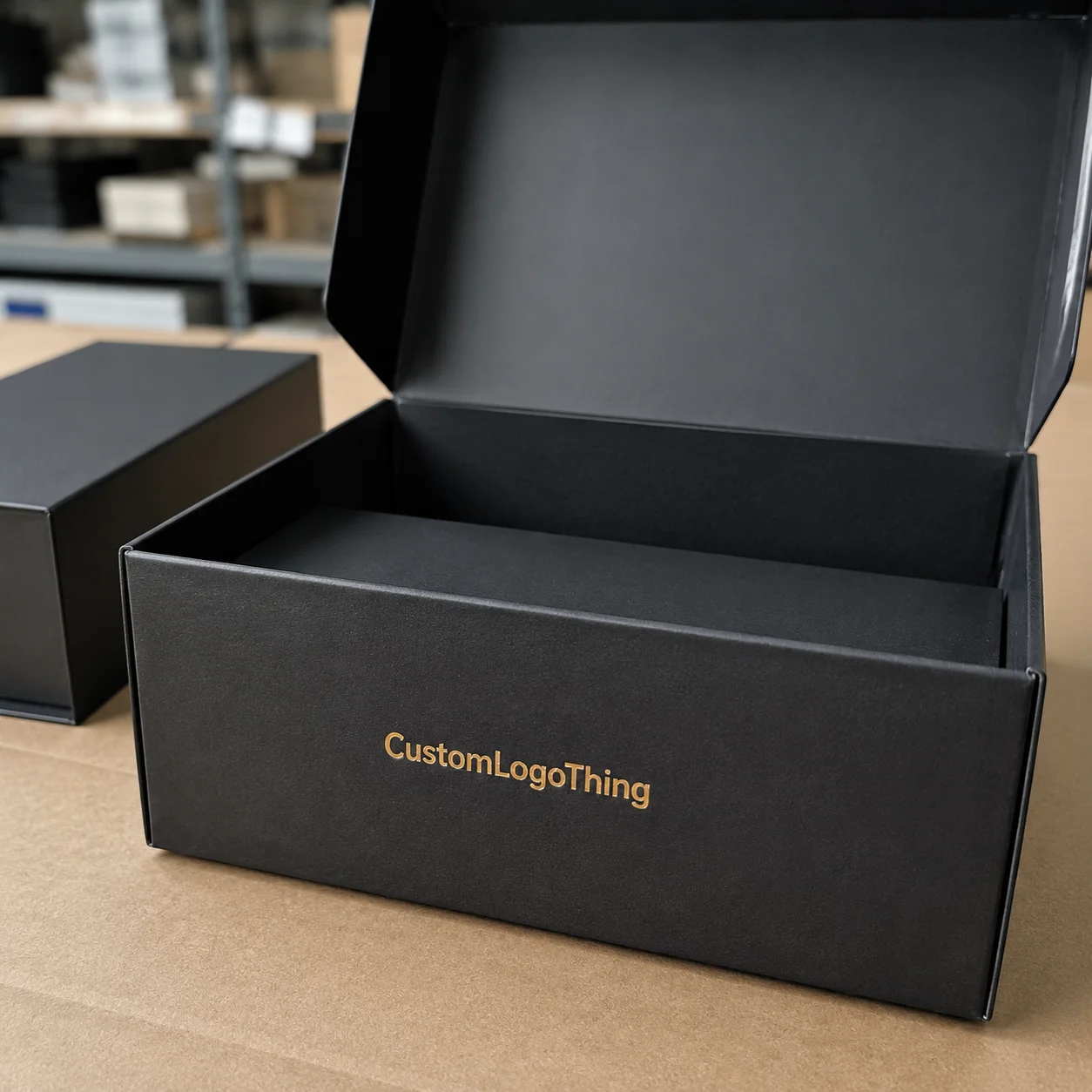
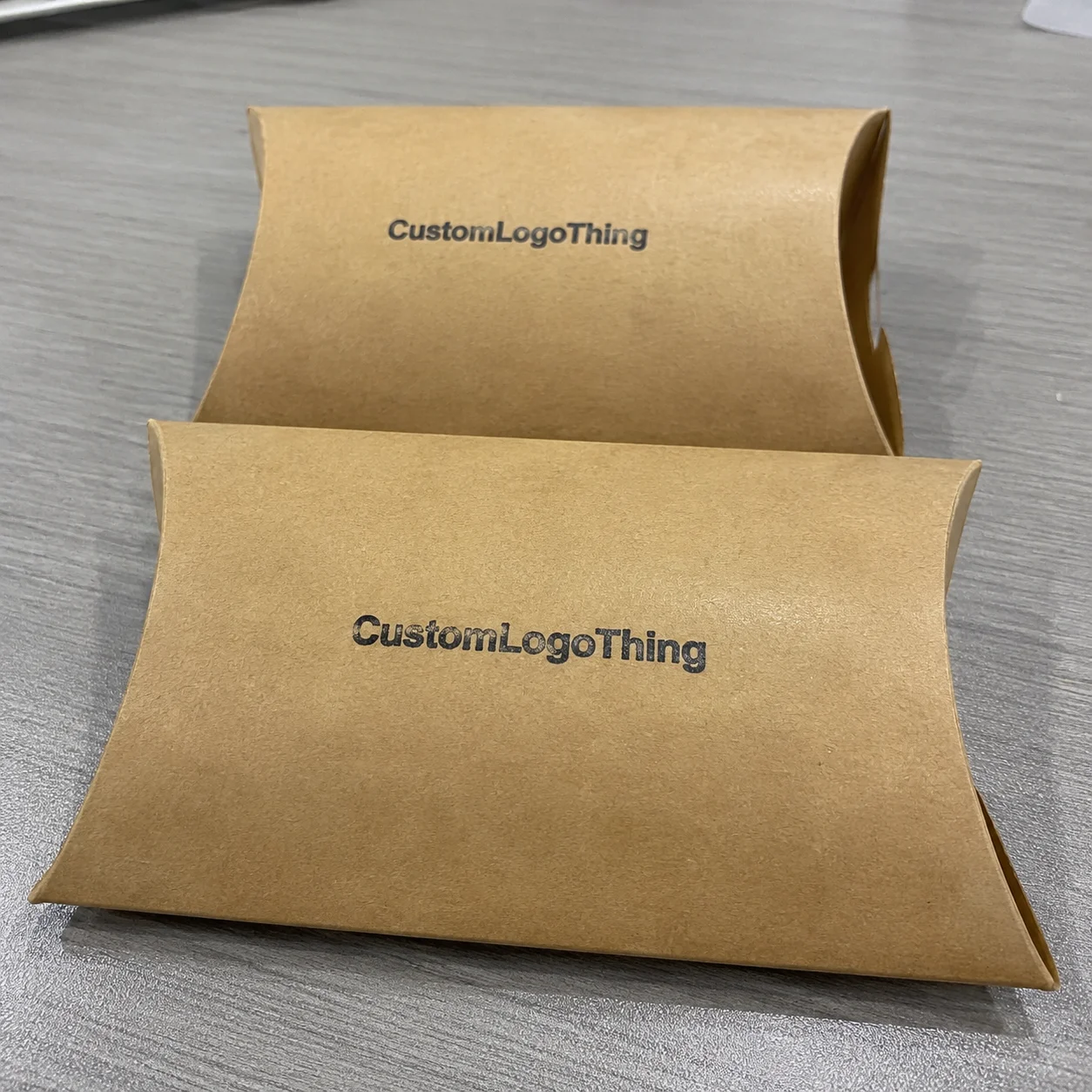
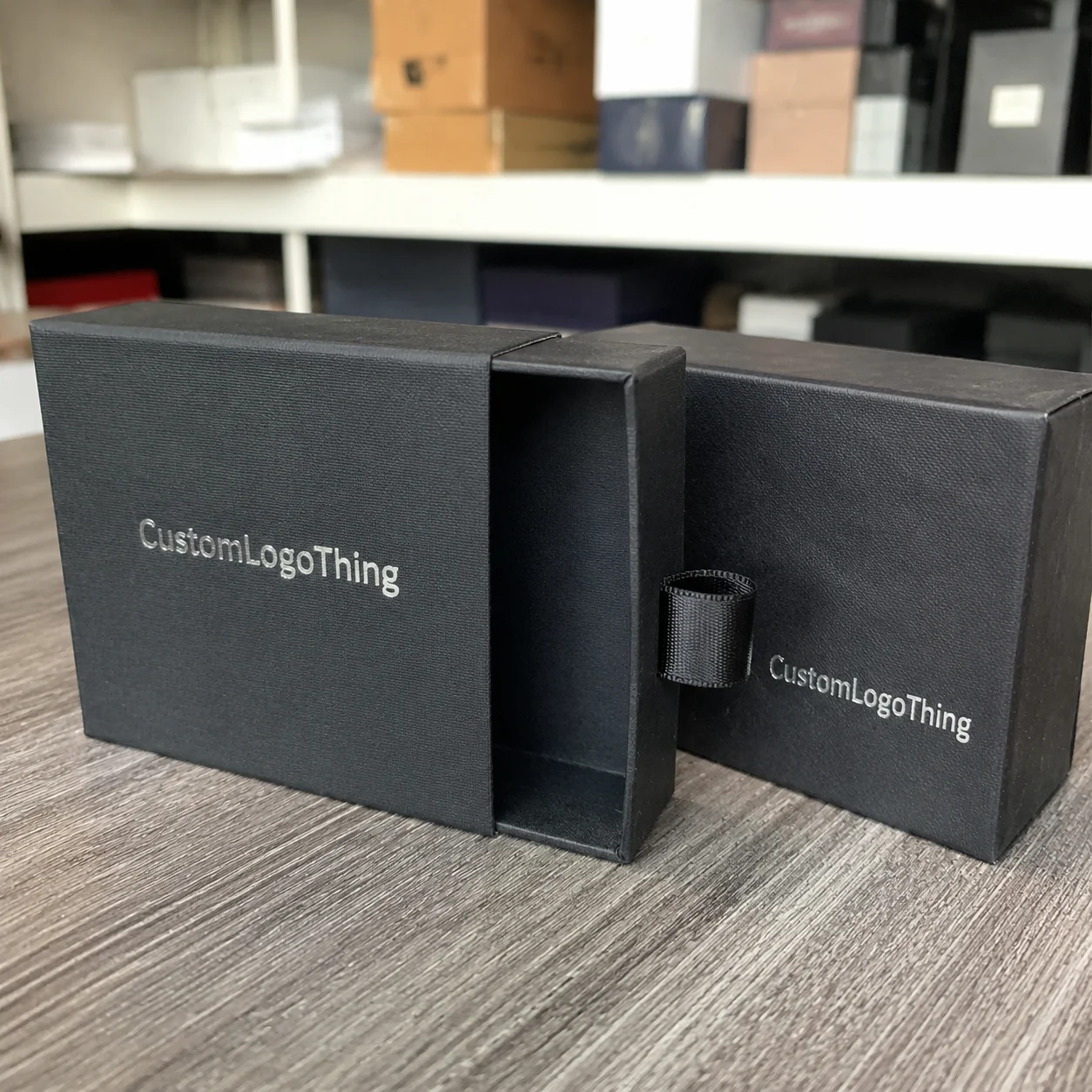
There are four box structures I see most often for wholesale custom mailer boxes for small business: tuck-top mailers, roll-end mailers, self-locking corrugated boxes, and heavy-duty shipping mailers. Each one solves a different problem. Choose the wrong style, and you pay for it later in damages, labor, or presentation. I’ve seen beautiful packaging choices make a warehouse team groan out loud. That is usually a sign, especially when a 9-inch tuck-top is being used for a 3.2-pound gift set that really wants a roll-end.
Tuck-top mailers
Tuck-top styles are common for subscription kits, influencer mailers, and lightweight ecommerce orders. They open nicely, close cleanly, and are easy to brand with a single-color logo or an all-over print. They are not the strongest option for heavy items, but they perform well for cosmetics, apparel, and small accessories. If you are ordering wholesale custom mailer boxes for small business and want a polished unboxing moment, this is often the easiest place to start. I’m partial to them for brands that want the box itself to feel like part of the product experience, not just a container, especially when the carton is built from 18pt paperboard with a 350gsm C1S artboard wrap.
Roll-end mailers
Roll-end mailers are a favorite when the product needs more crush resistance. The side walls interlock, so the box holds shape better under parcel handling. I’ve seen these used for glass jars, skincare sets, and compact gift kits that travel through multiple distribution points. They tend to cost a little more than basic tuck-top styles, but the added strength often pays for itself in lower damage claims. That tradeoff is one of those boring-sounding decisions that becomes very exciting the first time a fragile item arrives in one piece, whether it shipped through Atlanta, Toronto, or Rotterdam.
Self-locking corrugated boxes
These are the workhorses. They assemble quickly, stay closed reasonably well, and can be printed with logo placement that supports package branding without overcomplicating production. If a business is shipping standard ecommerce orders at volume, wholesale custom mailer boxes for small business in this format often hit the best balance of speed and cost. I’ve seen fulfillment teams prefer them because workers can fold them consistently in seconds. No drama. No wrestling match with the carton. I consider that a victory, particularly when line speed matters at 60 to 90 boxes per hour per packer.
Heavy-duty shipping mailers
When weight climbs, so should board strength. Heavy-duty shipping mailers are designed for more demanding transit conditions, higher stack pressure, and longer routes. They are the right pick for dense products, bundled sets, or items with fragile components that cannot shift inside the carton. They are not glamorous. They are practical, and in packaging, practical usually wins. A box can be gorgeous, but if it caves in, it has failed at the one job that matters, especially on routes from Dallas to Miami or Los Angeles to New York.
Sizing matters just as much as style. Don’t size a box to the product alone. Size it to the product, the protective material, and the carrier’s handling pattern. That is where many brands overspend. If a product measures 8.2 x 5.1 x 2.7 inches, a 9 x 6 x 3 box may be fine, but only if you have confirmed the filler needs and closure clearance. When I reviewed a fulfillment line for a home fragrance client, they were using a box that was 18% larger than necessary. Their dimensional weight charges were quietly higher on every shipment. Quietly, of course, because shipping invoices rarely announce themselves like villains in a movie.
Print options matter because they affect both appearance and cost. For wholesale custom mailer boxes for small business, the most common approaches are:
- Single-color flexographic print for simple logos, repeat patterns, or budget-conscious branding.
- Full-color digital print for complex artwork, gradients, and short runs.
- Matte coating for a softer, understated retail packaging look.
- Gloss finish for brighter colors and more contrast.
- Spot accents for targeted design features that do not require full premium finishing.
Design advice should stay practical. Keep the logo readable from 3 to 5 feet away. Use high-contrast artwork. Avoid tiny type on the outside panels because parcel wear makes small details disappear. Inside printing can be effective, but too much ink coverage may affect scoring or folding if the box is engineered lightly. Too many brands try to cram a marketing story onto every panel. One clear logo, one clean color system, and one smart inside message usually do more work than a crowded design. I know that’s less glamorous, but it works, whether the boxes are printed in Shenzhen, Mumbai, or Columbus.
| Box Style | Best Use | Typical Strength | Relative Cost |
|---|---|---|---|
| Tuck-top mailer | Subscription kits, apparel, light accessories | Light to medium | Lower |
| Roll-end mailer | Cosmetics, glass jars, gift sets | Medium to high | Medium |
| Self-locking corrugated | Ecommerce orders, repeat SKUs | Medium | Lower to medium |
| Heavy-duty shipping mailer | Dense products, fragile components, long routes | High | Higher |
For spec references and material terminology, the Packaging School/packaging industry resources and standards bodies like ISTA are useful starting points. I also recommend looking at EPA recycling guidance if sustainability claims are part of your packaging story, especially if your cartons use water-based inks or a recycled kraft liner.
Material, Strength, and Specification Checklist
Corrugated board is not all the same, and this is where a lot of buyers get tripped up. The board grade, flute type, liner strength, and closure design all influence how a box behaves in transit. For wholesale custom mailer boxes for small business, the goal is not the thickest board possible. It is the right board for the product weight, route length, and damage risk. I have had more than one owner ask for “the strongest box you’ve got,” which sounds decisive until you realize they’re trying to solve the wrong problem, especially for a 10-ounce serum kit that only needs E-flute with an 18- to 24-point liner.
Here is the simplest way I explain corrugate to clients: the flutes are the wavy layer in the middle, the liners are the flat outer faces, and the grade tells you how much abuse the box can take before it starts to fail. A smaller, denser flute can improve printability and surface quality. A stronger liner can help with stiffness and stacking. If the carton will travel through a parcel network with multiple transfers, those differences matter more than the artwork on top. I’ve watched gorgeous art go to waste on a board spec that couldn’t hold up for three hubs and a truck ride from Shenzhen to the Midwest. That’s just expensive heartbreak.
In supplier negotiations, I always ask for specific performance terms rather than vague claims. If a vendor says “strong box,” I ask for Edge Crush Test rating, burst strength, and any testing references. That conversation usually reveals whether the supplier is speaking from data or marketing copy. For wholesale custom mailer boxes for small business, the following checklist helps cut through the noise:
- Board type: single-wall or double-wall corrugate.
- Flute profile: selected based on strength and print finish.
- ECT rating: for stacking and transport performance.
- Burst strength: useful when product weight and abrasion are concerns.
- Closure style: tuck, lock, adhesive, or tab.
- Ink coverage: especially important for dark or full-panel art.
- Recyclability: confirm structure and coatings if sustainability is a selling point.
Product weight and shipping distance determine a surprising amount. A 6-ounce candle sent regionally is a different engineering problem from a 3-pound electronics kit moving across the country. Add stacking pressure in a warehouse and the equation changes again. I visited a facility where boxes were collapsing at the corners because the product was too heavy for the board grade, not because the box “looked cheap.” Appearance was a symptom. Spec was the cause. That distinction saves money, and it saves time arguing about the wrong thing, whether your fulfillment center sits in Phoenix, Philadelphia, or Leeds.
Sustainability can be practical, not performative. Right-sized packaging reduces filler, lowers dimensional weight, and cuts material use. Recycled content can support branded packaging claims if the supplier can document it. Recyclable structures are helpful, but only if the print system and coatings do not interfere with local recycling streams. If sustainability is part of your offer, ask for documentation instead of assumptions. Small brands lose credibility fast when packaging claims cannot be backed up. I’m a little hard on this because I’ve heard too many “eco” claims that crumble the second someone asks for paperwork, like a carton made from 100% recycled board that still ships with plastic lamination nobody mentioned.
Another specification point that gets overlooked is moisture exposure. Not every route is dry and climate-controlled. A box that performs well in a Midwest fulfillment center may behave differently in humid coastal storage or winter transit. For that reason, I often ask clients to define storage conditions as well as shipping conditions. It is a small question that can prevent a large mistake, especially if your inventory sits in Atlanta at 78% humidity or on a loading dock in Montreal in February.
When I ran a packaging review for a food accessories brand, the owner wanted lighter board to save 6 cents per unit. We tested that spec against a stronger option and found the lighter board cost more after repackaging labor, because workers had to double-check closures and add more protective material. So yes, board strength matters. But so does the cost of handling. Wholesale custom mailer boxes for small business work best when the full system is considered, not just the carton price. A 350gsm C1S artboard wrap on the outside may also make sense if your art is highly visual and the box is part of the shelf presentation.
Pricing, MOQ, and What Wholesale Actually Costs
Let’s talk numbers. Pricing for wholesale custom mailer boxes for small business depends on box dimensions, board grade, print complexity, finish, quantity, and whether you need inserts or special coatings. The cheapest quote is not always the cheapest purchase. A low box price can hide freight, setup, proofing, and storage charges that change the final landed cost by a meaningful amount. I’ve seen more than one owner celebrate a low quote, then get introduced to “miscellaneous charges” with all the warmth of a tax audit, especially when the shipment leaves a plant in Guangdong and lands on a dock in New Jersey.
For a small business ordering a simple one-color mailer, I have seen prices around $0.48 to $0.92 per unit at 1,000 to 5,000 pieces, depending on size and board grade. Larger runs can lower the unit cost further. A digitally printed short run may sit closer to $0.78 to $1.40 per unit because the setup is different. These are not universal figures. They are directionally useful benchmarks, and they shift based on spec and location. That is why exact quotes matter. A 5,000-piece run of a 9 x 6 x 2 mailer from a plant in Dallas can price very differently from the same run sourced from Ho Chi Minh City or Ningbo.
The MOQ question is where many businesses either overbuy or get stuck. Low MOQs are valuable if you are testing a new product line, changing brand art, or unsure about sales velocity. A low MOQ does not automatically equal lower total cost. Sometimes the unit price is high enough that a modestly larger order actually improves cash efficiency. The right answer depends on your sell-through rate and storage capacity. I’ve had clients argue with the numbers until we mapped out their monthly velocity, and then suddenly the “cheap” order did not look so cheap anymore, especially once a 300-piece reorder at $0.82 was compared with a 3,000-piece run at $0.29.
Here is how I think about the economics of wholesale custom mailer boxes for small business: unit price matters, but total landed cost matters more. Add freight. Add proofing. Add any tooling. Add any storage if your supplier offers it. If your boxes arrive separately from product inventory, consider how much warehouse space they consume. A box that saves 8 cents but costs you extra pallet space may not be the win it appears to be. It’s the packaging equivalent of finding a deal on a sofa and then realizing it does not fit through your door. Great bargain. Very inconvenient.
| Cost Element | What It Covers | Typical Impact |
|---|---|---|
| Unit price | Box production per piece | Highest visible cost |
| Setup / proofing | Dieline checks, artwork preparation | More important on short runs |
| Freight | Delivery from plant to your location | Can move total cost sharply |
| Storage | Inventory holding or warehousing | Often overlooked by small brands |
| Insert or coating upgrades | Extra protection or premium look | Useful, but should be justified by product needs |
A smart budget compares packaging cost as a percentage of product value and shipping revenue. For a $24 beauty item, a $1.10 box may be acceptable if it cuts damage and increases repeat purchase confidence. For a $14 impulse product, that same box could be too heavy on margins. The ratio tells you whether packaging is supporting the business or crowding it out. On a 2,500-unit order, that difference can be the gap between a $2,750 packaging outlay and one closer to $1,200, which is not a rounding error.
If you are negotiating with suppliers, ask for tiered pricing before you commit. Standardize box sizes across multiple products if possible. Consolidate SKUs. Choose one print method where it makes sense. I’ve seen a brand save 11% on packaging spend simply by merging two near-identical mailer sizes into one common spec. That kind of simplification often beats haggling over a single cent. And yes, I know simplification sounds boring. It still saves money, especially when your reorder is scheduled for 12 to 15 business days after proof approval.
One more practical point: freight can distort the comparison. A lower per-unit box from a distant plant can cost more than a slightly higher-priced box from a closer production point if shipping is bulky. If your quote does not show landed cost, ask for it. Wholesale custom mailer boxes for small business should be judged on the number that reaches your dock, not just the number on the proposal. A supplier in Los Angeles may beat a factory in Shenzhen on total delivered cost for a 2,000-piece rush order, even if the unit price looks higher at first glance.
Ordering Process and Production Timeline
The ordering process for wholesale custom mailer boxes for small business is straightforward when the buyer comes prepared. It usually starts with a quote request, then dieline confirmation, artwork review, proof approval, production, quality check, and delivery. The timeline depends heavily on whether your artwork is ready and whether your structure is standard or custom-engineered. The smoother the front end, the less everyone has to chase each other later. Which, in my experience, is a gift worth taking, especially when a launch date in Austin or Chicago is already on the calendar.
The fastest quoting happens when you provide exact dimensions, quantity, print colors, board type, and shipping destination. If you send a screenshot of a box you like with no measurements, expect a slower response and more back-and-forth. The best quotes I’ve seen come from buyers who know the product size, the desired box style, and the target ship method. Clear inputs reduce errors. Errors cost time. Sometimes they cost a lot of time, which is how one “quick” packaging decision turns into three meetings and a headache, plus a reprint invoice that starts at $180 for proof corrections alone.
For simple digital runs, I’ve seen production move in roughly 10 to 15 business days after proof approval, depending on capacity and shipping distance. More complex custom specs or higher-volume orders can extend that timeline. Specialty finishes, heavier board, or insert work often add time. Anyone promising a blanket “fast turnaround” without specs is skipping the hard part. I distrust vague speed claims for the same reason I distrust a restaurant that says everything is “chef’s favorite.” Favorite how? And by whom? A plant in Vietnam, for example, may need an extra 3 to 5 business days for ocean-freight coordination if you are not using air freight.
Proofing deserves respect. A clean proof approval is faster than five rounds of uncertain revisions. I once watched a brand delay launch because three team members each approved different versions of the art file. The printer was not the problem. The approval chain was. For wholesale custom mailer boxes for small business, designate one decision-maker, keep file names organized, and confirm die lines before color approval. A single approved PDF and a dated sign-off can prevent a $400 to $900 rework, depending on the run size.
Risk reduction is not glamorous, but it saves money. Ask for a physical or digital proof. Confirm carton counts. Build in buffer time before your launch date or seasonal spike. If you need packaging for a holiday promotion, do not leave shipment timing to luck. I’ve seen one missed print approval turn into air freight fees that wiped out the margin the box was supposed to protect. That kind of last-minute scramble is the packaging version of trying to assemble furniture with one missing screw. Technically possible. Emotionally unpleasant, and far more likely to happen when the boxes are moving from an offshore plant to a warehouse in New York or Vancouver.
Why Choose Us for Wholesale Custom Mailer Boxes for Small Business
Custom Logo Things is built for buyers who want clear spec guidance and straight answers. We do not pretend every carton is the same, and we do not dress up vague timelines as certainty. For wholesale custom mailer boxes for small business, that matters. You need someone who can explain why one board grade is better than another, where the cost is coming from, and what will happen if you change the artwork or dimensions. A supplier who can tell you whether 32 ECT or 44 ECT makes more sense for your 2.1-pound kit is worth more than a polished sales deck.
Our approach is practical: low MOQ options where they make sense, design support that protects print quality, and production checks that keep dimensions and closures aligned with the approved spec. That consistency matters because small businesses rarely have room for a packaging mistake. A box that arrives 1/8 inch off can create a chain reaction in packing speed, product fit, and customer experience. I’ve watched one tiny spec drift snowball into a full-on operations complaint thread. Nobody enjoys that email chain. Not even a little, especially when the reprint has to be rerouted from a facility in Houston or Suzhou.
I’ve been on factory floors where the difference between a good run and a frustrating run came down to communication. One client had a strong design but weak file prep, and the supplier had to rework a dieline twice. Another client brought us the exact product weight, shipping method, and target box look from the start. Their order moved faster, with fewer surprises. That is the sort of support we try to provide on every wholesale custom mailer boxes for small business project, whether the run is 500 units or 25,000.
We also focus on measurable outcomes: fewer damages, better presentation, smoother fulfillment, and more predictable ordering. If your packaging reduces replacement shipments by even 1% to 2%, the savings can be real. If it improves presentation enough to boost repeat orders, the benefit compounds. That is why good package branding is never just visual. It is operational. And yes, the unboxing moment matters too, but only if the box gets there looking like a box and not like it spent a week in a carrier hub in Memphis.
For companies that want a broader packaging system, we can help match the mailer to other components like inserts, labels, and secondary shipper formats. You can compare options across our Custom Packaging Products catalog and coordinate seasonal replenishment through our Wholesale Programs. If you sell soft goods or lightweight accessories, we may also recommend looking at Custom Poly Mailers for part of the assortment, especially when weight and shipping cost are the biggest pressure points. A poly mailer at $0.10 to $0.18 can be the right answer for some SKUs, while a printed corrugated mailer at $0.45 to $0.90 makes more sense for premium kits.
One thing I appreciate about small-business buyers is that they ask direct questions. They want to know the real box price, the lead time from proof approval, and whether reorders will be painful. Those are the right questions. If a supplier cannot answer them plainly, keep looking. I’d trust the person who says “here’s the tradeoff” over the person who says “don’t worry about it” almost every time, particularly if the production site is in California, Ontario, or Shenzhen and the shipment needs to clear customs on time.
How to Order the Right Box Size, Proof, and Reorder Plan
The easiest way to order wholesale custom mailer boxes for small business is to start with the product, not the carton. Measure the product dimensions, note the weight, define the shipping method, and decide whether the box is shelf-ready, mail-ready, or both. If your product ships with tissue, inserts, or a card, include those in the measurement. A box that fits the bare product may fail once the full kit is inside. I’ve seen that mistake more than once, and it usually arrives with a very disappointing sound: the sound of an item rattling around inside too much cardboard, often a sign that the spec was 1 inch too long and 3/8 inch too tall.
When requesting a quote, share five things: quantity, artwork status, desired finish, product dimensions, and any budget or timeline constraint. That gives the supplier enough data to recommend the correct structure. If you already know your reorder pattern, say so. A business shipping 300 units monthly needs a different purchasing rhythm than one preparing for a quarterly launch. If your first order is 1,000 pieces and you sell through in six weeks, a second PO should already be on the calendar before the boxes leave the plant.
My recommendation for a first order is simple: start with one hero SKU. Test box performance in real packing conditions. Watch for crushed corners, loose movement, scuffed print, or slow assembly. Then ask customers what they noticed. Was the unboxing clean? Did the box feel sturdy? Did it reflect the brand the way you wanted? Those answers are more useful than internal opinions alone. Honestly, I trust customer feedback more than a room full of people debating shade names for packaging ink, especially when the final product is a 12 x 8 x 4 mailer with a matte aqueous coating.
From there, set a reorder plan. Keep approved artwork files organized. Save the dieline and carton specs in one folder. Record lead time, carton count, and the supplier’s reorder minimum. Determine your reorder point based on sales velocity, not panic. If you sell 1,000 boxes a month and your lead time is 15 business days, you should not wait until you are down to 500 boxes. Build the buffer into the plan. A 25% safety stock is often the difference between calm fulfillment and an emergency order to a plant in Atlanta or Guangzhou.
Here is the bottom line. Wholesale custom mailer boxes for small business work best when the spec is clear, the lead time is realistic, and the replenishment system is repeatable. That is how you protect margin without sacrificing presentation. It is also how you keep fulfillment calm during busy periods, when the last thing anyone needs is a box shortage or a bad fit. If your supplier can deliver the same approved box in 12 to 15 business days from proof approval, keep that relationship close.
Honestly, the smartest buyers I meet do not chase the lowest quote first. They chase the cleanest outcome: the right box, the right number of units, the right delivery window, and a design that supports the brand without creating headaches in the warehouse. That is the standard I would use for any wholesale custom mailer boxes for small business purchase, whether the boxes are coming from Illinois, Guangdong, or a local converter five miles from your fulfillment center.
FAQ
What is the minimum order quantity for wholesale custom mailer boxes for small business?
MOQs vary by board type, print method, and box size. Low-MOQ digital runs are often the best fit for new launches or design testing because they reduce risk and keep inventory manageable. Ask whether the supplier offers tiered pricing so you can compare a small test order with a larger replenishment run. For many simple mailers, suppliers can start around 300 to 500 pieces, while offset or fully custom structural runs may begin closer to 1,000 pieces.
How much do wholesale custom mailer boxes for small business usually cost?
Cost depends on quantity, dimensions, board strength, and print complexity. Unit price is only part of the total picture, so include freight, proofing, and any setup or storage charges. The most accurate quote comes from exact product dimensions and the shipping method you use. As a rough benchmark, a 5,000-piece one-color mailer might land near $0.15 to $0.35 per unit, while a 500-piece short run can sit closer to $0.74 to $1.25 per unit depending on board and print.
Which material is best for shipping fragile products in custom mailer boxes?
Corrugated board is the standard choice for protection and printability. Heavier or fragile products usually need stronger board grades and tighter sizing to reduce movement in transit. If your items are especially delicate, consider inserts or a reinforced box structure. Many brands use E-flute or B-flute corrugate with a 350gsm C1S artboard wrap when presentation matters and the product still needs a bit of protection.
How long does production take for custom wholesale mailer boxes?
Timelines depend on artwork approval, quantity, and print method. Simple runs with approved artwork move faster than complex, multi-color, or specialty-finish jobs. Build in buffer time for proofing and shipping so your packaging arrives before fulfillment begins. A common production window is 12 to 15 business days from proof approval for standard custom mailers, with freight adding several more days depending on whether the boxes ship from Shenzhen, Dallas, or Los Angeles.
Can I reorder the same wholesale custom mailer boxes for small business later?
Yes, reordering is easier when you save approved artwork, dielines, and box specifications. Keeping the same size and structure usually speeds up quoting and production. A reorder plan also helps avoid stockouts during promotions or seasonal spikes. If your first run was 2,000 units and your monthly usage is 500, setting a reorder trigger at 700 to 800 units gives you enough time to repeat the same spec without paying rush freight.
If you are comparing packaging partners right now, keep your eye on the numbers and the fit, not the slogans. The best wholesale custom mailer boxes for small business are the ones that protect the product, support the brand, and keep the cost structure sane. That is the combination that helps a small business grow with less friction, and it is the standard we build toward at Custom Logo Things. A box that costs $0.29, arrives in 12 to 15 business days, and matches the approved dieline is usually worth more than a cheaper quote that misses the mark by a quarter inch.