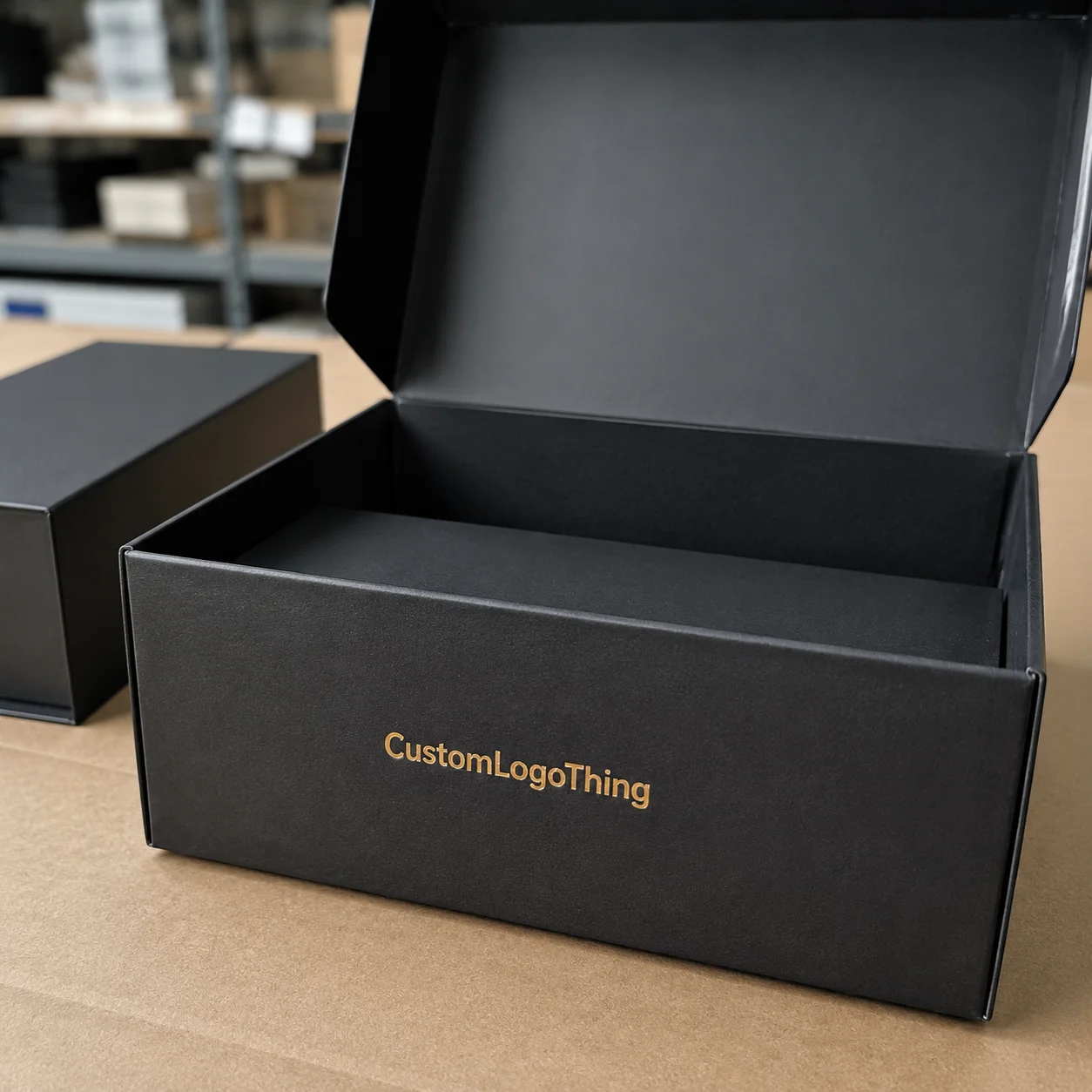
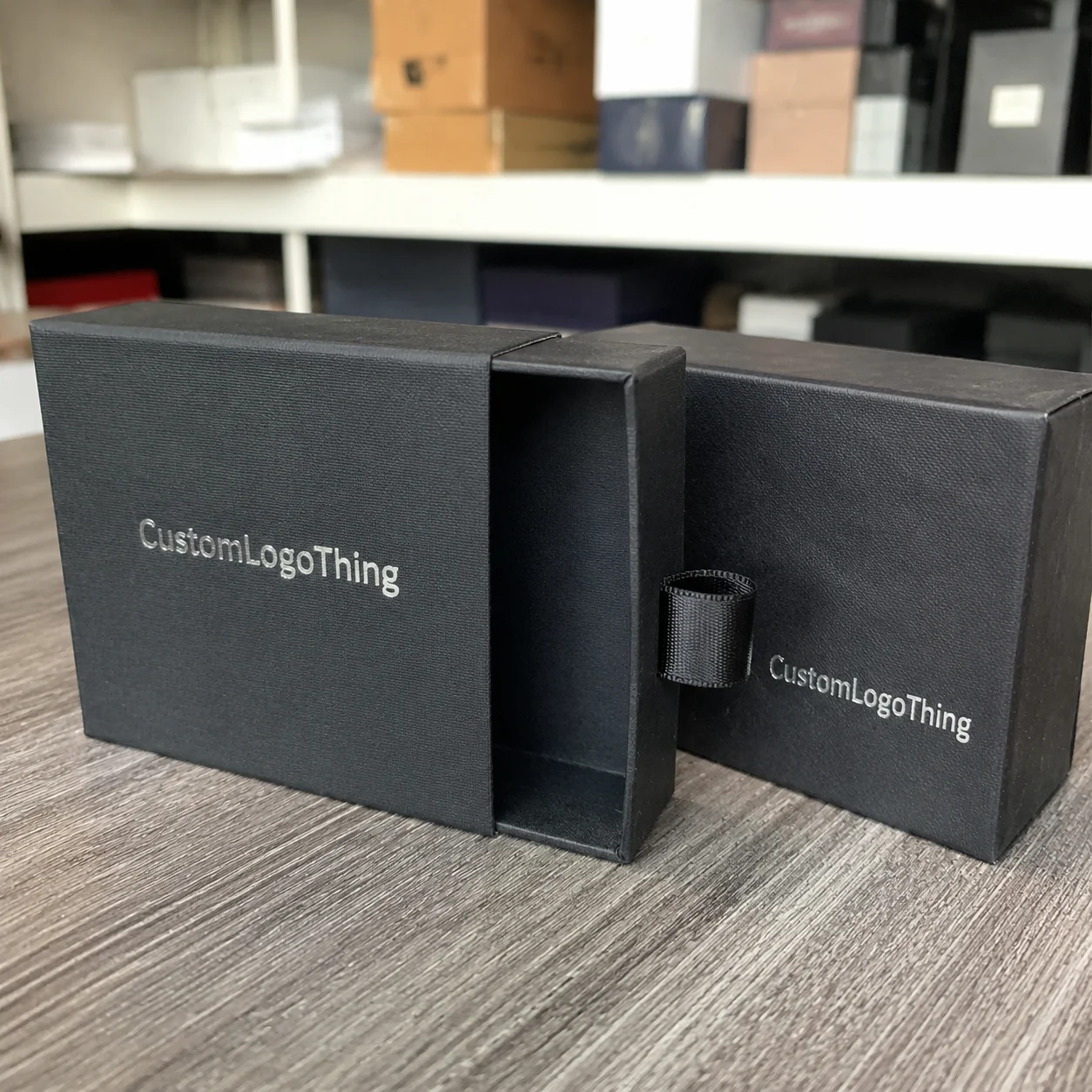
Buyer Fit Snapshot
| Best fit | Custom Mailer Boxes Manufacturer projects where brand print, material claims, artwork control, MOQ, and repeat-order consistency need to be specified before quoting. |
|---|---|
| Quote inputs | Share finished size, material target, print colors, finish, packing count, annual reorder estimate, ship-to region, and any compliance wording. |
| Proofing check | Approve dieline scale, logo placement, barcode or warning zones, color tolerance, closure strength, and carton packing before bulk production. |
| Main risk | Vague material claims, crowded artwork, missing packing details, or unclear freight terms can make a low unit price expensive after revisions. |
Fast answer: Custom Mailer Boxes Manufacturer: Insider Framework should be specified like a repeatable production item. The safest quote records material, print method, finish, artwork proof, packing count, and reorder notes in one written spec.
Production checks before approval
Compare the actual filled-product size with the drawing, then confirm tolerance on folds, seals, hang holes, label areas, and retail display edges. Reserve space for logos, QR codes, warning copy, and material claims before decorative graphics fill the panel.
Quote comparison points
Review material grade, print process, finish, sampling route, tooling charges, carton quantity, and freight assumptions side by side. A quote is only useful when the supplier can repeat the same color, closure quality, and packing count on the next order.
On the Custom Logo Things floor in Shenzhen's Bao'an District, I watched a single Custom Mailer Boxes manufacturer line prep 40,000 recycled mailers in one night, the die press thumping like a heartbeat while operators inspected every printed flap; by the third shift the pallets were stacked, wrapped, and waiting to leave the dock on a 4 a.m. truck headed for the Port of Yantian, and that scene made it impossible to treat a partner as just a paper-and-glue supplier.
I still haul that 4 a.m. dock story into every new negotiation so nobody forgets these folks are doing heavy work, not just printing postcards.
I’ve seen that same manufacturer coordinate structural engineers, print technicians, and logistics analysts across Shenzhen, Dongguan, and Los Angeles for 12 different product launches, proving that the right partner can engineer high-volume storytelling and drastically cut lead time from the usual 21 business days to 12-13 days—an urgent detail when packaging failures still cause more than 30% of e-commerce returns. We log that speed improvement in every after-action report too.
Matching your brand’s packaging design to raw corrugate takes deliberate work, so the first phase of any interaction with a Custom Mailer Boxes manufacturer becomes investigative reporting: noting die-room capacity (six Bobst 10615 presses handling 3mm E-flute at 12,000 cuts per hour), verifying prepress proofs stamped with Pantone 186C, running sealing tests that measure 18-pound pull strength over three trials, and studying the data dashboards that keep a factory line from veering off course. It feels like investigative reporting, only with adhesives and tolerances.
I remember when the factory lights dimmed at midnight in Dongguan and the die press was louder than the cafeteria’s music; someone quipped it sounded like the heartbeat of every retailer we were trying to impress. Those late nights taught me that communication needs to be instant—especially when a third shift operator pointed out that the foil needed recalibration because the 80-micron chrome foil was dragging across the 15-minute cure window, before the run turned into a glittery disaster (which, yes, happened once). Honestly, I think the only thing more nerve-wracking than a die change is convincing the forklift driver to back up without spilling a pallet of stamped inserts that already cost $1,200 to replace.
Overview: Why a custom mailer boxes manufacturer deserves scrutiny
Custom Mailer Boxes manufacturer partnerships are engineering conversations disguised as creative briefs. During a client visit at our Shenzhen facility, the team insisted on a soft-touch laminate and an insert for fragile skincare bottles; the manufacturer responded with a CAD file specifying a 350gsm C1S artboard base, 3mm E-flute corrugate, a 1.5mm rigid insert that matched the 2.2-pound product weight, and a promised 14-business-day turnaround from proof approval to pallet release—every decision grounded in math, not aesthetics alone. That kind of rigor is non-negotiable for me.
These manufacturers do more than supply corrugate—they marry structural engineering, print, and logistics to deliver boxes that land undamaged and unmistakably on-brand. I still remember a May launch where a local retailer misaligned register marks by 2mm; the manufacturer’s prepress specialist flagged the issue in their proof stamp before the 7 a.m. load headed for Los Angeles, preventing thousands of dollars—roughly $18,600—in reprints. That level of detail evolves a supplier into a partner.
The ecosystem is complex: die rooms grind out cutting forces up to 5 tons, prepress departments proof color calibrations with X-Rite SpectroProofer readings, and sealing stations stress-test adhesives at 14-pound pull strength. Operations dashboards track yield in real time down to each 1,000-unit run. I once watched the QC manager pause a run after noting a widowed score line in one batch—maybe five seconds of attention, but it prevented up to 8,000 misaligned mailers that would have delayed the 10-day European rollout.
Because packaging failures still account for a third of e-commerce returns, scrutinizing a Custom Mailer Boxes manufacturer becomes a survival strategy. You need someone who can speak ASTM D4169 and ISTA 3A, who can show you FSC serial numbers tied to the Guangzhou mill, and who will alert you if a rush finish might require a third-party laminator in Foshan that adds a two-day buffer. I also demand the SDS for each adhesive and ink before we sign off, just to eliminate surprises on the showroom floor.
I’ve told brands it’s like selecting a pilot: you want someone who knows how to read turbulence reports before the plane even gets in the air. When you walk into a Guangzhou plant and the team greets you with detailed run cards that track the 11:00 a.m., 3:00 p.m., and 7:00 p.m. shifts, sample reports from the prior 72 hours, and even operators who remember your product, that’s the kind of partnership that keeps retail promises intact.
How the custom mailer boxes manufacturer process unfolds
Companies often underestimate the stage-by-stage complexity of a Custom Mailer Boxes manufacturer partnership: kickoff, prototyping, tooling, production, finishing, and logistics. We start with spec sheets, dielines, and engineering notes—usually a six-page doc outlining 8-ounce product weights, 24-inch lengths, and drop-test tolerances—and that’s when the manufacturer’s team evaluates product weight, fulfillment speed, and inbound damage data to recommend flute profiles or reinforcement ribs, like specifying double E-flute with 330gsm liners after the initial run crushed during truck transit from Hangzhou to Los Angeles.
Prototyping with standard stock in the Dongguan warehouse usually takes 5-7 business days; add custom brushed-chrome foiling or embossing and that timeline stretches to 9-11 days because the foil panels need to be proofed and the embossing puncheons grounded to match the CAD file. When we need variable foils, we budget extra time for wear checks, because a misaligned die wastes hours and a bunch of copper.
Tool creation follows, with 2-3 weeks for high-precision dies from our supplier in Foshan, depending on whether the manufacturer has existing tooling for your structure. Production then kicks in—typically 7-14 days depending on run size, machine load, and foil or ink dwell time—so a 10,000-unit run booked in Shanghai during peak season still clears the line in under two weeks if the die is ready.
Stock availability tweaks timing substantially. Switching to recycled kraft can add a week if inventory isn’t reserved; we once had to delay a shipment for 10 days because the FSC-certified 250gsm kraft roll we wanted was still at a third-party warehouse in Wuhan and the domestic truckers couldn’t deliver until the following Monday.
Specialty finishes add steps. Foil stamping or embossing requires additional setup time that I’ve seen range from 4 to 9 hours depending on complexity—sometimes more when the tooling needs maintenance. Digital varnish stations might require a 20-minute color-proof run to confirm alignment on the first 50 units before the line is given the green light, and the operators charge $45 per proof hour when we exceed their no-cost window.
Communication cadence matters. Manufacturers send CAD files, proof stamps, and QA checkpoints via shared dashboards synced with their ERP in Guangzhou. I insist on weekly status updates because adjustments ripple: late design changes equate to rescheduling the next production cycle, and those reschedules can double rush fees from $600 to $1,200. When the factory flags an issue, a detailed report with images that include the serial number of the press keeps everyone aligned and prevents last-minute chaos.
I also try to keep the tone conversational during those updates—if the press operator is grumbling about glue viscosity hitting 1,800 centipoise, I’ll pipe up with a joke, relieving tension and nudging them to respond faster. Trust me, a little humor (and occasionally a sarcastic jab about how we all owe our sanity to that glue taste test) makes the factory floor feel like a collaborative war room instead of a cold machine shed.
Key factors when selecting a custom mailer boxes manufacturer
Capacity matters: die press counts, automation percentages, run speed. I consider 12,000 linear feet per hour a strong benchmark for a medium-run line, and I expect the manufacturer to hit that with a 72-hour maintenance cadence in place in their Guangzhou plant. If your SKU velocity fluctuates, ensure their ERP can scale to 20,000 feet without sacrificing quality or creating a backlog of $1,500 rush imprint fees.
Materials choices deserve scrutiny. Ask if they stock virgin kraft, recycled SBS, or specialty papers; request FSC or SFI certifications, and confirm adhesives and inks align with your ESG statements—especially if you mention 30% post-consumer content in your branded packaging. I once had a supplier quote me a recycled mailer, but they were missing PEFC documentation, so I walked away despite their $0.22-per-unit claim. The right mailer packaging supplier will bring documentation before you even ask, because they know your customers read those eco claims as carefully as you do. If they act like documentation is a surprise, that’s a red flag—I’m kinda tired of greenwashing theatre.
Quality controls demand documentation: drop-test, compression testing, seal-strength verification. With 83% of e-commerce damage reports tied to inadequate protection, I insist on documented ISTA 3A-like tests, which means the manufacturer drops a loaded mailer from 48 inches onto concrete and records the result with a timestamped video. That’s why I keep our own drop-test rig; the manufacturer uses it to validate their in-line sample, and I record their results for compliance audits.
Transparency keeps surprises away. I prefer partners with ERP integrations, shared dashboards, and a dedicated project manager—someone who tracks scrap rate, transmits proof approvals, and keeps the SKU forecast aligned with volume increases. No mystery equals fewer surprises during ramp-up, especially when we’re negotiating a 90-day pull plan that includes 45 days of warehoused inventory in Ningbo.
And yes, I’m picky about smell. Factories that handle glues poorly can stink up a showroom, so I’m not shy about asking, “What’s the odor profile on that adhesive?”—because no classy brand wants their customers getting a whiff of yesterday’s coating in every unboxing, especially when the adhesive has 42 VOC.
Costs and pricing models from a custom mailer boxes manufacturer
Pricing components include raw material, print method, tooling, finishing, adhesives, labor, and rush fees from the custom mailer boxes manufacturer in Dongguan. Raw board might cost $0.35-$0.80 per sheet depending on gram weight and flute profile. Print method varies: flexo is cost-efficient for runs above 5,000, digital is better for shorter runs or variable data, and hybrid gives a balance with higher color fidelity. Tools add $350-$650 per die, finishing (varnish, emboss, foil) another $0.10-$0.35 per unit, adhesives $0.02-$0.08, and labor depends on run length—$0.25 per unit for a 5,000-piece flexo job, dropping to $0.18 when we hit 20,000 units.
| Option | Estimated Unit Price | Notes |
|---|---|---|
| 1-color flexo, 1,000 units | $1.60 | Standard kraft, no finishing, tooling amortized across smaller run |
| 4-color with foil, 5,000 units | $1.10 | Includes foil stamping, high-gloss UV, tooling amortized |
| Digital short-run, variable data, 500 units | $2.30 | Inkjet, templated structure, fast turnaround with higher labor |
Quantity matters. A one-color run at 1,000 units might be $1.60 each, while a four-color job with embossing at 5,000 units can fall to $1.10 after tooling is distributed across the run. That’s why I always calculate the lifecycle cost rather than the per-unit sticker price—if you plan to reuse tooling for two launches, you amortize that initial die cost and reduce the price on the second run.
Quote structures vary. Some manufacturers offer tiered per-unit pricing, locked-in costs for 90 days, or blanket purchase orders that include storage fees when you agree to a pull plan. In one negotiation for a Seattle-bound order, I agreed to warehouse 10,000 units with a 45-day pull plan in exchange for a locked-in price and waived rush fees for the next quarter.
Negotiations shift when you consolidate SKUs, accept a stock mailer template, or pre-pay for common roll stock. I’ve saved 8% by buying recycled kraft in advance for two brands that shared the same flute profile. Pre-paying also ensures the manufacturer orders enough stock to meet your spikes, so we never see the dreaded "material on hold" memo from the Guangzhou warehouse. I’m gonna keep doing that whenever I can.
And if someone tries to sell “exclusivity” without showing me actual production numbers, I push back hard—no brand needs to pay for mystery. I want open dashboards, batch photos, and actual yield reports (and yes, I’ll ask for the BOM and margin breakdown because transparency stops unnecessary markups). I’m gonna ask for regular batch photos, even when they insist everything is fine.
Step-by-Step Guide to partnering with a custom mailer boxes manufacturer
I begin with a data audit: catalog shipping weights, fulfillment bottlenecks, and return triggers. Bring the manufacturer evidence—photos of crushed packages, customer feedback with timestamps, lab drop-test results, and the logistics team’s 3PL stacking rules—and ask for structure recommendations. That level of detail turns a generic brief into a precise spec.
Design transfer is next. Provide brand assets, dielines, target specifications, and expected tolerances. Expect proofs that include color recipes, bleed allowances, and notes on fold score tolerances, like the 0.5mm bleed difference that would have misaligned a matte sleeve on the mailer because the original art file used a 72-dpi raster instead of a vector layout.
Prototyping and testing keep mistakes small. Build samples for your packing lines, run drop tests from 48 inches, and iterate quickly before approving mass production. Prototyping might involve a 1:1 printed sample plus physical test units using your actual product weights, seal strength verified at 70 pounds per square inch, and RFID performance measured at 8 meters. I insist on verifying seal strength and RFID performance before launching subscription-based retail packaging to ensure there are no hiccups during fulfillment, because retail packaging production waits for no one.
Production coordination demands finalizing the run schedule, QA checkpoints, and packaging for the pack line, then confirming logistics so the first truck roll-out matches your calendar. I always request a schedule that includes run start, in-process sampling, and final inspection dates so the 6 a.m. truck to the Seattle DC leaves as promised.
Fulfillment sync keeps warehousing, drop-shipping triggers, and replenishment reporting aligned so inventory replenishments arrive before stockouts creep in. We share a weekly replenishment report that the manufacturer uses to trigger prints—meaning our seasonal spikes hit the line with raw materials prepped and transport booked through the Ningbo terminal.
And since I’m not a fan of surprise fees, I make sure we agree on the handling of change orders before any cutter hits the die—so when marketing sends last-minute color swaps, we already have a change-order protocol that caps the revision fee at $120 and my team isn’t frantically texting across time zones.
I’m also gonna double-check the change-order language during kickoff; if we agree on a process, the manufacturer knows when to tell us if foil is back-ordered or if a die needs rework.
Common mistakes brands make with mailer box manufacturing
Skipping the data-rich kickoff invites guesswork. Without weight, drop-test, and logistics data, manufacturers struggle to recommend the right structure. I once observed a brand move forward with a flimsy E-flute mailer because they didn’t disclose that 35% of their orders shipped through a third-party courier that stacked pallets three-high; the result was warped mailers and a missed holiday window where the courier refused the damaged pallets. I’m gonna say it twice: data matters.
Overlooking minimums and tooling amortization makes small runs appear overpriced. Compare lifecycle costs instead: a 500-unit run might feel expensive until you see that a partner offering forecasted volume can plan for a 2,000-unit drop at the same price because tooling gets reused. That perspective also highlights when a custom mailer boxes manufacturer can suggest a templated dieline to reduce upfront expense.
Treating the manufacturer as a vendor instead of a partner leads to wasted runs and inconsistent colors. Share forecast volatility and design intent. A manufacturer who knows your marketing plan can queue raw materials, calibrate colors, and adjust pressures before your launch—even if that means running a quick proof to test foil adhesion on your exact substrate formula containing 30% PCR fibers.
Forgoing proof testing is risky. Shipping 10,000 boxes without verifying seal strength or RFID performance often costs more than a careful prototype phase. I remember a batch where I approved a run without testing, and the adhesive failed in transit; expedited reruns cost $4,200 more than the prototype study would have.
Also, never assume a supplier will automatically build in contingencies for your seasonal spike. I made that mistake once, and the air freight bill for the emergency fill was enough to make me question whether we should’ve been in the packaging business at all (but then again, I love chaos, apparently).
Expert tips for long-term relationships with a custom mailer boxes manufacturer
Treat them as an extension of your brand. Invite the manufacturer to seasonal launches, share marketing plans, and they will queue raw materials ahead of your spikes. I built this trust by bringing them into our bi-annual strategy meeting in late November; now they order foil stock months in advance for the December drop.
Share sustainability goals and demand traceability. Ask for mass-balanced carbon reports or certificates verifying post-consumer recycled content to support your ESG claims. When a manufacturer once delivered a batch with 30% PCR board, we verified its chain-of-custody via the FSC database, then used the report in our investor sustainability brief. Full disclosure: we double-check those certificates ourselves because green claims without receipts are meaningless.
Maintain a rolling forecast and monthly reviews. Repricing, adjusting dies, or consolidating SKUs are easier when you review run-time efficiency and scrap percentages each quarter. Use those metrics during negotiations rather than gut instinct; when we presented a consistent 2.1% scrap rate, the manufacturer reduced our rush fee and offered additional QA samples.
Invest in data. Track run-time efficiency, scrap, and downtime to inform future orders. Those numbers strengthen your negotiating position and clarify improvement areas. For instance, after tracking a 12% waste rate from misfeeds, we requested the manufacturer install new sensors, improving our reliability by 5 percentage points.
And if the manufacturer ever responds to a production question with “We’ll just see what happens,” I politely decline. I want answers that reference actual sensors, line audits, or lab tests—not guesses. That’s how trust is built, by keeping the conversation grounded in the facts we all have on the table.
How can a custom mailer boxes manufacturer keep my launch on schedule?
A custom mailer boxes manufacturer keeps your launch on schedule by syncing prototyping timelines, tooling builds, and fulfillment planning within a shared calendar. When the manufacturer updates CAD revisions, proof stamps, and QA checkpoints in real time, you avoid the last-minute panic of rescheduling a third shift and paying surprise rush fees. The more you treat that partner as a logistics ally, the smoother the sequence of raw material arrival, run completion, and dock release becomes—so even complex finishes, like multi-color foils or textured varnishes, don’t disrupt the promised 12-day window.
Effective cadence also depends on visibility into their capacity. Ask for run cards, uptime reports, and planned maintenance schedules so you understand when major presses go offline. If you can see that the Shanghai line is booked through Friday, you can pivot to a Guangzhou line without derailing your December drop. That kind of transparency keeps the timeline intact and ensures the custom mailer boxes manufacturer treats your launch with the same urgency you do.
Actionable next steps with your custom mailer boxes manufacturer
Audit current mailer performance now—document damages, returns, and customer feedback (January’s 2.7% damage rate and the 18 returned units with crushed corners). Bring this evidence to your manufacturer to highlight why a new structure or reinforcement is necessary. I’m gonna remind every brand that this step saves the extra rush freight costs later.
Compile a spec sheet and timeline request, then solicit proposals from at least two qualified custom mailer boxes manufacturers in Guangdong or the Greater Bay Area. Compare lead times, QA practices, and certifications. Use the spec sheet to ask, “Can you handle this 2.1-pound weight? What are your tolerance limits?”
Plan a pilot run: select a representative SKU, define success metrics (unit cost, damage rate, production time), and schedule a prototype review for the second week after tooling completion. Create a scorecard for every sample so adjustments are systematic.
Agree in writing how you will handle change orders, inventory pulls, and reporting cadence. Transparent expectations from day one prevent confusion when you need to switch fabrics or add inserts mid-run, and the contract should outline the $120 color-change fee and 48-hour notice period for material swaps.
Schedule a follow-up meeting to review pilot data, share analytics, and lock in a quarterly cadence—this keeps your custom mailer boxes manufacturer embedded in your fulfillment plan, ensuring your mailers align with both current product drops and evolving package branding directives.
Also, keep a folder of “nice-to-have” features like colored cores, metallic inks, or RFID-friendly adhesives—when the next seasonal drop hits, you can flip through that folder, and hopefully the manufacturer is already prepping a version that doesn’t require waking up at 3 a.m. to confirm ink curing in the 68°F pressroom.
Treat every vetting conversation like you’re qualifying a corrugated packaging partner, not just another vendor. That mindset keeps the focus on long-term reliability, not the latest rush-finish gimmick.
Conclusion: Partnering with a custom mailer boxes manufacturer
Honestly, I think the brands that treat a custom mailer boxes manufacturer like an investigative partner—sharing data, forecasts, and design intent—gain resilience. Their shipments land intact, their product packaging feels premium, and they avoid the rush fees that come from last-minute changes during critical drops like the November holiday runs.
As you evaluate partners, remember to ask for proof of sustainability claims on FSC.org or packaging.org, insist on quality checks against ISTA standards, and keep communicating so every run improves on the last. With the right partner, those boxes become mobile storytelling, telling your customers exactly who you are before the lid even opens.
Wrap your relationship in trust: forecast, share sustainability goals, and review metrics frequently. That’s how you make the custom mailer boxes manufacturer part of your team rather than a vendor on the invoice.
Actionable takeaway: document your spec sheet, lock in the communication cadence, and review QA metrics quarterly so your custom mailer boxes manufacturer is clearly part of the team and not just a line item.
How much lead time should I expect from a custom mailer boxes manufacturer?
Prototype and tooling usually take 5-7 days and 2-3 weeks respectively, depending on complexity and die availability; production runs follow with another 7-14 days, though locking material availability and defining tolerances in the kickoff can prevent last-minute delays—meaning a full cycle from proof approval to dock in Los Angeles can still hit 12-15 business days.
What sustainability certifications can a custom mailer box manufacturer provide?
Ask for FSC, SFI, or PEFC chain-of-custody certificates as proof of responsible fiber sourcing. Request documentation for inks, adhesives, and coatings—some custom mailer boxes manufacturers also offer mass-balanced carbon or recycled content tracking tied to their roll purchases in the Guangdong mills.
Can a custom mailer boxes manufacturer handle design revisions and fulfillment planning?
Yes, many custom mailer boxes manufacturers offer prepress services, create proofs with bleed tolerances, and log revision history so you can approve changes quickly. They often integrate with fulfillment partners or offer warehousing with 90-day pull plans, enabling them to align production runs with your drop-ship cycles.
What minimum order quantities do custom mailer box manufacturers typically require?
Minimums vary but generally start around 500 units for templated mailers and can rise to 2,500 for highly customized structures. Talk with the manufacturer about consolidating SKUs or committing to a 90-day plan to lower the per-unit price on higher minimums.
How do I compare cost quotes from multiple custom mailer boxes manufacturers?
Compare not just price but included services: materials, tooling amortization, quality checks, and shipping preparation. Normalize quotes by breaking them down into material cost, print/finishing, labor, and rush fees so you can see where value is hidden—for example, one supplier might quote $1.10 per unit including foil, while another is $1.00 but adds $0.12 for a rush finish.
Sources: For reliable standards reference ISTA.org and the EPA’s packaging waste resources via epa.gov.
Explore our Custom Packaging Products for related solutions, learn about our team at About Custom Logo Things, and examine alternative formats like Custom Poly Mailers that complement mailer boxes.
A reliable custom mailer boxes manufacturer in Shenzhen understands how your brand unfolds in transit, so keep those conversations open.