Buyer Fit Snapshot
| Best fit | Custom Mailer Boxes Premium Quality projects where brand print, material claims, artwork control, MOQ, and repeat-order consistency need to be specified before quoting. |
|---|---|
| Quote inputs | Share finished size, material target, print colors, finish, packing count, annual reorder estimate, ship-to region, and any compliance wording. |
| Proofing check | Approve dieline scale, logo placement, barcode or warning zones, color tolerance, closure strength, and carton packing before bulk production. |
| Main risk | Vague material claims, crowded artwork, missing packing details, or unclear freight terms can make a low unit price expensive after revisions. |
Fast answer: Custom Mailer Boxes Premium Quality: Board, Finish, Dieline, and Unit Cost should be specified like a repeatable production item. The safest quote records material, print method, finish, artwork proof, packing count, and reorder notes in one written spec.
Production checks before approval
Compare the actual filled-product size with the drawing, then confirm tolerance on folds, seals, hang holes, label areas, and retail display edges. Reserve space for logos, QR codes, warning copy, and material claims before decorative graphics fill the panel.
Quote comparison points
Review material grade, print process, finish, sampling route, tooling charges, carton quantity, and freight assumptions side by side. A quote is only useful when the supplier can repeat the same color, closure quality, and packing count on the next order.
Custom Mailer Boxes premium quality is not really proven by a mockup on a screen. It is proven after the box has been folded, shipped, opened, and handled by someone who expects the package to feel considered from the first touch. I have seen a polished render look fantastic and then fall flat in the hand because the corners crushed a little too easily, the tuck flap softened after one trip, or the product wandered inside the carton. For Custom Logo Things, that is the real starting point: packaging that protects, presents, and still feels like branded packaging instead of a plain carton.
Buyers often start with color, but the stronger custom printed boxes usually begin with structure rather than graphics. The right mailer can make product packaging feel more refined, reduce damage claims, and create a cleaner opening moment that supports package branding before the item even comes out. That is why Custom Mailer Boxes premium quality deserves to be judged as a complete system: board, print, finish, fit, and the way the box behaves after it leaves the warehouse. If one of those parts is off, the whole piece feels a little less convincing, kinda like a good suit with the sleeves cut wrong.
Custom mailer boxes premium quality: what a good unboxing reveals
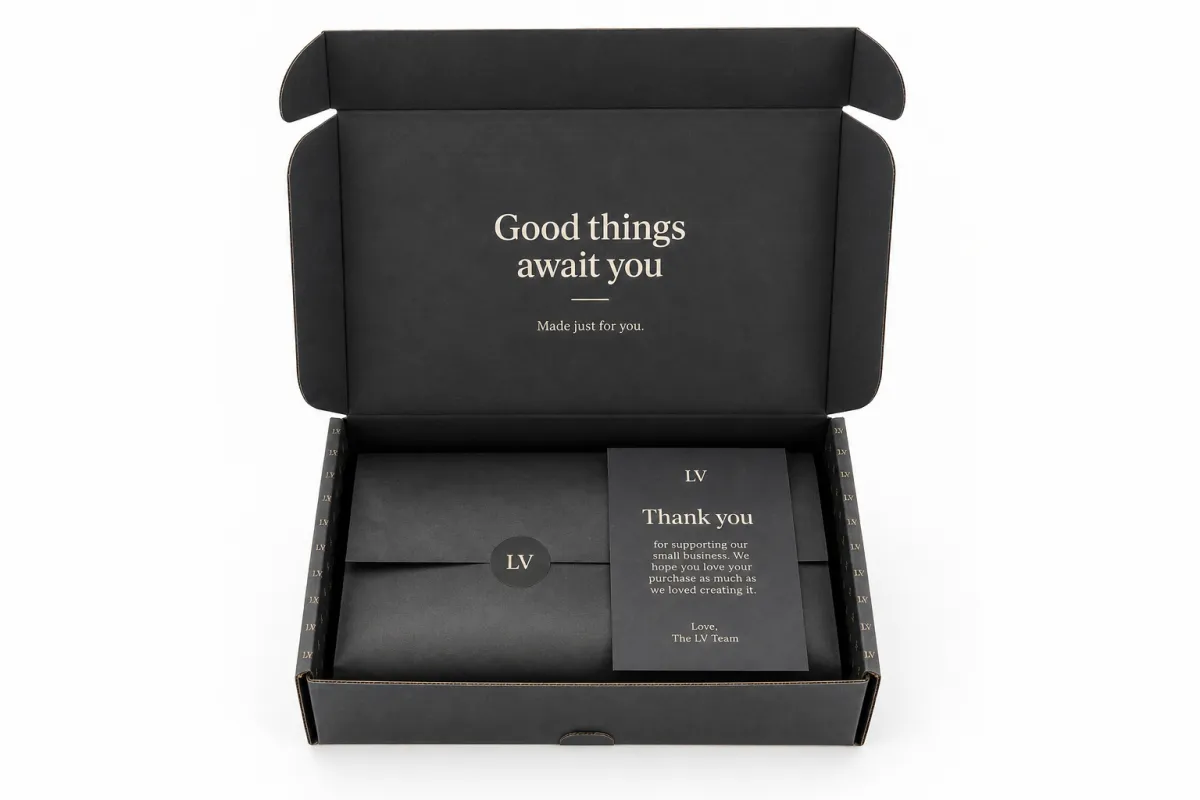
Custom Mailer Boxes premium quality starts with what happens after the carton leaves the bench. If the corners crush, the closure pops open, or the lid bows under light pressure, the experience drops a step even when the artwork is sharp and the logo is placed correctly. A good unboxing is visual, tactile, and structural at the same time, and the strongest boxes make that feel easy rather than forced.
Custom mailer boxes are self-locking shipping and presentation boxes used for ecommerce, subscription kits, gift packaging, and retail packaging support. They are popular because they do two jobs at once: they protect the item and help the brand make a stronger first impression. Custom mailer boxes premium quality is what allows that dual role to work without the box feeling flimsy or overworked.
Premium quality in packaging terms means several things together. The board has enough strength for the product weight, the score lines fold cleanly, the die cutting is accurate, the print lands where it should, and the finish holds up through packing and shipping. Custom mailer boxes premium quality also means the closure stays secure, the sides remain square, and the box still looks composed after ordinary handling on a fulfillment line.
"A premium mailer earns its keep twice: once when it arrives intact, and again when the customer feels the box is solid the moment they pick it up."
That is why custom mailer boxes premium quality matters as a business decision as much as a visual one. Better structure can lower damage claims, make returns handling easier, and create a stronger sense of value before the product comes out of the carton. From a buyer's point of view, that is one of the most practical forms of brand reinforcement a package can deliver. You do not need a fancy pitch to see it; the box either holds together and feels intentional, or it does not.
Custom mailer boxes premium quality: how the build process works
The build process behind custom mailer boxes premium quality begins with the board spec. If the material is too light, the box can collapse in transit; if it is too heavy, the unit cost rises and the fold lines can become harder to form cleanly. The best results usually come from matching the board to the product weight, the shipping method, and the amount of presentation the brand actually needs.
Flat board becomes a finished mailer through a sequence that sounds simple but matters a great deal in production: print, die cut, score, fold, glue, and pack. Each station affects repeatability. When the tooling is well set and the registration is dialed in, custom mailer boxes premium quality shows up in crisp corners, consistent flap tension, and a box that assembles the same way from the first unit to the last.
The main box formats are worth separating early. Corrugated mailers are the workhorse for ecommerce shipping because they balance protection and printability. Folding cartons are lighter and can look very polished, though they are usually better for lower-weight product packaging. Rigid-style presentation mailers sit in a higher tier of feel and cost. custom mailer boxes premium quality depends on Choosing the Right format instead of asking one construction to do every job.
Printing method matters just as much. Digital printing is usually the most practical for shorter runs and variable artwork. Offset printing is a strong fit for larger runs that need tighter color control. Flexographic printing can work well for simpler graphics or kraft-based programs. Add white ink, inside print, or dense color coverage, and custom mailer boxes premium quality becomes a question of planning, not just design.
Finish choices also change the final feel. Aqueous coating gives a clean surface and some rub protection without adding much cost. Matte or gloss lamination can improve durability and shift the tactile impression. Soft-touch coating gives a velvet-like feel, while spot UV, foil, and embossing add emphasis at specific points. Used well, those effects support the packaging design; used too heavily, they can make the box feel crowded. With custom mailer boxes premium quality, restraint often reads as more expensive than piling on every effect available.
The most useful technical check is often the one buyers skip: how the box behaves after folding. Edge crush resistance, board caliper, and fold memory all influence whether the mailer stays square once it is packed. If the structure relaxes too much, the lid may not close properly, and the presentation weakens with every shipment. custom mailer boxes premium quality is never just about print; it is about how the materials work together after the box has been formed.
Cost and pricing: what affects a premium mailer quote
Custom mailer boxes premium quality usually costs more or less depending on a handful of clear variables: box size, board grade, print coverage, ink count, special finishes, inserts, and whether the artwork needs to print inside the box as well as outside. A larger footprint uses more board; heavier construction uses more material; and more decoration means more setup time. The price moves for ordinary reasons, not mysterious ones.
| Option | Typical spec | Approx unit cost at 1,000 | Approx unit cost at 5,000 | Notes |
|---|---|---|---|---|
| Value mailer | E-flute, one-color print, aqueous coat | $0.55-$1.00 | $0.22-$0.42 | Good structure with simple branding |
| Midrange full-color | E-flute, four-color outside print | $0.85-$1.55 | $0.34-$0.68 | Strong retail packaging feel |
| Premium finish | B-flute or heavier board, matte lamination, spot UV | $1.35-$2.60 | $0.68-$1.25 | Best for polished package branding |
| Insert-heavy kit | Custom insert, inside print, specialty closure | $1.80-$3.50 | $0.95-$1.85 | Higher setup and assembly cost |
Custom mailer boxes premium quality also has a real MOQ effect behind it, and that explains a lot of quote variation. Plates, tooling, make-ready, and finishing setup have to be paid for somewhere, so lower quantities often carry a higher unit price. That is not a flaw in the quote; it is simply the reality of how packaging production works when fixed costs are spread across fewer pieces.
There are still smart ways to save without damaging the result. Standard box sizes usually cost less than fully unique footprints. Cleaner artwork can reduce prepress complexity. One strong finish often looks better than three competing effects. In many cases, custom mailer boxes premium quality is easier to reach if the design stays disciplined instead of busy. You are trying to make the package feel premium, not overloaded.
Always compare quotes on identical specs. If one supplier is pricing E-flute and another is pricing B-flute, those are not the same boxes. The same warning applies to finish, insert count, proofing, and freight assumptions. A lower headline price is only useful if it includes the same material and the same service scope. That is how custom mailer boxes premium quality stays honest instead of becoming a marketing phrase.
One more practical note: color, coating, and insert work can shift pricing more than buyers expect, especially if a layout uses heavy coverage or a dark exterior. If you need a true apples-to-apples comparison, ask for line items. The clearer the quote, the easier it is to see where the value lives and where the extra spend is just decoration.
Process and timeline: from artwork approval to delivery
A clean workflow for custom mailer boxes premium quality starts with the basics: product dimensions, product weight, closure style, shipping method, and whether the box is meant to act as a shipper, a presentation box, or both. If that brief is fuzzy, the whole project slows down because the structural decisions stay open longer than they should.
- Measure the product and decide on packing tolerance.
- Create or confirm the dieline.
- Place artwork with proper bleed and safe zones.
- Review a digital proof for layout, color notes, and finish callouts.
- Approve a physical sample when the job needs a tighter fit check.
- Lock production and book freight before the run starts.
The most common delays are usually ordinary, not dramatic. Missing bleed, low-resolution logos, weak contrast, or a finish instruction buried in an email thread can add days. If the job needs a physical sample, that is the moment to catch structure problems, because a screen proof cannot tell you whether the flap closes cleanly. One person should own final sign-off, and one checklist should cover both dimensions and appearance, because custom mailer boxes premium quality benefits from a clear decision path rather than a chain of half-answered messages.
Timeline depends on complexity. A simple digitally printed run may move in roughly 7-10 business days after proof approval, while specialty coating, foil, custom inserts, or new tooling can push the window to 12-18 business days or more. None of that is unusual; it simply means custom mailer boxes premium quality needs enough lead time to protect the launch schedule, not just the press schedule.
Freight and receiving need to be part of the plan from the beginning. Pallet counts, dock hours, and warehouse receiving windows affect whether the boxes actually arrive on schedule in the real world. A job can leave production on time and still miss a launch if the receiving team is not ready. custom mailer boxes premium quality is easier to manage when delivery is treated as part of the project, not as a last-minute detail.
Key factors that separate premium quality from average mailers
Premium mailers live or die on structure. E-flute is often around 1.2-1.6 mm thick, while B-flute is closer to 3 mm, and that difference changes compression behavior, print feel, and the way the box stands up in a stack. For custom mailer boxes premium quality, the right flute is the one that suits the product, the carrier path, and the visual goal. There is no magic size that works for every item.
Fit is another quiet marker of quality. A box that is too tight can scuff the product or crush a corner during insertion. A box that is too loose can sound hollow, let the contents move, and weaken the opening experience. custom mailer boxes premium quality usually feels more intentional because the inside dimensions, insert depth, and packing allowance are tuned to the item instead of copied from a guess.
"A box can be beautiful and still fail if the insert depth is off by a few millimeters. The structure has to earn the right to be called premium."
Color consistency deserves its own check. A monitor can make a design look one way, but printed board under different lighting can shift enough to matter, especially with dark solids, skin tones, or brand colors that need to feel exact. Many teams compare proofs and samples under neutral light so the finished piece matches the decision that was approved. That keeps custom mailer boxes premium quality tied to the actual material instead of a backlit screen. It is a small habit, but it saves a lot of head-scratching later.
Durability tests are practical and quick. Check corner crush. Rub the finish. Open and close the box several times. Pack the real product and simulate a basic ship test. If the program is meant to hold up to distribution, there is real value in testing against methods used by the industry, including ISTA distribution testing guidance. If the board source matters to your brand story, FSC certification standards are a useful reference point. In the end, custom mailer boxes premium quality is the combination of performance, appearance, and repeatability, not just a nice print file.
There is also a small but telling detail in how a box feels in the hand. A premium mailer should open without fighting the user, close without springing apart, and sit flat enough that stacks do not drift sideways on a cart or shelf. Those are everyday conditions, not lab conditions, and they matter because the package has to behave well for the people who pack it and the people who receive it.
Common mistakes that ruin custom mailer boxes premium quality
The biggest mistakes around custom mailer boxes premium quality are usually preventable, and that is what makes them frustrating. A box can be undermined by one small decision made early, long before anyone sees the finished stack on the packing line.
The most common ways custom mailer boxes premium quality gets weakened are easy to spot:
- Exact-sized boxes with no room for tissue, inserts, or handling tolerance.
- Too many finishes that crowd the design and make the package feel busy.
- Screen-only approvals that skip the physical sample entirely.
- Late artwork changes after the dieline and tooling are already locked.
Those mistakes make the box carry more of the burden than it should. If the dimensions are too tight, the item can scuff or ride too high in the carton. If the design is overloaded, the package looks less refined, even if the print quality is technically good. That is why custom mailer boxes premium quality depends on a brief that leaves space for real packing behavior, not just flat artwork.
Rushed timelines cause their own problems. A team can approve a proof, then discover that the finish scuffs during handling, the box stacks poorly, or the opening motion feels awkward once the first production sample is built. custom mailer boxes premium quality is easier to protect when the sample is inspected with the actual product inside it and the closure is tested by hand, not just by eye.
The prevention list is simple: tighten the spec, request a sample, confirm freight assumptions, and inspect the assembled box before you approve the full run. That sequence keeps custom mailer boxes premium quality anchored to the real shipping experience instead of the render, which is where a lot of avoidable disappointment starts.
One more thing I have noticed over the years: teams sometimes treat the package as the last creative step instead of a production part with real consequences. That is usually where trouble starts. A tiny mismatch in depth or score position can snowball into wasted time, extra packing labor, and boxes that never quite feel right.
Expert tips and next steps for ordering smarter
Start with one priority. If the box has to protect a fragile item, lead with structure. If the box has to sell a product in a gift or subscription setting, lead with presentation. If the box has to do both, build the spec around the toughest requirement first. That is the fastest way to keep custom mailer boxes premium quality aligned with the job instead of chasing three goals that conflict with one another.
Make a physical mockup with the real product before you commit. A paper sample or hand-cut prototype can reveal a bad fit, but a real sample tells you more about closure tension, insert depth, and opening feel. For custom mailer boxes premium quality, that one check often saves more money than any later revision, because it catches the mistake before tooling and production are fully committed.
Ask every supplier for a written spec sheet. Board grade, print method, finish, quantity break, target lead time, and freight assumptions should all be written in plain language. If you are comparing broader options, review Custom Packaging Products alongside Custom Poly Mailers so the packaging route matches the product, the shipping method, and the brand tone. That kind of comparison keeps custom mailer boxes premium quality from being judged only by price.
A smart short list usually includes three routes: one standard mailer, one upgraded finish version, and one value-engineered option. Seeing them side by side makes the tradeoffs obvious. You can usually tell which package carries the right balance of strength, print clarity, and cost once the samples are on the table. If you want custom mailer boxes premium quality that actually holds up in the wild, gather the dimensions, pack one real unit, request a quote, and approve the job only after the prototype proves the fit. That is the cleanest way to avoid guessing.
The takeaway is simple: lock the structure first, then let print and finish support it. A mailer that fits the product correctly, closes cleanly, and survives a normal shipping cycle will usually outclass a prettier box that was built on guesses. If you keep that order of operations in place, custom mailer boxes premium quality becomes a repeatable result instead of a lucky break.
What makes custom mailer boxes premium quality instead of standard?
Custom mailer boxes premium quality comes from the whole build, not one decorative feature. Strong board, accurate scoring, clean print, secure closure, and a finish that survives packing and shipping all need to work together; a standard mailer may protect the product, but a premium one feels more deliberate because the fit and the tactile details are controlled.
Which material is best for premium custom mailer boxes?
For ship-heavy ecommerce, corrugated board is usually the safest choice because it balances protection and printability. For lighter presentation-focused packaging, a higher-end folding carton can work well if the item does not need as much crush resistance, and the final choice still depends on how much custom mailer boxes premium quality the brand needs the customer to feel.
How much do custom mailer boxes premium quality cost per unit?
Unit cost depends on box size, board grade, print coverage, special finishes, insert complexity, and order quantity. Lower quantities usually cost more per box because setup and tooling are spread across fewer units, while larger runs usually bring the price down; the cleanest way to compare custom mailer boxes premium quality quotes is to line up the same exact spec on every option.
How long does it take to produce premium custom mailer boxes?
Simple digitally printed runs can move quickly after proof approval, while specialty finishes, new tooling, or custom inserts usually add more time. The fastest projects are the ones with final artwork, clear specs, and a sample approved before production starts, because custom mailer boxes premium quality moves faster when nobody is still changing the structure midstream.
What should I ask before ordering premium custom mailer boxes?
Ask for the exact board spec, print method, finish, quantity break, and lead time so you can compare quotes fairly. Also ask whether you will receive a dieline, a physical sample, and shipping terms that include freight and warehouse receiving; that is the easiest way to tell whether custom mailer boxes premium quality is being built into the quote or just promised in the sales pitch.

