Buyer Fit Snapshot
| Best fit | Custom Mailer Boxes Custom Printed projects where brand print, material claims, artwork control, MOQ, and repeat-order consistency need to be specified before quoting. |
|---|---|
| Quote inputs | Share finished size, material target, print colors, finish, packing count, annual reorder estimate, ship-to region, and any compliance wording. |
| Proofing check | Approve dieline scale, logo placement, barcode or warning zones, color tolerance, closure strength, and carton packing before bulk production. |
| Main risk | Vague material claims, crowded artwork, missing packing details, or unclear freight terms can make a low unit price expensive after revisions. |
Fast answer: Custom Mailer Boxes Custom Printed: Artwork Proof, Packing Count, and Landed Cost should be specified like a repeatable production item. The safest quote records material, print method, finish, artwork proof, packing count, and reorder notes in one written spec.
Production checks before approval
Compare the actual filled-product size with the drawing, then confirm tolerance on folds, seals, hang holes, label areas, and retail display edges. Reserve space for logos, QR codes, warning copy, and material claims before decorative graphics fill the panel.
Quote comparison points
Review material grade, print process, finish, sampling route, tooling charges, carton quantity, and freight assumptions side by side. A quote is only useful when the supplier can repeat the same color, closure quality, and packing count on the next order.
The box often speaks before the product does, and that first impression carries more weight than many teams admit. Custom Mailer Boxes custom printed shape that moment with color, structure, and finish before a customer ever lifts the lid or feels the product inside.
From the buyer's side of the table, the appeal is easy to understand: one spec needs to protect the product, present the brand well, and stay within a sane cost structure. Custom Mailer Boxes custom printed can do all three when the board grade, dimensions, print coverage, and finishing choices are matched to the item rather than selected by habit. That is where thoughtful packaging design turns into better product packaging, and where branded packaging begins to feel deliberate instead of decorative.
A box that looks good but fails in transit does not build trust. It builds an apology.
These boxes show up wherever presentation matters: ecommerce shipments, subscription kits, influencer mailers, direct-to-consumer launches, retail samples, and bundled promotions. Fragile goods, premium items, and products likely to be photographed on social media all benefit from Custom Mailer Boxes custom printed more than a plain label ever could. For teams comparing formats across a wider assortment, the Custom Packaging Products page offers a useful look at how mailers sit beside other options. Soft goods or low-risk shipments may be better served by Custom Poly Mailers.
Another detail often overlooked is how many times the shipping carton gets seen. A customer notices it at the doorstep, again on the table, again during unboxing, and sometimes once more in a photo, a video, or a shared story. Custom Mailer Boxes custom printed are part of that memory. Changes in structure, color, and messaging can influence how the product is remembered long after the first delivery is gone.
Custom Mailer Boxes Custom Printed: Why They Matter
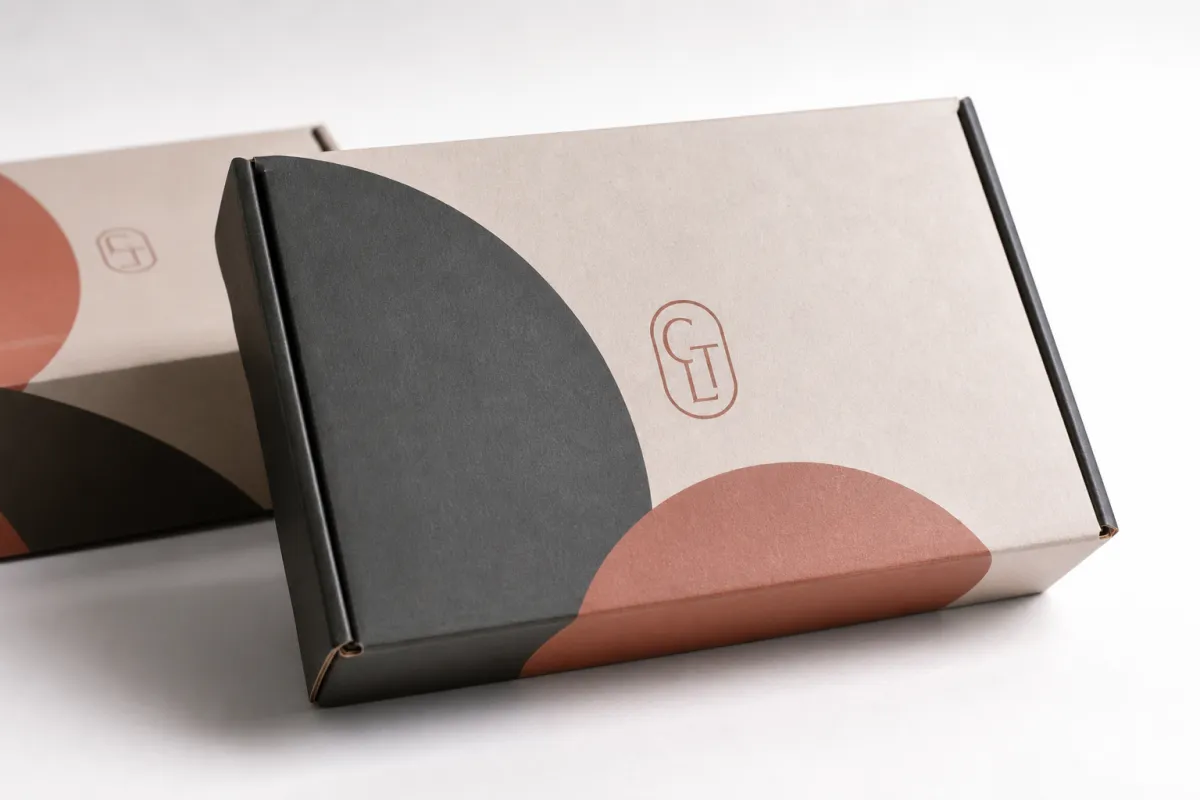
custom mailer boxes custom printed matter because the box has to do several jobs at once. It protects the contents from crushing and abrasion. It carries the brand story. It frames the unboxing moment. It also signals, quietly but clearly, whether the company pays attention to the details that customers never fully see but always feel. That signal can be stronger than many marketers expect, since packaging often reads as a stand-in for operational discipline.
The best results usually come from matching the package to the actual use case. A subscription brand shipping monthly kits does not need the same structure as a cosmetics launch sending rigid cartons with inserts. A startup mailing a light apparel bundle has different needs from a glass candle company. That sounds simple, yet many teams still start with artwork before answering the basics: what does the product weigh, how is it packed, and how much movement can the box tolerate before it becomes a liability?
custom mailer boxes custom printed are commonly made from corrugated board or paperboard mailer stock. Corrugated gives better stacking strength and crush resistance, which makes it the safer choice for parcel shipping. Paperboard can work for lighter kits where presentation matters more than structural load. The right choice depends on the product, the route, and the real handling conditions, not just the budget line.
Think of the box as part of the sale, not the stage after the sale. A shopper who receives a well-fitted, sharply printed mailer may read that as premium branded packaging, even when the product itself sits in a moderate price band. That is one reason custom mailer boxes custom printed appear so often in launch kits and influencer outreach. They give a package a clear point of view in a crowded feed, and they do it before a logo tag or landing page has to explain the brand.
Consistency matters just as much. When the outer shipper, the insert, the tissue, and the message card follow the same visual language, the whole experience feels tighter and more intentional. That consistency is not vanity. It keeps marketing, fulfillment, and customer experience moving in the same direction. For teams treating custom printed boxes as a system instead of a one-off purchase, that alignment can be the difference between a clean program and a patchwork one.
There is a practical side too. A box that is too large wastes dunnage, increases freight volume, and shifts around during transit. A box that is too small can scuff the product, crush corners, or distort printed panels. custom mailer boxes custom printed let you control those variables at the start instead of trying to correct them with filler later.
For shipping programs that need formal testing, ask whether the proposed structure has been evaluated against parcel test methods such as those from ISTA. If the product is made from fiber-based materials or the brand wants to support responsible sourcing, ask about FSC certified board options. Those details are small on a spec sheet and substantial in the field, because they affect trust, shelf-readiness, and the package's overall risk profile.
How Custom Mailer Boxes Custom Printed Are Produced
The production path for custom mailer boxes custom printed makes more sense once it is broken into stages. Structure comes first. Artwork comes next. Printing follows. Finishing comes after that. Proofing closes the loop. Rush any one of those steps and the final box usually shows the shortcut, which is why strong suppliers tend to slow the process down at the right points, especially around structure and fit.
Measurement is the starting point. A supplier needs the dimensions of the product after it is packed, not just the product by itself. A pouch, tissue wrap, insert, bubble layer, or sleeve all count as part of the real footprint. From there, a dieline is built. The dieline maps folds, flaps, lock tabs, glue zones, and bleed areas. For custom mailer boxes custom printed, that drawing is not a formality. It is the template that keeps structure and artwork aligned once the box is cut and folded.
Printing methods vary in meaningful ways. Digital printing often works well for shorter runs, frequent artwork changes, or quick proof cycles. Offset printing tends to make more sense when color control and larger quantities justify the setup. Flexographic printing can be efficient for simpler graphics and corrugated work, especially at higher volumes. Each method affects setup cost, color consistency, turnaround time, and minimum quantity behavior. If a brand wants a matte kraft look with minimal ink, the method may matter less. If the design depends on rich solids, gradients, or fine typography, it matters a great deal.
custom mailer boxes custom printed also depend heavily on finish choices. A matte aqueous coating gives a softer, less reflective appearance and can add some scuff resistance. Gloss creates a brighter presentation, though it can show glare or fingerprints more easily. Soft-touch feels upscale, yet it can add cost and is not always the best choice for rough transit. Spot varnish can highlight a logo or pattern. Uncoated kraft reads more natural and can support an eco-minded story when the rest of the spec is equally disciplined.
Structural decisions deserve attention early. Tuck-lock closures are common because they are simple and reliable. Roll-end mailers can offer more rigidity and a cleaner closing action. Inserts help hold fragile items in place, especially when the product is small and the box has extra air. Tear strips can improve opening ease, which matters more than many teams expect. Tamper-evident features can be useful for high-value or regulated products.
Proofing is where many preventable mistakes are caught. A digital proof checks layout and copy placement. A physical sample checks scale, panel feel, closure tension, coating behavior, and the way the print actually sits on the board. Those are not the same thing. Screen previews cannot show how a dark solid behaves on corrugated, or how a logo shifts when a fold runs through the middle of it.
Comparing custom mailer boxes custom printed with other custom printed boxes often comes down to structure versus presentation. A mailer sits in a useful middle ground. It protects better than a folding carton and usually looks more polished than a plain shipper. That balance is why it continues to perform well in ecommerce and retail packaging programs.
One practical rule holds up again and again: the more complex the structure or the more critical the launch, the more reason there is to insist on a physical sample before volume production. Fragile goods, premium presentations, and limited-edition drops leave little room for a bad surprise once the pallet is already in motion.
Custom Mailer Boxes Custom Printed Cost and Pricing Factors
Pricing for custom mailer boxes custom printed is rarely driven by a single variable. It is usually a stack of them. Size, board grade, print coverage, color count, finish, inserts, interior printing, and quantity all play a role. So do prep work, proofing, and freight. A quote that looks attractive at first glance can become expensive once the hidden pieces are added back into the picture.
Volume is the most obvious force. Smaller runs almost always cost more per unit because setup work gets spread across fewer boxes. That does not make a small run a bad decision. It simply means the buyer should understand what is being paid for. If a brand needs 500 boxes for a launch test, the unit cost may look high. If those boxes help avoid a weak first shipment or let the company test demand before scaling, the premium can make sense.
custom mailer boxes custom printed also change in price based on print coverage. A single-color logo on kraft board is a very different job from full coverage on the outside and inside, especially when the design uses rich solids. More ink, more alignment checks, and more finishing steps all affect the total. The same applies to spot coatings, foil-like effects, embossing, and specialty inserts. The object is still a box, yet the production path becomes more complicated as the spec grows.
Quote comparison gets easier when suppliers separate the components. Ask for box price, setup, sample cost, freight, and any revision fees to be listed individually. That way, the numbers can be compared directly instead of being decoded from one bundled total. Two vendors may look similar on unit price and diverge sharply once shipping and tooling are included.
| Option | Typical Use | Price Impact | Notes |
|---|---|---|---|
| Simple kraft mailer | Light apparel, low-fragility kits | Lowest | Good for minimal branding and lower print coverage |
| Full-color exterior print | DTC launches, branded subscriptions | Moderate | Better visual impact, more setup and ink usage |
| Interior print plus exterior print | Premium unboxing, influencer mailers | Higher | Stronger package branding, usually worth it for launches |
| Mailer with insert and specialty finish | Fragile goods, gift sets, luxury kits | Highest | Best protection and presentation, but more labor and tooling |
There is another layer that gets ignored too often: landed cost. That means the unit price plus freight, warehousing, damage allowance, spoilage, and the cost of holding extra inventory. A cheap box that sits in storage for too long can become more expensive than a slightly pricier box ordered in the right quantity. The same logic applies when a buyer overorders to save on unit price and then ends up with stale art or obsolete dimensions after the product changes.
custom mailer boxes custom printed should also be priced against the risk they reduce. If a better-fitting box cuts down on damage claims, reduces void fill, and improves the unboxing moment, the value is not only in the carton itself. It is also in fewer replacements, fewer complaints, and a cleaner first impression. That is a real operational gain, not a marketing slogan.
When bids are on the table, three questions cut through most confusion: does the supplier understand the structural needs, does the quote include the same print and finish spec, and does the lead time fit the launch schedule with room to spare? Those three answers usually reveal more than the headline number.
Custom Mailer Boxes Custom Printed Process and Timeline
The process for custom mailer boxes custom printed follows a familiar sequence, but the timeline only behaves well when the inputs are clean. The buyer shares product dimensions, approximate weight, shipping method, and branding goals. The supplier recommends a structure and builds a dieline. Artwork is placed onto the template. The proof stage follows, where dimensions, logo placement, and copy are checked before production starts.
Lead time is not one number. It is made up of proofing time, production time, and transit time. A simple order with print-ready files and no special finish can move quickly. A more complex custom mailer boxes custom printed order with inserts, interior print, or multiple proof rounds will take longer. That does not mean the supplier is slow. It means the job contains more steps that deserve attention.
Buyers can use this practical breakdown as a planning guide:
- Brief and measurements: 1 to 3 business days if the product details are ready.
- Dieline and artwork placement: 1 to 5 business days depending on revisions.
- Proof approval: 1 to 7 business days depending on internal sign-off.
- Production: often 7 to 15 business days for standard jobs, longer for specialty work.
- Shipping: depends on distance, freight method, and inventory destination.
Those ranges are planning tools, not promises. Complex finishing, material delays, and seasonal congestion can all shift the calendar. That is why custom mailer boxes custom printed should be ordered with a buffer, especially if the boxes support a launch, trade show, or subscription start date. A launch that depends on the fastest possible scenario is carrying more risk than it looks like on the calendar.
Clean files speed everything up. Print-ready artwork, vector logos, exact Pantone references if needed, and a clear quantity target reduce back-and-forth. A strong packaging brief helps too. If the supplier has to ask three times whether the item ships folded, wrapped, or sleeved, the schedule slips. The same happens when the box spec changes after the dieline has already been built.
custom mailer boxes custom printed also benefit from a realistic approval chain. Projects stall when marketing wants one thing, operations wants another, and finance wants to reopen the numbers after the proof is already built. The cleaner path is to settle the structure first, then approve the graphics, then lock the order. That order of operations saves time and cuts rework.
Brands building a broader packaging system should not treat the mailer as a standalone object. It belongs beside filler, inserts, labels, and any secondary shippers. That is where package branding becomes a system instead of a one-off purchase. A properly tuned box makes the rest of the assembly line easier too.
Put plainly, the fastest custom mailer boxes custom printed project is usually the boring one on paper: clear dimensions, simple structure, known finish, approved art, and a supplier who is not forced to guess. Boring in production tends to mean reliable in market.
Design Choices That Change Protection and Unboxing
Good design in custom mailer boxes custom printed goes far beyond the graphic surface. It includes fit, closure, strength, and the physical experience of opening the box. The strongest packaging design usually starts with the product, not the artwork file. If the item moves too much, the customer feels that looseness as soon as the box is picked up. If the board is too light, corners can crush in transit. If the graphics are too busy, the shipping label starts fighting with the design instead of sitting naturally within it.
Size discipline may be the biggest design lever of all. A well-fitted mailer uses less filler, ships more efficiently, and protects better because the product is not rattling around inside. In many cases, custom mailer boxes custom printed with tight internal dimensions cost less to ship than an oversized version, even if the printed box itself costs a little more. That tradeoff matters because freight is part of the package, not separate from it.
Visual design should support the unboxing flow. A bold exterior color can create instant recognition, especially in fulfillment centers where a plain brown carton disappears into the background. A restrained logo placement can feel more premium than an all-over pattern. Interior print can reward the opening moment, which is useful for launch kits and influencer mailers. A short line under the lid can feel human without drifting into sentimentality.
More graphics are not always better. A box overloaded with print can look noisy, and it can create practical problems if barcodes, shipping labels, or handling marks need clean space. custom mailer boxes custom printed work best when the visual system is clear enough to recognize but quiet enough to function in a warehouse. That balance is specific to packaging, and it is easy to miss if the design team is only thinking about the website mockup.
Sustainability choices fit into the same conversation. Recyclable board, moderate ink coverage, and fewer unnecessary inserts can all help. So can coatings that serve a purpose rather than decoration. If the product does not need a premium finish, do not add one simply because the spec has room. For brands that want stronger environmental claims, the material story needs to hold up in the target market, not just on a sales sheet.
custom mailer boxes custom printed should also reflect the product's physical behavior. A glass jar needs more restraint than a soft textile. A set of small pieces may need an insert even if the exterior looks fine without one. A heavier item may need a stronger flute or a different closure. The aesthetic direction should never overrule the load case. That is where attractive boxes fail in the real world.
If the brand wants a family of package branding elements, the mailer should coordinate with labels, tissue, insert cards, and any outer shipping labels. That creates a more finished retail packaging feel without turning the box into a billboard. It also helps the company present a coherent story across channels, from website to doorstep.
One smart move is to let the inner structure carry some of the visual work. A clean insert or a snug inner fit can make custom mailer boxes custom printed feel premium even when the exterior art stays simple. In other words, the box can whisper instead of shout and still leave a stronger impression.
Common Mistakes When Ordering Mailer Boxes
The biggest mistake with custom mailer boxes custom printed is assuming the product dimensions alone are enough. They are not. The box has to account for the packed version of the product, not just the bare item. Inserts, tissue, wraps, sleeves, and even slight expansion in soft goods all matter. A few millimeters of missed clearance can turn a clean pack into a frustrating one.
Artwork approval before the dieline is final is another common problem. That is risky because folds can cut through text, artwork can drift into glue zones, and logo placements can land on the wrong panel once the box is assembled. If a barcode or QR code is involved, safe zones matter even more. A print file can look strong on screen and still fail structurally once it is wrapped around the actual board.
Shipping conditions matter more than many buyers expect. Corrugated mailers are strong enough for a lot of parcel use, but not every route is gentle. Moisture, compression, and repeated handling can expose weak board specs. If the package will move through long transit routes or multiple sortation points, the structural choice has to reflect that reality. For higher-risk projects, ask whether the supplier can discuss test methods or a parcel profile that reflects the actual route rather than an ideal one.
Budget mistakes are just as common. Buyers focus on unit price and ignore freight, sample charges, revision costs, and the expense of reprints if the proof goes wrong. Custom mailer boxes custom printed should be evaluated on total delivered value, not just carton price. A quote that looks lower by a few cents can end up more expensive once all the missing pieces are brought back into view.
Skipping physical samples is another trap. Computer monitors do not show the texture of kraft stock, the way ink sits on corrugation, or the difference between a soft-touch coating and a matte aqueous finish. A sample can reveal whether the closure is too tight, whether the box scuffs easily, and whether the final look still fits the brand. On paper, the spec may look ideal. In hand, it may feel different.
Custom mailer boxes custom printed also fail when teams try to make the box do everything. If the product is fragile, add the insert. If the product needs tamper resistance, address it directly. If the goal is premium presentation, choose the finish carefully. Do not cram every message onto the exterior simply because the panel exists. Strong packaging is usually edited packaging.
Late-stage spec drift is the last big mistake. A small change in dimensions can affect stock, ship Cost, and Fit. A finish change can shift the look more than expected. A paper substitution can alter the tone of the whole order. That is why the most reliable custom mailer boxes custom printed programs are the ones that lock the spec before production and stay disciplined afterward.
Expert Tips and Next Steps for a Smarter Order
If the goal is a smoother buying process for custom mailer boxes custom printed, start with a one-page packaging brief. Keep it short, but keep it specific. Include the product dimensions after packing, the weight, the shipping method, the target quantity, brand color references, the finish you want, and any structural details that cannot change. That single page can remove a surprising amount of confusion later.
Ask for two or three quotes using the same spec sheet. Not a general description. The same spec sheet. That is the only fair way to compare suppliers. If one quote includes interior printing, a sample, and freight while another does not, the lower number is not really lower. It is just less complete. For custom mailer boxes custom printed, completeness matters more than the headline price.
Request a physical sample or prototype before full production if the project is fragile, premium, or tied to a launch date. That is especially true when the box supports a strong package branding moment. It is easier to correct a sample than a pallet. The sample also gives the warehouse team a chance to test pack time, closure behavior, and how much filler, if any, is actually needed.
Reorder planning deserves more attention than it often gets. Do not base replenishment only on best-case forecasts. Use actual sales velocity and add a realistic buffer for approvals and freight. If a box takes longer to make than the product takes to sell, the reorder point needs to reflect that. Otherwise, the company ends up paying rush charges or shipping product in plain cartons while waiting for the next run of custom mailer boxes custom printed.
It also helps to think about the full packaging stack, not just the shipper. If the item needs labels, inserts, or protective sleeves, line those up with the box spec. If you are building a family of branded packaging assets, make sure the mailer coordinates with the rest of the set. That is where the experience starts to feel coherent rather than improvised.
For brands that want to expand beyond mailers, a good next move is to review other packaging formats and compare their performance against the same product. A lightweight apparel line may need a different solution from a subscription candle kit. A launch that starts with custom mailer boxes custom printed may later benefit from a second format for retail sampling or seasonal bundles. The strongest programs stay flexible.
If you are ready to move, the practical sequence is straightforward: define the product, confirm the spec, request quotes, review a sample, and lock the production order. That path is not flashy, but it is dependable. In packaging, dependability usually wins.
When the goal is better protection, better presentation, and fewer surprises in transit, custom mailer boxes custom printed are often the right answer. Choose the structure carefully, price the full landed cost, and approve the proof with your real shipping conditions in mind. If you do that, the box stops being a generic carton and starts doing real work for the brand, the warehouse, and the customer.
FAQ
How much do custom mailer boxes custom printed usually cost?
Price depends on size, board thickness, print coverage, finish, quantity, and whether you need inserts or interior printing. Small runs usually cost more per unit because setup and prepress are spread across fewer boxes. Ask for a quote that separates box cost, setup, samples, and freight so you can compare suppliers accurately.
What is the typical lead time for custom printed mailer boxes?
Lead time changes based on artwork readiness, sampling, material availability, and finishing complexity. Simple runs move faster than jobs that need special coatings, inserts, or multiple proof rounds. Build extra time for shipping so your launch schedule does not depend on the fastest possible scenario.
What files do I need to order custom mailer boxes custom printed?
You usually need print-ready artwork, brand colors, logo files, and product dimensions for the dieline. Vector files are preferred for logos and sharp type, while images should be high resolution. A clear packaging brief helps prevent misalignment between design, structure, and production.
How do I choose the right size for a custom mailer box?
Measure the product after it is packed with inserts, tissue, or protective wrap. Leave just enough clearance to protect the item without creating excess movement or extra shipping volume. If you are unsure, ask for a structural recommendation based on product weight and shipping method.
Can custom printed mailer boxes be eco-friendly?
Yes, many can be made with recyclable board, reduced ink coverage, and minimal finishing. Sustainability improves when the box is sized correctly and unnecessary fillers are removed. Ask suppliers about recyclable coatings, material sourcing, and whether the box can be curbside recycled in your target market.
Actionable takeaway: start with the packed product size, choose the lightest structure that still protects the item in transit, and approve a physical sample before you place a full order for custom mailer boxes custom printed. That one habit prevents most of the expensive surprises later.

