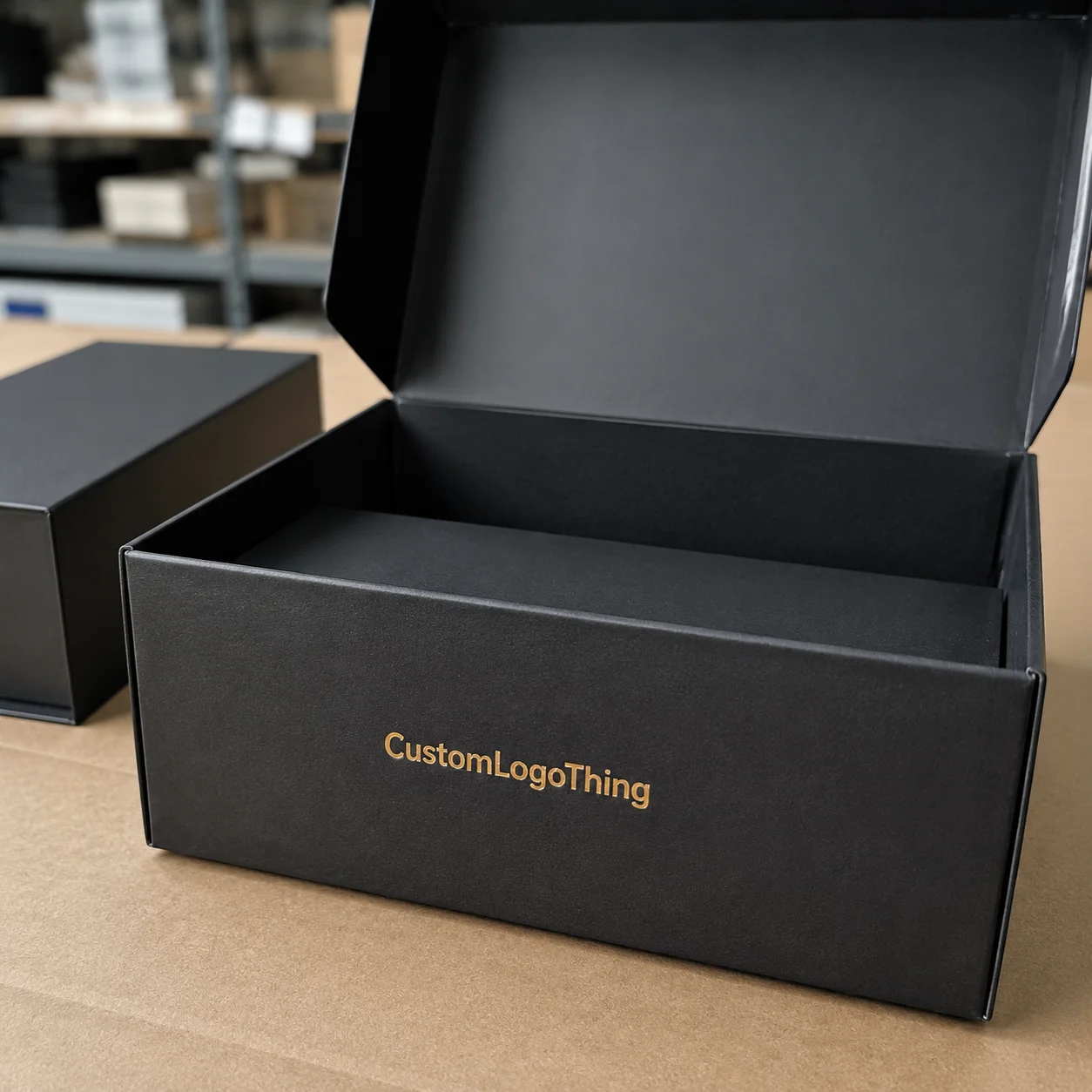
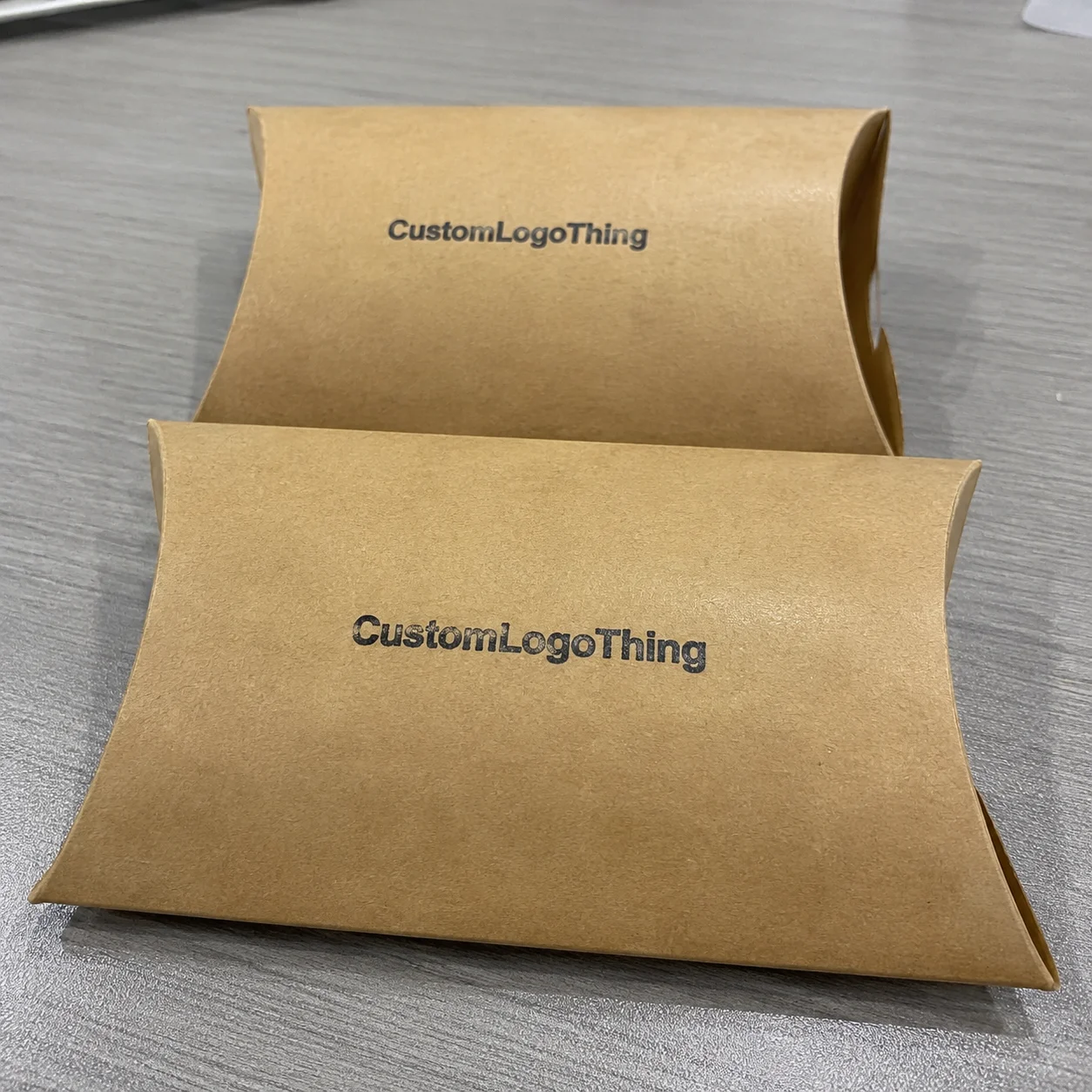
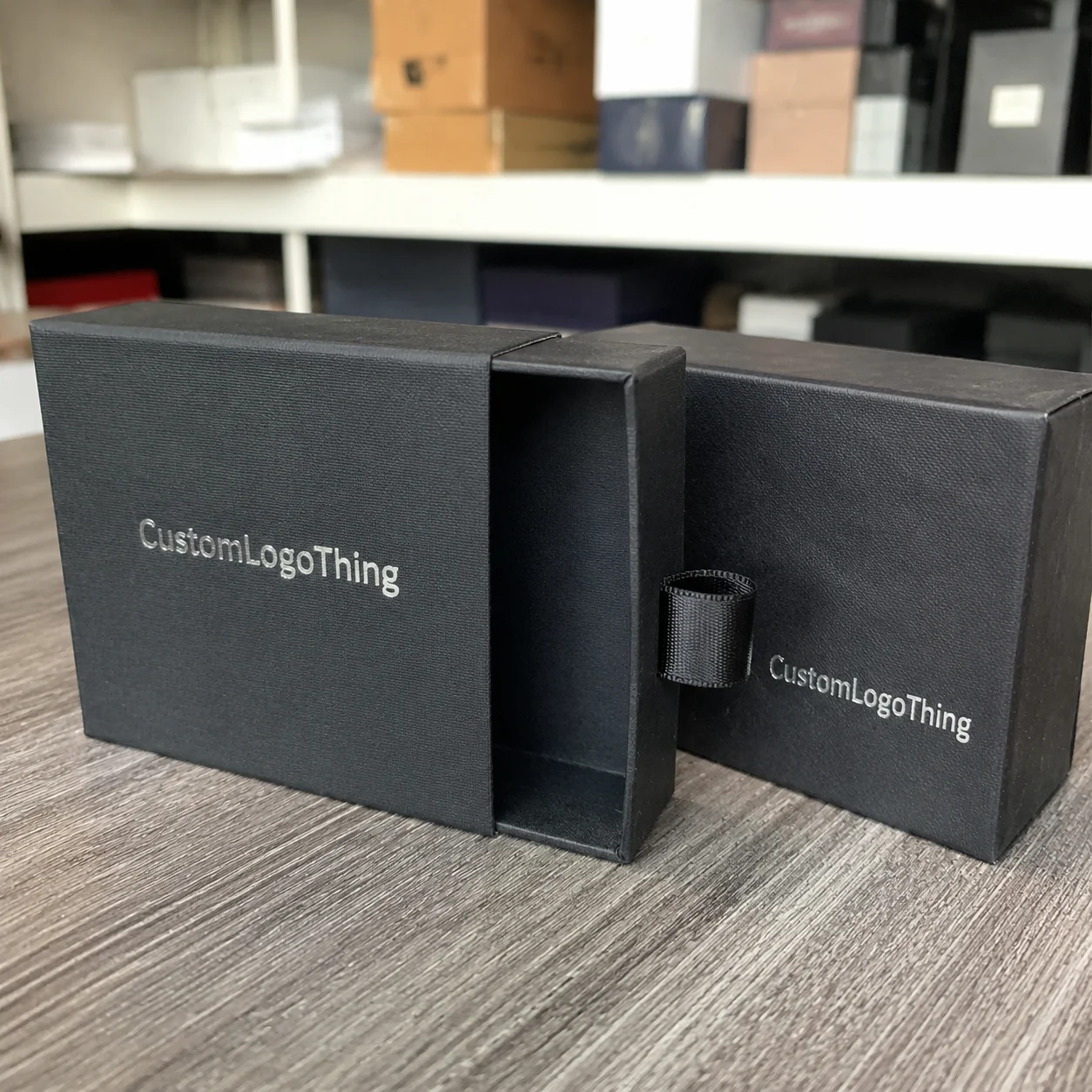
Buyer Fit Snapshot
| Best fit | Custom Mailer Boxes Pricing projects where brand print, material claims, artwork control, MOQ, and repeat-order consistency need to be specified before quoting. |
|---|---|
| Quote inputs | Share finished size, material target, print colors, finish, packing count, annual reorder estimate, ship-to region, and any compliance wording. |
| Proofing check | Approve dieline scale, logo placement, barcode or warning zones, color tolerance, closure strength, and carton packing before bulk production. |
| Main risk | Vague material claims, crowded artwork, missing packing details, or unclear freight terms can make a low unit price expensive after revisions. |
Fast answer: Custom Mailer Boxes Pricing: Board, Finish, Dieline, and Unit Cost should be specified like a repeatable production item. The safest quote records material, print method, finish, artwork proof, packing count, and reorder notes in one written spec.
Production checks before approval
Compare the actual filled-product size with the drawing, then confirm tolerance on folds, seals, hang holes, label areas, and retail display edges. Reserve space for logos, QR codes, warning copy, and material claims before decorative graphics fill the panel.
Quote comparison points
Review material grade, print process, finish, sampling route, tooling charges, carton quantity, and freight assumptions side by side. A quote is only useful when the supplier can repeat the same color, closure quality, and packing count on the next order.
On a corrugator floor in Shenzhen, Guangdong, I once watched two mailer boxes roll off the same press line, side by side at 120 sheets per minute. Funny thing: they looked almost identical from five feet away. The Custom Mailer Boxes pricing guide answer, though, was nowhere near identical once we opened the specs. One used E-flute corrugated board with a simple one-color flexo print. The other used 350gsm C1S artboard laminated to E-flute, inside-and-out digital print, and a soft-touch aqueous finish that added an extra conversion pass. That gap is exactly why a custom mailer boxes pricing guide matters when you are buying in Shenzhen, Dongguan, or even from a shop in Los Angeles.
People love to think mailer box pricing is one number. It isn’t. Packaging plants don’t quote by vibes, and they definitely don’t quote by wishful thinking. A Custom Mailer Boxes pricing guide has to account for board grade, flute profile, size, print method, coating, tooling, and even how the cartons will be packed on pallets. If you’re buying custom printed boxes for e-commerce, subscription programs, or retail packaging, understanding the quote logic saves you from paying for features you don’t need and helps you compare suppliers with a clear head. I’ve seen brands overpay by 18% simply because they were comparing two different structures as if they were the same thing. Annoying, but very common. A quote for 5,000 pieces in Dongguan can look completely different from a 10,000-piece run in Dallas if the freight, tooling, and board specs aren’t matched line by line.
Honestly, the smartest way to use a Custom Mailer Boxes pricing guide is not to hunt for the lowest unit price first. Figure out what drives the number, build the right spec, then shop fairly. That’s how you protect margin and brand presentation, whether you’re building branded packaging for a startup or setting up repeat procurement for an established line of product packaging. I wish more buyers learned that before they sent me six “urgent” quote requests with three different sizes hiding in one email (yes, that happens). When I’ve negotiated with suppliers in Yiwu and Chicago, the winning quote almost always came from the cleanest spec sheet, not the loudest email.
Custom Mailer Boxes Pricing Guide: Why Prices Swing So Much
The first thing I tell new buyers is simple: two boxes can share the same outer dimensions and still land at very different cost points. In a real custom mailer boxes pricing guide, that difference usually comes from the board construction, the print process, and whether the line is running a flexo folder-gluer, a digital press, or a litho-laminated workflow. A 9 x 6 x 3 mailer in E-flute with one-color branding is a completely different production animal than the same footprint in B-flute with full-coverage artwork and a coated finish. On the floor, that can mean a quote gap of $0.22 to $0.48 per unit at 5,000 pieces.
A mailer box is a self-locking corrugated carton usually used for shipping, subscription deliveries, and presentation packaging. It sits somewhere between a folding carton and a shipping carton. Compared with a basic shipping case, it usually looks more polished and gives a better unboxing experience. Compared with a folding carton, it’s stronger and better suited for transit. Compared with a subscription box, it may or may not include advanced print effects, depending on the brand’s budget and delivery needs. That’s why a custom mailer boxes pricing guide has to separate structure, graphics, and finishing instead of stuffing everything into one bucket. A 12 x 9 x 4 mailer for a beauty brand in New Jersey can ship very differently from a 10 x 8 x 3 box used by a tea subscription in Oregon.
The quote is really a stack of decisions. Size, board grade, color count, coating, inserts, quantity, freight, and even the way the artwork is laid out can push the number up or down. I’ve sat in client meetings where a buyer was sure a quote was “too high,” only to find they had asked for inside print, outside print, matte coating, and a custom die-cut insert on a run of 750 units. The pricing made perfect sense once we broke it down line by line. A good custom mailer boxes pricing guide should give you that same clarity. On a run of 1,000 units, a one-color exterior print might land around $1.12/unit, while adding inside print and a two-piece insert can push it past $1.80/unit.
Small choices matter more than most people expect. Switching from E-flute to B-flute can change board cost and shipping performance. Choosing full-coverage print instead of a simple one-color logo can add press time, ink usage, and make-ready waste. Even a decision like gloss aqueous versus no coating can change the feel, the rub resistance, and the final per-box cost. That’s why the best custom mailer boxes pricing guide is one that teaches you how the plant thinks. A corrugated box built on 32 ECT board in Texas is not the same cost profile as a 200gsm paperboard-lined mailer produced in Foshan.
“If the quote looks simple, the spec is probably simple too. If the quote looks messy, there’s usually a reason buried in the board, the print, or the setup.”
For comparison, when I toured a Midwest converting shop in Grand Rapids that ran mostly subscription packaging, their digital line handled short runs beautifully. Their flexo folder-gluer dominated cost efficiency once orders crossed 5,000 units. Same general product category, wildly different economics. That is the heart of any honest custom mailer boxes pricing guide: the machine matters, the material matters, and the run length matters. A 2,000-piece order in Chicago can be a digital win, while a 20,000-piece order from a plant in Shenzhen may save 25% simply because the setup gets diluted across more cartons.
How Custom Mailer Boxes Are Manufactured and Quoted
To understand a custom mailer boxes pricing guide, you need to understand the path a box takes from artwork to warehouse stack. It usually starts with dieline creation, where the exact fold pattern, locking tabs, and glue areas are mapped out in CAD. After that comes proofing, where the brand checks dimensions, print placement, and panel orientation. Once approved, the job moves into board conversion, printing, die cutting, creasing, slitting, gluing, packing, and palletizing. Each stage adds cost in a different way, and each stage can introduce waste if the spec is loose. On a typical run in Dongguan or Los Angeles, the full sequence from final file handoff to packed cartons can take 12 to 15 business days after proof approval.
On the quoting side, packaging plants usually price around a few core variables: board usage, tooling, press setup, labor time, spoilage allowance, and delivery terms. Tooling includes the die and sometimes printing plates, depending on the process. Make-ready time is the stretch where the machine is adjusted, ink is balanced, registration is checked, and the first acceptable sheets are produced. A plant may charge part of that into the unit price or show it as a one-time setup item. A solid custom mailer boxes pricing guide should always separate those two buckets because they behave differently as volume changes. For example, a die charge might be $180 to $350 one time, while the unit price drops from $1.24 at 500 pieces to $0.38 at 10,000 pieces.
Digital production is often chosen for shorter runs, sample programs, or SKUs with frequent artwork changes. Flexographic printing is usually more economical at scale, especially when the design is straightforward and repeatable. Litho-laminated construction, which I’ve seen used for premium retail launches and high-touch package branding, can create a very polished appearance, but it also adds a laminate step and more handling. If you’re comparing suppliers, the process choice may explain a bigger price difference than the actual materials on paper. A 350gsm C1S artboard litho-laminated mailer made in Shenzhen will not price like a one-color E-flute box from a converter in Illinois.
Lead time also changes the quote. A job with a 12-business-day window and a clean final dieline is one thing. A rush order that needs priority scheduling, late-night press time, or a special board pull from inventory is another. I’ve been in plants where a last-minute rush meant moving three jobs so a carton line could run after midnight, and the premium was not imaginary. If the custom mailer boxes pricing guide you are using ignores lead time, it’s incomplete. In practice, rush fees can add 8% to 20% depending on whether the job is moved ahead of a booked run in Vietnam, Mexico, or California.
Here is a simple way the timeline often breaks down after proof approval:
- Sampling or digital proof: 2 to 5 business days
- Production run: 7 to 15 business days depending on quantity and method
- Packout and freight booking: 1 to 3 business days
- Transit: varies by lane, often 3 to 14 days by ground or ocean freight
That timeline is not universal, and it depends on whether you’re sourcing domestically or offshore, but it gives a practical frame for how process and cost travel together in a custom mailer boxes pricing guide. If you also need complementary packaging, I’d often review Custom Packaging Products alongside the mailer spec so the whole system is priced consistently. A supplier in Dongguan may quote the box at $0.62/unit FOB, while a U.S. plant in Ohio may quote $0.88/unit but save you four days in transit and a customs headache.
Custom Mailer Boxes Pricing Guide: Key Cost Factors
If you only remember one thing from this custom mailer boxes pricing guide, let it be this: material, size, print, finish, and quantity do most of the heavy lifting. Everything else is secondary, though secondary items can still matter when the order is large or the spec is premium. I’ve quoted jobs where the difference between a 16-point paperboard carton and a 32 ECT corrugated mailer was more than the client expected, even though the outside dimensions matched perfectly. On a 5,000-piece order, that can mean a swing from $0.41/unit to $0.79/unit before freight.
Material and board grade
Single-wall corrugated is the most common starting point for mailers because it balances cost, stiffness, and shipping durability. E-flute is thinner and often used for a cleaner presentation and tighter profile, while B-flute gives more crush resistance and a slightly beefier wall. That choice matters in a custom mailer boxes pricing guide because board consumption, die pressure, and shipping performance all change with flute profile. Recycled content can also affect the price, especially if you need a specific grade or certified fiber chain. A 100% recycled kraft E-flute box from Vietnam may cost less than a virgin white-lined box sourced from California, but only if the art and color expectations are realistic.
For e-commerce brands shipping apparel, beauty kits, or light accessories, E-flute often makes sense. For heavier goods, fragile items, or anything likely to get stacked hard in transit, B-flute can be the safer pick. I once worked with a candle brand in New York that insisted on a lighter board to save pennies, then spent far more on breakage claims than they would have on the stronger spec. That was one of those meetings where I had to bite my tongue so hard it was basically corrugated. A practical custom mailer boxes pricing guide always balances unit cost against failure cost. A 3.5 lb candle kit that ships from Nashville to Denver often needs a sturdier board than a 9 oz apparel kit going locally by ground.
Size and structural efficiency
Box dimensions affect cost in three places at once: board usage, production efficiency, and freight efficiency. A larger blank uses more corrugated board, which raises raw material cost. It also reduces the number of finished cartons that fit on a pallet, which raises shipping cost per unit. And if the box is oversized for the product, the dimensional weight can punish you in parcel billing. That is why a serious custom mailer boxes pricing guide will always ask for product dimensions before discussing artwork. A 13 x 10 x 4 mailer may fit 72 units per pallet, while a 9 x 6 x 3 size might fit 168 units per pallet if the stack height stays within 60 inches.
To put numbers on it, a 9 x 6 x 3 mailer might quote around $0.72/unit at 5,000 pieces in a basic one-color spec, while a 12 x 10 x 4 mailer in the same print style could jump to $1.05/unit simply because it eats more board and ships less efficiently. Those are illustrative figures, not universal pricing, but they show the direction of the cost curve. I’ve also seen a 1 mm change in height reduce parcel surcharge by $0.28 per shipment, which is a bigger deal than it sounds when you’re shipping 20,000 orders a month.
Print method and ink coverage
Print is where many buyers get surprised. A one-color logo on the top panel is much easier than full-surface graphics across every exterior face. CMYK process print can be efficient for photo-style artwork, but if the design uses solid brand colors, Pantone spot inks may give better consistency. In a custom mailer boxes pricing guide, more colors usually mean more setup, more pass time, and more spoilage risk. Large flood coats also increase drying needs and can slow the line. On a 10,000-piece run in Guangdong, moving from one-color flexo to four-color CMYK can add $0.10 to $0.24 per unit depending on coverage.
Here’s a simple comparison I use with clients:
| Print Style | Typical Cost Impact | Best Use Case |
|---|---|---|
| One-color logo print | Lowest | Simple branded packaging, repeat shipments |
| Two to three spot colors | Moderate | Strong identity with controlled cost |
| Full CMYK coverage | Higher | Artwork-heavy custom printed boxes |
| Inside and outside print | Higher still | Premium unboxing and retail packaging |
If you ask for full-coverage print but only need a logo and a product message, your custom mailer boxes pricing guide will point you toward a simpler, smarter spec. I’ve watched a brand in Austin save $0.31/unit by dropping full flood print on the lid and keeping a strong one-color interior message instead.
Finishing and special effects
Coatings and decoration add both visual value and cost. Matte aqueous coating is common and cost-conscious. Gloss coating gives a brighter surface and can help with scuff resistance. Foil stamping, embossing, and debossing are more premium and may require extra tooling or slower press handling. Custom inserts, whether corrugated or paperboard, also add die tooling and assembly labor. I’ve seen a lot of buyers spend on foil when a cleaner structural design would have delivered a better premium feel for less money. A mature custom mailer boxes pricing guide tells you where finish improves perceived value and where it just adds expense. A soft-touch aqueous coat on a 5,000-piece run can add $0.08 to $0.16 per unit; foil can add $0.12 to $0.35 depending on the coverage and die size.
For brands that need product packaging to do double duty in shipping and shelf presentation, a tasteful inside print or a single accent color often gives a stronger result than piling on three decoration methods at once. If you’re building a broader line, it can help to compare the mailer spec with Custom Poly Mailers so the outer shipper and the branded carton work together without duplicating cost. In Shenzhen, I’ve seen suppliers quote a premium mailer at $1.46/unit while a simpler, better-fit version came in at $0.98/unit with no loss in protection.
Quantity and volume economics
Unit price almost always drops as quantity rises, because setup costs get spread across more cartons. A 500-piece order may carry a much heavier setup burden per unit than a 10,000-piece order. Still, there are diminishing returns. Very large runs may trigger storage issues, longer cash tied up in inventory, or freight inefficiencies that erase part of the unit savings. A careful custom mailer boxes pricing guide looks beyond the print quote and asks how the order will be used over the next 60 to 120 days. A 500-piece run might be $1.95/unit, 5,000 pieces might be $0.84/unit, and 20,000 pieces could reach $0.49/unit, but only if the warehouse can actually hold the stock.
For example, I’ve seen a subscription brand order 25,000 boxes because the price break looked attractive, then rent extra warehouse space in Phoenix and spend more on handling than they saved. A better plan would have been three staged runs tied to actual demand. That is the kind of nuance a custom mailer boxes pricing guide should teach. If you don’t have a full quarter of demand visibility, a 7,500-piece order in two 3,750-piece releases is often smarter than one giant purchase.
For readers who want a standards-based reference point, packaging performance testing often ties back to ISTA shipment profiles and material verification standards. The ISTA site is a good place to understand transport testing, while FSC is useful if you need certified fiber claims for sustainable sourcing. Those references do not set your price, but they do help define the spec honestly. If you are sourcing from suppliers in Shenzhen, Ho Chi Minh City, or Monterrey, those standards also help you keep quality language consistent across regions.
How to Estimate Your Budget Step by Step
A reliable custom mailer boxes pricing guide should help you turn a vague packaging idea into a budget you can actually defend. I prefer to start with the end use, because the application dictates the structure more than the artwork does. A box for direct-to-consumer shipping of skincare, for example, has different needs than a mailer for influencer kits or a retail launch sleeve. Once the use case is clear, the rest of the numbers become easier to pin down. If the product weighs 14 oz and ships from Atlanta to Seattle, the spec should be different than a 3 lb kit shipping locally in Southern California.
- Define the use case. Is this for shipping, subscription delivery, retail presentation, or a promotional kit?
- Measure the product first. Use internal dimensions, then add clearance for inserts, tissue, or closure tolerance.
- Choose the board and flute. E-flute, B-flute, or another corrugated style should match weight and protection needs.
- Set the print ambition. One-color, spot colors, CMYK, inside print, or full coverage.
- Pick the finish level. Matte, gloss, no coating, foil, or embossing.
- Request identical quotes. Same dieline, same artwork, same quantity, same ship-to ZIP or port.
- Separate setup from unit cost. That keeps your custom mailer boxes pricing guide honest and comparable.
One factory-floor habit I picked up years ago was sketching the package on a whiteboard before ever talking price. That habit saves time because the team can see whether the product actually fits, how much board is being used, and whether the closure flaps are fighting the contents. A quote based on a guessed size is usually a quote that gets revised later, and revisions are never free. I still remember one plant manager in Suzhou tapping the board and saying, “We can make anything fit, but not for free.” Brutal, but true. A 10 mm error on the width can change the die and the blank consumption enough to shift the unit price by 6% to 9%.
Another useful method is building a simple budget range. Estimate a low spec, a mid spec, and a premium spec. That way, if the marketing team wants a soft-touch exterior and full inside print, you can show the cost jump in plain numbers instead of arguing in vague terms. A practical custom mailer boxes pricing guide should make those tradeoffs visible. For instance, a low spec might be $0.58/unit, a mid spec $0.93/unit, and a premium spec $1.41/unit on a 5,000-piece run depending on board and finishing choices.
Here’s how I’d structure the budget line items:
- One-time setup: dieline engineering, tooling, proofing, printing plates if applicable
- Per-unit production: board, printing, coating, die cutting, gluing, packing
- Freight: palletized shipping or parcel delivery depending on the order
- Samples: hard copy prototype or digital mock-up
- Buffer: 3% to 10% overage for spoilage, testing, or launch slack
If you want to cross-check a quote against sustainable sourcing claims, look for fiber certifications, recycled content percentages, and whether the supplier can document the chain. That’s where standards bodies like the EPA can help with waste and recycling context; the EPA has solid general information on packaging waste and material recovery. It won’t price your box, but it helps frame the environmental side of the spec. A supplier in North Carolina quoting 100% recycled kraft should be able to state whether the content is post-consumer or post-industrial, and that detail matters in a real quote.
In practice, a good custom mailer boxes pricing guide is less about finding a magic formula and more about controlling variables. Control the dieline, the material, the print, the finish, and the quantity, and the quote usually becomes much more predictable. That is how a 7,500-piece job can land within 4% of estimate instead of blowing up by 15% after the art team decides to “just move a few things.”
Common Mistakes That Distort Mailer Box Pricing
The biggest pricing mistakes I see are not glamorous. They’re basic, and that’s exactly why they happen so often. People ask for a price before they have final dimensions, or they compare suppliers who aren’t even quoting the same structure. A careful custom mailer boxes pricing guide exists partly to keep you from stepping into those traps. One shipment from a plant in Dongguan and another from a shop in Kansas City may both say “mailer box,” but that label means very little if one includes printed inserts and the other does not.
One frequent issue is requesting a quote without finished measurements. If the internal size is still changing, the plant has to guess at board usage and die layout. That guess can result in a revision fee or a mismatch between the quote and final production. I once watched a buyer get three attractive prices, then lose half their savings because the final product needed a wider panel to fit a product insert they had forgotten to mention. That is a classic custom mailer boxes pricing guide lesson: finalize the loadout first, then ask for the box. A 2 mm insert clearance change can force a new dieline and push the job back 3 to 5 business days.
Another mistake is over-specifying premium finishes for shipments that will never be handled like retail packaging. If the box is going straight from warehouse to doorstep and then into recycling, foil, embossing, and heavy flood coating may not be the best place to spend money. A more durable structure, cleaner print, or better-fitting insert may do more for the customer experience than a shiny finish. Good package branding is about where the brand touch is felt, not just where the budget is spent. A matte one-color lid in Portland can look far more refined than a fully foiled box that feels noisy and overworked.
Artwork can also distort cost. Designs with too many ink zones, tiny type, gradients that are hard to hold on corrugated, or late revisions can increase spoilage and press time. If the file comes in at the last minute with changed logos, revised legal copy, and a shifted barcode, the plant may need to recheck layout and stop the line. A disciplined custom mailer boxes pricing guide treats artwork control as a pricing lever, not just a creative issue. One late color correction on a 10,000-piece run can add a full press day in a plant near Guangzhou.
Shipping is another blind spot. A box can look cheap on paper and expensive in the warehouse. If the carton is oversized, it may cost more to move on pallets and more to ship by parcel due to dimensional weight. I’ve seen a 10% saving on unit price disappear because the finished cartons occupied 18% more pallet footprint than the original spec allowed. That is why the custom mailer boxes pricing guide has to include logistics, not just manufacturing. A 16 x 12 x 5 box may be only slightly larger than a 14 x 10 x 4 box, but that small jump can trigger a higher DIM divisor charge on UPS or FedEx.
Finally, buyers compare quotes from different manufacturers without checking board construction, flute profile, included services, or even the same currency terms. One supplier may include tooling and samples while another excludes them. One may quote inland freight, another may not. If you do not normalize those details, the cheapest quote may be the most expensive once everything lands. That’s probably the single most common mistake I’ve seen in supplier negotiations. A quote of $0.68 FOB Shenzhen and a quote of $0.81 delivered Chicago are not the same number, no matter how hard someone smiles in the email.
“The cheapest quote is only cheap if it includes the same things.”
Expert Tips to Lower Custom Mailer Boxes Pricing Without Cheapening the Brand
There are smart ways to trim cost without making the package feel stripped down. I’ve spent enough time in converting plants and client review rooms to know that cost reduction works best when it happens early, before the artwork is locked and before the dieline is finalized. A strong custom mailer boxes pricing guide should leave you with a better spec, not a duller box. On a job out of Shenzhen, a few layout changes saved 9% without changing the perceived quality at all.
First, standardize sizes wherever possible. If you can reduce three nearly identical SKUs into one or two master sizes, you improve board utilization and simplify production planning. That usually helps the supplier and can help your pricing. A brand I supported in the Midwest cut its annual mailer spend by about 11% just by moving from five custom sizes to three. That simplification also made forecasting easier. In a practical custom mailer boxes pricing guide, standardization is one of the strongest levers you have. A 9 x 7 x 2.5 and a 9 x 7 x 3 often look like “close enough” to buyers, but they are not close enough for a die room.
Second, simplify the artwork strategically. You do not always need every panel printed. Sometimes a strong top panel, a simple side panel, and a well-designed interior message create a better premium impression than a box covered edge to edge. One carefully placed brand color can look more intentional than a noisy layout with too many graphic elements. For brands focused on branded packaging, restraint often reads as confidence. A black-on-kraft mailer from a factory in Ho Chi Minh City can feel cleaner than a four-color box that tries too hard.
Third, use the right flute and finish for the job. I have seen buyers choose a heavier board just because it sounded safer, then discover that the added cost did not improve real-world performance. If the product is light and the shipping lane is controlled, E-flute may be enough. If the product is heavy or breakable, B-flute may be justified. The same logic applies to coating. A custom mailer boxes pricing guide should guide the choice, not push the most premium option every time. For a 12 oz skincare kit, E-flute with matte aqueous may be enough; for a 3 lb candle set, B-flute could be the safer answer.
Fourth, work with the supplier early. If the packaging engineer sees the artwork, product dimensions, and shipping method before the final round of revisions, they can catch costly problems sooner. I’ve sat with buyers who waited until after design approval to ask whether a box would stack well on a pallet. By then, the die was already drawn and the correction was expensive. Early alignment is one of the simplest ways to improve your custom mailer boxes pricing guide outcome. In many factories, the first pre-production review can happen 3 to 7 business days before press time, and that window is where real savings show up.
Fifth, plan replenishment orders around predictable demand. Small, frequent emergency orders usually cost more than scheduled runs. If you know you’ll need 8,000 mailers every six weeks, say so up front. That allows the plant to plan board, labor, and press time efficiently. The result can be a better rate and fewer surprises. A smart custom mailer boxes pricing guide should reward planning. I’ve seen a brand in Toronto drop their per-unit cost by $0.14 simply by switching from panic reorders to a monthly forecast.
Sixth, think hard about inserts and void fill. A well-sized corrugated insert can protect the product and improve presentation, but sometimes a cleaner structural design or a modest paperboard insert does the job at lower cost. Better fit can feel more premium than expensive embellishment. In several client projects, the strongest unboxing came from an accurate fit, a tidy wrap, and a crisp print panel rather than from foil or embossing. That’s a lesson I wish more buyers heard early in the process. A snug insert in 350gsm C1S artboard can sometimes beat a heavy foam insert by both cost and appearance.
If you need an estimate from another packaging line, such as shipping mailers versus rigid product shipper options, make sure you’re comparing like for like. Even a neighboring category like poly mailers can muddy the water if the buyer forgets that the material and structural function are completely different. That’s why cross-checking against Custom Poly Mailers can be useful when building a broader sourcing plan. A poly mailer quoted at $0.12/unit from Los Angeles will never behave like a corrugated mailer priced at $0.74/unit from Shenzhen, and pretending otherwise just wastes everyone’s time.
What to Do Next Before Requesting a Quote
The best next step is not sending a vague email that says “need mailer pricing.” The best next step is building a spec sheet so your custom mailer boxes pricing guide can turn into an actual quote. I recommend collecting the essentials in one document so every supplier is asked the same question. If you can send a clean spec from the start, the first quote is usually far more useful than the third revised one after two missed details and one broken phone call.
Include these details:
- Product dimensions: length, width, height in inches or millimeters
- Target quantity: first order and likely repeat order
- Material preference: E-flute, B-flute, recycled content, or other board spec
- Print needs: number of colors, inside print, CMYK, spot colors
- Finish preferences: matte, gloss, soft-touch, foil, or none
- Delivery destination: warehouse ZIP, port, or distribution center
- Target ship date: actual deadline, not a wishful estimate
Then gather at least two or three quotes that use the exact same spec sheet. Ask each supplier what is included. Are samples included? Is tooling included? Is freight included? Are revisions included? Are you getting a board-only quote or a fully packed and palletized quote? A good custom mailer boxes pricing guide helps you compare apples to apples, not apples to cartons that only look similar. A supplier in Shenzhen may quote FOB, while a supplier in Chicago may quote delivered to your warehouse in Illinois, and those terms change the math fast.
I also suggest asking for one proof or sample before full production if the artwork is complex. That small step can save real money when there are barcode placement issues, color concerns, or fit problems. In one meeting with a beverage client in Los Angeles, a 2 mm change in insert clearance prevented a cascade of returns later. Small corrections at the sample stage are cheap. Corrections after production are not. A sample that costs $75 to $250 can save thousands in rework or chargebacks.
Use the comparison to decide what you truly care about most: lowest unit cost, best transit performance, or the strongest premium unboxing. You rarely get all three at the same time, and pretending otherwise is how budgets get squeezed. The value of a custom mailer boxes pricing guide is that it makes that tradeoff explicit so your team can choose intentionally. If the brand team wants premium feel and the operations team wants lower freight, the only honest answer is to put both numbers on the table.
For buyers wanting a broader source of packaging options, I’d also review the company’s Custom Packaging Products page after the spec is drafted. Sometimes the smartest savings come from choosing a different package family entirely, not just optimizing one box. A rigid mailer in California, for example, may look gorgeous but cost 2x a standard corrugated mailer coming from Dongguan.
FAQ
What is the fastest way to estimate custom mailer boxes pricing?
The fastest path is to use internal dimensions, quantity, board type, print colors, and finish level to build a rough estimate. Then send the same spec to each supplier so the numbers can be compared cleanly. A tight custom mailer boxes pricing guide starts with the same data on every quote request. If you can get the product measurements and target quantity in one email, most factories can turn around a preliminary number in 24 to 48 hours.
Do larger quantities always lower custom mailer boxes pricing?
Usually, yes, because setup costs get spread across more boxes. That said, very large runs can create storage, freight, or spoilage costs that offset part of the savings. A good custom mailer boxes pricing guide looks at the total landed cost, not just the per-unit price. A 15,000-piece order may price lower per unit than a 5,000-piece order, but if it sits in a warehouse for six months, the storage bill eats the win.
Which factors raise the cost of custom mailer boxes the most?
The biggest drivers are board grade, box size, print coverage, special finishes, and low order quantity. Rush production and repeated artwork changes can also add cost quickly. If you want an honest custom mailer boxes pricing guide, those are the levers to watch first. On many jobs, moving from a one-color E-flute spec to full-color print with matte coating is the difference between $0.64/unit and $1.08/unit at 5,000 pieces.
How does production timeline affect pricing for mailer boxes?
Short timelines can require priority scheduling, overtime, or special material handling, which tends to increase cost. Longer lead times usually give the plant more flexibility and can reduce pressure on the quote. That relationship is a core part of any real custom mailer boxes pricing guide. A standard job often moves from proof approval to shipment in 12 to 15 business days, while a rush job can cut into that window and add 8% to 20%.
How can I lower custom mailer boxes pricing without hurting quality?
Standardize sizes, simplify print where possible, and Choose the Right structure instead of the most premium one. Work from a finalized spec sheet before requesting quotes so revision costs stay low. If you follow that approach, the custom mailer boxes pricing guide logic works in your favor instead of against it. A clean spec from the start is how you get a better box without paying for unnecessary extras.
After decades around corrugators, folder-gluers, and client tables covered in sample cartons, my honest view is simple: the best custom mailer boxes pricing guide is the one that teaches you how to spec smarter. Define the right dimensions. Choose the Right board. Control the print. Ask for comparable quotes. That’s how you make better decisions and usually spend less without weakening the box. The real takeaway is straightforward: lock the spec before you chase price, because the cheapest quote only stays cheap when it matches the same board, print, finish, quantity, and delivery terms. If you nail those details, you’ll know exactly why a run from Shenzhen lands at $0.79/unit while one from Ohio comes in at $0.91/unit, and that clarity is worth more than the penny gap.