Buyer Fit Snapshot
| Best fit | Custom Mailer Inserts Wholesale projects where brand print, material claims, artwork control, MOQ, and repeat-order consistency need to be specified before quoting. |
|---|---|
| Quote inputs | Share finished size, material target, print colors, finish, packing count, annual reorder estimate, ship-to region, and any compliance wording. |
| Proofing check | Approve dieline scale, logo placement, barcode or warning zones, color tolerance, closure strength, and carton packing before bulk production. |
| Main risk | Vague material claims, crowded artwork, missing packing details, or unclear freight terms can make a low unit price expensive after revisions. |
Fast answer: Custom Mailer Inserts Wholesale: Specs, Pricing, Timelines should be specified like a repeatable production item. The safest quote records material, print method, finish, artwork proof, packing count, and reorder notes in one written spec.
Production checks before approval
Compare the actual filled-product size with the drawing, then confirm tolerance on folds, seals, hang holes, label areas, and retail display edges. Reserve space for logos, QR codes, warning copy, and material claims before decorative graphics fill the panel.
Quote comparison points
Review material grade, print process, finish, sampling route, tooling charges, carton quantity, and freight assumptions side by side. A quote is only useful when the supplier can repeat the same color, closure quality, and packing count on the next order.
Custom Mailer Inserts Wholesale: Specs, Pricing, Timelines
Custom mailer inserts wholesale can look like a minor line item right up until a glass candle shifts in transit and turns one shipment into a replacement order, a support message, and a customer who remembers the box more than the product. That is the real job of custom mailer inserts wholesale: they hold the product steady, shape the opening moment, and keep preventable transit damage from becoming a brand problem.
The insert is never just empty space management. It is part of package branding, part of product packaging, and part of the cost structure that decides whether the shipment arrives looking deliberate or improvised. If you ship fragile goods, premium kits, or multi-piece orders, custom mailer inserts wholesale can determine whether the unboxing feels polished the second the flap opens.
For any packaging buyer, the first conversation should stay grounded in fit, structure, and total landed cost. Not guesswork. Not a pretty render that ignores weight or product shape. The actual buying question is practical: how much movement can the product tolerate, how fast do the inserts need to arrive, what finish fits the brand, and what does each unit cost once freight, setup, and revisions are included?
Why Custom Mailer Inserts Wholesale Are Not Just Filler
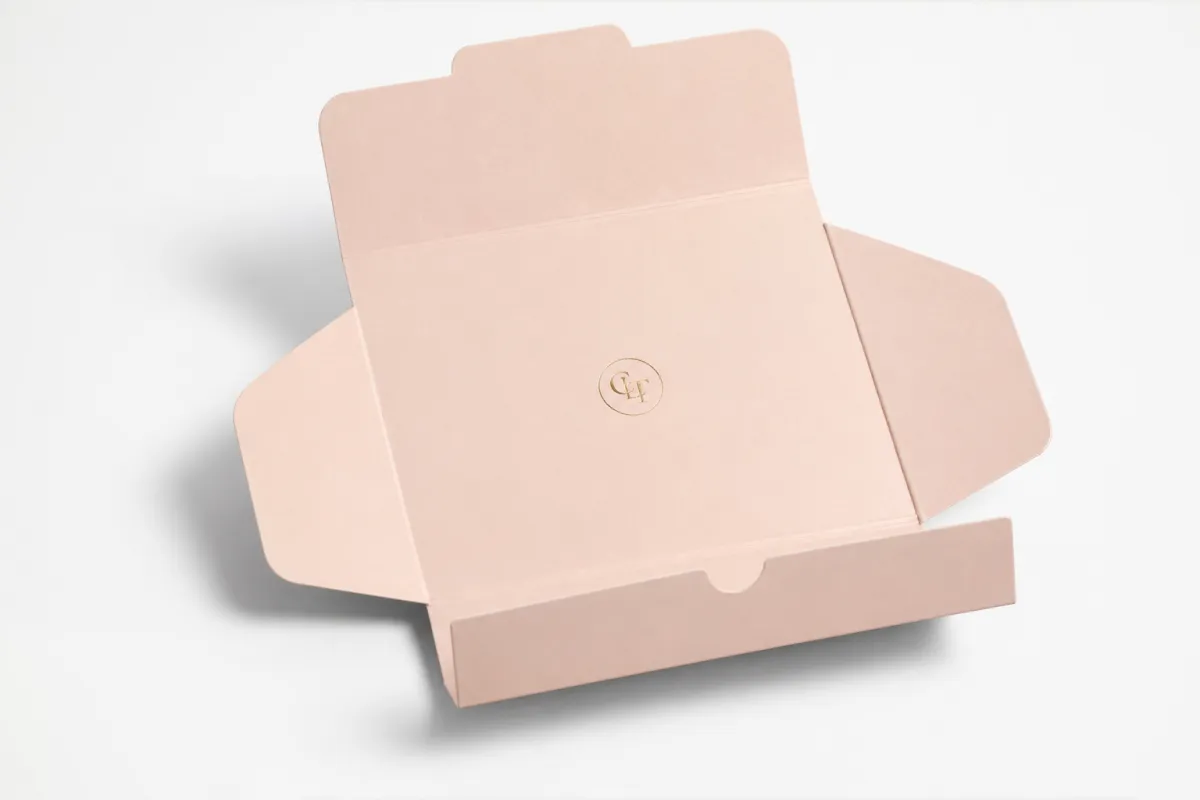
Most damage claims do not start with a failed outer mailer. They start with movement. A bottle can reach the customer intact and still feel cheap if it has been knocking against a kraft wall for two shipping days. I have seen that kind of thing turn a clean product launch into a stack of avoidable complaints. That is why custom mailer inserts wholesale matter far beyond fragile products. Cosmetics, candles, sample kits, electronics accessories, gift sets, and subscription boxes all benefit from an insert that keeps the contents where they belong and makes the opening feel intentional.
Custom mailer inserts wholesale also act as a margin-protection tool. A snug insert lowers product shift, reduces return risk, and cuts down on “the box arrived messy” complaints that eat support time. If your brand sells premium retail packaging or any branded packaging that needs to look composed on arrival, the insert is doing quiet work long before the customer lifts the product out of the box. Skip that work and the costs show up later in re-ships, refunds, and goodwill adjustments.
The cheapest insert is often the most expensive choice. A loose fit can lead to crushed corners, scuffed finishes, broken seals, and unboxing moments that feel careless. A better-built insert can save more than it costs, especially on items with healthy margins and repeat purchase potential. That is the value of custom mailer inserts wholesale: they defend margin and presentation at the same time.
A loose product is not premium packaging. It is a refund waiting to happen.
Before placing an order, set the decision criteria in plain language. Do you need cushioning, rigid support, or simply a clean presentation? Should the insert disappear visually, or should it carry print and reinforce package branding? Does the insert need to ship flat for freight savings, or arrive pre-assembled so the packing line can move faster? Those answers shape the quote more than most buyers expect.
Custom mailer inserts wholesale also work well for bundled products. One cavity for the main item, smaller pockets for accessories, and a printed message panel can make a kit feel planned instead of assembled at random. That matters in subscription packaging, seasonal promotions, and corporate gifting, where the insert helps tell the story before the product is even handled.
One more thing: the insert has to support the way people actually pack orders. If your team is hand-packing at a table, a complicated assembly can slow everything down. If the line is moving fast, a flat-shipped insert with clear folds may be the better call. The right choice is not always the fanciest one. It is the one that works without drama.
- Protection: reduce movement, scuffing, and breakage.
- Presentation: keep the kit aligned and easy to open.
- Speed: make packing more repeatable on the line.
- Cost control: lower damage, returns, and re-shipments.
Custom Mailer Inserts Wholesale: Product Types and Fit Options
No single insert structure works for every product. Custom mailer inserts wholesale come in a few different formats, and the right choice depends on weight, shape, fragility, and how much movement the item can take before the presentation starts to break down. Paperboard inserts suit light to medium items. Corrugated inserts bring more stiffness. Die-cut trays and compartmented layouts are the better answer when exact spacing matters for multiple pieces.
For cosmetics, lip products, and sample sets, a paperboard insert or folded sleeve often works neatly. For candles and glass bottles, corrugated or reinforced board usually makes more sense because those products need stronger side walls and a little more resistance to compression. For electronics accessories, charger bundles, and subscription kits, compartmented layouts keep each component in its own lane and stop smaller parts from sliding into the wrong cavity.
Fit is not a guess. A useful rule stays simple: if the product moves inside the mailer, the insert is too loose. If the product takes force to remove, the insert is too tight. Good custom mailer inserts wholesale land in the middle, holding the item securely without bruising corners, denting surfaces, or making the packing team wrestle the box closed.
Printed inserts can be worth the extra step, but not every program needs them. Plain kraft or white board often makes the smartest sense for speed and cost when the outer box already carries the brand. If the product goes direct to consumer and the insert is visible the moment the box opens, print can lift the experience. If the insert sits beneath tissue, a lid, or another layer, plain stock may be enough. That kind of packaging design judgment keeps a program from becoming overbuilt.
Custom mailer inserts wholesale also support different construction styles:
- Paperboard inserts: light, printable, and efficient for compact kits.
- Corrugated inserts: stiffer and better for added cushioning.
- Die-cut trays: precise fit for shaped items and premium retail packaging.
- Folded sleeves: fast to assemble and good for flat product stacks.
- Compartment layouts: useful for bundles, accessories, and sample programs.
If you already use custom printed boxes, the insert should support that system instead of competing with it. The outer mailer handles recognition. The insert handles restraint and presentation. Put those jobs together and custom mailer inserts wholesale start paying back in fewer complaints, cleaner packing, and stronger repeat orders.
Specifications That Matter Before You Order
Bad quotes usually begin with bad specs. Accurate custom mailer inserts wholesale pricing depends on the numbers that actually affect production: product dimensions, unit weight, number of items per mailer, target mailer size, and the finish you want. A sketch helps. Photos help. A sample sent to the production team helps even more because shape and tolerance become easier to judge when the item is in hand.
Material choice matters because it controls stiffness, print quality, and visual feel. Kraft board gives a natural look and tends to fit eco-oriented branded packaging. SBS board gives a smoother surface for sharper graphics. Corrugated stock adds structure and works better when the insert has to protect heavier or more fragile items. Recyclable options are available in many programs, but a recyclable spec still has to fit the product and the distribution channel. Green claims do not rescue a crushed bottle.
Structural specs matter just as much. Score lines determine fold behavior. Die cuts control cavity shape. Tuck points and locking tabs decide whether the insert stays together during packing. Some inserts ship flat to save freight space. Others arrive pre-assembled so the team can pack faster. Both approaches can work. The right answer depends on labor cost, carton density, and how many inserts move through the building each day.
If your product is sensitive to transit abuse, ask about test methods Before You Buy. The packaging industry relies on standards and practical testing for a reason. For shipping validation, many buyers reference ISTA-style distribution testing or ASTM D4169 concepts, and for fiber sourcing, FSC certification matters when paper stewardship is part of the brief. The details are not decorative. They separate a guess from a controlled spec. You can review the testing framework at ISTA and paper certification guidance at FSC.
Print specifications should be written clearly. One-color spot print usually costs less and moves faster than full coverage. Inside printing changes the price and can affect assembly if the print requires tighter registration. Outside printing is more visible, but it is not always necessary. on Custom Mailer inserts wholesale, print coverage can influence both the quote and the timeline because heavier ink coverage may require extra drying or finishing steps.
Before you approve anything, ask for tolerance limits. If the insert cavity is supposed to hold a bottle neck or a cosmetic tube, the measurements should be tight enough to stop wobble without forcing the product. For a batch with multiple items, ask whether every cavity will stay within the same production tolerance. Small differences become noticeable quickly when the box opens directly into the customer experience.
There is also a practical design question that often gets skipped: how forgiving is the insert if the product dimensions shift slightly in the future? A lot of brands revise bottle shapes, packaging caps, or accessory bundles after launch. A cavity that is too exact can save the first run and cause friction on the second. A little design breathing room can keep the program usable longer, which is kind of the whole point.
- Dimensions: product size, mailer size, cavity depth, and clearance.
- Weight: one item, total kit weight, and the heaviest component.
- Material: kraft, SBS, corrugated, or recyclable board.
- Construction: flat ship, pre-assembled, tab-lock, or folded.
- Print: spot color, full color, inside, outside, or blank.
Custom Mailer Inserts Wholesale Pricing, MOQ, and Quote Basics
Custom mailer inserts wholesale pricing comes down to a small set of real variables: material grade, structural complexity, insert size, print coverage, and whether the layout needs custom tooling or can be built from a simpler die pattern. The more cavities, folds, or unusual cutouts you need, the more the price rises. That is not vendor greed. That is setup, cutting, and labor.
For practical buying, price brackets help more than fantasy numbers. Simple kraft board inserts with minimal print often sit in the lower range. Multi-cavity or reinforced corrugated inserts usually land in the middle. Premium, high-coverage, die-cut programs move higher because they require more material, more setup, and more finishing time. As a rough buying guide, many custom mailer inserts wholesale programs fall somewhere around these ranges, depending on quantity and design:
| Insert Type | Best For | Typical MOQ | Approx. Unit Range | Lead Time Range |
|---|---|---|---|---|
| Plain kraft paperboard insert | Light products, sample packs, simple kits | 500-1,000 | $0.12-$0.28 | 7-12 business days after approval |
| Printed SBS insert | Cosmetics, retail packaging, cleaner graphics | 1,000-2,500 | $0.18-$0.42 | 10-15 business days after approval |
| Corrugated multi-cavity insert | Glass, candles, bundles, heavier kits | 1,000-3,000 | $0.24-$0.60 | 12-18 business days after approval |
| Premium die-cut printed insert | High-end unboxing, custom printed boxes, gift sets | 2,500+ | $0.35-$0.90 | 14-20 business days after approval |
Those ranges are buying references, not promises. Quantity, coverage, and board choice can move the number up or down. If the supplier has to create a new tool, expect setup costs. If you want a lower MOQ, expect a higher unit price. That tradeoff is normal. There is no magic supplier who absorbs setup and eats freight without charging for it somewhere.
Ask for a quote that breaks out the actual cost drivers. You want price by quantity tier, tooling charges, sample cost, shipping estimate, and artwork setup if any. If a vendor only gives one number with no explanation, the quote is basically fiction. For custom mailer inserts wholesale, landed cost matters more than the unit price because freight, samples, and rework can erase a bargain quickly.
Here is a simple comparison of what changes the price most:
- Material thickness: thicker board usually costs more and protects more.
- Insert complexity: more cavities and folds increase setup and labor.
- Print coverage: blank or one-color runs are cheaper than full coverage.
- Order quantity: higher volume lowers the per-unit cost.
- Assembly method: flat-shipped inserts are cheaper to freight; pre-assembled inserts can save labor.
If you are comparing custom mailer inserts wholesale vendors, compare the same spec, not just the same photo. A quote for thin board with minimal print is not comparable to a quote for reinforced corrugated with full-color interior printing. That sounds obvious, yet it gets missed often enough to create expensive surprises later.
Process, Lead Time, and Production Steps
The cleanest custom mailer inserts wholesale jobs follow a steady path: brief, recommendation, quote, dieline or sample, approval, production, and shipping. The more prepared the buyer is, the faster the order moves. The less prepared the buyer is, the more time disappears into questions that should have been answered before the quote ever left the factory.
- Send product specs. Include dimensions, weight, count per mailer, and target mailer size.
- Review the structure. Confirm whether the insert should be flat-packed, pre-assembled, printed, or plain.
- Approve a sample or dieline. This is where fit problems get caught cheaply.
- Lock artwork. Final graphics should be approved before production starts.
- Run production. Cutting, printing, finishing, and packing happen in sequence.
- Ship and inspect. Check one sample carton before you scale packing work.
Lead time depends on how much custom work the insert needs. A straightforward run can move from sample approval into production in a couple of weeks. More complex custom mailer inserts wholesale orders can take longer, especially if the job calls for special die cuts, full-color print, or a new board spec. A realistic planning window for many programs sits around 12-20 business days from final approval to shipment, with sampling adding another 3-7 business days if revisions are needed.
What slows projects down? Missing dimensions. Product weight changes after the brief. Artwork arrives late. A buyer wants to adjust the cavity after the sample has already been made. Those delays are routine, and they cost time. If speed matters, prepare the information before requesting the quote. That means the final product sample, the actual mailer size, the approved artwork file, and the shipping destination.
Rush work is possible, but it is not free and it is not always wise. If the insert is going into fragile product packaging, cutting the timeline too hard can backfire. A rushed, poorly checked insert can create more damage than it solves. Simple, flat-shipped inserts with standard board can often move faster. Complex designs or unforgiving products deserve more time and a tighter review.
Buyers who manage these projects well usually keep one rule in mind: never approve based on artwork alone. Approve based on fit. That means checking how the product sits in the insert, how easily it comes out, and whether the outer mailer closes without bulging. Good custom mailer inserts wholesale reduce labor because the packing team works with fewer adjustments and fewer rejected kits.
For brands ordering custom mailer inserts wholesale alongside other packaging components, it helps to consolidate the brief. If the same launch also needs Custom Packaging Products or matching Custom Poly Mailers, the specs should be reviewed together. Separate orders often create separate mismatches. That is how a well-designed package ends up feeling clumsy in use.
One practical habit can save a lot of back-and-forth: ask for a flat sample and an assembled sample if the structure is anything beyond a simple fold. The flat version helps you judge shipping efficiency. The assembled one shows real fit. That extra check is usually worth it, especially for custom mailer inserts wholesale that need to hold more than one item.
Why Buyers Choose Us for Wholesale Packaging Programs
Wholesale sourcing should feel like a supply-chain decision, not a decorative purchase. Buyers come back because the specs are clear, the fit is repeatable, and the pricing stays steady enough to plan around. That matters more than clever sales language. Custom mailer inserts wholesale should save time on reorder one and reorder ten, not create fresh problems every quarter.
A strong manufacturing partner lowers risk before production starts. That means checking dielines, confirming tolerances, and calling out assembly issues before the order reaches the floor. It also means giving practical guidance on material selection instead of pushing the most expensive option because it looks impressive in a quote. Honesty is cheaper than rework. Usually.
For brands building long-term branded packaging, the real value is consistency. If the insert fit stays locked, the packaging design stays stable, and the packing team does not have to re-train every time a shipment arrives, the whole program gets easier to manage. That matters especially for subscription brands, retail packaging programs, and direct-to-consumer lines that scale quickly. Custom mailer inserts wholesale fit neatly into that model because the same insert spec can support growing volume without changing the customer experience.
Repeat ordering also gets easier when tooling is saved and the spec is documented cleanly. If cavity depth, board type, print setup, and fold pattern are already approved, the next run is faster and less risky. That is one reason buyers often keep their insert supplier aligned with the rest of the packaging program through Wholesale Programs. It gives them one place to manage specs instead of juggling three vendors and hoping the measurements match.
Planning is another benefit. A dependable wholesale partner can help you forecast what happens when sales jump. If the order moves from 1,000 units to 5,000 units, the insert may need a different production approach, different freight assumptions, or a revised assembly method. That kind of guidance keeps custom mailer inserts wholesale from becoming a bottleneck while the rest of the business is moving faster.
From a packaging buyer’s point of view, the best programs are boring in the right way. The insert fits. The customer does not complain. The box opens cleanly. The sales team likes the look. Nobody has to rescue a shipment at the last minute. That is the standard worth paying for.
Next Steps to Order Custom Mailer Inserts Wholesale
If you want accurate custom mailer inserts wholesale pricing, start with the product instead of the packaging fantasy. Measure the item. Confirm the mailer size. Decide how many units go in one box. Choose the material based on weight and finish, not mood or appearance alone. Then ask for a quote with those numbers attached.
Send photos if the product shape is unusual. Send a sample if the item is fragile or premium. Send the artwork only after the structure has been approved. That sequence saves time because the production team can judge fit before they judge print. It is a simple way to keep the job moving without burning time on avoidable revisions.
If you are unsure about material choice, ask for a prototype or a short run. That is especially smart for glass, ceramics, cosmetics with delicate finishes, and anything that needs to look polished on arrival. A sample costs less than a container of damaged units. For custom mailer inserts wholesale, testing the cavity once is usually far cheaper than learning the hard way across hundreds of shipments.
Use this checklist before requesting pricing:
- Product dimensions and weight
- Number of items per mailer
- Target mailer size
- Insert material preference
- Print requirements
- Quantity tiers
- Shipping destination
- Approval contact
For buyers who want to compare packaging options across a broader program, it helps to review the full lineup of Custom Packaging Products and align the insert with the outer pack instead of treating it as an afterthought. That is where package branding gets stronger and where product packaging starts to feel finished rather than improvised.
Custom mailer inserts wholesale are not hard to buy once you know what matters: fit, material, print, lead time, and landed cost. Send the specs, ask for a sample if the product is fragile, and request a quote that breaks out the real drivers. If you are moving toward an order, the cleanest next step is to lock the product dimensions, the mailer size, and the insert style before anyone starts talking about artwork or finish.
Frequently Asked Questions
What are custom mailer inserts wholesale orders typically used for?
They hold products still inside mailers so items do not shift, rub, or break in transit. Common uses include cosmetics, candles, glass bottles, electronics accessories, gift sets, and subscription kits. They also improve presentation, which matters when the outer mailer opens directly into the customer experience. For many brands, custom mailer inserts wholesale are as much about reducing returns as they are about structure.
How do I choose the right material for wholesale mailer inserts?
Match the material to product weight and fragility. Heavier or breakable items usually need thicker board or corrugated stock. Kraft gives a natural look and a lower cost profile. SBS supports smoother print quality. Corrugated adds protection. If the insert must look premium and hold tight tolerances, request a sample before approving the full run. That is the sensible route for custom mailer inserts wholesale.
What affects custom mailer insert wholesale pricing the most?
Material type, insert complexity, size, print coverage, and order quantity are the biggest drivers of cost. Tooling and setup matter a lot on smaller runs, which is why low MOQ orders usually carry a higher unit price. Freight and sample costs should also be included when comparing vendors. Otherwise the quote is not a quote. It is a tease.
What is the usual MOQ for custom mailer inserts wholesale?
MOQ depends on the design, material, and production method, so there is no universal number that helps a buyer plan every project. Simple inserts may start lower, while complex die-cut or printed programs often need higher quantities to make setup worthwhile. The tradeoff is straightforward: lower MOQ gives flexibility, higher quantity lowers unit cost. For custom mailer inserts wholesale, that tradeoff is normal.
How long does production usually take for custom mailer inserts wholesale?
Timing depends on sampling, artwork approval, material availability, and whether the insert needs custom cutting or printing. Straightforward runs move faster than highly customized inserts with multiple revisions or specialty finishes. A practical planning window is often 12-20 business days from final approval to shipment, plus sample time if needed. If the project is time-sensitive, lock the spec sheet, artwork, and quantity before asking for the lead time on custom mailer inserts wholesale.

