Buyer Fit Snapshot
| Best fit | Custom Mailing Bags for Fulfillment projects where brand print, material claims, artwork control, MOQ, and repeat-order consistency need to be specified before quoting. |
|---|---|
| Quote inputs | Share finished size, material target, print colors, finish, packing count, annual reorder estimate, ship-to region, and any compliance wording. |
| Proofing check | Approve dieline scale, logo placement, barcode or warning zones, color tolerance, closure strength, and carton packing before bulk production. |
| Main risk | Vague material claims, crowded artwork, missing packing details, or unclear freight terms can make a low unit price expensive after revisions. |
Fast answer: Custom Mailing Bags for Fulfillment: What Actually Matters should be specified like a repeatable production item. The safest quote records material, print method, finish, artwork proof, packing count, and reorder notes in one written spec.
Production checks before approval
Compare the actual filled-product size with the drawing, then confirm tolerance on folds, seals, hang holes, label areas, and retail display edges. Reserve space for logos, QR codes, warning copy, and material claims before decorative graphics fill the panel.
Quote comparison points
Review material grade, print process, finish, sampling route, tooling charges, carton quantity, and freight assumptions side by side. A quote is only useful when the supplier can repeat the same color, closure quality, and packing count on the next order.
Custom Mailing Bags for fulfillment tend to look like a small purchasing decision right up until the packing line starts moving at full speed and every weak point shows itself. A bag that is too large wastes film and leaves the shipment looking loose. A bag that is too thin can split at the seal or tear along a stressed edge. A bag that opens badly slows the packer down, and a print layout that was built for the wrong size can make even a good product look unfinished. The bag cost is rarely the whole story. The real cost hides in labor, rework, overshipment, returns, and the brand impression that reaches the customer before the product does.
I have seen fulfillment teams lose more time to packaging friction than to the actual order itself. A mailer that fits cleanly, seals in one motion, and prints with a crisp, readable design can save seconds on every order while keeping the parcel neat from dock to doorstep. Multiply a few seconds by a few thousand shipments and the difference starts showing up in labor plans, error rates, and the calmness of the whole operation. Custom mailing bags for fulfillment are packaging, yes, but they are also part of the operating rhythm.
That is why the best choices are practical before they are pretty. The bag has to support product packaging, package branding, and packing speed at the same time. If it only looks good in a mockup, the warehouse still pays for the mistake. If it works in real order flow, the business gets packaging that quietly earns its keep every day, which is kinda the whole point.
Custom mailing bags for fulfillment: what they are and why they matter
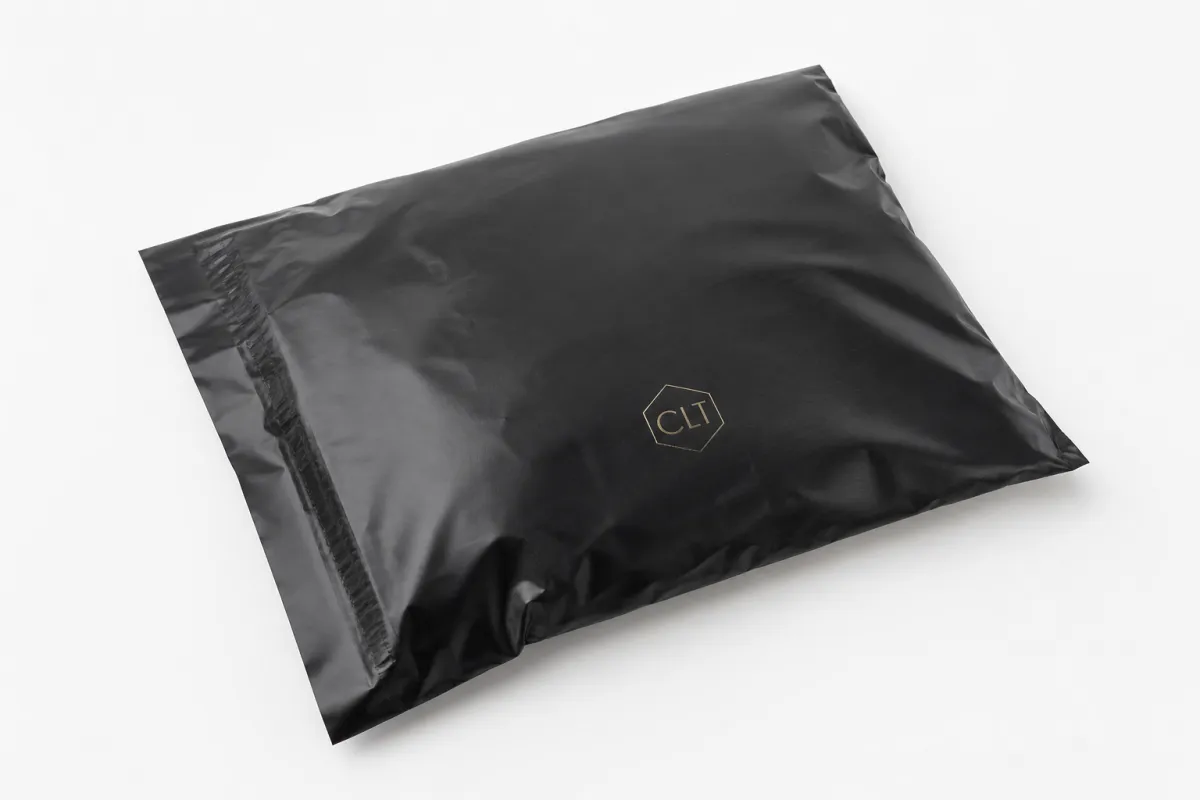
Custom mailing bags for fulfillment are branded shipping bags built around a specific product, packing style, and order profile. They are not just stock poly mailers with a logo added on afterward. The better versions are sized for the packed unit, matched to the seal style the team actually uses, and chosen with handling conditions in mind. That sounds straightforward, but plenty of buyers still work from a product photo, a rough guess, and the hope that the dimensions will sort themselves out later. They usually do not.
The reason these bags matter is simple. A mailer that fits well reduces slack, holds shape better, and creates a cleaner presentation at the end of the pack-out. It can also help control shipping cost if an oversized bag pushes the shipment into a worse dimensional weight bracket. A few millimeters on paper may look harmless. In a shipping environment, those same millimeters can change the bill. Packaging has a way of making tiny errors expensive.
From the buyer’s side, custom mailing bags for fulfillment sit in the middle of several priorities at once. They affect labor, they affect damage risk, and they affect how the order feels when the customer opens it. If your line already uses Custom Poly Mailers in part of the assortment, fit and consistency become even more important. The same logic applies when the rest of the system includes retail packaging or a broader mix of Custom Packaging Products for bundles, kits, and add-on items.
Branding matters, but it should not outrank function. A restrained one-color print on the right-sized bag often looks more professional than a crowded design printed on a mailer that is too large for the product. That kind of choice is not flashy, yet it is usually what keeps the warehouse moving and the customer experience feeling deliberate instead of improvised.
Custom mailing bags for fulfillment are not the same as Custom Printed Boxes. Boxes make sense when the item needs structure, crush resistance, or a more layered unboxing experience with inserts and tissue. Bags make sense for flexible goods, apparel, soft goods, and products already protected inside their own carton. Treating those formats as interchangeable tends to create more waste, more labor, and more disappointment than most teams budget for.
The strongest packaging choice is the one that survives the packing line first and still looks like your brand at the end of the trip.
That perspective keeps the decision grounded. Custom mailing bags for fulfillment can absolutely support brand image, but only if they are built to suit the way the operation actually works. A bag that makes the team slower or the shipment less reliable is not premium packaging. It is just expensive inconvenience with a logo on it.
How custom mailing bags for fulfillment work in the packing line
The packing flow is usually simple: pick the order, place the product in the mailer, seal it, apply the label, and send it to carrier handoff. Custom mailing bags for fulfillment earn their value in the small moments between those steps. If the mailer opens cleanly, lays flat, and closes with a single confident press, the packer keeps pace without interruption. If the bag clings to itself, wrinkles awkwardly, or takes two hands to close properly, the line slows down. Small delays feel small until they repeat all day.
Compared with cartons, custom mailing bags for fulfillment can remove a surprising amount of handling. There is less assembly, less tape, less void fill, and less time aligning edges. That simplicity is especially useful for apparel, printed inserts, accessory kits, and other product packaging that does not need a rigid outer shell. In a busy fulfillment center, simple is not a luxury. Simple is how the work stays on schedule.
The closure system deserves close attention. Peel-and-seal strips are usually the fastest option for shipping. Pressure-seal designs can work well in controlled pack environments where tamper resistance matters. Reclosable styles make sense for some return-heavy categories, though they can slow things down if the adhesive or flap design is awkward. Custom mailing bags for fulfillment should fit the product lifecycle. A one-way shipment does not need a closure built for repeated openings, and a category with regular returns should not be forced into a closure that frustrates the customer.
Size has a bigger effect than many buyers expect. A bag that is too small forces the packer to compress the item, which can hurt presentation and sometimes the product itself. A bag that is too large creates excess slack, extra fold-over, and a messy final appearance. Custom mailing bags for fulfillment should be sized to the actual packed unit, not the marketing dimensions on a spec sheet. That means measuring the product with all inserts, labels, sleeves, and protective layers in place. Real packed size is the number that matters in the warehouse.
Custom mailing bags for fulfillment usually handle three jobs at once:
- They reduce the number of steps needed to complete an order.
- They shield the product from dirt, scuffs, and light moisture exposure.
- They give the shipment a consistent branded packaging surface.
That third job is easy to overlook. A mailer is often the first visible part of the order the customer sees, even before the item comes out. Crisp artwork, stable proportions, and clean seal lines create a sense of care. A stretched print, a bag that looks overfilled, or a logo positioned for a different size makes the whole shipment feel rushed. Customers notice that faster than teams usually expect.
Some packaging teams validate new mailers against distribution methods from ISTA when the product is sensitive or the carrier route is rough. That kind of testing is useful because the bag does not live only on the packing bench. It has to handle the conveyor, the truck, and the moment the customer opens the parcel at home. A packaging choice is only real after it survives those steps.
Cost, pricing, and MOQ for custom mailing bags for fulfillment
Pricing for custom mailing bags for fulfillment is shaped by more than one line item, and the first quote rarely tells the whole story. Bag size, film gauge, print coverage, closure type, color count, and order quantity all push the number in different directions. Larger bags use more material. Thicker film uses more resin. More print area means more setup. Lower quantities spread setup costs across fewer units. None of that is surprising, yet buyers still get caught off guard when a small run costs far more per piece than expected.
At volume, many buyers see custom mailing bags for fulfillment land somewhere around $0.12 to $0.35 per unit, depending on size and print complexity. Small orders can sit above that range. A 1,000 to 3,000 unit run often carries setup costs more heavily than material costs, while 5,000 to 10,000 units usually start to show more attractive pricing. MOQ matters because it marks the point where the math begins to work in your favor instead of punishing caution.
The minimum order quantity will vary by print method. Digital short runs often allow lower quantities, sometimes around 500 to 1,000 units, though the unit price is higher. Flexographic or plate-based printing usually wants more volume, often 3,000 to 5,000 units or more, because the setup is spread across a larger run. If your artwork changes often, the higher per-unit cost of a short run may still be the better business decision. If the design is stable and the SKU turns predictably, a larger run is often the cleaner choice.
The lowest quote is not always the best value. A cheaper mailer with weak film can tear at the seal, split under pressure, or arrive looking limp and tired. Then the savings disappear into replacements, customer service time, and reshipments. Custom mailing bags for fulfillment should be judged on total cost, not just the line showing unit price. Labor, damage rate, postage impact, and the risk of obsolete stock all belong in the same conversation.
Here is a practical comparison framework buyers can use when reviewing custom mailing bags for fulfillment:
| Option | Typical Unit Cost | Best For | Main Tradeoff |
|---|---|---|---|
| Stock poly mailers, no print | $0.05-$0.12 | Testing, temporary promos, low brand emphasis | Limited package branding and less control over fit |
| One-color custom print, standard film | $0.12-$0.24 | Stable SKUs, branded packaging, recurring orders | Needs setup and a clearer forecast |
| Full-coverage print, heavier gauge | $0.20-$0.35+ | Premium presentation, higher handling protection | Higher MOQ and more inventory to store |
| Special closure or tamper-evident build | $0.18-$0.40+ | Returns-sensitive or security-sensitive shipments | Can slow packing if the closure is overbuilt |
That table is a reality check, not a quote. Custom mailing bags for fulfillment should be compared at several volumes, usually 1,000, 3,000, 5,000, and 10,000 units if the supplier can support those tiers. The step-down between quantities tells you much more than a single price ever will. A supplier that only gives one number is asking you to guess where the economics change. Guessing is a weak procurement strategy.
If you are weighing custom mailing bags for fulfillment against custom printed boxes, do not compare unit price alone. Compare throughput, damage risk, and postage behavior too. Boxes may cost more to build and pack, yet they can still be the right answer for heavier or more fragile goods. Mailers often win for flexible products because they use less material, take less space, and need less labor. The right choice depends on the order profile, not on which line item looks friendlier on a spreadsheet.
Process and timeline: production steps for custom mailing bags
The production path for custom mailing bags for fulfillment usually begins with a brief, then moves through specs, artwork, proofing, approval, printing, conversion, packing, and freight. The sequence is simple enough. What causes trouble is missing detail. If the bag size, film gauge, seal style, or print area is vague, the proof loop becomes slow and the timeline stretches out. Packaging vendors need precise instructions. They do not fill in the blanks the way a design team might hope.
Proofing can take one to three business days when the artwork is clean and the dieline is already settled. Production often takes ten to twenty business days after approval, depending on the print method and the factory schedule. Freight adds another layer. Air moves quickly and costs more. Ocean is slower and cheaper. Neither option cares about your launch date, which is why custom mailing bags for fulfillment should be planned earlier than most teams think they need to.
Late changes are where schedules really slip. Artwork corrections, color revisions, vague size instructions, and surprise material substitutions create the longest delays. If the supplier has to adjust film or change the closure because the original spec was incomplete, lead time can expand fast. Clear specifications save more time than a dozen polite follow-up emails.
For more technical validation, some teams look at film properties such as tensile strength under ASTM D882 or use moisture barrier references when the product needs a stable storage environment. Not every mailer needs that level of documentation, but the more sensitive the product is, the more useful measurable requirements become. Phrases like “strong enough” are hard to manufacture against and even harder to enforce later.
Planning buffer matters. If a stockout would stop a launch, ordering to the edge of the forecast is a risky move. Build room for proofing delays, transit lag, and a few damaged cartons on arrival. Custom mailing bags for fulfillment are packaging supplies, yes, but they are also inventory. Inventory needs cushion, or it becomes a problem just when the business wants it to be invisible.
A clean workflow for custom mailing bags for fulfillment usually looks like this:
- Measure the packed product and confirm the real finished dimensions.
- Choose bag size, film gauge, closure, and print coverage.
- Review a proof with exact color placement and logo position.
- Approve a sample or pre-production run if the line is sensitive.
- Release the full order only after the trial behaves properly in the warehouse.
If the job includes paper components or a mixed-material retail packaging system, a sustainability check belongs in the process before the spec is locked. For paper-based materials, the FSC system at fsc.org is a useful reference for chain-of-custody expectations. That does not make a mailer sustainable by itself, but it does help ground the claim in a real standard rather than a vague promise.
Key factors to compare before you order custom mailing bags for fulfillment
Fit comes first. Custom mailing bags for fulfillment should be based on the packed product, not the bare item. Add inserts, instruction cards, tissue, tags, sleeves, or any protective layer that stays with the shipment. Then make sure the bag closes without straining the seal line and without leaving so much extra room that the product shifts around during handling. A mailer that matches the actual packed unit is more useful than a larger one that only looks safer in a planning sheet.
Material and gauge are next. For many e-commerce products, 2.5 to 3 mil film is a sensible starting point, though heavier or sharper products may need a thicker build. Thinner film lowers cost, but it can become a false economy if it tears in transit or arrives looking limp. Thicker film adds cost and can make the bag feel stiffer. The best choice is usually the lightest gauge that still survives packing, carrier movement, and the occasional warehouse mistake. There will be mistakes. Warehouses are full of people, and people are not perfect.
Print strategy shapes both brand and inventory risk. Full-bleed artwork can look striking, but a simpler one-color logo may be the smarter move if the SKU changes often or the launch calendar is moving quickly. Are you building a stronger brand identity for a new product line, or do you mainly need a tidy branded packaging surface that keeps the order feeling intentional? That answer should drive the print choice. Heavy artwork can be impressive, yet it also locks in more design risk if the packaging needs to change later.
Customer experience belongs in the decision too. Custom mailing bags for fulfillment are part of the opening moment, even if no customer ever uses those words. A sleek mailer can elevate a modest order. A flimsy one can make a premium product feel cheap before the item is even revealed. Packaging should match the promise being made and the price point being sold. A value item needs efficiency, but it still deserves a clean presentation. A luxury item needs more, but even a mid-tier product should not arrive looking improvised.
Use this checklist while comparing suppliers:
- Size: does the packed unit fit with room for a clean seal?
- Film gauge: is the material strong enough for handling without being overbuilt?
- Closure: does the seal match the return rate and packing speed target?
- Print coverage: does the artwork support the brand without inflating cost or inventory risk?
- Order quantity: does the MOQ fit the sales forecast and storage space?
- Carrier profile: will the mailer survive the route your shipments usually take?
That last point deserves more attention than it usually gets. A fulfillment center shipping locally all day is not handling the same stress as one that pushes cross-country parcels through multiple touchpoints. Custom mailing bags for fulfillment should reflect the route, not only the product. The carrier network is efficient and indifferent. It does not care whether the bag matches the brand mood board.
Consistency across the packaging system matters too. If one category uses custom printed boxes and another uses mailers, the color, typography, and logo placement should still feel related. Customers notice when the packaging family looks connected. They notice just as quickly when one item feels like it came from a different brand. That kind of disconnect weakens package branding even when every individual piece is technically correct.
Common mistakes that make custom mailing bags for fulfillment expensive
Guessing the size is the first mistake. A team estimates the product dimensions from memory, picks a bag that seems close enough, and hopes the numbers behave. They usually do not. A mailer that is slightly too large can raise postage exposure, waste film, and slow the line because the packer has to manage extra slack. Custom mailing bags for fulfillment should be spec'd from real packed measurements. Anything less is a hopeful guess with a purchase order attached.
Chasing the thinnest film is the second mistake. Lower cost per unit looks attractive until the seam tears, the bag splits under pressure, or the shipment arrives looking weak before the customer opens it. The saving disappears the first time a damaged parcel is replaced. Custom mailing bags for fulfillment need enough strength to survive the warehouse and the carrier network. That does not mean overbuilding every order. It means avoiding the false comfort of a flimsy bag that cannot carry the job.
Over-printing a design that changes often is the third mistake. Seasonal text, promotional language, and short-lived artwork can leave dead stock behind if the run is too heavy. That becomes wasted money and wasted storage. A better approach is to keep the bag design stable and let inserts, stickers, or labels carry the changing message. Custom mailing bags for fulfillment should support the business rhythm, not fight against it.
Skipping a pilot is the fourth mistake. A mailer can look perfect in proof and still behave badly on the packing table. Maybe it is hard to open. Maybe the closure is too aggressive. Maybe the finish slips against the bench. Maybe the dimensions are just off enough to create annoyance. A small pilot on real orders often reveals all of that before the full launch starts. That is a lot cheaper than learning the lesson after customers have already started opening parcels.
Forgetting storage and forecast is the fifth mistake. Order too few custom mailing bags for fulfillment and a re-order delay can stop shipping. Order too many and you carry obsolete inventory that may no longer match the design or the current SKU mix. Neither outcome is elegant. A sound buying plan balances MOQ, burn rate, lead time, and expected design life. Procurement is part math and part patience.
The problem often gets worse when the mailer is chosen in isolation. The bag gets selected apart from inserts, custom printed boxes, and the rest of the retail packaging system. The result may still function, but the colors and tone drift apart. That subtle mismatch weakens the package branding more than many teams realize. A fragmented system rarely feels premium, even when each individual item looks fine on its own.
Watch for these warning signs before you place the order:
- The bag size was chosen before the real packed unit was measured.
- The quote only showed one quantity, so the price curve is hidden.
- The artwork was built for a different mailer size.
- The closure was never tested for packing speed.
- No one checked the carrier profile or damage risk.
None of those problems is dramatic by itself. Together, they turn custom mailing bags for fulfillment into a costly lesson. Packaging often works that way. The first assumption feels harmless, then it becomes a recurring expense that nobody wants to own in a meeting.
Expert tips and next steps for custom mailing bags for fulfillment
Start with samples, but test them in motion. Order two sizes, two film gauges, and more than one closure style if possible. Run them on actual orders rather than desk samples. Watch how long packing takes, whether the seal closes properly, whether the product shifts inside the bag, and whether the team naturally reaches for one size more than the others. Custom mailing bags for fulfillment should be proven where the work happens, not only approved in a meeting with a polished deck.
Measure three things during the pilot if you can: pack time per order, damage or rework rate, and customer complaints tied to shipping presentation. Those numbers tell a much clearer story than a mockup ever will. A mailer that saves four seconds but increases claims is not a win. A slightly more expensive bag that lowers labor and reduces reships often pays for itself faster than expected. The math is steady rather than dramatic, which is exactly why it is useful.
Lock the final spec only after the warehouse confirms the bag behaves properly. The opening should be easy, the seal should hold, and the finished package should stack well for carrier pickup. If the mailer bunches, slips, or creates extra handling, fix it before scaling. Custom mailing bags for fulfillment are one of those packaging choices where a small adjustment can remove a lot of daily friction. The boring option is often the profitable one.
Teams building a wider packaging stack usually do best when they think in layers. Let the mailer handle speed and branding, let inserts handle instructions or promotion, and use rigid outer formats only where they are truly needed. Some categories may ship in bags, some in boxes, and some in a hybrid format. That is normal. Smart product packaging rarely looks identical across every SKU. It looks consistent where consistency matters and practical where the product demands it.
If you are comparing options now, line up a short list of Custom Poly Mailers specs against your current order profile and compare them with the rest of your Custom Packaging Products. That gives you a real view of the tradeoffs instead of a vague feeling that the branded option seems nicer. Nice is not a spec. It is a reaction, and reactions do not survive the packing table.
Custom mailing bags for fulfillment work best when they are built around the actual pack-out, not assumptions. Choose the Right size, film, closure, and print strategy early. Test it. Measure it. Adjust it. Then place the order at a quantity that gives you pricing efficiency without burying the warehouse in obsolete inventory. If you want the shortest path to a good result, start by measuring the packed unit, confirm the closure speed on the line, and compare quotes at several volume tiers before you approve the final art.
FAQ
Are custom mailing bags for fulfillment better than plain poly mailers?
They are a better choice when brand consistency, fit, and pack speed matter enough to justify setup cost. Plain mailers can still work for testing or very short runs, but custom mailing bags for fulfillment usually make more sense once the order volume settles and the customer experience needs to look more deliberate.
What size should custom mailing bags for fulfillment be?
Measure the packed product, not the item alone. Add room for inserts, a clean seal, and any protective layer used during pack-out. If you are between two sizes, test both. Too small creates stress and damage risk. Too large wastes material, can affect postage, and makes the shipment look loose.
How many custom mailing bags for fulfillment should I order first?
Start with a pilot quantity that covers a real sales window instead of an optimistic forecast. If the business is still learning the demand pattern, order the smallest run that still gives useful data on pack time, damage rate, and customer feedback. That is a better use of cash than filling storage with a guess.
What affects the cost of custom mailing bags for fulfillment the most?
Size, film thickness, print coverage, closure type, and order quantity move the price more than most buyers expect. The cheapest unit price is not automatically the best value if the bag tears, increases postage, or slows packing. Custom mailing bags for fulfillment should be evaluated on total cost, not just the headline quote.
How do I get an accurate quote for custom mailing bags for fulfillment?
Share exact dimensions, target weight, artwork requirements, closure type, and estimated quantities across several tiers. Ask for pricing at multiple volumes so you can see where the real savings begin. A supplier that gives only one number and little else has not given you a quote that is actually useful for planning.
Custom mailing bags for fulfillment are worth doing well because they influence labor, damage, and brand perception all at once. Measure the packed unit, test the bag on a real line, and choose the smallest spec that still holds up under your shipping conditions. That is the practical takeaway, and it is usually the difference between packaging that merely looks good and packaging that actually helps the business.

