Buyer Fit Snapshot
| Best fit | Custom Mailing Bags for Online Stores projects where brand print, material claims, artwork control, MOQ, and repeat-order consistency need to be specified before quoting. |
|---|---|
| Quote inputs | Share finished size, material target, print colors, finish, packing count, annual reorder estimate, ship-to region, and any compliance wording. |
| Proofing check | Approve dieline scale, logo placement, barcode or warning zones, color tolerance, closure strength, and carton packing before bulk production. |
| Main risk | Vague material claims, crowded artwork, missing packing details, or unclear freight terms can make a low unit price expensive after revisions. |
Fast answer: Custom Mailing Bags for Online Stores: Film, Print, MOQ, and Carton Packing should be specified like a repeatable production item. The safest quote records material, print method, finish, artwork proof, packing count, and reorder notes in one written spec.
Production checks before approval
Compare the actual filled-product size with the drawing, then confirm tolerance on folds, seals, hang holes, label areas, and retail display edges. Reserve space for logos, QR codes, warning copy, and material claims before decorative graphics fill the panel.
Quote comparison points
Review material grade, print process, finish, sampling route, tooling charges, carton quantity, and freight assumptions side by side. A quote is only useful when the supplier can repeat the same color, closure quality, and packing count on the next order.
Custom Mailing Bags for Online Stores: How to Choose
Custom mailing bags for online stores seem like a minor line item until the first batch goes out the door. Then the details show up quickly: crushed corners, split seams, extra seconds at the pack station, a logo that scuffs before the parcel reaches the customer. One weak choice can ripple through damage rates, labor cost, and brand perception at the same time.
The cheapest option rarely wins on the warehouse floor. A better bag fits the product, seals cleanly, survives sorting belts and truck vibration, and leaves room for branding without slowing fulfillment. That balance matters for apparel, accessories, and other light goods that ship best in moisture-resistant packaging with a low weight penalty.
Custom Mailing Bags for Online Stores: Why They Matter
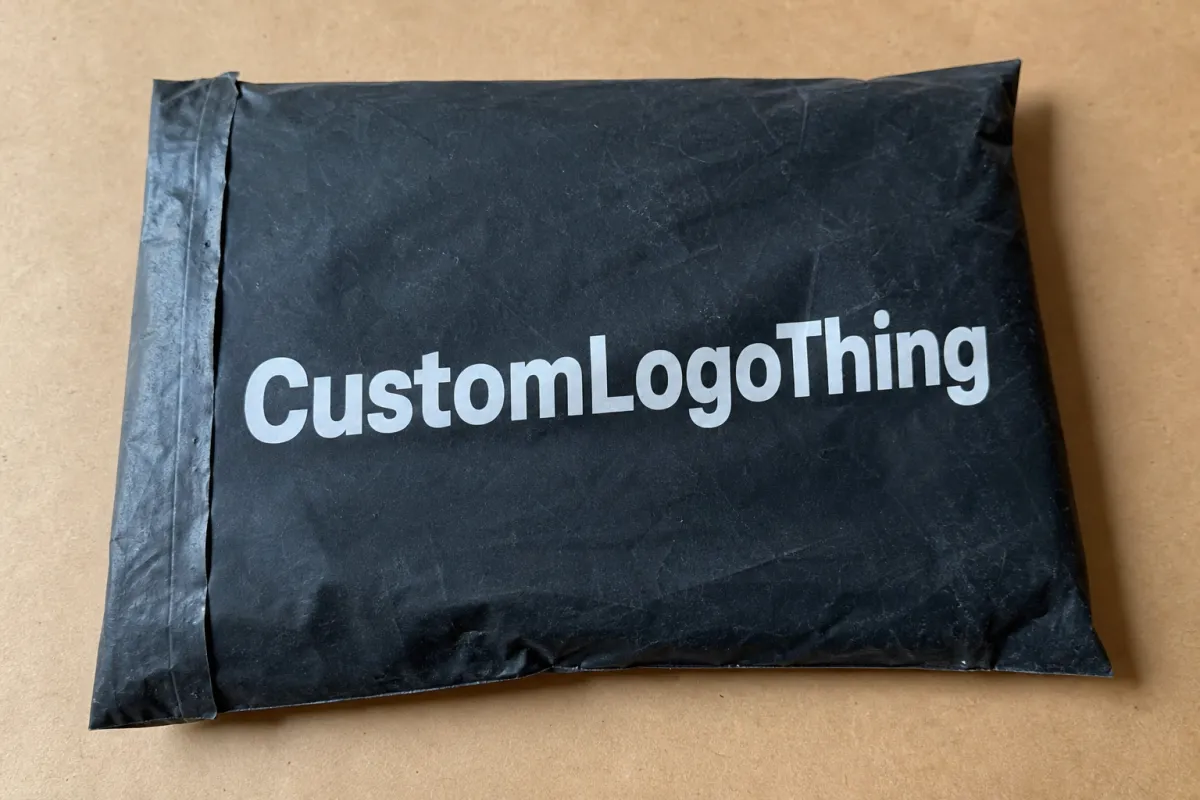
Most return problems begin quietly. The bag looked fine during approval, then the adhesive failed, the print rubbed off, or the package arrived with the kind of plain, generic look that makes a purchase feel forgettable. For online sellers, that means higher rework, more customer service time, and a weaker first impression all at once.
Custom mailing bags for online stores are printed or color-matched poly mailers built for light, flexible products moving through parcel networks. They work well for folded apparel, socks, scarves, cosmetics accessories, documents, and other items that do not need the crush protection of a corrugated box. A good mailer stays light, resists moisture, stores easily, and closes quickly, which is why it shows up so often in ecommerce fulfillment.
The branding effect is easy to underestimate. A mailer is usually the first physical object the customer touches from the store, so it becomes part of package branding and the wider product packaging system. A crisp logo, a strong color field, or a simple repeat pattern can make the parcel feel considered. A blank bag can make even a well-packed order look disposable.
Looks only solve part of the problem. The bag still has to hold up under sortation, stacking, truck movement, and the occasional rough drop at a dock. Material strength, seal performance, print quality, and cost have to be evaluated together. The best results come from treating the mailer as a working part of fulfillment, not as decoration attached at the end.
Stores with more than one outer-packaging format often get better results by thinking in systems rather than single products. Some pair custom mailers with Custom Poly Mailers for apparel and with boxes for heavier or fragile goods. Others keep the entire outer-packaging line under a coordinated Custom Packaging Products program so the customer sees one consistent brand across categories.
How the Packing and Shipping Process Works
Choosing the Right mailing bag starts with the order flow, not the catalog. The bag sits near the end of the process, yet it affects almost every step before the label is applied. A good fit keeps fulfillment tidy and predictable. A poor fit turns the bag into a bottleneck that staff have to fight with all day.
From Pick to Seal
The sequence usually begins with picking the product and folding or kitting it into ship-ready form. That matters because retail size and packed size are not the same thing. A sweatshirt that hangs neatly on a rack can still need a surprisingly large mailer once it is folded. A small accessory may fit a slim bag, but rigid inserts or sharp corners can demand stronger film.
Once the item is staged, the bag is opened, the product goes in, the adhesive flap is closed, and the parcel is labeled. The steps are simple. The impact of bad sizing is not. A bag that is too tight slows loading. A bag that is too loose shifts in transit and makes the order look sloppy. Good sizing supports both speed and presentation.
Common Bag Formats
Most online stores compare a few familiar formats before placing an order. Plain poly mailers are the simplest choice and work well for internal shipping or ultra-budget programs. Self-seal mailers use a pressure-sensitive adhesive flap, which keeps pack-out fast and removes the need for tape. Tamper-evident styles add visible closure security, while gusseted bags create more room for bulkier soft goods without forcing them into a stretched shape.
Film thickness changes how the bag performs. Lightweight options may sit around 2.5 to 3 mil for softer products, while heavier apparel programs often move toward 3.5 to 4 mil or more, depending on the material blend and shipping distance. Thicker film usually feels sturdier and resists scuffing better, but it can cost more and take slightly more effort to seal if the flap is narrow or the contents are bulky.
Print Setup and Production
Decoration is usually straightforward, though it still deserves attention. Artwork is prepared, proofs are reviewed, the print method is set up, and production begins after the layout is approved. Clean vector art, accurate brand colors, and a clear print zone help the result look sharper on flexible film, where fine details lose definition more easily than they do on rigid stock.
Lead time depends on the printing method, color count, and whether the supplier needs plates or can run a digital setup. A simple two-color logo on a standard bag can move faster than a full-coverage print with special finishes. Buyers still need to account for proofing, manufacturing, and freight. Straightforward orders may move in roughly 12 to 15 business days after proof approval, while more complex runs can take longer, especially if the store ships to multiple locations or needs inventory before a peak sales period.
Storage and handling matter on the packing floor too. Bags should arrive in a format that fits the workspace, whether that means a flat carton at the pack station or a dispenser that feeds cleanly into the line. A spec that looks excellent on screen can become expensive if the bag clings, jams, or takes too long to open, because the labor cost shows up in every order.
Cost, Pricing, MOQ, and Quote Factors to Compare
Price usually gets the first look, but a fair comparison needs more than a unit quote. The same bag size can vary a lot depending on film thickness, print coverage, color count, recycled content, bag format, and order quantity. Freight assumptions matter too. A quote that looks lower at first can become more expensive if the bag arrives late, needs rework, or slows packing enough to add labor.
For planning, a plain stock mailer may land around $0.05 to $0.14 per unit at higher quantities, while a single-color custom printed mailer often sits closer to $0.12 to $0.25 per unit depending on size and volume. Full-color or specialty-finish bags can move into the $0.20 to $0.45 range or more, especially at smaller order volumes or when the design uses heavy coverage. These are working ranges, not promises, because the final price always depends on the exact spec.
Minimum order quantity, or MOQ, also shapes the decision. Some suppliers support smaller test runs, but custom printed bags frequently start at 5,000 or 10,000 pieces because setup costs need to be spread across the run. That works well for stores with stable volume, yet it can feel heavy for a seasonal launch or a newer brand still testing demand. Smaller stores often respond by choosing one format that works across several product lines instead of carrying multiple bag sizes that all look slightly different.
Here is a practical way to compare options:
| Option | Typical Unit Cost | Best For | Main Tradeoff |
|---|---|---|---|
| Plain stock poly mailer | $0.05-$0.14 | Low-budget shipping, internal use, non-branded orders | No package branding and less visual polish |
| Single-color custom mailer | $0.12-$0.25 | Repeat ecommerce orders, simple logo programs, apparel brands | Requires proofing and usually a higher MOQ |
| Multi-color or specialty finish mailer | $0.20-$0.45+ | Higher-margin products, strong brand presentation, giftable shipments | Higher cost and longer lead time |
| Recycled-content custom mailer | $0.14-$0.35+ | Brands with sustainability goals and clear material disclosures | Needs careful material review and supply confirmation |
The lowest quote can be the most expensive choice once the orders start moving. If a cheaper bag tears, the store pays twice: once for the replacement pack and again for the labor to reship. A mailer that saves a few cents but adds thirty seconds to every order can also push fulfillment labor higher than expected. That is why many purchasing teams watch total cost per shipped order, not just the line item on the invoice.
“If the bag saves pennies but costs minutes at the pack table, the real price is higher than the quote.”
Stores that ship in multiple formats can benefit from comparing mailers alongside boxes, inserts, and branded tape so the outer-packaging plan stays aligned. The broader retail packaging mix usually tells the real story of cost, not the mailer alone.
Step-by-Step Guide to Choosing the Right Mailing Bag
A good selection process follows the product, not the sales pitch. Start with the item itself and the rest becomes easier: size, film, print layout, and sealing style all fall into place more naturally. That approach keeps the bag useful in the warehouse and sensible on the budget sheet.
-
Measure the packed product, not the catalog size. Fold the item the way your team will actually ship it, then measure the length, width, and depth. Include inserts, tissue, care cards, or anything else that travels inside the bag. A bag that fits the retail item on paper may be too small once packing materials are added.
-
Leave just enough clearance. The goal is a clean seal and a quick handoff, not a bag stretched tight around the contents. Many packing teams prefer a little working room around soft goods so the product slides in without tugging the film. Too much extra space, though, makes the parcel puff up and shift during transit.
-
Match film thickness to the risk profile. Lightweight tees and accessories can often travel in thinner film, but heavier knits, rigid accessories, or products with edges usually need a stronger construction. If the store ships long distances, uses automated sortation, or sees frequent abrasion in transit, sturdier film is usually the better buy.
-
Decide what the bag should say about the brand. Some stores want a plain utilitarian appearance, while others want bold logo visibility, a seasonal design, a QR code, or a repeated graphic that makes the parcel instantly recognizable. This is where packaging design becomes part of marketing instead of only protection.
-
Check how the bag fits the workspace. A strong spec can still fail if the bag is awkward on the line. Look at the dispenser, the pack table, the label printer, the storage footprint, and the pace of your team. The best bag is the one that disappears into the workflow and lets people move fast without mistakes.
Sampling the exact packed order usually reveals more than a spec sheet. Put in the product, close it, label it, and move it through the same hands and surfaces it will see in real use. If the seal opens too easily, if the flap fights the operator, or if the print scratches during handling, you find out on a sample instead of after 2,000 units have already been packed.
It also helps to think beyond the single item and consider how the bag pairs with the rest of the line. If the brand ships rigid goods, promotional kits, or layered sets, the packaging program may include both mailers and Custom Packaging Products so the final shipment feels coordinated rather than assembled from unrelated supplies.
Common Mistakes Online Stores Make With Poly Mailers
Most mailing bag problems are predictable. They are not mysterious defects; they usually come from a rushed decision, a skipped sample, or a price comparison that focused too narrowly on the invoice. The useful part is that these mistakes are easy to avoid once you know where they appear.
- Guessing the size. A bag selected by eye often ends up too small for packing comfort or too large for a clean presentation. Oversized bags waste film and create a looser look, while undersized bags slow the line and may weaken the seal.
- Choosing the print before the structure. A sharp logo does not help if the bag tears at the fold line or feels thin enough to raise doubts in shipping. Protection and seal strength should come first.
- Overcrowding the design. Heavy graphics across every visible surface can look busy, increase print cost, and hide important shipping information. A simple, well-placed brand mark often reads better on flexible film than a crowded layout with too many small elements.
- Underordering for growth. A first order can feel large until sales pick up or a promotion lands well. Stores that cut the quantity too tightly may end up paying more for a second run or scrambling to cover a stockout during a busy period.
- Skipping sample checks. A proof on screen tells only part of the story. The real bag color, sheen, opacity, and hand feel can shift once the film is produced, and those details matter when the bag is part of the brand experience.
Another common miss is assuming every mailer behaves the same after it leaves the warehouse. They do not. A film that works well in a calm, small-parcel route may show more wear in a rougher distribution chain or under humid storage conditions. Many teams review shipping tests, drop tests, and seal checks before approving a larger run. Industry references such as ISTA testing guidance can help when you want a more formal way to evaluate transit risk.
Sustainability can trip people up too. A mailer labeled “eco” is not automatically the right choice. A lighter bag may reduce material use, but if it tears and triggers a replacement shipment, the environmental benefit disappears quickly. A better approach looks at source material, right-sizing, local collection rules, and the full shipping profile instead of relying on a single claim.
Expert Tips for Branding, Sustainability, and Efficiency
The strongest mailer programs solve three problems at once: they protect the goods, support the brand, and keep the pack line moving. That sounds simple. The details are where the work lives. Small choices at the start can save a lot of noise later in the fulfillment center.
Design for the Label and the Logo
Good branding on a mailer is not only about how the bag looks in a photo. It also has to sit next to barcodes, carrier labels, and internal handling marks. Leave clean space for the shipping label, and avoid placing critical artwork where tape, stickers, or automatic scan labels will land. High-contrast logos, repeat patterns, and bold typography tend to perform better than tiny details on flexible film, because the bag surface can shift slightly during packing and transport.
If the brand uses several outer packaging formats, keep the visual language aligned. The customer should feel that the shipping bag, the insert card, and any box or tissue all belong to the same system. That is where branded packaging feels intentional. It is not about packing more graphics onto the surface; it is about consistency, clarity, and a clean sense of order.
Use Sustainability With Specificity
Sustainability works best when it is concrete. A lighter mailer can reduce shipping weight. Right-sizing can cut excess air. Recycled content may improve material sourcing, but only if the supplier can document the blend clearly. If the business also uses cartons, paper wraps, or inserts, FSC-certified board can support the wider packaging program even when the mailer itself is plastic.
Recycling claims need the same discipline. Access varies by region and collection stream, so a package that is technically recyclable may still not be accepted everywhere. The Environmental Protection Agency has practical guidance on recycling systems and waste reduction at EPA recycling resources. That kind of source is useful when you want marketing language that stays true to the material.
Streamline the Pack Line
Efficiency is not just a warehouse metric; it is a packaging decision. Keep commonly used sizes near the pack stations, and limit the number of bag formats unless there is a strong reason to carry more. Too many options create picking mistakes and slow the team down. One standard size across several products can beat several tightly optimized sizes, especially when the items are similar in shape.
Adhesive performance deserves close attention. A self-seal flap should close firmly without extra tape. If the adhesive is weak, workers compensate with more materials or repeated presses, and the line slows down. If the flap is too aggressive or misaligned, it can wrinkle the bag or make the contents harder to insert. Small differences like that compound over hundreds of orders.
Test Like the Bag Will Actually Be Used
Before approving a full order, fill the bag with the real product, pack it the way your team will pack it, and send a handful through a normal workflow. Then inspect the results. Look at the seal, the print, the corners, the scuffing, and the condition of the bag after handling. If possible, send a few samples through an actual route or a documented distribution test so you can see how the package behaves under movement and impact.
That is also the point where teams compare custom mailers against other formats such as boxes, sleeves, or a mixed outer-packaging strategy. If the product is sensitive, if presentation matters a lot, or if the order includes multiple pieces, it may be worth reviewing the full range of Custom Printed Boxes and mailers together so the final decision supports both protection and presentation.
Next Steps for Ordering Custom Mailing Bags for Online Stores
By the time a store is ready to order, the best next step is a clear brief, not a vague quote request. Start with the product list, packed dimensions, estimated monthly volume, and the level of protection the bag needs to provide in normal transit. If the shipping mix is already known, include that too, because a mailer used for domestic ground service may need a different spec than one that moves through longer or harsher routes.
Have artwork ready before requesting pricing. Brand colors, logo files, print placement notes, and any must-have text should be organized in a way the supplier can review quickly. That keeps the conversation focused on real choices instead of back-and-forth corrections. It also helps the supplier estimate the right print method, proofing time, and final cost without guessing.
Order samples or a small proof run before you commit to a larger volume. Check how the bag feels, how it seals, whether the print stays sharp, and how it behaves during actual packing. If the bag is for a launch or a seasonal program, build in enough lead time for proof approval, production, and freight so the inventory arrives before the first wave of orders. That cushion often separates a calm rollout from a frantic rush.
When comparing suppliers, ask for a quote that includes exact dimensions, film thickness, print coverage, MOQ, setup assumptions, and shipping terms. A clear quote is easier to compare, and it reduces surprises after approval. If the store uses several packaging formats, keep the decision tied to the broader packaging design plan so the outer materials work as one system instead of a pile of separate purchases.
The right choice is the one that protects the product, supports the brand, and keeps the packing table moving without friction. That is why custom mailing bags for online stores deserve the same care you would give any other customer-facing part of the order experience. When the bag fits the product, the workflow, and the brand, it stops being a commodity and becomes a quiet but important part of the store’s presentation.
FAQ
What are custom mailing bags for online stores used for?
They are used to ship lightweight ecommerce products such as apparel, accessories, and other soft goods safely and efficiently. They reduce shipping weight compared with boxes and can speed up packing because they are self-sealing and easy to store. They also create a branded first impression when the package reaches the customer.
How do I choose the right size for custom mailing bags for online stores?
Measure the product in its folded, ready-to-ship form rather than guessing from the item name or retail size. Leave enough room for a clean seal without forcing the item into the bag, but avoid so much extra space that the package shifts around. Test a sample with the exact packing method your team will use every day.
What affects the price of custom mailing bags for online stores?
The biggest pricing factors are bag size, film thickness, print coverage, number of colors, recycled content, and total order quantity. A lower unit price can still cost more overall if the mailer slows packing or creates damage and replacement orders. Request quotes with the same specifications so the comparison is meaningful.
How long does it take to produce custom mailing bags for online stores?
Timing usually depends on proof approval, print setup, production scheduling, and shipping distance. Straightforward orders move faster when artwork is ready and specifications are finalized before quoting. Build in enough lead time to avoid launch delays or stockouts during busy sales periods.
Are custom mailing bags for online stores recyclable?
Some are recyclable depending on the film type and local collection rules, but recyclability varies by region and stream. Lightweight, right-sized bags can still support sustainability by reducing material use and shipping weight. Check the exact material specification before making any environmental claims on the package.

