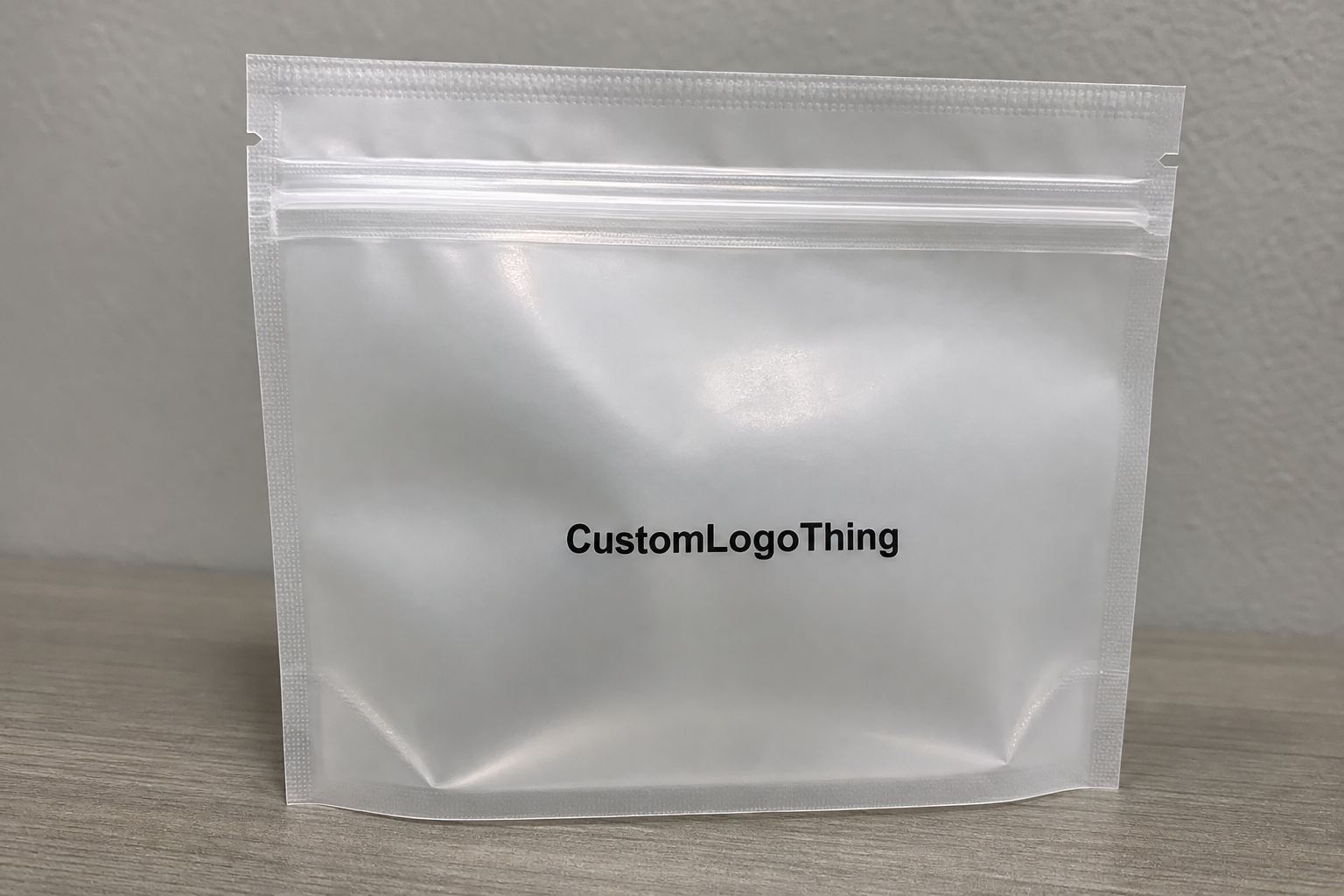
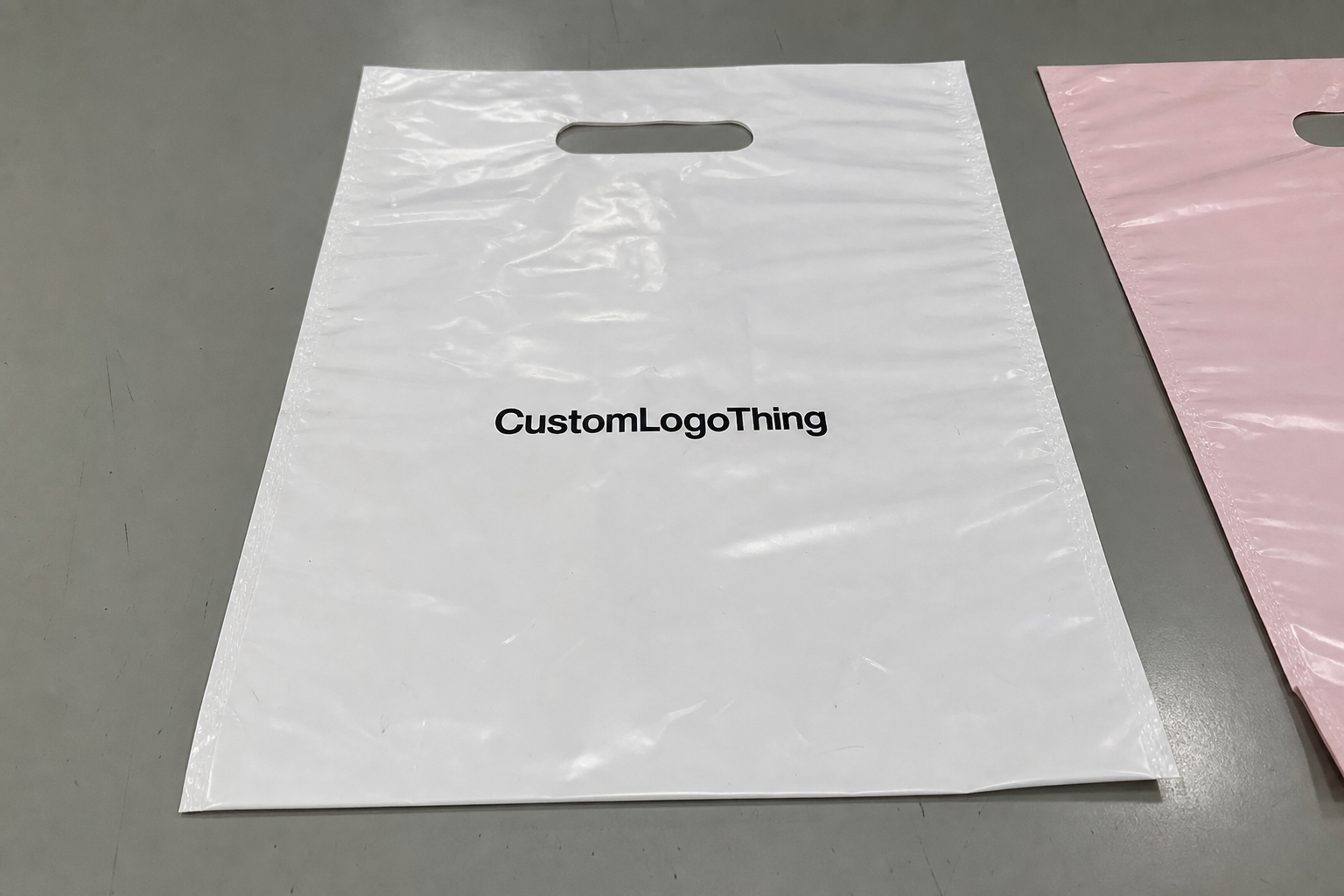
Finding a Custom Mailing Bags Supplier low moq can save a brand from tying up cash in packaging it may not need yet. That matters more than people admit. If you are testing a product line, launching a seasonal drop, or replacing plain mailers with branded packaging that still ships reliably, a smaller run keeps you flexible without forcing a pallet-sized commitment.
From a buyer’s point of view, the best setup is rarely the cheapest bag on paper. It is the one that balances material strength, print quality, and an order quantity that matches actual demand. That is the practical middle ground most growing brands need.
Custom mailing bags with low minimums for brands that need flexibility
Many brands do not need tens of thousands of mailers sitting in storage. They need a dependable small-run order that looks professional, holds up in transit, and can be reordered without redesigning everything. That is exactly where a Custom Mailing Bags Supplier low moq becomes useful. It lets you buy in line with sales pace rather than gambling on volume before the product has proved itself.
Low MOQ is especially useful for startups, limited-edition launches, and brands testing a new product line. It also works when moving from plain poly mailers to branded packaging, because the first branded run is often about proof of concept as much as cost. You want the bag to represent the brand well, but you do not want to overcommit before demand is clear.
The word “minimum” trips up a lot of buyers. They hear low MOQ and assume quality must be compromised. Usually it just means the supplier has organized production around smaller, cleaner runs, often with standard sizes, limited print colors, and film structures that keep output efficient. There is nothing magical about large orders except the factory gets to spread setup costs more thinly.
- Good fit for launches: validate demand before scaling.
- Good fit for seasonal campaigns: avoid leftover stock after a short promotion.
- Good fit for startups: keep cash available for product, ads, and freight.
- Good fit for rebrands: move away from plain packaging without overspending.
Low MOQ does not mean low quality. In practice, it usually means the supplier has chosen materials, print methods, and order handling that make smaller purchasing decisions realistic. For many brands, that is smarter than ordering an oversized batch just to satisfy a factory’s standard production preference.
Material and print options that affect performance and shelf appeal
Mailing bags are not all built the same. The common starting point is LDPE, which gives a good balance of flexibility, water resistance, and seal reliability. Co-extruded film is another strong option because it can combine layers for better puncture resistance and a cleaner print surface. If sustainability is a priority, recycled-content film or other eco-focused structures may be available, though suitability depends on the product weight and the shipping conditions.
Finish affects both performance and presentation. An opaque bag offers privacy for apparel or soft goods. A translucent or frosted finish can look more premium, especially for lifestyle brands that want a softer visual effect. Matte finishes feel more understated and modern, while gloss finishes tend to make color pop a little more under retail lighting or in product photography. The finish changes the tone of the packaging immediately.
Closure style matters too. Most ecommerce mailers use a peel-and-seal adhesive strip because it is simple and efficient for packing teams. Tamper-evident closures add security for shipments that need visible evidence of opening. Reusable seal options can be practical for returns or exchanges, but they may add cost and slightly change the way the bag is converted.
Printing is where many buyers focus first, but it should be matched to the structure beneath it. Flexographic printing is common for mailing bags because it is efficient for repeat artwork and steady color output. For short runs, the setup logic matters a lot: every additional color can add time and cost, and complex edge-to-edge artwork may require more careful prepress work. Simple, bold branding often gives the best result at lower volumes.
For buyers comparing packaging options, here is a practical view of common structures:
| Material / Finish | Typical Benefits | Best For | Cost Impact |
|---|---|---|---|
| LDPE opaque gloss | Good privacy, solid print clarity, efficient production | Apparel, accessories, general ecommerce | Usually the most economical |
| Co-extruded matte | Better puncture resistance, premium feel | Branded packaging, fashion, premium mailers | Moderate |
| Frosted or translucent film | Distinct look, softer visual presentation | Lifestyle brands, visual merchandising | Moderate to higher |
| Recycled-content film | Eco positioning, strong brand story | Sustainability-led brands | Varies by resin market |
For transport durability, packaging is doing a job, not just decorating a shipment. If a mailer is going through parcel networks, rough handling is normal. Some buyers use ISTA test thinking to set performance expectations, and others review broader packaging guidance from the ISTA and EPA resources when sustainability is part of the brief.
Specifications buyers should confirm before requesting a quote
Good quotes start with good inputs. If the dimensions are vague, the film thickness is unstated, or the artwork file is not ready, pricing will bounce around and the project slows down. The most useful checklist is straightforward: bag size, film thickness, print colors, closure style, and order quantity.
Thickness is usually measured in microns or mils, and it directly affects feel and durability. A lighter mailer may be fine for accessories or flat soft goods, while a heavier gauge is often better for fashion items, multiple garments, or anything with a zipper, button, or sharp corner that could stress the film. The right gauge depends on the contents, not the look you want.
There are also details buyers sometimes leave out, then regret later. Gusset requirements can change fill volume and panel layout. Header and footer space affect how the logo sits. Seam style can influence both strength and the usable print area. If the mailer needs extra tear resistance, say so early rather than discovering it after proof approval.
Artwork format matters more than many teams expect. Vector files are usually best for logos and text because they hold sharp edges at production scale. Pantone references help a supplier match brand colors more consistently, especially on repeat orders. Bleed and safe areas protect critical text from landing too close to cut lines or folds. If you are also planning custom printed boxes or other retail packaging, keeping a shared color standard across packaging can make the whole product family feel more consistent.
“The cheapest quote is not always the smartest quote. If the spec is undersized, the film is too light, or the artwork is rushed, the real cost shows up later in damage, delays, or rework.”
For product packaging that will ship through ecommerce carriers, confirm the weight of the item, the packing method, and the expected shipping route. A bag used for a 200-gram T-shirt is a different animal from one used for a boxed accessory or layered garment set. The quote should reflect the workload, not just the visual brief.
Custom mailing bags supplier low MOQ: pricing, MOQ, and unit cost factors
Pricing for a Custom Mailing Bags Supplier low moq order usually comes down to five things: material gauge, bag size, print count, closure style, and packing format. Loose-packed mailers often cost less to produce than more specialized carton-packed formats, but packing style can affect how easily your team stores and uses them. The more the order departs from a standard structure, the more the unit cost tends to move.
Low MOQ orders usually carry a higher unit cost because setup expenses are spread across fewer pieces. That does not make them expensive in a bad way; it simply means the math is honest. If plates, cylinders, proofing, and press setup are involved, those costs exist whether you buy 1,000 bags or 10,000. The difference is how thinly they are distributed.
For reference, small-run branded mailers often land in a wide price band depending on size, film, and print method. A simple one-color standard mailer may sit in the low cents range per unit at higher small-run quantities, while fully custom sizes, extra print colors, or specialty films can push pricing noticeably higher. Freight, cartons, and proofing can also move the real landed cost. Buyers who only compare headline unit price usually end up comparing the wrong number.
Here is a practical comparison of common buying paths:
| Order Type | Typical MOQ Behavior | Unit Cost Trend | Best Use Case |
|---|---|---|---|
| Standard size, 1-color print | Lowest practical minimums | Lower | Testing, launches, simple branding |
| Standard size, multi-color print | Moderate minimums | Moderate | Stronger visual identity, campaign work |
| Fully custom size, multi-color print | Higher minimums | Higher | Established lines, larger repeat demand |
| Eco-focused structure | Varies by material source | Often higher | Sustainability-led branded packaging |
Standard sizes usually help both cost and timing. Fully bespoke dimensions may be the perfect fit for a specific product, but they also increase tooling complexity and can make sourcing less flexible. If the goal is to get branded packaging out the door quickly, a proven size with a clean artwork layout is often the smarter first move.
When comparing quotes, ask direct questions: Are tooling, plates, or cylinders included? Is proofing separate? Is freight included? Are cartons part of the offer, or is the order loose-packed? These details can change the real landed cost enough to make one quote look better than another when it is not actually the better buy.
For buyers building out a wider range of packaging, it helps to compare the bag quote with other items in your stack, such as Custom Poly Mailers and broader Custom Packaging Products. Sometimes the most efficient path is to standardize one or two structures and keep the branding consistent across them.
Production steps, proofing, and timeline from artwork to shipment
The production path is fairly predictable when the files are ready and the spec is clear. It usually starts with an enquiry, then a specification review, followed by quotation, artwork check, proof approval, production, inspection, and dispatch. Each step matters because small mistakes in packaging design can become costly once the run is on press.
A digital mockup is useful, but it is not the same as a production proof. Mockups show placement and general appearance. A proof is the working reference for the print team, so layout, copy, color references, and any regulatory or branding text need to be reviewed carefully. If there is tiny text near a seam or logo details close to the edge, that is the time to catch it.
Lead time depends on a few predictable variables. Print method is one of them. Order quantity is another. Material availability can shift timing, especially for recycled-content or specialty films. If artwork is final and standard, things usually move faster. If the design still needs cleanup, the calendar stretches.
Typical production time for a clean, standard mailing bag order is often 12-15 business days from proof approval, though this depends on the exact spec and factory workload. Shipping time is separate. A domestic or regional delivery may be quick, while cross-border freight can add several days or more depending on the carrier and customs handling. Buyers sometimes forget this split and assume the quoted production window includes transit. It usually does not.
For brands that care about sustainability, packaging associations and material guidance can be useful background reading. The FSC site is a good reference when paper-based packaging or certified sourcing is part of the wider packaging program, even if the current project is plastic mailers rather than cartons.
Well-prepared files, simple color counts, and standard dimensions are the fastest path. That is true whether the project is ecommerce apparel, lightweight accessories, or product packaging for a seasonal promotion. Good preparation reduces back-and-forth, and back-and-forth is what usually adds friction to low MOQ work.
How we support brands that need repeatable quality at smaller volumes
What buyers really need from a supplier is not just a decent first run. They need repeatable quality. That means the film thickness stays consistent, the seal performs the same from batch to batch, the print lines up correctly, and future reorders match the approved spec without a long reset. A dependable Custom Mailing Bags Supplier low moq should make repeat ordering easier, not harder.
Communication matters just as much as production control. When a brand is changing packaging for a launch, a promo, or a new retail packaging line, it helps to have a supplier that responds clearly during quoting and proofing. If a buyer needs to adjust quantity or simplify the artwork to protect budget, the conversation should focus on practical tradeoffs rather than pushing unnecessary upgrades.
Quality control should not be vague. A solid workflow usually includes material inspection, print alignment review, seal testing, and carton packing verification before shipment. If a supplier can describe those checkpoints plainly, that is a good sign. It shows the order is being handled as a packaging job, not just a print job.
Here is what I would want to hear as a buyer:
- Consistent film thickness across the run.
- Stable seal performance with no weak edges.
- Clear print registration on logos and text.
- Reliable reorders with the spec kept on file.
- Practical guidance on whether the bag can be simplified without hurting the brand.
That last point matters. A good supplier should help you choose a sensible spec, not just a flashy one. There is a place for premium touches, but not every launch needs them. Sometimes a clean one-color mailer with a strong logo and a good film structure is the better commercial decision. It supports the brand without blowing up budget or lead time.
Growth is another reason small-volume work matters. A brand may start with 1,000 or 2,000 bags, then move into larger reorders once demand proves out. If the supplier keeps the spec stable, scaling later becomes much easier. No one wants to redesign the mailer just because the order quantity increased.
Next steps to order the right mailing bag without overbuying
If you want the right result on the first run, start with three basics: bag size, approximate product weight, and artwork files or logo references. Those three items give the supplier enough information to narrow the material and printing options quickly.
Then decide what matters most. Is the goal the lowest unit cost? Stronger film? Faster turnaround? A more premium presentation for branded packaging? If you are clear about the priority, the quote will be more useful and the supplier can recommend a structure that matches the job.
It also helps to request quantity tiers. A slightly larger order can sometimes improve unit cost enough to matter, but only if the extra inventory fits your sales pace. For a low MOQ buyer, the best quote is not always the one with the deepest discount; it is the one that balances inventory risk with real savings.
If the design has fine text, edge-to-edge coverage, or a finish you have not used before, ask for a sample or digital proof before production. That small step can save a lot of trouble later. It is especially useful for first-time orders, where the gap between what is shown on screen and what comes off press can surprise people who are new to packaging procurement.
When you are ready, send the specs and ask for a low-run quote from a custom mailing bags supplier low moq that can confirm the best material, print method, and timeline. If you need help across a wider packaging program, the team at Custom Logo Things can also support you with FAQ guidance and other Custom Packaging Products that fit the same brand system.
What is the minimum order for a custom mailing bags supplier low MOQ?
Minimums vary by size, print method, and material, but low-MOQ programs are usually built for smaller runs than standard factory orders. Standard dimensions and simpler print setups often allow lower minimums than highly customized formats. Ask for several quantity breaks so you can compare unit price against inventory risk.
Which material is best for branded mailing bags with low MOQ?
LDPE and co-extruded film are common choices because they balance strength, seal quality, and printability. If sustainability is important, ask about recycled-content or other eco-focused options that still hold up in shipping. The best material depends on the product weight, shipping method, and the look you want for the unboxing experience.
How do pricing and unit cost change with smaller quantities?
Smaller runs usually have a higher unit cost because setup expenses are spread across fewer bags. A simpler design, fewer colors, and a standard size can help control pricing at low MOQ. Always compare whether tooling, proofing, freight, and packaging are included in the quote.
How long does production usually take for custom mailers?
Lead time depends on artwork readiness, material availability, quantity, and print complexity. Standard designs with approved artwork usually move faster than custom sizes or multi-color prints. Delivery time should be counted separately from production time, especially for cross-border shipping.
Can I reorder the same custom mailing bag later if my volume grows?
Yes, repeat orders are common, and keeping the same spec on file usually makes reordering easier. If demand grows, you can often adjust quantity tiers or refine the design without starting from scratch. A good supplier should support both small initial runs and scaled repeat production.