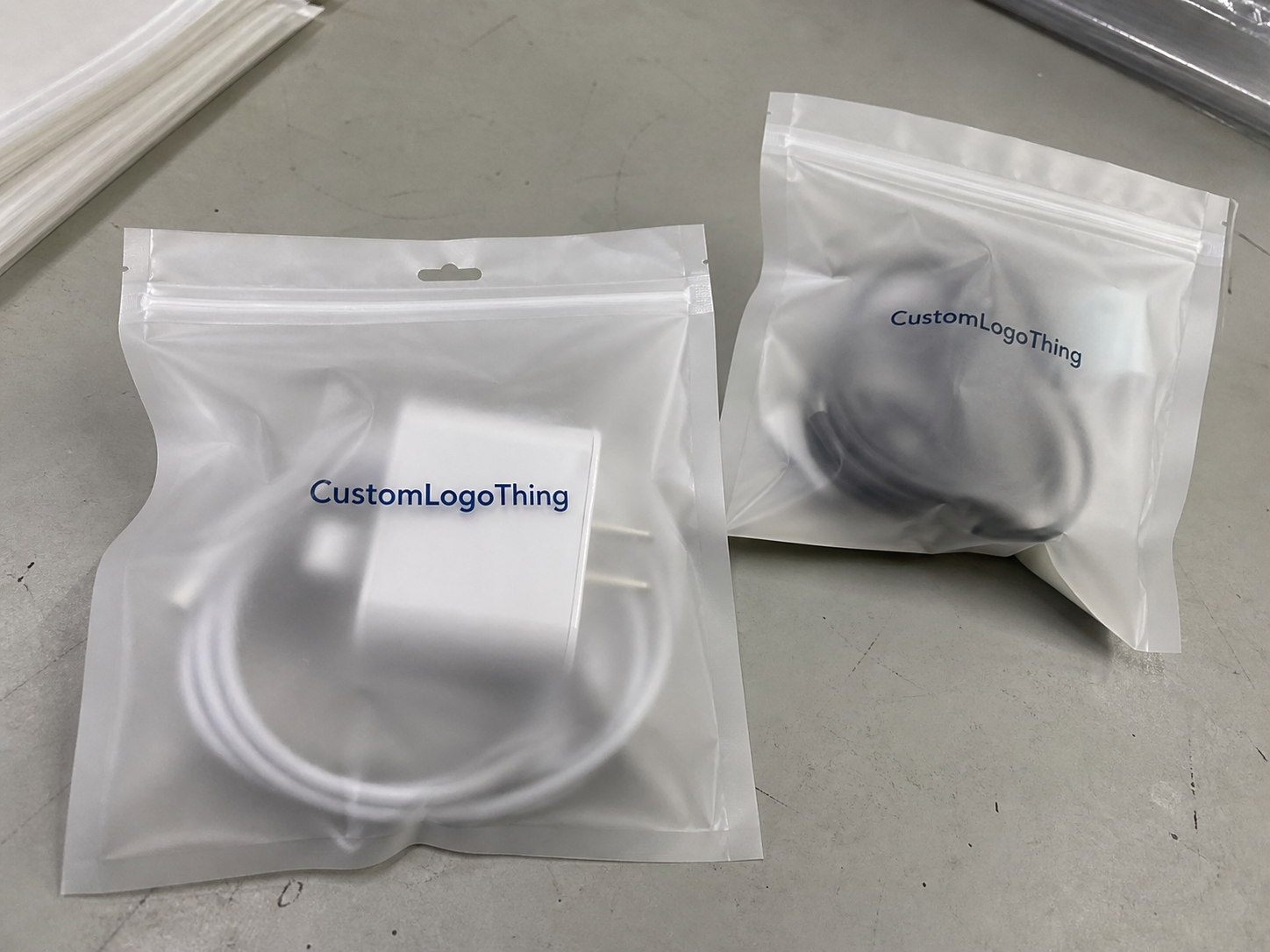
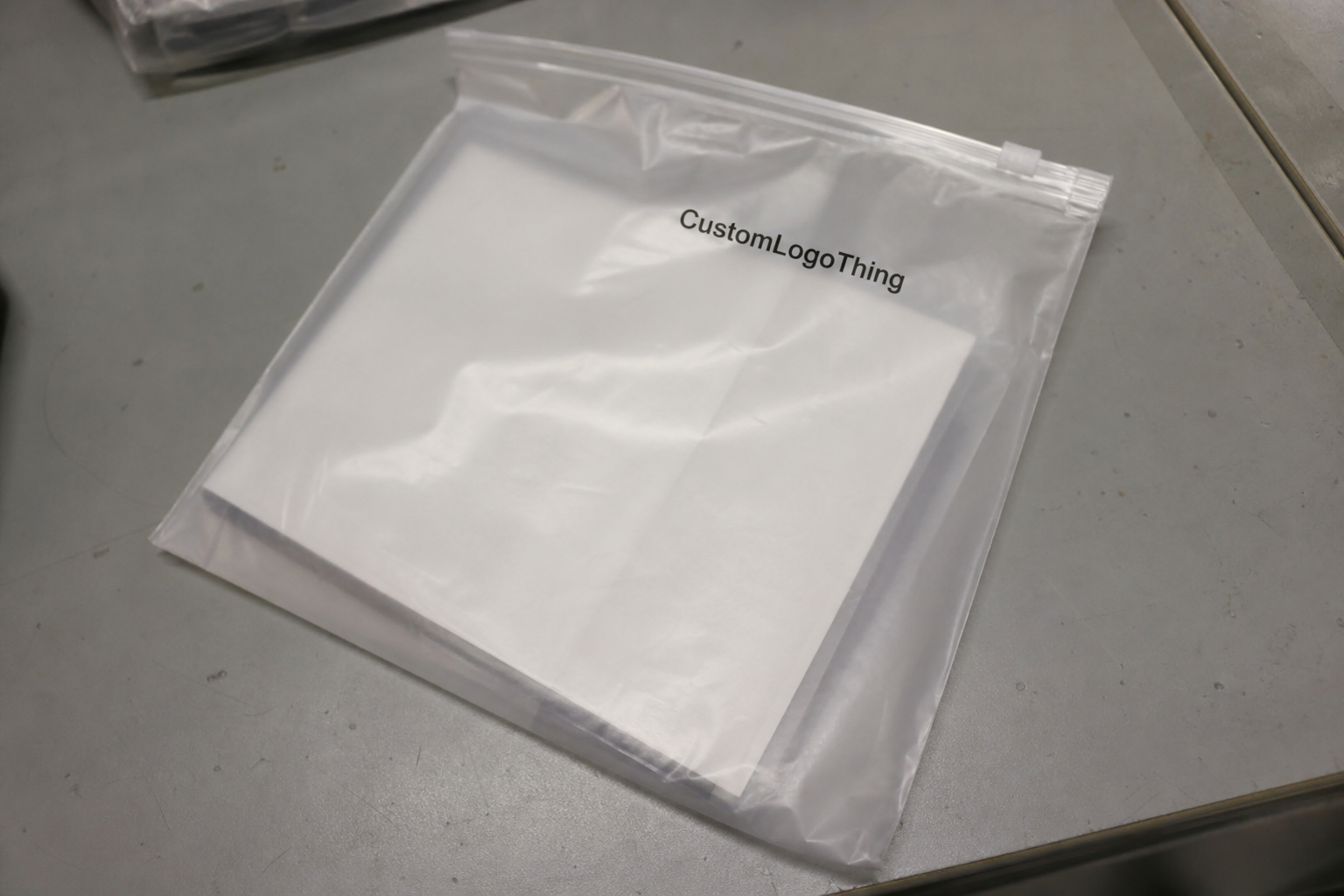
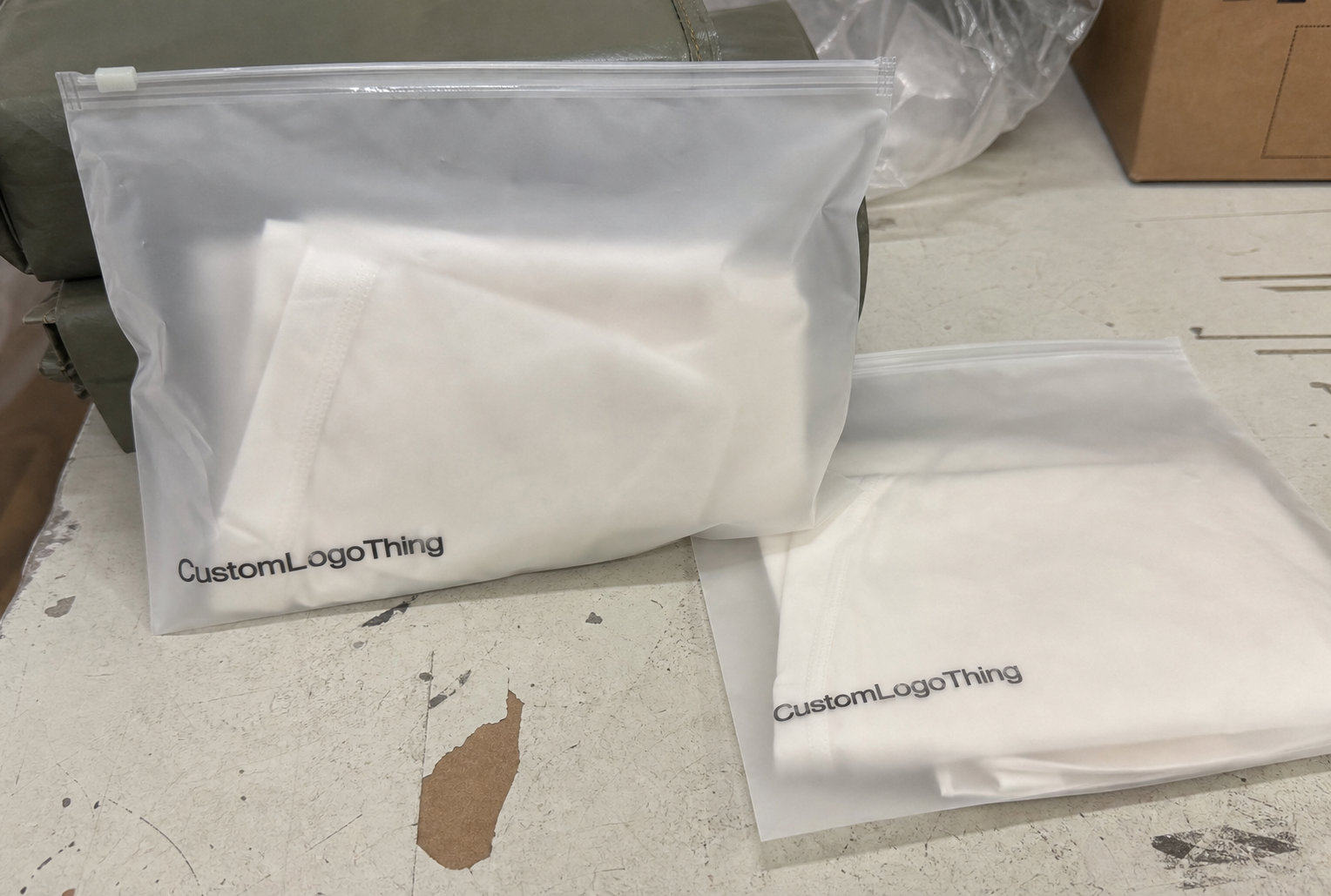
A custom mailing Bags Supplier B2B sourcing project is not a commodity buy, even if the product looks simple on paper. One weak seal, one flimsy film, or one sloppy print run and the package stops doing its job. Then the warehouse hears about it. Then customer service hears about it. Then procurement gets a very educational email.
Custom mailing bags are branded outer packaging used for apparel, cosmetics, accessories, documents, and other soft goods. They protect the item, carry the brand, and help control shipping costs. That combination makes them more than “just plastic bags.” It also makes them a packaging decision that affects operations, not just design.
For teams comparing custom mailing bags Supplier B2B Sourcing options, the real question is not who has the lowest quote. It is who can hold the spec, keep print consistent, and ship on schedule without turning the supply chain into a repair job.
Why B2B mailing bags are not “just plastic bags”
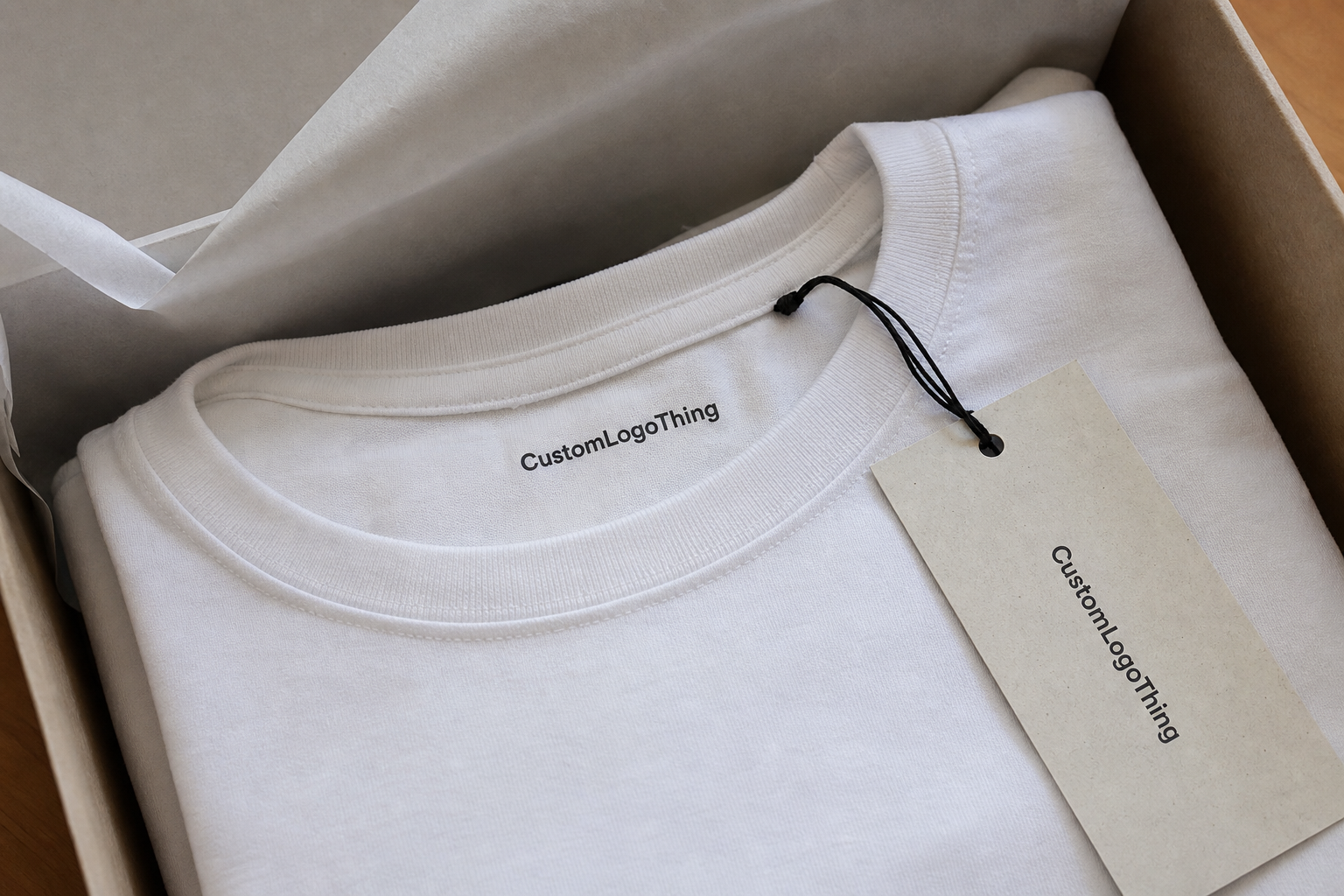
A mailing bag can fail in four obvious ways: the film tears, the seal opens, the print looks cheap, or the size wastes postage. Any one of those problems can turn a routine shipment into a return, a complaint, or a margin leak. Buyers tend to underestimate film thickness, seal strength, and print quality until the first bad batch shows up.
Stock mailers are fine for low-risk shipments. They are limited, though. Fixed sizes, basic colors, standard closures. That works if your products are predictable and your brand is forgiving. Once you need a better fit, cleaner branding, or less wasted freight, custom-printed or custom-sized mailers become the better tool.
That matters for ecommerce brands, retail packaging programs, subscription boxes, and wholesale fulfillment. Package branding should look intentional, not accidental. A plain bag might move product. A well-specified mailer moves product and avoids looking cheap while doing it.
There is also the hidden cost side. Oversized packaging can increase dimensional shipping charges. Thin film can slow packing because staff add tape or secondary wraps to compensate. Weak branding means you pay to acquire the customer and then send them a forgettable bag. Efficient, in the same way a flat tire is efficient.
“A decent mailer disappears into the fulfillment process. A bad one creates work for everyone.”
That is the lens to use for a Custom Mailing Bags Supplier b2b sourcing program. The supplier should understand production realities, not just quote a price per thousand and hope for the best.
How sourcing works from brief to approved sample
The sourcing flow is simple only when the brief is specific. It usually runs through requirement gathering, material selection, quoting, artwork setup, sampling, approval, production, inspection, and shipping. Good suppliers ask clarifying questions. Average ones send a generic quote and wait for you to discover the missing details later.
Before contacting vendors, prepare the basics: bag dimensions, product weight, closure type, print coverage, monthly volume, and whether the bag needs to hold a single item or a packed bundle. If you know the shipping lane, include that too. A supplier serving domestic ecommerce may propose a different construction than one focused on export retail packaging.
Most suppliers will present a few practical choices:
- Standard film vs recycled film — recycled content supports sustainability targets, but surface finish and color consistency can shift a bit.
- Single-color vs full-color print — fewer colors usually reduce cost and simplify registration.
- Stock size vs custom size — stock sizes lower tooling complexity; custom sizes improve fit and can reduce freight waste.
The supplier type matters too. A local broker may communicate well but add margin. A trading company may offer a wide range of sourcing options with less direct production control. A direct manufacturer usually gives better control over specs, lead time, and pricing structure, especially for repeat orders. The same logic applies to custom printed boxes and other packaging categories.
Sampling usually comes in four forms:
- Blank sample — checks size, film feel, and closure fit.
- Digital proof — checks artwork placement, text, and color intent.
- Printed sample — shows print quality, ink coverage, and finish.
- Pre-production sample — closest to final output, used for sign-off before the bulk run.
Custom Poly Mailers are often the entry point for this kind of sourcing because they cover a wide range of apparel and soft-goods shipments without adding too much complexity.
Cost, MOQ, and unit cost factors that actually move the number
Price is not random. It moves with size, thickness, resin blend, print colors, finish, closure type, and packing requirements. Add custom sizing, tamper-evident strips, or special handling features and the number climbs quickly. That is not a supplier trick. It is setup and production math.
MOQ exists because setup costs have to be spread across the run. If you print 2,000 bags, plate or cylinder charges hit a small quantity and the unit price looks high. If you print 20,000 bags, the same fixed costs are spread out more efficiently. Smaller orders usually cost more per unit. Not magical. Just annoying.
On a typical Custom Mailing Bags Supplier b2b sourcing request, buyers should expect pricing to move along these lines:
| Order type | Typical MOQ | Indicative unit price range | What drives the cost |
|---|---|---|---|
| Stock size, 1-color logo | 3,000-5,000 pcs | $0.10-$0.22 | Simple setup, limited print coverage |
| Custom size, 1-2 color print | 5,000-10,000 pcs | $0.16-$0.34 | Custom dimensions, artwork setup, film thickness |
| Recycled film, premium finish, tamper seal | 10,000+ pcs | $0.22-$0.48 | Material cost, finish, security feature, QC |
Those are buying ranges, not promises. They move with volume, print coverage, resin market changes, and shipping terms. Ask for tiered quotes so you can see breakpoints. Ask for landed cost, not just factory price. Freight, sampling, setup, cartons, and import paperwork can change the real number faster than the base quote suggests.
Hidden charges are where sloppy sourcing gets punished:
- Artwork revisions after the proof stage
- Plate or cylinder charges for print setup
- Color matching fees for exact Pantone targets
- Rush fees when the timeline gets tight
- Export packing or palletization charges
If your packaging program includes more than one SKU, Wholesale Programs can make sense when mailing bags sit alongside inserts, labels, or other branded packaging items.
Lead time and production steps buyers should verify before ordering
“How fast can you make it?” is the wrong first question. Better: “What has to happen before it can ship?” That gives you a real schedule instead of a hopeful answer. A standard run usually moves through artwork confirmation, proofing, material sourcing or extrusion, printing, curing, conversion, inspection, and packing.
The delays are predictable. Unclear artwork. Late sample approval. Material shortages. A size change after the quote is locked. And the classic problem: a shipping plan that ignores transit time. Production time is only part of the timeline. Anyone pretending otherwise is skipping the annoying half of the job.
Practical lead-time ranges usually look like this:
- Stock-based customization — often 7-12 business days after proof approval
- Standard custom print — often 12-18 business days
- Fully custom size/material runs — often 18-30 business days or more
If you are sourcing internationally, add sea or air transit, customs clearance, and time for issue resolution. A supplier quoting “14 days” may mean factory production only. That does not get bags into your warehouse. It gets them off the line.
Ask for a milestone schedule in writing:
- Proof approval date
- Sample dispatch date
- Production start date
- QC and packing date
- Estimated ship date
- Transit method and arrival window
That schedule is useful whether you are sourcing mailing bags, custom printed boxes, or a broader Custom Packaging Products program.
For higher-risk shipments, buyers sometimes cross-check transit tests through organizations such as ISTA and material methods from ASTM. Not every mailer needs formal lab testing, but if the bag is carrying fragile or high-value goods, those references help keep specifications grounded.
Material, print, and seal specs to compare like a pro
Material choice is where many buyers guess instead of specifying. That is expensive. The common options are LDPE, HDPE, recycled blends, and compostable materials. LDPE usually gives a softer feel and better flexibility. HDPE can feel crisper and lighter. Recycled blends support sustainability targets, but color and surface consistency can vary. Compostable materials sound good, but they are not always the best fit for long storage, wet conditions, or rough shipping lanes.
Thickness matters in microns or mils. A light apparel mailer might work at 50-60 microns. Heavier items or premium presentations may need 70-100 microns. If the product has sharp corners, metal parts, or a rigid accessory inside, more thickness can reduce puncture risk. Thin film saves pennies. It also creates expensive surprises if the bag fails in transit.
Print method affects both cost and appearance:
- Flexo printing — efficient for simple, repeated designs and larger runs
- Gravure — stronger for high-volume production with consistent color
- Digital printing — useful for lower volumes, fast artwork changes, and short runs
Closure options deserve more attention than they usually get. A self-seal strip is standard for ecommerce mailers. Peel-and-stick closures can speed packing. Tamper-evident seals help when the shipment needs a visible security feature. If the bag is being used for premium retail packaging or subscription inserts, the opening experience matters too. Nobody wants a brand reveal ruined by a weak flap.
Operational details that are easy to miss:
- Matte vs gloss finish — matte looks more premium; gloss can sharpen colors.
- Anti-static treatment — useful in some warehouse environments.
- Vent holes — helpful for bulky soft goods and pressure relief.
- Carton and pallet packing — affects warehouse handling and freight efficiency.
For sustainability claims, check whether the supplier can support FSC sourcing where paper components are involved. Ask for documentation, not vague marketing language. “Eco-friendly” is not a specification. It is a placeholder for one.
Common B2B sourcing mistakes that cause delays and rework
First mistake: vague specs. “Standard size” and “good quality” are not instructions. They are invitations for generic quotes and frustrating revisions. If you want useful answers from a custom mailing bags Supplier B2B Sourcing request, provide exact dimensions, thickness targets, print areas, closure type, and expected monthly volume.
Second mistake: bad artwork files. Low-resolution logos, missing bleed, wrong Pantone references, and last-minute copy changes waste time. If brand color matters, specify it clearly. If the logo has fine lines, say so. Small print adjustments can be the difference between crisp branding and a bag that looks like it was handled by three different people and a coffee cup.
Third mistake: choosing the lowest quote without checking spec equivalence. Two bags can both be called mailers, but one may be 60 microns with a weak seal and the other 80 microns with a stronger adhesive. Same category. Different outcome. Compare material, thickness, packing method, and sample result before celebrating the cheapest number.
Fourth mistake: over-specifying too early. Fancy features can make sense, but custom sizing, multiple colors, special finishes, and security features all raise MOQ and stretch lead time. Start with the features that protect the product and support the brand. Add the nice-to-haves after the first run proves the concept.
Fifth mistake: ignoring compliance and import paperwork. Cross-border sourcing can trigger missing carton marks, incomplete HS codes, or documentation delays. If your operation depends on steady ecommerce fulfillment, check the paperwork early. A beautifully printed bag that cannot clear customs is still a problem. Just a nicer-looking one.
Actionable next steps for shortlisting and placing the first order
Build your shortlist around three filters: proven B2B experience, clear spec communication, and a volume fit that matches your forecast. If a supplier only handles huge runs, a small brand launch will be painful. If they only do tiny custom orders, your repeat program may outgrow them fast.
Request the same quote format from every supplier so the comparison is actually useful. Ask each one to show:
- Exact size and thickness
- Material type and recycled content, if any
- Print method and number of colors
- MOQ and tiered unit pricing
- Sample cost and sample lead time
- Production lead time
- Shipping terms and packing details
Before full production, ask for a sample plan. If the bag is supporting fragile, premium, or sensitive products, sample approval is not optional. A printed proof checks artwork placement. A physical sample checks seal performance, size fit, and how the bag behaves in the hand. That is where most surprises show up.
Keep the internal approval checklist boring. Boring is good here.
- Dimensions confirmed
- Material and thickness confirmed
- Artwork file approved
- Closure type confirmed
- Carton count and packing method confirmed
- Delivery window confirmed
If the mailing bag sits inside a broader branded packaging system, check whether it should visually align with inserts, labels, or custom printed boxes. Consistency helps package branding more than people expect. A matching system looks planned. A random mix looks like everyone was out sick when packaging was decided.
Once the sample passes, lock the final spec sheet and order terms in writing before production begins. Then move. Do not keep “one more tweak” alive for three weeks because somebody wants the logo 2 mm larger. That is how schedules get silly.
For repeat custom mailing bags supplier b2b sourcing programs, the cleanest path is simple: define the spec, compare landed cost, verify the sample, and place the run only after those boxes are checked. That is how buyers avoid expensive surprises and keep the packaging program under control.
What should I ask a custom mailing bags supplier for B2B sourcing?
Ask for exact size, thickness, material, print method, MOQ, unit price tiers, sample cost, lead time, and shipping terms. Request a spec sheet and a quote in the same format from every supplier so comparison is actually useful.
How do I compare pricing from custom mailing bag suppliers?
Compare landed cost, not just factory price. Include setup charges, sample fees, freight, and any artwork or color-match costs before choosing the lowest quote.
What MOQ is normal for custom mailing bags in B2B orders?
MOQ varies by material, print method, and customization level. Smaller MOQs usually cost more per unit because setup costs are spread across fewer bags.
How long does custom mailing bag production usually take?
Timeline depends on whether you are using stock sizes or fully custom specs. You should also factor in proof approval, sample review, production, quality checks, and shipping time.
How can I avoid mistakes when sourcing custom mailing bags from overseas?
Lock the spec sheet before ordering, and never approve artwork without checking dimensions, color references, and closure details. Verify sample quality, packing method, and documentation early so small issues do not become expensive delays.