Buyer Fit Snapshot
| Best fit | custom natural linen pouches bulk order for packaging buyers comparing material specs, print proof, MOQ, unit cost, freight, and repeat-order risk. |
|---|---|
| Quote inputs | Share finished size, material target, print colors, finish, packing count, annual reorder estimate, and delivery region. |
| Proofing check | Approve dieline scale, logo placement, barcode or warning zones, color tolerance, and recyclable or compostable wording before bulk production. |
| Main risk | Vague material claims, crowded artwork, or missing packing details can create delays even when the unit price looks attractive. |
Fast answer: Custom Natural Linen Pouches Bulk Order: Specs, Pricing should be specified like a repeatable production item with material, print method, finish, artwork proof, carton packing, and reorder notes in one written spec.
What to confirm before approving the packaging proof
Check dimensions, folds, seals, label areas, and retail display edges against the actual filled product before bulk approval.
How to compare quotes without losing quality
Compare board or film grade, print process, finish, sampling route, tooling charges, carton quantity, and freight assumptions side by side.
If you are comparing a Custom Natural Linen pouches bulk order against flimsy organza, cheap cotton, or synthetic drawstring bags, the difference shows up the second somebody touches the sample. I’ve watched buyers at trade shows in Hong Kong and Guangzhou pick up a linen pouch, squeeze it once, and immediately say, “This feels like we spent more on the product.” That reaction matters. Packaging has to do more than hold stuff. It has to sell the story, and it has to do it before the customer reads a single product card.
A custom natural linen pouches bulk order keeps winning for jewelry brands, candle makers, wedding planners, skincare companies, and gift sellers. Linen has a natural texture, a sturdier handfeel, and a more premium look than the usual bargain-bin alternatives. It also photographs better, which sounds small until your retail team is trying to build branded packaging that does not look sad in a Shopify listing shot. I remember one client in Austin saying their old pouches looked “a little too craft fair after a rainstorm.” Brutal, but accurate, and the new linen run fixed it immediately.
I’m Sarah Chen, and I’ve spent 12 years in custom printing and sourcing across Shenzhen, Dongguan, and Ningbo. I’ve stood on factory floors where operators were checking stitch lines with a ruler and rejecting cords that were 3 millimeters off spec. I’ve also sat in client meetings where one “cheap” bag quote turned into a disaster because the material wrinkled like a napkin after shipping from Yantian Port. So yes, I’m biased toward materials that hold up. A custom natural linen pouches bulk order usually does. Honestly, that’s the whole point—buy once, cry once, move on with your life.
Why Custom Natural Linen Pouches Sell Better Than Cheap Alternatives
Customers judge packaging in about two seconds. They do not run a lab test. They touch it, look at it, and decide if the brand feels worth the price. A custom natural linen pouches bulk order gives you a better first impression because linen looks organic, feels substantial, and signals reuse. That matters for product packaging, especially if you are selling gifts, accessories, cosmetics, or wedding favors where presentation carries real weight. On a $28 candle or a $64 gift set, the pouch can make the entire bundle feel intentional instead of slapped together.
At a factory visit in Dongguan, I watched a buyer compare three pouch samples side by side. Organza looked delicate but cheap. Thin cotton looked soft but limp. Linen won because it had structure and a visible weave that read as intentional, not disposable. That buyer later told me the pouch helped them justify a $12 price increase on their gift set, which pushed the retail price from $32 to $44 without losing conversion. Packaging design can move price perception. People love to pretend it doesn’t. They are wrong.
A custom natural linen pouches bulk order also helps brands lower Packaging Waste Without making the unboxing feel bare. The pouch itself becomes part of the product experience. Many customers reuse it for jewelry, travel items, cords, herbs, or small gifts. That repeat use extends your brand exposure. It is a quiet form of package branding that keeps working after the sale. And yes, it also keeps your logo out there long after the customer has forgotten where they put the instruction card or the thank-you insert.
Cheap alternatives usually fail in predictable ways. Thin organza snags. Low-grade cotton wrinkles badly and looks inconsistent. Polyester drawstring bags can feel plastic-y and scream “we ordered this because it was the cheapest thing available.” That is not a compliment. If your brand is trying to look natural, handmade, earthy, or premium, a custom natural linen pouches bulk order makes more sense than forcing a flimsy material to pretend it is upscale.
From a cost perspective, bulk helps. Once you hit volume, the per-unit price drops enough that a better pouch often becomes the smarter spend. I’ve seen brands save more money by simplifying the decoration and keeping the linen base quality solid than by choosing an inferior fabric and then trying to rescue the look with expensive printing. That is backwards. Start with the right base material, then customize it cleanly. I’ve had more than one supplier try to sweet-talk me into “fixing” bad fabric with a nicer print. Cute idea. Still bad math, especially when the sample came from a 2019 leftover roll in Yiwu.
Product Details: What Custom Natural Linen Pouches Are Best For
A custom natural linen pouches bulk order usually means woven natural linen or a linen-blend pouch made with a drawstring, flap, zipper, or custom closure. True linen has a distinct texture and a slightly crisp handfeel. Linen blends can reduce cost and improve consistency, depending on the weave and fiber mix. Both can work, but they do not perform the same way, and anyone who tells you they do is probably trying to move inventory from a warehouse in Foshan.
These pouches are used for jewelry, candles, soaps, skincare samples, dried herbs, apparel accessories, and premium gift packaging. I have seen them used for hotel welcome kits in Bali, Subscription Box Inserts in Los Angeles, and event giveaways in Singapore where the brand wanted a more natural look than standard Custom Printed Boxes could provide. A custom natural linen pouches bulk order is especially strong when the item inside is lightweight but valuable in presentation terms.
Different businesses need different structures. Rings and sample sachets usually fit small pouches around 7 x 9 cm or 8 x 10 cm. Cosmetics and soaps often need medium sizes like 10 x 15 cm or 12 x 18 cm. Apparel accessories, tea sets, and gift kits may need 15 x 20 cm or larger. If the pouch is too small, customers fight it. If it is too large, the product slumps around and looks sloppy. Size matters. Shocking, I know. I once watched a buyer in a Shenzhen showroom try to stuff oversized bath salts into a tiny pouch and act surprised when the drawstring surrendered immediately. The pouch was not the problem there.
Customization choices go beyond logo printing. For a custom natural linen pouches bulk order, you can define size, shape, pouch style, drawstring material, lining, closure type, logo method, and final packaging finish. I always tell buyers to think about the full user experience. Do they want a rustic sack look? A clean luxury-natural vibe? A more structured retail packaging format? Those are different jobs, and the pouch should match the job. A pouch made for a $9 soap sample should not be spec’d like it is carrying a $180 watch.
Brands use these pouches for retail packaging, event swag, Subscription Box Inserts, and branded resale packaging. They work well for smaller products that benefit from tactile presentation. If your brand voice leans handmade, clean, botanical, artisan, or eco-conscious, a custom natural linen pouches bulk order fits far better than glossy promo Packaging That Feels disconnected from the product story. A matte natural pouch in a 10 x 15 cm format can do more for perceived quality than a shiny box that costs twice as much to ship from Shenzhen to Chicago.
“We switched from generic satin bags to linen pouches and our gift sets suddenly looked deliberate instead of discount. Same product. Better packaging. Higher conversion.”
Specifications You Need to Lock Down Before Ordering
If you want a smooth custom natural linen pouches bulk order, lock the specs before asking for quotes. I cannot stress this enough. Half the pricing confusion in packaging comes from buyers saying “small pouch” or “natural color” and expecting the factory to read their mind. Factories are good. They are not psychic. I’ve had a plant manager in Dongguan send me back a quote sheet with “natural = beige, off-white, or undyed?” circled in red. Fair question.
The core specs are material weight, weave density, color, size dimensions, closure type, logo placement, and print method. For linen, you will usually see natural unbleached tones, off-white, beige, sand, or dyed custom colors. Weight matters because lighter fabric can feel flimsy while heavier fabric improves structure and premium feel. For most commercial uses, I like samples in the 180–280 gsm range, depending on the pouch size and whether lining is included. For a more structured feel, a 240 gsm outer with a 120 gsm cotton lining works well on medium-size pouches.
Print options include screen printing, heat transfer, embroidery, woven labels, and debossed tag attachment. A custom natural linen pouches bulk order with a simple one-color screen print is usually the most cost-efficient option. Embroidery looks premium, but it adds stitching time and can distort very small text. Heat transfer works for more detailed artwork, but it can feel less natural if the design covers too much of the surface. Woven labels are clean and durable. They also work well if you want a softer logo presence instead of shouting at the customer from 20 centimeters away.
Logo placement changes the whole look. Centered front branding gives a classic retail packaging feel. A small lower-corner mark feels more understated. A side-seam label can look elevated if the pouch itself is meant to do the talking. I’ve had clients in the cosmetics space choose a minimal mark because their bottle label already carried the visual load. That is smart packaging design. Not every surface needs to carry the same message. A 2 cm woven label on the seam can be enough.
Finish details affect both price and appearance. A natural unbleached tone can show subtle fiber variation, which many brands love. A lining improves structure but adds cost. Reinforced seams reduce failure risk, especially on larger pouches or heavier contents. Cord quality matters more than people think. I’ve seen a $0.06 difference in cord grade turn into a full complaint round because the cheaper cord frayed after a few pulls. That is the kind of nonsense that eats margin.
For a custom natural linen pouches bulk order, quality checks should include color consistency, stitch strength, odor control, and packaging tolerance for bulk fulfillment. If the pouches are going into subscription boxes or warehouse kits, you need dimensions that stay within tolerance or the entire line slows down. Ask the supplier to confirm acceptable variance on length, width, and seam alignment. I usually ask for a tolerance of ±3 mm on smaller pouches and tighter inspection on branded sets. For larger sizes like 15 x 20 cm, even a 5 mm swing can make the fill look uneven.
Compliance matters too. If the pouches are used for consumer goods sold in the U.S. or Europe, ask about textile content labeling, dye safety, and packaging claims. For sustainability language, use standards responsibly. The FSC site is useful if your overall packaging program includes paper tags or inserts with certified sourcing claims. For packaging and materials context, PMMI / packaging.org has practical industry resources. And if you are building an eco-focused line, the EPA waste reduction guidance is a decent reference point for sustainability messaging, as long as you do not turn your packaging copy into a science-fair poster.
Pricing, MOQ, and What Changes the Unit Cost
Let’s talk numbers, because that is why people search for a custom natural linen pouches bulk order in the first place. Pricing depends on size, fabric quality, decoration method, color count, embroidery, lining, and closure hardware. A simple 10 x 15 cm natural linen pouch with one-color screen print might land around $0.38 to $0.72 per unit at moderate volume, while a lined embroidered version can climb to $1.20 to $2.40 per unit or more depending on stitch density and order size. Yes, that spread is wide. Packaging pricing loves hiding in the details, especially when a supplier quotes from Quanzhou and then adds “special handling” after the fact.
MOQ means Minimum Order Quantity. For a custom natural linen pouches bulk order, MOQ often starts around 500 to 1,000 pieces for simpler designs and can rise to 2,000 pieces or more for complex construction, special fabric, or heavy embroidery. Why? Because the factory has to set up cutting, sewing, printing, and QC processes. If the run is too small, the fixed costs crush the unit economics. That is not greed. That is math, and the sewing line in Ningbo still needs to be paid.
Sampling costs are separate. Expect sample fees around $25 to $80 for standard pouch prototypes, and more if you need custom dyeing or special finishing. If there is a custom tag, woven label, or hardware component, setup or mold fees may also apply. I’ve seen a buyer get excited over a low unit quote and then panic when freight and sample tooling showed up on the invoice. Don’t do that to yourself. Ask for total landed cost, not vanity pricing. The factory loves a low headline number almost as much as a coffee shop loves “$4.99 plus tax.”
Freight changes everything. A custom natural linen pouches bulk order can look cheap on paper and expensive in the final import bill if shipping is ignored. Air freight can add $1.50 to $4.50 per kg depending on lane and urgency, and a carton count of 20 kg can change the math fast. Sea freight is better for large runs, but you need the inventory runway. Packaging buyers who only compare ex-factory unit price are usually the ones who later ask why the warehouse bill hurts.
Here is the framework I use when comparing quotes:
- Material: actual linen, linen blend, or cotton-linen mix
- Construction: single layer, lined, reinforced seams, zipper, flap, or drawstring
- Decoration: screen print, embroidery, woven label, or heat transfer
- Lead time: sample approval date plus production and shipping
- Defect allowance: what percentage is acceptable and how claims are handled
- Landed cost: unit price, packing, freight, customs, and local receiving fees
One client in the candle business was quoted $0.54 per unit for a natural linen pouch, then tempted by a $0.41 offer from another supplier. The second quote looked nice until we found it used a thinner weave, no seam reinforcement, and a print method that faded during rub testing. The “cheap” option would have cost more once returns started. A custom natural linen pouches bulk order is not a race to the lowest line item. It is a decision about durability, brand image, and repeat use.
I think simpler designs save more money than chasing the absolute lowest supplier rate. One color. One logo placement. Standard closure. Clean spec. That is how you protect margin. You do not need to turn a pouch into a circus act. A buyer in Portland once asked for three ink colors, gold thread, and a custom toggle on a 9 x 12 cm pouch. The quote came back looking like a small product launch budget.
Process and Timeline for a Bulk Linen Pouch Order
A clean custom natural linen pouches bulk order follows a predictable path: inquiry, spec confirmation, artwork review, sampling, production approval, bulk manufacturing, inspection, and shipping. If the supplier skips one of those steps, you usually pay for it later. Not in a fun way. I’ve had factories in Shenzhen rush a quote before confirming cord thickness, and that mistake turned into a whole rework round once the sample hit our desk.
The fastest orders come from buyers who send complete information up front. I’m talking pouch dimensions, logo files in vector format, quantity, target delivery date, preferred closure style, and whether they want print, embroidery, or label application. A missing logo file can cost you three days. A vague size can cost you a week. If you want a custom natural linen pouches bulk order to move quickly, be painfully specific. I know that sounds bossy. It is. The alternative is three rounds of back-and-forth where everyone acts surprised that “natural linen” is not a size.
Timeline depends on sample approval, production method, order size, and shipping method. For a standard run, I usually expect 7 to 12 business days for sample development, 12 to 20 business days for production after approval, and then shipping based on the lane. Express air can get small orders out faster, but you pay for that privilege. Sea freight is cheaper per unit, but you need more lead time. There is no magical shortcut where quality, speed, and lowest cost all dance together in perfect harmony. Pick two, maybe three if you are lucky.
Here is a realistic example from proof to delivery for a custom natural linen pouches bulk order:
- Day 1–2: inquiry, quote, and spec confirmation
- Day 3–7: artwork proof and sample setup
- Day 8–14: sample production and customer review
- Day 15: approval and deposit
- Day 16–30: bulk sewing and printing
- Day 31–34: QC inspection, packing, and export paperwork
- Day 35+: shipping and local receiving
That timing can move faster, but rush jobs cost more. In one negotiation, a skincare brand in Melbourne needed a custom natural linen pouches bulk order for a trade event with only 19 business days left. We got it done, but only because they approved one-color screen print, accepted a standard cord, and signed off on proofs within 12 hours. The factory still charged a rush premium because they had to reshuffle sewing lines. Fair enough. Speed is not free, and neither is priority scheduling in Dongguan.
One point of contact helps a lot. If production questions bounce between sales, sourcing, QC, and logistics, mistakes multiply. I like one owner for the order, one final artwork file, and one approval trail. That alone cuts revision chaos. The factory floor is already busy. It does not need ten versions of the same pouch in ten different email threads, plus a WhatsApp screenshot with no dimensions attached.
How do you place a custom natural linen pouches bulk order without costly mistakes?
You place a custom natural linen pouches bulk order by sending a complete spec sheet, confirming material and size, approving a sample, and checking landed cost before production starts. The biggest mistakes happen when buyers skip details, rush artwork, or only compare unit price. Ask for tolerance, decoration method, freight estimates, and a physical sample. That cuts rework and keeps the order aligned with the actual product.
Why Choose Custom Logo Things for Natural Linen Pouches
Custom Logo Things works well for buyers who want packaging guidance, not just a price list. I respect suppliers who can talk through fabric weights, print methods, seam construction, and freight tradeoffs without turning every answer into fluff. A custom natural linen pouches bulk order should come with honest advice about what will actually look good, ship well, and survive use. If the quote is silent on seam reinforcement or print durability, that is not “simple.” That is incomplete.
From my perspective, the real value is manufacturing knowledge. I have walked enough production lines in Shenzhen and Dongguan to know the difference between a supplier who is guessing and one who has checked stitch consistency at the table. Good sourcing means comparing materials properly, reviewing seams, checking print clarity, and making sure the quote reflects the real build. That is the difference between a supplier and a middleman with a nice website.
Custom Logo Things is also the right kind of partner if you need custom sizing, brand matching, and bulk coordination for commercial buyers. If your brand already uses Custom Printed Boxes, these pouches can complement the rest of the product packaging system instead of fighting it. That matters. Packaging should look like one family, not five strangers sharing a logo. A 12 x 18 cm pouch with a matching kraft tag and a clean one-color mark can tie a whole line together.
I also like vendors who can explain tradeoffs without pretending every option is perfect. Embroidery looks beautiful, but it costs more. Lining improves structure, but it adds labor. Natural unbleached fabric looks authentic, but color variation is normal. A custom natural linen pouches bulk order should be built around those realities, not fantasy pricing and polished nonsense. If someone promises museum-quality finish at a 500-piece MOQ with a $0.18 unit price, I’d ask what warehouse they’re hiding the actual fabric in.
One thing buyers often get wrong is assuming the same pouch spec will work for every product. It won’t. A jewelry pouch and a candle pouch have different weight, shape, and presentation needs. I’ve seen brands waste money because they copied a size from another company without checking fill volume. That is how you end up with packaging that looks fine empty and terrible when loaded. Not ideal, especially when the inner product is shipping from a warehouse in Singapore to a retail floor in Dallas.
If you need support across broader branded packaging programs, you can review Custom Packaging Products for related formats, or check Wholesale Programs if you are planning repeat runs and want volume-based coordination. For policy, ordering basics, and fulfillment questions, the FAQ page saves time. Simple. No mystery. No sales theater.
Next Steps: How to Get an Accurate Quote Fast
If you want an accurate custom natural linen pouches bulk order quote, send a spec sheet, not a vague sentence. Include dimensions, quantity, logo artwork, printing method preference, and delivery address. If you know the target finish, say so. If you are undecided, ask for two versions: best price and best finish. That gives you a clean comparison instead of a dozen half-baked options. It also saves the sales team from guessing what “natural premium” means this week.
Request a sample or proof before full production. I’ve seen too many buyers skip that step because they were trying to save $40 and then spend $400 fixing avoidable mistakes. A physical sample tells you more than a PDF ever will. Check the fabric handfeel, print alignment, stitch quality, cord thickness, and overall presentation. Those details decide whether the custom natural linen pouches bulk order feels premium or merely acceptable. I once rejected a batch because the cord color was 2 shades off the fabric tag. That sounds picky. It was. But the retail display looked cleaner for it.
Here is the checklist I recommend before sending an RFQ:
- Finished pouch size in centimeters or inches
- Target quantity for the first run and repeat runs
- Logo file in AI, PDF, or EPS format
- Preferred decoration method: print, embroidery, woven label, or tag
- Closure style: drawstring, flap, zipper, or other
- Fabric preference: natural linen, linen blend, or lined version
- Delivery ZIP or destination port
- Deadline for production and arrival
Be specific about usage too. If the pouch is for jewelry, tell the supplier the item weight and whether sharp edges are involved. If it is for cosmetics, mention leak risk or bottle shape. If it is for wedding favors, tell them whether presentation or protection matters more. A custom natural linen pouches bulk order becomes much easier to quote when the supplier understands the actual use case. A 30-gram bracelet pouch is a different animal from a 220-gram candle sleeve, and both should be treated like that.
My last piece of advice is simple: make the spec sheet once, then reuse it. That one document saves time, cuts revisions, and prevents expensive rework. Good packaging buyers are not the ones who ask for ten random samples. They are the ones who know exactly what they want and can explain it in one clean brief. That is how you get a better custom natural linen pouches bulk order without wasting weeks arguing over details that should have been settled on day one.
Custom Natural Linen Pouches Bulk Order: decision table
| Decision area | Best fit | What to verify | Risk if skipped |
|---|---|---|---|
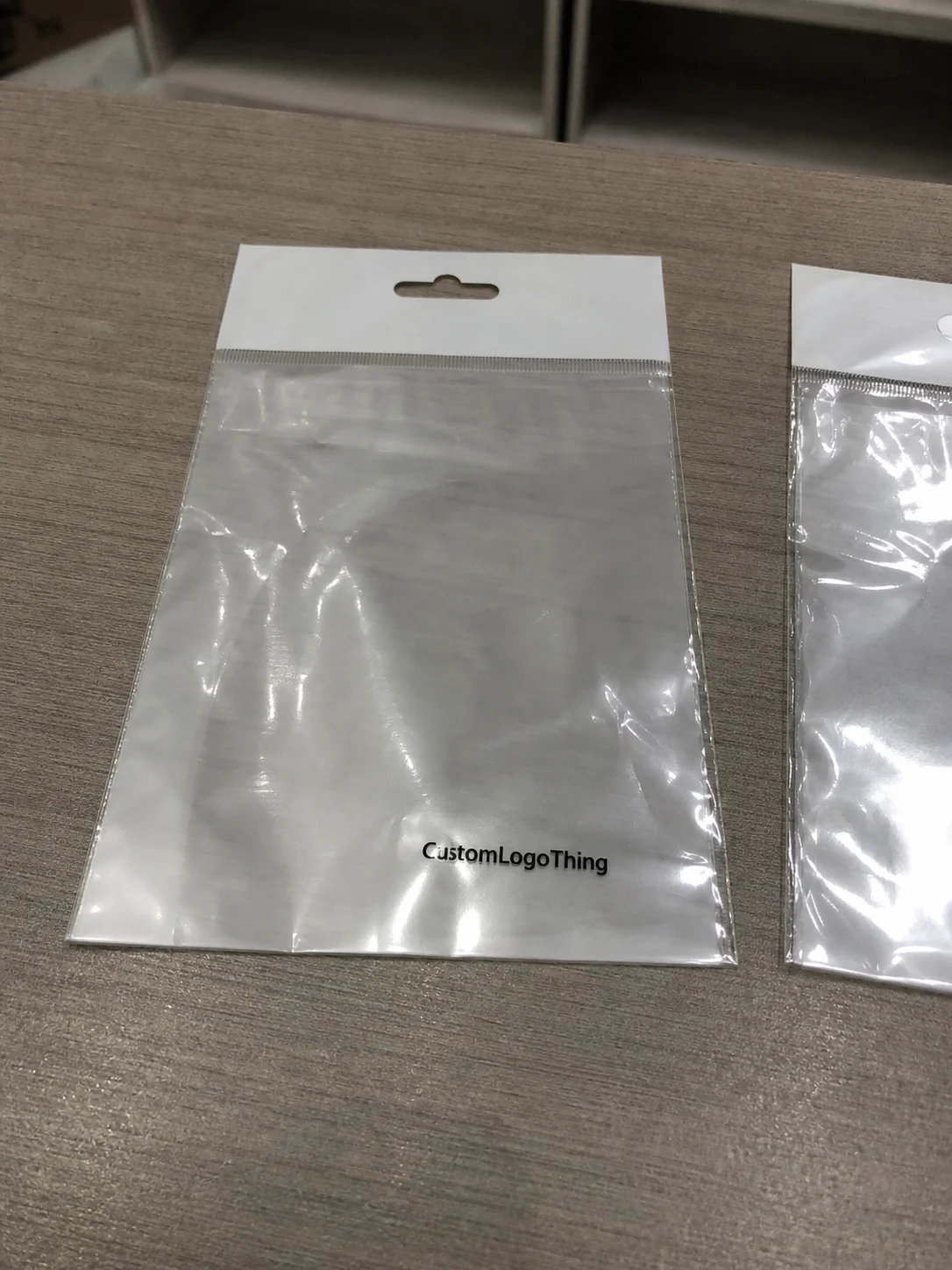
| Film or paper thickness | Apparel, accessories, lightweight goods, and subscription boxes | Micron/GSM, seal strength, opacity, and puncture resistance | Thin material wrinkles, tears, or makes the brand feel low value |
| Closure and format | Self-seal mailers, gusset bags, zipper pouches, or drawstring bags | Opening size, resealability, hanging hole, and packing sequence | Wrong format creates returns, repacking, or poor display |
| Print area | Logo visibility and required compliance copy | Ink holdout, color contrast, barcode space, and proof approval | Artwork looks fine flat but disappears once the bag is filled |
FAQ
What is the minimum custom natural linen pouches bulk order quantity?
MOQ depends on pouch size, print method, and fabric availability. Smaller pouch styles often have lower minimums than complex lined or embroidered versions. Ask for MOQ by spec, not just a generic number, because one size does not fit every production line. For example, a simple 8 x 10 cm pouch may start at 500 pieces, while a lined 15 x 20 cm version can push to 2,000 pieces or more.
Can I get a logo on custom natural linen pouches bulk order runs?
Yes, common options include screen print, embroidery, woven label, and heat transfer. The best method depends on your logo detail, budget, and the look you want. Simple logos usually cost less and reproduce more cleanly on natural linen. A one-color screen print on a 10 x 15 cm pouch is usually the lowest-cost branded option.
How long does a custom natural linen pouches bulk order usually take?
Timeline depends on sample approval, production method, order size, and shipping method. A fast approval process shortens the schedule more than anything else. For many orders, production typically runs 12-15 business days from proof approval, while sampling can take 7 to 12 business days. Rush production is possible in some cases, but it usually increases cost.
What affects the Price of Custom natural linen pouches bulk order quotes?
Main cost drivers are size, fabric grade, decoration method, closure type, and order quantity. Extra features like lining, embroidery, or custom tags raise the unit price. Shipping and packaging can materially change the total landed cost. A 5000-piece run with simple screen print can price far lower than a 1000-piece run with embroidery and lining.
Are custom natural linen pouches good for jewelry and cosmetic packaging?
Yes, they work well for lightweight premium items that benefit from a natural, reusable presentation. Choose the correct pouch size and closure so items stay secure in transit. For fragile products, ask about lining or reinforced seams to improve protection. Jewelry often works best in 7 x 9 cm or 8 x 10 cm sizes, while cosmetics usually need 10 x 15 cm or 12 x 18 cm formats.
If you are planning a custom natural linen pouches bulk order, start with the spec sheet, not the fantasy. The right fabric weight, closure, and print method will do more for your brand than a dozen vague revisions. I’ve seen the difference on factory floors in Shenzhen, in buyer meetings in Los Angeles, and in the numbers after launch. Good packaging sells because it feels right, works right, and costs what it should. So here’s the move: lock the size, choose the decoration method, confirm the landing cost, and approve a physical sample before production. That is how you keep the order clean and the surprises to a minimum.