Buyer Fit Snapshot
| Best fit | Custom Padded Kraft Mailers projects where brand print, material claims, artwork control, MOQ, and repeat-order consistency need to be specified before quoting. |
|---|---|
| Quote inputs | Share finished size, material target, print colors, finish, packing count, annual reorder estimate, ship-to region, and any compliance wording. |
| Proofing check | Approve dieline scale, logo placement, barcode or warning zones, color tolerance, closure strength, and carton packing before bulk production. |
| Main risk | Vague material claims, crowded artwork, missing packing details, or unclear freight terms can make a low unit price expensive after revisions. |
Fast answer: Custom Padded Kraft Mailers: Film, Print, MOQ, and Carton Packing should be specified like a repeatable production item. The safest quote records material, print method, finish, artwork proof, packing count, and reorder notes in one written spec.
Production checks before approval
Compare the actual filled-product size with the drawing, then confirm tolerance on folds, seals, hang holes, label areas, and retail display edges. Reserve space for logos, QR codes, warning copy, and material claims before decorative graphics fill the panel.
Quote comparison points
Review material grade, print process, finish, sampling route, tooling charges, carton quantity, and freight assumptions side by side. A quote is only useful when the supplier can repeat the same color, closure quality, and packing count on the next order.
Custom padded kraft mailers solve a costly packaging problem that shows up after the order leaves the building: the product looked fine at pack-out, then reaches the customer bent, rubbed, or crushed, and the return or replacement eats the margin. A well-made mailer protects the item, keeps shipping weight down compared with a box, and gives the order a cleaner, more deliberate feel the moment it arrives. That combination matters because it cuts damage, supports brand presentation, and makes the package feel like part of the product instead of an afterthought.
I still remember opening a test sample years ago that looked perfect on the outside, only to find the seal area buckling once the item was inserted. That kind of thing is exactly why custom padded kraft mailers deserve real testing and not just approval from a PDF. The outside can be pretty as you like, but if the closure or internal build is off by even a small amount, the mailer is gonna tell on itself the moment it enters the carrier stream.
From a packaging buyer’s perspective, custom padded kraft mailers sit in a very useful middle ground. They are more refined than plain poly mailers and less bulky than Custom Printed Boxes, which makes them a practical fit for apparel, books, cosmetics, accessories, and soft goods that need protection without a full carton. The real decision is not whether the mailer looks nice in a mockup. The real decision is whether the structure, padding, and print all work together once the shipment starts moving through a carrier network.
What Custom Padded Kraft Mailers Actually Solve
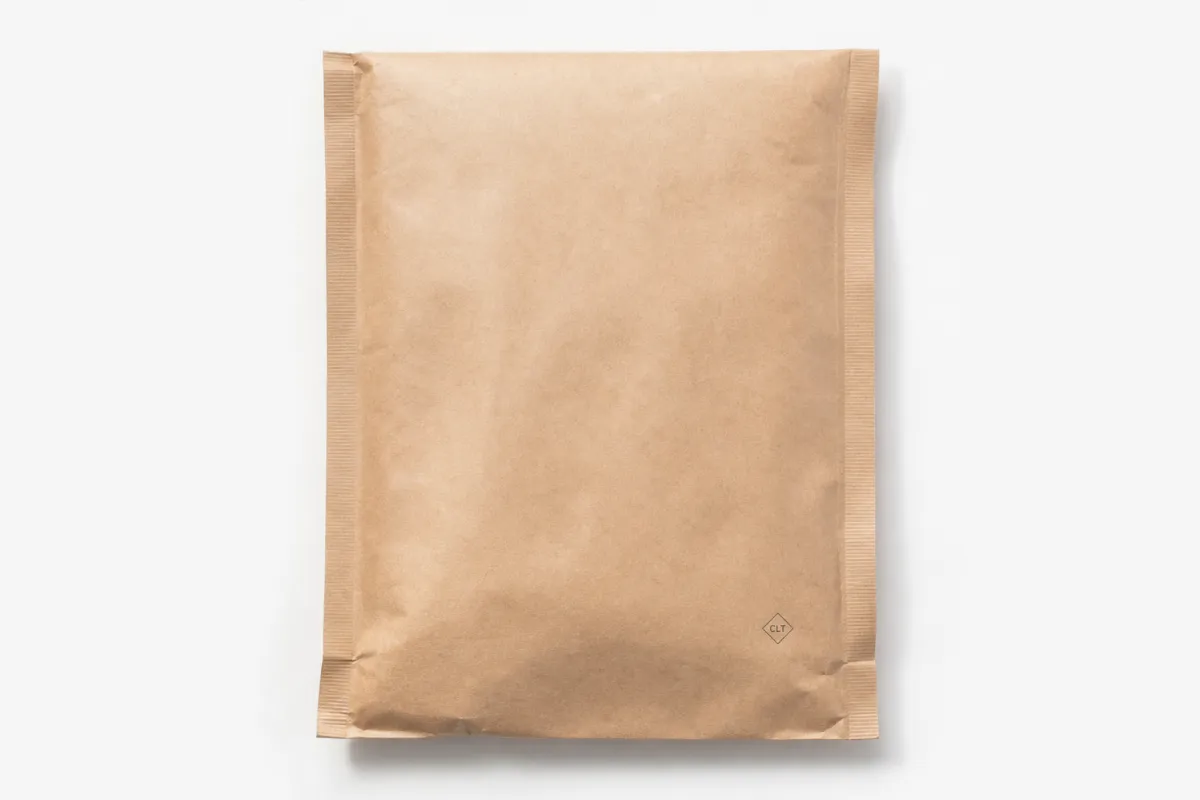
Custom padded kraft mailers handle three jobs at once: transit protection, package branding, and material efficiency. On paper that sounds tidy, yet the value becomes clearer when the package is thrown into the real shipping environment, where items get stacked, slid, compressed, and occasionally dropped. The mailer reduces corner wear, surface scuffing, and excess void space that often comes with an oversized box and filler. A damaged order can cost far more than the packaging ever would have, which is why custom padded kraft mailers should be treated as a risk-reduction tool as much as a branding tool.
They also fix a visual problem that brands run into more often than they admit. Plain mailers can make even a carefully designed product feel temporary or purely transactional. A kraft exterior changes the tone right away. Custom padded kraft mailers bring a paper-forward look that feels more natural and less plastic-heavy, while still leaving room for logo placement, product messaging, or a restrained pattern that supports the packaging design. A small, clear mark often does more work than a crowded print layout because the material itself already carries a certain credibility.
The best part is how often custom padded kraft mailers replace a separate box and filler without making the shipment feel stripped down. That only works when the product suits the structure. Light-to-midweight goods that need abrasion protection more than heavy crush resistance usually fit well, especially apparel, books, media, stationery, small cosmetics, candles with good inserts, accessories, and soft goods. Once the item has sharp corners, loose parts, or a high chance of breakage, the mailer still may work, but the sizing and internal support need more attention.
Plenty of people judge packaging by how it looks on a worktable, which tells you almost nothing about how it behaves in a courier stream. Shipping systems are hard on packaging. Bags are stacked, labels get scuffed, parcels are compressed, and freight moves through rough handling points that are invisible to the customer. Custom padded kraft mailers earn their keep because they cushion some of that abuse while staying lighter and cheaper to ship than many box-based setups. That balance is often the real reason brands keep coming back to them.
Storage is another practical reason buyers choose custom padded kraft mailers. Flat mailers take up less shelf space than assembled boxes, which helps when the packing area is tight or when a warehouse team is working from a small back room. Packing also tends to move faster because there is less assembly involved. No box forming. No separate void fill. No extra closure step. Fewer motions mean fewer chances for mistakes, and that matters when fulfillment volumes rise.
These mailers also fit neatly into a broader packaging system. A brand that uses Custom Packaging Products for premium items may still reserve custom padded kraft mailers for smaller SKUs or shipments that do not need a rigid carton. If you are weighing paper-facing packaging against a plastic alternative, the Custom Poly Mailers page is a helpful comparison point for cost, weight, and feel. Good packaging decisions usually come from matching the format to the job instead of forcing every product through the same structure.
Brands that care about sustainability claims should verify the build before making public statements. The EPA offers straightforward recycling guidance at epa.gov/recycle, which is a far safer reference than vague marketing language. If transport-test language matters, or if you want to pressure-test a shipping spec before placing volume, the resources at ista.org are worth using. Standards are less flashy than slogans, yet they keep packaging decisions grounded in reality.
How Custom Padded Kraft Mailers Are Built
Custom padded kraft mailers usually come together in four parts: a kraft outer layer, an internal cushioning layer, a closure system, and the print or coating treatment. The kraft face is what the customer sees first. It carries the brand, holds shipping labels, and takes the scuffs that come from movement through a carrier network. The cushioning layer does the actual protective work, absorbing minor impacts and reducing abrasion on the product surface. The closure deserves more attention than it gets, because even a well-constructed mailer can fail if the adhesive strip is weak or poorly placed.
Construction quality shows up in the details most people skip over. Thickness, seam consistency, tear resistance, and fold accuracy all affect how the mailer performs in transit. A mailer with attractive print but weak lamination or a sloppy edge bond is still a weak mailer. Good custom padded kraft mailers look polished because the underlying build is disciplined, not because somebody poured more ink onto the surface. That distinction matters. Print is branding. Structure is performance. If the structure is poor, the branding only makes the problem easier to notice.
The padding layer itself can vary quite a bit. Some versions use paper-based cushioning, while others rely on a lightweight protective insert or a layered paper build. The right version depends on the item. A soft product that mainly needs scratch protection does not call for the same construction as a hard accessory with sharp corners. Custom padded kraft mailers should be matched to the product’s weight, surface finish, and movement inside the package. If the item shifts around, the mailer is too loose. If the product bulges hard against the seams, the mailer is too tight.
Customization options are broader than many buyers expect. Size is the obvious starting point, but flap style, adhesive placement, interior printing, exterior printing, and insert compatibility also shape the final result. A brand can keep the outside minimal for package branding and place a message, return prompt, or pattern inside the mailer instead. That kind of detail can make custom padded kraft mailers feel more premium without adding much cost. A clean layout usually ages better than a design that tries to fill every inch of surface area.
The middle-ground reality is simple: custom padded kraft mailers sit between poly mailers and rigid boxes. Poly mailers are often lighter and cheaper, but they provide less structure and a different visual tone. Rigid boxes offer stronger presentation and more crush resistance, yet they cost more, weigh more, and occupy more storage space. Custom padded kraft mailers bring a paper-forward appearance with more protection than a plain mailer and lower overhead than a box. That is why they are such a common choice in product packaging for brands that ship frequent small orders.
There is also a branding side that gets overlooked. The exterior does more than decorate the parcel. It tells the customer how the brand thinks about detail. In retail packaging, that matters because the mailer is often the first physical touchpoint after purchase. A rushed-looking package makes the whole experience feel rushed. A clean, consistent package starts the order with a better tone. That is package branding doing real work instead of just filling space.
When I review samples, I pay close attention to the way the kraft face behaves after the adhesive is sealed and the item is inserted. That is where weak construction usually reveals itself. A glossy mockup can hide a lot, but a real sample shows whether the fold lines, seam spacing, and closure strip are aligned well enough to survive actual handling. You do not need a lab to spot a bad build in many cases; you just need the right sample and a little patience.
Custom Padded Kraft Mailers Cost, MOQ, and Pricing Factors
Custom padded kraft mailers do not sit at a single fixed price because cost changes with size, material thickness, print coverage, color count, finishing, and order volume. Small runs almost always cost more per unit. Larger runs usually bring the unit price down, but they also tie up cash and storage space. That is the tradeoff, and it is one that procurement teams have to balance rather than wish away.
For a practical baseline, simple unprinted custom padded kraft mailers can land around $0.18-$0.35 per unit at larger quantities, depending on size and structure. Once branded printing enters the mix, the range often moves into $0.28-$0.60 per unit for simpler artwork and common sizes. Specialty finishes, heavier construction, or full-coverage print can push the cost above $0.75 or more. Those ranges are not promises. They are a useful way to keep a quote conversation honest.
MOQ shifts the math quickly. A supplier may be able to do a smaller custom run, yet the unit cost usually climbs because setup expenses are spread across fewer pieces. In practice, many brands see noticeably better pricing at 3,000-5,000 units, with stronger efficiency once they move beyond 10,000 units. That does not mean every brand should order that much. If packaging changes often or the product mix is still settling, a smaller run can be the smarter move even when the per-unit price is higher.
Hidden costs are where people get caught off guard. Setup charges are common. Plate or tooling costs may apply depending on the print method. Sample fees are normal, especially if physical approval is needed before production. Freight can change landed cost more than expected, and storage becomes relevant if the order is larger than the warehouse can move quickly. A low unit price looks nice, but landed cost is the number that actually lands on the finance team’s desk.
A cheap mailer that fails twice is not cheap. It is just a refund with better branding.
If you are comparing custom padded kraft mailers across suppliers, ask each one to quote the same structure. Otherwise you end up comparing apples, oranges, and whatever else happens to be in the back room. The quote should state dimensions, material specification, closure type, print coverage, quantity, freight terms, and whether sampling is included. Without that level of consistency, the numbers only look comparable.
| Packaging option | Typical unit cost | Protection level | Branding impact | Best use case |
|---|---|---|---|---|
| Custom padded kraft mailers | $0.18-$0.75+ | Good for abrasion and light impact | Clean, paper-forward, easy to brand | Apparel, books, accessories, soft goods |
| Custom poly mailers | $0.08-$0.30+ | Light protection, lower structure | Strong print visibility, less premium feel | Low-fragility apparel and simple shipments |
| Rigid boxes | $0.45-$2.00+ | Higher crush resistance and presentation | High-end unboxing, more brand surface area | Premium product packaging, gift sets, retail packaging |
A buyer should also read cost against damage rate. If custom padded kraft mailers reduce returns by even a small amount, the packaging can pay for itself faster than the spreadsheet suggests. That is why cost should be measured against what it prevents, not only against the purchase order total. In real operations, a slightly better mailer can be the cheaper choice because it avoids a replacement shipment and the service time that comes with it.
If sustainability language matters, ask for the exact material breakdown before making any claims. Many kraft-faced mailers are recyclable, but the answer changes depending on the padding layer, inks, adhesives, and any plastic components. FSC sourcing may also matter, but only if the supplier can document it. Brand claims without material proof invite customer confusion, and that is the sort of problem that can linger longer than a bad shipment.
One practical warning: low minimums can look appealing, but they sometimes hide higher setup costs or a thinner build. A quote that seems a little too neat deserves a second read. If the unit price seems unusually low, ask whether the quote includes freight, sample approval, and the exact material spec. That extra step can save a lot of back-and-forth later.
Custom Padded Kraft Mailers Process and Lead Time
The process for custom padded kraft mailers usually begins with specification gathering, not artwork. That is where the actual work starts. You need the product dimensions, weight, surface fragility, and any insert or closure requirement before design can be settled. From there, the mailer size or dieline gets confirmed, artwork is prepared, and sampling begins. If the first step is vague, every later step becomes more expensive and harder to manage. Packaging punishes guesswork.
Sampling matters because flat proofs only tell part of the story. A mailer can look perfectly balanced on screen and still be too tight, too loose, or awkward once the real product goes inside. For custom padded kraft mailers, the sample should include the actual item before approval whenever possible. That catches fit problems, label placement issues, and closure concerns early. It also shows whether the package still feels right once the item is inserted and sealed. Buyers who skip this step often discover the problem after production, when the fix costs a lot more.
Lead time depends on complexity. Simple custom padded kraft mailers with standard construction can move faster, while custom sizes, multiple print colors, or special inserts take more time. A practical range for a straightforward run is often 12-15 business days after proof approval, with more complex orders moving into the 20-business-day range or beyond. Sampling may add another 5-10 business days, especially if sizing or artwork changes along the way. Shipping time is separate, no matter how much everyone wants it folded into the production calendar.
Delays usually show up in the same few places: missing specs, unclear artwork, repeated color revisions, and slow sample approval. The production floor is not the only variable. In many cases, the paperwork causes the delay. If you want custom padded kraft mailers delivered on schedule, lock dimensions early, send print-ready artwork, and review proofs quickly. Every revision cycle adds time, even when it feels like a small discussion.
Ask the supplier for a schedule that separates each stage. Proofing days, sample days, production days, and transit days should all be listed separately. If you only get one vague total, keep asking questions. A calm-looking timeline can hide a lot of risk. A good supplier will explain what is included, what is not, and where the schedule can slip. That level of clarity matters more than a polished sales pitch.
There is a useful difference between rush and rushed. Rush is planned. Rushed is what happens when someone approves a structure on Monday and expects freight booking by Friday. If the custom padded kraft mailers are tied to a launch, allow time for at least one revision cycle. That protects the packaging design and lowers the odds of an expensive mistake.
In my experience, the fastest projects are the ones where the buyer already knows the product dimensions, the fulfillment method, and the acceptable overfill tolerance. Once those three things are locked, the rest of the process gets a lot easier. That is a small detail on paper, but it saves a lot of friction on the manufacturing side.
Common Mistakes When Ordering Custom Padded Kraft Mailers
The first mistake is size. Buyers choose a mailer that is too tight because they want to shave off a fraction of a cent, then the product bulges, the seam strains, and the package arrives looking awkward. Custom padded kraft mailers need enough room for closure and enough restraint to keep the item from moving around. If the product has to be forced in, the spec is wrong. If it rattles inside, the spec is wrong in the opposite direction.
The second mistake is caring more about print than protection. Good-looking packaging that fails in transit is expensive disappointment. Custom padded kraft mailers need the structure to survive handling first. The print should support the product packaging, not cover up a weak build. A buyer who pushes for a busy design on a flimsy construction is usually creating returns, not a stronger brand experience.
The third mistake is ignoring the product itself. Weight matters. Fragility matters. Edges matter. A slim book behaves differently than a cosmetics kit, and a soft garment behaves differently than a hard accessory with sharp corners. Custom padded kraft mailers can support a wide range of products, but only when the build reflects the actual use case. A lot of retail packaging goes sideways because the buyer thinks in category labels instead of physical behavior.
The fourth mistake is forgetting carrier abuse. A mailer that survives a desk test is not automatically ready for stacking, sorting, drops, and compression. Adhesive strength, seam integrity, and material consistency all matter once the parcel enters the shipping network. If confidence matters, test the mailer against the movement it will actually see. That is why transport standards and test references matter. They give the package a chance to fail in the lab instead of in the customer’s hands.
The fifth mistake is over-ordering before sample approval. Plenty of people commit to volume because the artwork looked clean in a PDF and the price looked attractive on paper. Then the sample arrives and the seal feels weak, the logo sits too low, or the fit is off by a small amount that turns out to be very important. Custom padded kraft mailers should be approved in real conditions, not only on a screen. Screens do not ship parcels.
One more trap deserves attention: confusing a paper look with paper performance. Kraft-faced packaging can still include other materials, coatings, or liners that affect recycling and handling. If your team plans to make environmental claims, ask for the exact build. If you want better performance, ask for data or at least a clear test plan. Empty claims are cheap. Evidence is better.
There is also a habit I see a lot: teams assume the same mailer will work for every SKU just because the brand is consistent. That can be a costly shortcut. A shipment of tees may be perfectly happy in one build, while a hardcover book or boxed accessory needs a different closure or more internal support. One format can cover a lot of ground, but it should not be forced to carry every item without checking the fit first.
Expert Tips for Better Custom Padded Kraft Mailers
Use the mailer as a brand cue, not a billboard. Clean layouts tend to age better than crowded ones. A simple logo, a strong type choice, and one or two supporting elements often make custom padded kraft mailers look more premium than a full-coverage print with no restraint. Good package branding does not have to shout. Often it just needs to arrive with confidence and stay out of the way.
Match the build to the product category. Premium goods usually need cleaner print, stronger closure performance, and tighter fit tolerances. Everyday SKUs can stay simpler and less expensive. That is how you keep custom padded kraft mailers practical rather than overdesigned. A customer buying a basic accessory does not need a theatrical unboxing moment. A customer opening a premium product does need the package to feel considered.
Ask for a sample with the actual product inside. Not a mockup. Not a flat sheet. The real item. That one step catches more problems than many buyers expect. Custom padded kraft mailers can look generous in a drawing and then feel tight in practice, or they can seem snug in a rendering and end up too loose once the product is inserted. Real fit tells the truth quickly, and it does so before the order gets expensive.
Think in landed cost, not unit price. A lower quote can become a more expensive package if it drives damage, wastes labor, or ships poorly. The stronger custom padded kraft mailers often save money by reducing returns, shortening pack time, or removing the need for a second protective layer. That is a more reliable way to judge value than chasing the lowest number and hoping the rest works itself out.
Plan the artwork around logistics. Leave space for shipping labels, barcodes, and any compliance marks. Keep logo placement away from the closure folds and away from areas that are handled heavily. For brands shipping at larger volumes, that detail matters more than creative teams usually assume. If branding and packing work against each other, the fulfillment line pays the price every single day.
- Keep the outer design disciplined: A clean logo usually does more than a crowded print layout.
- Test the actual fit: Real product samples reveal issues that flat proofs hide.
- Protect the high-risk edges: Corners and sharp surfaces need more attention than smooth items.
- Use print where it helps: Make branding visible, but leave room for labels and handling.
- Check the closure strength: The best custom padded kraft mailers still need a seal that holds through transit.
If you are deciding between formats, compare custom padded kraft mailers against custom printed boxes and Custom Poly Mailers on the same basis: product safety, shipping cost, labor, and customer perception. That keeps the decision tied to actual operations instead of design preference alone. Attractive packaging is nice. Packaging That Ships Well and still looks polished is better.
What to Do Next With Custom Padded Kraft Mailers
Start with a short internal audit. Measure the product, note the weight, identify fragile spots, and decide how the item is normally shipped. Single-unit orders and multi-unit orders often need different packaging thinking. Custom padded kraft mailers work best when the buying team knows exactly what the package has to accomplish. Vague goals produce vague packaging, which usually means the issue gets solved later at a higher cost.
Then decide the priority. Does the package need to protect first, brand first, reduce waste first, or handle all three at once? That answer drives the structure, print coverage, and budget. If protection is the top concern, custom padded kraft mailers should be chosen for construction before style. If brand presentation matters more, the layout and finish deserve more attention. Either way, the order of operations matters.
Next, request quotes with the same information packet every time. Give every supplier the same size, quantity, print colors, finishing notes, shipping window, and use case. Otherwise the quotes look comparable when they are not. For custom padded kraft mailers, consistency in quoting is half the battle. It is difficult to compare suppliers fairly if one number includes freight and another leaves it out.
Order samples or a short test run before committing to volume. Then check seal strength, fit, stackability, and appearance under actual shipping conditions. I would rather see a buyer spend a little more on testing than spend much more recovering from a bad order. That is not overcautious. That is standard procurement discipline.
If you want a simple decision rule, use this one: if the product fits, survives transit, and the landed cost stays in range, custom padded kraft mailers are probably the right move. If one of those three fails, adjust the structure before ordering more. That filter keeps the packaging choice tied to the business problem instead of the packaging trend.
For brands building a larger product packaging system, it helps to think beyond one mailer style. Some SKUs may belong in Custom Packaging Products, while others fit comfortably in lighter formats like Custom Poly Mailers. The goal is not to force every shipment into the same package. The goal is to make the package fit the product, the shipping path, and the brand at the same time.
Bottom line: custom padded kraft mailers deserve serious attention when your products need real transit protection, a paper-forward look, and a cleaner unboxing moment without the cost and bulk of a box. The right custom padded kraft mailers improve branding, reduce damage, and make fulfillment easier. That is a practical combination, and packaging does not offer it very often.
Frequently Asked Questions
What products work best in custom padded kraft mailers?
They work best for lightweight items that need scratch and light impact protection, like apparel, books, cosmetics, accessories, and other soft goods. Custom padded kraft mailers are less ideal for very fragile or awkwardly shaped items unless the build is reinforced or paired with an insert.
How much do custom padded kraft mailers usually cost?
Price depends on size, padding type, print coverage, quantity, and finishing. Unprinted runs are usually the cheapest, while custom sizes and full-brand printing raise the unit cost. In practical buying terms, the cost often shifts more with order volume than people expect.
Are custom padded kraft mailers recyclable?
Many kraft-faced mailers are recyclable, but the answer depends on the padding layer, adhesive, inks, and any plastic components. Ask for the exact material breakdown before making sustainability claims, because the details matter more than the marketing language.
What should I include when requesting a quote for custom padded kraft mailers?
Include product dimensions, estimated weight, print requirements, order quantity, and whether you need a stock size or a custom size. Add your target ship date and any carrier or compliance requirements so the quote reflects the real job, not a vague guess.
How long does the process take for custom padded kraft mailers?
Sampling usually takes longer if artwork or sizing is still changing. After approval, production and shipping time depend on quantity, print complexity, and supplier capacity, so always confirm both separately. Custom padded kraft mailers move fastest when the spec is locked early and approvals do not drag.
If you only do one thing before placing an order, approve a sample with the actual product inside, confirm the closure still holds after insertion, and compare landed cost instead of unit price alone. That single check tells you far more about whether custom padded kraft mailers will work in the real shipping line than any mockup ever will.

