Buyer Fit Snapshot
| Best fit | Custom Padded Mailers for Sample Kits projects where brand print, material claims, artwork control, MOQ, and repeat-order consistency need to be specified before quoting. |
|---|---|
| Quote inputs | Share finished size, material target, print colors, finish, packing count, annual reorder estimate, ship-to region, and any compliance wording. |
| Proofing check | Approve dieline scale, logo placement, barcode or warning zones, color tolerance, closure strength, and carton packing before bulk production. |
| Main risk | Vague material claims, crowded artwork, missing packing details, or unclear freight terms can make a low unit price expensive after revisions. |
Fast answer: Custom Padded Mailers for Sample Kits: Audit Questions should be specified like a repeatable production item. The safest quote records material, print method, finish, Artwork Proof, Packing Count, and reorder notes in one written spec.
Production checks before approval
Compare the actual filled-product size with the drawing, then confirm tolerance on folds, seals, hang holes, label areas, and retail display edges. Reserve space for logos, QR codes, warning copy, and material claims before decorative graphics fill the panel.
Quote comparison points
Review material grade, print process, finish, sampling route, tooling charges, carton quantity, and freight assumptions side by side. A quote is only useful when the supplier can repeat the same color, closure quality, and packing count on the next order.
Custom Padded Mailers for Sample kits factory audit questions sounds like a very specific keyword until a sample kit arrives crushed, scuffed, or damp. Then it feels painfully practical. A padded mailer is not just a branded envelope with filler. It is a controlled packaging format with measurable material, print, closure, and transit performance. If the supplier cannot prove those things, the audit can fail even when the first sample looks fine on the desk.
Brand teams, procurement teams, and QA teams all run into the same tension. Sample-kit packaging has to protect small, fragile, or expensive contents, look polished enough to carry the brand, and stay inside a cost range finance can live with. Pretty matters. Passing audit matters more. Nobody gets points for a beautiful failure.
"The mailer usually does not fail because it looks cheap. It fails because the factory cannot prove it will keep doing the same job after the first approved sample."
That is the real issue behind custom Padded Mailers for Sample Kits factory audit questions. Buyers are not only checking whether the package looks right. They are checking whether the factory can repeat the build, document the controls, and ship the same result again next month. Good packaging is repeatable. Everything else is a one-off with a pleasant photo.
Why Custom Padded Mailers Fail Audits First
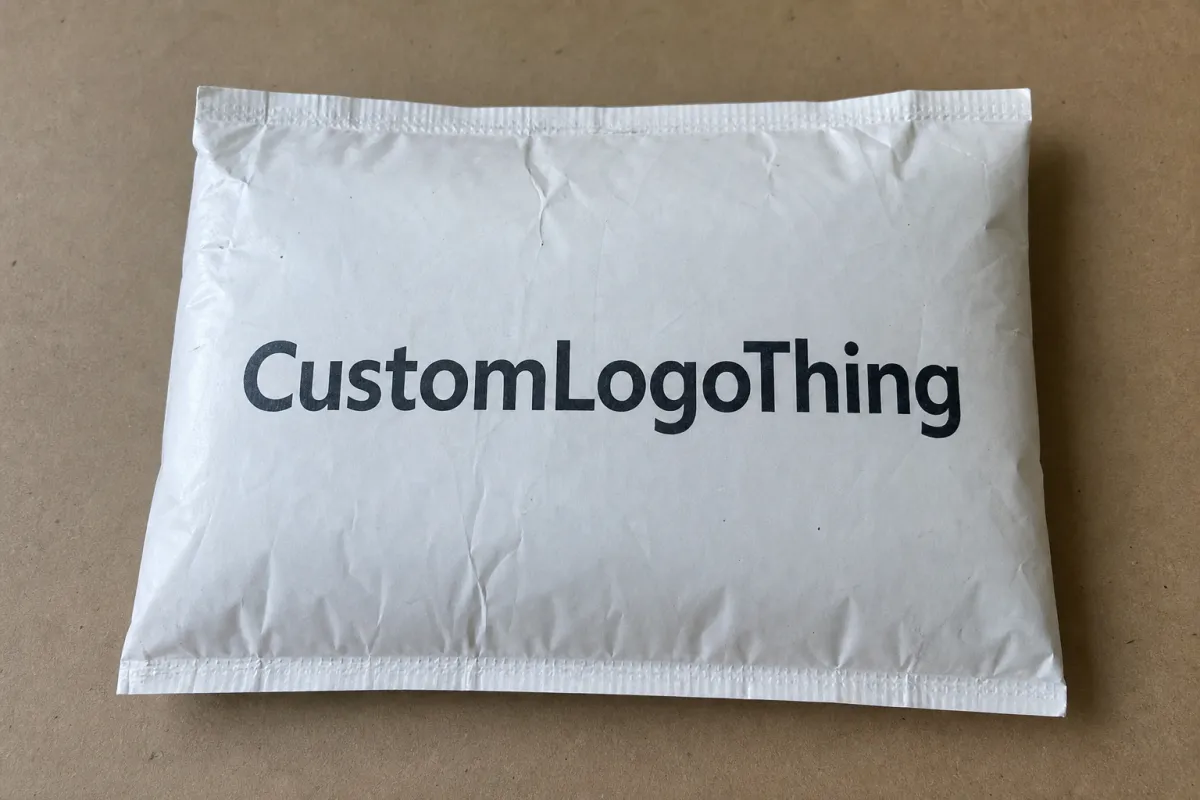
Most sample-kit mailers do not fail because the design is ugly. They fail because the supplier cannot prove the spec, the protection level, or the process behind the sample. That is a documentation problem first and a packaging problem second. An auditor wants evidence. A buyer wants consistency. A launch team wants no surprises. Those goals overlap, which is why the paperwork matters.
Picture a cosmetics brand approving a soft-touch mailer with a one-color logo. The first shipment arrives intact. Everyone relaxes. Then the auditor asks for the approved material spec, the closure target, the inspection record, and the test condition used for sign-off. The file is thin. The numbers are vague. Suddenly the package looks unstable, even though the sample in front of everyone appears fine. That happens more often than anyone wants to admit.
Sample kits sit between product packaging and promotional packaging. They need to look branded, but they also need to survive handling, sorting, shipping, and the occasional rough handoff. A mailer for press samples or sales samples often sees more touch points than a retail carton. Corner crush, closure failure, print scuffing, and bulging show up fast when the structure is underbuilt or the spec is loose.
From a packaging buyer's point of view, the biggest risk is not only damage. It is drift. One batch feels slightly stiffer. Another prints a shade off. A third closes differently because the adhesive lot changed. Auditors dislike that kind of variation because it tells them the factory is relying on luck instead of control. They want proof that the supplier can hold a process, not just make one decent prototype and hope nobody notices the rest.
That is why teams buying branded packaging for launches, sampling programs, or press kits should treat the audit as part of the purchase, not an extra hurdle. The same discipline that applies to Custom Packaging Products or Custom Poly Mailers applies here. Weak spec, weak package. Fancy artwork does not rescue a weak build.
There is also a practical finance reason to get this right. Sample kits often carry low unit count and high brand value. A mailer that saves three cents but creates one damage claim can erase the margin on the whole project. That is not a theory problem. That is a spreadsheet problem. The boring ones are usually the expensive ones.
What Custom Padded Mailers Must Do for Sample Kits
A padded mailer for samples has five jobs. It must protect the contents, fit the contents cleanly, survive shipping abuse, present the brand well, and repeat from batch to batch. Miss one and the whole package starts looking improvised. Nobody wants a premium sample kit that arrives like it was assembled during a lunch rush.
The structure is usually simple enough, but buyers still need to name the parts clearly. There is an outer layer, often paper or film; an inner cushioning layer, which may be bubble, paper padding, or a fiber-based liner; a closure zone; and sometimes extra print, a label panel, or a tamper-evident feature. If the factory uses different terms than you do, define them in the spec sheet. Words like "strong," "nice," and "premium" are not measurable. They are decoration, not control.
Fit matters more than people expect. Too much room and the contents rattle around. Too little room and the closure area bulges or opens under stress. A good custom padded mailer is sized around the actual kit, not around the nearest stock envelope with a logo added later. That difference matters for packaging design, and it matters even more when the kit includes rigid items, droppers, glass, metal parts, or anything with corners.
The print layer matters too. If the mailer is customer-facing, the logo should hold registration, color, and legibility across the whole run. A weak print system can make a mailer look inconsistent even when the structure is sound. That is bad for package branding because people spot visual drift immediately. They may not know what changed, but they know something changed.
Different sample types need different specs:
- Cosmetics and liquids need stronger attention on leak resistance, inner lining, and wipe-clean surfaces.
- Electronics or small components may need anti-static awareness or a stronger crush buffer.
- Apparel samples usually need less structure, but the closure and print finish still have to look clean.
- Premium kits often need tighter dimensional control because inserts, cards, or secondary cartons sit inside the mailer.
Material choice matters for a reason. Paper-based mailers can fit sustainability goals, especially when the buyer wants FSC-controlled paper options. Film-based structures can offer stronger moisture resistance or better durability in transit. Neither is automatically better. The right answer depends on the sample itself, the shipping route, the climate, and whether the brand wants a paper-forward appearance or a tougher shell. For broader standards and terminology around packaging and transit performance, the International Safe Transit Association is a useful reference, and the Forest Stewardship Council is a practical source for controlled paper claims.
If the sample is simple, a mailer may be enough. If the contents are fragile, a more protected structure may be the smarter call. That is where Custom Padded Mailers sit between a basic envelope and a fully rigid carton. They are lighter than boxes, but they are not soft enough to forgive sloppy planning. Efficient, yes. Forgiving, no.
Cost, Pricing, MOQ, and Quote Drivers
Cost is where good intentions meet arithmetic. The price of custom Padded Mailers for Sample Kits comes down to a handful of variables, and most of them are unglamorous in the best way: material thickness, padding type, size, print coverage, closure style, finish, and order quantity. If a factory quotes without asking those questions, that is not speed. That is a guess with a price tag.
The biggest driver is usually structure. A stock padded mailer with a simple logo is much cheaper than a fully custom format with special sizing, print on both sides, and a heavier inner layer. At lower quantities, setup costs bite hard. At higher quantities, material choices start to matter more than setup. The math shifts with volume, which is why one quote on its own is not a strategy.
For a realistic reference point, a custom padded mailer in a 5,000-piece run often lands around $0.15-$0.24 per unit for a simple paper structure with modest print coverage, depending on size and material grade. A more decorated version with fuller coverage, foil accents, or a thicker cushion layer may sit closer to $0.28-$0.46. If you move into premium construction, custom closures, or extra inserts, $0.55-$1.20 is a normal range rather than a shock. The exact number depends on size, print complexity, and how much of the package is truly custom versus adapted from a standard platform.
| Option | Typical Unit Cost | Best For | Common Watch-Out |
|---|---|---|---|
| Stock padded mailer with simple logo | $0.12-$0.22 | Low-complexity sample kits, fast runs | Limited fit control and fewer branding choices |
| Custom printed paper padded mailer | $0.15-$0.24 | Brand-led sample programs, cleaner presentation | Paper scuffing, moisture sensitivity, tighter print tolerance |
| Custom film or poly padded mailer | $0.18-$0.38 | Better moisture resistance, sturdier handling | May feel less premium unless print and finish are controlled |
| Premium custom format with insert or special closure | $0.55-$1.20 | High-value samples, launch kits, press kits | Higher MOQ, longer lead time, more inspection steps |
Those numbers are not promises. They move with size, country of origin, coating, print coverage, and carton pack-out. A small mailer with one-color print is not priced like an oversized kit with full coverage and a custom adhesive strip. That part should be obvious, but buyers still ask for one blanket quote and expect precision. Convenient, yes. Accurate, no.
MOQ matters just as much as unit price. Lower quantity usually means higher per-unit cost, and special materials or custom print can push factories toward setup charges or higher minimums. If a supplier offers a very low MOQ, ask how they are covering the setup. Sometimes the answer is stock material. Sometimes it is a smaller print area. Sometimes it is a simpler process. None of those are bad by themselves, but they should be clear.
Before you ask for numbers, prepare the quote package. At minimum, send the finished dimensions, sample weight, closure type, print colors, finish requirement, pack count per carton, and shipping destination. If the sample includes a fragile insert, note that too. A proper quote should also state what is included: tooling, plates, sample revision, inspection, and export packing. Otherwise the invoice turns into a scavenger hunt later.
Here is the simple buying logic I use: a mailer that costs five cents less but fails audit is not cheaper. It is delayed damage. Rework, rush freight, and claim handling can blow past the original savings. That is especially true for sample kits, because the brand moment lives in a small package. If that package arrives bent, soggy, or badly printed, the whole presentation loses credibility.
For buyers weighing structure changes, it helps to compare the mailer against other Custom Packaging Products. Sometimes the best answer is still a mailer. Sometimes a slim carton is the smarter move. The right choice is the one that protects the contents and still clears audit without drama.
One more useful planning detail: if the artwork is simple and the material is in stock, production often takes 12-15 business days from proof approval. If the job needs a new liner, custom die, or heavier print coverage, 15-20 business days is a more realistic window. Sampling usually adds 3-5 business days before that, and freight time sits on top. People love optimistic lead times until they are waiting on boxes.
Process and Timeline: From Spec to Approval
The fastest way to lose time is to confuse sample approval with production approval. They are not the same thing. A prototype can look right in a photo and still fail when the real kit is loaded, packed, shipped, and handled by people who do not care about your launch date. The process should run in stages, and each stage should get a clear sign-off.
A sane workflow usually looks like this:
- Requirements gathering and size confirmation.
- Material selection and closure decision.
- Artwork review and print proof.
- Sample making or pre-production sample.
- Testing and revision, if needed.
- Mass production.
- Final inspection and shipment.
In a clean program, a simple sample-kit mailer often moves from proof approval to production in about 12-15 business days. If the factory already has the correct paper or film in stock and the print is limited to one or two colors, that timeline is realistic. Fully custom jobs can run 18-30 business days or more, especially if the order needs special print, unique sizing, a new closure format, or a cushioning layer with tighter construction tolerances. If someone promises a custom build in five days without seeing the spec, be skeptical. Skepticism is healthy in packaging procurement.
Artwork changes are one of the biggest schedule killers. One small tweak to logo placement can trigger a new proof cycle. A size adjustment can alter the die or the heat-seal settings. A different liner can change the way the closure performs. None of that is catastrophic, but it does add days. Buyers who want speed need decision discipline. A delayed brand approval is still a delayed production schedule.
Factory audit questions can also affect the timeline. If the auditor asks the supplier to show incoming material checks, in-line inspection records, or final packing standards, the factory may need to pull documentation or create a revised sample. That is not the factory being difficult. It is the factory responding to a control question that should have been asked earlier. The best time to ask for process evidence is before the purchase order is locked.
One practical rule: keep the timing for sample approval and mass production separate in every quote. If those two numbers get blended together, buyers assume the run will move faster than it can. Then the team starts chasing a date that was never realistic. That is how packaging becomes a schedule problem instead of a packaging problem.
If you need to move fast, keep the structure simple. Avoid late-stage changes. Confirm the finish early. And if the sample kit is launching alongside custom printed boxes, plan the review sequence so both formats get approved together. Nothing eats time like one package waiting on the other.
Custom Padded Mailers for Sample Kits Factory Audit Questions
This is the section that separates a decent supplier from one that can actually stand up to scrutiny. The right custom Padded Mailers for Sample Kits factory audit questions are not about being difficult for sport. They are about checking whether the factory can repeat what it sold you, document the control points, and show where the build can drift.
Auditors usually look for four things first: material consistency, closure strength, padding uniformity, and dimensional tolerance. If one of those is drifting, the mailer may still look okay in the carton, but the run is not stable. That is the issue. A stable run is worth more than a pretty prototype.
Useful questions to ask a supplier include:
- What is the approved material specification, and who signs it off?
- How do you check incoming liner, film, or paper lots?
- What seal strength or closure target do you use during production?
- How do you verify padding thickness across the batch?
- What is your dimensional tolerance on finished mailers?
- How do you document print registration and color consistency?
- What happens if one batch drifts outside spec?
- Which test methods do you use for transit or drop performance?
Those are not fancy questions. They are the basics. If the supplier answers them with confidence and paperwork, good. If the answers are vague, that is your clue. A real factory can usually show a process map, a spec sheet, and inspection records without acting offended. If they cannot, the audit is doing its job.
For shipping performance, ask whether the supplier references ISTA test methods or an equivalent internal transit protocol. You do not need every lab test under the sun, but you do want a rational standard for drop, vibration, and handling resistance. Sample kits may be small, yet they are often shipped as if they were ordinary mail. Then people act shocked when the corners crush. Packaging physics is not sentimental.
Compliance and sustainability questions matter too. If the buyer wants paper-based mailers, ask for proof of recycled content or FSC-controlled sourcing where relevant. If the program has restricted-chemical requirements, the supplier should know what documentation exists and what is still pending. That matters especially for brand packaging programs that need a cleaner environmental story without making claims they cannot support. The packaging should say what it is, not what the marketing deck wishes it were.
What auditors often want to see on paper:
- Approved spec sheet with size, material, closure, and print details.
- Sample approval record with revision history.
- Incoming material inspection notes.
- In-line QC checks for seals, print, and dimensions.
- Final packing standard and carton count.
- Photo evidence of the approved sample and production output.
For a paper-based construction, an auditor may ask for the exact board grade, liner spec, adhesive type, and whether the printed side is coated or uncoated. If the mailer uses a bubble layer, the buyer may want bubble thickness, film gauge, and whether the adhesive flap holds after repeated handling. These details sound tiny until they are the reason a kit passes or fails.
The awkward truth is that the audit is not about one package. It is about the system around the package. That system protects the order when volume rises, staff changes, or the launch date gets ugly. A controlled program beats a heroic one-off every time. Heroics belong in movies.
Common Mistakes That Trigger Rework or Rejection
The biggest mistake is vague spec language. Saying the mailer should be durable, elegant, or premium does not tell a factory what to build. If you do not state the size, target weight, closure type, print coverage, and acceptable tolerance, the supplier fills in the gaps. Sometimes they fill them well. Sometimes they do not. That is not a system. That is a guessing game.
Another classic mistake is approving an empty mailer. Empty approvals are cheap and misleading. The real test is the mailer loaded with the actual sample kit, including inserts, cards, droppers, sachets, or whatever else is supposed to fit inside. Once the contents are in, the story changes. Bulge becomes obvious. Closure stress goes up. The printed surface may scuff against the contents. Fit errors that looked minor on paper become obvious in your hand.
Hidden charges cause plenty of pain too. Setup fees, special liner premiums, extra inspection, custom cartons, or rush production can show up late if they were not discussed early. That does not make the factory evil. It makes the quote incomplete. Buyers should ask what is included and what is not, every time. Packaging that looks cheap on paper can turn expensive in the final invoice once everyone starts adding "small" extras.
There is also the false assumption that one good sample equals a stable run. It does not. One sample proves a design can work. It does not prove the factory can repeat it across thousands of units with the same print alignment, closure performance, and finish. That is why process control matters. Auditors ask because repetition is the actual deliverable.
Overdesign is another mistake. People try to upgrade a sample kit and accidentally turn it into a science project. Thick materials, multiple finishes, extra closures, rigid inserts, and full-coverage print can create a beautiful package that is slow to make, harder to inspect, and far pricier than the contents deserve. A smart buyer keeps the structure aligned with the sample's actual value and fragility. Excess can be just as sloppy as underbuilding.
A common structural mistake is picking the wrong board or liner for the content. A lightweight paper mailer may look fine for paper samples, but it can feel flimsy around glass vials or metal components. A heavier build may be better for a press kit, while a lighter paper outer with bubble lining may be enough for soft goods. Match the package to the kit. That sounds basic because it is basic.
If the kit is simple, keep the structure simple. If the sample is fragile or valuable, spend where it matters: closure integrity, inner protection, and consistent dimensions. Do not burn the budget where nobody benefits from it. That is how buyers stay in control instead of letting packaging eat the margin.
Expert Tips and Next Steps for Approval
Start with a clean checklist. If you do not write it down, somebody will remember the details differently later. For sample-kit mailers, the checklist should cover finished size, sample weight, material, closure style, print colors, finish, carton pack count, test expectations, and required documents. That is enough to keep the conversation grounded.
Ask for a pre-production sample and a control plan before sign-off. Not after the issue shows up. A control plan should describe how the factory checks incoming material, what it measures during production, and how it handles a defect. If the supplier cannot explain the flow, you are not buying a controlled product. You are buying hope in an envelope.
A side-by-side review works well for more complex programs. Put the approved sample, the written spec, and the production sample on the same table. Let the buyer, supplier, and QA team compare them line by line. Then sign the same sheet. This sounds basic because it is basic, which is exactly why it prevents arguments later. Fancy packaging processes usually fail at the boring points.
When you compare suppliers, do not let unit price do all the talking. Compare how clearly each factory answers the spec questions, how fast they provide samples, whether they include inspection in the quote, and whether they show a real control process. If you need a broader source of formats, structures, or materials, review the options in Custom Packaging Products before locking the program.
Here is the practical path I would use for a new order:
- Measure the real sample kit, not the empty fill volume.
- Choose the minimum structure that protects the contents.
- Request two or three quotes with the same written spec.
- Compare quote clarity, not just unit price.
- Approve the loaded sample, not the empty shell.
- Save the final spec and release notes for reorders.
That last step is the one people skip and later regret. Once you have a successful run, archive the exact dimensions, material, print layout, closure, and approved sample photo. Future reorders become faster and less risky because the file no longer lives in someone's inbox. Which, frankly, is where good packaging programs go to die.
If you are still deciding whether a padded mailer is the right format, compare it against a box, a reinforced envelope, or other branded packaging options. Sometimes a mailer wins on cost and speed. Sometimes a rigid carton wins on protection and presentation. The right answer is whichever one fits the sample, the route, and the audit trail. If you want a quick navigation point for follow-up questions, the FAQ is a sensible place to start.
For sample-kit programs, the smartest teams do not chase the lowest quote. They choose the supplier that can prove the spec, hold the process, and ship a repeatable result. That is how custom padded mailers for sample kits factory audit questions stop being a nuisance and start being a useful filter.
The actionable takeaway is simple: lock the written spec, test the mailer with the real loaded kit, and require the factory to show the inspection records before you release production. If that chain is solid, the packaging holds up. If it is shaky, the audit will tell you before the shipment does.
What should I ask a supplier about custom padded mailers for sample kits before quoting?
Ask for material options, closure type, size limits, print limits, MOQ, and whether the quoted build uses stock or fully custom tooling. Request sample photos, a written spec sheet, and a clear list of what changes the unit cost. Confirm whether setup fees, tooling, plates, inspection, or export packing are included.
How do factory audit questions change the approval process for sample kit mailers?
They force the supplier to show repeatable process control, not just one good prototype. You may need written records for material checks, in-line inspection, closure targets, and final packing standards. Expect extra time if the auditor wants revised samples or more documentation before release.
What is the most common mistake when buying custom padded mailers for sample kits?
Approving a mailer before testing it with the real sample kit inside. Ignoring closure performance, fit, and shipping abuse because the empty mailer looked fine is another common miss. Skipping written specs usually creates expensive arguments later.
How long does production usually take after approval?
Simple stock-based jobs often run about 12-15 business days from proof approval, while more custom builds can take 18-30 business days. Sampling usually adds 3-5 business days before production starts. Ask for separate sample and production timelines so the schedule stays realistic.
Can I lower cost without weakening the mailer?
Yes, by reducing unnecessary print coverage, simplifying finishes, or choosing a structure that matches the sample weight. A lighter paper or a simpler cushioning layer may be enough for some kits without moving into a premium multi-layer format. Do not cut padding or closure quality if the kit is fragile or high-value. The cheapest mailer is not cheap if it fails audit or damages product.
What price range should I expect for 5,000 custom padded mailers?
A simple custom paper padded mailer often lands around $0.15-$0.24 per unit at 5,000 pieces, depending on size and print coverage. More decorative or heavier builds often rise to $0.28-$0.46, while premium formats can reach $0.55-$1.20. Material grade, closure style, and artwork coverage drive most of the difference.

