Buyer Fit Snapshot
| Best fit | Custom Padded Mailers for Coffee Roasters projects where brand print, material claims, artwork control, MOQ, and repeat-order consistency need to be specified before quoting. |
|---|---|
| Quote inputs | Share finished size, material target, print colors, finish, packing count, annual reorder estimate, ship-to region, and any compliance wording. |
| Proofing check | Approve dieline scale, logo placement, barcode or warning zones, color tolerance, closure strength, and carton packing before bulk production. |
| Main risk | Vague material claims, crowded artwork, missing packing details, or unclear freight terms can make a low unit price expensive after revisions. |
Fast answer: Custom Padded Mailers for Coffee Roasters: Sample Approval should be specified like a repeatable production item. The safest quote records material, print method, finish, artwork proof, packing count, and reorder notes in one written spec.
Production checks before approval
Compare the actual filled-product size with the drawing, then confirm tolerance on folds, seals, hang holes, label areas, and retail display edges. Reserve space for logos, QR codes, warning copy, and material claims before decorative graphics fill the panel.
Quote comparison points
Review material grade, print process, finish, sampling route, tooling charges, carton quantity, and freight assumptions side by side. A quote is only useful when the supplier can repeat the same color, closure quality, and packing count on the next order.
Custom Padded Mailers for Coffee Roasters prototype sample approval usually falls apart on fit, flap closure, or insert thickness long before anyone complains about the print. A mailer can look polished on a screen and still crush a pouch, leave dead space around the product, or come back with a seal that feels flimsy in hand. That is the part people discover late. Usually after the artwork has already won the room.
Why Coffee Roasters Get Stuck on Sample Approval
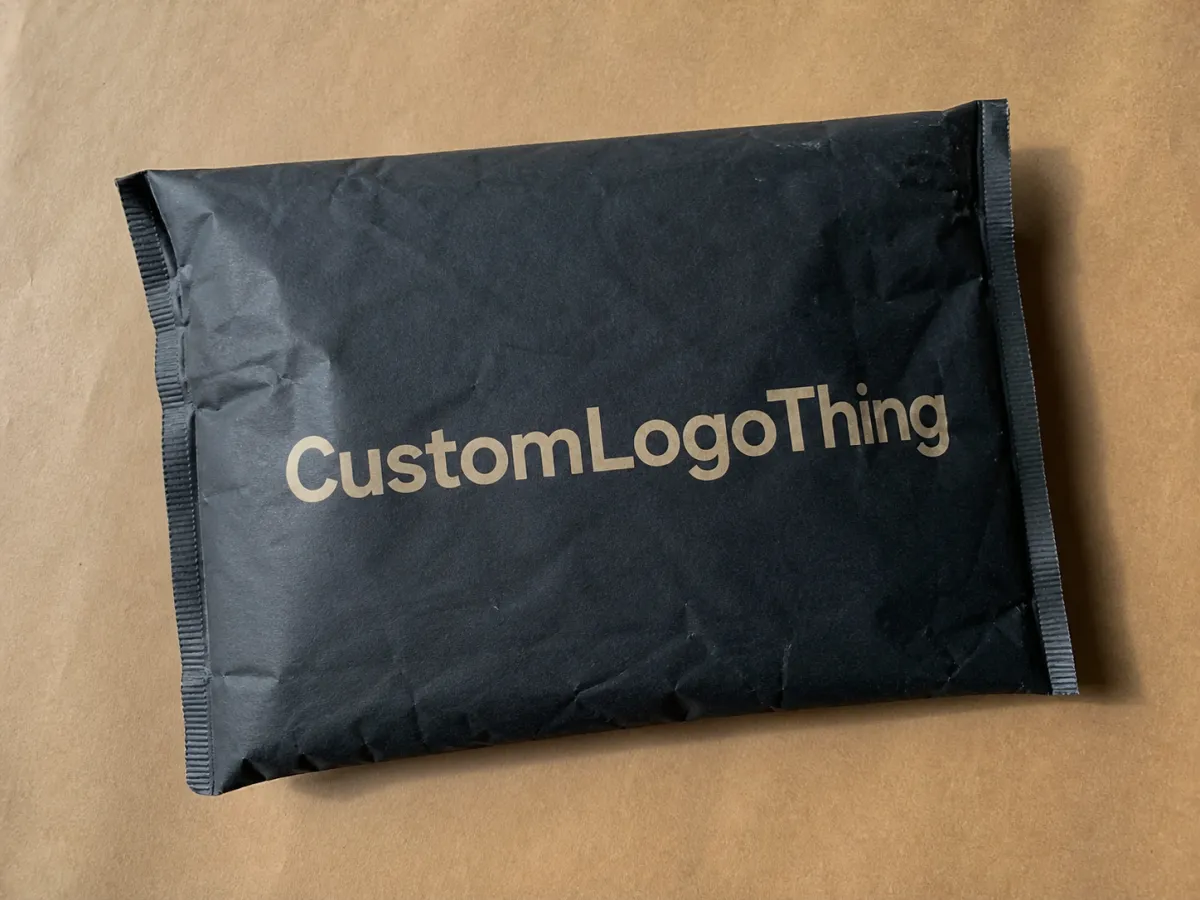
For coffee brands, sample approval rarely gets blocked by the art file. The trouble usually lives in the physical details: a flap that will not close cleanly over a 12 oz pouch, a mailer that bows after one insert, or a cushion layer that looks fine until the carrier tosses it into a bin. That is why custom Padded Mailers for Coffee Roasters prototype sample approval has to be treated like a real packing test, not a mood board review with a shipping label.
A prototype sample is a working sample built to show structure, dimensions, materials, and print intent before full production starts. Sample approval means the team has checked enough real-world details to sign off on the design and performance. In plain English, it separates “looks nice in the render” from “actually holds a bag of beans, a tasting card, and a small merch insert without bulging like it swallowed a brick.”
Coffee roasters use padded mailers for subscription boxes, sampler packs, wholesale marketing kits, branded merch, and small direct-to-consumer shipments. Those packages often carry more than coffee. A pouch, a sticker sheet, a branded scoop, a ceramic mug insert, or a folded sleeve can all end up in the same mailer. One format may work for one SKU and fail hard on another.
The trap is simple. A mailer can look perfect from a packaging design standpoint and still fail as product packaging. If the dimensions are off by a few millimeters, the product shifts around, the closure line strains, and the unboxing feel drops from premium to sloppy. That is not a print problem. That is a structure problem.
A sample that looks premium but packs badly is just expensive stationery.
For roasters, the approval process matters because the package is part of the brand itself. A clean mailer supports package branding and retail packaging expectations at the same time. It has to survive shipping, protect the contents, and still present the company well when the customer opens it. If you sell through direct e-commerce, wholesale, and events, the same mailer may need to do three different jobs. That is where approvals get messy fast.
The cleanest teams treat sample approval as a practical checkpoint. They test fit, closure strength, print placement, and handling. They ask whether the design works with actual inventory and current packing steps. They also decide early whether the mailer is meant to be a premium brand touchpoint or a cost-controlled shipping layer. Those are not the same thing, and trying to make one item do both without tradeoffs usually ends in rework.
How Prototype Samples Work for Padded Mailers
The sample flow is usually straightforward, at least on paper. You share the target size, product weight, insert count, print requirements, and closure preference. The supplier builds a prototype. You inspect the dimensions, compare the artwork placement, test the fit with real products, and either approve or request revisions before production starts. Simple enough. Theory has a way of being generous.
There are usually three sample types, and mixing them up wastes time. A blank structure sample shows size, board feel, padding, and closure behavior without final print. A printed mockup adds artwork, but may still be closer to a visual proof than a production build. A production-ready prototype is meant to mirror the final build more closely, including materials and finishing. If the only question is fit, a blank sample may be enough. If brand presentation matters, a printed prototype usually earns its keep.
For coffee roasters, the hand test matters more than the render. Put the actual bag inside. Put the bag plus the card inside. Put the bag plus the card plus the sticker pack inside. Then seal it and see what happens. Does the flap sit flat? Is there pressure on the gusset? Does the mailer spring open? Can a label land on a flat zone without wrinkling? That handful of checks catches more problems than a dozen polite emails.
Digital proofs still matter. They catch spelling, logo placement, color break issues, barcode zones, and bleed problems before anything is made. A screen will not show compressed padding, rough fold memory, or the way a thick insert changes the closure line. Physical samples catch the ugly realities. That is why you need both.
More than one team may need to sign off. Operations will care about pack speed and fit. Brand will care about appearance and consistency with the rest of the branded packaging. Fulfillment will care about whether the mailer jams or tears. If the package is also used for retail packaging or dealer shipments, sales or wholesale teams may want a say too. The trick is not to invite a committee. The trick is to assign one owner and gather input in a controlled way.
Here is the simplest way to think about the sample stage:
- Step 1: Send exact dimensions, target product weights, closure type, and artwork files.
- Step 2: Receive a prototype or blank sample and inspect the structure.
- Step 3: Pack real products and check fit, protection, and presentation.
- Step 4: Mark revisions clearly and approve only after the final round is checked.
If you are comparing formats, our Custom Packaging Products page is a useful starting point for broader packaging options, and our Custom Poly Mailers page helps if you want to compare a lighter shipping format against padded construction. Different structures solve different problems. Packaging loves to make that more complicated than it needs to be.
Process, Timeline, and Turnaround for Approval
From brief to final sign-off, a normal sample cycle usually takes longer than the client expects and less time than endless back-and-forth would take if nobody owns the decision. A clean timeline starts with a detailed brief, moves into prototype building, then shipping, review, revisions, and final approval. The delay almost always shows up in one of three places: missing specs, slow internal feedback, or sample shipping time.
A realistic timeline for custom padded mailers often looks like this: 1 to 3 business days to gather specs and artwork questions, 5 to 10 business days to build the prototype depending on structure and print method, 2 to 7 days for shipping, 2 to 5 days for internal review, and another 3 to 7 days if revisions are needed. A simple project can move in about two weeks. A messy one can drift into a month without anyone noticing it has done so.
Rush requests can work, but they reduce flexibility. If you need a sample in a hurry, expect fewer revision options, tighter communication windows, and a higher chance that someone misses a detail. That does not make rush bad. It means speed costs something. Usually that something is patience, money, or both.
Shipping time matters more than many teams think. If the sample has to move from the factory to a decorator, then to a roastery, then to a manager, each handoff adds days. International shipping adds customs friction and makes revision cycles slower. If the approval deadline is fixed, build backward from that date and leave a buffer. Two extra days is cheap. Missing launch is not.
A practical approval workflow keeps the process from turning into opinion soup:
- Assign one approval owner who consolidates feedback.
- Use a single feedback sheet with fit, print, closure, and transit notes.
- Set a fixed review deadline before the sample ships.
- Decide in advance which changes are mandatory and which are optional.
- Freeze the final sample with written sign-off before production.
For teams that already have launch dates, this is the moment to be boring and disciplined. Packaging projects do not fail because people lack taste. They fail because nobody wanted to make the final call on Tuesday, so the package was still “under review” two weeks later. That is how good packaging design turns into an expensive delay.
When the product needs rough handling validation, ask the supplier whether their sample approach resembles common transit tests used in the industry. The ISTA testing framework is a useful reference point for thinking about compression, vibration, and drop scenarios, even if you are not running a formal certification program. The point is not to turn your coffee mailer into a lab report. The point is to avoid fantasy packaging that only survives on a desk.
Key Factors That Affect Fit, Protection, and Branding
The first thing to check is size. A padded mailer that is too tight looks stressed and can buckle around the product. One that is too loose wastes material and makes the contents slide. Most coffee roasters are balancing a few common pack-outs: a single pouch, two sample bags, a pouch plus merch, or a bundle with a note card. The right size depends on the thickest version of the pack-out, not the easiest one.
Next is product weight and shape. Coffee bags have gussets, zippers, degassing valves, and sometimes stiff labels. Those features create hard edges and pressure points. If you are shipping tins or fragile add-ons, the need for cushioning rises quickly. A padded mailer that is fine for a soft pouch may be underbuilt for a sample kit with a ceramic item or a rigid insert.
Closure strength matters too. If the flap lifts easily or the adhesive bites too weakly, the mailer may not hold during transit. That is especially true for subscription shipments, which can be stacked, tossed, compressed, and handled by multiple carriers. If a mailer is meant to survive more than one touchpoint, test the seal with a packed unit, not an empty shell.
Branding has to work on the actual surface, not just in the artwork file. Dark coffee-themed graphics, heavy black backgrounds, and metallic accents can look excellent in mockups but behave differently depending on the substrate. Gloss, matte, kraft, coated paper, or polymer surfaces each change how print holds and how the final package reads in the hand. This is where package branding becomes real. A design that looks rich on-screen may read muddy in print if the contrast is weak or the ink coverage is too heavy.
There is also a shipping reality check. The package needs space for the address panel, barcode, and shipping label. If the mailer is being used in a fulfillment center, it should work with your packing bench and labeling workflow. Some customers also need the front panel clear enough for automation or carrier scanning. Ignore that part and the package may look beautiful while creating operational headaches.
For fiber-based options, source claims matter. If the mailer includes paper-based padding or printed paper components, ask whether the material can be certified under FSC standards. That does not solve everything, but it does give your sustainability conversation a real footing instead of vague green language. For brands that want responsible material sourcing without sounding like they copied a brochure, the FSC certification system is a solid reference.
Some roasters also compare mailers with other formats before deciding. That is smart. A padded mailer is not always the best answer if you need stronger stacking resistance or a more rigid presentation. In some cases, custom printed boxes or a layered mailer system may protect the goods better, especially for gift sets or retail packaging that needs a more premium shelf impression. For lighter, flatter shipments, a padded format often keeps costs down and speeds packing.
Practical fit checklist:
- Confirm the largest pack-out dimensions, not the smallest.
- Check flap overlap with the actual product inside.
- Verify label space after packing, not before.
- Test whether the mailer bulges at the zipper, seal, or gusset.
- Inspect whether the unboxing feel still matches the brand promise.
Cost, Pricing, MOQ, and Quote Basics
Pricing for padded mailers is driven by size, substrate, padding style, print method, color count, finish, and artwork complexity. That is the short version. The longer version is that every small decision pushes the quote in a direction, and the most expensive mistake is assuming all padded mailers are basically the same. They are not. A simple stock-style prototype is a different animal from a fully branded unit with custom print coverage and special finishing.
MOQ changes the math fast. Lower minimums help during prototype approval because they let you test the format without committing to a huge run. Low-volume work usually carries a higher unit cost. If you want a tiny approval batch, expect to pay more per piece. That tradeoff is normal. The wrong move is pretending a 500-piece approval run should price like a 10,000-piece production order.
Sample fees, setup charges, plate or tooling costs, shipping, and revision charges can all show up separately. Ask for the quote to split prototype cost from production cost. Otherwise you will have no idea whether the approval round is economical or just quietly draining the budget. A clean quote also helps if you are comparing multiple packaging suppliers or deciding whether to keep the project in-house.
Here is a useful rule of thumb for prototype pricing. Simple blank structural samples are often the least expensive because they do not require final print setup. Printed prototypes cost more because they include artwork and production steps. Special finishes and complex closures push the cost up again. For coffee roasters, the decision usually comes down to whether the sample is meant only for fit testing or for both fit testing and brand review.
| Prototype Type | Best For | Typical Range | Notes |
|---|---|---|---|
| Blank structure sample | Fit, closure, and padding checks | $40-$120 | Usually the fastest option when dimensions are the main question. |
| Printed mockup | Artwork placement and brand review | $75-$180 | Good for package branding decisions, but confirm whether materials match production. |
| Production-intent prototype | Final approval before bulk order | $120-$300+ | Closer to the finished unit and usually the safest option for launch sign-off. |
| Revised sample round | Correcting fit or print issues | $60-$200 | Costs depend on how many changes are needed and whether new tooling is involved. |
Those ranges are not a promise. They are a practical starting point. A small roaster doing a simple single-color branded shipping sleeve will usually land lower than a premium subscription kit with dense print coverage, complex inserts, and special finishes. Size alone can swing the number by a lot.
If you are also looking at other product packaging options, the right comparison is not “what is cheapest?” It is “what protects the shipment, supports the brand, and keeps labor under control?” A mailer that saves a few cents but slows packing by 20 seconds can cost more in labor than it saves in materials. That is the kind of math people conveniently ignore until the packing table gets busy.
When quoting, ask for these items specifically:
- Unit price at each volume tier
- Sample or prototype fees
- Setup, plate, or tooling charges
- Print method and number of colors
- Closure style and padding spec
- Lead time for sample and bulk order
Common Mistakes That Waste Time and Samples
The biggest mistake is approving from a PDF alone. A proof can tell you that the logo is centered and the colors are in the right family. It cannot tell you whether the mailer flaps awkwardly, whether the pouch slides, or whether the finished unit tears at the seam after one rough touch. A screen is not a shipping lane.
Another common problem is vague specs. If you send “mailer for coffee bags” instead of exact pouch dimensions, insert weight, closure target, and packing sequence, the sample team has to guess. Guessing creates revisions. Revisions create delay. Delay creates a launch problem. The chain is boring, but it is real.
Color approval is another trap. Teams often approve a render because it feels close enough, then get upset when the printed sample reads differently under warehouse lighting. If you care about color consistency, ask for a reference method and compare the sample under the same lighting you use for final sign-off. That is especially useful for dark neutrals, rich browns, metallic accents, and brand colors that sit close to black.
Too many decision-makers can also wreck the process. One person wants the logo larger. Another wants the pack smaller. Another is worried about the shipping label. By the time all comments are combined, the sample no longer reflects a clear brief. If everyone is allowed to comment separately, nobody is actually responsible. That sounds familiar because it happens constantly.
There is also the “almost right” trap. A sample that is only off by a little can still create real problems. A slightly undersized mailer may require force to close. A slightly oversized one may take more material, cost more, and look less premium. One wrong dimension can trigger another sample round, which pushes the launch back and increases packaging waste. It is never just one tiny error. Packaging always collects interest.
Common failure points by stage:
- Before sample: incomplete dimensions, missing insert specs, unclear closure requirements.
- During sample review: no actual product inside, no transit test, no label check.
- Before final approval: open comments from too many people, no single decision owner, no written sign-off.
For roasters that already have a full branded packaging system, it helps to compare the mailer against the rest of the line. If the mailer feels like a random one-off and not part of the broader retail packaging family, customers notice. The same goes for custom printed boxes and other shipping materials. Consistency is not decoration. It supports trust.
Expert Tips and Next Steps for a Clean Approval
The fastest way to get a clean approval is to stop guessing. Build a one-page checklist that covers fit, print, seal strength, shipping label space, and unboxing feel. Keep it short enough that people will actually use it. A ten-item approval sheet beats a fifty-line email thread nobody wants to read twice.
Photograph the sample with the actual coffee products inside. That matters more than people think. A side-by-side image of the packed sample, the label location, and the closure line gives the team a shared reference. It turns memory into evidence. That sounds dramatic, but in packaging work, photos beat opinions almost every time.
Set a firm deadline for feedback and make one person accountable for consolidation. The moment feedback comes from five directions, the process slows. If one owner collects comments and sends back a single revision list, the supplier can move faster and fewer details get lost. That one move saves more time than most “urgent” emails ever will.
If the artwork or size is still uncertain, order the smallest useful test batch. Do not overbuy certainty you do not have yet. A modest prototype order is cheaper than correcting thousands of finished mailers later. Cheap guessing usually gets expensive fast, especially when a launch date, a trade show, or a subscription cycle is involved.
For teams building a broader packaging system, it helps to think in layers. Your coffee pouch, mailer, insert card, and shipping box should work together rather than compete for attention. Good branded packaging does not need to shout. It needs to feel intentional, useful, and consistent. That is a better filter than chasing trends.
Before final sign-off, ask these last questions:
- Does the packed mailer hold the product without crushing it?
- Does the closure stay secure after handling?
- Is the print placement clean and readable?
- Is there enough flat space for the shipping label and barcode?
- Does the final result match the brand’s tone and price point?
If you are deciding between a padded format and another shipping structure, compare the actual workflow, not the glossy sample alone. A well-made mailer can be the right answer for lightweight coffee orders, sampler kits, and merch bundles. A box may be better for fragile or premium sets. Either way, the approval process should start with measurements, a real prototype, and a practical review of how the package moves through your operation. That is how custom Padded Mailers for Coffee roasters prototype sample approval stays practical instead of turning into a costly do-over.
What should coffee roasters check before approving a custom padded mailer sample?
Test the mailer with the actual product, not a dummy item, so you can confirm fit, protection, and closure. Check print placement, barcode space, and whether the mailer survives normal packing and shipping handling. Review the sample under real warehouse conditions to catch problems that do not show up in a mockup.
How long does custom padded mailers for coffee roasters prototype sample approval usually take?
Simple approvals can move quickly if specs are clear and only one revision is needed. Add more time if the sample must ship internationally, if artwork needs changes, or if multiple teams must sign off. The cleanest timelines come from one decision-maker and one feedback round.
What affects the price of custom padded mailers for coffee roasters?
Size, material, print method, finish, and cushioning type are the main pricing levers. MOQ matters because smaller runs usually cost more per unit. Sample and setup fees can change the real budget, so always ask for a full quote breakdown.
Do prototype samples usually match the final production mailers exactly?
They should match size, structure, and print intent closely, but small production differences can still happen. A prototype is for approval, so it is mainly there to verify fit and function before mass production. If you need exact color matching, confirm the reference method before signing off.
What is the biggest mistake when approving padded mailers for coffee shipments?
Approving without testing the mailer with the actual coffee pouch or bundle is the most common mistake. Skipping closure and transit testing can lead to damaged goods and reorders. The second biggest mistake is collecting too many opinions and never making a final decision.
For coffee brands, the smartest move is still the basic one: measure the product, request the right prototype, and approve only after the sample proves it can do the job. That is how custom Padded Mailers for Coffee roasters prototype sample approval stays grounded, protects the shipment, and keeps the final packaging cost from wandering off into fantasy territory.

