Buyer Fit Snapshot
| Best fit | Printed Padded Mailers for Coffee Roasters projects where brand print, material claims, artwork control, MOQ, and repeat-order consistency need to be specified before quoting. |
|---|---|
| Quote inputs | Share finished size, material target, print colors, finish, packing count, annual reorder estimate, ship-to region, and any compliance wording. |
| Proofing check | Approve dieline scale, logo placement, barcode or warning zones, color tolerance, closure strength, and carton packing before bulk production. |
| Main risk | Vague material claims, crowded artwork, missing packing details, or unclear freight terms can make a low unit price expensive after revisions. |
Fast answer: Printed Padded Mailers for Coffee Roasters: Sample Approval should be specified like a repeatable production item. The safest quote records material, print method, finish, artwork proof, packing count, and reorder notes in one written spec.
Production checks before approval
Compare the actual filled-product size with the drawing, then confirm tolerance on folds, seals, hang holes, label areas, and retail display edges. Reserve space for logos, QR codes, warning copy, and material claims before decorative graphics fill the panel.
Quote comparison points
Review material grade, print process, finish, sampling route, tooling charges, carton quantity, and freight assumptions side by side. A quote is only useful when the supplier can repeat the same color, closure quality, and packing count on the next order.
For coffee roasters, a mailer sample is never just a print check. With printed Padded Mailers for Coffee roasters prototype sample approval, the real test is whether the package protects the beans, fits the bag, stacks cleanly on the packing table, and still looks like a brand somebody meant to build.
That means judging the sample the way it will actually be used. Feel. Fit. Print clarity. Closure strength. How it behaves after it is filled, handled, stacked, and pushed through a real workflow. An empty mockup can hide a lot. Coffee bags with zippers, degassing valves, gussets, and outer cartons change the shape fast.
A sample that looks sharp in a flat mockup but packs badly is not approved. It is just a nicer-looking problem.
Printed Padded Mailers earn their place in a few blunt ways. They give a roaster a branded shipping piece that needs less dunnage, speeds up packing, and lowers the odds of damage compared with a plain envelope. They also make a stronger first impression for subscription shipments, sampler kits, and direct-to-consumer orders where the mailer may be the first branded object a customer actually touches.
There is a practical limit, though. A padded mailer is a good fit for single bags, lightweight sampler sets, inserts, and small accessories. It is not the right answer for every coffee order. Heavy multi-bag shipments, fragile add-ons, or packs that need rigid corner protection can still belong in a carton. Honest packaging work starts there: use the lightest format that still protects the product.
If you are comparing formats, structure matters as much as artwork. A paper-padded mailer, a poly-bubble mailer, and a kraft mailer with a cushioned liner each feel different in hand, weigh differently in transit, and print differently on press. If you are still sorting through options, our Custom Packaging Products page is a useful starting point, and the Custom Poly Mailers page shows how a lighter mailer construction changes both the shipping profile and the unboxing feel.
The approval stage is where print, structure, and cost finally meet. Tiny details like flap size, seal strength, and where a logo lands across a fold can decide whether a mailer feels production-ready or still smells like a prototype. That is why printed Padded Mailers for Coffee Roasters sample approval should be treated like a real production gate, not a box to tick.
Printed Padded Mailers for Coffee Roasters: What They Are
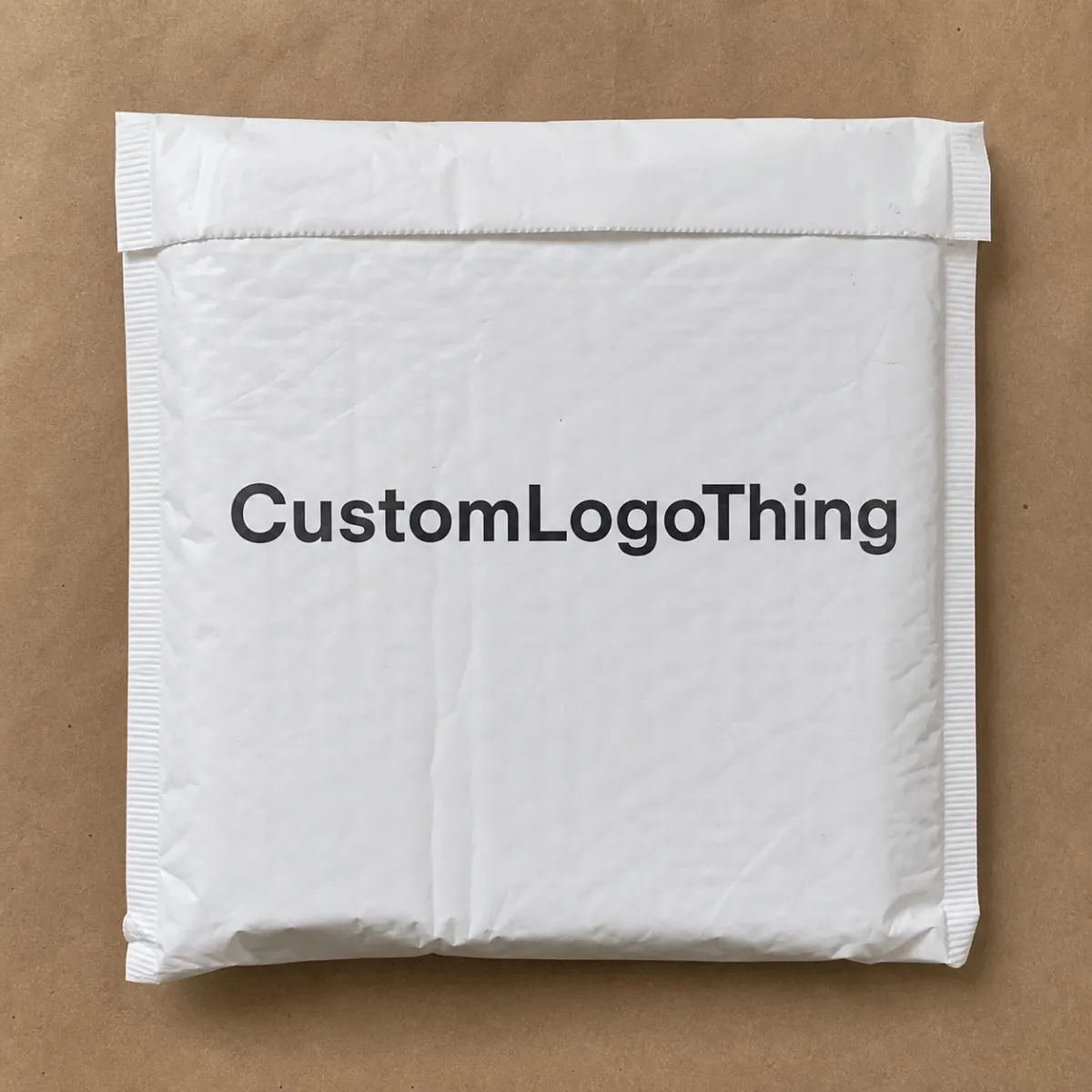
Printed padded mailers are protective shipping mailers with a cushioned layer built into the structure, usually designed to reduce scuffing, compression, and minor impact during parcel handling. The outer shell may be paper, poly, or a laminated combination, while the inside can be bubble, air-cell, molded padding, or another cushion layer depending on the supplier and the brand goal.
For coffee roasters, that protective layer matters more than it first appears. Roasted coffee bags are often packed with one-way valves, gussets, and resealable zippers, and they do not always forgive a shipper that is too tight or too thin. A mailer that protects the product without adding unnecessary bulk can make a subscription shipment feel tidy and premium instead of overstuffed.
There is a warehouse benefit too, and packing teams notice it quickly. A well-sized padded mailer can speed pack-out because the team is not wrestling with a box, extra void fill, or a secondary wrap. That matters when a roaster is shipping single-bag orders, sampler packs, or lightweight retail inserts that do not justify a carton. In those cases, a branded mailer keeps the package efficient while still carrying the brand story.
The gap between an early proof and a production-ready sample is easy to underestimate. A proof shows the art direction. A sample proves the actual construction. The artwork can be correct while the mailer still has a bad seam, a weak closure, or a panel size that shoves the logo into an awkward spot once the structure is folded and sealed.
That is why sample approval is not just a visual exercise. It is a check on materials, adhesive, fold lines, print registration, handling, and the way the package behaves under a real load. From a packaging buyer's point of view, this is the stage where a few millimeters can matter as much as a color change.
Many coffee brands use this stage to answer one basic question: does the mailer support the product and the brand at the same time? If yes, the package can do quiet work for the business every single day. If no, even a clean print job is not enough.
Printed Padded Mailers for Coffee Roasters Prototype Sample Approval
The sample path is simple on paper. Real projects are messier. First comes spec collection, then digital proofing, then a sample build, then physical inspection, then feedback, then revision, and finally written approval for production. A good supplier should guide that sequence instead of pretending the first sample is gospel.
The first physical sample should be checked under good light and handled the way a pack-out team would handle it on a busy day. Measure it, fold it, fill it, seal it, and stack it. If it will be labeled, label it. If it will be inserted into a carton, test that too. Empty samples can pass a casual visual check and still fail the real workflow.
Start with fit. A one-ounce sampler, a 12 oz bag, and a full pound of coffee behave differently inside the same mailer. Then check print registration, ink density, the sharpness of small type, the condition of any barcode or QR code, the quality of the seam, and whether the closure still feels secure after the mailer is filled and handled a few times.
One detail gets missed all the time: the artwork may look excellent on a flat proof, but once the mailer bends around folds, gussets, seams, or adhesive zones, the layout can shift in a way that makes the logo look off-center or a product claim land too close to the edge. That is why printed Padded Mailers for Coffee roasters prototype sample approval should always include a real physical review, not just a digital sign-off.
If the mailer will be shipped through parcel networks rather than handed directly to customers, think like the carrier. The International Safe Transit Association outlines testing approaches for parcel distribution, and its published guidance at ISTA is a useful reference point for drop, vibration, and compression hazards. A formal lab test is not necessary for every project, but the package should be evaluated as if it will be handled more than once. Because it will.
The approval round is also a good time to settle brand choices that seem small on screen but matter in print. A slight logo shift, a change in the white space around the mark, or a darker ink build can make the final mailer feel more deliberate. Once the sample looks right in hand, the team can approve with more confidence because the package is no longer theoretical.
Process, Timeline, and Lead Time for Sample Approval
Sample timing depends on how complete the project is before it enters the sampling stage. If artwork is final, the dieline is clear, and the size has already been chosen, a prototype can move quickly. If the team is still arguing over mailer dimensions, closure style, or print coverage, the process usually stretches because every structural change affects the next sample.
What a Typical Timeline Looks Like
A simple project often looks like this: one to two business days for proof review, three to seven business days for sample construction, and another two to five business days for shipping and internal review. If revisions are needed, add another cycle. More complex mailers, special finishes, or structural changes can push the schedule out by a week or more, especially if the artwork wraps across multiple panels.
That timeline sounds short until the sample lands in the office and waits for sign-off from three different people. Coffee roasters often need input from operations, marketing, ownership, and sometimes fulfillment. Each group sees a different risk. Marketing worries about visual impact. Operations worries about pack speed. Ownership worries about whether the budget still makes sense.
Where Delays Usually Start
The most common delay is not the sample build itself. It is the gap before the sample build starts. Missing dieline notes, unclear art files, and slow proof replies can stall the job before a single mailer is made. Late changes to dimensions are another usual cause, because a half-inch shift can change fold geometry, seal placement, and the location of printed elements.
Shipping time also deserves a buffer. If the sample has to cross a few states, pass through a receiving dock, and then wait for the team to gather comments, the approval calendar stretches even when the supplier is moving quickly. Plan for the time it takes to inspect the sample, photograph it, and circulate notes internally, because that review step is where a lot of launch dates quietly slip.
Production lead time is not the same thing as sample lead time. A buyer may receive a quick mockup and assume full production will be equally fast, but the manufacturing schedule for a larger order can be completely different. The safest way to plan is to treat the sample as the first checkpoint in a longer schedule, not as proof that the entire order will move at the same speed.
Cost, Pricing, MOQ, and Quote Factors
Price usually comes down to a short list of variables: base material, padding style, print coverage, number of colors, finish, closure type, and any special structure such as a tear strip or reinforced flap. For coffee roasters, the final quote can also move depending on whether the mailer must support a heavier bag, a sample insert, or multiple items in one shipment.
MOQ and sample cost are related, but they are not the same thing. A low-quantity prototype often carries a higher unit cost because setup time is spread across fewer pieces. A larger production order can lower the per-unit price, but only if the artwork and construction are stable enough that the factory does not need to rework the file or change the structure after approval.
A quote should answer a few plain questions before anyone signs off: Is tooling included? Are revisions billed? Is freight separate? Are extra samples available? Does the price reflect the same material and same print method as production, or is the prototype being made with a different construction for speed? Those details matter because a cheap-looking quote can hide a sample that does not reflect the final product very well.
| Approval Stage | Typical Cost Range | Typical Timing | Best Use | What It Reveals |
|---|---|---|---|---|
| Digital proof | $0-$50 | Same day to 2 business days | Artwork and text check | Copy errors, layout, trim safety, barcode placement |
| Physical prototype sample | $75-$250 | 3-7 business days before shipping | Fit and structure review | Mailer size, seal quality, seam strength, print feel, handling |
| Revised prototype | $150-$400 | 1-2 weeks, depending on changes | Confirm fixes before production | Whether the earlier issues are truly resolved |
| Short production pilot | $250-$600+ | 2-3 weeks or more | Near-final verification at scale | Press consistency, pack speed, and repeatability |
These are practical ranges, not fixed rules. Material choice can move the price faster than print count in some cases. A paper-padded construction with a clean one-color logo may cost less than a full-coverage poly mailer with a special closure, while a mailer that includes a custom tear strip or stronger seal may push the quote in the opposite direction.
The smartest comparison is not "which mailer is cheapest?" It is "which mailer fits the product, supports the brand, and reduces risk during shipping?" That question matters a lot for subscription coffee, where the package is part of the repeat experience. A few cents saved per unit can vanish fast if the mailer wrinkles badly, slows pack-out, or creates customer complaints.
If sustainability is part of the sale, ask for documentation instead of assuming the answer from the word "paper" alone. FSC-certified materials, recycled fiber claims, and end-of-life recyclability all need to be checked carefully. The Forest Stewardship Council explains its certification framework at FSC, which is worth reviewing if the packaging story includes responsible sourcing.
From a buyer's point of view, the approval budget should cover more than the final order. It should cover the prototype sample, one revision if needed, freight for the sample, and the time spent fixing a problem before it turns into a production mistake. That is usually far cheaper than reprinting thousands of mailers because the first round missed something structural.
Step-by-Step Guide to Approving a Printed Sample
A clean approval process keeps the team focused and cuts down on late-stage surprises. The best sample reviews are specific, short, and organized. They are not a long debate about taste; they are a check on whether the package can do its job.
-
Start with a complete intake packet.
Give the supplier the exact product dimensions, product weight, mailing method, artwork files, brand colors, closure preference, and any must-have notes about print placement or structure. If the mailer must fit a 12 oz coffee bag with a zipper and valve, say that clearly instead of using a loose estimate.
-
Review the digital proof before the sample ships.
This is the easiest place to catch misspelled copy, weak contrast, barcodes too close to the edge, or a logo that sits too near a fold line. A good proof review takes a few minutes and can save a full revision cycle later.
-
Inspect the physical sample under good light.
Check the print at arm's length and up close. Look for color shifts, scuffs, seams, and any area where the print breaks across a panel. If the mailer includes a matte, gloss, or soft-touch finish, feel the surface too, because coating changes both appearance and handling.
-
Test the sample filled and sealed.
Fill the mailer with the actual coffee product, or with a close stand-in that matches weight and shape. Then close it, stack it, label it, and move it through a realistic pack-out flow. A sample that looks perfect empty can become awkward once the bag pushes against the panel or the flap no longer closes with enough margin.
-
Simulate transit stress.
Light compression, a few drops from a modest height, and some slide testing across a table can reveal weak spots quickly. If the package will travel through a parcel network, use an ISTA mindset and think about the way a mailer is handled after it leaves your dock. This matters even more if the coffee is part of a subscription program, because repeated shipping damage shows up in customer service tickets fast.
-
Collect feedback in one round.
Ask each stakeholder to send notes once, then consolidate them before replying to the supplier. Multiple tiny rounds of feedback tend to drag the process out and create version confusion. Clear notes such as "move logo 4 mm lower" or "increase flap width for better seal" are much more useful than broad comments like "make it feel stronger."
-
Sign off in writing.
Once the team agrees, confirm the accepted dimensions, materials, artwork, and tolerances in writing. That protects both sides and keeps the production order aligned with the approved sample.
The best sample approval meetings are usually the shortest ones. A person opens the mailer, fills it, handles it, looks at the print, and then answers a few direct questions: does it fit, does it protect, does it look like the brand, and can the pack-out team live with it every day? If those answers are yes, the project is moving the right way.
Common Mistakes Coffee Roasters Make During Approval
-
Relying on the mockup alone.
Artwork renderings can look polished while the real mailer still has a weak fold, an awkward seam, or a closure that does not stay shut. If the process skips the physical sample, the team may discover fit problems only after the run is already in production.
-
Ignoring how the print wraps around the structure.
Mailer art often crosses folds, adhesive areas, or gussets. A logo or claim that sits safely on a flat proof can land badly once the structure is folded. Small text is especially vulnerable if it runs too close to an edge or crease.
-
Approving too quickly.
There is pressure to keep launches moving, but a sample that is "close enough" can still create daily friction for the fulfillment team. If the mailer is hard to pack, slow to seal, or visually thin once filled, that issue will show up in the warehouse every day.
-
Forgetting the shipping environment.
Mailers must survive stacking, cartons, pallet movement, and parcel handling. A package that looks fine on a conference table can behave very differently after a few knocks, temperature swings, or compression from other cartons.
-
Not aligning the whole team early.
Late comments from finance, operations, or brand leadership are expensive because they often arrive after the quote and sample schedule are already set. It is better to gather the right people before the sample is approved than to reopen the project after the fact.
-
Using the wrong insert or product during testing.
A mailer tested with a lightweight stand-in can pass and then fail in the field with the actual coffee bag. Use the real retail pack, or at least a stand-in that matches the final weight, dimensions, and shape closely enough to be useful.
-
Overlooking claims and sourcing details.
If your packaging carries recycled-content or FSC-related claims, verify the paperwork before approval. If the design needs to support sustainability messaging, the material story has to match the print story and the supply chain story.
A simple example makes the point. A roaster might approve a mailer that looks excellent with a flat paper insert, only to learn later that the real coffee bag pushes the flap into a crease and makes the closure look uneven. That miss happens often enough that it deserves a line item in every review checklist.
Expert Tips and Next Steps for a Faster Approval
Good approvals usually come from organized inputs, not heroic last-minute fixes. If the project starts with clear specs and a disciplined review method, the sample stage gets calmer and the production handoff gets cleaner.
-
Ask for a sample checklist before ordering.
That one request helps the team prepare measurements, product inserts, artwork files, and internal reviewers in advance. It also gives the supplier a better chance to build the right sample the first time.
-
Use one person to collect feedback.
Too many voices can slow a sample review and create contradictions. One coordinator can gather notes from operations, ownership, and marketing, then return one consolidated response to the supplier.
-
Request photos of the sample in use.
Flat lay images help, but filled and sealed photos reveal proportions far better. Ask for top, side, and closure shots so the team can see how the print behaves once the mailer is handled as a finished package.
-
Track changes by version.
A simple approval log with date, version, and change notes keeps the process organized. That record matters if the project goes through more than one revision or if a later production issue needs to be compared against the approved sample.
-
Prioritize functional fixes over cosmetic preference.
If the first sample is close, solve fit, closure, seam, and handling issues before debating tiny artwork refinements. A strong package with a slightly different ink tone is usually better than a beautiful package that does not pack well.
It also helps to think about the packaging the same way the customer will experience it. A coffee subscriber may never see the warehouse work behind the pack, but they will absolutely notice a crushed corner, a sloppy seal, or a mailer that opens too easily. Those failures carry real cost because they affect repeat orders and brand trust.
The best mailers are the ones that feel invisible during fulfillment and memorable during unboxing.
If you need to compare materials, ask for samples in the actual substrate family you plan to buy. A paper-padded mailer and a poly-padded mailer may share a similar silhouette, but they do not behave the same way in print, in handling, or in customer perception. That is why the sample should mirror production as closely as possible, even if the prototype costs a bit more.
For coffee roasters planning a new launch, the cleanest workflow is straightforward: lock the product dimensions first, then finalize the artwork, then sample the mailer, and only after that move to production. It sounds basic because it is basic. That order keeps the approval process from turning into guesswork. Once the package clears the sample stage, the run can move with much less friction, and the final result is more likely to match the brand promise.
The practical takeaway is simple: approve a printed padded mailer only after it passes a filled-product test, a closure check, and a quick transit simulation. If those three steps hold up, the package is doing the job it was hired for. If they do not, revise the structure before production starts.
Frequently Asked Questions
How long does printed padded mailers for coffee roasters prototype sample approval usually take?
Most timelines depend on how quickly the proof is approved, how long the sample build takes, and how fast your team reviews the finished piece. A simple approval can move in a few business days if the artwork is final and the dimensions are settled, while changes to structure, print coverage, or finish add extra time. Shipping and internal review also deserve a buffer, because that part of the schedule is where a lot of projects stall.
What should coffee roasters check first on a printed padded mailer sample?
Start with the fit. The mailer should hold the real product without crushing it or forcing the closure. After that, check seam strength, seal performance, print placement, barcode readability, and the areas where the art crosses folds or adhesive zones. The most useful test is always the filled sample, not the empty one.
Do printed padded mailers for coffee roasters require a high MOQ?
MOQ depends on the material, construction, and print method. Some suppliers can support smaller sample quantities, while production pricing usually improves as volume rises. It is smart to ask whether the sample quantity is priced separately from the production MOQ, because those numbers do not always move together.
Why does the quote change after the first sample?
The quote can change if the sample shows that the mailer needs a size adjustment, a stronger closure, a different finish, or a structural revision. Freight and extra proof rounds can also affect the total. A detailed spec sheet before sampling reduces the chance of surprise costs later.
What makes sample approval easier for coffee packaging projects?
Clear artwork files, exact measurements, and one consolidated feedback round make a big difference. Testing the sample with the actual coffee bag or retail insert prevents fit mistakes, and a supplier who explains the timeline and cost factors clearly helps the whole project move with less friction. That is why printed Padded Mailers for Coffee roasters prototype sample approval works best as a disciplined review, not a quick glance.


