Buyer Fit Snapshot
| Best fit | Custom Padded Mailers for Jewelry projects where brand print, material claims, artwork control, MOQ, and repeat-order consistency need to be specified before quoting. |
|---|---|
| Quote inputs | Share finished size, material target, print colors, finish, packing count, annual reorder estimate, ship-to region, and any compliance wording. |
| Proofing check | Approve dieline scale, logo placement, barcode or warning zones, color tolerance, closure strength, and carton packing before bulk production. |
| Main risk | Vague material claims, crowded artwork, missing packing details, or unclear freight terms can make a low unit price expensive after revisions. |
Fast answer: Custom Padded Mailers for Jewelry: Factory Audit Questions should be specified like a repeatable production item. The safest quote records material, print method, finish, artwork proof, packing count, and reorder notes in one written spec.
Production checks before approval
Compare the actual filled-product size with the drawing, then confirm tolerance on folds, seals, hang holes, label areas, and retail display edges. Reserve space for logos, QR codes, warning copy, and material claims before decorative graphics fill the panel.
Quote comparison points
Review material grade, print process, finish, sampling route, tooling charges, carton quantity, and freight assumptions side by side. A quote is only useful when the supplier can repeat the same color, closure quality, and packing count on the next order.
The phrase custom Padded Mailers for Jewelry Packaging factory audit questions sounds clunky because it is doing too much at once. Product. Use case. Buying filter. Still, the job is simple: ask the right questions before you approve a run. A mailer can look polished in a mockup and still scratch a jewelry box, split at the seam, or arrive with dust inside. That mistake gets expensive fast.
Custom Padded Mailers for Jewelry Packaging Factory Audit Questions
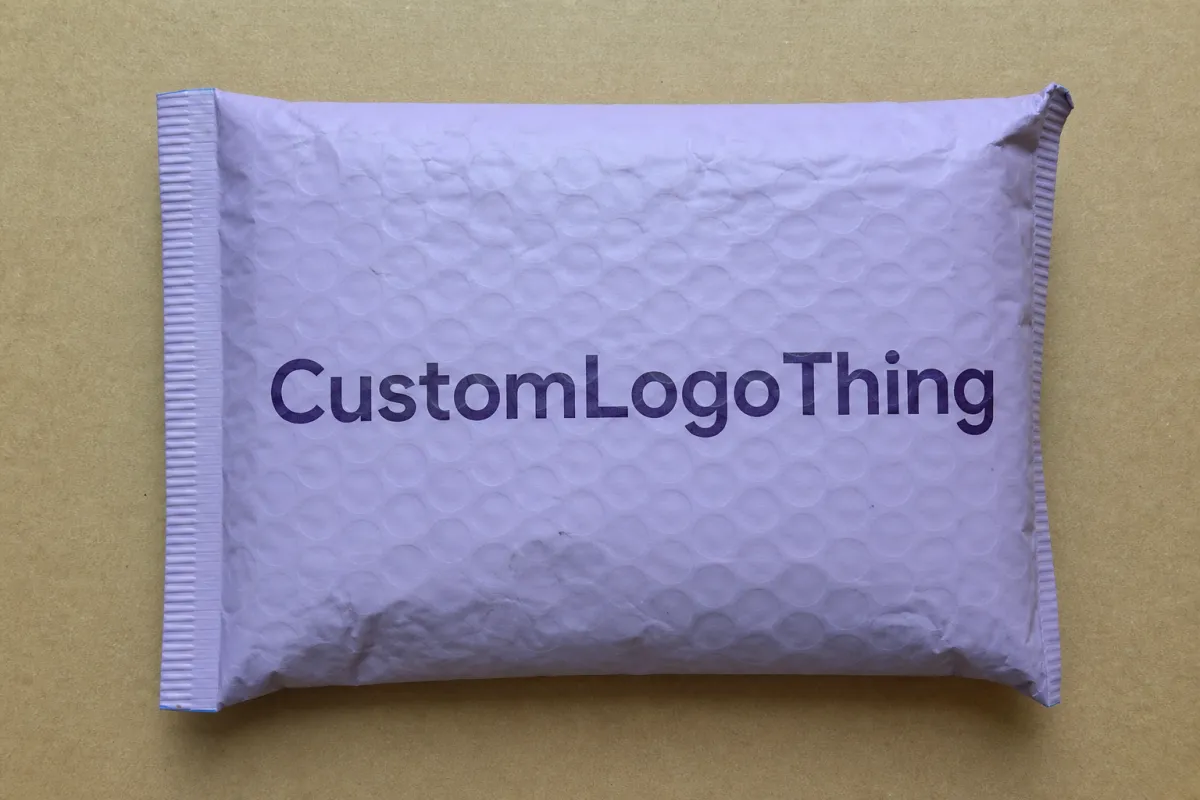
For jewelry brands, packaging is not decoration. It is protection, proof, and a quiet signal that the product was handled correctly. That is why Custom Padded Mailers for jewelry packaging factory audit questions matter more than the mockup. A glossy sample can flatter your logo and still fail the real test: does it keep a ring box from rubbing, a chain from shifting, and a velvet pouch from collecting dust during transit?
Factory audits cut through the sales polish. A real manufacturer should answer detailed questions about materials, construction, print control, lead time, inspection, and what happens when something misses spec. A middleman with a nice website usually answers with vague confidence and a pile of adjectives. That is not a supply chain. That is noise.
From a packaging buyer's point of view, the audit is not about finding a factory that says yes to everything. It is about finding one that can prove it understands product packaging for fragile, premium goods. Jewelry mailers sit between branded packaging and shipping protection, so the standards are different from a basic mailer. You are not just buying an envelope. You are buying part of the customer experience that still has to survive the carrier, the conveyor, and the occasional bad day in a delivery truck.
A pretty sample is not a shipping test. If a padded mailer cannot handle friction, compression, and a little carrier abuse, the print does not matter.
If your team already sources Custom Packaging Products or compares mailers with Custom Poly Mailers, this audit should feel familiar. The difference is that jewelry packaging usually needs a cleaner interior, a tighter fit, and better resistance to scuffing. That is where the questions get specific, and where mediocre suppliers start to wobble.
How Custom Padded Mailers Work for Jewelry Protection
A padded mailer does not protect by magic. It works through a plain stack of choices: the outer layer resists tearing and abrasion, the padding absorbs impact, the seal keeps the contents from shifting, and the interior finish cuts the chance of scuffs. For jewelry, that stack matters because the item is small, hard, and easy to mark. A polished box corner rubbing against a rough interior can leave ugly wear marks in a hurry.
Core construction matters more than slogans
Most jewelry mailers use one of three common structures: kraft paper with an internal pad, polyethylene film with bubble or foam padding, or a paper-based exterior paired with a cushioned liner. Each has tradeoffs. Kraft gives a more retail-friendly feel and fits well with eco-minded package branding. Poly film handles moisture better and often costs less. Foam or bubble layers improve impact resistance, but they can make the mailer feel less refined if the interior is not built well.
For a jewelry brand, the real question is not "Which material is best?" It is "Which material matches the size, weight, finish, and shipping path of the jewelry box inside?" A lightweight earring card in a slim carton has different needs than a heavier bracelet box or a small rigid gift box. If the factory cannot explain that difference, keep asking. Or move on.
Common specs look more concrete than the sales sheet usually admits. A paper-faced padded mailer might use a 350gsm C1S artboard outer shell laminated to a cushioned liner, with a 1.5 mm to 2 mm foam or EPE layer for body. A budget poly version might use 60-75 micron film with a 2 mm bubble layer. Those numbers matter because they tell you how the mailer will behave when the carton gets squeezed against other parcels.
Protection is a system, not a single feature
Protection depends on more than padding thickness. A 3 mm cushion with a weak seam can fail faster than a 2 mm cushion with a stronger closure and better fit. The closure style matters too: peel-and-seal strips, self-adhesive flaps, or lock-in lips each create different levels of resistance to dust, tampering, and accidental opening. For direct-to-consumer retail packaging, the seal should feel confident without making the customer fight the mailer like it owes them money.
Interior smoothness is another overlooked detail. Some padded mailers look fine outside but shed fibers, crease too easily, or create friction against printed jewelry boxes. If your brand uses soft-touch cartons, foil stamping, or coated sleeves, the inside of the mailer should be checked against those finishes. A supplier who understands custom printed boxes should also understand why a matte print can still scuff if the shipping sleeve is abrasive.
Compression testing is worth asking about too. A jewelry mailer does not need to survive a forklift strike, but it does need to hold shape after stack pressure, corner pressure, and vibration. Good factories usually know the practical failure points: seam peel, flap lift, bubble collapse, liner wrinkling, and color rub-off. Weak factories talk about "nice feel" and hope nobody asks for numbers.
Where the brand experience shows up
Jewelry buyers notice texture. They notice color. They notice whether the logo sits crisp and centered or drifts by a few millimeters because registration was sloppy. That is why mailers sit inside the broader language of packaging design and package branding. If your product line already has a visual system, the mailer should not look like an unrelated afterthought. It should feel like it belongs to the same family.
That does not mean it must be expensive. It means it must be deliberate. A clean surface finish, one or two print colors, and a structural choice that fits the product usually do more for perceived quality than piling on extra effects that add cost and muddy the look. Fancy is not the same as premium. Sometimes fancy is just noisy.
A practical example: a small ring box in a 7 x 9 inch mailer can often use a simple printed kraft exterior with a cushioned liner and still look upscale if the print is sharp and the closure is clean. A heavier pendant set in a rigid two-piece box may need a thicker mailer, stronger seam construction, and a tighter internal fit so the box does not slide when the parcel is tilted. Same category. Different physics. Annoying, yes. Real, also yes.
For a reference point on shipping performance, it helps to compare what the factory says against recognized test methods. The ISTA test family is a useful benchmark for transit-related stress, while packaging guidance from industry groups like packaging.org can help you think about material selection and supply chain basics.
Cost, Pricing, and MOQ: What the Factory Audit Should Reveal
Price is where a lot of buyers get fooled. A low quote can be real, or it can be a neat little trick. The number looks good until you add sampling, print setup, freight, overrun rules, and the cost of a failed batch. A proper audit should reveal the total economics, not just the headline unit price.
The main price drivers
For Custom Padded Mailers, the biggest cost drivers are usually:
- Material type and thickness - Kraft, poly film, bubble, foam, or hybrid construction.
- Padding structure - More cushioning or denser layers raise cost.
- Print method and coverage - One-color print is usually far cheaper than full bleed artwork.
- Finish - Matte, soft-touch, embossing, or specialty coatings add cost.
- Size - Larger mailers need more material and may affect shipping efficiency.
- Closure system - Peel-and-seal, tamper-evident strips, or custom adhesive options change tooling and labor.
If the supplier cannot tell you which of these drives the quote, they probably do not understand their own pricing very well. That is not a confidence booster.
Typical pricing ranges by order size
Exact numbers depend on structure, print coverage, and where the factory is located, but these ranges are a useful starting point for custom jewelry mailers:
| Order Size | Typical Unit Price | What You Usually Get | Best Fit |
|---|---|---|---|
| 500-1,000 units | $0.48-$0.95 each | Higher setup cost, limited print complexity, simple packaging | Launches, samples, small seasonal drops |
| 2,000-5,000 units | About $0.15-$0.24 each at 5,000 pieces; roughly $0.18-$0.32 at 2,000 units | Better balance of cost and customization, more print options | Growing DTC brands, repeat replenishment |
| 10,000+ units | $0.11-$0.20 each | Lower unit cost, stronger control on material and print setup | Established programs, steady monthly volume |
These are not fantasy numbers. They are normal buying ranges when the structure is sensible and the spec is not stuffed with unnecessary effects. If a quote sits far below this band, ask what is missing. If it sits far above this band, ask what quality or service is being added. Both extremes can hide a surprise.
For example, a printed mailer with a single-color logo on a kraft face, standard flap, and moderate cushioning can land near the lower end of that range at 5,000 pieces. Add full-bleed print, specialty coating, a thicker liner, or a custom size that wastes material, and the number moves quickly. The price does not lie, but it also does not volunteer context unless you ask for it.
MOQ tradeoffs are real
MOQ is not just a factory rule. It is a cash-flow decision. A low MOQ can help you test a new jewelry line or a new seasonal color without tying up inventory. The tradeoff is that the unit price rises and the factory may use a more manual production method. Higher MOQ lowers per-piece cost, but it also locks cash into inventory that may sit if your forecast is wrong. Forecasts often are wrong. That is not pessimism; that is how this business behaves.
A useful audit question is: What MOQ gets me the best price without creating dead stock? A good factory should explain how pricing shifts across tiers and whether a slightly larger order materially improves cost. A weak factory throws out one number and hopes you do not notice the staircase underneath it.
Hidden charges to ask about
Before you approve anything, ask for the full cost stack:
- Sampling fees and whether they are credited back later
- Plate or setup charges for print
- Artwork correction fees if files need cleanup
- Tooling or cutting fees for custom sizes
- Overrun and underrun policy
- Packing method and carton count
- Freight terms, export documents, and duty responsibility
The cheapest supplier on paper can become the most expensive one after revisions, reships, and rework. Cheap is a starting number, not a verdict.
Ask for a quote that breaks out the structure, print process, and packaging method separately. A quote that says "mailer, printed, packed" is too thin to trust. You need to know whether the supplier priced a simple envelope or a fully cushioned unit with custom die cutting and print registration tolerances.
Process and Timeline: From Inquiry to Shipment
A factory that knows what it is doing should be able to map the whole process clearly. Not vaguely. Clearly. If they cannot, you are probably dealing with a reseller who forwards your questions until someone else answers them. That is not ideal when you are trusting them with packaging that protects your jewelry and represents your brand.
The normal workflow
- Inquiry and specs - You share size, material preference, print needs, and target quantity.
- Feasibility review - The factory checks whether the construction is realistic and quotes accordingly.
- Sample making - Blank or printed samples are produced for approval.
- Artwork proof - The supplier confirms layout, color references, and print placement.
- Production - Materials are cut, printed, laminated, assembled, and packed.
- Inspection - QC checks dimensions, finish, print accuracy, and closure performance.
- Shipment - Goods are packed for freight and exported or delivered domestically.
What affects lead time most
Lead time is mostly controlled by four things: how ready your artwork is, whether the factory has the right materials in stock, how many sample rounds you need, and how busy the line is. If the design is approved and the dieline is final, things move faster. If you are still arguing about logo size while production is waiting, the schedule will slip. Not because the factory is slow, but because the spec is not done.
Typical timelines for jewelry mailers look like this:
- Sampling: 3-7 business days for simple structures, longer if print or special finishes are involved
- Production: often 12-15 business days from proof approval for standard runs; more like 15-20 business days for heavier customization or larger quantities
- Sea freight: often 2-5 weeks depending on destination and route
- Air freight: faster, but the price can erase any savings from a lower unit cost
Always ask for both best-case and worst-case dates. A factory that gives only the rosy version is selling you optimism, not a schedule. Build in a buffer for revisions, inspection holds, customs delays, and holiday shutdowns. Those delays do not care about your launch date.
If a supplier says they can print, pack, inspect, and ship a custom padded mailer run in three days, the correct response is not excitement. It is another round of questions.
Milestone dates beat one promised date
Ask the supplier to commit to milestones, not just a final ship date. Sample ready by Friday. Proof by Tuesday. Production starts after approval. Final inspection before carton close. That level of detail gives you control points. It also exposes whether the supplier is organized or just improvising with confidence.
If you are building a larger branded packaging system, keep the mailer timeline aligned with your cartons, inserts, and other product packaging components. It is common to finish one piece and then discover the matching inserts are still stuck in revision. That is how projects lose a month.
For a standard jewelry mailer order, I would want the factory to show me a simple calendar: quote, sample, proof approval, production, inspection, shipping. Not a spreadsheet full of mystery. Not a promise written in corporate fog. Just dates that can actually be checked.
Step-by-Step Factory Audit Checklist for Jewelry Mailers
This is the section that saves money. A proper audit checklist turns a fuzzy sales conversation into a usable decision. It also keeps your team from falling in love with a sample before it has survived a real test.
Start with the actual use case
Before you ask about materials, define the use case in practical terms:
- What jewelry is going inside: rings, earrings, necklaces, bracelets, or small boxed sets?
- What are the exact outer dimensions of the jewelry box or pouch?
- Will the mailer ship with a carrier bag, an inner carton, or directly as the outer shipper?
- What is the target budget per unit, including print?
- How much protection do you need from scuffing, bending, and dust?
If the factory starts quoting before it understands those answers, it is guessing. Guessing is not manufacturing.
Ask specific material questions
Use a simple checklist and insist on specifics:
- What is the outer layer made of, and what is the GSM or thickness?
- What type of padding is used, and what thickness range is available?
- Is the inner surface scratch-resistant or just standard lining?
- What adhesive or closure system is used?
- How does the structure perform against bending, corner pressure, and abrasion?
You are listening for precision. "Factory standard" is not precision. It is a dodge.
Good answers sound specific: "350gsm C1S artboard with a 2 mm EPE liner," "60 micron PE with a 2 mm bubble layer," or "kraft face with a low-friction inner sleeve for printed cartons." Bad answers sound like they were written by someone trying not to get caught being vague. Those are not the same thing.
Request three sample types if possible
When the supplier can provide them, ask for:
- Blank sample - Confirms structure, fit, and feel without print distractions
- Printed sample - Shows color, registration, and logo placement
- Stress-tested sample - Lets you check seam strength, rubbing, and closure reliability
One perfect-looking sample is not enough. A blank sample tells you structure. A printed sample tells you branding. A stress test tells you whether the mailer is any good. You need all three if the order matters.
If the supplier only wants to send a finished beauty sample, ask for the construction sample too. Otherwise you are judging the packaging equivalent of a staged headshot. Nice lighting. Not much else.
Score the supplier on response quality
A surprisingly useful audit metric is how the factory answers questions. Do they send a spec sheet? Do they explain tradeoffs? Do they give a reason when they recommend one structure over another? Or do they just keep saying "yes" like a nervous intern in a bad meeting?
Rate each factory on these five things:
- Spec accuracy - Are the dimensions, materials, and print details precise?
- Proof of quality control - Do they share inspection steps or test data?
- Commercial clarity - Is pricing transparent across quantities?
- Lead time honesty - Are dates realistic, with buffers explained?
- Communication speed - Do they answer quickly without turning every question into a mystery?
Test with the real product
Do not approve the mailer using a random sample carton from your desk. Test it with the actual jewelry box, pouch, or gift set. Shake it. Bend it. Slide it around. Check for corner crush, seam splitting, dust entry, and any movement inside the mailer. Then run a small pilot shipment through your normal carrier. That is the only test that matters in the real world.
A decent pilot run should include at least a handful of packages going through the same packing station your team uses every day. A lab sample can hide problems that only show up under real handling. A friction mark inside the liner. A flap that pops after temperature changes. A tight fit that becomes too tight once the box is fully assembled. Small problems. Big annoyance.
If you need help aligning the mailer with your larger packaging program, browse Custom Packaging Products alongside your mailer spec and compare the result with your existing FAQ process so your team uses the same language across all packaging decisions.
Common Mistakes That Trigger Rework or Rejection
Most packaging mistakes are boring. They happen because someone skipped a detail, assumed the sample told the full story, or chased the lowest quote without checking the rest of the math. The result is the same: rework, delays, or a shipment that feels cheaper than the brand deserves.
Looks do not protect products
The most common mistake is obsessing over visuals and ignoring the engineering. A mailer can print beautifully and still fail because the seam is weak, the interior is too rough, or the closure opens too easily. Jewelry is especially unforgiving because small hard items show wear fast. One scuffed box edge and the customer notices.
I have seen brands approve a beautiful white mailer with foil logo detail, then discover the interior rubbed the corner of a rigid box after a short courier run. The sample looked good on a desk. The parcel looked tired after the carrier had its way with it. That is the difference between packaging and decoration.
Vague answers are a red flag
If the supplier says "good quality" or "same as usual" without giving a spec, test, or sample, treat that as a warning. Good factories usually know their numbers. They can tell you thickness, tolerance, closure method, and likely failure points. Weak suppliers prefer vibes. Vibes are not a quality system.
Ask for actual tolerances. Ask for the thickness range on the liner. Ask how much print variation is acceptable from batch to batch. Ask whether the closure is peel-and-seal or hot-melt adhesive. If they cannot answer simple questions, they will not magically become precise after the deposit clears.
Unit price without context is misleading
Comparing quotes without checking MOQ, setup, freight, samples, and defect risk is how buyers get burned. A lower unit price may come with a higher total landed cost. It may also come with more variation between lots, which is a hidden cost if your branding depends on color consistency.
A quote that looks cheap at first can still lose once you add print plates, packaging cartons, repacking labor, or a second sample round because the first one missed the shade. The invoice does not always tell the whole story. It usually tells the nicest version of the story.
Skipping batch consistency checks invites trouble
Ask how the factory controls color, print registration, and material variation from one run to the next. That matters for package branding. If your jewelry boxes, mailers, and inserts are supposed to work as one visual system, batch drift is obvious. Customers do not need a packaging degree to notice that one order looks off.
This is especially true if your mailer uses a printed kraft face, a coated sleeve, or a soft-touch finish. A slight shift in gray tone, ink density, or registration can make a premium package look tired. Not broken. Just off. And "off" is how brands slowly look cheaper than they wanted to.
Wrong size means wrong experience
A mailer can be technically "close enough" and still be wrong. Too tight, and it crushes the jewelry box. Too loose, and the product shifts, scuffs, or rattles in transit. Size should be tested with the actual item and the actual closure method. Not guessed. Not eyeballed. Measured.
Measure the outer dimension of the box after the product is fully packed, then leave enough room for the mailer wall, any padding compression, and the closure flap. A 2 mm change sounds tiny until it turns into a bent corner on every third order. Tiny numbers still cause real problems.
For more packaging comparison thinking, look at how the mailer fits into your broader retail packaging system. If your outer shipper, inserts, and mailer do not agree on protection level and brand tone, the whole presentation feels inconsistent. That is avoidable, which is why it is annoying when it happens.
Expert Tips and Next Steps Before You Place the Order
If you want to buy smarter, stop treating the quote as the finish line. It is not the finish line. It is the beginning of the audit.
Ask for the documents that matter
Before you issue approval, ask for:
- Written defect rate or acceptance standard
- Sample approval policy
- Replacement terms if a batch fails inspection
- QC checkpoints during production
- Photos or video proof of final packing
Those answers tell you whether the factory is prepared to be accountable. If the supplier dodges these questions, assume the process is weaker than the sales deck suggests.
If they can share a simple inspection checklist, even better. I want to see what gets checked, how often, and what happens when something goes out of tolerance. A factory that tracks seam strength, print alignment, and carton count is usually more serious than one that just says "QC passed."
Use a scorecard, not a gut feeling
A simple scoring sheet helps remove emotion from the decision. Rank each supplier on spec accuracy, cost, timeline, communication, and flexibility. Weight the categories based on what matters most to your launch. If you are rushing for a drop date, timeline may matter more. If the line is premium, print fidelity and finish may matter more. This is basic buying discipline, not rocket science.
Think in landed cost, not sticker cost
Your final number should include unit price, sampling, freight, duties, packaging for shipment, and the cost of possible rework. That is your real cost. A quote that looks cheap but fails twice is not cheap. It is just slow damage.
For brands that are already building coordinated custom printed boxes, tissue, inserts, and mailers, consistency matters more than one-off savings. A packaging system that works together is easier to scale, easier to photograph, and easier for customers to trust. That is where good packaging design earns its keep.
Practical action list
- Measure the jewelry box, pouch, or gift set exactly.
- Request three quotes with the same quantity and spec.
- Ask each factory for material details, QC steps, and lead times.
- Order blank and printed samples.
- Test the mailers with real product and real shipping conditions.
- Choose the supplier based on total landed cost and reliability, not just price.
That is the work. Not glamorous. Very effective.
If you want the short version: good custom Padded Mailers for Jewelry Packaging factory audit questions should expose how the mailer is built, how it is tested, what it really costs, and how the factory behaves when something goes wrong. That is the difference between a supplier and a headache.
What factory audit questions matter most for custom padded mailers for jewelry packaging?
Ask how the mailer is built, including the outer layer, padding, seal strength, and any scratch-resistant lining. Ask what print method is used, how color is controlled, and how consistent samples are with mass production. Ask for QC checkpoints, defect rates, and the replacement policy if a batch fails inspection. If the supplier can describe the construction in plain terms, you are off to a better start than most buyers.
How do I judge MOQ and pricing for jewelry mailers without getting burned?
Compare unit price at the same quantity every time, because mixed quote sizes are useless. Include setup, sampling, shipping, and any overrun or underrun rules before you call a quote competitive. Pick an MOQ that matches your forecast plus a realistic buffer, not the dream version of demand. For a 5,000-piece run, a typical target is about $0.15-$0.24 per unit depending on size, structure, and print coverage.
What lead time should I expect from a factory for padded jewelry mailers?
Samples usually move faster than full production, but each revision adds time. Lead time depends on artwork approval, material availability, and how crowded the factory schedule is. For a standard run, production often takes 12-15 business days from proof approval, then add packing and freight on top of that. Always ask for best-case and worst-case dates so you know where the risk sits.
How do I test if custom padded mailers for jewelry packaging actually protect the product?
Use the real jewelry box, then shake, bend, and rub the mailer to see what fails first. Check for scuffs, corner crush, seam splits, dust entry, and any movement inside the mailer. Run a small pilot shipment through your normal carrier Before You Order at scale. If you want a better benchmark, ask the factory whether the mailer has been checked against drop, vibration, and compression conditions similar to ISTA-style testing.
What should I do if a supplier passes the quote but fails the audit?
Treat the quote as irrelevant if the specs, samples, or QC answers are weak. Ask for corrected samples and a written action plan if the issue looks fixable. Walk away if the answers stay vague, because a cheap supplier with sloppy control is still expensive. Your packaging is part of the product experience, not a side quest.

