Buyer Fit Snapshot
| Best fit | Printed Padded Mailers for Jewelry Packaging Reorder projects where brand print, material claims, artwork control, MOQ, and repeat-order consistency need to be specified before quoting. |
|---|---|
| Quote inputs | Share finished size, material target, print colors, finish, packing count, annual reorder estimate, ship-to region, and any compliance wording. |
| Proofing check | Approve dieline scale, logo placement, barcode or warning zones, color tolerance, closure strength, and carton packing before bulk production. |
| Main risk | Vague material claims, crowded artwork, missing packing details, or unclear freight terms can make a low unit price expensive after revisions. |
Fast answer: Printed Padded Mailers for Jewelry Packaging Reorder: Film, Print, MOQ, and Carton Packing should be specified like a repeatable production item. The safest quote records material, print method, finish, artwork proof, packing count, and reorder notes in one written spec.
Production checks before approval
Compare the actual filled-product size with the drawing, then confirm tolerance on folds, seals, hang holes, label areas, and retail display edges. Reserve space for logos, QR codes, warning copy, and material claims before decorative graphics fill the panel.
Quote comparison points
Review material grade, print process, finish, sampling route, tooling charges, carton quantity, and freight assumptions side by side. A quote is only useful when the supplier can repeat the same color, closure quality, and packing count on the next order.
This printed Padded Mailers for Jewelry Packaging reorder planning guide matters most after the first order is already working. That is usually when the real problems show up. Stock runs low. A new buyer assumes the last spec is still on file. Somebody in fulfillment reaches for a substitute that looks close enough, then spends the afternoon making it work anyway. Jewelry packaging is small, but the details are not. A mailer has to protect boxes, pouches, cards, and inserts, and it has to do that without turning the parcel into a bulky, awkward bundle.
Reorders deserve more attention than a quick PO and a hopeful email. A mailer that fits the product, seals the same way every time, and prints cleanly on repeat keeps the packing line moving and the customer experience steady. That matters whether the order contains a single pendant, a stacked ring set, or a gift package with care cards and tissue. If your team buys across multiple categories, including Custom Packaging Products, it usually pays to treat mailers, inserts, and boxes as one system instead of a stack of disconnected purchases.
Printed padded mailers for jewelry packaging reorder planning guide
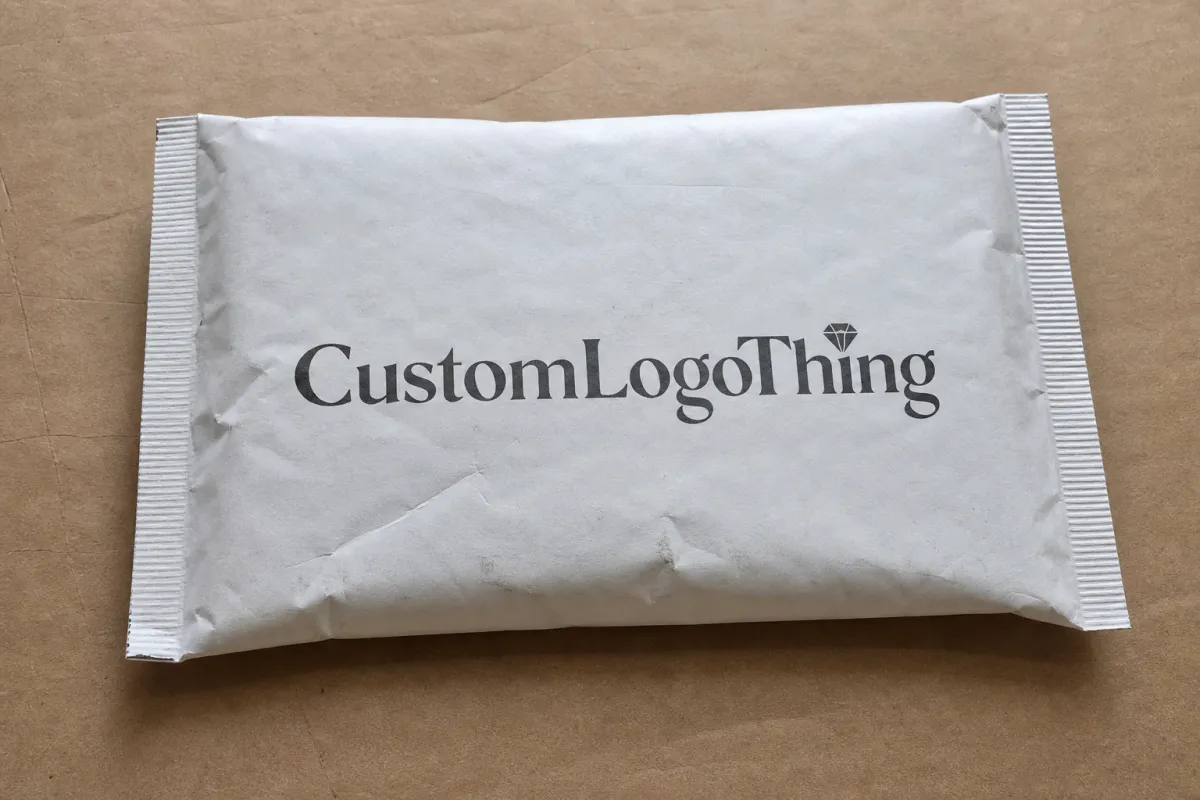
Reorders are where packaging either proves it was specified well or quietly starts causing friction. Jewelry brands that ship Printed Padded Mailers day after day need a repeatable spec. Small changes in size, liner thickness, adhesive strength, or print coverage can slow the line down. A mailer that fits tightly enough to hold the inner pack still, but not so tightly that it bows at the seams, saves time in packing and reduces damage claims later.
For small jewelry shipments, consistency is as valuable as protection. A mailer that is too large lets the box or pouch move around. One that is too small can crease at the corners or put pressure on the closure. Rings, earrings, delicate chain boxes, velvet pouches, warranty cards, and fold-over inserts all perform better inside a shell that keeps shape without crushing what is inside. The customer notices that immediately. So does the warehouse team.
Unbranded mailers often look cheaper on a spreadsheet and more expensive on the packing table. Labels need to be added. Inventory gets sorted by hand. Print placement becomes an afterthought. The labor cost hides in plain sight. Branded mailers cut some of that waste and keep the presentation steady across promotions, replenishment cycles, and wholesale drops. That matters when a brand ships multiple SKU sizes through the same fulfillment line and cannot afford a different process for every order.
It also helps to separate the job of the mailer from the job of other packaging formats. Printed Padded Mailers usually work best as the outer shipper for lighter jewelry orders. Custom printed boxes or rigid cartons fit premium kits, heavier sets, or orders that need a more formal presentation. The right choice depends on the pack-out, not on what looks nicest in a mockup. Good package branding is useful only if the structure still works at scale.
Practical rule: if the last approved spec still meets the product size and shipping conditions, keep it. A reorder should only change when you have a clear reason, because a small tweak can shift cost, lead time, and performance all at once.
Brands comparing mailers with other shipping formats may also review lighter outer shells or different closure structures alongside Custom Poly Mailers. That comparison gets useful fast if the jewelry line includes flat accessories, lightweight add-ons, or multi-piece orders that do not need the same level of cushioning as a boxed presentation set.
Product details: what these mailers are built to do
Printed padded mailers have two jobs. They protect the contents in transit, and they present the brand cleanly when the parcel is opened. The outer surface may be paper, poly film, or a reinforced laminated structure, depending on the look and performance target. Paper exteriors usually feel more natural and often suit a softer retail presentation. Poly exteriors handle moisture better and tend to tolerate rougher carrier handling. Reinforced constructions add stiffness and help the mailer hold its shape around small boxes and insert cards.
For paper-faced builds, a common starting point is a coated board in the 300-400 gsm range paired with a 2 mm or 3 mm bubble liner. That combination is common for jewelry boxes, carded earrings, and slim pouch sets because it keeps the package flat without making it heavy or oversized. A heavier structure may use a stronger board or a kraft-faced exterior when the brand wants a more tactile finish or needs extra stiffness for a thicker insert stack. If the contents are light, there is no prize for overbuilding the shell. Extra material usually raises cost and makes the parcel feel awkward in hand.
The interior padding matters just as much as the outer print. Bubble lining is popular because it absorbs abrasion and gives the mailer body for small cartons, fold-over cards, and pouch sets. Foam-like pads or thicker cushioned liners can add more protection when the contents are rigid, have sharp corners, or include multiple inserts. The point is not to build the heaviest mailer available. The point is to match the cushioning to the real product weight and thickness so the seal closes properly and the shell does not bulge.
A few practical details make daily fulfillment easier. Self-seal closures are common, but the adhesive has to match the warehouse environment. A mailer stored in warm or humid conditions needs a closure that stays reliable through storage and transit. Tear strips improve the opening experience and let the customer open the parcel without scissors, while still keeping the seal secure before delivery. For teams packing hundreds of orders a day, a closure that feels the same on every unit saves more time than most buyers expect.
Printing turns the mailer into part of the brand, not just a shipping shell. Logos, return information, simple patterns, care messaging, and short brand statements can all be printed directly on the surface. Jewelry packaging carries emotional weight, so the artwork should feel deliberate. Clean typography, controlled color, and a clear visual hierarchy usually read as more premium than crowded graphics with too much going on. That is true even when the design budget is modest.
The right product choice depends on the shipping plan as a whole. A direct-to-consumer brand that sends one small item at a time may want a lighter, print-forward mailer. A wholesale program or event shipper may need a sturdier shell with more tolerance for variation in pack thickness. A brand that includes gift wrap or seasonal inserts may need more internal clearance for ribbon, care cards, or a folded gift note. The mailer should fit the actual use case, not only the render.
Broader sourcing decisions should also reflect how the mailer fits into the larger packaging system. Brands that buy across several formats often do best with a shared color palette, consistent typography, and matching finishing choices across mailers, retail boxes, and inserts. That keeps the customer experience intentional without forcing every item into the same construction.
Specifications to lock in before you reorder
Reorders go faster when the spec sheet is precise. Start with dimensions because size drives almost everything else. Record the outside dimensions, the usable inside space, the flap allowance, and the exact packed thickness the mailer must accept without stressing the seal. A jewelry pouch in a slim box does not behave like a flat card insert, and a mailer that fits one can be wrong for the other. If the last run worked, measure the actual packed piece rather than relying only on the nominal size in a purchase record.
Material details need the same care. For paper-based mailers, ask for the board weight and liner type. For example, a paper-faced mailer may use a coated board around 350 gsm with a 2 mm bubble liner, while a heavier retail version may move up to 400 gsm with a reinforced edge. For poly or laminated builds, confirm film thickness, reinforcement layers, and seam construction. If the closure uses pressure-sensitive adhesive, verify whether it is permanent or resealable and whether it still performs after storage. Edge reinforcement matters when the product ships in bulk cartons or gets handled repeatedly before use. Small changes here can affect durability and the way the finished mailer feels in hand.
Printing specs deserve the same level of discipline. Record the number of colors, ink coverage, logo placement, finish, and any special treatment such as matte, gloss, or soft-touch lamination. If the last production run used a specific black, navy, cream, or metallic accent, keep that reference on file. A reorder should not drift visually because the file was exported differently or a color reference was left out. If the artwork has heavy coverage, ask whether the print build needs a flood coat, spot treatment, or a different substrate so the color does not look muddy on press.
Logistics specs matter more than many buyers expect. Ask how many mailers ship per carton, how the cartons are stacked on a pallet, and what storage conditions are recommended. A climate-controlled warehouse behaves differently from a humid receiving area or a shelf near a dock door. If inventory sits for months, the closure adhesive and the print finish should tolerate storage without curling, blocking, or dulling.
Before approving a larger reorder, run a simple quality check with the real package inside. Confirm that the mailer passes a load test with the actual jewelry box or pouch. Check seal performance by closing several samples in a row, then opening and resealing if that is part of the workflow. Compare print consistency against the last approved sample, not only the proof on screen. If the mailers are intended for shipping instead of local handoff, it also helps to reference transit testing guidance from organizations such as ISTA and paper sourcing expectations from FSC, especially when traceability matters to the brand.
- Dimensions: outside size, inside clearance, flap length, packed thickness.
- Construction: paper, poly film, reinforced laminate, or padded hybrid.
- Padding: bubble lining, cushioned sheet, or another abrasion control layer.
- Print: colors, coverage, placement, finish, and version control.
- Logistics: carton count, pallet pattern, storage conditions, and receiving plan.
Pricing, MOQ, and quote planning
Pricing for printed padded mailers depends on more than quantity, even if quantity is usually the first lever buyers check. Size affects material use directly, and material choice affects structure and print result. A simple one-color logo on a standard mailer usually costs less than a full-coverage design with multiple ink passes or a premium finish. If the order needs tight matching to an existing brand spec, setup work can also influence the quote. Two orders with similar quantities can still price very differently.
For planning, a standard paper-faced padded mailer can land around $0.15-$0.24 per unit at 5,000 pieces, depending on size and print coverage. A poly exterior with padded lining often sits closer to $0.17-$0.29 per unit at the same volume, while a reinforced or premium-finish build can move into the $0.30-$0.55 range. Those are working numbers, not a promise, but they are more useful than a vague quote range that tells you nothing.
MOQ follows production efficiency. Once a converting line or print setup is staged, the run needs enough units to spread that setup cost across the order. Smaller mailers may carry lower minimums. Larger or highly customized builds often need more volume before the economics make sense. A repeat order is usually easier than a first-time custom run, but the minimum can still shift depending on the material, print method, and whether the design can be produced with existing tooling.
Buyers get the clearest picture when they compare unit cost, total spend, and inventory holding cost together. The lowest per-piece quote is not always the best deal if it forces you to buy far more mailers than you can use in a reasonable period. Excess inventory ties up cash and creates storage problems, especially if the brand runs several SKU sizes or seasonal campaigns. A better quote plan looks at the full landed cost and the timing of your usage curve.
Tiered pricing is one of the most useful tools in the buying process. It shows the break points and helps you see whether a modest increase in quantity drops the unit cost enough to justify the larger order. It also shows how much price movement comes from changing one variable at a time. Change the size, move to a different closure, or upgrade the print finish, and the quote structure may shift more than expected. That is normal. The useful part is seeing the options side by side before the reorder is locked.
| Mailer build | Best use | Typical MOQ | Indicative unit price at 5,000 pcs | Notes |
|---|---|---|---|---|
| Standard paper exterior with bubble lining | Light jewelry orders, cards, and small pouch sets | 1,000-3,000 | $0.15-$0.24 | Good balance of printability and presentation; usually a 350 gsm coated board face with 2 mm bubble |
| Poly exterior with padded lining | Moisture-prone routes or higher handling environments | 3,000-5,000 | $0.17-$0.29 | Often chosen for durability and better moisture resistance |
| Reinforced padded mailer with simple print | Heavier gift kits and thicker jewelry boxes | 3,000-10,000 | $0.26-$0.44 | More structure, usually better edge stability |
| Premium printed mailer with higher coverage or special finish | Brand-forward retail packaging programs | 5,000+ | $0.32-$0.55 | Price varies with artwork coverage, finish, and exact material spec |
Those numbers are planning ranges, not a quote. They still help buyers think clearly about the economics. If your packaging line spends time relabeling or repacking, a slightly higher unit cost can be justified by the labor saved. If fulfillment volume is irregular, a more conservative MOQ can be the better choice even when the per-unit price runs a little higher.
When comparing purchase paths, ask for the same spec across each tier so you are not comparing different products by mistake. A reorder quote should show the same artwork file, the same size, and the same finish unless you are deliberately testing a change. If your team is also evaluating volume purchasing across other categories, Wholesale Programs can help frame how repeat orders behave over time and where a larger buy may create a better rate without unnecessary overstock.
Production process and timeline for reorders
A clean production process usually starts with a quote request and ends with shipment after quality check, but there are several checkpoints in between that affect lead time. First comes spec confirmation. That step should verify the size, material, print layout, closure type, carton count, and delivery address. Then comes proof review. If the artwork is already on file and the previous run was approved, this stage can move quickly. If the print file needs revision, the schedule moves with it.
After proof approval, production begins. For a standard repeat order, production is often 12-15 business days from proof approval. Simple one-color or low-coverage jobs can sometimes finish a bit faster if the materials are already on hand. More complex work, such as full-bleed graphics, soft-touch lamination, foil accents, or a changed size, can push the schedule to 15-20 business days or more. Speed depends on whether the materials are in stock, whether the run uses the same print method as the last order, and whether the order is a direct repeat or a revised spec. Repeat business can move faster because there is less uncertainty, but that only works if the buyer gives clear instructions and the supplier keeps the prior records organized. A late color correction or a dimension change can add time even to a routine reorder.
Quality check is not a formality. The supplier should confirm print placement, adhesive performance, seal consistency, and carton count before shipping. If the mailers are part of a larger branded packaging system, this is also the time to confirm that the visual tone still matches the rest of the line. A small drift in color stands out fast when customers receive mailers repeatedly over several months.
Freight and receiving need their own planning window. A reorder may leave production on schedule and still arrive too late if the buyer ignores shipping time, freight booking, or warehouse receiving delays. That is especially true before launches, holiday pushes, or planned replenishment cycles. A solid reorder plan includes a buffer so the brand is not forced into a rush fee or a last-minute substitution.
For many jewelry brands, a realistic end-to-end timeline from proof approval to delivery is often 18-25 business days once freight is included, depending on order size and route. Domestic ground shipments usually move faster than consolidated freight, and remote receiving schedules can add another few days. The safer move is to set the reorder trigger before inventory gets tight, not after the last cartons are already open.
A useful planning habit is to track consumption in weeks, not just units. If your team uses 800 mailers a week and your safety stock is 2,000, then a reorder trigger at roughly three weeks of remaining supply gives you room for proof changes, line variance, and transit time. That is a lot more reliable than waiting for a month-end count and hoping the numbers still hold.
Reorder timing also changes how you evaluate alternatives. If the current mailer no longer fits the product, you may need to compare it against other shipping structures or adjacent formats in your retail packaging mix. A brand that has grown into larger gift sets might pair padded mailers with boxes for premium orders, while smaller SKUs stay in the mailer format for cost control and speed.
Why choose us for jewelry mailer reorders
A good supplier does more than accept a purchase order. For reorder programs, repeatability is the real value. That means the same color, the same print placement, the same feel in the hand, and the same closure behavior from one run to the next. Jewelry brands depend on that kind of consistency because the package often reaches the customer before any other brand cue. If the mailer shifts from one order to the next, the presentation starts to feel uneven.
Packaging experience matters here, especially the practical kind. Jewelry shipments are small, but they are not simple. They move through packing benches, staging shelves, and carrier networks that can be rough on lightweight products. A supplier who understands package branding and fulfillment flow will ask the right questions about contents, thickness, storage, and presentation before the run starts. That keeps surprises out of the back end.
Communication is another sign of a dependable reorder partner. Clear proofing, direct spec confirmation, and plain-language answers about feasibility keep the process moving. Buyers should not have to guess whether the artwork can be matched, whether the adhesive is strong enough, or whether the mailer size will hold the product comfortably. Good communication also catches issues early, such as a dimension mismatch, a closure concern, or a print file that will not reproduce well on the chosen surface.
A strong supplier also helps reduce waste. If the mailer is too large, it can waste material and invite product movement. If it is too small, it can slow packing or create rejects. If the print file is not set up correctly, the whole run may need to be reworked. Getting those details right before production starts is usually cheaper than fixing them after cartons are already on a truck.
Repeat buyers usually care about consistency as much as speed. First-time purchasers focus on design and landing a quote. Repeat purchasers care about fit, performance, and whether the next run will mirror the last one. Those are different needs, and a good packaging partner should support both without turning every reorder into a new project.
Our approach is built around that idea. We treat each reorder as part of a packaging system, not a one-off transaction. If you need help comparing structural options, our Custom Poly Mailers page is a useful starting point for lighter shipping formats, while broader sourcing through Custom Packaging Products can help your team align mailers with boxes, inserts, and other branded packaging pieces in a single plan.
For brands that buy in volume, repeat buying discipline matters just as much as design. If your team wants to stabilize procurement across seasons, keep a clean spec record, a sample archive, and a reorder calendar. Those three habits make future purchases easier and keep the packaging aligned with the rest of the product packaging strategy.
Actionable next steps for your next reorder
Start with an inventory audit. Count what is on hand, then calculate average weekly usage for the last two or three cycles. That gives you a more reliable reorder picture than a single snapshot. If you see a spike tied to promotions or wholesale shipments, note it separately so it does not distort the normal consumption rate.
Next, gather the quoting materials that save time. The current dimensions, artwork files, prior purchase order, preferred delivery date, and any changes to finish or closure style should all be easy to find. If the reorder has to match an existing program exactly, include a sample photo or an approved spec sheet. That cuts down on back-and-forth and makes it easier to confirm whether the new run should stay identical or include a revision.
Then ask for tiered pricing. A three-step quote, such as a lower MOQ, a mid-volume run, and a higher volume option, gives you a clearer view of unit cost and cash commitment. You can see where the break point sits and decide whether a larger order is worth the inventory hold. That matters even more if your brand has seasonal demand or irregular wholesale cycles.
If the spec has changed, ask for a proof or sample review before the full run begins. A new size or new artwork should never be approved on a guess. One sample test with the real jewelry package is usually enough to confirm whether the mailer protects the item, seals correctly, and looks right on the shelf or at the doorstep. That small step can prevent a much larger problem later.
Finally, set the next reorder trigger now. Do not wait until you are counting cartons one by one. A simple threshold tied to weeks of supply or a minimum unit count keeps your Printed Padded Mailers for Jewelry packaging reorder planning guide tied to actual usage instead of emergency buying. Once that trigger is in place, the whole process becomes calmer, cleaner, and easier to manage.
For teams that want a structured place to compare options, pricing, and fulfillment-related questions, it also helps to keep a common reference sheet for packaging design, pack-out notes, and shipping assumptions. That way the next reorder is not rebuilt from scratch. It starts from a known spec and moves forward with fewer surprises.
FAQ
How do I estimate the right reorder quantity for printed padded mailers for jewelry packaging?
Start with recent weekly or monthly usage, then add safety stock for promotions, wholesale spikes, and transit delays. If a higher quantity improves unit cost enough to offset storage, it may be worth rounding up to the next MOQ tier. A second trigger point helps too, because a reorder should not depend on the last carton being opened.
What affects the MOQ for custom printed padded mailers for jewelry packaging?
MOQ usually depends on size, print complexity, material type, and the setup needed for the press or converting line. A repeat order with the same spec is often easier to produce than a first-time custom run, but the minimum can still vary by build. Tiered pricing is the best way to see whether a small jump in quantity lowers the unit cost enough to justify the larger run.
How long does production usually take after proof approval?
For a standard repeat order, production is often 12-15 business days from proof approval. Complex artwork, special finishes, or a revised structure can stretch that to 15-20 business days or more. Freight time still needs to be added on top, so plan for receiving before the inventory reaches the danger zone.
Can printed padded mailers protect delicate jewelry boxes and inserts?
Yes, if the mailer size, liner, and closure strength are matched to the package weight and thickness. The mailer should prevent scuffing and keep small contents from shifting, but very rigid or heavy kits may need a different outer pack. Testing one finished sample with your real jewelry package is the safest way to confirm fit and protection.
What should I send when asking for a reorder quote?
Send the current size, artwork files, quantity target, preferred ship date, and any changes to material or print finish. Include a previous PO or sample photo if you want the new quote to match an existing spec exactly. If you need options, ask for multiple pricing tiers so you can compare cost, MOQ, and timeline at once.
If your team wants a steadier replenishment schedule, treat each reorder as a specification check, not only a purchase. Keep the mailer aligned with the actual package size, the shipping environment, and the brand presentation. With a clean spec, a realistic MOQ plan, and a clear production timeline, this printed Padded Mailers for Jewelry Packaging reorder planning guide becomes a working system instead of a scramble. The simplest move is the best one: lock the spec, set the reorder trigger before inventory gets thin, and approve the next run only after a real sample passes with the real jewelry pack.


