Buyer Fit Snapshot
| Best fit | Custom Padded Mailers for Bakery Packaging Quote Checklist projects where brand print, material claims, artwork control, MOQ, and repeat-order consistency need to be specified before quoting. |
|---|---|
| Quote inputs | Share finished size, material target, print colors, finish, packing count, annual reorder estimate, ship-to region, and any compliance wording. |
| Proofing check | Approve dieline scale, logo placement, barcode or warning zones, color tolerance, closure strength, and carton packing before bulk production. |
| Main risk | Vague material claims, crowded artwork, missing packing details, or unclear freight terms can make a low unit price expensive after revisions. |
Fast answer: Custom Padded Mailers for Bakery Packaging Quote Checklist should be specified like a repeatable production item. The safest quote records material, print method, finish, artwork proof, packing count, and reorder notes in one written spec.
Production checks before approval
Compare the actual filled-product size with the drawing, then confirm tolerance on folds, seals, hang holes, label areas, and retail display edges. Reserve space for logos, QR codes, warning copy, and material claims before decorative graphics fill the panel.
Quote comparison points
Review material grade, print process, finish, sampling route, tooling charges, carton quantity, and freight assumptions side by side. A quote is only useful when the supplier can repeat the same color, closure quality, and packing count on the next order.
Custom Padded Mailers for Bakery Packaging Supplier Quote Checklist
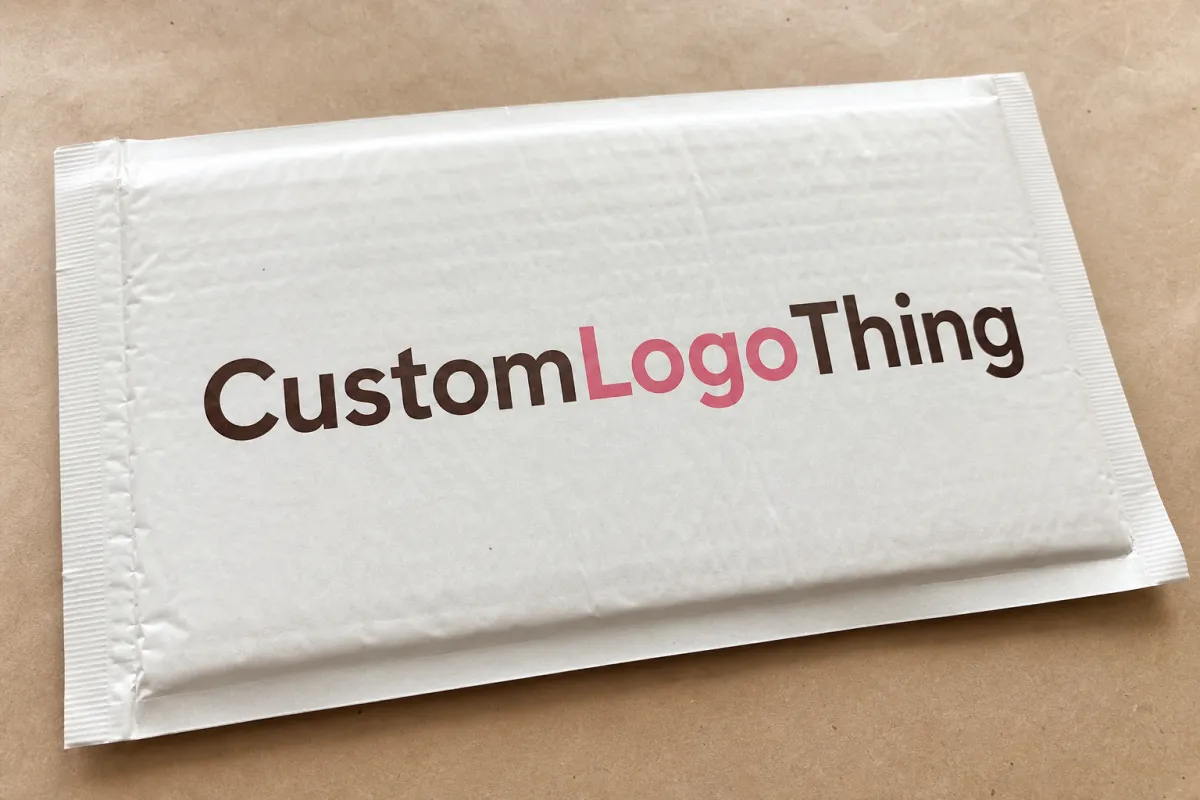
Custom Padded Mailers for bakery packaging supplier quote checklist is a long phrase, but the buying problem behind it is simple. Bakery shipping fails when people quote from assumptions instead of pack-out data. Size, padding, closure style, print coverage, and freight need to be pinned down before anyone starts tossing around numbers. A cookie box can look perfect on a table and still show up scuffed, bent, or half-open on a porch. Shipping has no manners.
Custom Padded Mailers are not just branded envelopes with a logo slapped on top. They carry the first impression, protect the product, and help keep replacement orders from eating into margin. One bad mailer can turn into a damaged item, a re-ship, and a complaint ticket. That is three costs for one mistake. Efficiency, apparently, remains optional in packaging.
A serious quote should start with facts. Internal dimensions, packed weight, shipping method, artwork files, and order volume belong in the first email. Leave those out and the supplier is guessing. Sometimes the guess is polite. It is still a guess.
For a realistic starting point, a 5,000-piece run of paper-faced Custom Padded Mailers with simple one-color branding often lands around $0.15-$0.24 per unit, depending on size, padding build, and print coverage. Add full-bleed art, special coatings, a heavier structure, or stricter compliance requirements and the number moves up. Ask for ex-works pricing, setup fees, sample cost, and freight separately so the quotes can be compared on the same basis. Otherwise you are comparing a real bid to a carefully dressed-up number.
Use the checklist below as a buying tool, not a branding exercise. The goal is to compare supplier quotes fairly, sample the right build, and avoid finding out too late that the mailer was sized for a tray instead of the actual pack-out.
- Product dimensions: internal length, width, and depth of the packed bakery item.
- Packed weight: the actual weight after liners, inserts, or inner wraps are added.
- Ship method: parcel, courier, subscription box, or retail handoff.
- Print area: logo placement, back-panel copy, or full-coverage branding.
- Order volume: the number that drives MOQ, setup, and unit price.
"If the quote only gives one unit price, you do not have a quote. You have a guess."
Buyers comparing custom printed boxes, inserts, and mailers in the same sourcing round need to keep the decisions grounded. A pretty box is fine. A pretty box that arrives dented is not. If you need a lighter secondary shipment format, see our Custom Poly Mailers or browse our Custom Packaging Products for more build options.
Product Details That Change Protection and Shelf Appeal
The outer build, the padding, and the closure style all change how a bakery mailer behaves in transit. Paper-based padded mailers, bubble-lined mailers, and grease-resistant reinforced mailers can look similar in a catalog. They do not act the same once they hit a conveyor, a van floor, or a delivery truck with bad suspension and no patience.
Dry items like cookie sleeves, biscotti, or wrapped bars usually work well in a kraft-faced padded mailer if the fit is tight and the closure holds. A common build uses a 120-140gsm kraft outer face, a 2-3mm bubble or paper pad layer, and a peel-and-seal strip with a 30-40mm adhesive area. Heavier or awkward bakery items need more cushion, so bubble lining can help. It can also feel less premium if your brand leans toward a cleaner sustainable look. Greasy or moisture-prone products need barriers. Once the exterior stains, the unboxing moment is gone. That is not dramatic. It is just physics with a worse personality.
From a packaging buyer’s point of view, the product inside decides whether a mailer is enough. Flat cookies in a sealed inner pouch are usually fine. Fragile macarons, glazed pastries, and stacked gift sets may still need a rigid insert or even custom printed boxes inside the mailer. If the mailer includes an insert card or a folded support panel, 350gsm C1S artboard is a common spec for print-heavy supports because it holds shape better than thin paper and takes clean graphics. Mailers handle scuffs and minor compression. They are not armor.
Retail packaging and e-commerce packaging split apart fast here. A mailer that works for postal delivery can look too plain for a boutique bakery pickup order. A heavy branded shell can be overkill for subscription shipments. A 500-piece local pickup run might justify a simpler build, while a 5,000-piece subscription program usually needs tighter control over unit cost and pack-out consistency. The right choice depends on where the product is sold, how it moves, and how much presentation matters versus protection.
Finish changes the message too. Matte, gloss, uncoated kraft, and soft-touch laminated faces each tell a different story. If your brand already uses strong package branding on retail boxes, the mailer should not look like it belongs to someone else. Consistency beats loud print coverage. A clean one-color logo on kraft often looks sharper than artwork that tries too hard and loses the room.
For recycled content or responsibly sourced fiber claims, ask for documentation. If the supplier says the paper is FSC-certified, that should be traceable. The FSC site explains the certification system, which matters when a retailer or wholesale buyer wants proof instead of a pitch deck in disguise.
Transit performance deserves a real question too. Ask whether the sample was tested against parcel-style handling methods. The ISTA testing standards are a common reference for vibration, drops, and shipping abuse. You do not need a lab coat, but you do need more than a desk-drop demo and a smile.
Specifications Buyers Should Lock Before Requesting Samples
Samples help only if the brief is real. Send a supplier a vague note like “mailer for cookies,” and you may get a nice-looking sample that fits nothing. Lock the basics first. Then ask for a proof or prototype. It saves time and stops revision loops from turning into a slow repair bill.
Start with dimensions. Internal size matters more than the outer sheet size printed on a spec sheet. Usable depth, flap length, and room for labels, tissue, bubble wrap, or an inner tray all matter. A short flap cuts into adhesive space. A shallow depth makes the closure bulge. Bulging mailers ship badly. Shocking, I know.
Weight matters too. A one-pound bakery order behaves differently from a 4-ounce sample pack. The mailer has to hold shape after pack-out, not just look good on paper. Weight also changes how much pressure the seams see during sorting and transit. A mailer that looks fine at one unit can fail once a full carton sits on top of it.
Closure details should never be vague. Ask whether the mailer uses a peel-and-seal strip, tamper-evident closure, tear strip, or reseal option. If the bakery item may be returned, exchanged, or reused for a monthly club, the closure needs to handle that. If the shipment is single-use, a stronger tamper seal usually makes more sense. For stickier bakery items, confirm the adhesive area and whether the liner releases cleanly in cold storage.
Print specs affect both cost and appearance. Count the colors, define artwork placement, and ask for safe margins. Suppliers usually want vector artwork files, often PDF, AI, or EPS, before they can quote cleanly. If you need a spot color match, provide Pantone references. If the branding is subtle, ask how close the print can sit to the edge before registration starts wandering. One-color on kraft is cheaper. Full-coverage CMYK with tight registration is not. That is the whole story, minus the sales gloss.
Sustainability specs are not a side note anymore. Some buyers want recycled content, reduced plastic, curbside recyclability, or fiber-based padding. Say it plainly. If the project needs paper-only construction, say that. If a small amount of plastic is acceptable for better protection, say that too. Suppliers cannot guess your brand policy, and they should not pretend they can.
If the mailer may touch a wrapped product or inner pouch, ask whether the adhesive, ink, or coating system is suitable for that use case. Do not assume every material stack is the same just because it is “paper-based.” For bakery work, that distinction matters.
Bakery brands already using branded packaging on shipping cartons, inserts, or product wraps should keep the whole stack aligned. Product packaging should feel like one family, not six unrelated design ideas forced into one order.
- Internal size: packed item length, width, and depth.
- Clearance: room for labels, tissue, inserts, or protective wrap.
- Artwork files: vector format, logo placement, and color count.
- Surface finish: kraft, matte, gloss, or soft-touch.
- Compliance needs: recycled content, FSC paper, or plastic reduction.
If the spec mix feels messy, send one decent sample of the packed item and one reference photo. That usually surfaces fit problems faster than a long email chain with everyone politely pretending the dimensions are “close enough.”
Pricing, MOQ, and Quote Checklist for Bakery Mailers
Price is where buyers get tripped up most often. A cheap quote can hide weak construction, a higher MOQ, or freight that lands like a surprise tax. The real number is the total landed cost per usable mailer, not the loudest unit price on page one.
The main cost drivers are straightforward. Material choice, size, padding type, print coverage, and closure hardware all move the price. Special coatings, moisture barriers, and inks or adhesives chosen for specific pack-out requirements can add more. A plain unprinted mailer is one thing. A custom mailer with a full-color exterior, custom flap, and reinforced seal is another animal entirely.
Here is a practical range from a buyer’s point of view. For a 5,000-unit run, simple paper-based padded mailers with light branding often sit around $0.15-$0.24 per unit. Bubble-lined custom builds usually land around $0.16-$0.29 per unit. Grease-resistant or specialty barrier mailers can move into the $0.22-$0.38 per unit range, especially if the print area is large or the closure needs extra reinforcement. Mailers with inner inserts, folded supports, or rigid trays usually cost more, often $0.28-$0.52 per unit depending on whether the support is paperboard, chipboard, or a die-cut insert. Smaller quantities usually cost more. Larger runs usually lower the unit price, but only if the spec stays fixed.
If you need a rigid support piece inside the mailer, ask what the insert is made from. A common structure uses 350gsm C1S artboard for printed support cards, or 1.5mm chipboard for shape retention. That detail matters because the wrong insert can flex too much, crack at the fold, or push the mailer out of size.
MOQ changes with customization level. A stock-size base with a one-color logo may start at a lower quantity than a fully custom structure with a custom flap shape, internal lining, or special finish. That is normal. What is not normal is a supplier hiding the MOQ until after the sample is approved. Ask for it early. Saves everyone from the theater of surprise.
| Mailer Type | Best For | Protection Level | Typical MOQ | Indicative Unit Price at 5,000 |
|---|---|---|---|---|
| Paper-based padded mailer | Dry cookies, biscotti, wrapped bars | Medium | 1,000-3,000 | $0.15-$0.24 |
| Bubble-lined custom mailer | Light bakery kits, subscription items | Medium-high | 1,000-5,000 | $0.16-$0.29 |
| Grease-resistant barrier mailer | Glazed pastries, oily wraps, mixed sets | High | 3,000-10,000 | $0.22-$0.38 |
| Mailer with inner insert or tray | Macarons, fragile assortments, gift sets | High | 2,000-5,000 | $0.28-$0.52 |
Use the same spec across every supplier quote. Same size. Same construction. Same print coverage. Same delivery term. Otherwise you are comparing a Mercedes to a bicycle and pretending both count as transportation.
Ask every supplier to itemize the same line items:
- Unit price: price per mailer at your target quantity.
- Setup or tooling: plate, die, or print preparation cost, often $50-$250 for simple print and more for custom tooling.
- Sample cost: digital proof, blank sample, or pre-production sample, usually $20-$120 depending on complexity.
- Freight: shipping to your warehouse or fulfillment partner.
- Carton or pack fees: master carton, inner pack, or bundle charges.
A lower quote is not automatically better. If one supplier is $0.02 or $0.04 cheaper but the mailer arrives with weak adhesive, poor registration, or a thinner build, the real cost goes up the first time a shipment fails. For bakery brands, damage rates and replacement orders matter more than a tiny unit savings.
"The cheapest unit price is often the most expensive decision after the first batch of complaints."
If you need broader sourcing support, compare formats before locking the line. Some brands should use a mailer. Others should use a carton plus insert. That is why our Custom Packaging Products page exists: different product packaging problems need different structures, not one shiny answer for everything.
Process, Timeline, and Lead Time From Brief to Delivery
A serious supplier quote process should not feel mysterious. It should move in a clean order: brief, quote, artwork check, sample or proof, approval, production, quality control, and shipping. If the process is fuzzy at step one, the timeline will be fuzzy at the end. That is how launches slip.
For complete briefs, a quote can often come back quickly, sometimes within one to three business days. If the dimensions, order quantity, and artwork requirements are missing, the quote stalls. That is not the supplier being dramatic. It is the reality of quoting a custom item that might be paper-based, bubble-lined, coated, printed, or all of the above.
Proofing normally takes a few days. A digital proof can be faster than a physical sample, but it only shows print placement and basic layout. It does not prove fit. For fragile bakery shipments, I would rather see a prototype that shows closure tension, side-wall compression, and how the pack-out behaves once the flap is sealed.
Production timing depends on tooling and print complexity. A straightforward custom printed mailer can often move through production in roughly 12-15 business days from proof approval. More specialized builds with barrier films, extra inserts, or higher print coverage usually take 15-25 business days, and custom tooling can push that longer. Add freight, customs if applicable, and factory scheduling, and the calendar starts stretching. That is normal. The problem is not lead time itself. The problem is waiting too long to start.
Several things slow a project down:
- Artwork that is not in vector format.
- Dimensions that change after the quote is issued.
- Late approval from marketing, ops, or the owner who suddenly notices the logo is 4 mm too low.
- Material swaps after sample review.
- Extra revisions after pack-out testing exposes a fit problem.
Rush options do exist, but they have tradeoffs. Faster turnaround usually reduces flexibility on structure, print coverage, or finish. It can also raise cost. That is not a scam. It is the price of compressing a production schedule that was not built for speed.
Transit testing is worth asking about here too. If the supplier has experience with parcel shipping, ask whether the sample or build has been checked against ISTA-style handling or a comparable drop sequence. For bakery brands shipping fragile items through courier networks, that information matters more than a polished sales deck.
Protect your launch date by locking the order volume and the artwork early. Do not wait until product photography is booked, subscriptions are already sold, and everyone suddenly wants the mailer approved by Friday afternoon. That is not a plan. That is a fire drill.
If the project is moving between packaging design teams, operations, and a co-packer, keep one file with the final dimensions, print files, sample notes, and shipment schedule. A little discipline here saves a lot of last-minute nonsense.
Why Choose Us for Bakery Packaging Mailers
Bakery mailers are not complicated because the idea is hard. They are complicated because the details matter. We focus on build quality, clean print registration, and sizing guidance that fits real shipments, not just pretty renderings. That is the difference between a packaging partner and a printer who hopes the freight team gets lucky.
We also look at the use case. A subscription cookie brand needs different protection than a neighborhood bakery sending weekend treats. A fragile macaroon set needs different spacing than a wrapped brownie pack. The right custom Padded Mailers for Bakery Packaging should support the product, the brand, and the delivery route without making you overpack or overpay.
Transparent quoting matters as much as the build. No one likes setup fees that appear late, freight that was never mentioned, or sample charges that somehow grow after approval. A decent quote should read like a real buying document. You should be able to compare it against another supplier without decoding hidden assumptions.
Sample control matters too. A sample should let you test fit, feel, seal strength, and print before you place a larger order. If the supplier cannot produce a clean proof or answer basic questions about paper weight, closure type, or print area, keep moving. Ask for the face stock, padding layer, and adhesive spec in writing. A real supplier should be able to say whether the outer face is 120gsm kraft, whether the seal strip is hot-melt or pressure-sensitive, and whether the print is one color, two-color, or full CMYK.
We also help buyers connect the mailer to the rest of their branded packaging system. If your brand uses custom printed Boxes for Retail sets, the mailer should match that visual language. If your e-commerce line uses a clean, minimalist package branding style, the outer mailer should not suddenly start shouting in six colors. Consistency makes the whole line feel deliberate.
For buyers who need support, our team is ready to review specs and packaging goals through Contact Us. A clear brief gets a better quote. A better quote saves time. Nothing glamorous about it. Still useful.
We are practical about alternatives too. If a mailer is not the right fit, we will say so. Sometimes a rigid box, an insert, or a different mailer structure makes more sense. Honest advice costs less than reordering the wrong packaging twice.
What to Send for a Fast Bakery Mailer Quote
If you want a fast quote, send a complete brief the first time. Not a mystery novel. The more complete the input, the fewer revision loops you will face later, and the more likely the supplier can give you a number that is actually usable.
Here is the cleanest package of information to send:
- Product dimensions: exact size of the packed bakery item.
- Packed weight: item plus inner wrap, insert, or tray.
- Order quantity: target volume and whether there will be reorders.
- Destination: warehouse, fulfillment center, or bakery location.
- Material preference: paper-based, bubble-lined, or barrier build.
- Print details: logo file, colors, coverage, and placement.
- Protection needs: grease resistance, moisture barrier, or extra rigidity.
Add photos if you can. A picture of the packed item often exposes shape issues that dimensions alone miss. A box with a tall lid might technically fit the mailer and still crush the seal because the closure lands on a raised edge. Numbers say “maybe.” Photos say “fix this before production.”
If the product is fragile, branded, or tied to a seasonal launch, ask for a sample or prototype before approving the full run. That is especially true for decorated cookies, macarons, or gift sets with inserts. The sample tells you whether the mailer protects the product or just looks pretty in an email thread.
Also ask for line-item pricing, delivery timing, and sample terms. A quote that bundles everything into one number is hard to compare and even harder to challenge later. You want to know what the mailer costs, what setup costs, what freight costs, and what happens if artwork changes after approval.
If the supplier offers multiple formats, compare them before you lock one in. A padded mailer may be right, or a related structure may win on cost and protection. The best bakery buyers stay flexible at the quoting stage and stubborn only after the facts are in.
Send one clean brief, one pack-out photo, and one target date. That is enough to get a serious answer. If you are still sorting through options, start with our Custom Packaging Products and narrow from there.
FAQ
What details should I include in a custom padded mailers for bakery packaging supplier quote?
Include internal size, packed product weight, order quantity, shipping destination, and the type of bakery item being shipped. Add print colors, artwork files, closure preference, and any grease-resistance or moisture barrier requirement so the quote is accurate. Ask for unit price, setup fees, sample cost, and freight separately so you can compare suppliers cleanly. If the build includes an insert or support card, specify whether you want 350gsm C1S artboard, chipboard, or another stock.
Are custom padded mailers enough for fragile bakery items like cookies or macarons?
They work well for flat, packed bakery items, but very fragile products may still need an inner tray, insert, or rigid box. The mailer should protect against scuffs, minor compression, and transit wear, not replace careful pack-out design. For macarons or decorated pastries, a mailer plus a die-cut insert often performs better than a padded envelope alone. Test the full ship method with one sample before ordering at scale.
What MOQ should I expect for bakery packaging mailers?
MOQ depends on size, print method, and material, but custom builds usually start higher than stock mailers. Simple branding can sometimes lower the entry point, while special finishes or custom structures raise it. For many bakery programs, a paper-based custom mailer may start around 1,000 to 3,000 pieces, while insert-based or barrier builds can sit at 2,000 to 5,000 pieces or more. If budget is tight, ask for a stock-size base with custom print instead of a fully custom structure.
How long does a custom padded mailers quote and production cycle usually take?
A complete quote can often come back within one to three business days if you provide dimensions, volume, and artwork up front. Proofing usually takes a few days, then production timing depends on print complexity, tooling, and order size. For standard builds, production often runs 12-15 business days from proof approval. More complex mailers can take 15-25 business days or longer. Rush jobs are possible, but expect tradeoffs in cost or flexibility.
What makes one custom padded mailers supplier quote better than another?
The better quote is the one that is fully itemized and matches the same material, size, print coverage, and delivery terms. Look for clear lead times, sample support, and no hidden setup or freight surprises. A slightly higher quote can be the cheaper option if it reduces damage, reorders, or late delivery risk, which is exactly why a custom padded mailers for bakery packaging supplier quote checklist matters before you approve anything.
Practical takeaway: before you request prices, send one packed-item photo, exact internal dimensions, target quantity, print files, and the delivery term you actually need. That keeps the custom padded mailers for bakery packaging supplier quote checklist grounded in real pack-out data, not wishful thinking.

