Buyer Fit Snapshot
| Best fit | Custom Padded Mailers for Jewelry projects where brand print, material claims, artwork control, MOQ, and repeat-order consistency need to be specified before quoting. |
|---|---|
| Quote inputs | Share finished size, material target, print colors, finish, packing count, annual reorder estimate, ship-to region, and any compliance wording. |
| Proofing check | Approve dieline scale, logo placement, barcode or warning zones, color tolerance, closure strength, and carton packing before bulk production. |
| Main risk | Vague material claims, crowded artwork, missing packing details, or unclear freight terms can make a low unit price expensive after revisions. |
Fast answer: Custom Padded Mailers for Jewelry: Unit Cost Breakdown should be specified like a repeatable production item. The safest quote records material, print method, finish, artwork proof, packing count, and reorder notes in one written spec.
Production checks before approval
Compare the actual filled-product size with the drawing, then confirm tolerance on folds, seals, hang holes, label areas, and retail display edges. Reserve space for logos, QR codes, warning copy, and material claims before decorative graphics fill the panel.
Quote comparison points
Review material grade, print process, finish, sampling route, tooling charges, carton quantity, and freight assumptions side by side. A quote is only useful when the supplier can repeat the same color, closure quality, and packing count on the next order.
A cheap jewelry mailer can turn expensive fast. The real Custom Padded Mailers for jewelry packaging unit cost breakdown is not the sticker price on one sample quote; it is the full cost of damage, reships, pack-out time, and the first impression your customer gets when they open the parcel and expect it to feel intentional.
Why the Cheapest Jewelry Mailer Usually Costs More
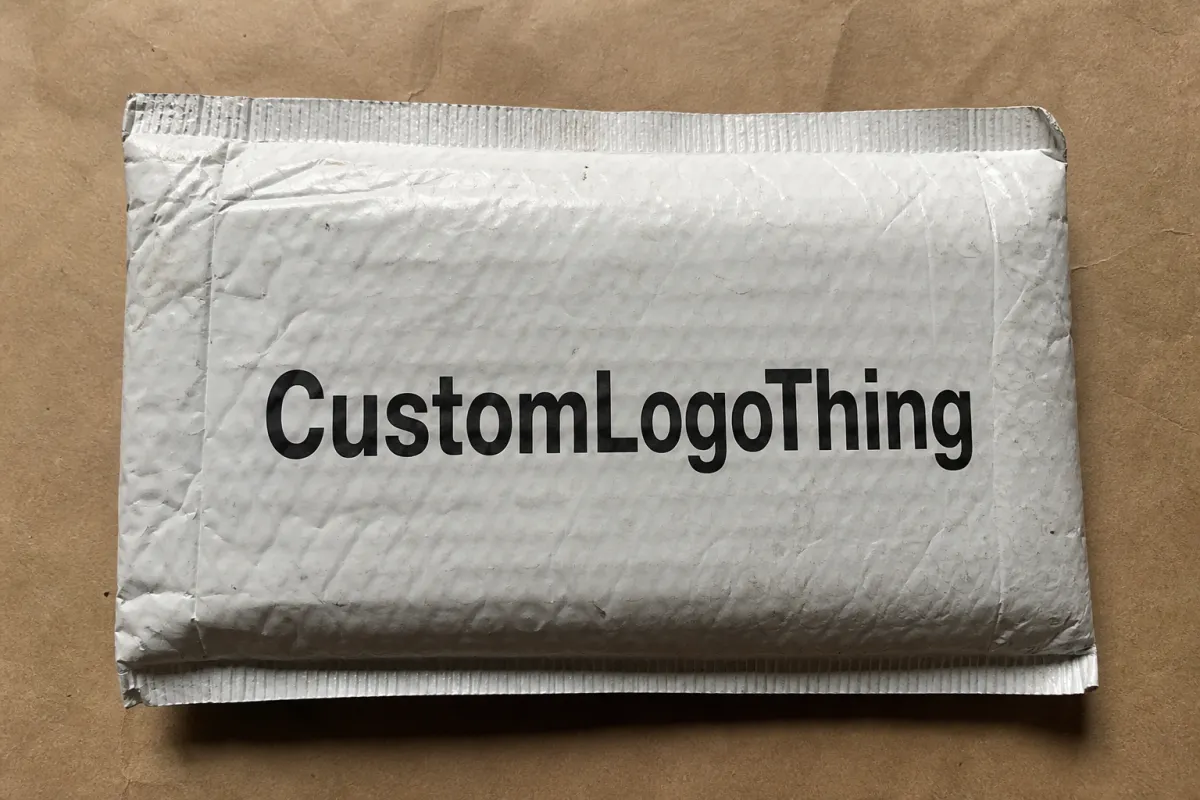
Jewelry is small, but customer expectations are not. A pair of earrings or a slim chain weighs almost nothing, and still has to arrive looking deliberate, clean, and worth the money. If the mailer lands bent, scuffed, or poorly sealed, the product may survive. The brand usually does not. People chase the lowest quote and then act surprised when the cheapest option behaves like the cheapest option. That part is almost ceremonial.
From a packaging buyer's point of view, the mistake is treating a mailer like a commodity with no downstream effect. One weak closure can start a small mess: a damaged outer, a missing insert, a refund request, a replacement shipment, and a customer who now thinks your product is cheaper than it should be. On a 5,000-piece run, even a 1% damage or seal-failure rate means 50 orders need extra handling. If each reship costs $6-$12 in postage and service time, the supposedly cheap mailer gets expensive very quickly.
Jewelry packaging is also different from ordinary e-commerce packaging because people notice detail. Scuffs show. Dents show. Tape lines show. A bent corner on a padded mailer may not matter for a hoodie, but it absolutely matters for a gift-ready ring set that was supposed to feel polished the second it hit the porch. The package is part of the product. Whether anyone likes that rule or not, the customer already made the decision.
A better-built mailer cuts waste in two directions. It protects delicate pieces during sortation and last-mile shipping. It can also replace bulkier packaging that adds weight and slows down pack-out. For lightweight items and repeat orders, a compact padded mailer often gives jewelry brands a better protection-to-shipping-cost ratio than a rigid box. The trick is choosing the right structure, not just the cheapest paper face with a logo slapped on it.
A mailer that saves a few cents and triggers one reship is not a savings. It is a disguised expense with better marketing.
The buying decision usually comes down to four things: material choice, print coverage, order size, and production method. Those are the levers that move unit cost. Understand them before asking for a quote, and you can compare options without getting hypnotized by the lowest-looking number in the room.
What You Are Actually Buying in a Custom Padded Mailer
A custom padded mailer is not just a decorated envelope. It is a layered shipping component with a job to do. The outer face carries your branding. The inner layer absorbs minor impact. The closure keeps the contents in place. Depending on the spec, you may also get a tear strip, a tamper-evident seal, or a reinforced flap. Once the structure gets broken down into parts, the pricing starts to make sense.
The outer surface is usually kraft paper, coated paper, or poly film. Kraft-faced options tend to feel more natural and show up a lot in branded jewelry packaging, especially for buyers who want an earthy, retail-ready look. Poly-faced mailers resist moisture and abrasion better. Paper-based padded mailers can work too, but they need a little more attention to sealing and shipping conditions. There is no universal winner; the right match depends on the item, shipping route, brand position, and how much punishment the parcel is likely to take before it lands in a customer’s hands.
Inside, the padding matters more than people think. A thin liner can look fine in a photo and still behave badly in a rough parcel system. A thicker bubble or cushioned layer gives more protection, but it can also add bulk, which affects carton counts and freight efficiency. For jewelry, that tradeoff is usually manageable because the items are light. The real question is whether the padding protects the piece and preserves the presentation without inflating your unit cost for no good reason.
For jewelry use cases, padded mailers fit a lot of common orders:
- Rings shipped in slim display cards or small boxes
- Earrings in protective pouches or micro boxes
- Chains and bracelets with scratch-sensitive finishes
- Charm sets and gift-ready bundles
- Subscription-style shipments with a compact branded insert
That last point matters. If the product already sits inside a gift box or sleeve, the mailer becomes the outer branding layer rather than the whole presentation. That can be a smart middle ground. You get a cleaner unboxing than a plain poly bag and less expense than moving every order into custom printed boxes. For a lot of brands, that is the sweet spot. Not flashy. Just sensible.
There is also a labor angle worth caring about. Padded mailers usually take fewer packing steps than box-based setups. That matters when your team is pushing through 200 orders on a Friday afternoon and every extra fold or insert slows the line. Faster pack-out is not exciting, but it saves money. Packaging design should support the workflow, not just the mood board.
If you are comparing formats across your line, it helps to look at the broader range of Custom Packaging Products before deciding whether the jewelry SKU should live in a mailer, a box, or a mixed system. And if the item is extremely light and does not need padding at all, Custom Poly Mailers may be the lower-cost answer.
Specifications That Affect Protection and Appearance
Specs drive both performance and price. If you do not define them cleanly, the quotes will not line up and you will waste time pretending they do. The best starting points are dimensions, usable internal space, seam strength, padding thickness, and closure width. Those basics tell you whether the mailer fits the jewelry, survives the shipping route, and closes cleanly without looking cheap.
Size is the first trap. Buyers often size too tightly because they want a lower shipping profile. Fair instinct. Bad execution. A mailer with no margin can crush the item, wrinkle an insert, or fight the seal. Too much extra room is not better either. The contents can shift. For most jewelry shipments, the best spec is snug with enough tolerance for a small box, pouch, or carded insert. If the item includes a gift box, measure the packed set, not the naked product.
Material choice changes feel and function. Kraft-faced padding gives a natural, tactile look. Poly bubble construction is more moisture resistant and usually better for abrasion. Paper-based padded options can support more eco-minded branding, especially if you want the package closer to recyclable paper streams. A common premium paper-face spec is 350gsm C1S artboard with matte lamination over a cushioned liner. Simpler runs may use 120gsm to 157gsm kraft paper on the outside with a 2mm bubble or EPE layer inside. If sustainability is part of the pitch, ask for the actual material claim in writing. If the supplier says FSC-certified paper, verify the certification chain, not just the buzzword. The FSC standard only matters when the supply chain can back it up.
Print specs are where package branding really changes. A one-color logo in a single location is usually the lowest-cost branded move. Full-bleed graphics, metallic inks, or heavy coverage across both sides push the unit cost up fast. Matte finishes usually read more premium on jewelry packaging because they cut glare and make the logo feel calmer. Glossy surfaces can work, but they lean louder. Pick the finish that fits the brand, not the one that looks expensive in a render.
Here is the practical way to think about the spec stack:
- One-color logo print keeps costs down and works for clean branded packaging.
- Full-coverage print raises setup and ink use, but it creates a stronger retail packaging presence.
- 350gsm C1S artboard face gives a stiffer, more premium surface for higher-end jewelry lines.
- Matte finish feels understated and premium.
- Gloss finish looks brighter, but scuffs can show more.
- Tear strip or tamper evidence adds convenience and trust, and yes, it costs more.
Buyers should ask four questions before they ask for a quote: What is the heaviest packed item? Does the jewelry ship with an insert or display card? What shipping method is being used? Does the customer see the mailer as the final presentation layer or just the outer shipper? Those answers keep the quote honest.
Do not confuse looking good with performing well. A thin padded mailer can print beautifully and still fail in transit when stacked with heavier parcels. A better spec can cost a little more per unit and save more than that in damage control. That is the kind of boring math procurement teams should actually enjoy.
If you want to sanity-check your packaging design against shipping abuse, look at ISTA testing guidance. You do not need a lab coat to understand the point: packages should survive realistic drops, compression, and vibration before they reach customers. Jewelry packaging deserves that discipline, even if the order is small.
Custom Padded Mailers for Jewelry Packaging Unit Cost Breakdown
This is the part most buyers actually want. The Custom Padded Mailers for jewelry packaging unit cost breakdown usually comes from five buckets: base material, printing setup, finishing, labor, and freight. Strip out the mystery, and the quote gets easier to compare and a lot harder for anyone to dress up with vague language.
Base material is the core cost of the outer face, padding, and closure. Kraft-faced and paper-based constructions often land lower than specialty finishes, while poly-based structures can cost a bit more depending on film thickness and surface treatment. A stronger seal or thicker pad raises the base cost, but not always dramatically. The bigger jumps usually come from printing and small order sizes.
Printing setup is where MOQ starts to matter. If a factory needs plates, screens, or press settings, those costs have to be spread across the run. On a small order, that can make each unit look oddly expensive. On a larger order, the same setup disappears into the total. That is why a 500-piece run can feel frustratingly close in price to a 1,000-piece run on a per-unit basis. The setup has not changed. Only the denominator has.
Finishing includes things like matte lamination, spot printing, metallic accents, tear strips, or special liners. These extras are not automatically bad. Some are worth paying for. A clean matte finish can elevate jewelry packaging without going overboard. A tear strip may reduce customer frustration. A tamper-evident seal can support higher-value shipments. Every optional detail should earn its place, though. Otherwise it is just a polite way to spend margin.
Labor and packing depend on how the mailers are built and packed for shipment. More complex constructions take longer to produce and inspect. If the factory has to hand-fold, count, bundle, or re-pack, the labor cost shows up somewhere. Good suppliers explain this clearly. Bad ones hide it behind a single quote line and hope nobody asks anything sharper than “how much?”
Freight can be the quiet surprise. The unit cost you see at the factory is not the unit cost you pay in your warehouse. Carton size, pallet count, shipping lane, customs, and duties all matter. A product that looks cheap ex-works can get less attractive once you add landed cost. If you are buying internationally, always compare the landed unit cost, not just the factory price.
| Run Size | Typical Unit Cost | Best Fit | Main Tradeoff |
|---|---|---|---|
| 500-1,000 pieces | $0.38-$0.85 | Prototype launches, new brands, seasonal tests | Higher setup burden and weaker price efficiency |
| 3,000 pieces | $0.22-$0.36 | Active e-commerce jewelry lines | Better balance, but setup still matters |
| 5,000 pieces | $0.15-$0.24 | Stable jewelry SKUs with repeat orders | Good unit cost, but print coverage and finish still move the number |
| 10,000+ pieces | $0.11-$0.18 | Repeat programs and larger assortment rollouts | Lower unit cost, but more cash tied up in inventory |
Those are working ranges, not magic numbers. The exact quote shifts with size, print coverage, material thickness, closure style, and whether you want a simple logo or full package branding. A one-color kraft mailer with a standard adhesive flap at 5,000 pieces will usually sit near the lower end of the range. A heavily printed premium-finish mailer with a tear strip, matte lamination, and a 350gsm C1S artboard face will sit closer to the upper end or above it.
Use a simple rule that saves time: compare three price points, not one. Ask for a base version, a mid-upgrade version, and a premium version. That makes the tradeoffs obvious. If the premium option only adds a few cents and improves protection or presentation in a real way, it may be worth it. If it adds a lot and changes little, skip it. Good buying is not about chasing the cheapest quote. It is about finding the version that protects margin while still supporting the brand.
If a supplier cannot separate base material, print setup, finishing, and freight, the quote is not clean enough to trust.
For a jewelry brand, the difference between product packaging that merely ships and product packaging that sells is usually not dramatic. Often it is one color choice, one surface finish, or one smarter closure. That is why many buyers stop trying to force every item into custom printed boxes and instead reserve boxes for hero SKUs, while using padded mailers for the rest.
Order Process, Timeline, and Production Steps
The ordering process should feel straightforward. If it does not, the supplier is probably making work out of things that should have been clear on day one. A clean process starts with a brief: dimensions, target quantity, print colors, artwork files, shipping destination, and any finish preferences. That information is enough to produce a serious quote instead of a guess.
After the inquiry, the supplier should review the artwork and confirm the structure. At this stage, the better vendors will tell you if a logo is too small to print cleanly, if a color will be hard to match, or if your target size is too tight for the product. That feedback matters. It is cheaper to fix a spec on a screen than to fix a bad run in a warehouse.
Proofing usually comes next. For simple jobs, you may get a digital mockup with dimensions and artwork placement. For more complex orders or larger MOQs, a physical sample may be worth it. Jewelry packaging is visual, so a sample is not indulgent. It is normal. A sample lets you check surface feel, seal strength, print sharpness, and how the mailer behaves with the actual product inside. If the customer will notice the difference, you should too.
Once the proof is approved, production starts. Typical steps include material prep, printing, drying or curing, cutting, folding or forming, closure application, and quality inspection. During inspection, a decent factory will check color consistency, seal performance, and carton counts. For packaging that carries branded jewelry, random carton checks matter. A good-looking outer sheet is useless if the flap seal fails in half the stack.
Timeline varies by method and complexity, but practical ranges are easy to state. Simple printed runs often take about 12-15 business days from proof approval. Jobs with metallic ink, full-bleed graphics, special liners, or higher MOQs can stretch to about 18-25 business days. Add shipping time after that. Air freight is faster and more expensive. Ocean freight is slower and lower-cost. That tradeoff is familiar to anyone buying packaging at volume.
The delays that cause the most pain are also the most avoidable:
- Artwork arrives late or in the wrong format
- The buyer changes print placement after approval
- Size specs were unclear from the start
- Sample feedback comes back too slowly
- Freight booking waits until production is already done
If you are planning a launch, start earlier than you think you need to. Packaging design always takes longer than someone optimistic promised in a meeting. That is not pessimism. That is experience. Even a simple jewelry mailer can get held up by one color correction or one late sign-off. Build buffer into the schedule and you will look organized instead of surprised.
A useful workflow for buyers is to request two versions of the same spec: one with standard print and one with your preferred upgrade. That gives procurement a clean view of the cost delta. If the upgraded finish adds $0.07 per unit and reduces reship risk or improves conversion on gift orders, the business case is easy. If not, the lean version wins.
Why Buyers Choose Our Padded Mailers for Jewelry
Most jewelry buyers are not asking for drama. They want consistency. The color should match the proof. The size should fit the packed item. The seal should hold. The mailer should arrive looking like it was made for the brand, not borrowed from a generic shipping aisle. That is the baseline, and it should be treated as such.
What buyers usually value most is predictability across reorders. If a supplier can repeat the same print quality, the same fold, and the same internal dimensions, the packaging line stays stable. That matters more than a flashy one-off sample. Consistency keeps pack-out smooth and helps protect margin over time. It also makes brand presentation look intentional instead of accidental.
There is a business case here, not just a design case. Fewer replacement shipments mean fewer support tickets. Lower pack-out time means better labor efficiency. A cleaner unboxing can improve retention on gift orders and small repeat purchases. None of that is mystical. It is the ordinary impact of packaging that does its job properly.
For brands balancing branded packaging and budget discipline, padded mailers often hit a sensible middle ground. They deliver more presence than a plain mailer and more control than a loose sleeve, while still keeping shipping light. If your catalog includes a few premium pieces and a lot of everyday items, this is usually where the numbers work best.
Buyers also appreciate straight answers on quote structure. A strong supplier should explain what drives price, what the MOQ does to unit cost, and which upgrades are cosmetic rather than functional. That kind of clarity saves everyone time. It also keeps the conversation on product packaging instead of sales fluff.
If you are deciding between formats, think in terms of SKU strategy. A hero product can justify custom printed boxes with inserts and a more elaborate presentation. A high-volume jewelry SKU often performs better in a padded mailer because the shipping cost stays under control and the order still looks polished. Not every item needs to wear the same outfit.
At Custom Logo Things, the goal is not to oversell packaging. It is to match the spec to the business problem. If the issue is fragile presentation, we look at better padding and closure strength. If the issue is package branding, we look at logo placement and finish. If the issue is margin, we trim the nonsense. That is how a useful packaging quote should work.
How to Turn This Into a Quote and Test Run
Start with the facts. Before asking for a quote, gather the product dimensions, the packed dimensions, the target quantity, artwork files, shipping destination, and any finish preferences. If the jewelry ships in a box or pouch, measure the packed version, not the empty piece. If the order includes multiple variants, specify the largest one. That keeps the supplier from quoting a size that works on paper and fails in the real packing line.
Next, ask for two or three scenarios. A standard version. An upgraded finish version. Maybe a higher-MOQ version if you expect reorder volume. That gives you a better view of the actual cost ladder. A single quote can hide too much. Three quotes expose the tradeoffs between unit cost, presentation, and protection.
A sample or proof should be part of the decision, especially for giftable jewelry or anything above basic fashion-accessory value. If the run is large, a physical sample is worth the time. It lets you test closure strength, check the print quality, and see whether the mailer feels thin or substantial in hand. You are not buying an image. You are buying a shipping component that needs to perform in the wild.
For a first order, keep the run manageable. Many buyers start at 1,000 to 3,000 pieces, then reassess after a month or two of real use. Track three things: damage rate, packing speed, and customer feedback on presentation. If the first run performs well, scaling up becomes a cleaner decision. If it does not, you have learned that before committing to a bigger inventory bill.
That approach works because it treats the custom Padded Mailers for Jewelry Packaging unit cost breakdown as a business tool, not a marketing headline. The goal is not to win a quote by a cent or two. The goal is to ship jewelry in a package that protects the item, supports the brand, and still leaves room for margin. That is the order that matters.
The cleanest next step is simple: lock the packed dimensions, pick one finish standard, and compare landed unit cost across three quantities using the same spec. If the quote changes because the spec changes, that is fine. If the quote changes because the supplier is vague, that is a different problem. Your numbers should tell you which mailer protects the product, which one protects the budget, and which one only looks cheaper on paper.
Frequently Asked Questions
What is included in a custom padded mailers for jewelry packaging unit cost breakdown?
The useful breakdown includes the base material for the mailer body and padding, print setup or plate charges, optional extras such as tear strips or premium finishes, and landed costs like freight, duty, and warehousing if you need the real delivered number. For a 5,000-piece order, a one-color branded mailer with standard materials often lands around $0.15-$0.24 per unit before freight swings the total. If a quote only gives one line item, it is not enough to compare accurately.
What MOQ should I expect for custom padded mailers for jewelry?
MOQ depends on print complexity, material type, and factory setup requirements. Smaller runs are possible, but the unit cost is usually higher because setup is spread across fewer pieces. A practical MOQ is the point where the unit price still fits your margin after shipping. In many cases, 1,000 to 3,000 pieces is a workable starting range, then pricing improves again at 5,000 and above. If you are testing, ask for two volume tiers so you can see how much price drops at the next step.
Are padded mailers better than rigid boxes for jewelry shipping?
Padded mailers are usually better for lightweight jewelry orders that need lower shipping cost and faster pack-out. Rigid boxes make more sense for high-end presentation, heavier sets, or gift packaging with inserts. For many e-commerce jewelry orders, a branded padded mailer gives the best balance of protection and cost. The right choice depends on item value, breakage risk, and the unboxing experience you want to create. A small ring set in a 5 x 8 mailer may be perfect; a premium necklace set with layered inserts may deserve a box.
How long is the production timeline for custom padded mailers?
Timeline depends on artwork approval, sample signoff, order size, print method, and the factory schedule. Simple printed runs often move in about 12-15 business days from proof approval, while more complex jobs can take 18-25 business days or more. Add shipping time on top of that. Air freight is faster, ocean freight is cheaper, and both should be planned before production starts. Fast approval from your side is the easiest way to avoid delays.
Can I get a sample before placing a full order?
Yes, and for jewelry packaging it is worth doing. A sample lets you check print quality, padding feel, closure strength, and overall presentation. If a physical sample is not available, request a detailed proof and material spec sheet. Use the sample to confirm that the mailer fits your product and your shipping workflow before you commit to the full run. If the spec calls for 350gsm C1S artboard, 2mm bubble, or matte lamination, verify those details before approval.

