A custom five panel Caps Bulk Order can be more useful than it first appears. The five-panel build gives you a broad front face, so artwork lands cleanly and does not have to compete with a center seam. That matters whether the cap is for staff uniforms, a merch drop, or a conference kit where the hat has to look intentional, not generic.
The hard part is not finding a supplier who can make caps. It is separating a cap that photographs well from one that holds up across a full run. Fabric weight, crown structure, decoration method, and approval discipline all shape the result. If any of those drift after sampling, the price advantage fades fast.
Why five-panel caps are a smart bulk buy
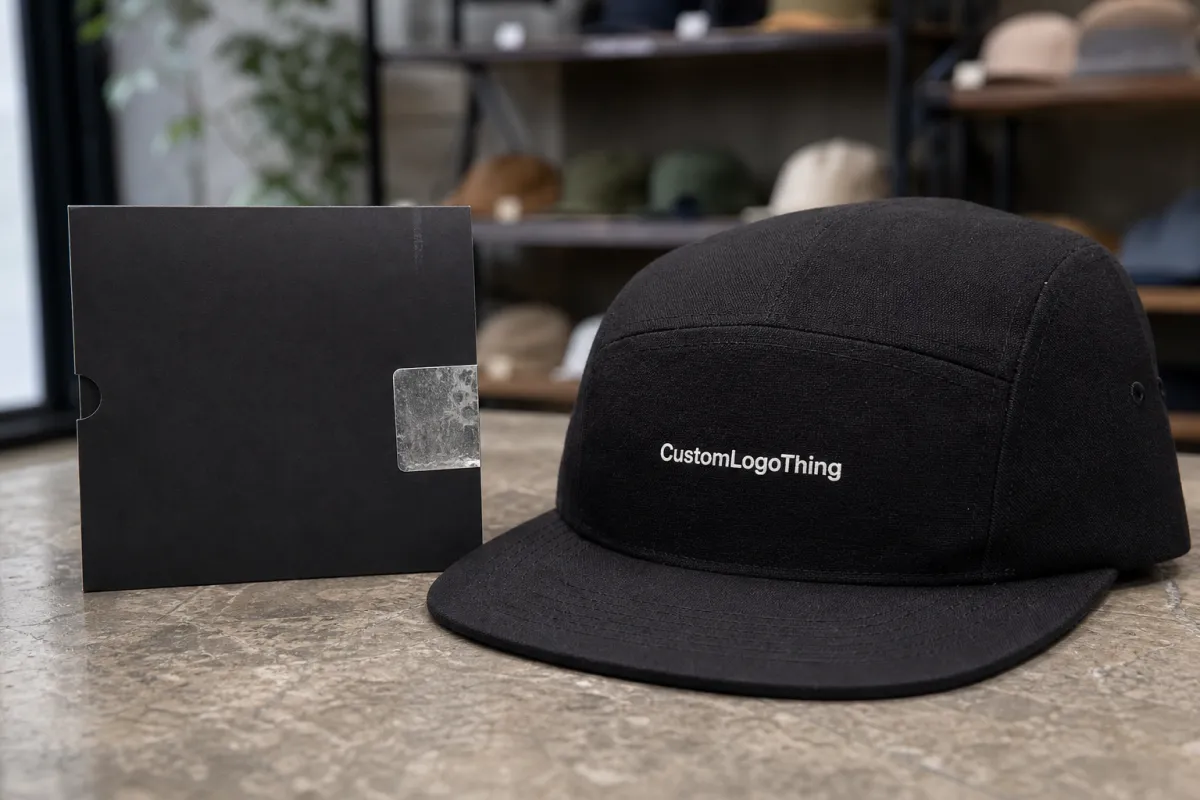
Five-panel caps are popular for a practical reason: the front panel gives designers a flatter, cleaner canvas than many six-panel constructions. Logos sit more naturally, patches have more room, and text is easier to read from a distance. For buyers, that often means a cleaner brand impression with less visual noise.
Bulk orders also reward repeatability. Once the pattern, fabric, and decoration settings are locked, later runs can match the approved sample more closely than buyers expect. That is useful if a program needs replenishment six months later, or if the first order becomes a recurring uniform item. A custom Five Panel Caps bulk order is usually strongest when the spec is built for reorders, not just first shipment appeal.
A cap may be a small item, but the quality flaws are easy to see. A wandering stitch line, a weak front panel, or a cheap closure will show up in person long before anyone notices the logo.
Panel shape, crown profile, and fit details buyers compare
The five-panel layout changes both appearance and fit. Compared with a six-panel cap, it usually creates a broader front area and a more uninterrupted shape for embroidery, woven patches, or applique. That is one reason it works well for brand marks that need to look deliberate rather than overworked.
Crown profile is the next decision that tends to affect approval. Unstructured caps feel softer and more casual, but they collapse more easily. Structured caps keep the front panel upright and make decoration read more clearly. Low-profile versions sit closer to the head and feel modern; mid-profile versions have more volume and tend to suit a wider audience. Closure style, brim curve, and sweatband feel matter too, because a cap that looks right but fits awkwardly usually gets worn less.
- Unstructured: relaxed look, softer hand feel, less front-panel stability.
- Lightly structured: balanced shape with enough give for everyday wear.
- Structured: best for crisp branding and a more retail-ready silhouette.
- Low-profile: closer fit, cleaner streetwear feel.
- Mid-profile: more crown room and a broader fit range.
Small alignment details become obvious once the caps are packed in stacks. Eyelets, seam tape, label placement, and closure position should be consistent from unit to unit. Buyers sometimes focus on the front logo and overlook the rest of the cap, but the hidden details are what separate a polished program from a rushed one.
Materials, decoration methods, and finish options that affect quality
Fabric choice changes the cap more than many buyers realize. Cotton twill is common because it has body, takes decoration well, and feels familiar in hand. Washed cotton creates a softer, broken-in finish. Polyester blends dry faster and can hold color consistency better across large runs. Nylon and technical fabrics push the cap toward a sportier or performance look. For a custom five panel Caps Bulk Order, the right material depends on whether the goal is premium, rugged, athletic, or retail-friendly.
Decoration method matters just as much. Direct embroidery is durable and works well for simple marks, but dense stitching can make tiny copy look heavy. Woven patches preserve detail better when the logo has fine lines or small type. Printed patches and appliques can carry more color variation with smoother edges. Some buyers add woven labels, side tabs, or back-strap marks to extend the branding without crowding the front panel.
| Decoration option | Typical MOQ | Indicative unit price | Best use | Notes |
|---|---|---|---|---|
| Direct embroidery | 100-300 | $2.20-$4.20 | Simple logos, staff caps, event wear | Cost rises with stitch count and color changes |
| Woven patch | 100-250 | $2.60-$4.80 | Fine detail, small lettering, retail feel | Better than embroidery for tight copy |
| Printed patch or applique | 150-500 | $2.30-$4.60 | Graphics, tonal art, mixed-color artwork | Useful when edges need to stay clean |
| Fully custom body and trim | 500+ | $3.80-$7.50 | Retail programs and premium launches | Higher setup, stronger brand identity |
Finish details add up quickly. A one-color embroidery job with a standard closure is very different from a cap with a custom patch, branded trim, and retail packaging. If the caps are being shipped with FSC-certified paperboard tags or other branded inserts, lock those decisions before production starts. Late changes usually cost more than the detail itself.
For programs that travel through multiple handoffs, transit testing matters too. A cap is not fragile, but cartons can still crush the shape if the folding method or packing density is poor. The cap should survive shipping without arriving creased, misshapen, or marked by carton pressure.
Pricing, MOQ, and quote drivers for larger cap runs
Bulk pricing usually comes down to a familiar list: fabric, structure, decoration method, color count, packaging, and whether the build uses stock blanks or custom components. A plain cotton twill cap with a single embroidered logo will sit in a different range from a special-fabric run with patches, custom labels, and retail hang tags. The cheapest line item is not always the lowest landed cost.
MOQ often shifts with the build. Stock-based embroidery runs can start lower, while custom-fabric or patch-heavy orders usually need more units to absorb setup costs. A useful quote should separate unit price, setup, sample, freight, and rush fees. If those pieces are bundled together, comparing suppliers becomes guesswork.
- Ask for all-in pricing detail, not just a headline unit cost.
- Confirm the decoration method before comparing one quote to another.
- Check packaging assumptions because inserts and cartons affect landed cost.
- Review the next quantity tier in case a small increase improves the price break.
That last point matters more than buyers expect. Sometimes adding a few dozen units lowers the unit cost enough to cover spares, sample retention, or future replacements. For recurring staff programs and retail programs, that extra buffer is often worth more than squeezing the order to the exact minimum.
Process, timeline, and production steps from proof to shipment
Good cap production is methodical. It starts with a brief, then moves through artwork review, mockup or proof, approval, production, inspection, packing, and shipment. The process is not glamorous, but it is what keeps a Custom Five Panel Caps Bulk order from drifting off spec.
- Brief review: quantity, cap color, logo file, and delivery target are confirmed.
- Proof stage: placement, thread colors, patch size, and trim details are shown.
- Approval: the buyer signs off on the final mockup or sample.
- Production: cutting, sewing, decoration, finishing, and in-line checks happen in sequence.
- Final inspection: stitching, color consistency, counts, and packaging are checked before shipment.
Lead time is usually won or lost at the proof stage. Missing Pantone references, low-resolution artwork, and repeated placement changes are the usual delay makers. Typical production windows for bulk cap orders often fall around 12-20 business days after proof approval, with heavily custom builds leaning longer. Shipping time sits on top of that, so the in-hands date should be set before production starts, not after.
Seasonal demand changes the math. If the caps are tied to a product launch, a staff rollout, or an event, the schedule should work backward from the delivery date. A supplier who explains the actual production sequence in plain language usually has fewer surprises later on.
What dependable suppliers should document before you approve the run
A dependable supplier should show the spec before the first stitch is sewn. That means written confirmation of fabric, structure, decoration method, closure style, logo placement, and any packaging or labeling details. For a Custom Five Panel caps bulk order, that documentation prevents arguments later about shade, patch size, or finish quality.
Quality control should also be visible, not implied. Sample photos, approval checkpoints, carton counts, and a clear defect process all help you understand what happens if something comes in off spec. If the supplier cannot explain how reorders will match the approved run, that is a warning sign. Repeated programs depend on predictable records as much as on production skill.
Strong suppliers do not ask for trust first. They earn it by documenting the cap before production and by showing you where the checks happen.
Communication says a lot. Fast proof revisions are useful, but honest updates matter more when a fabric goes out of stock or a trim option changes. A good order desk will tell you early if a requested finish adds cost or extends the schedule. That kind of honesty is worth more than polished sales language.
Next steps to lock in your cap order with fewer delays
Before requesting a quote, gather the basics: quantity, cap color, decoration method, logo file, delivery date, and any packaging needs. That gives the supplier something real to price, rather than a rough guess. It also makes fabric and closure recommendations more accurate.
Ask for quotes in a format that separates unit price, setup, sample, freight, and any rush charge. Then compare each supplier against the same spec sheet. If two finishes are still under consideration, request a sample photo set or a material recommendation based on the intended use. For a cap that will sit next to product packaging or other branded pieces, consistency matters as much as the cap itself.
Before approval, check placement, thread colors, fabric tone, closure style, and total count by colorway. If the order includes custom printed boxes, insert cards, or shipping cartons, keep those details aligned rather than treating them as separate problems. That is usually where delays multiply.
If the timeline is tight, the best move is to keep the brief stable. A clean brief produces a cleaner proof, and a cleaner proof usually produces a more reliable run.
What is the MOQ for custom five-panel caps?
MOQ depends on whether the cap uses a stock body, custom fabric, embroidery, or patch decoration. Stock-based embroidery orders often start lower than fully custom builds, but the exact minimum should always be confirmed with the quote.
How much do custom five-panel caps cost in bulk?
Bulk pricing usually lands in the low single digits per cap for basic decorated runs and rises with custom fabric, multiple thread colors, patch work, or special packaging. A proper quote should show unit cost, setup, sample, freight, and any rush fees.
Which decoration method works best for five-panel caps?
Embroidery works well for simple logos and a durable finish. Woven or printed patches are better when the artwork has fine detail, small text, or layered color. The right choice depends on the logo and the look you want the front panel to carry.
How long does production take for a bulk five-panel cap order?
After proof approval, many runs take about 12-20 business days before shipping, with more complex builds taking longer. Freight adds extra time, so the in-hands date should be set before production begins.
What do you need to quote a five-panel cap order accurately?
Quantity, cap color, artwork file, decoration placement, packaging needs, and delivery date are the core inputs. If those details are still changing, reference images and a budget range will help narrow the options without slowing the process down.

