Custom Plastic Bags for beauty samples do more than hold a sachet, a vial, or a folded card. They protect the product, frame the first impression, and decide whether a tiny trial feels considered or disposable. That difference can be surprisingly large. A compact sample may travel through three or four handling points before it reaches the end user, and every one of those steps exposes the packaging to pressure, scuffing, heat, or simple bad luck.
That is why the best sample packaging is never just a cosmetic decision. It has to fit the item cleanly, survive transit, print accurately, and stay inside budget. A beautiful mockup can still fail if the seal line is weak, the film clouds over, or the sample floats in a bag that was sized only to the product, not the product plus insert plus closure margin.
For buyers comparing Custom Plastic Bags for beauty samples, the real question is not whether the bag looks good on a screen. It is whether it performs in the actual use case: retail giveaway, influencer seeding, event handout, or counter display. Those are not the same job. The right spec changes with each one.
Why sample bags matter more than they look
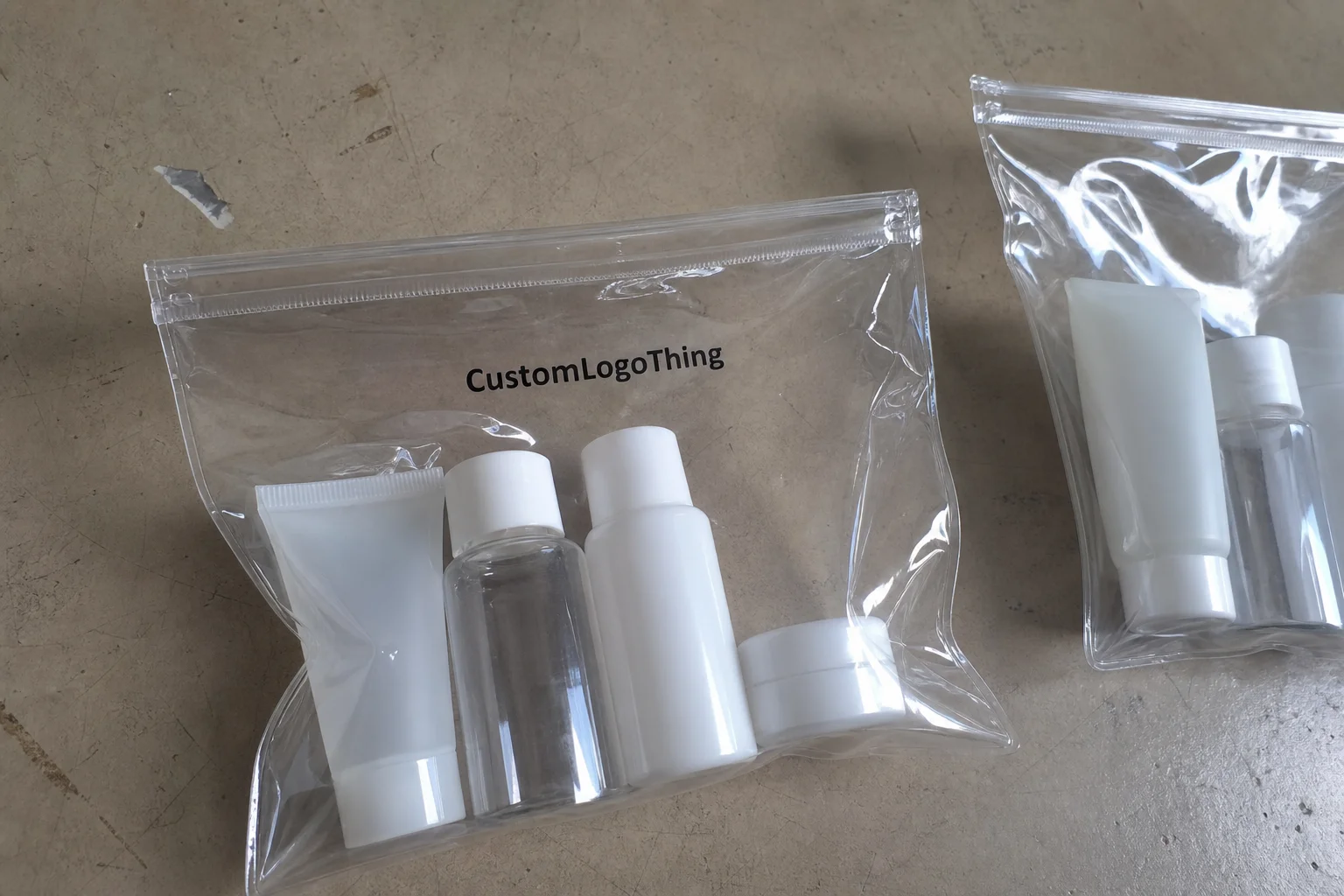
Beauty samples are handled roughly relative to their size. They get stacked in cartons, slipped into mailers, passed across counters, and opened in a hurry. If the bag looks flimsy or comes out of transit scratched, the sample starts with a credibility problem before the formula has a chance to speak for itself.
Packaging buyers usually care about three things at once: protection, presentation, and packing speed. The strongest solution is the one that reduces manual handling, keeps the contents visible enough to be recognized quickly, and does not create a bottleneck in fulfillment. That combination matters more than decorative complexity.
The use case changes the spec. A retail giveaway kit can tolerate more decoration and a slightly richer finish. An event handout usually needs a lower unit cost and faster packing. Influencer mailers ask for a better unboxing moment because the packaging itself may appear in photos or short-form video. Counter display packs sit in the middle, with visibility and stackability both pulling on the design.
Common failure points are easy to miss until production starts. Clouded film can dull a fragrance sample. A weak seal can split in transit. Print that looked crisp on the proof can disappear once a white card insert sits behind it. Even a good bag can miss the mark if the panel proportions leave too much empty space and the sample shifts around like an afterthought.
The most expensive sample bag is rarely the one with the highest unit price. It is the one that has to be reworked after launch because the size, closure, or print coverage was not checked against the real product.
Seen that way, sample packaging is part design brief, part production control. It affects shipping reliability, shelf impression, and the economics of the entire sampling program in one move. That is a lot to ask from a small bag, which is exactly why the specification deserves careful attention.
How the package is built from film to finish
A sample bag starts with film choice, then thickness, then closure, then print. That order matters because each decision constrains the next one. Soft polyethylene behaves differently from crisp polypropylene, and both behave differently again once a zipper, heat seal, or tear notch is added.
Polyethylene is common because it is flexible, forgiving, and easy to seal. It works well for lightweight sachets, cotton pads, and small cosmetic items. Polypropylene gives a cleaner, more structured look, which suits premium presentation when the bag needs to stand a little straighter on a counter or inside a kit. Laminated structures add stiffness or barrier performance, and they make sense when the sample needs a stronger premium feel or additional protection from moisture and odor transfer.
Closure style affects both the user experience and the production method. Resealable zippers suit consumer trials because the bag can be opened more than once. Heat seals are better for tamper evidence or controlled distribution. Tear notches help the opening feel intentional instead of improvised. Hang holes matter for retail packaging and counter hooks. If the sample is going to be mailed, a closure that stays shut is worth more than a closure that merely looks tidy in a mockup.
Print method shapes the result just as much. A one-color logo on a clear bag can feel clean and restrained. Full-coverage artwork with tight registration across multiple panels can look more elevated, but it raises the bar on file prep and quality control. Transparent film often needs a white underprint to keep logos from disappearing into the product behind them. Without it, the design can look unintentionally faint.
Transit discipline matters too. Many teams use the same basic logic behind ISTA transit testing standards: if a package will be stacked, vibrated, or tossed into outbound freight, it should be designed for that reality rather than for a perfect tabletop photo. Beauty samples are not fragile in theory, only in practice. The shipping route proves the difference.
Material, size, and print choices that drive results
Size should be built around the full pack, not the sample alone. If only the sachet or vial is measured, the finished bag can end up too tight once an insert card, applicator, or folded leaflet is added. A little extra headspace usually makes sealing easier and gives the finished piece a cleaner proportion. That small change often saves more rejected samples than a buyer expects.
Clarity versus opacity is another early decision. Crystal-clear film works well for color cosmetics, skincare minis, and fragrance vials where the product itself contributes to the presentation. Frosted or tinted film hides visual clutter and can make a lower-cost sample feel more curated. If the formula is visually busy, or the insert card carries a lot of copy, a slightly opaque finish may produce the better result.
Finish matters more than many buyers predict. Gloss gives brightness and strong shelf visibility. Matte softens reflections and reduces fingerprints. Soft-touch can feel premium, but it raises cost and is usually not the right move for a short-lived trial pack unless the campaign is built around luxury cues. The finish should support the product story, not compete with it.
| Material option | Typical look and feel | Best use case | Typical tradeoff |
|---|---|---|---|
| Clear polyethylene | Flexible, lightweight, easy to seal | Loose samples, sachets, lightweight kits | Less structured presentation |
| Polypropylene | Crisper appearance, cleaner panel definition | Premium skincare and cosmetic samples | Slightly less forgiving in some pack formats |
| Laminated film | Stiffer, more premium, better barrier potential | Higher-end seeding kits and fragrance samples | Higher unit cost and more complex sourcing |
| Printed opaque film | Strong brand coverage, less product visibility | Promotional kits and controlled retail packaging | Can hide the sample if layout is not planned well |
Think about what has to be printed and what has to stay open. Logo placement, barcode space, batch-code area, compliance text, and any label zone all need room. If the bag will be used alongside Custom Packaging Products such as insert cards, carton sleeves, or outer mailers, keep the visual system aligned so the sample does not look detached from the rest of the line.
Thickness helps, but thicker is not automatically better. Heavier gauge can reduce tearing around sharp corners and improve stiffness, yet it can also raise postage weight and make recycling more complicated. For beauty sample bags, the right spec is the one that handles the product cleanly without adding waste that no one asked for.
Cost, pricing, MOQ, and unit economics
Pricing usually moves with five variables: size, material, thickness, print colors, and order quantity. Closure style and finish add more pressure. A simple clear printed bag with one color will sit in a very different bracket from a laminated bag with full-coverage graphics, a zipper, and a custom hang hole. The quote only becomes meaningful once those details are fixed.
For smaller runs, the setup cost gets spread across fewer pieces, so the unit price rises. That is not a supplier trick. It is how print and converting work. A buyer asking for a low minimum order quantity should expect a higher per-unit cost than a larger production run with the same spec. The real question is whether the added flexibility is worth it for the launch plan.
Typical sample bag pricing can vary widely, but the pattern is predictable. A plain clear printed bag on a healthy run can stay in a low-cost bracket. A more complex laminated build can climb quickly once setup, print, and finishing are counted. Small runs often pay a premium that is easy to underestimate because the quote looks fine until freight, proofing, plates, and carton charges are added.
Here is a practical way to evaluate quotes:
- Check the exact finished size and material.
- Confirm print colors, coverage, and any white ink layers.
- Ask whether freight, plates, and sampling are included.
- Compare landed unit cost, not just the print price.
- Ask what changes if quantity increases by a meaningful step.
The cheapest spec is not always the best business choice. If a standard bag size can be adapted with custom print, it often protects margin better than building an entirely new structure. That matters in beauty, where a brand may run several scents, shades, or skincare variants before the strongest SKU becomes obvious. Paying for a special structure too early can tie up budget that should be spent on the next test.
For packaging buyers thinking about waste and compliance, the EPA’s recycling guidance at epa.gov is a useful reference point when choosing between plastic thicknesses, inserts, and mixed-material components. Not every sample pack will be treated the same way after use, so it helps to know what the material mix does to the disposal path.
Process and timeline from concept to shipment
The workflow is straightforward only if the brief is complete. First comes the use case: retail giveaway, influencer mailer, counter display, or event handout. Then comes the spec: dimensions, closure, film type, print coverage, and target quantity. After that, artwork is adapted to a dieline, the supplier sends a proof, and the buyer approves either a sample or a pre-production version before production starts.
Delays usually come from missing details. Artwork that is not dieline-ready adds back-and-forth. Late color changes push the schedule. Unclear sizing is a classic problem because the sample may fit on paper but not in the actual bag once the closure margin is added. If the project includes a zipper, hang hole, or foil embellishment, the timeline stretches a bit further.
For a clean timeline, buyers should send the exact sample dimensions, the intended fill method, the artwork files, and a short note about what cannot change. That one page can save days. The clearest briefs do not just describe how the bag should look. They explain what the bag must do, and what failure would cost.
A pre-production sample is worth the time when the bag has to protect a delicate formula or carry a premium finish. It lets you test seal strength, print placement, zipper feel, and whether the sample sits the way you expected. Full production is where the real risk sits, because a small error in artwork or fit becomes expensive across the whole order.
Rush jobs can happen, but they narrow the material and finishing options and usually raise cost. If the launch date is fixed, the safer move is to lock the spec early and give the supplier enough room to run the proof, make corrections, and produce without compressing every stage. Short timelines and custom work rarely improve each other.
Quality checks that catch problems before production
Most issues show up before the bag is ever filled, if the right questions get asked. Start with seal performance. A bag that looks fine open can split once pressure is applied, especially around corners, tear notches, and zipper endpoints. If the sample contains a liquid or an oily formula, the seal margin deserves extra attention because contamination at the edge can weaken it.
Then check artwork in context. A proof viewed flat on screen hides proportion problems that show up immediately once the product goes inside. Logos can shift low, copy can become crowded by the closure, and a transparent panel can make a beautifully set layout look too busy. The safest review is a mockup with the actual sample, not a static PDF.
Color is another trap. A brand shade that looks balanced on coated paper may read differently on plastic film, especially if the bag is clear, frosted, or matte. White underprints, overprints, and transparent inks all behave differently. If color consistency matters, ask for a reference target and compare it under the same light that will be used at receiving.
Measurement should include more than width and height. Buyers should confirm usable interior space, closure allowance, insert thickness, and whether the product can sit flat without bulging the panel. A cosmetic sample that arrives curved or distorted can look heavier and less precise than it is. For premium lines, that visual bias matters.
Finally, inspect how the bag will be packed at the source and unpacked by the end user. A clean opening, easy stacking, and reliable seal line can save time across the supply chain. Small gains here compound. In a sampling program of any size, saving a few seconds per unit is not trivial.
Common mistakes when ordering sample packaging
The most common sizing mistake is simple: buyers measure the sample and forget the rest. A card insert, applicator, or extra headspace for sealing changes the true finished dimensions. That is why sample bags that look perfect on a spreadsheet can arrive too tight in production.
Another mistake is choosing a film that is too light for the contents. Sharp corners, glass vials, metal caps, and repeated handling in kits all punish thin film. If the sample will be tossed into a mailer and moved around, the bag needs enough strength to keep the contents from poking through or abrading the surface.
Artwork can also fail in ways that are hard to predict on screen. Busy backgrounds can hide the logo. Thin type can vanish on clear film. Low contrast can make a premium design look muddy once the product is inserted. A proof should be judged in the context of the actual sample, not as a flat image floating on a monitor.
Some buyers forget operational details. If the pack will hang in a display, it needs a hole in the right place. If it needs a batch code or ingredient text, the panel must stay readable. If the bag is going into controlled distribution, tamper evidence may matter more than a resealable finish. Those details belong in the brief from the start.
One more issue is approving a sample too quickly. The zipper feel, seal line, clarity, and stiffness all influence how the bag is perceived and how it performs. A quick yes on a proof can become a costly no later, especially when the sample contains a liquid, oil, or powder that behaves differently than expected.
Expert tips for better sample presentation and performance
Pick the closure based on distribution method. Resealable zippers suit consumer trials and multi-use samples. Heat seals suit tamper-sensitive campaigns or bulk distribution. A simple tear notch can make the opening feel intentional, which helps with perceived quality and keeps the bag from looking improvised.
Design the front panel for fast recognition. The logo, product name, and one clear benefit statement should be easy to see at a glance. Then use the back panel for instructions, ingredients, campaign copy, or a QR code. That approach keeps the front clear and gives the sample more room to function as product packaging rather than a crowded flyer in plastic.
Small print improvements can lift the whole piece. A better white underprint, a stronger contrast choice, or better logo placement can make a modest sample bag feel far more polished. That does not always require more expensive materials. Often it just requires tighter packaging design discipline.
Always test the actual product inside the actual bag. Weight, oil content, stiffness, and surface finish all affect how the pack sits and seals. A sample that seems fine with a dummy insert can behave very differently with a real cream pod or glass vial. The final check should feel like a packaging test, not a photo review.
If the line includes multiple sample variants, keep the panel proportions consistent. A consistent system helps with storage, fulfillment, and retail packaging presentation. It also makes the whole program easier to scale because the same visual logic can carry across scent, shade, or formula versions without rebuilding the structure each time.
Strong sample presentation usually comes from restraint. Keep the front panel clear, give the closure enough room to work, and let the product itself do some of the visual selling.
Next steps for ordering with confidence
Before requesting quotes, confirm the sample dimensions, the insert size if there is one, the closure type, the material, the print coverage, and the target quantity. If the package must meet a display requirement or support a premium launch, note that up front so the supplier can suggest the right structure instead of guessing.
Gather artwork, any compliance text, and usage notes before pricing the job. That helps the supplier quote accurately on the first pass and reduces the usual revision loop. If the bag needs to protect a delicate formula or support a more elevated unboxing moment, ask for a proof or mockup and test it with the real product.
Good buying decisions usually come from comparing suppliers on communication quality, spec clarity, production flexibility, and proof discipline, not only on unit price. A supplier that asks the right questions is often worth more than one that returns the lowest number without checking the details.
For beauty brands, Custom Plastic Bags for beauty samples work best when the spec is settled early, the sample is tested in real use, and the artwork is built around the product rather than forced onto it. That is the shortest route to packaging that looks right, runs cleanly, and supports the brand without creating avoidable cost.
What should I know before ordering custom plastic bags for beauty samples?
Confirm the exact sample dimensions plus any insert card, applicator, or closure allowance. Decide whether the bag needs to be clear, printed, resealable, or tamper-evident based on how it will be used.
Which material works best for custom plastic bags for beauty samples?
Clear polyethylene is common for flexible, lightweight sample packs, while polypropylene gives a crisper presentation. If barrier, stiffness, or premium shelf feel matters, a laminated structure may be worth the added cost.
How much do custom sample bags usually cost?
Pricing depends on size, thickness, print colors, finish, closure style, and quantity. Unit cost usually drops as volume rises because setup and production overhead are spread across more bags.
What is the typical turnaround time for custom beauty sample bags?
Timeline depends on artwork readiness, proof approval, and whether a pre-production sample is needed. Clear specs and fast approvals shorten lead time more than almost any other factor.
How do I avoid sizing mistakes with beauty sample packaging?
Do not size the bag only to the sample itself; include the insert, headspace, and seal margin. Test the actual product inside before final approval so the fit, closure, and presentation are verified together.


